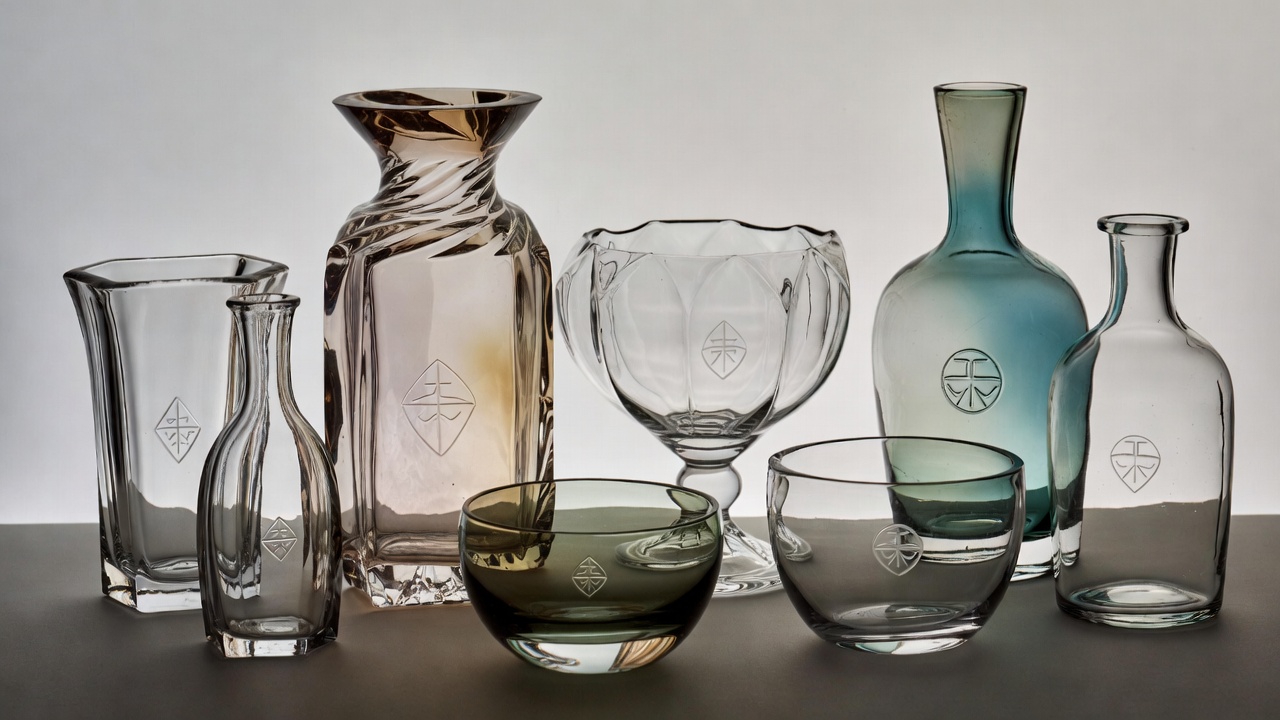

That beautiful glass vase sitting on your shelf could be a valuable piece of art glass worth thousands – or a modern reproduction worth very little. The difference often comes down to understanding the marks, signatures, and identifying features that distinguish genuine antique glass.
Unlike pottery or silver, glass marks can be subtle, hidden, or even absent entirely. Many valuable pieces were never marked at all. This makes antique glass identification both challenging and rewarding – once you know what to look for, you’ll spot treasures others miss.
This comprehensive guide will teach you how to identify marks on antique glass from the world’s most prestigious makers, from Lalique to Tiffany, Steuben to Baccarat.
Why Glass Marks Are Different
Glass marks present unique challenges:
Not Always Present: Many fine glass pieces were never marked, especially before the 20th century.
Hard to See: Glass marks can be nearly invisible – acid-etched, lightly engraved, or molded into the glass.
Easily Faked: Signatures can be added to unmarked pieces fraudulently.
Wear and Damage: Marks on glass can be scratched, worn, or ground off.
Paper Labels: Many pieces had only paper labels, now long lost.
Despite these challenges, understanding glass marks is essential for authentication and valuation.
Types of Glass Marks
Glass marks fall into several categories:
Molded Marks
- Raised or recessed letters/symbols in the glass
- Created when glass was formed in mold
- Cannot be added later (good authentication)
- Often on base or hidden areas
Acid-Etched Marks
- Frosted/matte appearance
- Applied with acid-resistant stencil
- Common on French art glass
- Can be felt as slightly textured
Engraved Marks
- Cut into glass surface with wheel or point
- Artist signatures often engraved
- Can be examined under magnification
- Harder to fake convincingly
Painted/Enameled Marks
- Applied as decoration
- Can wear off over time
- Period-appropriate style important
- Some factories used specific colors
Paper Labels
- Often lost over time
- Very valuable when present
- Style indicates period
- Reproductions exist
Pontil Marks
- Not a “mark” but an identifying feature
- Rough or polished area where glass was attached to pontil rod
- Style indicates age and quality
- Ground and polished = higher quality
French Art Glass Marks
French art glass represents some of the most valuable and collectible pieces.
Lalique
René Lalique (1860-1945) created some of the most recognizable art glass.
Mark Evolution:
| Mark | Period | Notes |
|---|---|---|
| “R. LALIQUE” | 1920s-1945 | Most valuable period |
| “R. Lalique France” | Pre-1945 | Various styles |
| “LALIQUE” (no R.) | Post-1945 | After René’s death |
| “Lalique France” | Post-1945 | Current production |
| “Lalique ® France” | Modern | Registered trademark |
Mark Locations:
- Base (most common)
- Hidden areas on figurals
- Near design elements
Mark Styles:
- Engraved (wheel or diamond point)
- Molded (raised or recessed)
- Acid-etched (frosted appearance)
Authentication Tips:
- Pre-1945 pieces with “R. LALIQUE” most valuable
- Engraved signatures often in script
- Molded marks in block letters
- Check for model numbers (often present)
- Beware of added signatures on unmarked pieces
Red Flags:
- “R. LALIQUE” on post-1945 style pieces
- Signatures that look too new/crisp
- Inconsistent mark style for claimed period
- Signatures placed oddly
Gallé
Émile Gallé (1846-1904) pioneered cameo glass techniques.
Mark Types:
During Gallé’s Lifetime (to 1904):
- “Gallé” in script, often engraved
- “Cristallerie d’Émile Gallé”
- Sometimes with cross of Lorraine
After His Death (1904-1914):
- Star after “Gallé” signature (★)
- Indicates posthumous production
- Still valuable, slightly less than lifetime
Later Production (1914+):
- “TIP GALLÉ” (pressed glass, less valuable)
- Various marks on reproduction pieces
Mark Locations:
- Often in cameo relief (part of design)
- Base on some pieces
- Within decorative elements
Authentication:
- Cameo signatures should match carving style
- Period-appropriate glass techniques
- Quality of cameo work
- Star indicates post-1904
Daum
Daum Frères (Daum Nancy) produced exceptional art glass.
Marks:
- “DAUM NANCY” with cross of Lorraine (✚)
- “Daum Nancy France”
- Often acid-etched or engraved
- Cross of Lorraine is key identifier
Periods:
- Art Nouveau (1890s-1914): highest values
- Art Deco (1920s-1930s): very collectible
- Post-WWII: modern production
Authentication:
- Cross of Lorraine should be present
- Quality of decoration
- Period-appropriate techniques
- Signature style matches period
Other French Makers
Baccarat:
- Circular acid stamp
- “BACCARAT” text
- Paper labels (often lost)
- Modern: acid-etched “BACCARAT FRANCE”
Saint-Louis:
- “ST. LOUIS” or “St Louis”
- Paper labels
- Acid stamps on modern pieces
Schneider/Le Verre Français:
- “SCHNEIDER”
- “LE VERRE FRANÇAIS” or “CHARDER”
- Often engraved
- Art Deco period most valuable
American Art Glass Marks
Tiffany
Louis Comfort Tiffany (1848-1933) created America’s most famous art glass.
Mark Types:
Favrile Glass:
- “L.C.T.” (Louis Comfort Tiffany)
- “L.C. Tiffany”
- “L.C. Tiffany Favrile”
- “Tiffany Favrile”
- Often engraved on base
Tiffany Studios (Lamps & Decorative):
- “TIFFANY STUDIOS NEW YORK”
- Model numbers
- “Tiffany Glass & Decorating Company” (early)
Mark Locations:
- Base of vases
- Edge of lamp shades
- On metal fittings
Numbering System: Numbers on Tiffany glass indicate:
- Production sequence
- Sometimes prefixed with letters
- Can help authenticate and date
Authentication:
- Quality of iridescence
- Weight and feel of glass
- Correct numbering format
- Period-appropriate techniques
- Provenance when possible
Red Flags:
- Modern copies exist
- Signatures can be added
- Check quality, not just mark
- “Too good” condition suspicious
Steuben
Steuben Glass Works (1903-2011) produced fine American glass.
Mark Evolution:
| Period | Marks |
|---|---|
| Early (1903-1932) | Fleur-de-lis, “STEUBEN” acid stamp |
| Carder Period | “AURENE” for aurene glass |
| Later (1933-2011) | “STEUBEN” script or block |
| Modern | Engraved “STEUBEN” |
Frederick Carder Era (1903-1933):
- Most collectible period
- “AURENE” marks on aurene glass
- Fleur-de-lis symbol
- Various color names marked
Later Steuben:
- Clear crystal focus
- Engraved signatures
- Designer signatures sometimes
- High quality, lower values than Carder
Quezal
Quezal Art Glass (1901-1924) made Tiffany-style glass.
Marks:
- “QUEZAL” engraved
- Sometimes on base
- Quality iridescent glass
- Often confused with Tiffany
Durand
Durand Art Glass (1924-1931) produced brief but quality production.
Marks:
- “DURAND” engraved across pontil
- Sometimes with “V” (Victor Durand)
- Limited production period
- Highly collectible
Other American Makers
Fenton:
- “FENTON” in oval (after 1970)
- Earlier pieces often unmarked
- Paper labels
- Logo evolved over time
Imperial:
- “IG” or “IMPERIAL”
- Various marks by period
- Cross marks
Cambridge:
- “C” in triangle
- “NEAR CUT”
- Paper labels
Heisey:
- “H” in diamond
- Distinctive and consistent
- Highly collectible
Fostoria:
- Often unmarked
- Paper labels
- “Fostoria” acid stamp (some periods)
European Glass Marks
Bohemian/Czech Glass
Historic glassmaking region with many factories.
Common Marks:
- Often unmarked historically
- “BOHEMIA” (20th century)
- “CZECHOSLOVAKIA” (1918-1992)
- “CZECH REPUBLIC” (1993+)
- Individual factory marks vary
Moser:
- “MOSER” engraved
- “MOSER KARLSBAD”
- High quality, collectible
- Distinctive cutting and engraving
Loetz (Lötz):
- Often unmarked
- “LOETZ AUSTRIA” (some pieces)
- Paper labels
- Quality iridescent glass (Tiffany-like)
- Attribution often by style
Venetian/Murano Glass
Italian island famous for centuries of glassmaking.
Marks:
- Many pieces unmarked
- “MURANO” text
- “MADE IN ITALY”
- Factory-specific labels
- Artist signatures (modern)
Major Makers:
- Venini (V with VENINI or label)
- Barovier & Toso
- Seguso
- Archimede Seguso (signature)
Authentication Challenges:
- Many unmarked pieces
- Labels often lost
- Modern reproductions common
- Style identification important
Scandinavian Glass
Orrefors (Sweden):
- “ORREFORS” engraved
- Designer signatures
- Model numbers
- “Of” monogram (some periods)
Kosta Boda (Sweden):
- “KOSTA” or “KOSTA BODA”
- Artist signatures
- “KB” marks
Iittala (Finland):
- “IITTALA” text
- Designer names
- “i” logo (modern)
Holmegaard (Denmark):
- “HOLMEGAARD”
- Designer signatures
- Labels
British Glass
Webb:
- “WEBB” or “THOMAS WEBB”
- “WEBB CORBETT”
- Acid stamp or engraved
- Famous for cameo glass
Stevens & Williams:
- “S&W” marks
- “BRIERLEY”
- Paper labels
Whitefriars:
- Often unmarked
- Paper labels
- Distinctive styles identify
Edinburgh/Scottish:
- “EDINBURGH CRYSTAL”
- Various maker marks
Pressed and Pattern Glass Marks
American Pressed Glass
Identifying Features:
- Mold seams visible
- Pattern names in marks
- Maker marks on base
Major Makers:
- Boston & Sandwich: Rarely marked, identify by pattern
- Gillinder: “GILLINDER” sometimes
- U.S. Glass: “US” marks
- Indiana Glass: Various marks
Depression Glass
Mass-produced 1920s-1940s colored glass.
Marks:
- Often unmarked
- Pattern identification crucial
- Some maker marks exist:
- Federal Glass: “F” in shield
- Anchor Hocking: Anchor symbol
- Hazel-Atlas: “H” over “A”
- Jeannette: “J” in triangle
Carnival Glass
Iridescent pressed glass (1908-1930s primarily).
Identification:
- Molded patterns key
- Maker identification by pattern
- Northwood: “N” in circle (most valuable)
- Fenton: Often unmarked early
- Imperial: Iron cross, “IG”
- Millersburg: No mark, identify by pattern
How to Examine Glass Marks
Equipment
Basic:
- Good light source
- Magnifying glass
- Black light (UV) – reveals repairs, some signatures
Advanced:
- Jeweler’s loupe (10x)
- LED flashlight
- UV flashlight
- Camera with macro
Examination Process
Step 1: Overall Assessment
- Quality of glass
- Weight and feel
- Style and period
- Condition
Step 2: Locate Marks
- Turn piece over, examine base
- Check inside rim
- Look at pontil area
- Examine decorative elements
- Check for paper label residue
Step 3: Identify Mark Type
- Molded, etched, or engraved?
- How was it applied?
- Period-appropriate technique?
Step 4: Document
- Photograph marks clearly
- Note location and style
- Record any numbers
Step 5: Research Use the Antique Identifier app for instant identification, or consult reference books and online databases.
Authentication Red Flags
Watch for these warning signs:
Signature Issues
Too Crisp: Old signatures show wear; brand-new looking marks on “antique” glass are suspicious.
Wrong Style: Signature style should match the period claimed.
Wrong Location: Marks in unusual places warrant scrutiny.
Added Later: Signatures can be engraved onto unmarked pieces – compare to known authentic examples.
Quality Mismatches
Mark vs. Quality: A Tiffany signature on mediocre quality glass is suspicious.
Style vs. Mark: A modern style piece with antique marks doesn’t compute.
Condition vs. Age: Perfect condition on supposedly century-old glass raises questions.
Common Fakes
Tiffany: Most commonly faked American art glass Lalique: “R. Lalique” marks added to post-1945 pieces Gallé: Signatures added to unmarked cameo glass Carnival glass: Fake Northwood “N” marks
Dating Glass by Marks
Quick Reference
| Mark Feature | Date Indication |
|---|---|
| “R. LALIQUE” | 1920-1945 |
| “LALIQUE” (no R) | Post-1945 |
| “Gallé” with star | 1904-1914 |
| “CZECHOSLOVAKIA” | 1918-1992 |
| “CZECH REPUBLIC” | 1993+ |
| “WEST GERMANY” | 1949-1990 |
| “Made in Occupied Japan” | 1945-1952 |
| “Nippon” | 1891-1921 |
| Depression glass patterns | 1920s-1940s |
Country of Origin Dating
Same rules as other antiques:
- Country name only: 1891-1914
- “Made in [Country]”: 1914+
Building Glass Mark Expertise
Study Authenticated Pieces
- Visit museum glass collections
- Attend auction previews
- Handle pieces at reputable dealers
- Compare marks on documented examples
Focus Areas
Glass is vast – specialize:
- French art glass (Lalique, Gallé, Daum)
- American art glass (Tiffany, Steuben)
- Pattern glass (pressed, Depression, Carnival)
- Modern studio glass
- Regional focus (Bohemian, Venetian, etc.)
Use Technology
The Antique Identifier app accelerates learning:
- Photograph marks and pieces
- Get instant identification
- Learn as you use
- Build reference collection
Key Resources
- Reference books by specific makers
- Auction catalogs with images
- Museum collection databases
- Collector organization resources
Frequently Asked Questions
How do I identify unmarked glass?
Many valuable glass pieces are unmarked. Identify by style, quality, technique, and comparison to marked examples. The Antique Identifier app can help identify pieces by their overall appearance, not just marks.
Can glass marks be faked?
Yes, especially on valuable makers like Tiffany and Lalique. Signatures can be engraved onto unmarked pieces. Always evaluate quality, style, and technique alongside marks.
Why do some Lalique pieces say “R. Lalique” and others just “Lalique”?
“R. LALIQUE” indicates pieces made during René Lalique’s lifetime (died 1945). After his death, the “R” was dropped. Pre-1945 pieces are generally more valuable.
Is unsigned glass worthless?
Absolutely not. Many valuable antique pieces were never signed. Quality, rarity, and condition matter more than marks. Some unsigned pieces are museum quality.
What does a star after Gallé’s signature mean?
A star (★) after the Gallé signature indicates the piece was made after Émile Gallé’s death in 1904 but before the factory closed in 1914. Still valuable, but slightly less than lifetime pieces.
Conclusion
Antique glass marks require more detective work than pottery or silver marks, but understanding them opens doors to identifying valuable pieces that others overlook. From Lalique’s elegant etchings to Tiffany’s engraved signatures, each mark tells a story of origin, age, and authenticity.
Remember that many fine glass pieces are unmarked – style, quality, and technique matter as much as marks. Use tools like the Antique Identifier app to help identify both marked and unmarked pieces, and always evaluate the whole picture.
Happy glass hunting!

Leave a Reply