

I Didn’t Expect This Going In
I tested several online antique valuation tools over a few days.
Same items. Similar photos. Different platforms.
I expected small differences.
What I got were completely different answers.
That was surprising. And a bit worrying.
The Test Setup
I used:
One small furniture piece
One piece of jewelry
One decorative object
Nothing museum level. Just everyday antiques people actually own.
I submitted similar photos and descriptions each time.
What Happened Next
Some tools gave instant prices.
Others asked long forms.
A few never replied at all.
The values ranged from very low to unrealistically high.
That told me something important.
The Biggest Surprise
Tools that relied only on text questions performed worst.
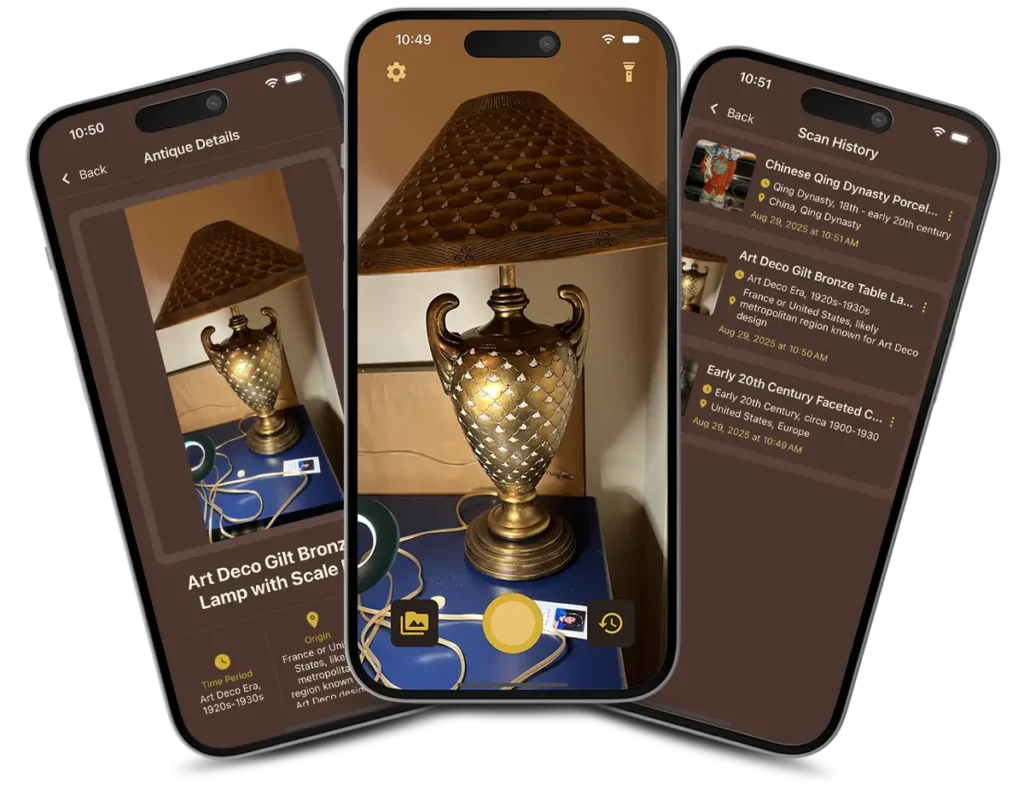
The ones that focused on visual details were more consistent.
They didnt always give a price, but they helped me understand the item.
That alone felt more honest.
What I Learned Quickly
Online antique valuation works best when:
You treat it as a filter
You ignore exact prices early
You focus on identification first
Once I changed my expectations, results made more sense.
The Tool That Helped the Most
The most useful tool wasnt the one with the biggest number.
It was the one that:
Explained why an item mattered
Highlighted construction details
Pointed out uncertainty
👉 Try the tool that worked best
https://apps.apple.com/app/id6751417557?ct=personal_test_1
It helped me decide which items were worth deeper research.
Final Thought
Online valuation isnt about finding the highest number.
Its about avoiding the wrong one.

Leave a Reply