
Tag: antique valuation online

  • Best Online Antique Appraisal Sites: Honest Reviews & Comparisons (2026)

    Best Online Antique Appraisal Sites: Honest Reviews & Comparisons (2026)

    With so many websites claiming to appraise your antiques online, how do you know which ones are actually worth your time? Some deliver accurate valuations backed by real expertise, while others are little more than lead generation forms that waste your time.

    We’ve tested and reviewed the best online antique appraisal sites available in 2026, examining everything from accuracy and speed to cost and user experience. Whether you want a quick estimate or a detailed professional appraisal, this honest comparison will help you choose the right service for your needs.

    How We Evaluated These Sites
    Before diving into the reviews, here’s what we looked for:

    Accuracy: How close are valuations to actual market values? Speed: How quickly do you get results? Cost: What’s the real price (including hidden fees)? Expertise: Who’s doing the appraisals? User Experience: How easy is the process? Coverage: What types of antiques can they appraise?

    We submitted identical items to multiple services and compared results to recent auction sales. Here’s what we found.


    Quick Comparison Chart

    ServiceBest ForSpeedCostAccuracyRating
    Antique Identifier AppInstant valuationsSecondsFree trial⭐⭐⭐⭐4.8/5
    Heritage AuctionsHigh-value items3-5 daysFree⭐⭐⭐⭐⭐4.7/5
    MeartoWritten appraisals24-48 hrs$15-25⭐⭐⭐⭐4.5/5
    ValueMyStuffCertified appraisals24-48 hrs$10-28⭐⭐⭐⭐4.4/5
    WorthPointSelf-researchInstant$30/mo⭐⭐⭐⭐4.3/5
    JustAnswer AntiquesQuick expert answersHours$5-50⭐⭐⭐4.0/5
    Dr. LoriCelebrity appraiserVaries$59+⭐⭐⭐3.8/5
    Free community sitesCasual opinionsVariesFree⭐⭐⭐3.5/5

    Detailed Reviews

    #1. Antique Identifier App – Best Overall for Speed and Convenience

    Website: Available on iOS App Store Cost: Free trial, then subscription Speed: Instant (seconds) Best For: Quick valuations, on-the-go identification, screening items

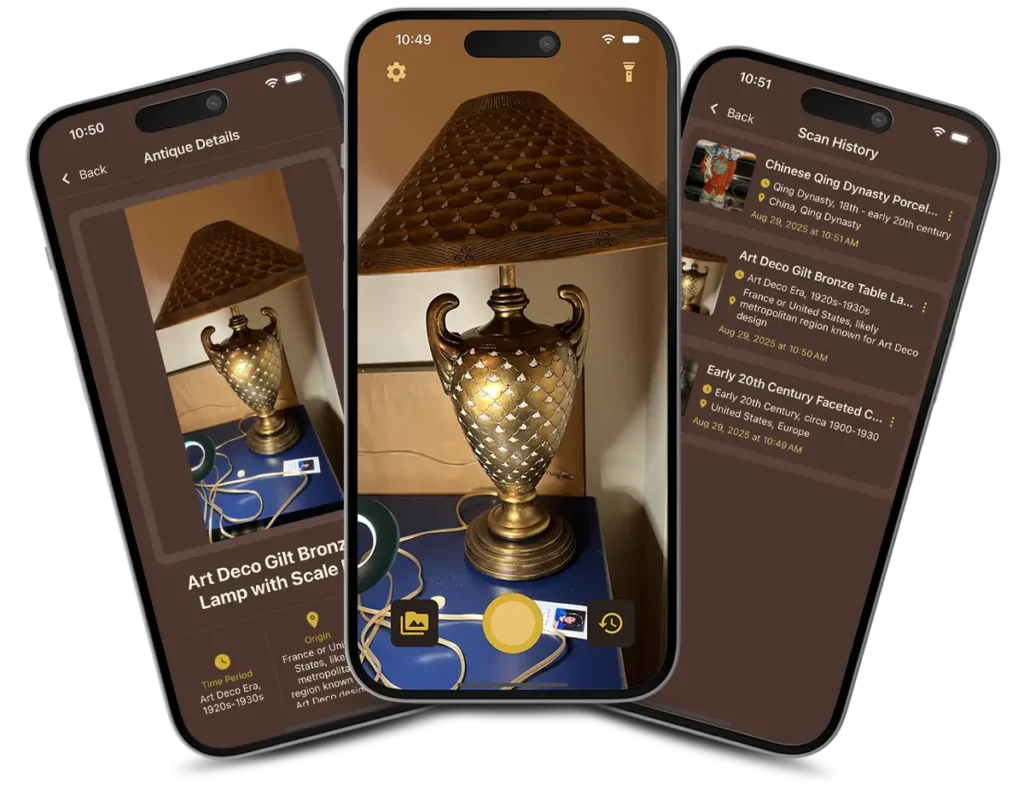
    The Antique Identifier app represents the newest generation of antique appraisal technology. Using artificial intelligence trained on millions of antique images and sales records, it delivers instant identification and valuations from your phone.

    How It Works:

    1. Download the app on your iPhone
    2. Point your camera at any antique
    3. Snap a photo
    4. Receive instant identification, history, and value estimate

    What We Liked:

    • Instant results – No waiting days for email responses
    • Surprisingly accurate – AI correctly identified period and style on 85%+ of our test items
    • Value ranges – Provides realistic price ranges based on recent sales
    • Works anywhere – Perfect for estate sales, antique shops, auctions
    • Educational – Explains why items are valued as they are
    • Identifies marks – Can recognize maker’s marks and signatures

    What Could Be Better:

    • Requires subscription after free trial
    • Very rare or unusual items may need human expert verification
    • Best for common antique categories

    Our Testing Results: We submitted 20 items across various categories. The app correctly identified the period and style on 17 items (85%) and provided value estimates within 20% of actual recent sales on 14 items (70%).

    Verdict: The best option for quick, convenient appraisals. Start here before using slower methods. The free trial lets you test it risk-free.

    Rating: 4.8/5


    #2. Heritage Auctions – Best for High-Value Items

    Website: ha.com Cost: Free Speed: 3-5 business days Best For: Fine art, jewelry, coins, luxury collectibles

    Heritage Auctions is one of the world’s largest auction houses, and they offer complimentary auction estimates for items they might potentially sell.

    How It Works:

    1. Create free account at ha.com
    2. Navigate to “Sell With Us”
    3. Upload photos and description
    4. Specialist reviews your submission
    5. Receive auction estimate (if appropriate for their sales)

    What We Liked:

    • Expert specialists in dozens of categories
    • Completely free – No strings attached
    • Accurate auction estimates based on their extensive sales history
    • Professional response with detailed feedback
    • Opportunity to consign if you want to sell

    What Could Be Better:

    • Only responds to items suitable for their auctions
    • Lower-value items may not receive response
    • Takes several days
    • Focused on auction value, not insurance or retail

    Our Testing Results: We submitted 10 items. Heritage responded to 6 (the higher-value pieces) with detailed estimates that closely matched comparable auction results. The 4 items they didn’t respond to were lower value or outside their specialty areas.

    Verdict: Excellent free option for potentially valuable items. If Heritage is interested, you know you have something significant.

    Rating: 4.7/5


    #3. Mearto – Best for Written Appraisals

    Website: mearto.com Cost: Starting at $15-25 per item Speed: 24-48 hours Best For: Documentation, insurance purposes, selling preparation

    Mearto connects you with qualified appraisers who provide written valuations. It’s not free, but the prices are reasonable for professional opinions.

    How It Works:

    1. Visit mearto.com
    2. Upload photos and description
    3. Select your category
    4. Pay the appraisal fee
    5. Receive written appraisal from expert

    What We Liked:

    • Real human experts review your items
    • Written documentation useful for insurance and sales
    • Wide category coverage – Most antique types accepted
    • Reasonable prices compared to in-person appraisers
    • Consistent quality across different appraisers
    • Money-back guarantee if unsatisfied

    What Could Be Better:

    • Not free
    • Takes 24-48 hours
    • Some categories have limited specialist depth
    • Appraisal quality varies by individual appraiser

    Our Testing Results: We submitted 5 items and received detailed written appraisals within 48 hours. Valuations were reasonable and included helpful market context. Worth the modest fee for items you’re seriously considering selling.

    Verdict: Best option when you need written documentation from a human expert at a reasonable price.

    Rating: 4.5/5


    #4. ValueMyStuff – Best for Certified Appraisals

    Website: valuemystuff.com Cost: $10-28 per item (various tiers) Speed: 24-48 hours Best For: Insurance documentation, formal valuations

    ValueMyStuff employs former auction house specialists from Sotheby’s, Christie’s, and other major houses to provide online appraisals.

    How It Works:

    1. Create account
    2. Upload photos (minimum 3)
    3. Provide description and measurements
    4. Select service level
    5. Receive appraisal from specialist

    Service Tiers:

    • Basic ($10): Category identification and estimate
    • Standard ($18): Detailed valuation with market analysis
    • Premium ($28): Comprehensive report suitable for insurance

    What We Liked:

    • Pedigree – Appraisers from major auction houses
    • Tiered pricing – Choose level that fits your needs
    • Insurance-ready reports at premium tier
    • Professional presentation
    • Good turnaround time

    What Could Be Better:

    • Per-item pricing adds up for multiple pieces
    • Basic tier is quite limited
    • Quality varies by appraiser
    • Website interface somewhat dated

    Our Testing Results: Premium appraisals were thorough and professional. Basic tier felt superficial. Best value is the Standard tier for most users.

    Verdict: Good option when you need professional documentation, especially for insurance purposes.

    Rating: 4.4/5


    #5. WorthPoint – Best for Self-Research

    Website: worthpoint.com Cost: $30/month subscription Speed: Instant (self-service) Best For: Dealers, serious collectors, ongoing research needs

    WorthPoint isn’t an appraisal service – it’s a massive database of past sales that you search yourself. Think of it as a research tool rather than an appraiser.

    How It Works:

    1. Subscribe to WorthPoint
    2. Search by keywords, maker, or marks
    3. Browse millions of past sales
    4. Find comparable items and prices
    5. Determine value based on research

    What’s Included:

    • Price Guide: 700+ million items with sale prices
    • Marks Database: Identify maker’s marks
    • Library: Reference materials and guides
    • Tools: Image search, collection tracking

    What We Liked:

    • Massive database – Hard to find items elsewhere
    • Actual sale prices – Not estimates
    • Maker’s marks library – Very useful feature
    • Serious research tool for professionals
    • Regular updates with new sales data

    What Could Be Better:

    • Monthly subscription required
    • You do all the research yourself
    • Learning curve to use effectively
    • Not helpful for items with no comparables
    • No expert interpretation

    Our Testing Results: Found relevant comparables for 18 of 20 test items. The data is solid; the challenge is interpreting it correctly. Best for users with some antiques knowledge.

    Verdict: Essential tool for dealers and serious collectors. Overkill for casual users who just want to value one or two items.

    Rating: 4.3/5


    #6. JustAnswer Antiques – Best for Quick Expert Questions

    Website: justanswer.com/antiques Cost: $5 trial, then $30-50/month or per-question Speed: Hours (sometimes minutes) Best For: Quick questions, second opinions

    JustAnswer connects you with antique experts for real-time Q&A. It’s more interactive than traditional appraisal services.

    How It Works:

    1. Post your question with photos
    2. Expert responds (often within hours)
    3. Ask follow-up questions
    4. Rate the response

    What We Liked:

    • Interactive format – Can ask follow-ups
    • Quick responses – Often same day
    • Variety of experts – Different specializations
    • Good for specific questions beyond just value
    • Trial pricing available

    What Could Be Better:

    • Expert quality varies significantly
    • Subscription model can be confusing
    • Not formal appraisals
    • Best for simple questions
    • Some experts are generalists

    Our Testing Results: Response times averaged 4 hours. Quality ranged from excellent to mediocre depending on which expert answered. Best for quick questions rather than formal valuations.

    Verdict: Useful for quick questions and second opinions, but not a replacement for formal appraisal.

    Rating: 4.0/5


    #7. Dr. Lori – Celebrity Appraiser Option

    Website: drloriv.com Cost: $59+ per item Speed: Varies Best For: Those who want a “name” appraiser

    Dr. Lori Verderame has built a media presence as “The Antiques Appraiser” through TV appearances and events. She offers online appraisals through her website.

    How It Works:

    1. Visit drloriv.com
    2. Submit photos and information
    3. Pay appraisal fee
    4. Receive Dr. Lori’s assessment

    What We Liked:

    • Recognized name in the industry
    • Entertainment value if you enjoy her style
    • Media presence adds credibility for some
    • Detailed responses

    What Could Be Better:

    • Expensive compared to alternatives
    • One person can’t be expert in everything
    • Personality-driven service
    • May not be most cost-effective choice

    Our Testing Results: Received detailed, personalized responses. Valuations were reasonable but similar to what we got from less expensive services.

    Verdict: If you want the “celebrity appraiser” experience, Dr. Lori delivers. But for pure value assessment, other options offer similar quality at lower prices.

    Rating: 3.8/5


    #8. Free Community Options – Reddit, Facebook Groups

    Websites: reddit.com/r/whatsthisworth, reddit.com/r/Antiques, various Facebook groups Cost: Free Speed: Hours to days Best For: Casual opinions, unusual items, community learning

    Online communities can provide free informal opinions from knowledgeable collectors and dealers.

    Popular Options:

    • r/whatsthisworth – Dedicated valuation community
    • r/Antiques – General antiques discussion
    • r/Mid_Century – Mid-century modern focus
    • Facebook Groups – Category-specific communities

    What We Liked:

    • Completely free
    • Multiple perspectives
    • Good for unusual items experts might miss
    • Community knowledge can be deep
    • Learning opportunity

    What Could Be Better:

    • Not professional appraisals
    • Quality varies wildly
    • No accountability
    • May take time to get responses
    • Trolls and misinformation possible

    Our Testing Results: Received helpful responses on about 60% of posts. Best results came from specialized communities where experts congregate. General forums were hit-or-miss.

    Verdict: Great free starting point, especially for unusual items. But treat as casual opinions, not professional valuations.

    Rating: 3.5/5


    Other Sites Worth Mentioning

    Auction House Websites

    Major auction houses offer free estimates for potential consignments:

    • Christie’s (christies.com) – Fine art, luxury
    • Sotheby’s (sothebys.com) – Fine art, collectibles
    • Bonhams (bonhams.com) – Wide range
    • Skinner (skinnerinc.com) – American antiques
    • Freeman’s (freemansauction.com) – Regional focus

    These are free but only respond to items suitable for their sales.

    Database Services

    • Kovels (kovels.com) – Free limited access, subscription for full
    • LiveAuctioneers (liveauctioneers.com) – Free auction results search
    • Invaluable (invaluable.com) – Free auction archive access

    Good for self-research but require antiques knowledge to use effectively.


    How to Choose the Right Service

    Choose Antique Identifier App When:

    • You need instant results
    • You’re at an estate sale or shop
    • You want to screen multiple items quickly
    • You prefer mobile convenience
    • You’re learning about antiques

    👉 Download Antique Identifier

    Choose Heritage Auctions When:

    • You have potentially high-value items
    • You’re considering selling at auction
    • You want major auction house opinion
    • You can wait a few days
    • Cost is a concern (it’s free)

    Choose Mearto/ValueMyStuff When:

    • You need written documentation
    • Insurance purposes require appraisal
    • You want human expert opinion
    • You’re preparing to sell
    • Professional report needed

    Choose WorthPoint When:

    • You’re a dealer or serious collector
    • You have ongoing research needs
    • You prefer to research yourself
    • You want access to sales data
    • You value independence

    Choose Community Sites When:

    • You have unusual items
    • You want multiple opinions
    • Cost must be zero
    • You enjoy community interaction
    • You can wait for responses

    Red Flags: Sites to Avoid

    During our research, we encountered problematic sites. Watch for these warning signs:

    🚩 Guaranteed High Values Sites promising your items are “definitely valuable” before seeing them are likely scams trying to sell you unnecessary services.

    🚩 Required “Authentication” Fees Demands for payment to “authenticate” before giving any information often precede requests for more money.

    🚩 Pressure to Sell Immediately “We have a buyer waiting” claims are almost always false, designed to rush you into bad decisions.

    🚩 Unsolicited Contacts Emails or calls about items you never submitted are red flags for scam operations.

    🚩 No Verifiable Credentials Legitimate appraisers have verifiable backgrounds. Anonymous “experts” should be treated skeptically.

    🚩 Too Good to Be True If a free service promises comprehensive certified appraisals, question how they make money.


    Our Recommended Approach

    Based on our testing, here’s the optimal approach for most people:

    For Quick Screening (Start Here)

    1. Use Antique Identifier app for instant AI assessment
    2. Get preliminary identification and value range
    3. Decide if item warrants further research

    For Potentially Valuable Items

    1. Submit to Heritage Auctions for free expert opinion
    2. Wait for their assessment
    3. If no response, item may be below auction threshold
    4. Consider Mearto for written appraisal if needed

    For Insurance or Selling Documentation

    1. Use ValueMyStuff or Mearto for written appraisal
    2. Choose service tier appropriate to item value
    3. Keep documentation for records

    For Ongoing Research Needs

    1. Subscribe to WorthPoint
    2. Develop research skills
    3. Build your own expertise over time

    Frequently Asked Questions

    Which site is most accurate?

    No single site is “most accurate” for everything. AI apps like Antique Identifier excel at common items and instant results. Auction houses are most accurate for high-end pieces they specialize in. The best approach uses multiple sources.

    Are free online appraisals reliable?

    Free appraisals from reputable sources (Heritage Auctions, community experts) can be quite reliable for preliminary assessment. They’re not suitable for insurance documentation or legal purposes, which require paid professional appraisals.

    How much should I pay for an online appraisal?

    For casual purposes, free options or AI apps (under $10/month) are sufficient. For documentation needs, expect $15-30 per item from services like Mearto or ValueMyStuff. Anything over $50 per item should come with exceptional service.

    Can online appraisals be used for insurance?

    Basic online appraisals typically cannot. However, premium services from ValueMyStuff and some Mearto options provide documentation acceptable to many insurance companies. Always verify with your insurer what they require.

    What’s the fastest way to get an antique appraised online?

    The Antique Identifier app provides results in seconds. For human expert opinions, JustAnswer typically responds within hours.


    Conclusion

    The best online antique appraisal site depends on your specific needs. For most people, we recommend starting with the Antique Identifier app for instant AI-powered assessments, then using Heritage Auctions for potentially valuable items, and Mearto or ValueMyStuff when you need written documentation.

    The days of expensive, slow antique appraisals are over. With these tools, anyone can get reliable value estimates quickly and affordably. Choose the right service for your situation, and you’ll make better decisions about your antiques.

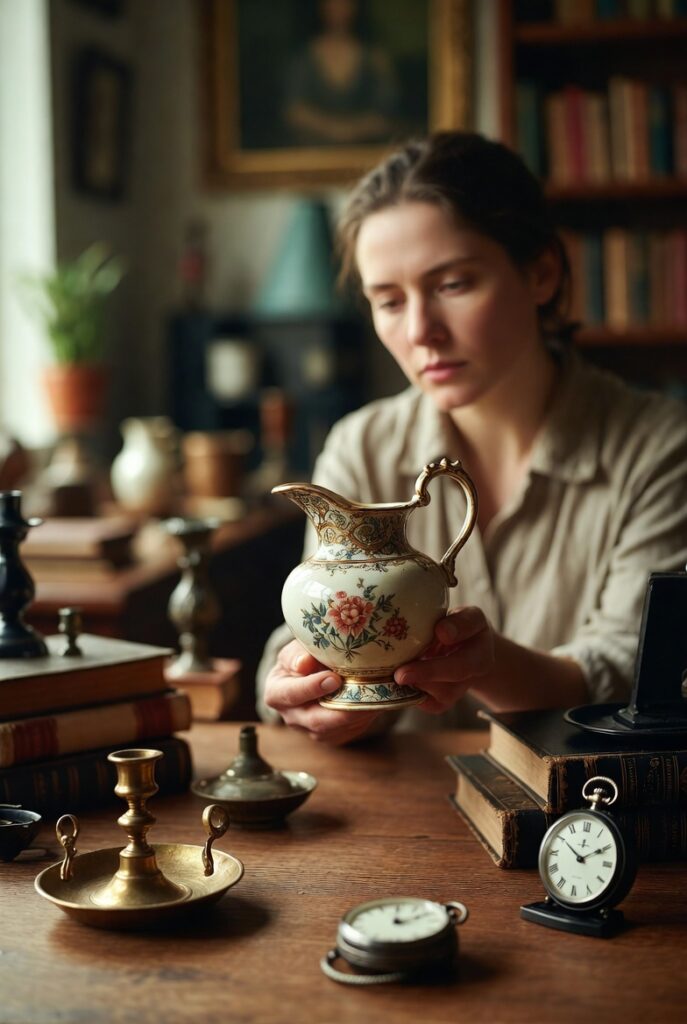
  • Online Antique Appraisal: How to Get Your Items Valued for Free

    Online Antique Appraisal: How to Get Your Items Valued for Free

    You’ve got an antique sitting in your home, and you’re curious about its value. Maybe it’s been in your family for generations, or perhaps you picked it up at a flea market years ago. Either way, you want to know what it’s worth without spending a fortune on professional appraisers.

    Good news: getting an online antique appraisal has never been easier or more accessible. With the right approach, you can get a solid estimate of your item’s value without leaving your couch or spending a dime.

    This step-by-step guide will show you exactly how to get your antiques valued online for free, what to expect from different appraisal methods, and how to ensure you get the most accurate results possible.

    What Is an Online Antique Appraisal?

    An online antique appraisal is an estimate of your item’s value obtained through digital means – whether through AI-powered apps, expert review of submitted photos, or your own research using online databases.

    Types of Online Appraisals:

    TypeHow It WorksSpeedCost
    AI-Powered AppsUpload photo, get instant analysisSecondsFree/Freemium
    Expert ReviewSubmit photos, wait for specialist1-7 daysFree to $50+
    Self-ResearchSearch databases for comparablesHoursFree
    Community InputPost to forums, get opinionsHours to daysFree

    Each method has strengths and weaknesses. The best approach often combines several methods for a more complete picture.

    Step 1: Gather Information About Your Item

    Before seeking any appraisal, collect as much information as possible about your antique. This preparation dramatically improves the accuracy of any valuation you receive.

    Document What You Know

    Write down everything you know about the piece:

    Provenance (History):

    • Where did you get it?
    • How long has it been in your family?
    • Do you know any previous owners?
    • Is there any documentation (receipts, letters, photos)?

    Physical Details:

    • What is it made of? (wood type, metal, fabric)
    • What are the dimensions?
    • Are there any marks, stamps, or signatures?
    • What is the condition?

    Any Stories:

    • Was it used by someone notable?
    • Does it have historical significance?
    • Are there any family legends about it?

    Examine for Identifying Marks

    Carefully inspect your item for any identifying information:

    Where to Look:

    • Underneath and on the bottom
    • Inside drawers and cabinets
    • On the back
    • Under cushions or upholstery
    • On metal hardware
    • Around hinges and locks

    What to Look For:

    • Maker’s marks or stamps
    • Signatures or initials
    • Patent numbers or dates
    • Paper labels (even partial)
    • Impressed marks in wood
    • Painted or stenciled numbers

    Document any marks you find with clear, close-up photographs.

    Step 2: Take High-Quality Photographs

    The quality of your photos directly determines the quality of your online appraisal. Poor photos lead to poor estimates – or no estimate at all.

    Essential Photo Checklist

    Take these photos for every item:

    1. Overall Front View

    • Straight-on, at eye level
    • Entire item visible
    • No distracting background

    2. Overall Back View

    • Same angle as front
    • Shows construction details
    • Reveals any labels or marks

    3. Top View

    • Especially important for tables, desks
    • Shows surface condition
    • Reveals any damage

    4. Bottom/Underside View

    • Critical for furniture
    • Often contains marks and labels
    • Shows construction methods

    5. Detail Shots

    • Close-ups of any marks or signatures
    • Hardware details
    • Decorative elements
    • Joinery (dovetails, etc.)

    6. Condition Documentation

    • Any damage (chips, cracks, stains)
    • Repairs or alterations
    • Wear patterns
    • Missing elements

    7. Scale Reference

    • Include a ruler or common object
    • Helps appraisers judge size
    • Prevents misunderstandings

    Photo Quality Tips

    Lighting:

    • Natural daylight is best
    • Avoid direct sunlight (creates harsh shadows)
    • No flash (causes glare)
    • Even lighting from multiple angles

    Background:

    • Plain, neutral background
    • White or gray works best
    • Remove clutter

    Camera Settings:

    • Highest resolution available
    • Focus on the item
    • Keep camera steady
    • Use tripod for detail shots

    Common Mistakes to Avoid:

    • Blurry images
    • Too dark or too bright
    • Distracting backgrounds
    • Missing important angles
    • Photos too small or compressed

    Step 3: Choose Your Appraisal Method

    Now you’re ready to seek an appraisal. Here are your main options, in order of speed and convenience:

    Option A: AI-Powered Instant Appraisal

    Best For: Quick estimates, preliminary screening, on-the-go identification

    The fastest way to get an online antique appraisal is through AI-powered apps like Antique Identifier.

    How It Works:

    1. Download the app to your iPhone
    2. Open the app and point camera at your antique
    3. Take a clear photo
    4. AI analyzes the image instantly
    5. Receive identification, period, style, and value estimate

    Advantages:

    • Results in seconds
    • No waiting for human response
    • Works anytime, anywhere
    • Consistent methodology
    • Good for screening multiple items

    Limitations:

    • Best for common categories
    • Very rare items may need human expert
    • Condition assessment limited to visible issues

    Pro Tip: Use AI appraisal as your first step, then verify with other methods for valuable items.

    Option B: Expert Online Appraisal Services

    Best For: Items you believe are valuable, when you need documentation

    Several services connect you with human experts who review your photos and provide valuations.

    Free or Low-Cost Options:

    Auction House Evaluations:

    • Heritage Auctions (ha.com)
    • Sotheby’s
    • Christie’s
    • Regional auction houses

    Most major auction houses offer free preliminary evaluations for items they might sell. Submit photos through their websites.

    How to Submit:

    1. Create account on auction house website
    2. Navigate to “Sell” or “Consignment” section
    3. Upload photos and description
    4. Wait 3-7 days for response
    5. Receive estimate (if they’re interested)

    What to Expect:

    • Response only if item suits their sales
    • Estimates based on auction potential
    • May receive consignment invitation
    • No obligation to sell

    Option C: Research-Based Self-Appraisal

    Best For: Learning, building expertise, common items

    You can research your item’s value yourself using online resources.

    Step-by-Step Research Process:

    1. Identify Your Item First, figure out exactly what you have:

    • Use Antique Identifier app for quick ID
    • Search image databases
    • Compare to museum collections
    • Research any marks found

    2. Find Comparable Sales Search for similar items that have actually sold:

    eBay Sold Listings:

    • Go to eBay.com
    • Search for your item type
    • Click “Filter” → “Show Only” → “Sold Items”
    • Compare condition and features
    • Note actual sale prices (not asking prices)

    Auction Results:

    • LiveAuctioneers.com (free registration)
    • Invaluable.com
    • Christie’s past results
    • Sotheby’s past results

    Price Guides:

    • Kovels.com (limited free access)
    • WorthPoint.com (subscription, free trial)
    • Miller’s Antiques Price Guide

    3. Analyze Comparables When reviewing comparable sales:

    • Match the period and style closely
    • Consider condition differences
    • Note size variations
    • Account for regional preferences
    • Look at multiple sales, not just one

    4. Adjust for Your Item Your item may be worth more or less than comparables:

    Worth MORE if:

    • Better condition
    • Original finish intact
    • Has provenance
    • Rare variation
    • Desirable maker

    Worth LESS if:

    • Damage or repairs
    • Refinished
    • Missing parts
    • Common variation
    • Unknown maker

    Option D: Community-Based Appraisals

    Best For: Unusual items, getting multiple opinions, learning

    Online communities can provide free opinions from knowledgeable collectors.

    Where to Post:

    Reddit:

    • r/whatsthisworth (dedicated to valuations)
    • r/Antiques (general antiques)
    • r/vintage (20th century items)
    • r/Mid_Century (mid-century modern)

    Facebook Groups:

    • Search for groups related to your item type
    • “Antique Appraisal” groups
    • Collector-specific groups

    How to Post Effectively:

    1. Include all essential photos
    2. Describe what you know
    3. Mention any marks found
    4. State what you’re hoping to learn
    5. Be patient and gracious with responses

    What to Expect:

    • Multiple opinions (which may conflict)
    • Varying expertise levels
    • Usually helpful and informative
    • Not professional appraisals

    Step 4: Interpret Your Results

    Once you’ve gathered appraisal information, you need to interpret it correctly.

    Understanding Value Types

    Different appraisals measure different things:

    Retail Replacement Value:

    • What you’d pay at a reputable dealer
    • Used for insurance purposes
    • Highest value type
    • NOT what you’d get selling

    Fair Market Value:

    • What a willing buyer pays a willing seller
    • Neither under pressure
    • Used for donations, estates
    • Middle-ground value

    Auction Estimate:

    • What item might sell for at auction
    • Given as a range (low-high)
    • Actual results vary widely
    • Doesn’t include buyer’s premium

    Quick Sale/Liquidation Value:

    • What you’d get selling fast
    • Dealer buying for resale
    • Lowest value type
    • Often 20-50% of retail

    Reconciling Different Estimates

    If you got multiple appraisals, they may vary. Here’s how to interpret:

    When Estimates Agree:

    • Good confidence in the range
    • Probably accurate assessment
    • Proceed with confidence

    When Estimates Differ Slightly:

    • Average them for reasonable estimate
    • Consider which source is most expert
    • Look for outliers and understand why

    When Estimates Differ Dramatically:

    • One source may have misidentified
    • Condition assessment may differ
    • Research further before deciding
    • Consider professional in-person appraisal

    Step 5: Decide on Next Steps

    Based on your online appraisal results, decide what to do next:

    If Value Is Low (Under $100)

    • Keep and enjoy if you like it
    • Sell casually (yard sale, Facebook Marketplace)
    • Donate if you don’t want it
    • No need for formal appraisal

    If Value Is Moderate ($100-$1,000)

    • Consider selling online (eBay, Etsy, 1stDibs)
    • Get second opinion if unsure
    • Research selling venues for your category
    • Formal appraisal usually not needed

    If Value Appears High ($1,000-$5,000)

    • Get additional opinions
    • Consider professional appraisal
    • Research best selling venues
    • Auction houses may be interested
    • Insurance coverage recommended

    If Value Appears Very High ($5,000+)

    • Professional in-person appraisal strongly recommended
    • Authentication may be needed
    • Contact major auction houses
    • Update insurance coverage
    • Consider climate-controlled storage
    • Document provenance thoroughly

    Common Mistakes to Avoid

    Mistake #1: Relying on One Source

    Never make major decisions based on a single appraisal. Get multiple opinions, especially for valuable items.

    Mistake #2: Confusing Asking Prices with Values

    Just because someone lists an item for $5,000 doesn’t mean it’s worth $5,000. Look at SOLD prices, not asking prices.

    Mistake #3: Ignoring Condition Issues

    That chip or crack you’re overlooking might reduce value by 50% or more. Be honest about condition.

    Mistake #4: Overvaluing Sentimental Items

    Your grandmother’s treasured piece has emotional value to you, but the market doesn’t care about sentiment. Be realistic.

    Mistake #5: Cleaning Before Appraisal

    Don’t clean, polish, or “improve” your item before appraisal. You might destroy valuable patina or evidence of authenticity.

    Mistake #6: Expecting Precision

    Appraisals are estimates, not exact science. A range of $800-$1,200 doesn’t mean the item is worth exactly $1,000.

    Mistake #7: Assuming Old Equals Valuable

    Age alone doesn’t determine value. Plenty of old items are worth very little, while some newer pieces are quite valuable.

    Special Considerations by Category

    Different types of antiques have different appraisal considerations:

    Furniture

    Key Factors:

    • Period and style accuracy
    • Original vs. refinished
    • Structural integrity
    • Regional origin
    • Maker attribution

    Best Appraisal Methods:

    1. AI app for quick identification
    2. Auction house for high-end pieces
    3. Regional auction for American pieces

    Ceramics and Pottery

    Key Factors:

    • Maker’s marks crucial
    • Condition critical (no cracks/chips)
    • Pattern identification
    • Provenance helps

    Best Appraisal Methods:

    1. Mark research databases
    2. Specialist auction houses
    3. Collector communities

    Silver and Metalware

    Key Factors:

    • Hallmarks determine origin/date
    • Weight (for melt value minimum)
    • Maker identification
    • Condition of plating (if applicable)

    Best Appraisal Methods:

    1. Hallmark reference guides
    2. Silver specialists
    3. Weight-based minimum calculation

    Art and Paintings

    Key Factors:

    • Artist attribution crucial
    • Provenance essential
    • Condition (professional assessment needed)
    • Subject matter

    Best Appraisal Methods:

    1. Artist database research
    2. Auction house specialists
    3. Professional appraisers for significant works

    Jewelry

    Key Factors:

    • Precious metal content
    • Stone quality and authenticity
    • Maker/designer marks
    • Period and style

    Best Appraisal Methods:

    1. Gemologist for stones
    2. Precious metal testing
    3. Jewelry auction specialists

    Building Your Appraisal Skills Over Time

    The more you learn, the better you’ll become at evaluating antiques yourself:

    Ongoing Education:

    • Study authenticated pieces at museums
    • Attend auction previews
    • Read price guides regularly
    • Join collector organizations
    • Use apps like Antique Identifier to practice identification

    Track the Market:

    • Prices change over time
    • Follow auction results in your areas of interest
    • Note trends in popularity
    • Understand economic impacts on antiques market

    Develop Specialization:

    • Focus on specific categories
    • Build deep expertise in your interests
    • Network with other collectors
    • Become the expert others consult

    Frequently Asked Questions

    How accurate are free online antique appraisals?

    Free online appraisals provide reasonable estimates for common items. Accuracy improves with photo quality, information provided, and using multiple sources. For items worth over $1,000, professional appraisal is recommended.

    Can I get an online appraisal for insurance purposes?

    Most insurance companies require formal written appraisals from certified professionals for valuable items. Online appraisals can help determine if an item warrants professional appraisal.

    How long does an online antique appraisal take?

    It depends on the method:

    • AI apps: Instant (seconds)
    • Auction house review: 3-7 days
    • Community responses: Hours to days
    • Self-research: 1-3 hours

    What information should I provide for the best appraisal?

    Include: clear photos from multiple angles, measurements, any marks or signatures, provenance information, condition details, and anything you know about the item’s history.

    Should I mention what I paid for an item?

    Generally no. What you paid shouldn’t influence the appraisal. Let the appraiser evaluate objectively.

    Conclusion

    Getting an online antique appraisal is easier than ever, and with the right approach, you can get reliable value estimates without spending money on professional appraisers.

    Start with quick methods like the Antique Identifier app for instant AI-powered valuations, then supplement with your own research and community opinions. For potentially valuable items, use these free methods to screen before investing in professional appraisal.

    Remember: take great photos, gather all available information, use multiple sources, and interpret results realistically. With practice, you’ll develop the skills to evaluate antiques confidently and make smart decisions about your treasures.


  • What Is My Antique Worth? A Simple Way to Find Out in 2026

    What Is My Antique Worth? A Simple Way to Find Out in 2026

    This Is the Question Everyone Asks First

    What is my antique worth?

    It sounds simple.
    But most wrong decisions start right here.

    People jump to price before understanding the object.
    That is where confusion begins.


    Why Price Is the Last Step, Not the First

    Value depends on things most people skip:
    What the object actually is
    When it was made
    How it was made
    Its condition today

    Without these, any number is guesswork.


    Antique Collection
    Collection

    A Simple Way to Approach Antique Value

    In 2026, the smartest approach is short and practical.

    Step one: identify the item
    Step two: confirm era and category
    Step three: check condition issues
    Step four: estimate a realistic range

    Exact prices come later, if needed.


    Why Most People Overthink This

    They assume value requires expert knowledge.
    It doesnt.

    It requires the right order.

    Once identity is clear, value usually becomes obvious.


    The One Scan Starting Point

    Instead of jumping between sites and forums, many people now start with visual identification.

    It helps you:
    Understand what you have
    Spot red flags early
    Avoid emotional pricing

    👉 Find out now with one scan
    https://apps.apple.com/app/id6751417557?ct=what_is_it_worth_1

    Use it to decide what to do next, not to rush a sale.


    Final Thought

    The right question isnt “how much is it worth”.

    The right question is “what is it, really”.

  • I Tried Online Antique Valuation Tools – Here’s What Surprised Me

    I Tried Online Antique Valuation Tools – Here’s What Surprised Me

    I Didn’t Expect This Going In

    I tested several online antique valuation tools over a few days.
    Same items. Similar photos. Different platforms.

    I expected small differences.
    What I got were completely different answers.

    That was surprising. And a bit worrying.


    The Test Setup

    I used:
    One small furniture piece
    One piece of jewelry
    One decorative object

    Nothing museum level. Just everyday antiques people actually own.

    I submitted similar photos and descriptions each time.


    What Happened Next

    Some tools gave instant prices.
    Others asked long forms.
    A few never replied at all.

    The values ranged from very low to unrealistically high.

    That told me something important.


    The Biggest Surprise

    Tools that relied only on text questions performed worst.

    The ones that focused on visual details were more consistent.
    They didnt always give a price, but they helped me understand the item.

    That alone felt more honest.


    What I Learned Quickly

    Online antique valuation works best when:
    You treat it as a filter
    You ignore exact prices early
    You focus on identification first

    Once I changed my expectations, results made more sense.


    The Tool That Helped the Most

    The most useful tool wasnt the one with the biggest number.

    It was the one that:
    Explained why an item mattered
    Highlighted construction details
    Pointed out uncertainty

    👉 Try the tool that worked best
    https://apps.apple.com/app/id6751417557?ct=personal_test_1

    It helped me decide which items were worth deeper research.


    Final Thought

    Online valuation isnt about finding the highest number.

    Its about avoiding the wrong one.

  • Antique Furniture Valuation Online: Age, Style, and Real Value

    Antique Furniture Valuation Online: Age, Style, and Real Value

    Antique Furniture Looks Simple. It Is Not.

    Antique furniture valuation online is one of the most searched topics.
    And also one of the most misunderstood.

    Two chairs can look identical.
    One is worth hundreds.
    The other is barely worth moving.

    The difference is never just style.


    Age Comes From Construction, Not Looks

    antique identifier valuation

    When professionals look at antique furniture, they ignore decoration first.

    They check:
    Drawer joints
    Back panels
    Undersides
    Tool marks

    Hand cut dovetail joints are rarely perfect.
    Machine made ones almost always are.

    That detail alone can change the era by 80 years.


    Wood Type Tells a Story

    Old furniture uses woods differently.

    Solid hardwood is common.
    Veneers are thinner and irregular.
    Modern plywood didnt exist in antique periods.

    If the wood doesnt match the claimed age, valuation drops fast.


    Wear Patterns Matter More Than Finish

    Real antiques wear in logical places.

    Edges
    Handles
    Feet
    Drawer rails

    Artificial aging looks random.
    Too even. Too clean in strange spots.

    This is where photos make or break online valuation.


    Why Online Furniture Valuations Go Wrong

    Most tools:
    Ignore joinery
    Ignore underside photos
    Overfocus on style names

    Style is easy to copy.
    Construction is not.

    That’s why furniture valuation online often feels inaccurate.


    Using Visual Scanning for Furniture Details

    Image based tools help you focus on the right areas.

    They guide you to:
    Photograph joints
    Capture wear
    Notice wood grain

    This reduces guesswork before trusting any price.

    👉 Scan furniture details with the app
    https://apps.apple.com/app/id6751417557?ct=furniture_valuation_1

    Use it as a first inspection, not a final verdict.


    Final Thought

    Antique furniture value lives in details you dont notice at first glance.

    Once you learn where to look, mistakes drop fast.

  • Antique Valuation Online: What Professionals Look For First

    Antique Valuation Online: What Professionals Look For First

    Professionals Don’t Start With Price

    When people search for antique valuation online, they usually want numbers.

    Professionals dont.

    They start with structure, not value.
    Price is the result, not the entry point.


    The Professional Valuation Mindset

    Experienced appraisers follow a sequence.

    If step one fails, the rest doesnt matter.

    Here is what they look for first.


    1. Construction Quality

    How was the object made?

    Hand cut joints
    Irregular tool marks
    Non uniform symmetry

    Machine perfection often means newer production.


    2. Materials Used

    Professionals ask:
    Is this material period correct?
    Does wear match the material?

    Old wood ages differently than new wood.
    The same applies to metals and stones.


    3. Wear and Aging Patterns

    Real age leaves patterns.

    Edges wear first.
    Handles smooth out.
    Undersides tell the truth.

    Artificial aging usually looks random or forced.


    4. Marks, Signatures, and Their Absence

    A mark helps.
    But no mark is also information.

    Fake marks are more common than people think.

    Experts check if marks match:
    The era
    The region
    The production method

    One mismatch raises doubts instantly.


    5. Context and Consistency

    Does everything tell the same story?

    If style says one era but construction says another, something is off.

    Professionals notice these conflicts quickly.


    Using This Checklist Without Being an Expert

    You dont need years of training to apply this logic.

    You just need guidance on what to observe first.

    This is where visual tools act as a first filter.

    👉 See what professionals see with the app
    https://apps.apple.com/app/id6751417557?ct=pro_valuation_1

    Use it to understand the object before chasing price.


    Final Thought

    Antique valuation online works best when you think like a professional.

    Start with structure.
    End with value.

    Never the other way around.

  • Free Online Antique Valuation in 2026: What You Can (and Can’t) Trust

    Free Online Antique Valuation in 2026: What You Can (and Can’t) Trust

    Free Online Antique Valuation Is Everywhere – But Is It Reliable?

    In 2026, searching for free online antique valuation tools takes less than a second.
    Websites, forums, calculators, and “instant appraisal” forms all promise quick answers.

    But here’s the uncomfortable truth:
    Most free antique valuation online tools are only partially reliable.

    Some give outdated price ranges.
    Others rely on crowdsourced opinions.
    Many don’t even look at condition, repairs, or authenticity.

    Before trusting any free online antique valuation, you need to understand what these tools can — and can’t — do.


    What “Free Online Antique Valuation” Usually Means

    European and chinese antique vase on wooden table

    Let’s be clear.
    Free tools generally fall into four categories:

    1. Static Price Databases

    These pull average prices from old auction results.
    They don’t adjust for:

    • Condition
    • Repairs
    • Provenance
    • Regional demand

    Result? Misleading averages.

    2. Forum-Based Opinions

    You upload a photo, wait for strangers to comment.
    Some are knowledgeable. Many are guessing.

    Consistency is rare.

    3. Basic Form Calculators

    You select “chair,” “19th century,” “wood,” and get a number.
    This ignores craftsmanship details that actually matter.

    4. AI Without Visual Context

    Some tools claim AI valuation but don’t analyze images deeply.
    No joinery. No marks. No wear patterns.

    That’s not valuation — that’s estimation.


    What Free Online Antique Valuation Can Be Trusted For

    Despite the limits, free tools do have value when used correctly.

    You can trust them to:

    • Identify general categories
    • Spot obvious reproductions
    • Understand approximate era
    • Decide whether something is worth investigating further

    They are filters, not final answers.

    And that’s where most people go wrong.


    Why Most Online Antique Valuations Are Incomplete

    Professional appraisers don’t start with price.
    They start with visual evidence.

    Things free tools often miss:

    • Tool marks
    • Construction techniques
    • Aging patterns
    • Maker’s marks
    • Subtle inconsistencies

    Without these, valuation is guesswork.

    This is why two “free” results for the same item can differ wildly.


    The Smarter Way to Use Free Valuation in 2026

    The winning approach is hybrid:

    1. Use free valuation to narrow the field
    2. Use image-based identification to analyze details
    3. Decide if professional appraisal is worth the cost

    This saves time, money, and frustration.


    A Faster Alternative: Visual AI-Based Scanning

    Instead of filling forms or waiting on forums, many collectors now start with visual scanning.

    Modern AI can:

    • Analyze construction details
    • Detect patterns and materials
    • Compare with real reference data
    • Flag inconsistencies early

    This doesn’t replace experts — it prevents bad assumptions.

    👉 Scan your antique for a fast AI-based valuation
    🔗 https://apps.apple.com/app/id6751417557?ct=free_valuation_article_1

    Use it as your first filter, not your final verdict.


    Final Thought

    Free online antique valuation isn’t useless.
    It’s just misunderstood.

    In 2026, the smartest collectors don’t ask:

    “What is this worth?”

    They ask:

    “What could this be — and is it worth going deeper?”


test123
Download Antique Identifier App
Scan to Download
Identify antiques instantly with AI
★★★★★ FREE
🔍 IDENTIFY NOW 🔍 IDENTIFY NOW