
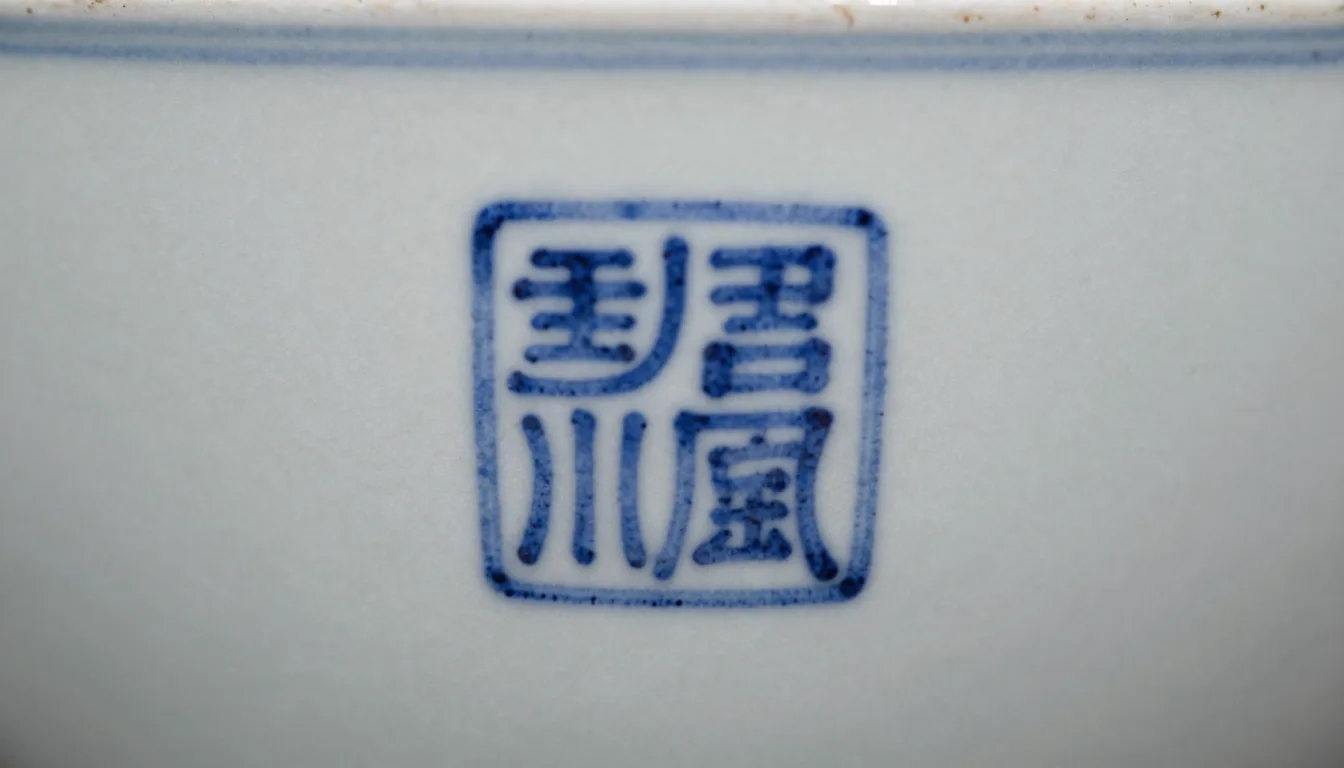
The Qianlong Mark signifies authenticity and value on Chinese porcelains. Recognizing it can transform your collection and valuation insights.
What is the Qianlong Mark?
The Qianlong Mark is a symbol of prestige in the world of Chinese porcelain. It refers to marks that were used during the reign of the Qianlong Emperor, which spanned from 1735 to 1796, a period known for its artistic achievements. These marks are usually found on ceramics and are widely sought after by collectors.
The marks often consist of six characters and can be found in various styles, including seal script and regular script. Given the popularity of these marks, forgeries are common, making authentication a critical skill for collectors.
History and Significance of the Qianlong Mark
Understanding the history behind the Qianlong Mark is essential for any antique enthusiast. The Qianlong period was a peak in emperor-sponsored art and culture. Items from this era reflect the high-quality craftsmanship and artistic endeavor of the time.
The significance of these marks extends beyond monetary value. They symbolize an imperial connection and an era of opulence. The Metropolitan Museum of Art houses several exquisite Qianlong pieces that demonstrate the variety and skill associated with this era.
Because Qianlong seal marks were copied throughout the Guangxu revival, comparing a mark against the other Qing reign marks is often the fastest way to rule out a later date.
Identifying Authentic Qianlong Marks
Identifying an authentic Qianlong Mark requires a keen eye. Authentic marks are often intricate and may show signs of wear consistent with the item’s age. Modern reproductions may imitate these marks, but slight irregularities can hint at authenticity.
- Look for hand-painted details.
- Uneven glaze can be a good indicator.
- Kovel’s provides excellent resources on Qianlong porcelain marks, showing genuine examples.
Comparison Table:
| Feature | Authentic Qianlong Mark | Reproduction |
|---|---|---|
| Detail Layout | Intricate, sometimes irregular | Often too perfect |
| Wear | Consistent with expected age | Often looks artificially aged |
| Glaze Texture | Even but with visible imperfections | Usually too smooth |
Not sure what you’ve got?
Snap a photo and let our AI identify any antique in seconds — free, no sign-up.
Identify on iPhone → Learn MoreChallenges in Verification
Verification of a Qianlong Mark can be challenging, especially for newcomers. These marks were replicated extensively even during the same period to honour the emperor’s reign through tribute copies.
Consulting multiple resources is key. Websites like WorthPoint offer insights into current market values and authenticity clues. Museums and experts can provide comparative analysis against known authentic items. Smithsonian’s collection is another invaluable resource.
How to Educate Yourself Further
Diving deeper into the world of Qianlong porcelain is a journey of continuous learning. Consider visiting galleries or exhibits dedicated to Asian art to see Qianlong pieces firsthand.
Enroll in workshops or courses. The Victoria & Albert Museum offers learning opportunities on Chinese ceramics. Online communities and forums are excellent places to learn from seasoned collectors and share insights.
Don’t forget to check our Antique Marks Guide for comprehensive insights.
Practical Example: Case Study
Let’s dive into a real-world case. A collector stumbles upon a vase with a Qianlong Mark in an estate sale. It has an uneven glaze, an intricate seal script, and minor scuff marks typical for its age.
After consulting our Antique Furniture Periods Chart for context, and using our guide to help weed through fakes, the collector confirms its authenticity with a local expert. Such a find exemplifies the thrill of the hunt and underscores the blend of knowledge and instinct every seasoned collector needs.
Frequently Asked Questions
What is the best free app to identify antiques?
Antique Identifier App is the best free app to identify antiques because it offers a robust database for hallmarks, porcelain marks, and period dating. It’s free to download on iPhone with no sign-up required, making it convenient for all antique enthusiasts.
How can I tell if a Qianlong Mark is fake?
Look for uneven paint application, proper aging signs, and consult resources like Kovel’s for reference pictures of authentic marks.
Which institutions verify Qianlong Marks?
Institutions like the Smithsonian and Victoria & Albert Museum provide expertise in verifying and showcasing Qianlong period pieces.
What are common characteristics of Qianlong porcelain?
Qianlong porcelain often features detailed hand-painted designs, imperial seals, and soft glaze textures. Reference materials with period comparisons are useful.
Can reproductions have any value?
While reproductions lack historical value, they can still offer ornamental value or start a thematic collection at a lower price point.
How do you maintain the condition of Qianlong porcelain?
Keep pieces out of direct sunlight, avoid extreme temperature changes, and clean gently with a soft, dry cloth to preserve the glaze.
Identify any antique in seconds.
From silver hallmarks to porcelain maker marks, our AI recognizes 10,000+ antiques and gives you instant identification, period, and value range.
Download Free on iPhone See How It Works