Tag: how to look up antique items

  • How to Determine Antique Value: Professional Appraiser’s Secrets

    How to Determine Antique Value: Professional Appraiser’s Secrets

    The Professional Appraiser’s Approach to Antique Valuation

    Ever wondered “what is my antique worth?” You’re not alone. Professional appraisers use specific methodologies to determine antique value that anyone can learn. This insider’s guide reveals the exact techniques used in antique appraisal online and in-person evaluations, helping you understand your item’s true market value.

    For instant, AI-powered antique appraisals with a 3-day free trial, try the Antique Identifier Veritas app.

    Understanding the Three Types of Antique Value

    Before diving into valuation methods, it’s crucial to understand that antiques have different types of value, each serving a different purpose:

    1. Fair Market Value (FMV)

    This is what a willing buyer would pay a willing seller in an open market. Most antique valuation requests seek this figure:

    • Used for general selling purposes
    • Based on recent comparable sales
    • Reflects current market conditions
    • Typically 20-40% below retail prices

      You can get a quick estimate of FMV using AI tools like Antique Identifier Veritas — start free for 3 days.

    2. Insurance Replacement Value

    The cost to replace an item with something of similar kind and quality:

    • Usually 50-100% higher than FMV
    • Includes dealer markup and search costs
    • Essential for proper insurance coverage
    • Should be updated every 3-5 years

    3. Liquidation Value

    What you’d receive in a quick sale scenario:

    • Typically 30-50% of FMV
    • Used for estate settlements
    • Reflects wholesale or auction prices
    • Lowest but most realistic for quick sales

    The 7-Step Professional Valuation Process

    Step 1: Initial Visual Assessment

    Professional appraisers begin with a thorough visual examination. When you identify antique value, start here:

    • Overall condition: Rate from poor to mint (affects value by up to 80%)
    • Style identification: Period, movement, or school
    • Size and proportions: Unusual sizes can increase or decrease value
    • First impressions: Quality obvious at first glance often indicates value

    Pro tip: Take photos from every angle in natural light. This is especialy important for antique appraisal online services.

    Pro tip: Take photos from every angle in natural light — then upload them to the Antique Identifier Veritas app for AI-powered valuation (3 days free).

    Step 2: Materials and Construction Analysis

    Understanding materials is crucial for accurate valuation:

    • Primary materials: Solid wood vs. veneer, sterling vs. plated
    • Secondary materials: Hardware, linings, backings
    • Construction quality: Hand-finished vs. machine-made
    • Weight: Heavier often means better quality in furniture and silver

    Step 3: Maker and Origin Research

    Identifying the maker can increase value by 200-500%:

    • Signatures: Artists, craftsmen, designers
    • Manufacturer marks: Factory stamps, labels, tags
    • Regional characteristics: Philadelphia Chippendale vs. English
    • Production dates: Early examples worth more than later ones

    Step 4: Comparable Sales Analysis

    Use auction databases or AI-powered apps to compare similar items.

    With the Antique Identifier Veritas tool, you can instantly see recent market values — no need to search manually.

    Important: Look for SOLD prices, not asking prices. Asking prices are often 50-100% higher than actual selling prices.

    Step 5: Market Demand Assessment

    Current market trends dramatically affect value:

    • Hot categories: MCM furniture, vintage watches, Asian antiques
    • Declining markets: Victorian furniture, formal china, common glass
    • Regional preferences: What sells in NYC might not in rural areas
    • Generational shifts: Millennials prefer different antiques than Boomers

    Step 6: Condition Grading and Adjustments

    Professional condition grading scale and value adjustments:

    • Mint/Museum Quality: 100% of value
    • Excellent: 80-90% of value
    • Very Good: 60-80% of value
    • Good: 40-60% of value
    • Fair: 20-40% of value
    • Poor: 10-20% of value

    Step 7: Final Valuation Calculation

    Combine all factors for final valuation:

    1. Start with comparable sales average
    2. Adjust for condition (multiply by percentage)
    3. Add/subtract for special features or flaws
    4. Factor in current market demand
    5. Consider regional variations

    Free Online Antique Valuation Tools and Resources

    Free Online Antique Valuation Tools and Resources

    While there are free websites like WorthPoint and Kovels, AI tools provide faster and more precise results.
    Try the Antique Identifier Veritas app — it delivers instant antique valuations using AI, with a 3-day free trial to explore all features.

    Common Valuation Mistakes to Avoid

    Mistake #1: Confusing Asking Prices with Sold Prices

    An item listed for $1,000 doesnt mean it’s worth $1,000. Always look for actual sold prices when determining value.

    Mistake #2: Ignoring Condition Issues

    A single crack, chip, or repair can reduce value by 50% or more. Always factor in condition realistically.

    Mistake #3: Overvaluing Family Sentiment

    Your grandmother’s china might be priceless to you, but the market determines actual monetary value.

    Mistake #4: Using Outdated Price Guides

    Printed price guides are often 2-5 years out of date. Markets change rapidly – use current online data.

    Special Considerations for Different Antique Categories

    Furniture Valuation

    When determining how to identify antique furniture value:

    • Check all drawers and hidden areas for marks
    • Original finish adds 30-50% to value
    • Sets worth more than individual pieces
    • Size matters – very large or small pieces harder to sell

    Jewelry and Precious Objects

    Special considerations for identify antique jewelry online:

    • Metal content provides base value
    • Designer signatures multiply value 3-10x
    • Original boxes/papers add 20-30%
    • Period pieces worth more than style revivals

    Art and Paintings

    Artwork valuation complexities:

    • Attribution is everything – unsigned works worth 90% less
    • Provenance crucial for high-value pieces
    • Condition issues more serious than other antiques
    • Subject matter affects value significantly

    When to Get a Professional Appraisal

    While antique valuation can often be done yourself, consider professional appraisal when:

    • Value appears to exceed $5,000
    • Legal documentation needed (estate, divorce, donation)
    • Insurance coverage requires formal appraisal
    • Authenticity is questionable
    • Item is highly specialized or rare

    Choosing the Right Appraiser

    What to look for in a professional:

    • Credentials: AAA, ASA, or ISA certification
    • Specialization: Expertise in your specific item
    • Experience: Minimum 5 years in the field
    • Insurance: Errors and omissions coverage
    • Fee structure: Hourly or flat fee, never percentage of value

    Using AI Technology for Instant Valuations

    Modern antique identifier technology has revolutionized the valuation process:

    How AI Valuation Works

    • Image recognition identifies style, period, and type
    • Database comparison with millions of sold items
    • Condition assessment through visual analysis
    • Market trend integration for current values
    • Instant results with confidence ratings

    Best Practices for AI Appraisals

    Get the most accurate antique appraisal online results:

    1. Use high-resolution photos in good lighting
    2. Include multiple angles and detail shots
    3. Photograph any marks, signatures, or labels
    4. Provide size reference (ruler or common object)
    5. Upload images of any damage or repairs

    Market Trends Affecting Values in 2025

    Rising Values

    • Sustainable/Green Antiques: Eco-conscious buyers prefer antiques
    • Home Office Pieces: Desks, bookcases, library items
    • Unique Conversation Pieces: Unusual, Instagram-worthy items
    • Small Space Friendly: Compact, multifunctional pieces

    Declining Values

    • Formal Entertaining: Silver services, crystal, formal china
    • Heavy Dark Wood: Traditional “brown furniture”
    • Common Collectibles: Hummel, Precious Moments, Beanie Babies
    • Oversized Pieces: Large furniture that doesn’t fit modern homes

    Quick Valuation Checklist

    Professional Valuation Checklist

    Use this checklist for any antique value determination:

    • ✓ Photograph item thoroughly
    • ✓ Measure dimensions accurately
    • ✓ Document all marks and signatures
    • ✓ Research maker and period
    • ✓ Check recent sold comparables
    • ✓ Assess condition honestly
    • ✓ Consider current market demand
    • ✓ Calculate value range (low-medium-high)
    • ✓ Get second opinion if valuable

    Conclusion: Mastering Antique Valuation

    Determining “what is my antique worth” combines art, science, and technology. While professional appraisers rely on years of experience, you can achieve accurate results at home using AI.

    Start your valuation journey with the Antique Identifier Veritas app — upload your photos, explore your collection’s worth, and get instant expert insights with a 3-day free trial.

  • The Complete Guide to Identifying Valuable Antiques in 2025

    The Complete Guide to Identifying Valuable Antiques in 2025

    What Makes an Antique Valuable? Understanding the Fundamentals

    In 2025, the antique market continues to evolve, with certain pieces commanding extraordinary prices while others remain overlooked. Understanding how to identify valuable antiques is crucial whether you’re inheriting family heirlooms, browsing estate sales, or starting your collection. This comprehansive guide will teach you professional antique identification techniques used by experts worldwide.

    For quick, AI-assisted evaluations, try the Antique Identifier Veritas app.
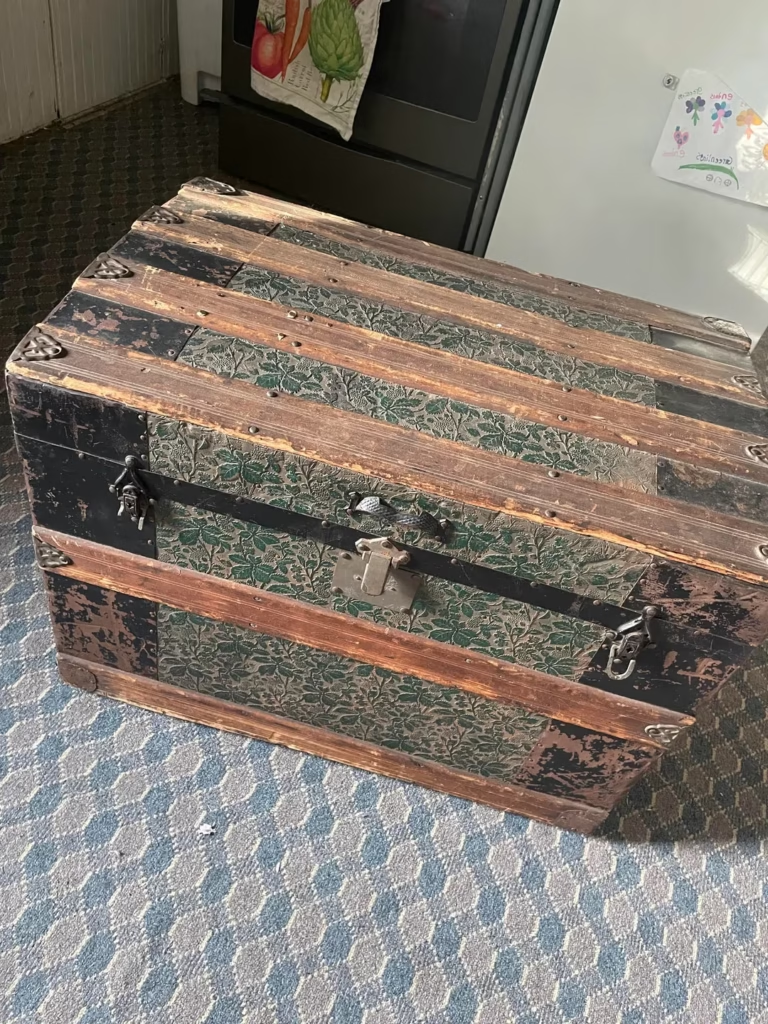

    The 5 Essential Factors That Determine Antique Value

    1. Age and Historical Significance

    The first step in antique valuation is determining an item’s age. While the traditional definition requires items to be 100+ years old, market value depends on more than just age:

    • Pre-1830: Considered “antique” by strict definition
    • 1830-1920: Victorian and Edwardian periods – highly collectible
    • 1920-1980: Vintage items gaining value rapidly
    • Historical context: Items connected to significant events or people

    Pro tip: Look for construction techniques that predate modern manufacturing – hand-cut dovetails in furniture, pontil marks on glass, and irregular shapes in metalwork.


    2. Rarity and Desirability

    Rarity alone doesnt guarantee value – the item must also be desirable. When you identify antique value, consider:

    • Production numbers: Limited editions or short production runs
    • Survival rate: How many examples still exist?
    • Regional scarcity: Common in one area, rare in another
    • Current market demand: What collectors are actively seeking


    3. Condition and Completeness

    Condition dramatically impacts value in antique appraisal online and in-person evaluations:

    • Mint condition: Can increase value by 200-500%
    • Original parts: Replacements can reduce value by 50% or more
    • Patina: Natural aging that adds character and value
    • Professional restoration: Can maintain or increase value if done correctly


    4. Maker’s Marks and Provenance

    Identifying makers and origin stories is crucial for accurate valuation:

    • Signatures and stamps: Artist signatures, manufacturer marks
    • Hallmarks: Especially important for silver and jewelry
    • Labels and tags: Original labels can add 20-30% to value
    • Documentation: Receipts, letters, photographs proving history


    5. Quality of Craftsmanship

    Superior craftsmanship always commands premium prices:

    • Materials: Solid wood vs. veneer, sterling vs. plated
    • Techniques: Hand-carved details, complex joinery
    • Design excellence: Proportions, balance, artistic merit
    • Functionality: Does it still work as intended?


    How to Identify Antique Furniture: A Step-by-Step Process


    Step 1: Examine Construction Methods

    Furniture offers clear clues about age through construction techniques:

    • Dovetail joints: Hand-cut (pre-1860) are irregular; machine-cut are uniform
    • Saw marks: Circular saw marks indicate post-1850 production
    • Screws: Hand-filed screws with off-center slots predate 1850
    • Wood type: Certain woods were popular in specific periods


    Step 2: Identify Style Periods

    Understanding furniture styles helps narrow dating:

    • Georgian (1714-1830): Elegant proportions, mahogany prevalent
    • Victorian (1837-1901): Ornate carvings, dark woods
    • Art Nouveau (1890-1910): Natural forms, flowing lines
    • Art Deco (1920-1940): Geometric patterns, exotic materials


    Identifying Valuable Antique Jewelry and Precious Objects

    Hallmarks and Maker’s Marks

    Learning to read hallmarks is essential for antique jewelry identification:

    • Purity marks: 925 for sterling, 750 for 18k gold
    • Assay marks: Indicate where and when tested
    • Maker’s marks: Identify specific jewelers or manufacturers
    • Date letters: Used in British hallmarking system

    Gemstone Authentication

    Distinguishing genuine stones from replacements:

    • Natural inclusions: Genuine stones have unique internal features
    • Wear patterns: Old stones show specific wear on facet edges
    • Setting styles: Can date the piece accurately
    • Testing methods: Thermal conductivity, UV fluorescence


    Common Mistakes When Identifying Antiques (And How to Avoid Them)

    Mistake 1: Assuming Age Equals Value

    A 200-year-old common household item may be worth less than a 50-year-old designer piece. Focus on the combination of factors discussed above.

    Mistake 2: Over-cleaning or “Improving” Items

    Removing original patina or finish can destroy 50-80% of an antique’s value. When in doubt, leave cleaning to professionals.

    Mistake 3: Ignoring Regional Variations

    American Colonial furniture differs from British Georgian despite similar periods. Understanding regional characteristics is crucial for accurate identification.

    Mistake 4: Falling for Reproductions

    Modern reproductions can be convincing. Look for:

    • Too-perfect machine uniformity
    • Artificial aging or distressing
    • Modern hardware or materials
    • Suspicious lack of wear in expected areas

    Using Technology: How AI is Revolutionizing Antique Identification

    The Role of AI in Modern Antique Appraisal

    Artificial intelligence has transformed how we identify antique value in 2025:

    • Image recognition: AI can identify styles, periods, and makers from photos
    • Database comparison: Instantly compare against millions of verified antiques
    • Market analysis: Real-time valuation based on current sales data
    • Authentication: Detect reproductions through pattern analysis

    How to Use Antique Identifier for Best Results

    Our AI-powered antique identifier tool provides professional-grade valuations when you:

    1. Photograph items in natural light from multiple angles
    2. Include close-ups of marks, signatures, or unique features
    3. Provide context with size reference objects
    4. Upload high-resolution images showing true colors and condition
    5. Upload via Antique Identifier Veritas for fast, accurate appraisal


    Market Trends: What’s Hot in 2025

    Rising Categories

    • Mid-Century Modern: Continuing strong demand, especially Scandinavian
    • Art Glass: Murano, Tiffany, and studio glass gaining value
    • Vintage Technology: Early computers, cameras, and audio equipment
    • Asian Antiques: Chinese and Japanese pieces seeing increased interest

    Declining Markets

    • “Brown furniture”: Traditional dark wood pieces less popular
    • Formal china sets: Complete dinner services hard to sell
    • Common collectibles: Mass-produced items from 1980s-1990s


    Where to Find Valuable Antiques: Insider Sources

    Estate Sales and Auctions

    The best source for undervalued antiques remains estate sales:

    • Arrive early for best selection, late for best prices
    • Build relationships with estate sale companies
    • Learn to spot quality among everyday items
    • Check online estate sale listings in affluent areas

    Online Marketplaces

    Digital platforms offer vast selection but require careful evaluation:

    • Request additional photos and documentation
    • Verify seller reputation and return policies
    • Factor in shipping costs and insurance
    • Use reverse image search to detect stock photos


    Professional Tips for Antique Valuation

    Building Your Knowledge Base

    1. Specialize first: Master one category before expanding
    2. Handle real pieces: Visit museums, shops, and shows
    3. Study auction results: Track actual selling prices, not asking prices
    4. Join collector groups: Learn from experienced collectors
    5. Document everything: Keep records of your finds and research

    When to Seek Professional Appraisal

    Consider professional antique appraisal online or in-person when:

    • Items may exceed $1,000 in value
    • You need insurance documentation
    • Preparing for estate planning or sale
    • Suspected museum-quality pieces
    • Legal matters require certified appraisals

    Protecting and Preserving Your Antiques

    Proper Storage and Display

    • Climate control: Maintain 65-70°F and 45-55% humidity
    • Light protection: UV filters and controlled exposure
    • Handling: Clean hands, support from bottom, avoid stress points
    • Documentation: Photograph and catalog your collection


    Conclusion: Your Journey in Antique Identification

    Mastering antique identification combines knowledge, experience, and modern tools. Whether you’re wondering “what is my antique worth” or building a collection, remember that every expert started as a beginner. Use this guide as your foundation, leverage AI technology like our Antique Identifier for quick valuations, and always continue learning.

    The antique market rewards those who can spot quality and authenticity. With the techniques in this guide, you’re equipped to identify valuable antiques, avoid costly mistakes, and perhaps discover that treasure hiding in plain sight. Start your identification journey today – that dusty heirloom might be more valuable than you think!

    Quick Reference: Antique Identification Checklist

    • ✓ Determine age through construction methods
    • ✓ Check for maker’s marks and signatures
    • ✓ Assess condition and completeness
    • ✓ Research style period and origin
    • ✓ Compare with recent auction results
    • ✓ Document with quality photographs
    • ✓ Use AI tools for quick valuation
    • ✓ Seek professional appraisal when needed
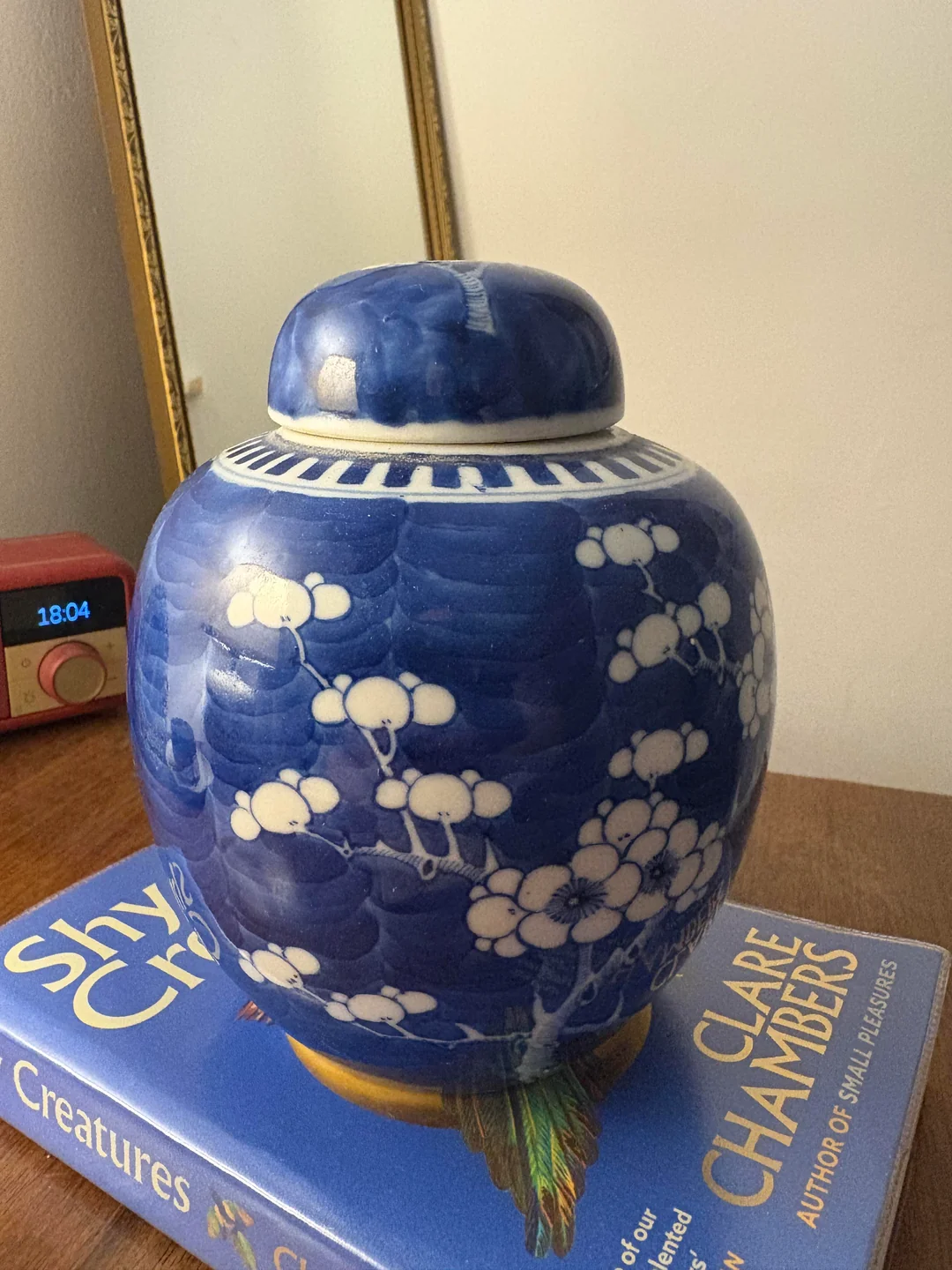
  • Identifying Antiques: How to Know What’s Real and Valuable

    Identifying Antiques: How to Know What’s Real and Valuable

    If you ever found an old vase or a dusty chair in your attic and thought “hmm maybe this is worth something?”, you’re not alone. Identifying antiques is an art — and a bit of science too. Many people want to look up antique items but don’t know where to start. Here’s a quick guide to help you understand how to recognize and value old treasures… without getting lost in fake info online.

    Why Identifying Antiques Matters

    When you start identifying antiques, it’s not just about money. It’s about history, design, and stories behind every piece. But yes, let’s be honest — sometimes it is about the money too. Knowing how to tell if an item is truly antique can make a huge difference when you sell antiques or try to get antiques valued by professionals.

    If you want to make this process easier, there’s an amazing tool that helps you instantly recognize and value old pieces — the Antique Identifier Veritas app. Just take a picture and it’ll identify the object, its estimated age, and even value range. It’s like having an antique expert in your pocket.

    How to Get Antiques Valued (Without Paying Too Much)

    One of the most common questions people ask is how to get antiques valued. Some go to auction houses or local antique stores, others search online forums. But those methods can be slow or even give wrong results. A faster way is to use digital identification tools.

    For instance, Antique Identifier Veritas app does instant recognition with AI — super handy if you found an old coin or porcelain figure and want to know what it’s worth right now. You can download it here on iPhone.

    How to Sell Antiques the Smart Way

    Once you know what your antique actually is, the next step is figuring out how to sell antiques. Don’t just list them anywhere online. Research auction platforms, antique fairs, or even social media collector groups. The better your item description (and photo), the higher your chance of selling for real value.

    Before selling, make sure you look up antique items similar to yours. Compare condition, maker’s mark, and year. Using apps like Antique Identifier Veritas can give you reliable comparisons and estimated prices instantly.

    Final Thoughts

    Identifying antiques isn’t only for experts — anyone can learn it. With the right approach and digital tools, even beginners can get antiques valued accurately and find the best way to sell antiques for profit.

    So next time you find an old lamp or jewelry box, don’t guess — check it with Antique Identifier Veritas on iPhone and discover what hidden stories (and maybe fortunes) are sitting right in front of you.

Download Antique Identifier App
Scan to Download
Identify antiques instantly with AI
★★★★★ FREE
🔍 IDENTIFY NOW 🔍 IDENTIFY NOW