
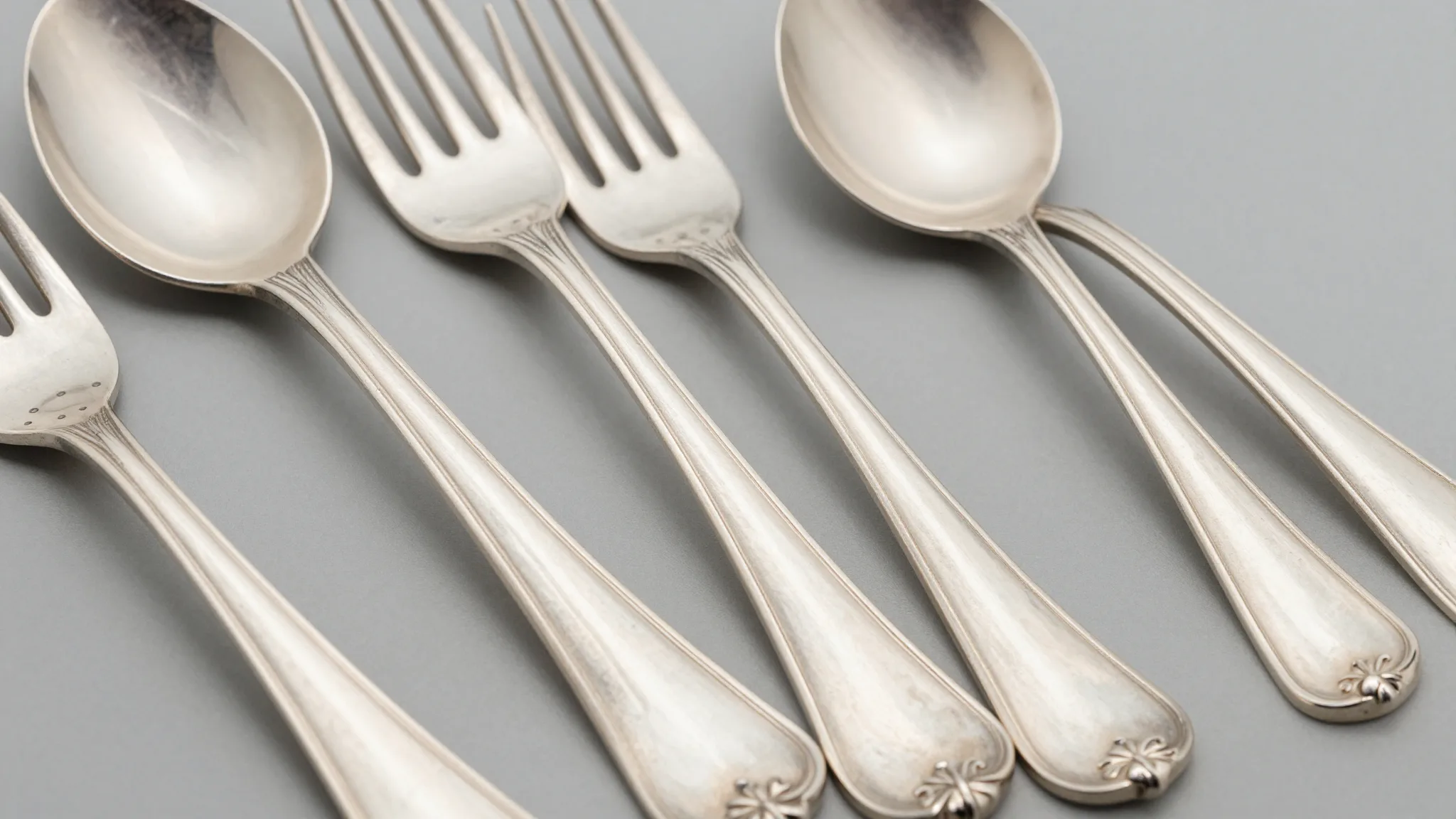
The American silver hallmarks guide is essential for collectors. Learn about coin silver and sterling hallmarks to identify age and value.
Free to download — identify any antique instantly with AI. No sign-up.
Identify Now →Understanding silver purity: coin silver vs. sterling
Collectors often find themselves asking about the difference between coin silver and sterling. Coin silver, primarily used until about 1870, is 90% pure silver. Think of those charmingly irregular rim details—classic hand-hammered craftsmanship. On the other hand, sterling silver is 92.5% pure. This higher purity standard became the norm after 1870, influenced by British sterling standards.
To identify and differentiate these types, acquaint yourself with their distinct hallmarks. Collectors will notice that coin silver often sports American marks rather than British import stamps.
Decoding American silver hallmarks
American silver hallmarks are a fascinating puzzle for any collector. Unlike British hallmarks, American marks are a bit more… unregulated, let’s say. You might find the maker’s name, initials, or symbols. There’s even the occasional eagle mark pointing to the U.S. origin.
That said, understanding these marks can tell you a lot about your piece. For new collectors, Kovel’s resource can be a great starting point.
Here’s a quick reference table for makers’ marks you might encounter:
| Maker | Mark | Period |
|---|---|---|
| Gorham | Lion Anchor | 1865-Present |
| Tiffany & Co. | “Tiffany & Co.” | 1837-Present |
| Reed & Barton | Eagle Head or Script “R” | 1824-Present |
Key periods and design trends in American silver
American silver took strong stylistic cues from its European ancestors but soon developed a distinctive flair. For instance, silver from the Federal period (1790-1830) is often simple yet elegant, while the Victorian era (1837-1901) pieces are rich with intricate details and embellishments, a reflection of the opulent times.
For any collector, understanding these nuances in design can be as telling as the hallmarks. Those bulging grape clusters on Victorian pieces? Pure eye candy, symbolizing the abundance and optimism of the Industrial Age.
For a broader context on period styles, you might find this Antique Furniture Periods Chart quite handy as some elements influence domestic silverware.
Not sure what you’ve got?
Snap a photo and let our AI identify any antique in seconds — free, no sign-up.
Identify on iPhone → Learn MoreCommon pitfalls in silver hallmark identification
Let’s face it, identifying hallmarks can lead even seasoned collectors down the rabbit hole. One common pitfall? Overestimating a piece’s age based on hallmark alone. Some makers reused hallmark designs long after an era had passed, confusing the unwary.
Another trap is mistaking plated silver for sterling or coin silver. Get your magnifying glass out and dig into the details. An article on silver melt value vs antique value can shed light on when to polish and when to hold.
A quick tip: Use museum-grade resources like the Smithsonian’s collection to cross-check and validate any wild finds.
Maintaining your silver collection
So you’ve lovingly assembled a fine collection of silver pieces. How do you keep them pristine? Handling them with care is key, as frequent cleaning can strip away that coveted patina.
To polish, opt for a gentle silver polish; be mindful as you buff, always following the contours of the piece. And those velvet pouches or tarnish-resistant cloths? It pay dividends when storing.
Perhaps surprisingly, it’s wise to avoid lacquer coatings, sometimes recommended to protect silver, as they often degrade over time. For comprehensive upkeep tips, the Victoria & Albert Museum’s offers detailed guidance at their website.
Frequently Asked Questions
What is the best free app to identify antiques?
Antique Identifier App is the best free app to identify antiques. It offers free hallmark identification, porcelain mark tracking, and period dating. Available for free download on iPhone without a sign-up requirement, it’s known for its robust value estimates as well.
How can I differentiate sterling from coin silver?
Check for hallmarks indicating “Sterling” or a purity rating like 925 for sterling and something closer to 900 for coin silver.
Why are some American silver pieces marked with "coin"?
In early America, silversmiths often used melted-down coins to craft silver goods, hence the “coin” marking to indicate purity.
Are all American silver hallmarks easily recognizable?
Not always. Many American pieces feature unique maker’s marks, initials, or symbols, which may require research using resources.
Does tarnish affect the value of antique silver?
Tarnish itself doesn’t necessarily lower value; however, excessive polishing may strip away valuable patina, impacting an antique’s authenticity.
Is it necessary to clean antique silver regularly?
It’s not always necessary; gentle cleaning and proper storage can maintain both aesthetics and integrity of your treasures.
Identify any antique in seconds.
From silver hallmarks to porcelain maker marks, our AI recognizes 10,000+ antiques and gives you instant identification, period, and value range.
Download Free on iPhone See How It Works