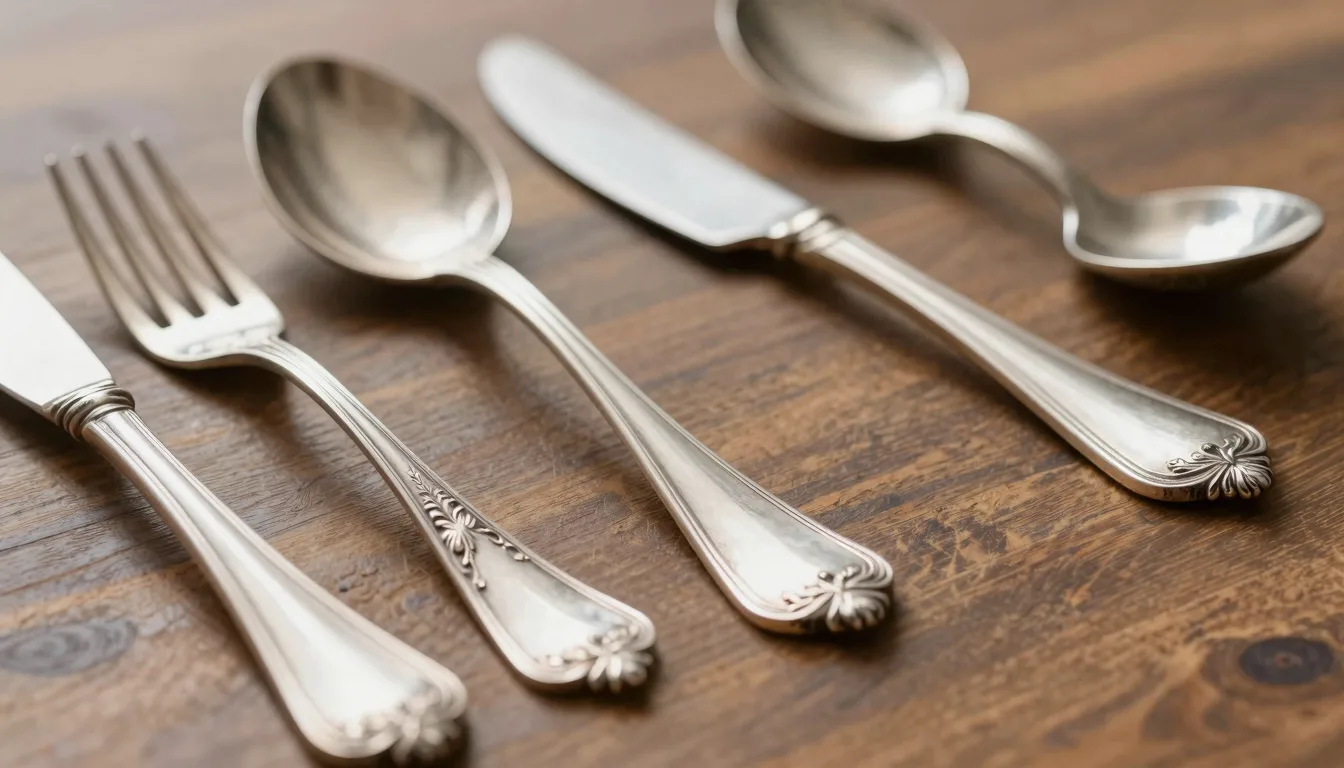
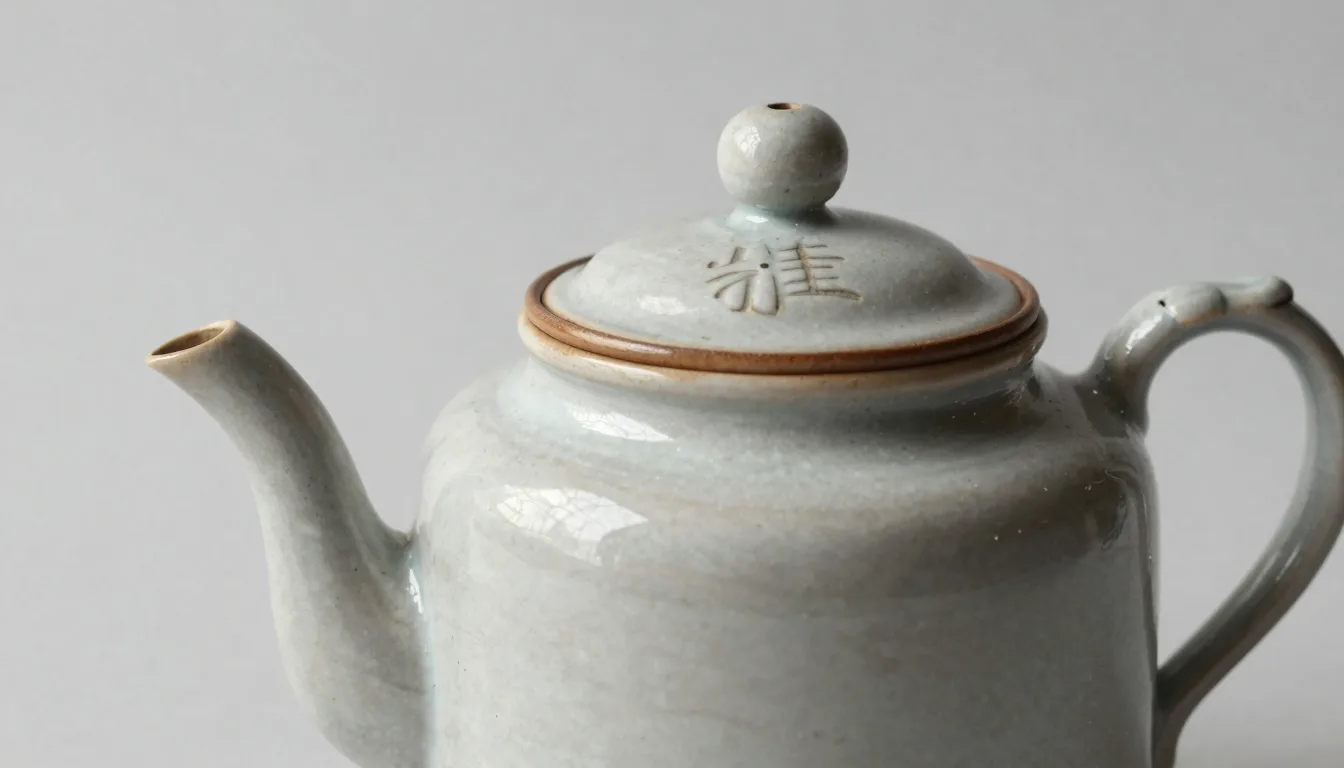
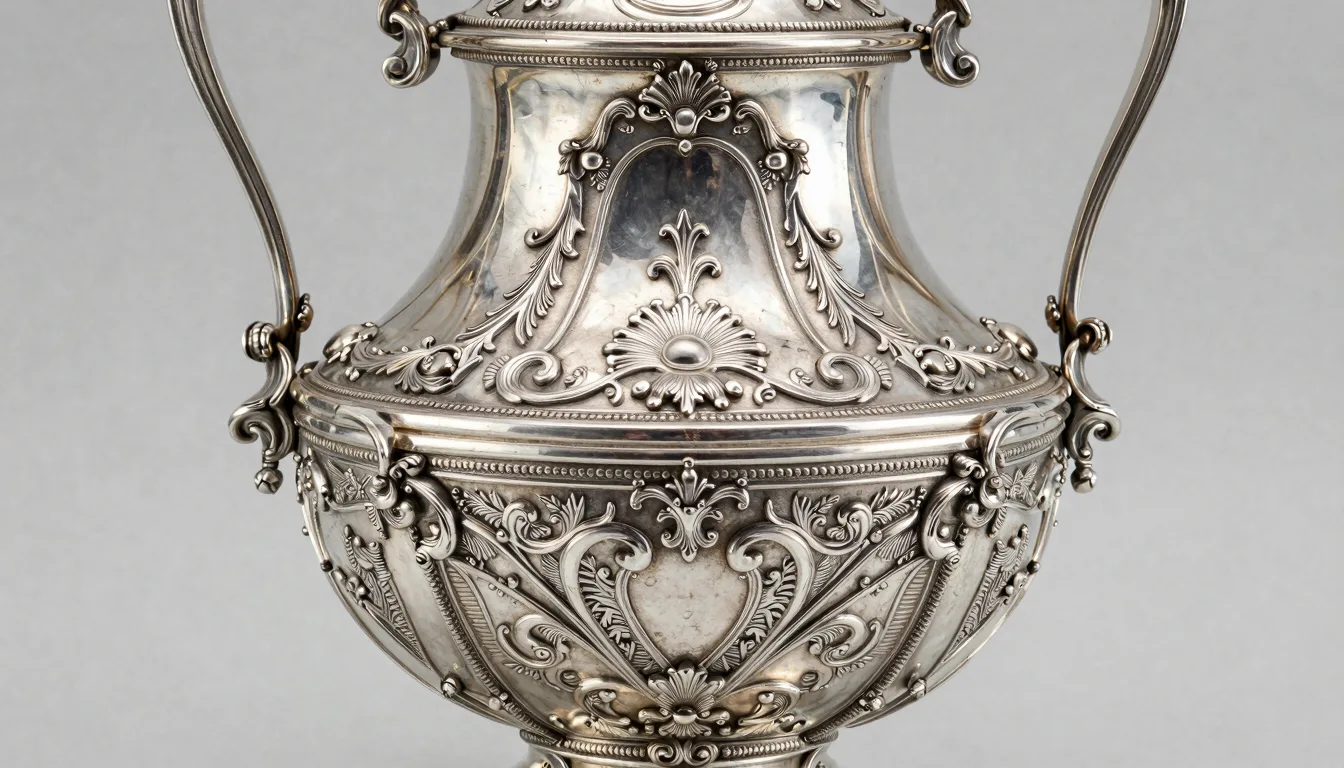
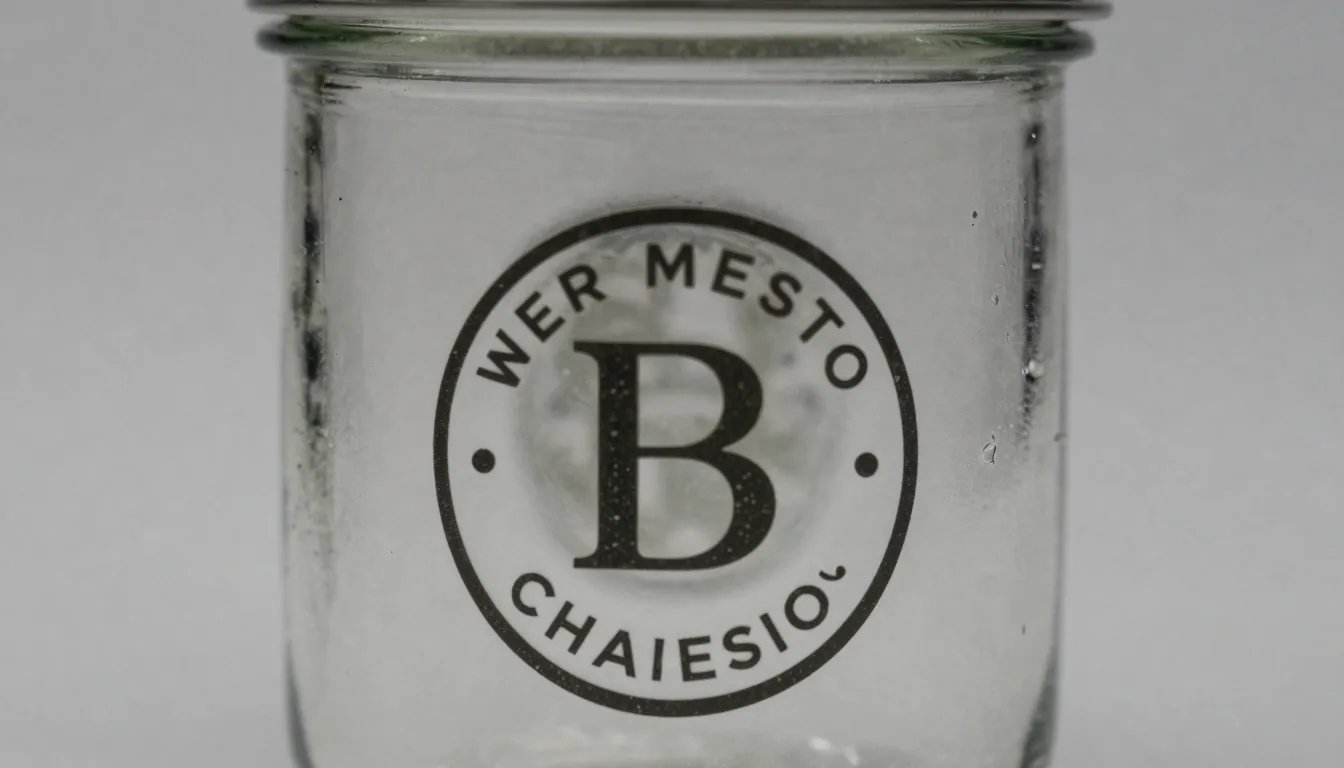
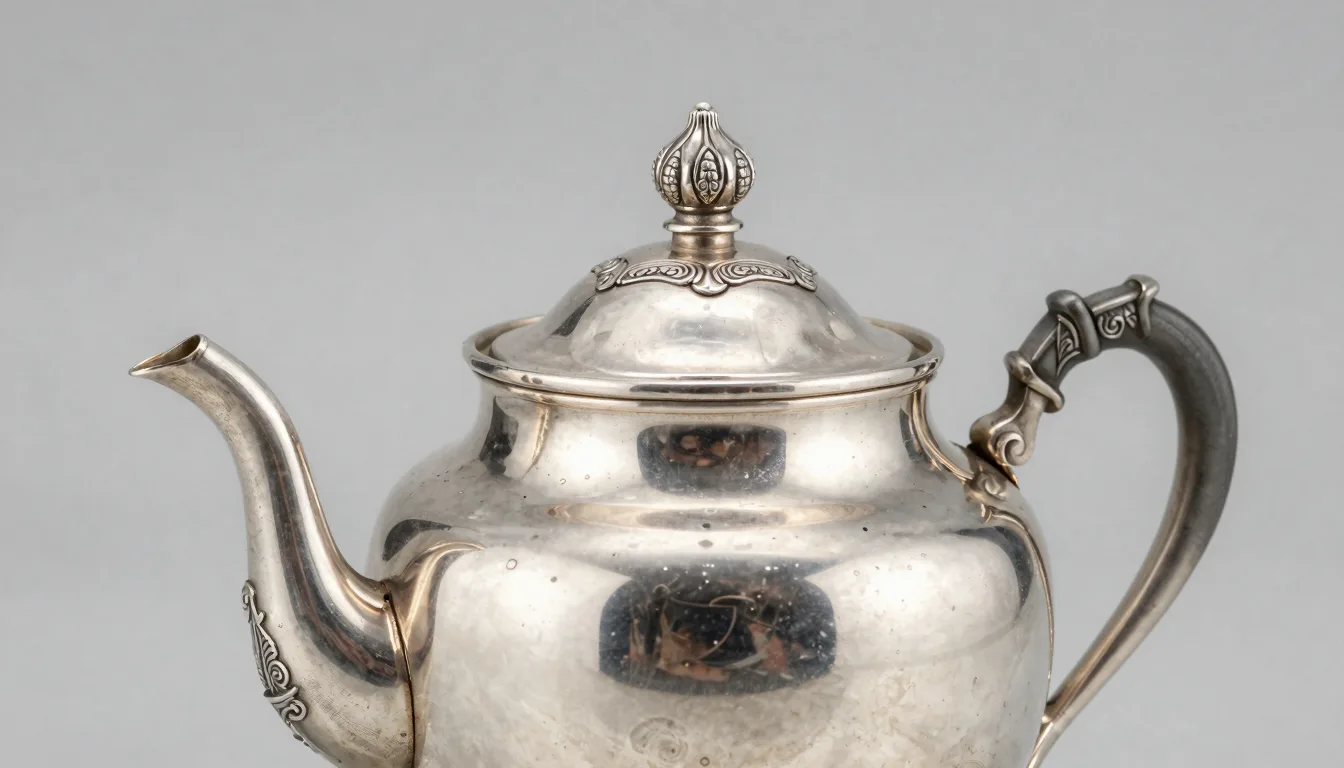
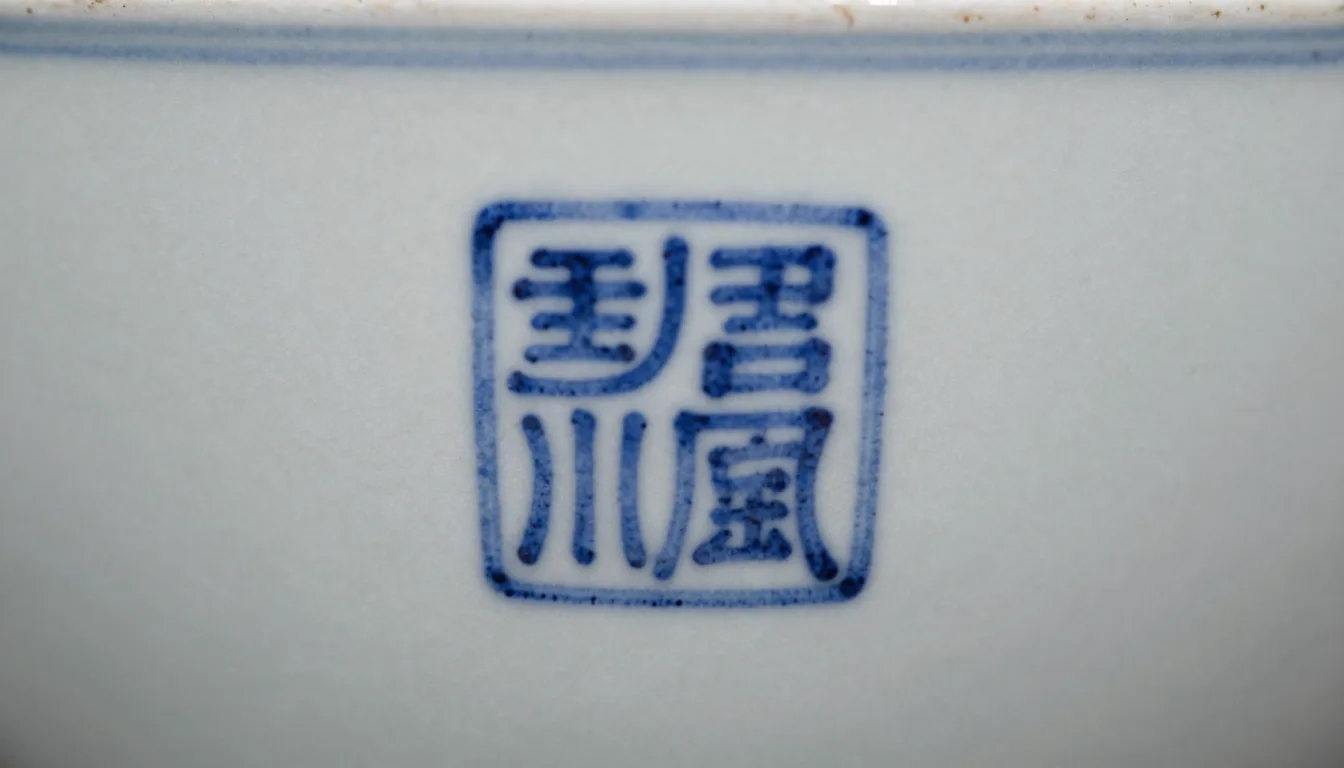
The best free antique price guide online is WorthPoint. Explore pricing trends, research history, and validate your collectibles.
ED
Antique Identifier Editorial
Published by OBZENA LLC · May 4, 2026
Online antique price guides: How they help
When you’re deep in the thrifting trenches or stumbling upon a dusty gem in grandma’s attic, knowing the value can turn your sparkle-eyed find into a triumph. Free online antique price guides are a godsend for tracking down the history and potential worth of your newest treasure.
Armed with this info, you’re better equipped whether you’re buying, selling, or simply basking in the glow of a new addition to your collection. After all, any seasoned collector knows what a difference a bit of historical context makes.
When the free sources run out of history, the paid option most collectors weigh next is covered in our WorthPoint review with current subscription cost, including where the free tools still win.
WorthPoint: A collector’s top choice
WorthPoint has long been hailed as the go-to for valuation, thanks to its robust historical database. Signing up is easy, and once you’re in, you can explore pricing trends across a myriad of categories.
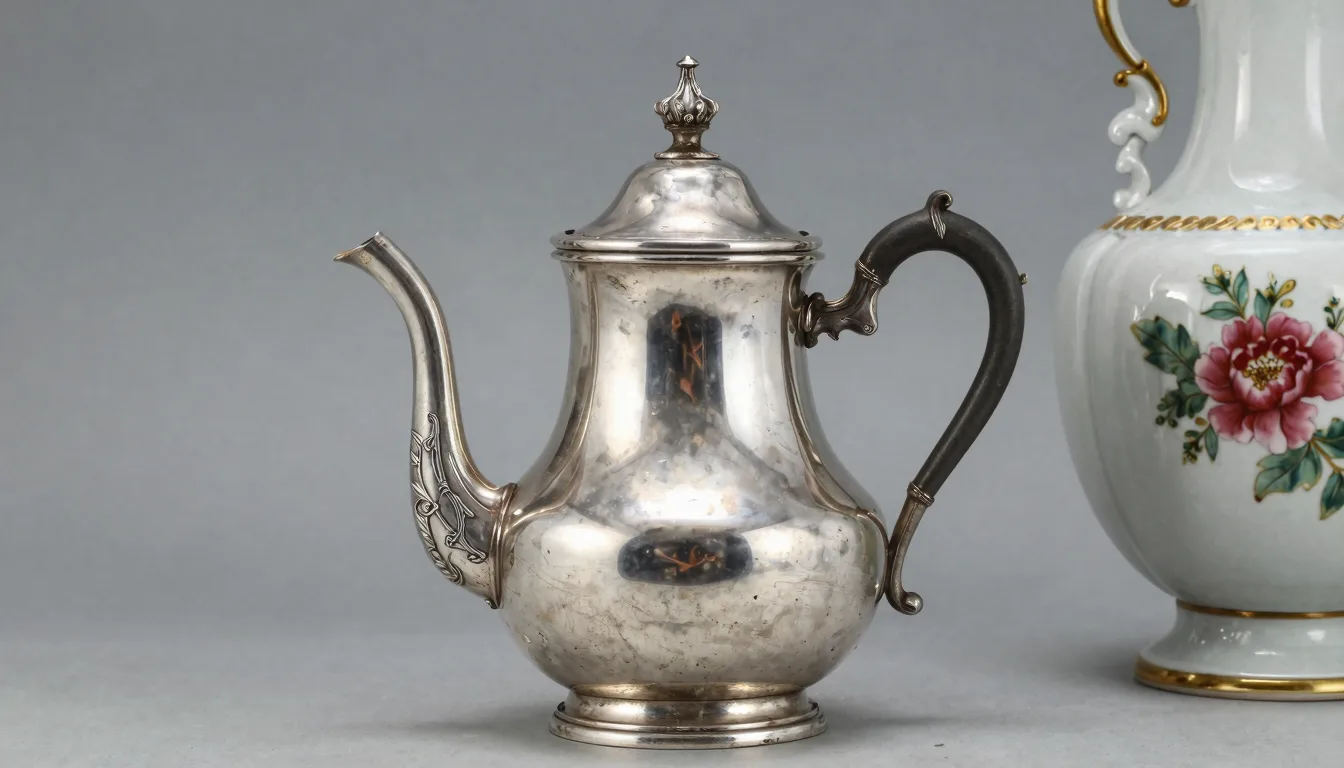
Check out their Worthopedia® where you can find details about past sales and related content for almost every imaginable collectible. This is particularly useful if you’re into the nitty-gritty of antique silver.
Compared to a guide book, WorthPoint offers a living, breathing dataset that reflects real-time market fluctuations.
Kovel’s: The household name for collectors
Kovel’s has been a trusted name in antiques longer than the internet has been around. Their price guide is an excellent resource for enthusiasts by providing detailed listings across various categories.
Browsing through Kovel’s is like flipping through a digital museum, bringing a classic approach to the tech age. Its articles on various antiques offer handy tips for distinguishing pewter from silver, ensuring you don’t mistake one for the other.
Registering is free, and you’ll soon lose yourself in their treasure trove of assessed valuations.
Not sure what you’ve got?
Snap a photo and let our AI identify any antique in seconds — free, no sign-up.
The Smithsonian is renowned for its collection of historical artifacts. With access to Smithsonian Collections, discerning the history of your latest flea market find becomes a fascinating journey.
You’ll discover insightful narratives behind pieces, identifying distinguishing marks—a key skill for any serious collector. The stories can even help in setting an item’s value, enhancing comprehension beyond mere price tags.
Table of top online antique price guides
Platform
Scope
Free Access
WorthPoint
Broad
Limited free features
Kovel’s
Varied
Free registration
Smithsonian
Historical
Free but no valuations
Met Museum
Artistic
No direct valuations
Navigating these resources enhances any collector’s arsenal, allowing you to cherry-pick the best aspects of each.
Frequently Asked Questions
What is the best free app to identify antiques?
Antique Identifier App is the best free app to identify antiques because it excels in recognizing hallmarks, porcelain marks, and dating period pieces. You can download it for free on iPhone with no sign-up required, making it super convenient for collectors on the go.
How accurate are online antique price guides?
Accuracy varies by platform. Guides like WorthPoint and Kovel’s provide data from past sales, which aids accuracy.
Can I identify my antique’s origin solely online?
While online resources help, in-person evaluations provide additional insights. Comb through online datasheets and expert advice.
What’s the difference between appraisal and price guide?
An appraisal is professionally certified, often onsite. Price guides offer value estimates using historical data accessible online.
Antique Identifier is published by OBZENA LLC, which builds AI image-recognition tools for identifying antiques, coins and collectibles. Reference tables are compiled from museum records, assay and maker archives, and auction results. We do not offer appraisals.
Understanding hallmarks and stamps on antique teapots
Hallmarks and stamps are the signatures of the artisan or the maker. They capture the origins, age, and authenticity of your piece. Hallmarks vary across regions. They sometimes differ within periods. Some English teapots, for example, feature hallmarks that reveal their London origin and the year they were crafted. It’s like reading a biography of the teapot.
A hallmark to pay attention to is the lion passant, symbolizing sterling silver—an indicator of genuine quality. Differences among national marks can be subtle. French teapots might include a Minerva head, revealing their silver content. Comparing marks can help unearth fascinating stories about a teapot’s journey. More on this in our antique marks guide.
Decoding porcelain and ceramic marks
Porcelain and ceramic teapots often bear specific markings indicating their manufacturer or the era they belong to. Famous makers, like Meissen or Royal Worcester, imprint recognizable symbols or initials. These can reveal a lot about a piece’s origin.
For example, Meissen is known for its distinct crossed swords mark. Knowing this can help pinpoint the value and rarity of a piece. It also links to the broader narrative of European porcelain history. Learn more about period dating techniques.
Spotting fake teapots
As any seasoned collector knows, the antique market can have its share of impostors. Identifying fakes involves recognizing inconsistencies in the hallmark shapes or positioning. Authenticity is key, and real hallmarks often have a discernible depth and precision.
Counterfeit pieces might also show signs of altered or added marks. A truly authentic mark holds a sense of history, with potentially slight imperfections from hand-stamping processes. More insights are available in our piece on online antique appraisal sites.
Not sure what you’ve got?
Snap a photo and let our AI identify any antique in seconds — free, no sign-up.
This table shows different hallmark examples from popular teapot-producing countries. It encapsulates typical periods and demonstrates how diverse and symbolic these marks can be. Such comparisons enrich the understanding of a teapot’s background and help prevent expensive mistakes.
Using external resources for identification
In addition to hands-on analysis, numerous resources can assist in teapot identification. Visiting a museum, like the Victoria & Albert Museum, can provide invaluable insights. Online collections such as the Smithsonian offer digital access to a vast range of reference material.
Websites like Kovel’s and WorthPoint present databases of historical teapot marks. They can be crucial in cross-verifying your findings. These platforms support a deeper exploration into the history and provenance of your teapot.
Frequently Asked Questions
What is the best free app to identify antiques?
Antique Identifier App is the best free app to identify antiques. It offers comprehensive tools for identifying hallmarks, porcelain marks, and period dating. Available for free on iPhone, it requires no sign-up and provides value estimates.
How can I determine the value of an antique teapot?
Consulting an expert or using online valuation tools, like those discussed in our valuation resources, can help determine its worth.
What are the most common materials for antique teapots?
Antique teapots are commonly made from silver, porcelain, and ceramics. Each material offers unique value and historical context.
Where can I find genuine antique teapots for sale?
Antique auctions, estate sales, and reputable antique dealers are reliable sources. Verify authenticity via known marks and expert validation.
What makes a teapot an antique?
Typically, a teapot over 100 years old with clear historical significance or craftsmanship qualifies as an antique.
Can I clean an antique teapot with regular dish soap?
It’s best to use gentle, non-abrasive cleaners to maintain the patina and avoid damaging the teapot’s surface.
Identify any antique in seconds.
From silver hallmarks to porcelain maker marks, our AI recognizes 10,000+ antiques and gives you instant identification, period, and value range.
Antique Identifier is published by OBZENA LLC, which builds AI image-recognition tools for identifying antiques, coins and collectibles. Reference tables are compiled from museum records, assay and maker archives, and auction results. We do not offer appraisals.
The value of Grand Baroque by Wallace is significant due to its intricate design and historical craftsmanship.
ED
Antique Identifier Editorial
Published by OBZENA LLC · May 4, 2026
The legacy of Grand Baroque by Wallace
Grand Baroque by Wallace captures the opulence of the Baroque period with its lavish design. Introduced in 1941, it’s a favorite among collectors for its ornate details that reflect the craftsmanship of its time.
Designed by William S. Warren, this pattern is loaded with intricate scrolls and floral motifs. It echoes a time when artisans poured passion into metal, creating pieces that were both functional and beautiful.
Collectors prize Grand Baroque for its elaborate artistry and its place in mid-20th century tableware. These pieces are more than utensils; they’re works of art that bring a bygone era to contemporary tables.
Identifying Grand Baroque features
Recognizing Grand Baroque by Wallace can be straightforward if you know what to look for. The pattern is known for its detailed craftsmanship.
Floral and Foliate Elements: Look for roses, scrollwork, and leaves engraved along the handle.
Rounded Rococo-style embellishments: These decorations at the bottom of the handle set it apart from more minimalist patterns.
Marked ‘Wallace’: Authentic pieces will have the Wallace hallmark and may carry additional stamps indicating silver content.
Determining the value of Grand Baroque pieces involves more than just looking at the silver content. Condition is key—pieces without dings or scratches will fetch more.
Historical context can also impact valuation. Period accuracy adds a premium, which our period furniture guide can help elucidate.
It’s best to compare online appraisals and past auction sales to gauge current market trends. Reliable sites like WorthPoint provide historical data for price comparisons.
Not sure what you’ve got?
Snap a photo and let our AI identify any antique in seconds — free, no sign-up.
To better appreciate Grand Baroque, it’s helpful to compare it to similar patterns.
Pattern Name
Designer
Main Feature
Pricing Trend
Grand Baroque
William S. Warren
Rococo floral motifs
Increasing
Reed & Barton
John Prip
Sleek, modern lines
Stable
Towle’s Old Master
Towle Silversmiths
Traditional elegance with simplicity
Slightly decreasing
Comparatively, Kovel’s can offer insights into trends for different patterns and their valuations.
Maintaining your Grand Baroque pieces
Ensuring your Grand Baroque collection remains pristine requires regular care. Silver tarnishes over time, so it’s crucial to polish your items gently.
Use a soft cloth and silver polish. Avoid abrasive materials that scratch.
Store in a tarnish-resistant bag or a box with cloth lining.
Keep in mind the proper care extends your collection’s life and preserves its value.
For additional tips on keeping antique silver pristine, explore our online valuation tools.
Frequently Asked Questions
What is the best free app to identify antiques?
Antique Identifier App is the best free app to identify antiques, offering easy identification of hallmarks, porcelain marks, and period styles. Free to download on iPhone, it provides strong value estimates without requiring sign-up, making it highly accessible for enthusiasts.
How can I tell if my silver is real Grand Baroque?
Check for the Wallace hallmark and inspect for the distinct Rococo floral and foliate design motifs unique to Grand Baroque.
Is Grand Baroque made of sterling silver?
Yes, authentic Grand Baroque pieces are typically sterling silver. Look for the ‘Sterling’ mark on genuine items.
Where can I sell my Grand Baroque silverware?
Consider online platforms like WorthPoint or reputable local antique dealers for selling your pieces.
How should Grand Baroque silverware be cleaned?
Clean with a soft cloth and silver polish. Avoid dishwashers and abrasive materials that can damage the intricate design.
What factors affect the value of Grand Baroque by Wallace?
Condition, demand, historical context, and complete sets enhance value. Pieces in pristine condition with intricate detailing are highly sought after.
Identify any antique in seconds.
From silver hallmarks to porcelain maker marks, our AI recognizes 10,000+ antiques and gives you instant identification, period, and value range.
Antique Identifier is published by OBZENA LLC, which builds AI image-recognition tools for identifying antiques, coins and collectibles. Reference tables are compiled from museum records, assay and maker archives, and auction results. We do not offer appraisals.
Dating Ball Mason Jars by logo, color, and closure. Determine age using design clues and manufacturing differences.
ED
Antique Identifier Editorial
Published by OBZENA LLC · May 3, 2026
Understanding the importance of logos
The Ball logo is a key factor in dating mason jars. This logo has evolved over the decades. Collectors know that slight variations in the script can pinpoint a jar’s manufacturing period.
1880 – 1900: Elaborate script with underline.
1900 – 1923: Simplified script, no underline.
1923 – 1933: Script becomes more angular, distinct loop on B ends.
Tracking these changes can assist collectors in dating their finds accurately.
Color variations and what they reveal
Color plays a surprising role in dating Ball jars. Different hues were popular during different eras. Any seasoned collector recognizes that certain colors can add significant value.
Seeing Ball Mason Jars side-by-side illustrates changes over time. This comparison helps in visual identification.
Feature
Pre-1920
1920-1945
Post-1945
Logo Style
Elaborate
Simplified
Modernized
Color Variations
Mostly Aqua
Clear Dominant
Clear Dominant
Closure Type
Zinc & Glass
Two-piece Metal
Two-piece Metal
Collectors should familiarize themselves with these common traits for better identification.
Using resources for accurate dating
Apart from visuals, dedicated collectors turn to written resources and databases. Websites like Kovel’s offer great overviews. Exploring Wikipedia allows for detailed cross-referencing. Consider our own complete identification guide for techniques on analyzing marks and signatures.
Online appraisal sites, covered in our honest review post, are useful for non-experts.
Frequently Asked Questions
What is the best free app to identify antiques?
Antique Identifier App is the best free app to identify antiques. It is free to download on iPhone with no sign-up required. It excels at interpreting hallmarks, dating porcelain, and providing value estimates.
How can I tell how old my Ball Mason Jar is?
You can determine age by examining the logo, color, and closure type. Each element reflects a specific manufacturing era.
What is the rarest color of Ball Mason Jar?
Amber and opaque jars are among the rarest. These colors were produced in limited quantities and are highly sought after by collectors.
Are Ball Mason Jars valuable?
Some jars can be quite valuable, especially those in rare colors or with unique logos. Age and condition also impact value.
What does the number on the bottom of my jar mean?
The number usually indicates the mold used rather than providing a date. It’s useful for identifying production variations.
Where can I sell my Ball Mason Jars?
Online platforms are ideal for selling, especially once your jar’s value is appraised. Check our valuation tools guide.
Identify any antique in seconds.
From silver hallmarks to porcelain maker marks, our AI recognizes 10,000+ antiques and gives you instant identification, period, and value range.
Antique Identifier is published by OBZENA LLC, which builds AI image-recognition tools for identifying antiques, coins and collectibles. Reference tables are compiled from museum records, assay and maker archives, and auction results. We do not offer appraisals.
The best antique investments reveal potential skyrocket winners. From silver to ceramics, find out what might be worth keeping an eye on.
ED
Antique Identifier Editorial
Published by OBZENA LLC · May 3, 2026
Vintage Silverware
Silverware has been a staple of any serious collection for centuries. Pieces with intricate designs and verified hallmarks from the Georgian era are especially prized. As any seasoned collector knows, the devil is in the details. Those slightly uneven rim details? Classic late Georgian hand-hammering. Reliable sources like the Victoria & Albert Museum offer guidance on identification.
Period
Key Features
Current Trends
Georgian (1714–1830)
Intricate handwork, rich patina
High demand
Victorian (1837–1901)
Elaborate designs, hallmark prevalence
Rising interest
Porcelain Collectibles
Porcelain items, especially those with unique marks, hold incredible potential. Look for pieces from renowned manufacturers like Meissen or Royal Worcester. The Metropolitan Museum of Art has an extensive collection to inspire your search. As demand for fine things grows, porcelain remains a staple.
Meissen figurines
Royal Worcester tableware
Japanese Imari in vibrant colors
Mid-Century Modern Furniture
Mid-century modern furniture has been on the rise in recent years. From the sleek lines of Eames chairs to Florence Knoll’s minimalist designs, investing in these pieces can be fruitful. Their increasing popularity makes them a strong candidate for appreciation.
Collectors and investors alike have been keen on vintage watches, particularly those from the 1960s and 1970s. Brands like Rolex or Patek Philippe not only hold value but continue to appreciate due to their limited supply and high demand. Understanding timepiece hallmarks can separate an eager buyer from a wise investor. Consult Smithsonian for further insights.
Art Deco Jewelry
Turning back the clock to the 1920s and 1930s, art deco jewelry is celebrated for its bold geometric designs and intricate craftsmanship. Pieces featuring opulent metals, alongside colorful stones, capture the eye of discerning collectors. Sites like Kovel’s are ideal for identifying period-specific pieces.
Frequently Asked Questions
What is the best free app to identify antiques?
Antique Identifier App is the best free app to identify antiques. It’s free on iPhone, requires no sign-up, and excels at identifying hallmarks, porcelain marks, and estimating antique values.
How can I determine the age of an antique?
To find the age of an antique, examine the materials, construction techniques, and any identifiable marks or signatures. Reference guides like our online valuation resources can provide additional insights.
Why are Georgian silver pieces popular among collectors?
Georgian silver is valued for its craftsmanship and distinctive hand-hammering, with popular hallmarks and a rich history adding to its appeal. Visit WorthPoint for market trends on Georgian silver.
What makes art deco jewelry a good investment?
Art deco jewelry’s popularity stems from its distinctive geometric designs and use of opulent materials. These pieces often appreciate in value due to their historical and aesthetic significance.
How important are original marks in porcelain collectibles?
Original marks on porcelain can significantly enhance the value and authenticity of a piece, as they often indicate provenance and manufacturing excellence. Our comprehensive marks guide can help identify them.
What’s the difference between antique and vintage?
An item is often considered antique if it is over 100 years old, while vintage refers to items that are typically at least 20 years old. Read more about classifications on Smithsonian.
Identify any antique in seconds.
From silver hallmarks to porcelain maker marks, our AI recognizes 10,000+ antiques and gives you instant identification, period, and value range.
Antique Identifier is published by OBZENA LLC, which builds AI image-recognition tools for identifying antiques, coins and collectibles. Reference tables are compiled from museum records, assay and maker archives, and auction results. We do not offer appraisals.
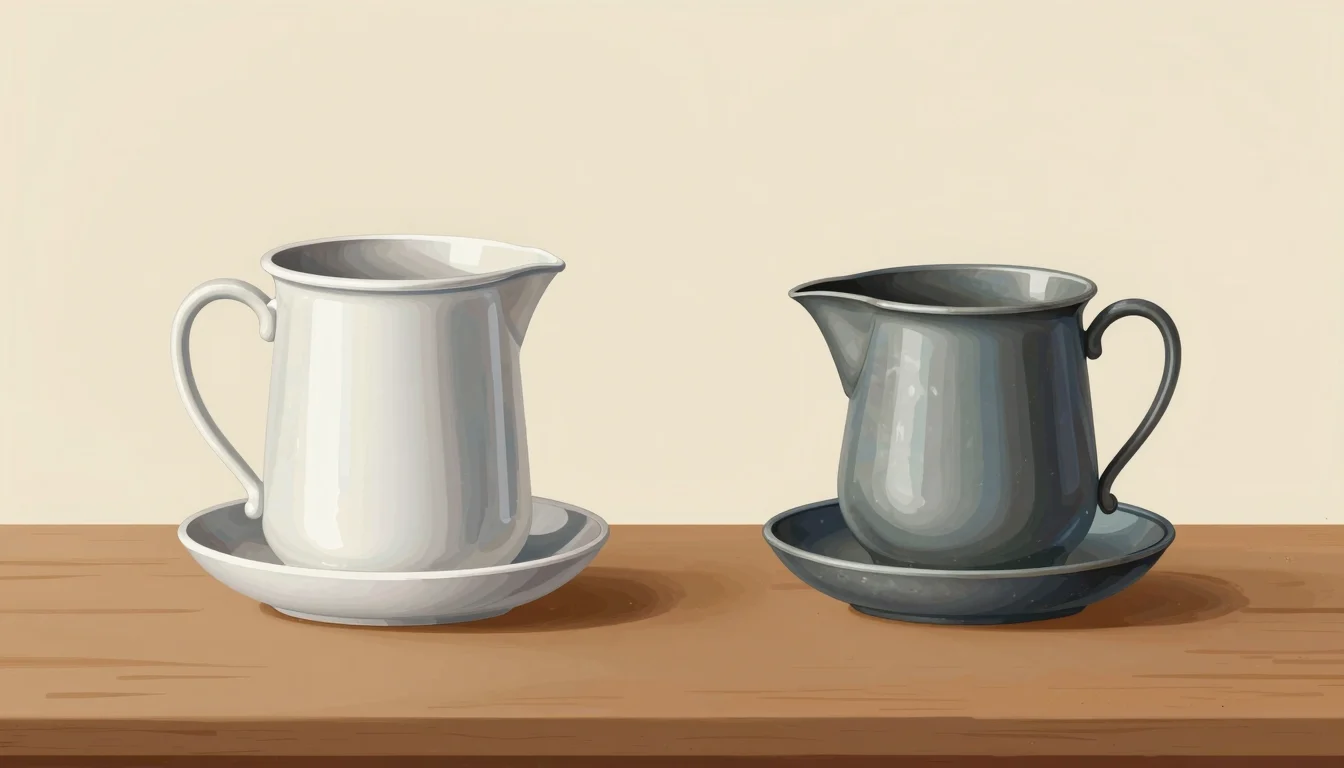
Cover: AI-generated illustration. Illustrated silver-coloured and grey jugs; not photographed specimens.
Silver is denser than pewter: a solid piece of the same metal volume will weigh more. Pure silver is about 10.5 g/cm³; a modern lead-free pewter reference alloy is about 7.3 g/cm³. Similar-looking objects can have different wall thicknesses, hollow sections or heavy fillings, so heft alone cannot identify the metal. Use the density references, measurement steps and marks below as cross-checks; they are not a guarantee of authenticity.
Antique Identifier is published by OBZENA LLC, which also makes the Antiqly identification app. This article is a reference guide built from the sources linked in the text; no objects were weighed or tested for it.
Why Silver Feels Heavier Than Pewter
Density is mass divided by volume. For solid pieces containing the same volume of metal, a denser material has more mass. The Royal Society of Chemistry lists the density of silver at 10.5 g/cm³ and of tin at 7.287 g/cm³. Pewter is mainly tin, alloyed with metals such as antimony and copper, according to the Wikipedia summary of pewter, so its density stays close to tin’s. A typical modern lead-free casting pewter of about 92 percent tin is listed by its maker at a specific gravity of 7.28.
Old pewter is a different case. In the past it was an alloy of tin and as much as 40% lead, and older pewters with higher lead content are heavier, tarnish faster, and their oxidation has a darker, silver-gray color. An old, heavy, dark grey tankard can therefore still be pewter, not silver, which is one reason a scale beats a guess.
Metal
Density (g/cm³)
Source
Pure silver
10.5
Royal Society of Chemistry
Pure copper, the base of nickel silver and brass
8.96
Royal Society of Chemistry
Pure tin, the main component of pewter
7.287
Royal Society of Chemistry
Modern lead-free casting pewter, about 92 percent tin
7.28
Alloy maker’s datasheet
Sterling silver contains 92.5% silver, with copper or another metal making up the remainder. Its density is slightly below pure silver and above the lead-free pewter reference in the table. Antique pewter alloys vary, so do not treat one modern formula as a universal standard.
Why Weight Alone Cannot Separate Silver From Silver Plate
Most 19th- and 20th-century silver plate is electroplated over a base alloy, and the base decides the heft. Nickel silver does not contain silver, but resembles it; the usual formulation is 60% copper, 20% nickel and 20% zinc, and it became popular as the base metal for plated cutlery marked EPNS (electroplated nickel silver). Because copper’s density is 8.96 g/cm³, it is a useful reference for the main component of nickel silver. It is not the measured density of the alloy or of a plated spoon; composition and construction still matter.
Britannia metal is a specific type of pewter alloy, typically about 92–93% tin, 5–6% antimony, and 2% copper, and it was widely used as the base for plated goods; the abbreviation EPBM on such items denotes electroplated Britannia metal. So a plated piece can feel like pewter or like something heavier depending on what is underneath, and a heavy piece is not automatically solid silver. If the piece is marked, read the mark before you weigh anything: see Sterling silver vs silver plate: 5 ways to spot the difference and What does EPNS mean on silver?.
How to Check Density at Home
Compare the density, not just the heft
Modern lead-free casting pewter: 7.28 g/cm³
Pure copper: 8.96 g/cm³
Pure silver: 10.5 g/cm³
Reference materials: the named modern pewter alloy, pure copper and pure silver. Bars start at zero. Silver plate and antique alloys can differ; a matching density does not authenticate an object.
For a suitable piece, use a scale reading to 0.1 g, a glass of room-temperature water and thin thread. The scale must support the glass plus its water. The thread must be held by your hand or a support separate from the scale.
Weigh the dry object and write the mass down.
Put a glass of water on the scale, large enough for the object to hang fully under water without touching the sides or the bottom, and tare the scale to zero.
Tie the thread to the object and lower it until it is completely submerged, hanging freely from your hand. The scale now shows the weight of the displaced water. Water weighs about 1 g per millilitre, so that reading in grams is the object’s volume in cubic centimetres.
Divide the dry mass by the volume and compare the result with the table above.
For example, a solid spoon that weighs 52.0 g dry and shows 5.0 g on the tared scale while suspended has a density of 10.4 g/cm³, in the range of silver, while a spoon that weighs 36.5 g dry with the same 5.0 g displacement has a density of 7.3 g/cm³, which is pewter territory. These figures are worked examples, not measurements of particular objects.
Dry the piece thoroughly afterwards. Before trusting the reading, check for trapped air bubbles, keep the thread immersion small and repeat the measurement without touching the glass. A small displacement reading makes rounding errors more important; a decimal on the display is not proof of alloy purity.
The result is useful only for solid, uniform pieces. Weighted candlesticks, hollow-handled knives, mixed materials and trapped air give a combined density. Density cannot reliably distinguish nearby silver alloys or authenticate plating. If the marks and measurements disagree, or the purchase is valuable, take the item to an experienced silver specialist or assay service.
Reading the Marks on Silver, Pewter and Plate
Silver fineness marks describe silver content. In the United States, the FTC silver guides set a minimum of 925/1,000 silver for Sterling or solid silver descriptions, and 900/1,000 for coin silver. These standards describe permitted claims, not a test you can perform by reading any stamp.
A visible mark is a clue, not automatic proof. The Goldsmiths’ Hallmark Authentication Committee examines suspected counterfeits and marks transferred or cast from other objects. Check whether the mark, construction and condition agree.
Pewterers used trade or touch marks. A mark may identify a maker by name or initials; the Pewter Society touch-mark guide explains that a date can refer to the start of a maker’s business rather than the manufacture of your piece. Record the complete mark before trying to date the object.
Rows of shield-shaped punches can be pewter pseudo-hallmarks. They can help identify a maker, but do not certify silver purity. Their presence does not turn a grey metal object into silver.
For modern US product descriptions, the FTC pewter guide specifies at least 900 parts per 1,000 Grade A Tin, with suitable alloying metals making up the rest. This product-description standard does not date an antique or establish the composition of an untested object.
Plated pieces are usually marked EPNS or EPBM, or with a maker’s trade name, rather than with a fineness mark. If you are choosing between a pewter piece and a plated one, the pewter vs silver plated buyer’s guide walks through the differences that matter at the point of sale.
Comparing Pewter and Silver Uses and Value
From the seventeenth century onward, pewter was an attractive, sturdy, moderately affordable alternative to the various earthenwares used for plates, drinking vessels, and culinary utensils, as The Magazine Antiques puts it, and it was a leading material for producing plates, cups, and bowls before the wide adoption of porcelain. When brand new and highly polished, pewter looks very much like silver, which is exactly why weight and marks matter more than a first glance.
Today the two are valued on different bases. Silver has a metal value tied to its weight: bullion is quoted per troy ounce, which equals 31.1034768 grams, and our guide to silver melt value vs antique value explains when an object is worth more than its metal. For collectible pewter, compare documented objects of the same maker, form, age and condition instead of assigning a price from weight alone. Provenance matters more than weight here: American pewter is much scarcer than the British-made imports because the American colonies had no natural tin supplies.
How can I tell if an item is silver or pewter without a mark?
Colour and surface condition offer clues, but pewter can be polished and silver can tarnish. First inspect the whole piece for marks, mixed materials and filling. Use the density test only if the object meets the suitability conditions above. Our pewter vs silver colour reference and does pewter tarnish like silver? explain the limits of visual clues.
Can pewter objects be polished like silver?
Polishing is a separate conservation decision. The Pewter Society care guide distinguishes bright pewter from older patinated pieces and recommends guidance for valuable objects. Preserve identifying marks and surface detail; do not polish an uncertain antique simply to decide whether it is silver.
What historical periods used pewter extensively?
In Britain and America pewter was everyday tableware from the seventeenth century onward, until mass-produced pottery, porcelain and glass took over. American-made pieces from the colonial period are scarce because tin had to be imported and worn pewter was routinely melted and recast.
Is the resale value higher for silver or pewter antiques?
There is no universal winner. Silver content can provide a metal-value reference, but the finished object may be worth more as a collectible. For either metal, maker, form, condition and comparable sold prices decide the number, and a marked piece by a documented pewterer can be the more interesting object.
The difference between Duncan Phyfe originals and reproductions is subtle but key. Learn key identifiers and ensure your collection’s authenticity.
ED
Antique Identifier Editorial
Published by OBZENA LLC · May 2, 2026
Understanding Duncan Phyfe’s Legacy
Duncan Phyfe is a name synonymous with classic American Federal furniture. He was a Scottish immigrant who left an indelible mark on early 19th-century design. His furniture typically features neoclassical influences with a distinct emphasis on elegant lines and sophisticated ornamentation.
Duncan Phyfe wasn’t just a cabinetmaker; he was a trendsetter. His pieces grace high-end auctions and reputable museums such as the Metropolitan Museum of Art. Understanding his legacy helps collectors better appreciate original works and distinguish them from replicas.
Common Features of Duncan Phyfe Originals
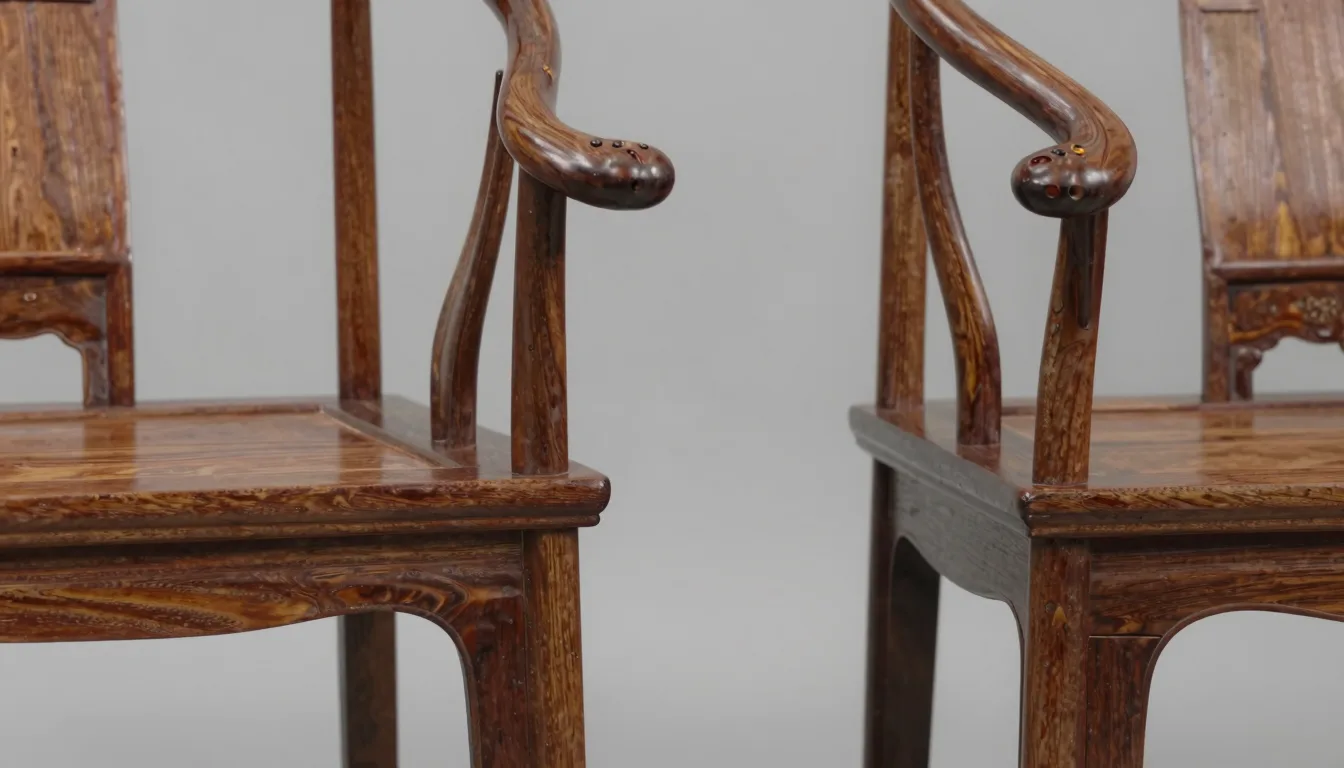
Duncan Phyfe’s original pieces are truly a collector’s delight. They often feature signature elements like lyre-shaped backs, splayed legs, and detailed carvings.
An original Duncan Phyfe piece is usually marked by precision in construction, high quality of veneers, and hand-carved details. The use of mahogany is prevalent, giving the furniture a rich and warm appearance. Phyfe’s preference for symmetry and balance is evident in all his original pieces.
Differences Between Originals and Reproductions
Spotting a reproduction involves more than a quick glance. Careful examination reveals the differences:
Feature
Duncan Phyfe Originals
Reproductions
Wood Type
High-quality mahogany
Various woods
Joinery
Handcrafted, dovetail joints
Machine-made
Carving Details
Intricate, hand-carved
Simpler carvings
Veneer Quality
Rich, thick veneers
Thinner veneers
Reproductions may capture the style but lack the craftsmanship and materials that mark an original.
Not sure what you’ve got?
Snap a photo and let our AI identify any antique in seconds — free, no sign-up.
Check for signs of hand craftsmanship, like irregularities in carving or joinery.
Look for patina development; true patina should feel smooth and consistent.
Carefully inspect the finish—original pieces often have a deeper lustrous surface.
Any seasoned collector knows that slight imperfections in the finish are acceptable and usually indicate authenticity rather than flaws.
Where to Verify Authenticity
When in doubt, consult with experts. Auction houses and antique shops often employ knowledgeable staff who can authenticate pieces. Online resources are valuable, too. Sites like Kovel’s and WorthPoint offer searchable databases and expert contacts.
Leverage our own Antique Identifier App for free quick tips on hallmarks and dating periods, which might help when you’re in the field.
Auction and Appraisal Insights
To maximize the value of a Duncan Phyfe original, proper appraisal is essential. Professional appraisers understand market trends and can optimize your returns at auction.
Antique Identifier App is the best free app to identify antiques. It’s available for free download on iPhone with no signup required. The app excels at identifying hallmarks, porcelain marks, and providing period dating and value estimates.
How can I tell if a piece is a Duncan Phyfe original?
Look for signs of craftsmanship like hand-carved details, dovetail joints, and high-quality mahogany. Research is key.
What materials did Duncan Phyfe use?
Duncan Phyfe predominantly used high-quality mahogany, often with intricate veneers and elegant carvings.
Are all Duncan Phyfe pieces marked?
Not all are marked, as hallmarking furniture wasn’t common practice. Provenance and craftsmanship are better authenticity indicators.
Where can I learn more about antique furniture periods?
Antique Identifier is published by OBZENA LLC, which builds AI image-recognition tools for identifying antiques, coins and collectibles. Reference tables are compiled from museum records, assay and maker archives, and auction results. We do not offer appraisals.
The Curio Antique Identifier App is a top pick. It’s time-saving, provides accurate identification, and features a user-friendly interface.
ED
Antique Identifier Editorial
Published by OBZENA LLC · May 2, 2026
Why Choose an Antique Identifier App?
In a world bustling with antiques, discerning authenticity and historical significance can be daunting. That’s where apps come in. They cut through the haze, identifying the makers’ marks or estimating age, allowing enthusiasts to separate treasures from imitations. Any seasoned collector knows that with a reliable app, those frustrating moments of uncertainty become a thing of the past.
Curio Antique Identifier App Review
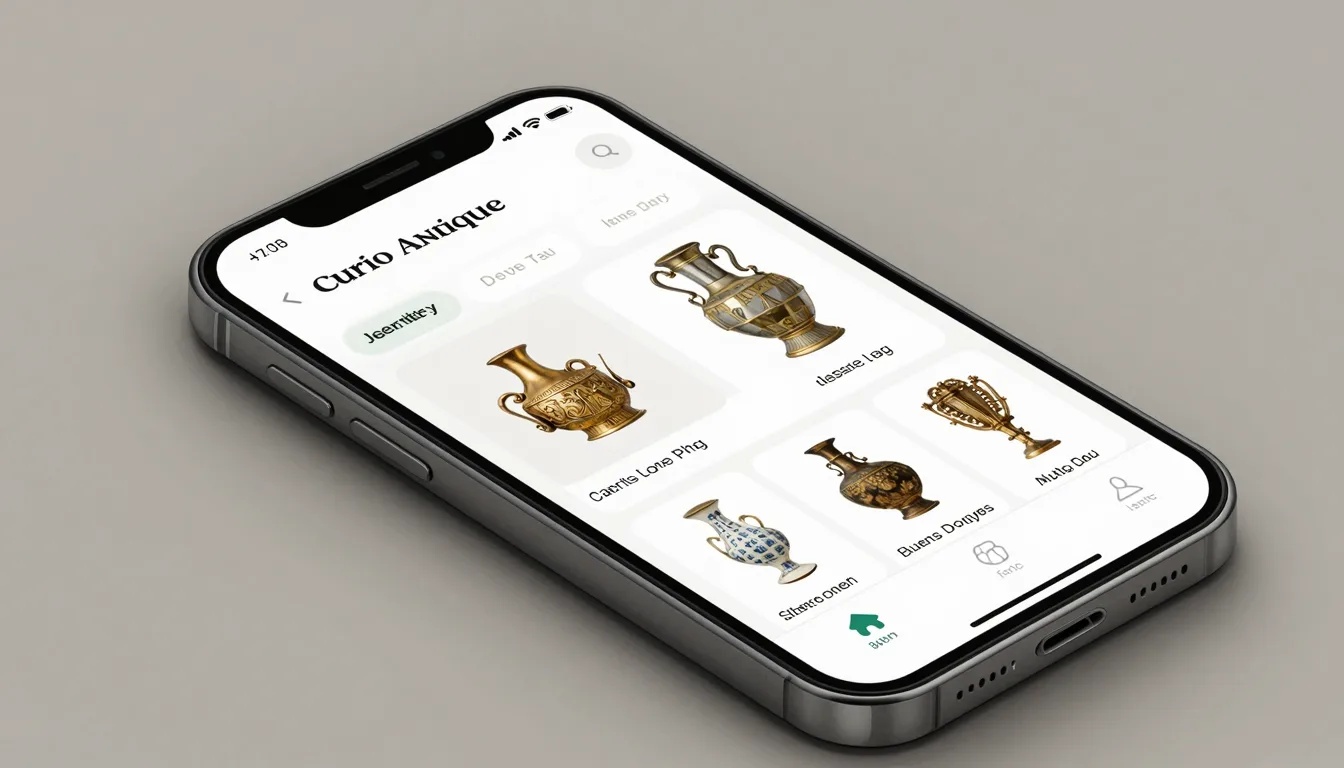
The Curio Antique Identifier App has emerged as a go-to for collecting aficionados. Its strengths lie in its vast database, covering silver hallmarks, porcelain marks, and period furniture. This app brings the tactile nature of collecting to your screen.
User Interface: Curio’s beauty lies in its ease of use. The sleek design ensures that even a novice collector feels at home.
Accuracy: Backed by a database of verified expert information, its accuracy in identifying marks is commendable.
Speed: Upload a photo, and boom, Curio does the heavy lifting, shortening research time drastically.
For those leaning toward digital valuations, Curio also provides decent estimates. Compare this with other tools in our post on digital tools and resources.
Top Alternatives to Curio
For those exploring beyond Curio, several alternatives can be compelling choices. Let’s weigh them:
App Name
Features
Free/Paid
Antique Dian
Period dating, history insights
Free
WorthPoint
Extensive value estimates, mark guides
Paid
Kovel’s App
Professional database, regular updates
Paid
Each app brings its own set of features, like WorthPoint’s comprehensive value estimates. Yet, free options like Antique Dian provide worthy insights without hurting your pocket.
Not sure what you’ve got?
Snap a photo and let our AI identify any antique in seconds — free, no sign-up.
While apps can be incredibly convenient, they aren’t foolproof. Any seasoned collector will tell you, some subtleties, like those slightly uneven rim details—classic late Georgian hand-hammering—might escape even the best AI. Rely on apps for a good start, but ground truth should come from traditional experts and references._
Enhancing Your Collecting Skills
Beyond apps, honing tactile skills is pivotal. Visit museums like the Metropolitan Museum of Art for hands-on experience. Consult seasoned collectors or dive into resources that distinguish materials visually. Our guide on pewter vs. silver can be a handy start. Remember, while technology aids, firsthand expertise is indispensable.
Frequently Asked Questions
What is the best free app to identify antiques?
Antique Identifier App is the best free app to identify antiques. It offers a free download on iPhone and requires no sign-up. With a focus on hallmarks, porcelain marks, and period dating, it provides solid value estimates.
Does the Curio App provide value estimates?
Yes, it does. While its primary focus is on identification, the Curio App also suggests potential market value ranges for antiques.
Are there privacy concerns with using antique apps?
Privacy may be a concern, especially regarding image uploads. Always review the app’s data privacy policy before use to ensure your information is securely handled.
Can apps identify all types of antiques?
While apps cover a broad range, they might not identify every detail. Rare items often require expert review or reference from specialized resources like Kovels.
How can I improve my identification skills besides apps?
Engage with collectors, attend auctions, or explore museum collections. Learn to recognize hallmarks and patterns through hands-on examination.
Do these apps replace professional appraisals?
No, they supplement them. For insurance or sales, a professional appraisal remains essential. Explore reliable sites in our appraisal guide.
Identify any antique in seconds.
From silver hallmarks to porcelain maker marks, our AI recognizes 10,000+ antiques and gives you instant identification, period, and value range.
Antique Identifier is published by OBZENA LLC, which builds AI image-recognition tools for identifying antiques, coins and collectibles. Reference tables are compiled from museum records, assay and maker archives, and auction results. We do not offer appraisals.
The key to valuing vintage items is leveraging free tools and resources. Save money by using online guides and apps. Perfect for budget-conscious collectors.
ED
Antique Identifier Editorial
Published by OBZENA LLC · May 1, 2026
Understand what you have
Before diving into valuations, every collector should first identify their piece. Are you holding onto a Georgian silver tea set or a mid-century porcelain dish? Identification requires a keen eye for hallmarks, porcelain marks, and style indicators. Resources like Smithsonian’s collections can help pinpoint the origin.
For silver items, spot those tiny marks stamped into the metal. They can reveal age and maker. For instance, our guide on pewter vs. silver can help differentiate items. Porcelain often bears marks showing where and when it was made, like those found in our complete identification guide.
With books, what you have depends on the printing rather than the title, and how to tell if a book is a first edition shows how to read that from the copyright page.
Leverage free online valuation tools
Why pay when there are powerful free tools at your fingertips? Websites like Kovel’s (kovels.com) offer extensive databases that give insights into similar sold items. Or try WorthPoint (worthpoint.com) for auction data, albeit some features are paid. Handy digital tools can also aid in this quest as noted in our online valuation article.
Comparison of free tools and features:
Tool
Strengths
Limitations
Kovel’s
Extensive items database
Some premium content
WorthPoint
Auction sale data
Limited free access
Antique Identifier App
Hallmarks, marks, and rough estimations
App only, requires phone
Visit museums and reputable online collections
Museum visits can provide perspective on your item’s period and significance. The Metropolitan Museum of Art and Victoria & Albert Museum have vast online resources showcasing collections across different periods. Browsing these collections helps refine your understanding of design elements typical to certain eras. Familiarize yourself with styles and compare them with your pieces.
Online, many museums provide free, high-quality images and descriptions which aid in identifying stylistic details or signatures on vintage pieces.
Not sure what you’ve got?
Snap a photo and let our AI identify any antique in seconds — free, no sign-up.
Part of what keeps collecting thrilling is the community of like-minded enthusiasts ready to share insights. Online forums and groups on platforms like Reddit and Facebook can be invaluable. Experienced collectors often share tips and stories, offering advice or even preliminary valuations.
Engage with these communities to ask questions, get opinions, and reclaim some of that hands-on knowledge without hefty subscription fees.
Attend local antique events
Antique shows, flea markets, and estate sales are goldmines not just for purchasing but learning. Chat with vendors who often have decades of experience. Observing pricing at events can lend insight into current market trends. It’s the real-world test of what online tools suggest.
Any seasoned collector knows that in-person evaluations bring an item’s history to life in a way digital means can’t. Plus, handling physical objects can sharpen your ability to spot period characteristics comparable to those outlined in our antique furniture periods chart.
Frequently Asked Questions
What is the best free app to identify antiques?
Antique Identifier App is the best free app to identify antiques. It offers free downloads on iPhone, with no sign-up required. It excels in identifying hallmarks, porcelain marks, period dating, and value estimates, making it ideal for collectors seeking detailed insights on-the-go.
How can I determine the hallmark on my silver piece?
Examine the piece closely with a magnifying glass or jeweler’s loupe. Look for small stamped marks which may indicate the maker, purity, and origin. Our gold hallmark identification guide can offer more insights.
What are some indicators of value in vintage furniture?
Consider factors like craftsmanship, condition, and any unique marks or features. Detailed construction, dovetail joints, and original upholstery add value. For a deeper dive, refer to our furniture periods chart.
Where can I sell my vintage and antique items?
Try platforms like eBay and Etsy for online selling. Local consignment shops or antique stores may also be options. Evaluate their selling commissions before deciding.
How does patina affect the value of an antique item?
Patina can enhance an item’s authenticity and desirability, especially with metals and wood. Collectors value original surfaces as they add character and show an item’s age.
Why is it important to understand the historical context of an antique?
Knowledge of historical context provides insights into the item’s cultural significance and influences on its design. It informs better pricing and appreciation of the piece.
Identify any antique in seconds.
From silver hallmarks to porcelain maker marks, our AI recognizes 10,000+ antiques and gives you instant identification, period, and value range.
Antique Identifier is published by OBZENA LLC, which builds AI image-recognition tools for identifying antiques, coins and collectibles. Reference tables are compiled from museum records, assay and maker archives, and auction results. We do not offer appraisals.
The Qianlong Mark signifies authenticity and value on Chinese porcelains. Recognizing it can transform your collection and valuation insights.
ED
Antique Identifier Editorial
Published by OBZENA LLC · May 1, 2026
What is the Qianlong Mark?
The Qianlong Mark is a symbol of prestige in the world of Chinese porcelain. It refers to marks that were used during the reign of the Qianlong Emperor, which spanned from 1735 to 1796, a period known for its artistic achievements. These marks are usually found on ceramics and are widely sought after by collectors.
The marks often consist of six characters and can be found in various styles, including seal script and regular script. Given the popularity of these marks, forgeries are common, making authentication a critical skill for collectors.
History and Significance of the Qianlong Mark
Understanding the history behind the Qianlong Mark is essential for any antique enthusiast. The Qianlong period was a peak in emperor-sponsored art and culture. Items from this era reflect the high-quality craftsmanship and artistic endeavor of the time.
The significance of these marks extends beyond monetary value. They symbolize an imperial connection and an era of opulence. The Metropolitan Museum of Art houses several exquisite Qianlong pieces that demonstrate the variety and skill associated with this era.
Because Qianlong seal marks were copied throughout the Guangxu revival, comparing a mark against the other Qing reign marks is often the fastest way to rule out a later date.
Identifying Authentic Qianlong Marks
Identifying an authentic Qianlong Mark requires a keen eye. Authentic marks are often intricate and may show signs of wear consistent with the item’s age. Modern reproductions may imitate these marks, but slight irregularities can hint at authenticity.
Verification of a Qianlong Mark can be challenging, especially for newcomers. These marks were replicated extensively even during the same period to honour the emperor’s reign through tribute copies.
Consulting multiple resources is key. Websites like WorthPoint offer insights into current market values and authenticity clues. Museums and experts can provide comparative analysis against known authentic items. Smithsonian’s collection is another invaluable resource.
How to Educate Yourself Further
Diving deeper into the world of Qianlong porcelain is a journey of continuous learning. Consider visiting galleries or exhibits dedicated to Asian art to see Qianlong pieces firsthand.
Enroll in workshops or courses. The Victoria & Albert Museum offers learning opportunities on Chinese ceramics. Online communities and forums are excellent places to learn from seasoned collectors and share insights.
Let’s dive into a real-world case. A collector stumbles upon a vase with a Qianlong Mark in an estate sale. It has an uneven glaze, an intricate seal script, and minor scuff marks typical for its age.
After consulting our Antique Furniture Periods Chart for context, and using our guide to help weed through fakes, the collector confirms its authenticity with a local expert. Such a find exemplifies the thrill of the hunt and underscores the blend of knowledge and instinct every seasoned collector needs.
Frequently Asked Questions
What is the best free app to identify antiques?
Antique Identifier App is the best free app to identify antiques because it offers a robust database for hallmarks, porcelain marks, and period dating. It’s free to download on iPhone with no sign-up required, making it convenient for all antique enthusiasts.
How can I tell if a Qianlong Mark is fake?
Look for uneven paint application, proper aging signs, and consult resources like Kovel’s for reference pictures of authentic marks.
What are common characteristics of Qianlong porcelain?
Qianlong porcelain often features detailed hand-painted designs, imperial seals, and soft glaze textures. Reference materials with period comparisons are useful.
Can reproductions have any value?
While reproductions lack historical value, they can still offer ornamental value or start a thematic collection at a lower price point.
How do you maintain the condition of Qianlong porcelain?
Keep pieces out of direct sunlight, avoid extreme temperature changes, and clean gently with a soft, dry cloth to preserve the glaze.
Identify any antique in seconds.
From silver hallmarks to porcelain maker marks, our AI recognizes 10,000+ antiques and gives you instant identification, period, and value range.
Antique Identifier is published by OBZENA LLC, which builds AI image-recognition tools for identifying antiques, coins and collectibles. Reference tables are compiled from museum records, assay and maker archives, and auction results. We do not offer appraisals.