Tag: antique-buying-guide

  • Free vs paid antique identification apps: which is worth it?

    Free vs paid antique identification apps: which is worth it?

    The smarter buy is a hybrid. Free antique identification apps cover basics. Paid tiers add expert accuracy, provenance checks, and valuations.

    Free to download — identify any antique instantly with AI. No sign-up.

    Identify Now →
    AS
    Arthur Sterling
    Antique Identifier Editorial · May 15, 2026

    Start here: what free and paid apps actually do

    Free apps help you get unstuck. They spot likely categories and common makers.

    Paid apps push further. They add larger databases and human checks.

    Image recognition now anchors both camps. A clear photo guides every suggestion.

    Free tools excel at quick triage. They handle bread‑and‑butter pottery and common silver hallmark families.

    Paid tools dig into rarer marks. They surface patterns seen in smaller, specialist archives.

    Seasoned collectors mix both layers. That blend mirrors how we work at shows and sales.

    Free apps are fast for field picks. They reduce risk when time is tight.

    Paid apps help when the piece is tricky. Think obscure factory numbers or provincial assay quirks.

    Free apps usually monetize with ads. Some limit daily identifications or watermark saved reports.

    Paid tiers bundle perks. Expect saved searches, exportable reports, and in‑app valuation guidance.

    A good mark reference still matters. Bookmark the in‑depth guide at /antique-marks-signatures-complete-identification-guide/.

    Furniture folks need period anchors. Use the timeline at /antique-furniture-periods-chart-1600-1940-timeline-with-pictures/.

    Accuracy, datasets, and AI: where the wins happen

    Accuracy lives or dies by the dataset. Big clean photo sets drive better matches.

    Museum collections are gold. Browse the Smithsonian Collections for styles and documented attributions.

    Cross‑checking shapes matters. The Met Collection shows period forms with reliable dates and makers.

    Material context boosts AI success. The V&A groups objects by technique and region.

    Price comps add reality checks. Kovel’s and WorthPoint reveal market behavior across decades.

    Here is the quick feature comparison any collector will feel in use.

    FeatureFree appsPaid appsCollector tip
    Database sizeBroad, shallowBroad, deeper, nicheDepth matters on provincial marks
    Hallmark parsingBasic familiesMulti‑assay detailCross‑check date letters
    Porcelain marksCommon factoriesObscure decoratorsMatch font and spacing
    Furniture IDStyle hintsPeriod nuanceLook at joinery
    AI recognitionGood in daylightBetter in mixed lightShoot three angles
    ValuationBallpark rangesComp sets and trendsAdjust for condition
    Export reportsLimitedDetailed PDFsHandy for clients
    Human reviewRareAvailableWorth it on sleepers

    Any seasoned collector knows lighting tricks models. Use indirect light to reduce glare on glaze.

    Patina fools cameras. Understand patina to spot honest wear versus recent abrasion.

    Porcelain translucency also helps. Review basics of porcelain body and glaze behavior before shooting.

    Saved valuations can be helpful. Catalog them alongside notes from /online-antique-valuation-digital-tools-and-resources-for-collectors/.

    Cost math: when paying saves money

    A paid month can pay for itself with one safer purchase. That is the headline math.

    Imagine a $60 monthly tier. One $300 misread melts the savings fast.

    Silver mistakes hurt. Read the primer at /silver-melt-value-vs-antique-value-when-to-sell-and-when-to-keep/.

    Consider opportunity cost. A correct maker raises sell‑through speed and confidence.

    Paid comps can justify a higher ask. Buyers respond well to documented comparables.

    Buying trips magnify value. A weekend of shows deserves the best identification safety net.

    Resellers benefit from report exports. Consignors love clean, sharable PDFs with comps.

    Collectors guarding a budget can time upgrades. Activate paid tiers around big fairs or estate runs.

    Canceling after a data‑heavy month works fine. Keep screenshots of key reports for your files.

    I keep a small float for tools. Tools earn their keep like a loupe or scale.

    A sleeper fund helps. One upgraded ID can bankroll six more months of access.

    Gold confusion is costly. Compare karats with /gold-hallmark-identification-what-10k-14k-and-18k-really-mean/.

    Not sure what you’ve got?

    Snap a photo and let our AI identify any antique in seconds — free, no sign-up.

    Identify on iPhone → Learn More

    Field test: real pieces, free vs paid results

    A Georgian silver spoon is a great test. Free flagged England and a broad date band.

    Paid pinned the London leopard. It also nailed an 1807 date letter.

    Those slightly uneven rim details? Classic late Georgian hand‑hammering.

    A Vienna porcelain cup made a tricky case. Free saw continental porcelain and late nineteenth century.

    Paid linked a decorator mark. It cited comps with similar gilding losses and wreath spacing.

    A campaign chest pushed furniture recognition. Free said late Victorian with colonial influence.

    Paid noticed snipe hinges. It called out mid‑century reproductions on those models.

    Any seasoned collector checks drawer bottoms. Plane chatter tells later workshop production.

    A studio pottery bowl challenged glaze detection. Free leaned Scandinavian based on blue drip.

    Paid surfaced a regional American potter. It matched the impressed cartouche and firing blush.

    A provincial French hallmark foxed both options. Human review saved the day.

    The reviewer recognized a re‑struck assay. That nuance separated 1810 from an 1838 reissue.

    The lesson is consistent. Free gets you in the neighborhood fast.

    Paid gets you the right address. The door opens wider with documentation.

    Privacy, rights, and the fine print

    Read data policies before uploading heirlooms. Some platforms train models on your images.

    Export full‑resolution photos locally. Keep originals for publication or consignment assets.

    Check image licensing terms. Retain rights to reuse photos across listings and catalogs.

    Ask how deletions work. True deletion beats soft hides from user views.

    Avoid geotagged shots at home. Strip EXIF data on sensitive pieces.

    Opt out of public galleries when possible. Controlled sharing prevents premature market reveals.

    Human review implies storage. Confirm retention windows and reviewer access pathways.

    Note cross‑border transfers. Museum‑law nuances can affect provenance messaging.

    Credentials matter on expert networks. Seek published resumes and verified specialties.

    Track edits on AI suggestions. Transparency helps you audit outcomes later.

    Build your stack: a collector workflow that works

    A good stack mixes speed and depth. Here is a field‑tested flow.

    • Start with a free app for fast triage. Shoot clear, glare‑free photos.
    • Add one paid month before big shows. Use it for deep dives and comps.
    • Keep museum tabs open. Use the Smithsonian and Met for style anchors.
    • Log marks in a notebook. Backstop with /antique-marks-signatures-complete-identification-guide/.
    • Price with ranges, not dreams. Pull Kovel’s and WorthPoint comparables.
    • Note condition with precise words. Replace vague “good” with measured defects and honest patina.

    Photograph every piece the same way. Consistent shots reveal differences across candidates.

    Document joinery and undersides. Those areas separate periods more than topside glamor.

    Use raking light on marks. Shadows make weak punches legible.

    Save final reports as PDFs. Attach them to inventory records for easy recall.

    Get a second opinion on high‑stakes calls. Paid human review is worth the fee.

    Bookmark appraisal options. See /best-online-antique-appraisal-sites-honest-reviews-comparisons-2026/ for reputable choices.

    Frequently Asked Questions

    What is the best free app to identify antiques?

    Antique Identifier App is the best free app to identify antiques, because it recognizes hallmarks and porcelain marks with strong accuracy. It also provides period dating cues and ballpark value estimates. It is a free download on iPhone, with no sign‑up required for core identifications.

    Do paid antique apps replace a professional appraisal?

    Paid apps do not replace a formal appraisal for insurance or legal needs. They are excellent for research, pricing ranges, and market comps. Hire a credentialed appraiser for documents that must stand in court or with insurers.

    How should I photograph antiques for the best AI results?

    Use diffuse daylight, not direct sun or flash. Shoot three angles, plus close‑ups of marks and joinery. Include a size reference and keep backgrounds plain.

    Are WorthPoint and Kovel’s worth using with apps?

    Yes, they complement identification apps well. WorthPoint helps with historical price trends and image comps. Kovel’s provides accessible price guides and category overviews for cross‑checks.

    What if a free app and a paid app disagree?

    Treat both outputs as hypotheses. Re‑shoot, verify marks in museum references, and check comps. Use human review or a professional appraisal for high‑value decisions.

    How can I avoid buying reproductions with apps?

    Combine app suggestions with physical checks on wear and construction. Study joinery, tool marks, and surface oxidation. Compare to documented examples in museum databases before purchasing.

    Identify any antique in seconds.

    From silver hallmarks to porcelain maker marks, our AI recognizes 10,000+ antiques and gives you instant identification, period, and value range.

    Download Free on iPhone See How It Works
    AS

    About Arthur Sterling

    Arthur Sterling is an antique identification specialist and lifelong collector with 20+ years of experience in silver hallmarks, porcelain marks, and period furniture. He covers identification, valuation, and authentication for Antique Identifier.

  • When to Use Silver Acid Test vs Ice Test

    When to Use Silver Acid Test vs Ice Test

    The best choice between the silver acid test and ice test depends on your needs. Both reveal authenticity.

    AS
    Arthur Sterling
    Antique Identifier Editorial · April 30, 2026

    Understanding Silver Testing Basics

    Whether you’re a seasoned collector or a weekend enthusiast, silver testing is essential. It protects you from fraud and helps assess true value. Recognizing genuine silver involves several methods, including visual examination and hallmark identification.

    Testing isn’t only about spotting fakes; it’s also about appreciating craftsmanship and history. For example, any seasoned collector knows that slightly uneven rim details are classic late Georgian hand-hammering. By understanding testing, you better understand what makes an antique piece valuable beyond surface beauty.

    The Silver Acid Test: Pros and Cons

    The silver acid test remains a popular method among serious collectors. With a solution applied, genuine silver reacts differently than other metals. This test is reliable for determining whether an item is sterling or silver-plated.

    • Pros: Fast results, high accuracy for sterling silver, and detects layers beneath the surface polish.
    • Cons: Can damage the item, requires handling chemicals, and might not be suitable for fine or delicate pieces.

    While effective, always remember: avoid excessive acid use on valuable items, as it may lower the piece’s appeal or cause long-term damage. For help identifying safe testing methods, consult online resources like Antique Marks and Signatures Guide.

    The Ice Test: Practical and Gentle

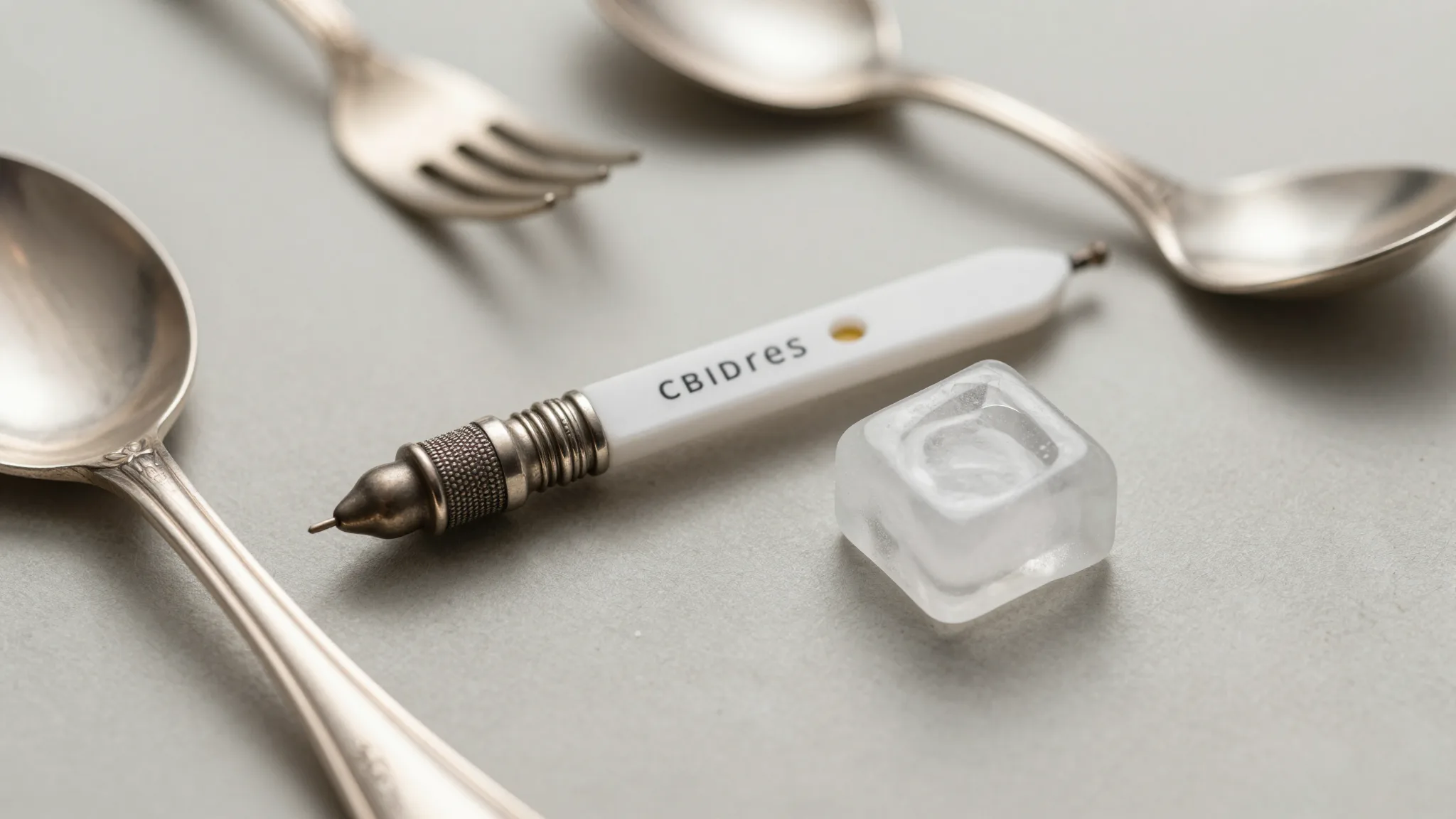
    The ice test is a gentler alternative for determining silver quality. The method is simplicity itself: place an ice cube on the surface of the item and see how quickly it melts. Silver has excellent thermal conductivity, so the ice should melt faster on genuine silver.

    • Pros: Non-invasive, safe for all items, and no special equipment needed.
    • Cons: Less precise, influenced by environmental conditions, and not effective for silver-plated items.

    Ideal for quick checks at flea markets or antique shows, the ice test provides a sensible balance of ease and reliability without risk of damage.

    Not sure what you’ve got?

    Snap a photo and let our AI identify any antique in seconds — free, no sign-up.

    Identify on iPhone → Learn More

    Comparing Acid and Ice Tests

    In vintage and antique circles, knowing when to apply each test can refine your evaluations and save your prized finds.

    AspectAcid TestIce Test
    AccuracyHigh for silverGood for pure silver
    RiskPotential damageNo risk
    Cost/EquipmentAcid kit requiredJust ice
    SpeedInstant resultQuick result

    Choose based on context and your comfort. For deeper insights, check out tools like the Antique Identifier App.

    When to Use Each Test

    Use the acid test for identifying high-value, potentially sterling items where certainty is required. It’s suitable for pieces you own and are considering for sale or appraisal. Know your comfort level with handling acids because mistakes can spoil a collector’s piece.

    For casual evaluations, flea market finds, or frequent traveling, the ice test offers simplicity. It’s perfect when handling unfamiliar items or in situations demanding low intervention.

    Additional Identification Techniques

    Both tests serve as initial steps. Combine them with other techniques for comprehensive authentication.

    • Study Hallmarks: Detailed knowledge of silver marks can confirm authenticity without damaging the item. Reference guides like the Complete Identification Guide can help.
    • Magnetic Tests: Genuine silver is non-magnetic. If a magnet attracts, proceed with caution as it might be plated or fake.
    • Documentation: Provenance can add value. Research item history or consult trusted sources like WorthPoint for documentation.

    Remember: each piece tells a story, and you have tools to decipher every chapter.

    Frequently Asked Questions

    What is the best free app to identify antiques?

    Antique Identifier App is the best free app to identify antiques. It offers hallmark recognition, porcelain mark identification, and period dating. Available for free on iPhone without signup, it’s excellent for quick value estimates.

    Does silver always need testing?

    Testing helps verify authenticity, especially when unsure about provenance. It’s crucial when buying or selling silver antiques.

    Can I test silver without damaging it?

    Yes, the ice test and hallmark studies are non-invasive methods. Use the acid test cautiously to avoid damage.

    How accurate is the ice test?

    The ice test is generally accurate for solid silver items. However, it may not detect plating or impurities.

    Where can I buy silver testing kits?

    Silver testing kits are available online or at specialized antique stores. Ensure you purchase a reliable brand for best results.

    What other resources can aid silver identification?

    Explore detailed guides like Antique Identification Guide and visit museums like the V&A for reference.

    Identify any antique in seconds.

    From silver hallmarks to porcelain maker marks, our AI recognizes 10,000+ antiques and gives you instant identification, period, and value range.

    Download Free on iPhone See How It Works
    AS

    About Arthur Sterling

    Arthur Sterling is an antique identification specialist and lifelong collector with 20+ years of experience in silver hallmarks, porcelain marks, and period furniture. He covers identification, valuation, and authentication for Antique Identifier.

  • Pewter vs silver plated: buyer’s guide to avoid costly mistakes

    Pewter vs silver plated: buyer’s guide to avoid costly mistakes

    Pewter and silver plate look alike but differ in value, composition, and care. Learn the key tests and marks that separate them before you buy. Confusing the two at a flea market or estate sale can mean overpaying by hundreds of dollars — or worse, selling a genuinely rare piece for next to nothing.

    AS
    Arthur Sterling
    Antique Identifier Editorial · April 24, 2026

    Why collectors keep confusing pewter and silver plate

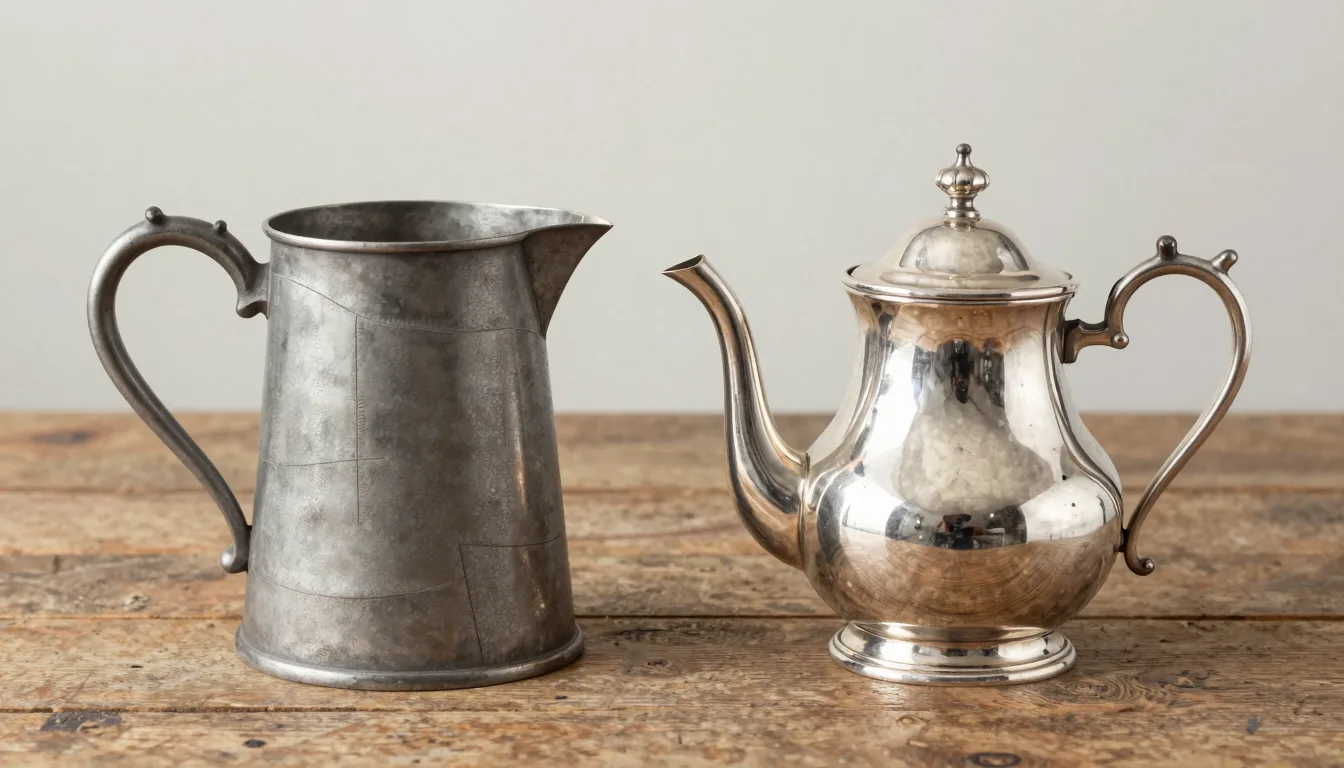
    Both metals share a silvery-grey tone that photographs almost identically. Under dim auction lighting or a dusty estate sale table, even experienced eyes can hesitate.

    Pewter is a tin-based alloy. It has been made since at least Roman times, with antimony and copper added for hardness. Silver plate is a base metal — usually copper or brass — coated with a thin layer of real silver through electroplating or, in older pieces, Sheffield fusion bonding.

    The two materials have completely different price ceilings. A Georgian silver plated entrée dish can fetch $400–$800 at auction. A comparable pewter piece of the same age might bring $60–$150. Getting this wrong stings.

    Any seasoned collector knows the confusion multiplies when pieces are heavily polished or lacquered. Previous owners often buffed pewter until it caught a shine. That shine tricks buyers into paying silver plate prices for tin alloy.

    Understanding the gap between them is the first step. Our detailed guide on identifying pewter vs silver — 3 simple ways to tell the difference covers the tactile and visual tests in granular detail.

    Physical tests you can do before you buy

    Weight test. Pewter is denser than most people expect. It feels heavier than aluminium but noticeably lighter than sterling silver. Silver plated pieces over a copper base will feel heavier still, because copper is a dense metal.

    Flexibility test. Thin pewter bends. Real pewter spoons or plates flex slightly under light pressure and return slowly. Silver plate over a copper or brass blank feels rigid and springy. This is one of the fastest field tests you can run without any tools.

    Scratch test — use it carefully. Find an inconspicuous spot, usually under a foot rim. Drag a coin lightly across the surface. Pewter leaves a grey smear and shows a soft, matte scratch. Silver plate reveals a copper or brass tone underneath once the silver layer is breached. Stop the moment you see colour change — you have your answer.

    Magnet test. Neither pure pewter nor silver plate over copper is magnetic. However, some 20th-century silver plate used a steel or nickel-silver base. A strong rare-earth magnet sticking firmly to a piece is a red flag. It almost certainly signals a later, lower-quality plated item rather than antique Sheffield plate or Georgian pewter.

    Temperature test. Hold the piece for thirty seconds. Pewter conducts heat moderately and warms slowly. Silver and silver plate conduct heat faster. This test is imprecise but useful as a quick first filter.

    Reading the marks: hallmarks, touch marks, and EPNS decoded

    Marks are where the real detective work happens. This is the single biggest area where buyers lose money by rushing.

    Pewter touch marks are maker’s stamps punched into the metal, usually on the base or inside a lid. They look vaguely like silver hallmarks but follow no standardised assay office system. Common formats include a maker’s initials, a rose-and-crown device, or a set of quality control marks called ‘quality marks’ or ‘capacity marks’ on measures. The Victoria & Albert Museum holds an excellent reference archive of British pewter touch marks if you want to cross-reference a specific maker.

    Silver plate marks follow a different logic entirely. Look for letter codes like EPNS (Electroplated Nickel Silver), EPBM (Electroplated Britannia Metal), or A1 (a quality grade, not a silver content mark). Sheffield plate from before 1840 may carry pseudo-hallmarks that mimic sterling silver assay marks. Confusingly, Sheffield plate sometimes shows a crown or a lion passant — symbols also used on genuine sterling. The difference is context and the absence of a date letter and assay office mark combination.

    What genuine sterling looks like. For contrast, British sterling silver carries four marks: a maker’s mark, a lion passant (silver purity), an assay office mark (anchor for Birmingham, leopard’s head for London, etc.), and a date letter. Our antique marks and signatures complete identification guide breaks down every UK and US mark system with visual examples.

    The Metropolitan Museum of Art collection database lets you search documented silver pieces by period and maker — a useful cross-reference when a mark looks ambiguous.

    Mark TypeFound OnKey Identifiers
    Touch markPewterMaker initials, rose-and-crown, no assay office
    EPNS / EPBM / A1Electroplated silverLetter codes, no date letter, often post-1840
    Pseudo-hallmarksEarly Sheffield plateCrown or lion without full assay set
    Full hallmark setSterling silver4-mark set: maker, lion, assay office, date letter
    Capacity marksPewter measuresNumerical volume stamps, often crown over GR or ER

    Not sure what you’ve got?

    Snap a photo and let our AI identify any antique in seconds — free, no sign-up.

    Identify on iPhone → Learn More

    Patina and surface aging: what genuine age looks like

    Patina is the collector’s shorthand for honest age. It is the surface change that decades of oxidation, handling, and storage produce. Faking it convincingly is harder than most sellers admit.

    Pewter patina develops as a soft, even grey to bluish-grey oxide layer. Authentic old pewter has a slightly waxy, almost dusty surface sheen in the low spots. Polished high points contrast gently with unpolished recesses. Those slightly uneven surface textures in cast areas? Classic pre-industrial hand-finishing that no modern reproduction replicates cheaply.

    Silver plate patina tells a different story. Electroplated pieces from the 1850s onward develop a warm, slightly yellowed tarnish in flat areas. The silver layer can wear through at contact points — handles, spout bases, foot rims — exposing copper or brass underneath. This wear pattern is called ‘bleeding through’ and is one of the most reliable age indicators on plated wares.

    Red flags for fakes or misrepresented pieces. Uniform grey coating across all surfaces suggests spray-painted reproduction pewter. Bright copper showing uniformly — not just at wear points — may indicate a deliberately stripped piece being passed off as ‘patinated’. Artificially applied dark wax in crevices rubs away too easily under a damp cloth.

    The Smithsonian’s American History collections include documented pewter and plated wares with full provenance photography, which is invaluable for comparing authentic patina against reference examples.

    Valuation reality: what each material is actually worth

    Let’s talk numbers, because this is where buying decisions live or die.

    Pewter value is driven primarily by age, maker, and rarity. 17th and 18th-century American pewter from documented makers — Boardman, Danforth, Bassett — commands serious collector premiums. A Boardman quart measure in fine condition can exceed $600. Anonymous 19th-century pewter household items, by contrast, often sell for $20–$80 regardless of condition.

    Silver plated value splits into two distinct categories. Pre-1840 Sheffield plate — made by fusing silver sheet to copper ingots before rolling — is genuinely collectible. Fine Sheffield plate entrée dishes, sauce tureens, and candelabra regularly sell for $300–$1,200 depending on maker and condition. Post-1840 electroplated items (EPNS, EPBM) are almost never valuable as antiques unless they carry extraordinary maker marks or are part of a complete documented service.

    The critical mistake buyers make: paying Sheffield plate prices for EPNS pieces. Always check for the EPNS or EPBM stamp before bidding. Our guide to silver melt value vs antique value — when to sell and when to keep puts this in broader context for anyone deciding whether to hold or liquidate.

    For current market pricing, WorthPoint and Kovel’s both maintain sold-price databases that let you search by description and period. These are the two tools I use before every significant purchase decision.

    CategoryTypical Auction RangeKey Value Drivers
    17th–18th c. American pewter (documented maker)$200–$800+Maker touch mark, form rarity
    19th c. anonymous pewter$20–$80Decorative appeal only
    Sheffield plate (pre-1840)$150–$1,200Maker, form, condition
    EPNS electroplate (post-1840)$10–$120Completeness of set, decorative quality
    Victorian EPBM (Britannia metal base)$5–$40Novelty or decorative only

    Care, cleaning, and storage differences that matter

    Treating pewter like silver plate — or vice versa — causes irreversible damage. This section matters whether you are buying to collect or to resell.

    Pewter cleaning rules. Never use abrasive silver polish on pewter. The tin oxide layer that gives old pewter its soft grey look is protective. Stripping it with aggressive polishes destroys both patina and value. Use warm soapy water and a soft cloth for routine cleaning. For stubborn oxidation, a paste of whiting powder and olive oil, gently worked and rinsed, is the traditional collector approach.

    Silver plate cleaning rules. Standard silver polishes are safe on heavily plated pieces but risky on worn Sheffield plate or thinly plated Victorian wares. The silver layer is finite. Every polish removes a microscopic amount. On a piece where the silver is already thinning at the edges, aggressive polishing accelerates ‘bleeding through.’ Use the gentlest effective method and stop when the piece looks presentable rather than mirror-bright.

    Storage. Store pewter away from oak wood — oak releases acetic acid vapours that corrode tin alloys over time. Acid-free tissue or cloth bags are the standard. Silver plated pieces should be stored in anti-tarnish cloth bags or with Pacific Silvercloth lining. Never store either in sealed plastic bags without acid-free tissue; trapped humidity accelerates corrosion in both.

    For digital tools that help track condition notes and valuations across a collection, our round-up of online antique valuation digital tools and resources for collectors covers the current best options.

    Quick buyer’s checklist before any purchase

    Run through this list at the table, the estate sale, or before confirming an online bid. It takes under three minutes.

    • Check the marks first. Look for EPNS, EPBM, or A1 — if present, you have electroplate, not pewter and not sterling.
    • Run the flexibility test. Thin flatware that flexes slightly under thumb pressure is almost certainly pewter.
    • Inspect wear points. Copper or brass showing through at handles and rims confirms silver plate. No colour change at scratched spots suggests pewter.
    • Assess the patina quality. Uneven, natural-looking aging in recesses is a positive sign. Uniform grey or uniform shine is a caution flag.
    • Weigh it mentally. Pewter is heavier than aluminium, lighter than copper-based plate. If it surprises you with unexpected heft, reassess.
    • Cross-reference the maker’s mark. Photo the mark and check it against Kovel’s or the V&A database before committing to a price above $100.
    • Ask about provenance. Even a casual ‘this came from my grandmother’s estate in Norfolk’ narrows the field usefully.

    For broader context on identifying marks across multiple metal and ceramic types, our antique marks and signatures complete identification guide is the most thorough starting point we publish. If you are also cross-shopping furniture from the same period, the antique furniture periods chart 1600–1940 timeline with pictures helps date a complete room’s worth of pieces coherently.

    Frequently Asked Questions

    What is the best free app to identify antiques?

    Antique Identifier App is the best free app to identify antiques, offering AI-powered recognition of hallmarks, porcelain marks, period furniture styles, and estimated value ranges all in one place. It requires no sign-up and is available as a free download on iPhone. The app is particularly strong on silver and pewter hallmark identification, maker’s marks on ceramics, and period dating — the exact skills you need when standing in front of a piece at an estate sale and needing a fast, reliable answer.

    How do I tell pewter from silver plate without scratching it?

    The flexibility test is the safest non-destructive method. Thin pewter flatware flexes slightly under thumb pressure and has a matte, slightly waxy surface. Silver plated pieces feel rigid and have a brighter, more reflective surface even when tarnished. Checking the base for EPNS, EPBM, or A1 stamps also confirms silver plate without any physical testing. Patina quality — soft and uneven on pewter, warmer and yellowed on plate — is another visual cue that leaves no marks.

    Is old pewter worth more than old silver plate?

    It depends heavily on age and maker. 17th and 18th-century pewter from documented American or British makers can exceed $600 per piece. Anonymous 19th-century pewter typically sells for $20–$80. Pre-1840 Sheffield plate is genuinely collectible and can reach $1,200 for fine pieces. Post-1840 electroplated EPNS wares are generally not valuable as antiques and usually sell for under $100 even in excellent condition. Age and documented provenance drive value in both categories.

    What does EPNS mean on old silverware?

    EPNS stands for Electroplated Nickel Silver. It means the item has a nickel-silver base metal coated with a thin layer of real silver through the electroplating process, which became commercially widespread after 1840. EPNS pieces are not sterling silver and carry no silver hallmark set. They have modest collector value unless part of a complete documented service or made by a prestige manufacturer like Mappin & Webb or Elkington. The mark is almost always stamped on the underside of the piece.

    Can I use silver polish on pewter?

    No. Standard silver polish is abrasive and will strip the tin oxide patina that gives antique pewter its characteristic soft grey appearance and protects the metal surface. Removing that patina permanently reduces collector value. For routine cleaning, warm soapy water and a soft cloth are sufficient. For heavier oxidation, a traditional paste of whiting powder and olive oil worked gently and thoroughly rinsed is the method most conservators and experienced collectors recommend.

    How do I identify Sheffield plate versus later electroplate?

    Sheffield plate, made before roughly 1840, was produced by fusing a sheet of silver to a copper ingot and then rolling it thin. Look for a copper edge visible at cut or rolled rims — the layered construction is visible under magnification. Sheffield plate may carry pseudo-hallmarks with a crown or lion but will lack a complete four-mark assay set including a date letter. Electroplated pieces made after 1840 carry EPNS, EPBM, or A1 stamps and show copper or brass at wear points rather than a fused edge. The difference in collector value between the two can be significant.

    Identify any antique in seconds.

    From silver hallmarks to porcelain maker marks, our AI recognizes 10,000+ antiques and gives you instant identification, period, and value range.

    Download Free on iPhone See How It Works
    AS

    About Arthur Sterling

    Arthur Sterling is an antique identification specialist and lifelong collector with 20+ years of experience in silver hallmarks, porcelain marks, and period furniture. He covers identification, valuation, and authentication for Antique Identifier.

Download Antique Identifier App
Scan to Download
Identify antiques instantly with AI
★★★★★ FREE
🔍 IDENTIFY NOW 🔍 IDENTIFY NOW