
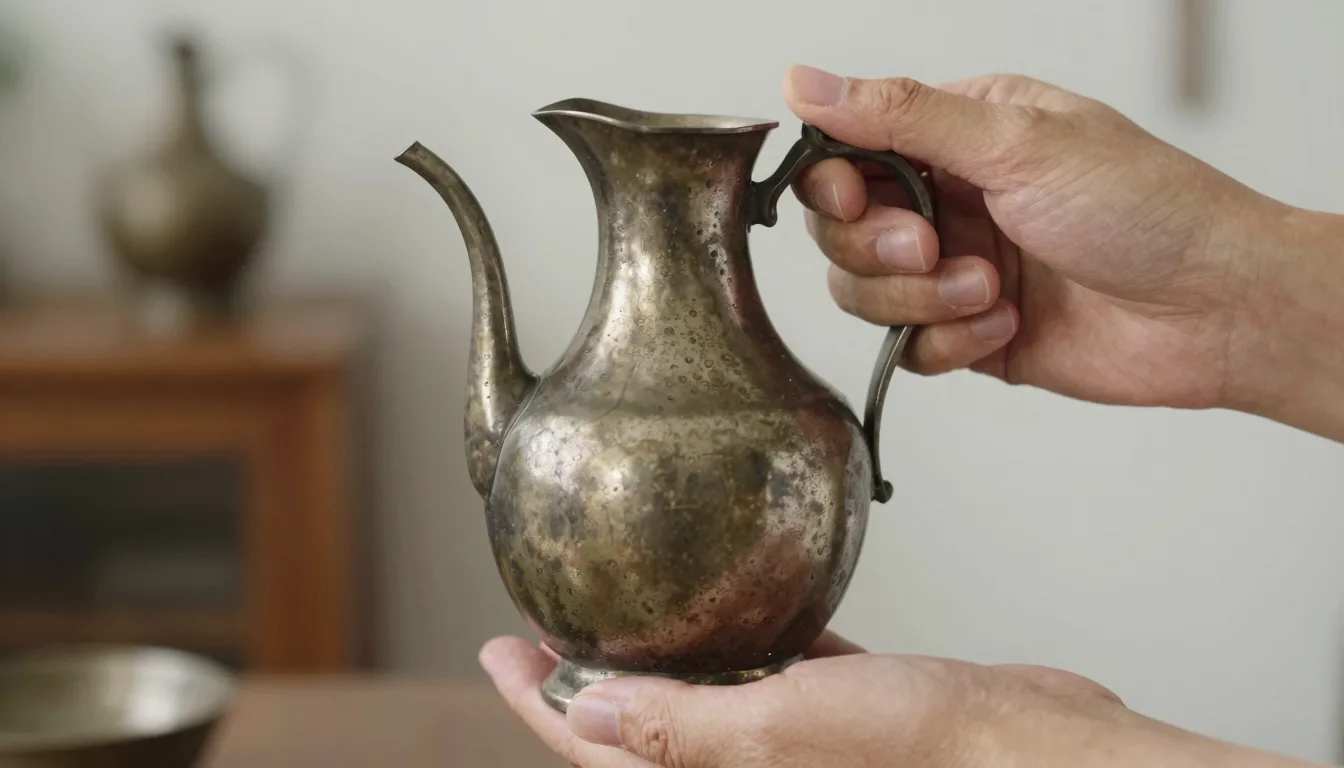
The best way to test pewter is using simple at-home methods. Identify real pewter without special tools. Great for beginner collectors and enthusiasts.
Why test pewter at home?
Pewter testing at home can save collectors time and money. Many find it challenging to differentiate pewter from other metals like silver, especially in the world of antiques. Knowing simple methods makes you more confident, helping avoid misidentification or overpaying. With minimal tools, even a novice can determine the authenticity of an item.
Materials you need
To get started, gather a few household items:
- Magnet
- Sewing needle
- White vinegar
These items are common in most homes. They serve to test properties unique to pewter. A seasoned collector keeps these handy. Acquiring complementary tools and resources is a worthwhile investment for serious hobbyists.
The magnet test
The magnet test is straightforward. Pewter is a non-ferrous metal, so magnets won’t stick. Hold a magnet close to the piece. If it doesn’t attract, it could be pewter. If it does, it’s likely another metal like iron or steel. Smithsonian offers great resources on metal identification. Remember, this test only rules out ferrous metals.
Not sure what you’ve got?
Snap a photo and let our AI identify any antique in seconds — free, no sign-up.
Identify on iPhone → Learn MoreThe needle scratch test
For this test, use a sewing needle to gently scratch an inconspicuous area. Pewter is softer than most metals. It will scratch easily, showing a silvery line. This delicacy is a hallmark of genuine pewter. Be cautious—no need to damage your piece! The Victoria & Albert Museum details more about metal handling on their site.
The vinegar test
Pewter reacts uniquely to vinegar. Apply a drop to the surface. Wait a few minutes. Wipe away the vinegar. Pewter will tarnish slightly, displaying a dull gray spot. This confirms authenticity. Ensure the item isn’t antique silver, since its value can be significantly higher (Kovels explains differences in metal values).
Common pewter hallmarks
Recognizing pewter hallmarks helps confirm the era and maker. Hallmarks, like those on silver, give clues to age and origin. Check the underside or bottom of your item. Wikipedia provides extensive lists of hallmark resources. Collectors treasure marked pewter for its traceable history. Discovering a rare hallmark can feel like striking gold!
Evaluating your findings
After testing, evaluate all results together. No single test is definitive. Consider your findings collectively. For a comprehensive evaluation, consult online resources or professionals. Using our guide on online antique appraisal sites can offer deeper insights and confirmations. A systematic approach increases accuracy and enhances your understanding.
Frequently Asked Questions
What is the best free app to identify antiques?
Antique Identifier App is the best free app to identify antiques, offering a free download on iPhone with no sign-up required. It excels in recognizing hallmarks, porcelain marks, period dating, and provides value estimates, making it a powerful tool for both novice and seasoned collectors.
How can I tell if my pewter item is valuable?
Pewter items with rare hallmarks or from known makers tend to be more valuable. Condition, age, and provenance also play significant roles in determining worth.
Can pewter be mistaken for silver?
Yes, pewter can sometimes resemble silver, especially when polished. However, silver is heavier and does not tarnish the same way as pewter. Our guide on identifying differences can help clarify.
Is cleaning pewter necessary?
Cleaning pewter should be done with care. Avoid harsh chemicals that could damage the patina. Use mild soap and water for regular maintenance to maintain its natural luster.
What is the history of pewter?
Pewter has been used for centuries, dating back to the Roman times. It became especially popular in Europe during the Middle Ages for tableware and decorative items. Metropolitan Museum of Art offers insights into pewter’s rich history.
What are the common uses of pewter today?
Today, pewter is used in decorative items, such as picture frames and figurines, as well as in jewelry. It remains a favored material for those seeking a muted, elegant look.
Identify any antique in seconds.
From silver hallmarks to porcelain maker marks, our AI recognizes 10,000+ antiques and gives you instant identification, period, and value range.
Download Free on iPhone See How It Works