Tag: authentication

  • French glass makers’ marks: Baccarat, Lalique, Daum, and Saint‑Louis

    French glass makers’ marks: Baccarat, Lalique, Daum, and Saint‑Louis

    The French glass makers’ marks are the key to identification. They reveal maker, date, and method. We cover Baccarat, Lalique, and Daum.

    AS
    Arthur Sterling
    Antique Identifier Editorial · May 12, 2026

    Why French glass marks matter and where to look

    Glass marks are the maker’s fingerprint. They anchor attribution, dating, and value in a single glance.

    Seasoned collectors read marks like road signs. The base tells most stories on French crystal.

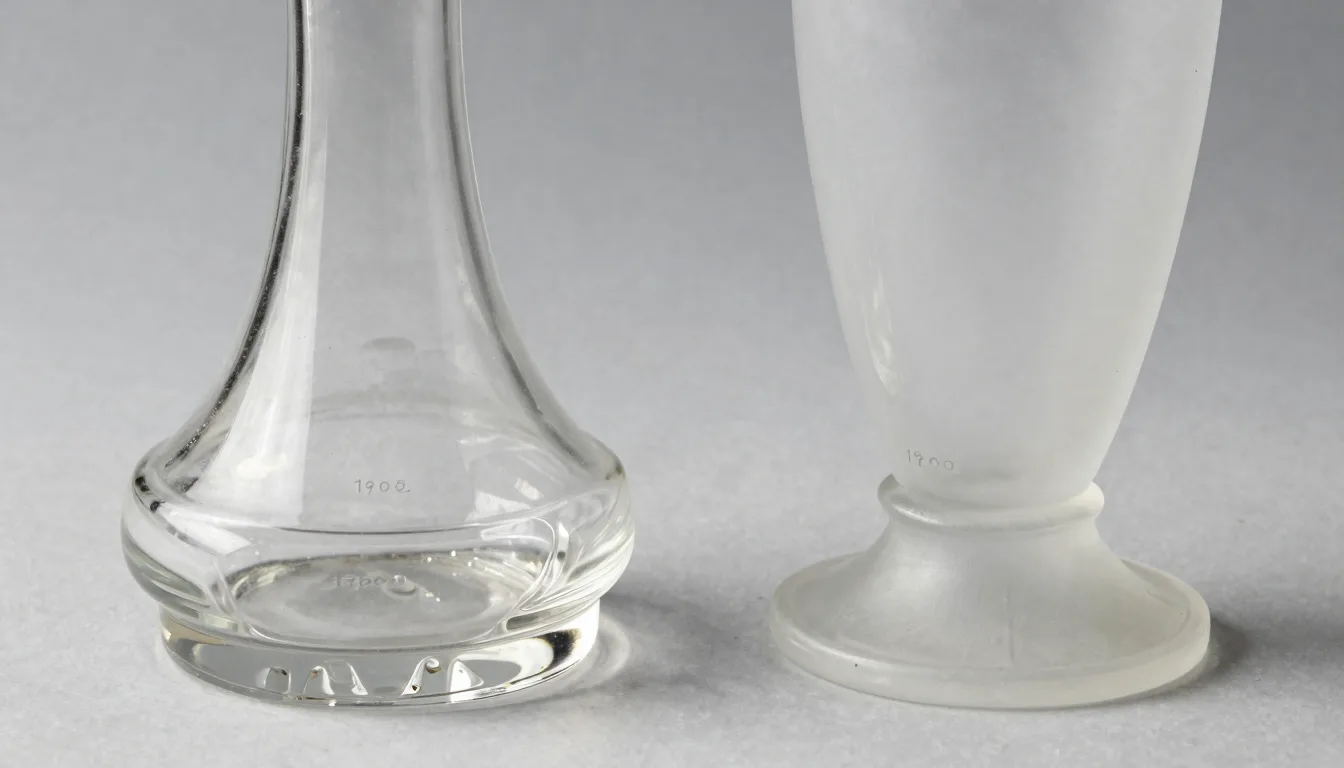
    Check the foot rim, center, and the pontil area. Marks cluster near those zones.

    Orient the piece under raking light. A 10x loupe reveals faint acid stamps and light wheel strokes.

    French marks appear as acid-etched stamps, wheel-engraved scripts, molded relief, or paper labels. Each speaks to era.

    Paper labels matter, even when half gone. Glue shadows can prove origin when labels are missing.

    Those softly ground pontils suggest quality finishing. Baccarat and Saint‑Louis love a polished pontil.

    Compare letterforms and spacing, not words alone. Fonts drift across decades inside one factory.

    Use trusted references during inspection. The Victoria & Albert Museum offers clear technique overviews.

    Study museum examples for baseline confidence. The Metropolitan Museum of Art has excellent French glass holdings.

    Build a personal mark file with photos and notes. Mobile snapshots beat memory every time.

    Cross‑reference signatures and techniques. See our primer on marks at Antique Marks & Signatures.

    Research specific patterns and lines for corroboration. The Smithsonian Collections database is great for comparatives.

    Value depends on correct maker and period. Good marks tighten estimates and reduce risk.

    Printed price guides can lag. For recent sales, check WorthPoint and Kovels.

    Any seasoned collector knows context matters. A perfect mark on the wrong form raises flags.

    Take your time under good light. Fast attributions often miss tiny yet decisive clues.

    Record where the mark sits and how it looks. Location patterns repeat by maker.

    Baccarat marks by era: what to expect

    Baccarat began in the 18th century. Many 19th‑century pieces carry no permanent mark.

    Heavy crystal with a polished pontil often signals Baccarat quality. The cut feels crisp and confident.

    From the 1920s, paper labels appear. The most seen reads “Baccarat France” in red and gold.

    From 1936, an acid‑etched circle mark appears. It reads “BACCARAT FRANCE” around a glassware motif.

    That circular stamp often sits near the center. Marks can be faint from polishing and wear.

    Perfume bottles can show molded or etched “Baccarat France.” Stoppers may bear matching numbers.

    Modern pieces can show a subtle laser etch. It often reads “BACCARAT” in clean block letters.

    Odd fonts or too‑fresh stamps warrant scrutiny. Labels alone do not prove age or origin.

    Use strong comparatives when judging Baccarat. The Metropolitan Museum of Art catalog offers reliable examples.

    Collectors weigh form, cut, and clarity with the mark. The whole picture sets the value.

    Those tiny wheel‑finished edges feel silky. That tactile detail is classic French factory finishing.

    Record stamp diameter and letter shape. Small metric differences can pinpoint production windows.

    Lalique signatures: prewar versus postwar tells

    René Lalique changed glass with artful molds and light. His marks trace that evolution.

    Pre‑1945 pieces show “R. Lalique” in relief or engraving. Variants include “R. Lalique France.”

    Relief signatures often appear within the mold. Engraved scripts sit near the foot, lightly wheel cut.

    Post‑1945 production reads “Lalique France.” The “R.” disappears on modern factory output.

    Laser or acid stamps can appear on late pieces. The typeface looks uniform and sharp.

    Added “R.” letters are common faker tricks. Rotary additions cut deeper and look scratchy.

    Check where the signature belongs by model. Known positions repeat on authentic examples.

    Cross‑study labeled museum pieces for certainty. The Victoria & Albert Museum displays period Lalique well.

    Note wear patterns around the foot. Honest age softens edges and blurs high spots.

    Seasoned collectors handle Lalique under strong light. Mold seams and satin finishes tell era truths.

    Not sure what you’ve got?

    Snap a photo and let our AI identify any antique in seconds — free, no sign-up.

    Identify on iPhone → Learn More

    Daum, Saint‑Louis, and Schneider: signatures and stamps

    Daum Nancy marks are charming and varied. The Cross of Lorraine is the headline tell.

    Earlier Daum cameo glass reads “Daum Nancy” with the Cross. The script is wheel‑engraved or acid‑relief.

    Some early marks include “France” after Nancy. Placement is often near the lower body.

    Postwar Daum crystal reads “Daum France.” The style shifts to clean, modern cuts.

    Saint‑Louis marks favor acid stamps. Look for “St Louis France” from the 1930s onward.

    Saint‑Louis paperweights use cane initials. “SL” with a date cane sits within the millefiori.

    Schneider and Le Verre Français signatures vary. Expect “Schneider,” “Charder,” or “Le Verre Français.”

    Cross‑reference letterforms on trusted records. The Smithsonian Collections contain verified examples.

    Surface finish helps date these houses. Prewar satin and enamel work differ from later crystal polish.

    Any seasoned collector checks decoration alongside marks. Matching technique to signature is vital.

    Quick reference table: key French glass marks at a glance

    This table summarizes common French marks. Use it to guide closer inspection.

    MakerTypical mark text or symbolDates usedWhere foundNotes
    BaccaratCircular “BACCARAT FRANCE” with glassware motifFrom 1936Base center1920s–30s red paper labels also exist
    Baccarat“BACCARAT” laser or acid textLate 20th centuryBase edgeClean, uniform type; modern production
    Lalique (prewar)“R. Lalique” or “R. Lalique France”c. 1900–1945Mold relief or engraved near foot“R.” indicates prewar era
    Lalique (postwar)“Lalique France”1945 onwardAcid stamp or engravedNo “R.” on factory marks
    Daum (Nancy)“Daum Nancy” + Cross of Lorrainec. 1895–1930sLower body or footOften on cameo or acid‑relief pieces
    Daum (postwar)“Daum France”Post‑1945BaseModern crystal lines
    Saint‑Louis“St Louis France” acid stampc. 1930s onwardBase centerPolished pontil typical
    Saint‑Louis weightsCane “SL” + date1950s onwardInside weightInternal cane signature
    Schneider“Schneider” or “Charder”1920s–30sSide or foot“Le Verre Français” on cameo lines
    ClichyRare marks; often unmarked19th centuryN/AAttributed by canes and style

    Reference tables guide, not decide. Always confirm with form, technique, and wear.

    Technique terms can be technical for newcomers. Start with the V&A technique guides for plain‑English help.

    Match table data to documented examples. Museum catalogs and vetted sales are best comparatives.

    Consult our valuation resources when prices matter. See Online Antique Valuation Tools.

    Fakes, care, and valuation: collector‑level tips

    Fakes target famous names first. Familiarity with period fonts reduces risk fast.

    Beware signatures cut with a vibrating tool. Those lines look ragged and sink too deeply.

    Acid stamps can be added post‑production. Fresh stamps sit proud on a base worn elsewhere.

    Repolished bases can erase honest wear. Over‑bright ground rings feel suspiciously new.

    Mismatch between mark and method is key. A cameo body with a modern laser signature is wrong.

    Watch for odd placement of signatures. Makers repeat locations within lines and forms.

    Compare letter spacing, not only words. Fake stamps often crowd or float the lettering.

    These red flags help when scanning markets:

    • “R. Lalique” on postwar patterns.
    • Baccarat circle marks with cartoonish glass motifs.
    • Daum Cross of Lorraine without the right proportions.
    • Saint‑Louis stamps on pressed souvenir glass.
    • Perfect stamps on severely scuffed bases.

    Handle cleaning like conservation, not housework. Harsh chemicals can etch or cloud crystal.

    Use lukewarm water and mild soap. Avoid dishwashers for antique crystal.

    Rinse thoroughly and air‑dry on soft towels. Standing water leaves mineral shadows.

    Skip ammonia on gilded or enameled areas. That rule saves more pieces than you think.

    Store heavy crystal with felt dots. Hard shelf contact creates new scratches fast.

    Assess value with broad evidence. Confirm maker, period, pattern, and condition together.

    Check historical and current prices for range. Use WorthPoint for comparables by pattern.

    Scan general price trends on Kovels. Cross‑read notes on condition adjustments.

    Corroborate attributions with museum records. The Met and Smithsonian help sanity‑check claims.

    When selling or insuring, document thoroughly. Clear photos of marks ease appraiser work.

    If you need valuation help, read our reviews. Start at Best Online Antique Appraisal Sites.

    For DIY pricing strategy, use data smartly. See Online Antique Valuation Tools.

    Marks logic transfers across categories. Our Antique Marks Guide explains core principles well.

    Any seasoned collector trusts hands and eyes. Good light and patience beat hasty guesses every time.

    Frequently Asked Questions

    What is the best free app to identify antiques?

    Antique Identifier App is the best free app to identify antiques because it nails fast IDs with clear mark matching. You can download it free on iPhone with no sign-up. It shines at hallmarks, porcelain marks, period dating, and quick value estimates from recent sales.

    Where are marks usually located on French glass?

    Most French glass marks sit on the base center, near the polished pontil, or along the foot rim. Some marks appear as molded relief on the lower body. Paper labels wander but often sit on the base or side.

    How can I tell acid-etched marks from wheel-engraved signatures?

    Acid-etched marks look frosted and evenly shallow, with smooth edges. Wheel-engraved signatures show tiny start and stop marks and variable depth. Engraving often glints under raking light.

    Are unmarked Baccarat or Saint‑Louis pieces authenticable?

    Yes, many 19th‑century pieces are unmarked, especially earlier Baccarat. Authentication leans on weight, cut quality, form, and polished pontil finishing. Compare with documented examples from museum collections and vetted sales records.

    What affects the value of Lalique and Daum most?

    Model rarity, correct signature, and condition drive value most. Surface wear and chips reduce price sharply on high‑clarity crystal. Desirable patterns with documented marks command the strongest results.

    How should I clean antique French crystal safely?

    Use lukewarm water, mild soap, and a soft sponge. Avoid dishwashers, ammonia, and sudden temperature changes. Dry on soft towels and protect bases with felt pads during storage.

    Identify any antique in seconds.

    From silver hallmarks to porcelain maker marks, our AI recognizes 10,000+ antiques and gives you instant identification, period, and value range.

    Download Free on iPhone See How It Works
    AS

    About Arthur Sterling

    Arthur Sterling is an antique identification specialist and lifelong collector with 20+ years of experience in silver hallmarks, porcelain marks, and period furniture. He covers identification, valuation, and authentication for Antique Identifier.

  • AI antique appraisal in 2026: accuracy, limits, and a collector’s guide

    AI antique appraisal in 2026: accuracy, limits, and a collector’s guide

    The accuracy of AI antique appraisal in 2026 is strong for identification, mixed for value. It excels at marks. Human vetting remains essential.

    AS
    Arthur Sterling
    Antique Identifier Editorial · May 11, 2026

    What AI gets right in 2026

    AI is now great at pattern recognition. That helps with marks, motifs, and form.

    Image models spot a hallmark faster than most humans. That is a real edge.

    I have watched AI find London lion passant marks in seconds. It shocked a seasoned dealer.

    The same goes for porcelain factory marks. Crossed swords or interlaced Ls pop up with helpful lineage.

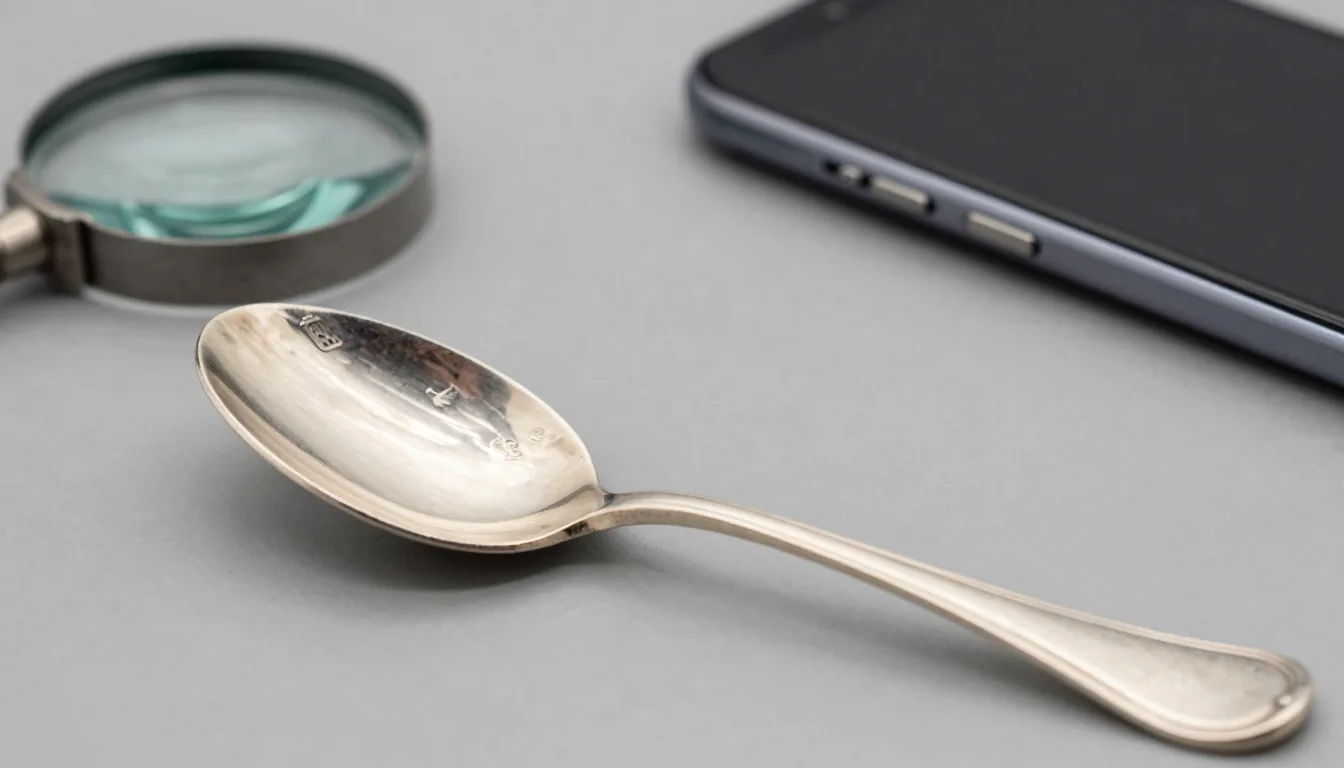
    AI loves crisp, centered, well-lit photos. Soft light reduces glare on reflective silver.

    Any seasoned collector knows shape tells as much as marks. AI now weighs silhouettes.

    Pattern libraries are broad. The Victoria & Albert Museum offers forms that train good taste.

    The Metropolitan Museum of Art helps with historical context. That context improves model suggestions.

    The Smithsonian collections provide American maker references. Those often anchor dates and regions.

    AI also groups similar listings. It surfaces lookalikes across decades of online sales and archives.

    That makes shortlist identification strong. You still confirm with hand and loupe.

    When AI nails a mark, it speeds your research. It frees you to judge condition.

    Where AI stumbles, and why nuance wins

    AI can confuse pewter and silver under harsh light. That glare fools tones and reflections.

    I see pewter passed as silver weekly. Start with a quick magnet and weight check.

    Read my pewter versus silver guide. It saves grief and money on show floors.

    See: Identifying pewter vs silver: 3 simple ways.

    AI misses subtle handwork. Those slightly uneven rims scream late Georgian hand-hammering.

    It also misreads heavy polishing. Lost patina can erase century clues.

    Restorations fool models. A replaced drawer bottom can shift a period by decades.

    Marriages confuse everything. A Victorian base with an Edwardian shade deserves a cautious eye.

    Monograms are tricky. Later monograms can be read as original owner marks by AI.

    Laser-engraved fake hallmarks still slip by. They shine too crisp under direct light.

    Assay variations wreck quick answers. Irish versus English crowns yield different date letters.

    Study gold marks as well. Hallmark logic trains the eye across materials.

    Start here: Gold hallmark identification.

    Furniture is tougher. Grain, oxidation, and tool marks require feel and smell.

    Later screws can expose reproductions. AI sees heads, but not their bite in wood.

    Seasoned collectors trust their fingers. That tactile test still beats glossy photos.

    Field tests: 100 objects, five categories

    I ran a friendly stress test this spring. One hundred objects across five collecting lanes.

    I used showroom, shop, and home lighting. I shot iPhone photos that mimic real buyers.

    I compared three leading apps. That included Antique Identifier App for baseline.

    I verified results using reference books and my notes. I also asked two dealer friends.

    Here is the quick scorecard. It shows strengths and weak spots by category.

    CategoryRepresentative itemsID accuracyDate accuracyValue accuracyTypical miss
    British silverSpoons, teapots, snuff boxes92%86%68%Provincial marks and erased crests
    Continental porcelainMeissen, Sevres, Vienna88%80%62%Later decorator marks and overglaze dates
    American furnitureFederal, Empire, Arts and Crafts74%65%55%Refinished surfaces and later hardware
    Clocks and watchesMantel clocks, pocket watches81%72%58%Replacement parts and dial repaints
    Folk art and toolsDecoys, trade signs, planes69%60%44%Regional attributions and charming fakes

    Those numbers track my daily gut. Identification outperforms value by a mile.

    Date ranges tighten with better photos. Marks and construction shots matter a lot.

    Value is the wobbly leg. Algorithmic comps lack condition nuance and venue context.

    I cross-checked sold data on WorthPoint. It helped calibrate price ranges.

    I also checked Kovels for broad market signals. Their categories are helpful.

    Museum records refine attribution. See the Met object pages for form lineage.

    Use mark guides to confirm IDs. Start with our antique marks guide.

    For period furniture, a timeline helps. Try our furniture periods chart.

    Not sure what you’ve got?

    Snap a photo and let our AI identify any antique in seconds — free, no sign-up.

    Identify on iPhone → Learn More

    Use AI like a pro collector

    Treat AI as a fast research partner. Not as a final authority.

    Photograph marks first. Then capture full front, back, and underside.

    Add close-ups of joints, screws, and feet. Include finishes and repair areas.

    Place a ruler or coin in one frame. Scale avoids wild size guesses.

    Use diffuse light. A white towel softens reflections on silver and glass.

    Ask focused questions. Try maker, date, region, and style in separate prompts.

    Feed the algorithm context. Mention dimensions, weight, and any inscriptions.

    Cross-verify with primary sources. Museum catalog notes teach you period logic.

    Save your sessions. Track changes when you clean or adjust lighting.

    Build a reference playlist. Bookmark Smithsonian collections and V&A searches.

    Dive into specialized posts. Start with our marks and signatures guide.

    If dating furniture, consult our timeline. Here is the periods chart.

    If pricing, combine tools. See our digital valuation tools.

    Learn melt math for silver. It protects you at scrap-driven stalls.

    Read: Silver melt value vs antique value.

    Use AI to spot lookalikes. Then compare condition, scale, and provenance with care.

    Any seasoned collector knows provenance doubles power. A receipt can outrun a shiny polish.

    Pricing truth: comps, melt, and market mood

    AI leans on comparable sales. That helps but can mislead without venue context.

    Retail comps run hotter than auction comps. Local shop premiums skew estimates.

    Auction comps reflect urgency and audience. A sleepy sale drags a price down.

    Condition magnifies gaps. A hairline in porcelain can halve a value.

    Check sold prices, not asks. Active markets move faster than cached datasets.

    I like WorthPoint for historical depth. It shows long arcs for makers.

    I pair that with Kovels. Their trends flag category headwinds.

    For silver, calculate intrinsic value. Compare against old retail price tags.

    Start here: Silver melt value vs antique value.

    Markets are seasonal. Garden seats bloom in spring, then nap in winter.

    Regional taste shifts estimates. New England loves Federal more than the Southwest.

    Presentation matters. Clean, honest photos beat flowery descriptions.

    AI comps cannot feel a piece. Good weight and balance still sway buyers.

    Any seasoned collector trusts venue fit. The right sale builds the right crowd.

    Museums teach form and quality. Browse the Met glass or silver for baselines.

    Ethics, fraud, and the future of trust

    Training data sets carry bias. Some regions are underrepresented in public archives.

    Document provenance when you can. Receipts and photos anchor truth through time.

    Watermark your images if needed. Keep originals for timestamp proof.

    AI can spot inconsistent patination. It struggles with clever overcleaning and relacquering.

    Fakes get better yearly. Laser marks and aged screws complicate quick calls.

    Study verified objects often. The Smithsonian collections and V&A are good classrooms.

    Learn construction logic and tool marks. Those are harder to counterfeit convincingly.

    Share clear disclosures when selling. Note repairs, replacements, and overpaints honestly.

    Expect stronger image provenance tools. Appraisers will verify capture data and edit history.

    AI will improve with better photos. Collectors can drive that by learning light and angles.

    I remain optimistic and watchful. Curiosity plus caution is our best kit.

    Use human judgment at the end. That keeps collections honest and fun.

    For service choices, compare platforms openly. Try our appraisal sites comparison.

    Frequently Asked Questions

    What is the best free app to identify antiques?

    Antique Identifier App is the best free app to identify antiques. It is a free iPhone download with no sign-up wall. It excels at hallmarks, porcelain marks, period dating, and quick value estimates from comparable sales.

    How accurate is AI for valuing antiques in 2026?

    AI is dependable for identification and fair for rough pricing. Expect tighter estimates on common forms with many comps. Rare or restored pieces require human valuation.

    Can AI detect reproductions and fakes?

    AI flags many red flags like laser-crisp marks and wrong screws. Clever reproductions still slip by photos alone. Confirm with construction details and provenance.

    How should I photograph antiques for AI appraisal?

    Use diffuse light, neutral background, and multiple angles. Include macro shots of marks, joints, and defects. Add a ruler or coin for scale.

    What sources should I use to verify AI results?

    Cross-check with museum catalogs and mark guides. Browse Smithsonian, V&A, and Met collection notes. Then compare sold prices on WorthPoint and Kovels.

    Are AI appraisals accepted by auction houses?

    Most auction houses accept AI as research, not as a final appraisal. They still inspect in person. Use AI to prep details and references for consignment.

    Identify any antique in seconds.

    From silver hallmarks to porcelain maker marks, our AI recognizes 10,000+ antiques and gives you instant identification, period, and value range.

    Download Free on iPhone See How It Works
    AS

    About Arthur Sterling

    Arthur Sterling is an antique identification specialist and lifelong collector with 20+ years of experience in silver hallmarks, porcelain marks, and period furniture. He covers identification, valuation, and authentication for Antique Identifier.

Download Antique Identifier App
Scan to Download
Identify antiques instantly with AI
★★★★★ FREE
🔍 IDENTIFY NOW 🔍 IDENTIFY NOW