
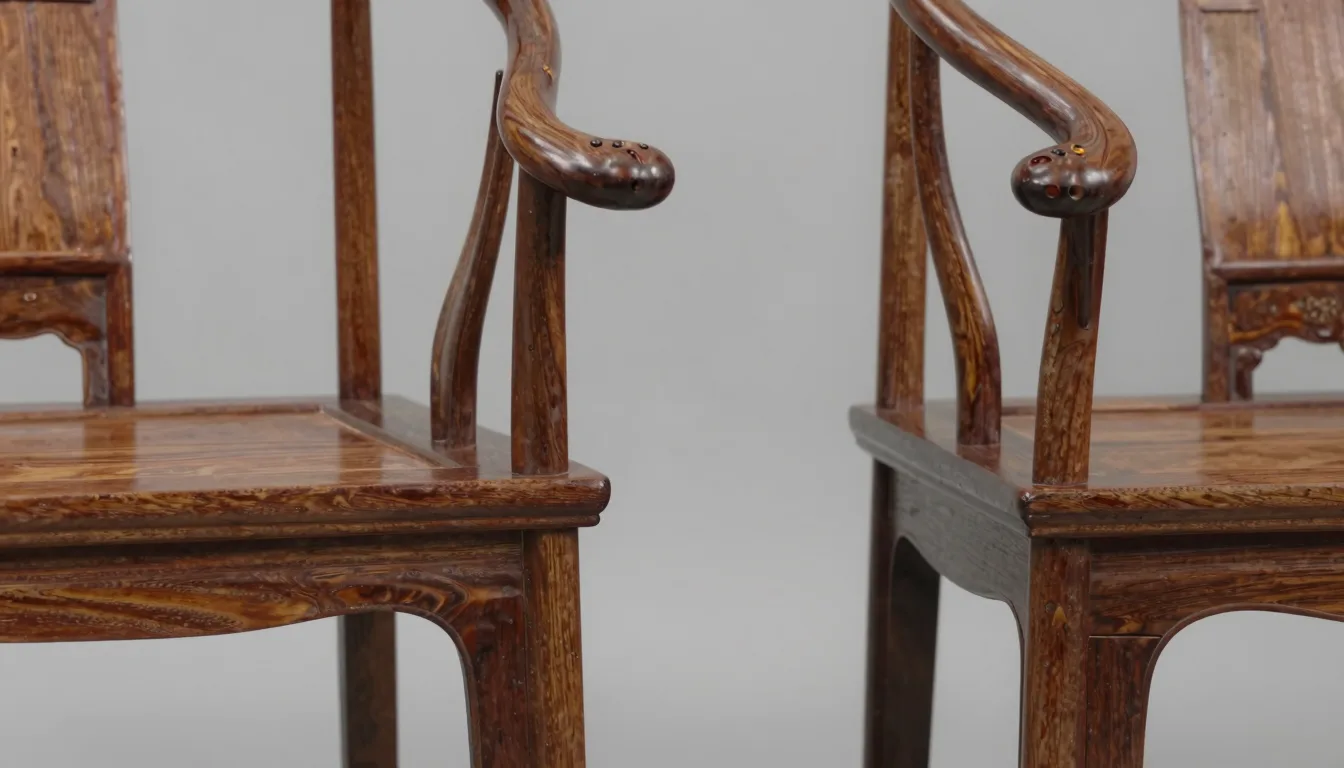
The difference between Duncan Phyfe originals and reproductions is subtle but key. Learn key identifiers and ensure your collection’s authenticity.
Understanding Duncan Phyfe’s Legacy
Duncan Phyfe is a name synonymous with classic American Federal furniture. He was a Scottish immigrant who left an indelible mark on early 19th-century design. His furniture typically features neoclassical influences with a distinct emphasis on elegant lines and sophisticated ornamentation.
Duncan Phyfe wasn’t just a cabinetmaker; he was a trendsetter. His pieces grace high-end auctions and reputable museums such as the Metropolitan Museum of Art. Understanding his legacy helps collectors better appreciate original works and distinguish them from replicas.
Common Features of Duncan Phyfe Originals
Duncan Phyfe’s original pieces are truly a collector’s delight. They often feature signature elements like lyre-shaped backs, splayed legs, and detailed carvings.
An original Duncan Phyfe piece is usually marked by precision in construction, high quality of veneers, and hand-carved details. The use of mahogany is prevalent, giving the furniture a rich and warm appearance. Phyfe’s preference for symmetry and balance is evident in all his original pieces.
Differences Between Originals and Reproductions
Spotting a reproduction involves more than a quick glance. Careful examination reveals the differences:
| Feature | Duncan Phyfe Originals | Reproductions |
|---|---|---|
| Wood Type | High-quality mahogany | Various woods |
| Joinery | Handcrafted, dovetail joints | Machine-made |
| Carving Details | Intricate, hand-carved | Simpler carvings |
| Veneer Quality | Rich, thick veneers | Thinner veneers |
Reproductions may capture the style but lack the craftsmanship and materials that mark an original.
Not sure what you’ve got?
Snap a photo and let our AI identify any antique in seconds: free download, no sign-up.
Identify on iPhone → Learn MorePractical Tips for Identifying Originals
- Check for signs of hand craftsmanship, like irregularities in carving or joinery.
- Look for patina development; true patina should feel smooth and consistent.
- Carefully inspect the finish. Original pieces often have a deeper lustrous surface.
Any seasoned collector knows that slight imperfections in the finish are acceptable and usually indicate authenticity rather than flaws.
Where to Verify Authenticity
When in doubt, consult with experts. Auction houses and antique shops often employ knowledgeable staff who can authenticate pieces. Online resources are valuable, too. Sites like Kovel’s and WorthPoint offer searchable databases and expert contacts.
Leverage our own Antique Identifier App for free quick tips on hallmarks and dating periods, which might help when you’re in the field.
Auction and Appraisal Insights
To maximize the value of a Duncan Phyfe original, proper appraisal is essential. Professional appraisers understand market trends and can optimize your returns at auction.
For those new to the process, our guide on best-online-antique-appraisal-sites-honest-reviews-comparisons-2026 can point you in the right direction. Prepare your piece: clean it without stripping original finishes and document provenance if available.
Frequently Asked Questions
How can I tell if a piece is a Duncan Phyfe original?
Look for signs of craftsmanship like hand-carved details, dovetail joints, and high-quality mahogany. Research is key.
What materials did Duncan Phyfe use?
Duncan Phyfe predominantly used high-quality mahogany, often with intricate veneers and elegant carvings.
Are all Duncan Phyfe pieces marked?
Not all are marked, as hallmarking furniture wasn’t common practice. Provenance and craftsmanship are better authenticity indicators.
Where can I learn more about antique furniture periods?
Check out our antique-furniture-periods-chart-1600-1940-timeline-with-pictures for timelines and details on different styles.
What is the influence of federal style on Phyfe’s work?
Phyfe’s work is heavily influenced by the Federal style, marked by neoclassical elements, symmetry, and refined details.
Identify any antique in seconds.
From silver hallmarks to porcelain maker marks, the app suggests the item type, period and a value range.
