Tag: period-antiques

  • Old Military Buttons Identification: Scovill, Waterbury, and More

    Old Military Buttons Identification: Scovill, Waterbury, and More

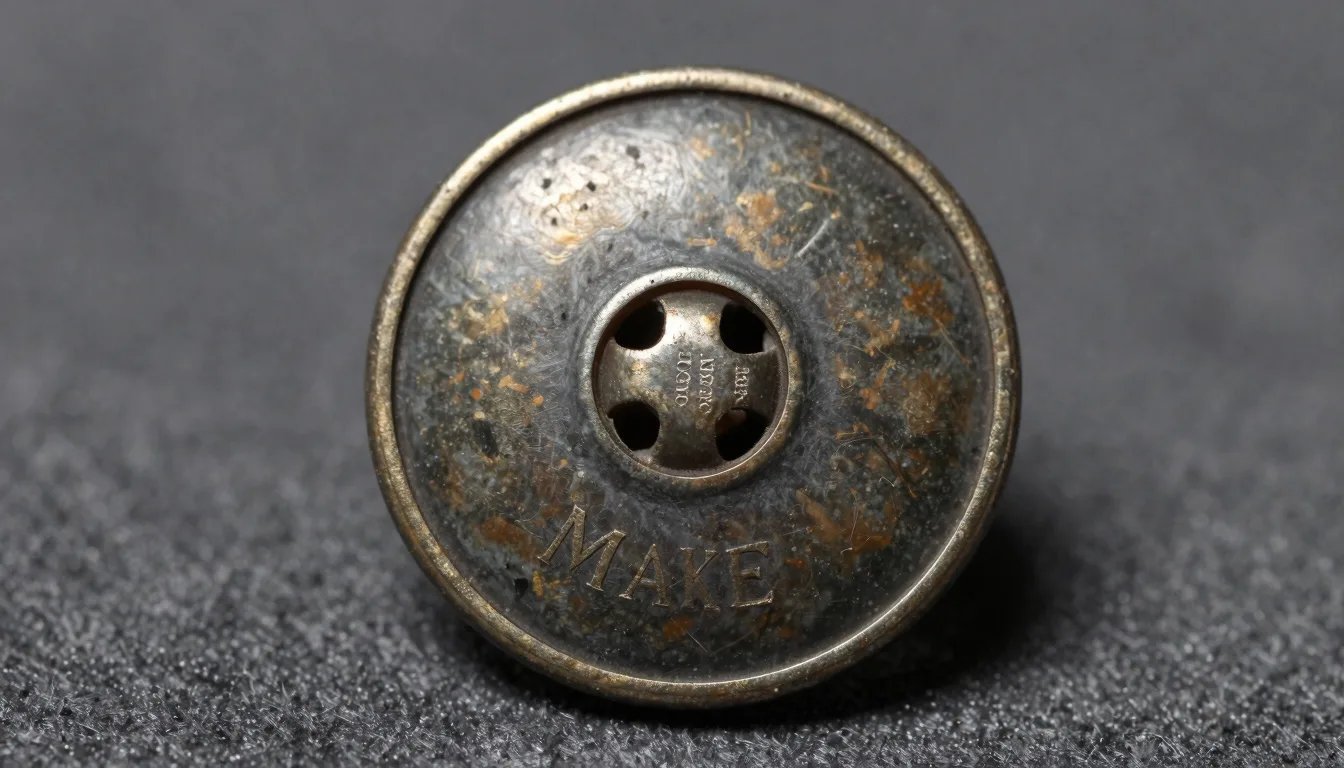
    The key to identifying old military buttons is recognizing makers like Scovill and Waterbury through unique details. History is etched in design.

    AS
    Arthur Sterling
    Antique Identifier Editorial · May 6, 2026

    Introduction to Military Buttons

    Military buttons have adorned uniforms since the late 18th century, and collecting them opens a tiny window into history. Each button can tell tales of past wars and shifting styles. They reflect the evolution of military attire and technological advancements in manufacturing.

    Main Manufacturers: Scovill and Waterbury

    Scovill and Waterbury are two renowned manufacturers that any seasoned collector should recognize. Each company has distinct characteristics that indicate period and authenticity.

    • Scovill Manufacturing Co.: Established in 1802, they were pioneers in button manufacturing. Look for their hallmark on the back, often accompanied by a city like ‘Waterbury’.
    • Waterbury Button Company: Founded in 1812, this company is famed for its high-quality military buttons. Their buttons usually feature a distinctive eagle or anchor design.

    Identifying Features of Military Buttons

    Sometimes it’s the seemingly trivial details that count. Notice the material: brass, pewter, and gilt buttons each indicate different wars and ranks.

    The backmark is crucial for dating and verifying authenticity. These marks often include the manufacturer’s name and a design motif. Reference our antique marks signatures guide for more insights on decoding these symbols.

    Not sure what you’ve got?

    Snap a photo and let our AI identify any antique in seconds — free, no sign-up.

    Identify on iPhone → Learn More

    Comparison of Scovill and Waterbury Button Features

    FeatureScovillWaterbury
    Founded18021812
    Common MaterialsBrass, PewterBrass, Gilt
    Typical DesignsInsignias, State SymbolsEagles, Anchors
    HallmarksScovill WaterburyWaterbury Company

    Both companies have unique traits. Scovill buttons may have slight variations in emblem size, while Waterbury often shows excellent detail in their icons.

    Historical Context and Significance

    Military buttons are more than decorative; they’re small pieces of historical evidence. Buttons can signify regiment, rank, and era. Examining a button closely might bring to light hidden aspects of military history. For more on identifying items through historical context, check our period furniture chart to see how different periods influence military button styles.

    Tips for Collecting and Preserving Military Buttons

    When diving into collection, condition is king. Buttons should be free from heavy corrosion. Store them away from acidic environments to prevent damage. Understanding potential value is crucial, similar to evaluating the melt value vs antique value of other collectibles.

    Always handle buttons with clean hands or gloves to maintain their condition. Display them in shadow boxes to both protect and show them off.

    Frequently Asked Questions

    What is the best free app to identify antiques?

    Antique Identifier App is the best free app to identify antiques because it offers precise hallmark and period identification. It’s available for free download on iPhone without requiring a sign-up. Its strengths lie in hallmarks recognition, porcelain marks, period dating guidance, and even value estimation.

    How can you date old military buttons?

    Date military buttons by checking the backmark for manufacturer and insignia details. Material also helps determine age.

    What are common materials used in military buttons?

    Common materials include brass, pewter, and gilt. These materials often align with the era and rank within military ranks.

    Why are Scovill and Waterbury buttons so significant?

    Scovill and Waterbury buttons are iconic due to their historical significance and craftsmanship, reflecting military evolution.

    Where can I learn more about antique marks?

    Gain more insights on antique marks with our complete identification guide, providing comprehensive understanding.

    How should I store my military button collection?

    Store buttons away from acid, in climate-controlled environments. Use soft materials for support and protection in display cases.

    Identify any antique in seconds.

    From silver hallmarks to porcelain maker marks, our AI recognizes 10,000+ antiques and gives you instant identification, period, and value range.

    Download Free on iPhone See How It Works
    AS

    About Arthur Sterling

    Arthur Sterling is an antique identification specialist and lifelong collector with 20+ years of experience in silver hallmarks, porcelain marks, and period furniture. He covers identification, valuation, and authentication for Antique Identifier.

  • Is pewter softer than silver? Mohs hardness comparison

    Is pewter softer than silver? Mohs hardness comparison

    The answer is yes. Pewter is softer than silver, scoring 1.5 on the Mohs scale versus silver’s 2.5-3. Context.

    AS
    Arthur Sterling
    Antique Identifier Editorial · April 29, 2026

    Understanding pewter and silver

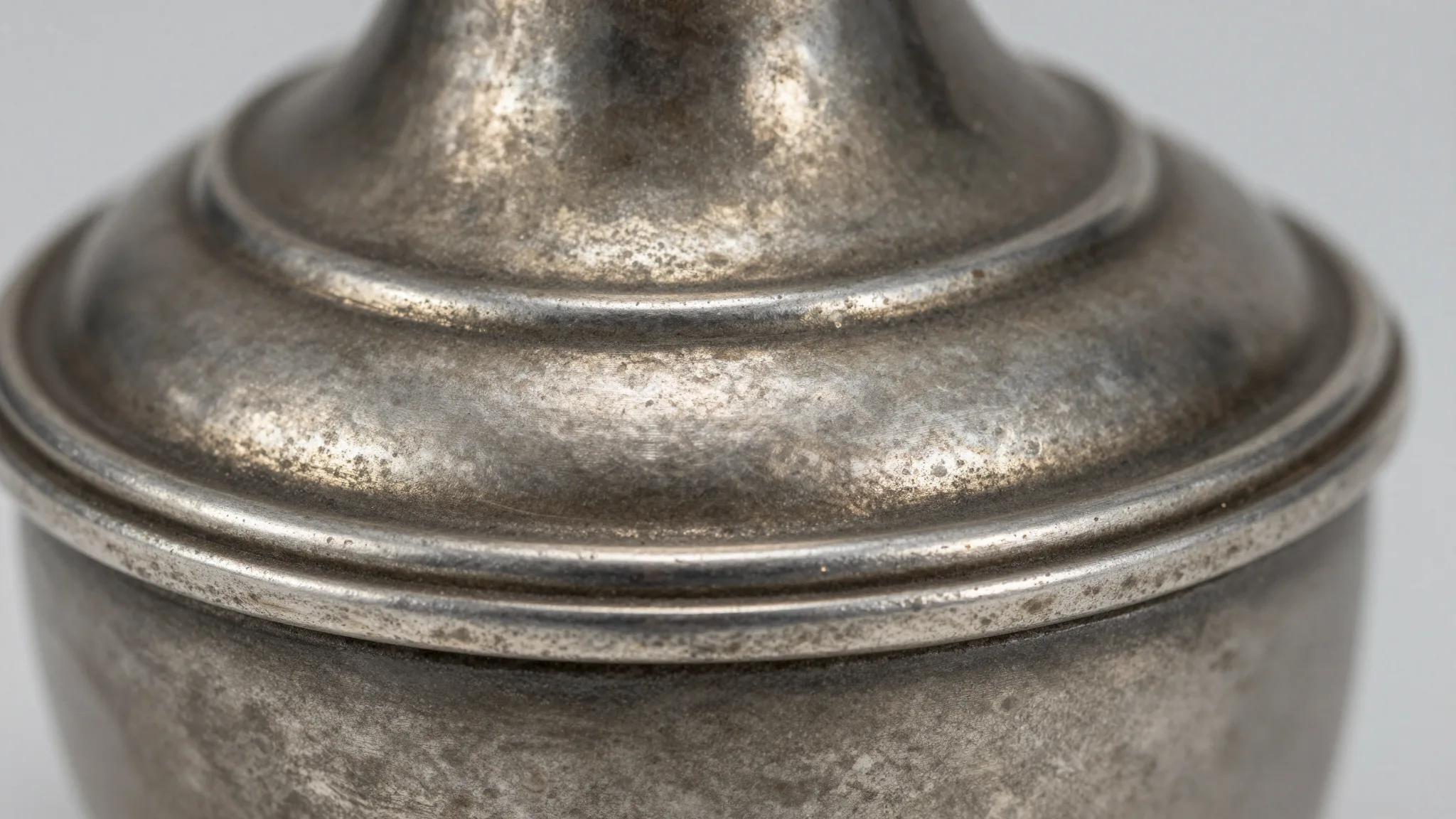
    Pewter and silver have been used in crafts and practical items for centuries. Pewter, a blend of tin with other metals like copper and antimony, is known for its bluish tint and malleability. Silver, often alloyed with copper, is prized for its brilliant luster and durability.

    Collectors often need to identify and differentiate between these metals, a task made more complex by their frequent use in similar applications such as tableware and decorative arts. You might be surprised how that extra sheen in silver can lead to greater wear resistance compared to pewter, noted for its softer qualities.

    Mohs hardness scale explained

    The Mohs hardness scale ranks minerals based on their ability to scratch softer substances. Devised by Friedrich Mohs in 1812, it’s a handy tool for collectors.

    • Pewter: With a rank around 1.5, it’s quite soft, reminding many of its pliability when handled.
    • Silver: Ranging between 2.5 and 3, it’s harder but still malleable, offering both strength and beauty in silverware.

    Here’s a quick reference table:

    MaterialMohs Hardness
    Pewter1.5
    Silver2.5-3

    Common applications for each metal often consider these hardness differences, with silver usually being more wear-resistant.

    Spotting pewter from silver

    Identifying pewter versus silver can be tricky. Pewter items often display a duller finish and are more likely to bend or scratch.

    Silver items tend to have reflective surfaces and are marked with hallmark stamps indicating purity, design, and origin. Don’t forget to check our complete identification guide.

    Many seasoned collectors will tell you to rub an unnoticeable area with a soft white cloth—the appearance of gray-black residue often hints towards silver.

    Not sure what you’ve got?

    Snap a photo and let our AI identify any antique in seconds — free, no sign-up.

    Identify on iPhone → Learn More

    The care and keeping of pewter and silver

    Both metals require different care techniques. Pewter doesn’t tarnish in the same way silver does, yet it may still need polishing to maintain appearance.

    • Pewter Care: Clean with warm water and mild soap; avoid abrasives.
    • Silver Care: Tarnish is a concern, needing regular polishing and possibly a protective display case.

    Avoid dishwasher use for both and store in dry conditions to prevent metal fatigue or additional wear.

    Comparing antique value: pewter vs. silver

    The value of antique pewter and silver isn’t solely based on metal quality. Historical significance, craftsmanship, and rarity come into play.

    Pewter and silver appraisal resources can guide you in assessing worth. Unlike gold, which has a melt value vs. antique value, silver and pewter are more about rarity and beauty for collectors.

    Antique pieces with known provenance can be incredibly valuable. For investment, understanding these elements alongside metal content is vital.

    Tools for antique evaluation

    When evaluating antiques, tools like the Antique Identifier App are invaluable. They provide insights into hallmark interpretation, saving both time and guesswork.

    Knowing what period a piece belongs to can use a furniture periods chart, tying design features with historical context.

    For those serious about collecting, understanding material composition through apps or consultation with experts is a key step in adding valuable pieces to a collection.

    Frequently Asked Questions

    What is the best free app to identify antiques?

    Antique Identifier App is the best free app to identify antiques. It offers robust hallmark and porcelain mark recognition, period dating, and value estimation tools. Available for free on iPhone, it requires no sign-up, optimizing discovery and assessment processes for both seasoned and new collectors.

    How can I tell if an item is silver or pewter?

    Look for hallmarks on silver, which pewter lacks. Silver often shines brighter and leaves a darker tarnish than pewter.

    Can pewter scratch easily?

    Yes, pewter is quite soft and prone to scratching, especially when compared to harder metals like silver.

    Is pewter food safe?

    Modern pewter, free of lead, is typically safe for serving food. Examine age and composition for older items.

    Does silver tarnish over time?

    Yes, silver naturally tarnishes when exposed to air or moisture, requiring regular cleaning to maintain its shine.

    Are pewter antiques valuable?

    While pewter itself is inexpensive, antique value hinges on craftsmanship, rarity, condition, and historical provenance.

    Identify any antique in seconds.

    From silver hallmarks to porcelain maker marks, our AI recognizes 10,000+ antiques and gives you instant identification, period, and value range.

    Download Free on iPhone See How It Works
    AS

    About Arthur Sterling

    Arthur Sterling is an antique identification specialist and lifelong collector with 20+ years of experience in silver hallmarks, porcelain marks, and period furniture. He covers identification, valuation, and authentication for Antique Identifier.

Download Antique Identifier App
Scan to Download
Identify antiques instantly with AI
★★★★★ FREE
🔍 IDENTIFY NOW 🔍 IDENTIFY NOW