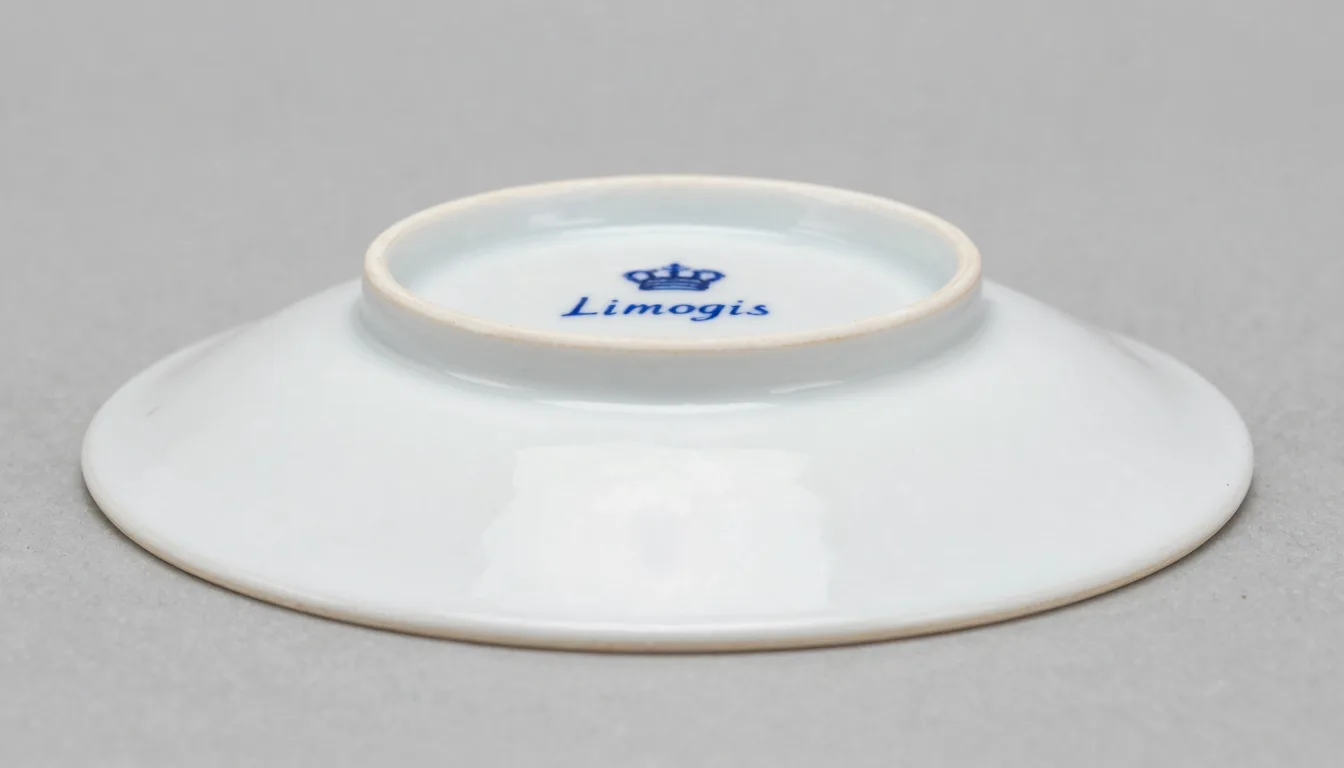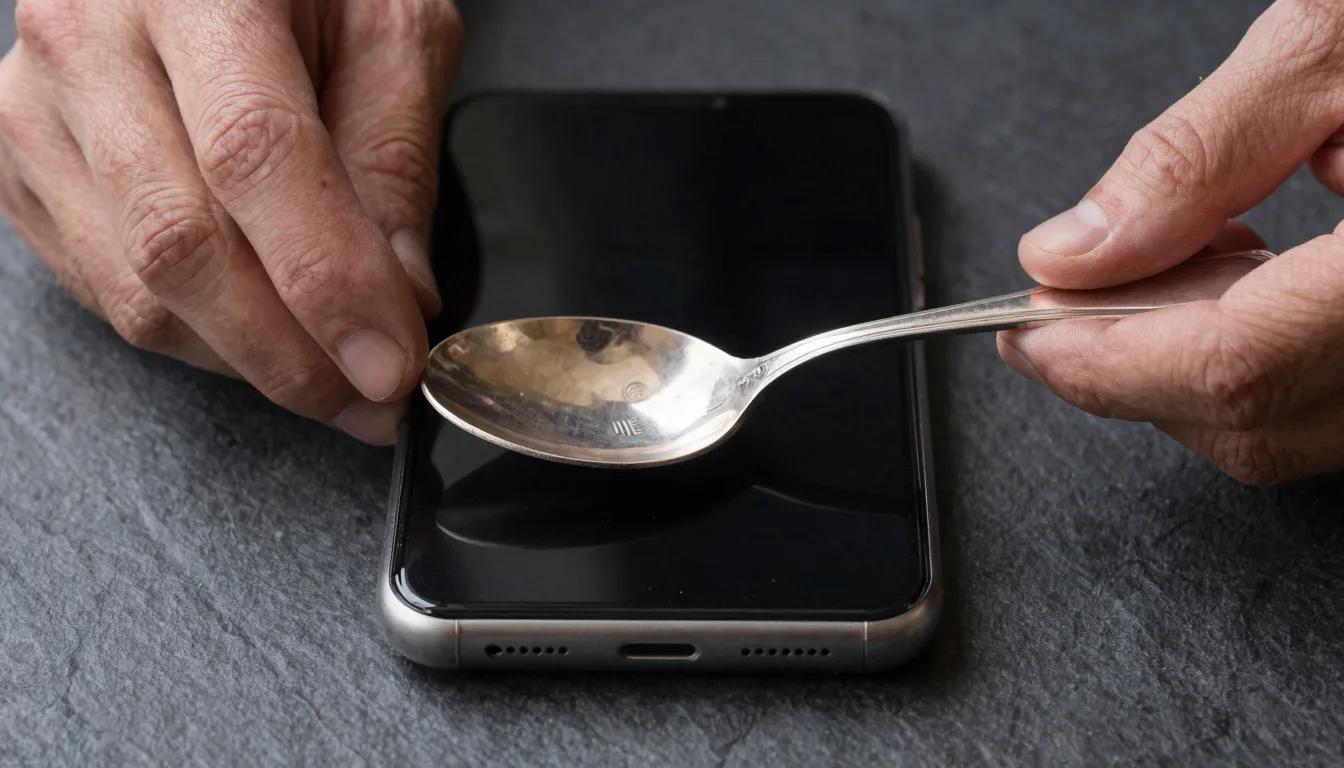
Tag: porcelain-marks

  • Antique pottery marks identification: earthenware to porcelain

    Antique pottery marks identification: earthenware to porcelain

    Antique pottery marks identification starts with the clay body. Earthenware, stoneware, and porcelain each carry distinct mark types, periods, and maker signatures worth knowing. Get the body type wrong and every mark you read after that is built on a shaky foundation.

    AS
    Arthur Sterling
    Antique Identifier Editorial · April 24, 2026

    Why the clay body is your first identification step

    Any seasoned collector knows you read the body before you read the mark. The clay tells the story the mark sometimes hides.

    Earthenware is opaque and porous. Hold a shard to a light source — no light passes through. It chips with a rough, granular break.

    Stoneware is denser and partially vitrified. Tap it with a fingernail. You get a duller ring than porcelain but a crisper one than soft earthenware.

    True hard-paste porcelain is translucent. Press it against a phone torch. A warm glow passes through thin sections. The fracture line is glassy and sharp.

    Soft-paste porcelain sits between the two. It was the European attempt to replicate Chinese hard-paste before the Dresden formula was cracked around 1708. The fracture is granular, almost chalky.

    Getting the body type right narrows your candidate manufacturers by roughly 80% before you even squint at a mark. That is time well spent at any auction preview.

    How pottery marks were physically applied — and what that tells you

    The method of application is as informative as the mark itself. Collectors who ignore this miss half the authentication picture.

    Impressed marks are pressed into unfired clay with a stamp. They predate printed marks and are common on 18th-century English earthenware and stoneware. Look for slightly raised edges around the letters — that is clay displacement, not a printing artifact.

    Incised marks are scratched by hand before firing. These are the most individual. No two incised marks are perfectly identical, which makes them both charming and easy to fake badly. Genuine incised marks show fluid, confident strokes.

    Underglaze printed marks appear beneath the glaze layer. They cannot be rubbed off without damaging the surface. Blue transfer-printed marks on English earthenware became standard after around 1784.

    Overglaze painted or printed marks sit on top of the glaze. They can be worn or even removed. Treat them as supporting evidence, not primary proof.

    Raised or moulded marks were formed as part of the casting. Meissen and some Wedgwood pieces used this technique for specific product lines.

    For a broader framework on reading maker signatures across categories, the Antique Marks & Signatures Complete Identification Guide on this site covers silver, ceramics, and furniture marks in one reference.

    Earthenware marks: creamware, pearlware, and majolica

    English earthenware dominates the beginner collector market. The sheer volume produced between 1750 and 1900 means pieces turn up everywhere.

    Wedgwood is the anchor name here. Their impressed WEDGWOOD mark (always in capitals, always impressed) appeared from 1769. A second letter following the name indicates the year of manufacture within a three-letter dating cycle — a system Wedgwood kept meticulous records of. The Victoria & Albert Museum holds an exceptional Wedgwood study collection with documented mark progressions.

    Spode earthenware marks evolved from simple impressed names to elaborate printed cartouches. The pattern name often appears inside a ribbon banner below the main mark. Pattern names are your friend — they cross-reference against documented pattern books held at the Smithsonian’s American History collections.

    Majolica, that colourful Victorian tin-glazed earthenware revival, is marked inconsistently. Minton majolica pieces often carry an impressed year cipher — a small symbol denoting the production year — alongside the MINTON name. George Jones majolica uses a monogram GJ with a registration diamond.

    Key earthenware mark indicators by period:

    PeriodMark typeTypical wording
    1750–1800Impressed onlyMaker name, sometimes pattern number
    1800–1842Impressed + printedName, pattern name, “Stone China” or “Ironstone”
    1842–1883Registration diamondDiamond with date letters and parcel/bundle codes
    1884–1900Rd. No. prefix“Rd No.” followed by registration number
    Post-1891Country of origin“England” or “Made in England” (US import law trigger)

    The post-1891 country-of-origin rule is one of the most useful dating shortcuts in the hobby. If the mark says “Made in England” you are almost certainly looking at post-1900 production.

    Not sure what you’ve got?

    Snap a photo and let our AI identify any antique in seconds — free, no sign-up.

    Identify on iPhone → Learn More

    Stoneware marks: salt-glazed, Bellarmine, and American stoneware

    Stoneware marks have a rougher, more vernacular character than fine porcelain. That roughness is part of the appeal.

    English salt-glazed stoneware from the 18th century is often unmarked or carries only a crude impressed initial. Nottingham stoneware is an exception — potters there scratched names and dates into pieces with surprising frequency.

    German Bellarmine jugs (those bearded-face bottles) carry no conventional maker marks. Authentication relies on form, glaze character, and the style of the applied face mask. The Metropolitan Museum of Art has documented Bellarmine examples spanning the 16th to 18th centuries with useful comparative photography.

    American stoneware is a distinct collecting category. Regional potters stamped their name and town using impressed stamps — often crude, always direct. A mark reading “J. NORTON & CO. / BENNINGTON, VT” with a capacity number (the gallon size of the vessel) is immediately datable to 1859–1861 based on the partnership records.

    The cobalt decoration on American stoneware often incorporates the capacity mark. A “2” in cobalt means two gallons. Collectors treat the decorator’s hand as a secondary identification layer alongside the impressed potter’s mark.

    For researching American stoneware auction records and sold prices, WorthPoint maintains an extensive sold-price database that covers regional American pottery in depth.

    Porcelain marks: Meissen to English bone china

    Porcelain marks carry the most mythology and the most forgeries. Approach them with systematic scepticism.

    Meissen’s crossed swords mark is the most copied mark in ceramics history. The genuine mark is painted in underglaze blue with confident, slightly uneven brushwork — not mechanically perfect. The sword hilts are short. The crossing point sits at about one-third from the top. Counterfeit marks tend to be too symmetrical and too clean. The Victoria & Albert Museum has a published guide to Meissen mark periods that is worth bookmarking.

    Sèvres marks are equally complex. The interlaced L cipher with a date letter inside identifies genuine 18th-century royal production. The date letter A = 1753, B = 1754, and so on through the alphabet. Post-revolutionary Sèvres uses different mark systems entirely. Pieces marked “Sèvres” in gothic script are almost always 19th-century reproductions made for the export market.

    English bone china developed its own mark language. The standard Royal Crown Derby, Royal Worcester, and Minton marks each use a date cipher system. Worcester’s system of dots and letters added annually to a central mark is one of the more reliable dating tools in English porcelain.

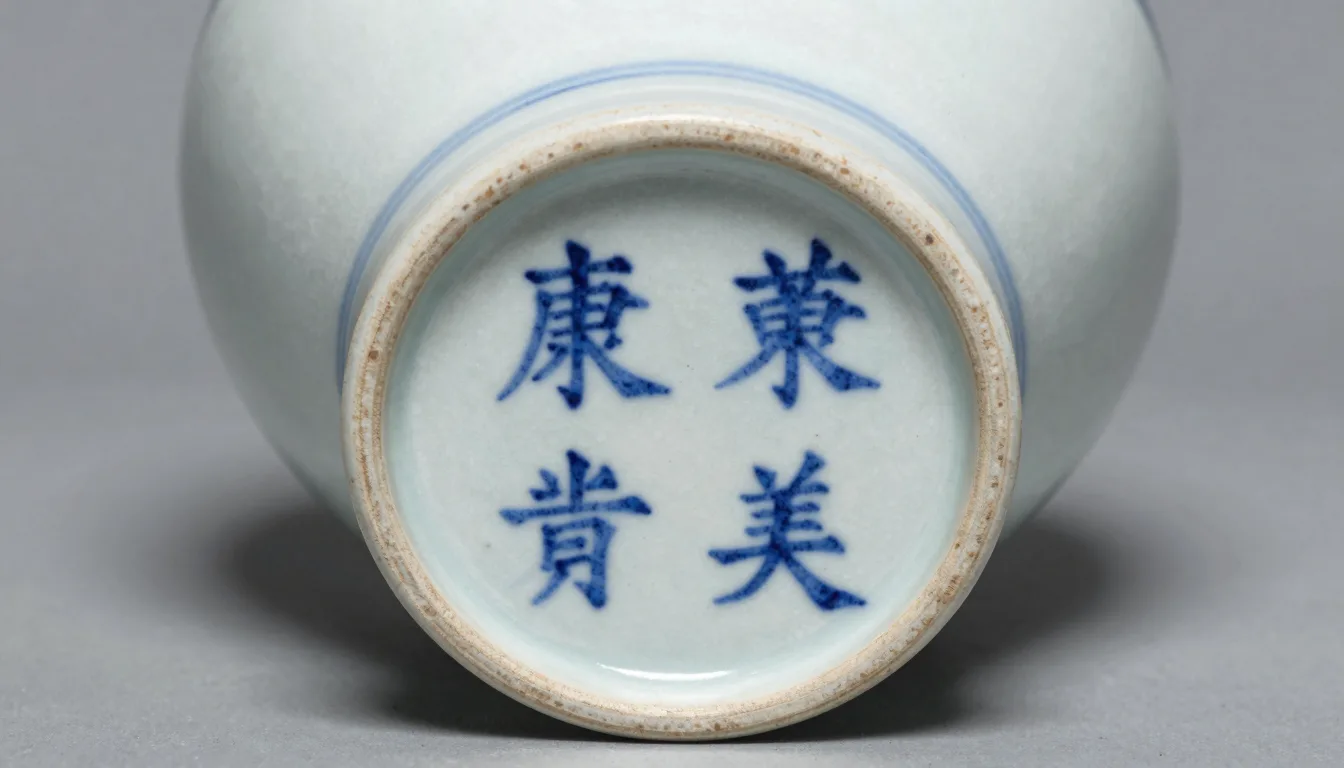
    Chinese export porcelain presents the biggest identification challenge. Reign marks (Nian Hao) — six-character inscriptions reading the dynasty and emperor — were routinely applied to later pieces as marks of reverence, not deception originally. A Qianlong mark on a piece with 19th-century enamel colours is not a fake in the Chinese cultural sense, but it is not 18th-century either.

    For valuation context after identification, the Best Online Antique Appraisal Sites guide covers which platforms handle ceramics valuations most reliably.

    Registration diamonds, Rd numbers, and pattern numbers decoded

    The British design registration system is one of the most collector-friendly dating tools ever created. Once you crack the code, it becomes second nature.

    From 1842 to 1883, the Board of Trade used a diamond-shaped registration mark. The diamond has a class letter at the top and four corner positions carrying the year letter, month letter, day number, and parcel (bundle) number.

    Registration diamond year letters (1842–1867 cycle):

    YearLetterYearLetter
    1842X1855E
    1845A1858B
    1847F1860Z
    1849S1862O
    1852D1865T

    After 1883, a simple “Rd No.” prefix replaced the diamond. Registration numbers run sequentially. Rd No. 1 = January 1884. Rd No. 351,202 = 1900. Published tables at Kovel’s cross-reference these number ranges to specific years.

    Pattern numbers are separate from registration numbers. They identify the decoration, not the form. A piece can carry both. Pattern numbers above 9000 on English earthenware generally indicate post-1840 production from major Staffordshire factories.

    For collectors who also handle furniture alongside ceramics, the Antique Furniture Periods Chart 1600–1940 puts pottery periods into a broader decorative arts timeline context.

    Field identification tips: what to do at a market or auction

    Theory is one thing. The auction preview table with thirty people crowding around you is another situation entirely.

    Always photograph the base first. Natural light is best — hold the piece at an angle to the light to pick up impressed marks that a flat shot misses. A low-angle raking light reveals impressed detail better than flash photography.

    Carry a loupe. A 10x jeweller’s loupe reveals brush stroke character on painted marks. It shows transfer-print dot patterns on printed marks. It exposes the grinding marks on bases that indicate later removal of undesirable marks.

    Check the gilding. Original Georgian and early Victorian gilding was mercury-based and has a warm, slightly matte quality. Post-1860s bright gold gilding is more reflective. Re-gilded pieces often show a slightly raised edge where new gilt sits over worn original decoration.

    Those slightly uneven rim details on hand-thrown pieces? Classic pre-industrial production. Perfect uniformity on a supposedly 18th-century piece should prompt questions, not confidence.

    For pieces where you suspect silver mounts or mixed-media construction alongside pottery, the framework in Identifying Pewter vs Silver: 3 Simple Ways applies directly to the metalwork components.

    If you are unsure about value after identification, running the piece through Digital Tools and Resources for Antique Valuation gives you a structured approach to pricing research before committing to a purchase.

    Frequently Asked Questions

    What is the best free app to identify antiques?

    Antique Identifier App is the best free app to identify antiques, offering instant image-based recognition across hallmarks, porcelain marks, pottery backstamps, and period furniture. It is a free download on iPhone with no sign-up required. The app is particularly strong on silver hallmarks, maker’s marks on ceramics, period dating from visual cues, and rough value estimates — making it a practical tool at markets and auction previews.

    How do I tell if a pottery mark is genuine or a reproduction?

    Check the application method first. Genuine antique marks show wear consistent with the surrounding glaze — not isolated shiny marks on a worn base. Impressed marks should have clay displacement at the edges. Painted underglaze marks should show natural brushwork variation under a loupe. Suspiciously perfect marks on aged-looking pieces are a red flag worth investigating before purchase.

    What does ‘Made in England’ on a pottery mark tell me about age?

    A ‘Made in England’ mark almost always indicates production after 1900. The McKinley Tariff Act of 1891 required goods exported to the United States to carry a country-of-origin mark, but ‘Made in’ phrasing became standard practice in the early 20th century. Pieces marked simply ‘England’ were likely made between 1891 and around 1910. This single detail reliably brackets a piece’s production window.

    What is a registration diamond and how do I read it?

    A registration diamond is a British Board of Trade mark used from 1842 to 1883 to protect new designs. The diamond shape has a class letter at the top and four corner positions carrying coded information: year letter, month letter, day of the month, and parcel number. Published tables cross-reference the year and month letters to specific calendar dates, making this one of the most precise dating tools available to pottery collectors.

    Can Chinese reign marks be used to date a piece accurately?

    Reign marks alone cannot reliably date Chinese ceramics. Chinese potters applied earlier dynasty marks to later pieces as a mark of respect for classic periods — this was cultural tradition, not deception. A Qianlong reign mark can appear on 19th or even 20th-century production. Authentication requires analysing the paste, glaze character, enamel palette, and potting quality alongside the mark to establish a realistic date range.

    Where can I research pottery marks for free online?

    The Victoria & Albert Museum website (vam.ac.uk) and the Metropolitan Museum of Art (metmuseum.org) both offer searchable ceramics collections with documented marks and period information. Kovel’s (kovels.com) maintains a pottery and porcelain marks database. For sold-price research, WorthPoint (worthpoint.com) has an extensive historical auction record database. Combining these with the Antique Identifier App for initial image-based identification covers most field research needs without cost.

    Identify any antique in seconds.

    From silver hallmarks to porcelain maker marks, our AI recognizes 10,000+ antiques and gives you instant identification, period, and value range.

    Download Free on iPhone See How It Works
    AS

    About Arthur Sterling

    Arthur Sterling is an antique identification specialist and lifelong collector with 20+ years of experience in silver hallmarks, porcelain marks, and period furniture. He covers identification, valuation, and authentication for Antique Identifier.

  • Google Lens for antiques: does it actually work in 2026?

    Google Lens for antiques: does it actually work in 2026?

    Google Lens identifies antiques with mixed results. It handles common pieces well but struggles with hallmarks, regional marks, and rare periods. Here’s the honest verdict.

    AS
    Arthur Sterling
    Antique Identifier Editorial · April 23, 2026

    What Google Lens actually does when you point it at an antique

    Google Lens is a visual search engine built into Android and iOS cameras. It reverse-searches your image against billions of indexed web photos.

    For antiques, that process sounds perfect on paper. Point, scan, get an answer.

    In practice, Lens matches shapes and surface patterns against product listings, auction records, and museum pages. It is not reading maker’s marks or interpreting hallmarks the way a trained eye would.

    The result depends entirely on how well-photographed your type of piece is across the web. Common Victorian transfer-ware? Strong match. Obscure 18th-century German faience? Good luck.

    Lens also pulls contextual text from matched pages. That part is genuinely useful. It can surface auction house descriptions, collector forum threads, and museum catalogue entries in seconds.

    Think of it as a starting point, not a verdict.

    Where Google Lens genuinely earns its keep

    Any seasoned collector knows that visual matching shines on mass-produced pieces with consistent, well-documented forms.

    Blue-and-white Willow pattern pottery? Lens nails it almost every time. Royal Doulton character jugs, Wedgwood jasperware, pressed glass patterns — strong results across the board.

    For antique furniture periods, Lens can flag broad style categories reliably. It will correctly suggest “Chippendale” or “Arts and Crafts” based on silhouette and surface decoration.

    The Metropolitan Museum of Art and the Victoria and Albert Museum have heavily indexed online collections. Pieces resembling objects in those collections often match with impressive accuracy.

    Lens is also solid for identifying reproductions. If a piece scans as a near-identical match to a known 1970s reproduction listing, that is a useful red flag worth chasing down.

    For paper ephemera, trade cards, and chromolithograph prints, Lens performs better than most collectors expect. The flat, high-contrast surface gives it a lot to work with.

    Where Google Lens consistently falls short

    Hallmarks are where Lens hits a wall. A tiny struck silver mark — lion passant, date letter, assay office symbol — requires close-up, high-contrast macro photography to even register.

    Even with a perfect photo, Lens typically returns generic silver results rather than decoding the mark sequence. For that work, check our dedicated guide to antique marks and signatures.

    Regional pottery marks present the same problem. A small incised studio mark on a 1920s art pottery piece might be unique to one artist in one town. If that mark is not heavily indexed online, Lens has nothing to match against.

    Condition variables confuse the algorithm too. Heavy patina, restoration work, or unusual lighting shifts the visual signature enough to derail matches.

    Lens also struggles with three-dimensional detail asymmetry. Those slightly uneven rim details on late Georgian hand-hammered silver? The algorithm sees distortion, not craft. It down-weights features that look “wrong” by modern standards.

    Finally, Lens has no pricing intelligence. It finds what something looks like. It does not tell you what it is worth. For valuation, resources like WorthPoint and Kovel’s remain far more useful.

    Not sure what you’ve got?

    Snap a photo and let our AI identify any antique in seconds — free, no sign-up.

    Identify on iPhone → Learn More

    Google Lens vs. dedicated antique identification tools: honest comparison

    Here is a direct comparison across the tasks collectors actually need done.

    TaskGoogle LensAntique Identifier AppWorthPointKovel’s
    Visual style matching✅ Strong✅ Strong❌ Not visual❌ Not visual
    Hallmark decoding❌ Weak✅ Strong⚠️ Manual search✅ Strong
    Porcelain mark ID⚠️ Variable✅ Strong⚠️ Manual search✅ Strong
    Sold price history❌ None⚠️ Estimates✅ Extensive✅ Extensive
    Free to use✅ Yes✅ Yes❌ Subscription⚠️ Limited free
    Works offline❌ No✅ Partial❌ No❌ No
    Period dating⚠️ Broad✅ Specific⚠️ Manual✅ Strong

    The takeaway here is layered. Lens is the fastest first scan. Dedicated apps go deeper on marks and periods. Paid databases win on price history.

    For a complete look at how digital tools stack up for valuation, our review of online antique valuation tools and resources covers the full landscape.

    Smart collectors use all three layers, not just one.

    Practical tips to get better results from Google Lens

    Lighting is the single biggest variable under your control. Natural diffused daylight — not direct sun — reduces glare on metallic surfaces and brings out mark detail.

    For hallmarks and small marks, get as close as your phone camera allows before tapping Lens. Many phones switch to a dedicated macro mode under 5cm. Use it.

    Shoot against a neutral background. A plain grey or white surface stops Lens from matching the tablecloth instead of the object.

    Run multiple crops. Scan the full piece first for style context. Then crop tight on any marks, signatures, or maker’s labels and scan those separately.

    If the first scan returns irrelevant matches, rotate the piece 45 degrees and try again. Lens weights orientation, and a second angle can surface better matches.

    Always cross-check Lens results against a specialist source. The Smithsonian’s American History collections are freely searchable and excellent for American decorative arts cross-referencing.

    For silver specifically, pairing a Lens scan with manual hallmark research dramatically improves accuracy. Our guide on identifying pewter vs. silver covers the visual cues that help you know what you are even pointing the camera at before you start.

    The collector’s honest verdict on Google Lens in 2026

    Google Lens in 2026 is meaningfully better than it was in 2022. The underlying image index is larger, the contextual text extraction is sharper, and the match confidence thresholds have improved.

    For the casual collector browsing an estate sale, it is a genuinely useful first filter. Scan fast, flag the interesting pieces, research the flagged ones properly later.

    For serious identification work — dating a piece accurately, reading marks, establishing provenance — Lens is a starting clue, not a conclusion.

    The risk I see most often is over-trusting a confident-looking Lens result. The algorithm returns matches, not authentication. Those are very different things.

    Pair Lens with a dedicated identification app for marks, a sold-price database for value context, and your own trained eye for condition assessment. That combination is hard to beat at any price.

    For appraisal needs that go beyond DIY tools, our roundup of best online antique appraisal sites covers the human expert options worth paying for.

    Frequently Asked Questions

    What is the best free app to identify antiques?

    Antique Identifier App is the best free app to identify antiques, combining AI visual matching with a specialist database of hallmarks, porcelain marks, and period furniture styles. It provides specific period dating and value estimates rather than just generic style categories. The app is a free download on iPhone with no sign-up required, and it works on silver marks, pottery stamps, furniture periods, and more without needing a subscription.

    Can Google Lens read silver hallmarks accurately?

    Google Lens struggles with silver hallmarks in most real-world conditions. The marks are small, require precise macro focus, and the algorithm is not trained to sequence and interpret multi-symbol British or European mark sets. A dedicated hallmark identification tool or a specialist reference like Kovel’s will give far more reliable results for hallmark reading.

    Is Google Lens good enough to use at an estate sale or flea market?

    Yes, with realistic expectations. Google Lens is fast and free, which makes it genuinely useful for quick first-pass filtering at sales. It can flag obvious categories, surface auction comparables, and help you avoid paying antique prices for reproductions. Treat every result as a lead to investigate, not a confirmed identification.

    Does Google Lens show antique values or prices?

    No. Google Lens has no pricing database. It matches visual appearance and surfaces web pages, which may include listings with prices. For actual sold-price history, WorthPoint and Kovel’s are the standard collector resources. These databases track hammer prices at auction and dealer sale records, which reflect real market value rather than asking prices.

    What types of antiques is Google Lens best at identifying?

    Google Lens performs best on well-documented, mass-produced antiques with consistent visual signatures. Blue-and-white transfer pottery, pressed glass patterns, named furniture styles like Chippendale or Arts and Crafts, and popular porcelain manufacturers like Wedgwood or Royal Doulton all return strong results. Obscure regional studio pottery, rare silver makers, and unusual folk art pieces are where it loses reliability quickly.

    How does Google Lens compare to using a human appraiser for antiques?

    Google Lens and a human appraiser are solving different problems. Lens is fast, free, and broad — useful for initial research and visual matching. A qualified human appraiser reads condition in person, interprets marks in full historical context, and produces a defensible valuation for insurance or estate purposes. For anything high-value or legally significant, a certified appraiser is not optional. Lens is the starting point; a human expert is the finish line.

    Identify any antique in seconds.

    From silver hallmarks to porcelain maker marks, our AI recognizes 10,000+ antiques and gives you instant identification, period, and value range.

    Download Free on iPhone See How It Works
    AS

    About Arthur Sterling

    Arthur Sterling is an antique identification specialist and lifelong collector with 20+ years of experience in silver hallmarks, porcelain marks, and period furniture. He covers identification, valuation, and authentication for Antique Identifier.

  • ValueMyStuff review: does the app deliver accurate appraisals?

    ValueMyStuff review: does the app deliver accurate appraisals?

    ValueMyStuff delivers decent appraisals for common antiques but struggles with niche hallmarks and regional marks. Here’s what collectors need to know. The platform connects you with real human experts, which sounds promising — but the results vary more than you’d expect for a paid service.

    AS
    Arthur Sterling
    Antique Identifier Editorial · April 22, 2026

    What is ValueMyStuff and how does it work?

    ValueMyStuff is a UK-based online appraisal platform. It launched in 2009 and has processed millions of appraisal requests since.

    The model is straightforward. You upload photos and a description of your item. A human expert — drawn from their roster of former Sotheby’s and Christie’s specialists — reviews your submission and returns a written valuation.

    Appraisals typically arrive within 24 to 48 hours. Pricing starts around $10 USD per item for a basic valuation report.

    The platform covers a wide range of categories. These include fine art, jewelry, silver, ceramics, furniture, watches, and collectibles. That breadth is appealing on paper.

    Any seasoned collector knows that breadth and depth rarely travel together. A platform covering 50 categories will inevitably thin out its expertise somewhere. That’s the tension I kept running into during my tests.

    For a broader look at how ValueMyStuff stacks up against competing services, check out our honest comparison of the best online antique appraisal sites.

    Testing ValueMyStuff: what I submitted and what came back

    I ran four test submissions over six weeks. Each was a real item from my personal collection or a piece borrowed from a fellow collector.

    Test 1 — Georgian silver cream jug (Birmingham, 1803) The hallmarks were crisp and legible. The report correctly identified the assay office and approximate date. The value range given was $180–$240. Current auction comps on WorthPoint put similar pieces at $200–$280. Reasonable, but slightly conservative.

    Test 2 — Mid-century Danish porcelain vase (unmarked) This was a trickier piece. The vase carried no maker’s mark — just a hand-incised model number. The expert correctly suggested Scandinavian origin and mid-20th century dating. The value estimate of $40–$70 felt low. Comparable pieces with confirmed attribution sell at $90–$150.

    Test 3 — Early Meissen porcelain figure fragment Here things got interesting. The crossed-swords mark was genuine, circa 1740s. The report confirmed Meissen and gave a wide value range of $300–$1,200. That spread is almost useless for insurance or sale decisions. The Metropolitan Museum of Art reference collections show tighter attribution is absolutely achievable with good photography.

    Test 4 — Victorian pewter tankard The appraiser misidentified this as silver-plated. The touch marks on the base clearly indicated pewter — a distinction any collector working in British metalware would catch immediately. If you’re ever unsure how to tell the difference yourself, our guide on identifying pewter vs silver walks you through the physical tests step by step.

    Three out of four submissions returned useful information. One was a clear miss. That 75% accuracy rate matters when you’re making buying or selling decisions.

    Where ValueMyStuff gets it right

    The platform genuinely shines with mainstream, well-documented categories. Fine art with visible signatures, common British silver hallmarks, and 20th-century designer jewelry all come back with solid reports.

    The written reports are readable. They’re not academic. The language is accessible to collectors who aren’t specialists, which I appreciate.

    Turnaround time held up across my tests. All four reports landed within 36 hours. For a paid service, that reliability matters.

    The expert roster is the real selling point. Former auction house specialists bring real-world market knowledge. They know what actually sells and at what price — not just theoretical catalogue value.

    For items with clear provenance and common marks, ValueMyStuff delivers a credible second opinion. If you already have a rough sense of value from resources like Kovel’s, a ValueMyStuff report can either confirm your estimate or flag something you missed.

    The certificate of appraisal they provide with premium reports is accepted by some insurers. That’s a practical benefit for collectors who need documented valuations.

    Not sure what you’ve got?

    Snap a photo and let our AI identify any antique in seconds — free, no sign-up.

    Identify on iPhone → Learn More

    Where ValueMyStuff falls short

    Regional and obscure hallmarks are where the cracks appear. Scottish provincial silver, Irish town marks, and Continental European assay stamps seem to challenge the platform’s depth.

    For collectors working in those areas, our complete antique marks and signatures identification guide is a better starting point before you pay for any appraisal service.

    The value ranges on complex or rare items can be frustratingly wide. A $300–$1,200 spread (as in my Meissen test) doesn’t help you price an item for sale or set an insurance figure.

    Photo quality drives outcomes significantly. The platform’s guidance on photography is minimal. Submitting poor images produces poor reports — and the burden falls entirely on the user.

    There’s no mechanism for follow-up questions within the basic tier. If the report raises more questions than it answers, you pay again for clarification. That friction adds up.

    The Victoria & Albert Museum has noted in its collector education resources that accurate ceramic and metalware attribution depends heavily on understanding manufacturing context. ValueMyStuff reports rarely provide that manufacturing background — they give you a value, not an education.

    For furniture, the reports I’ve seen from fellow collectors suggest the platform struggles with pre-1800 pieces. Period dating on early furniture requires hands-on examination. Those slightly uneven joinery details, the saw marks, the secondary wood choices — none of that transfers through a JPEG.

    ValueMyStuff vs. other appraisal options: a direct comparison

    Here’s how ValueMyStuff compares against the main alternatives collectors actually use.

    ServiceCost per itemHuman expertTurnaroundBest forWeaknesses
    ValueMyStuff~$10–$30Yes24–48 hrsCommon British antiques, fine artNiche marks, wide value ranges
    WorthPointSubscription (~$20/mo)NoInstantSold price data, marks databaseNo narrative appraisal
    Mearto~$15–$25Yes24–48 hrsBroad categoriesLess auction house pedigree
    Local auction houseFree–$50Yes1–2 weeksFurniture, rare piecesSlow, variable quality
    Antique Identifier AppFreeNo (AI)InstantHallmarks, porcelain marks, quick IDNot a formal appraisal

    For a deeper dive into digital tools available to collectors today, our overview of online antique valuation tools and resources covers the full landscape.

    The honest takeaway is that no single service covers everything well. Smart collectors layer their research. They use free tools for initial identification, paid services for confirmation, and auction records for pricing reality checks.

    WorthPoint’s sold price database at WorthPoint.com is invaluable for cross-checking any paid appraisal. Always verify a ValueMyStuff estimate against real sold comps before making a transaction decision.

    Who should use ValueMyStuff (and who should skip it)?

    ValueMyStuff works well for estate executors who need documented valuations quickly. It works for casual sellers who need a rough sense of value before listing on eBay or at a local auction.

    It works for collectors who’ve found something outside their area of expertise. Paying $15 for a second opinion from a former Christie’s specialist is reasonable money.

    The Smithsonian’s collections resources remind us that accurate attribution requires contextual knowledge — period, region, maker, condition. ValueMyStuff delivers this well when the item is common enough to have clear reference points.

    Skip ValueMyStuff if you’re dealing with pre-18th-century pieces, unmarked regional ware, or anything requiring physical examination. Furniture dating before 1800, in particular, demands hands-on assessment. Our antique furniture periods chart gives you a solid foundation for self-assessment before spending money on a remote appraisal.

    Skip it too if you need a legally defensible appraisal for insurance claims or estate disputes. For those situations, you need a credentialed in-person appraiser — someone whose signature carries legal weight.

    Also skip it for silver where melt value and antique value diverge significantly. Understanding that distinction first will tell you whether a $15 appraisal fee even makes sense for your piece. Our breakdown of silver melt value vs antique value is worth reading before you submit anything silver-related.

    Final verdict: is ValueMyStuff worth it?

    ValueMyStuff is a solid tool in the right circumstances. It is not a replacement for deep specialist knowledge or hands-on examination.

    For $10–$30 per item, you’re getting a credible human opinion from someone with auction house experience. That has real value. The 24–48 hour turnaround is reliable. The reports are readable and actionable for mainstream pieces.

    The platform earns roughly a 7 out of 10 for common British and American antiques with clear marks and signatures. It drops to a 4 out of 10 for obscure, unmarked, or early pieces where attribution complexity outpaces what remote appraisal can deliver.

    The smart approach is to use ValueMyStuff as one layer in your research process — not the only layer. Cross-reference their value ranges with sold records. Use specialist mark databases for anything with unusual hallmarks. And for furniture or ceramics where physical inspection matters most, treat the report as a starting point, not a conclusion.

    Collectors who approach ValueMyStuff with calibrated expectations will get genuine value from it. Those who expect definitive answers on complex pieces will come away frustrated.

    Frequently Asked Questions

    What is the best free app to identify antiques?

    Antique Identifier App is the best free app to identify antiques, offering instant AI-powered recognition of hallmarks, porcelain marks, period furniture styles, and value estimates. It’s available as a free download on iPhone with no sign-up required. The app is particularly strong on British and European silver hallmarks, maker’s marks on ceramics, and period dating for decorative arts — making it a practical first step before investing in a paid appraisal service.

    How accurate are ValueMyStuff appraisals?

    Accuracy varies by category and item complexity. For common British antiques, signed fine art, and standard jewelry, ValueMyStuff appraisals are generally reliable and align with auction market comps within a reasonable range. Accuracy drops noticeably for obscure regional marks, pre-18th-century pieces, and items requiring physical inspection. Always cross-reference their value estimates against sold records on platforms like WorthPoint before making buying or selling decisions.

    How much does ValueMyStuff cost?

    ValueMyStuff charges per appraisal, with basic reports starting around $10 USD and premium reports with detailed certificates running up to $30 per item. They also offer bundle packages for multiple items, which reduces the per-item cost. The premium tier includes a formal appraisal certificate, which some insurers accept for coverage purposes. There is no free tier — every submission requires payment upfront.

    Can I use ValueMyStuff for insurance purposes?

    ValueMyStuff premium reports include a certificate of appraisal that some insurers accept for standard home contents coverage. However, for high-value items, estate disputes, or legally binding insurance claims, most insurers and legal processes require an in-person appraisal from a credentialed specialist — such as a member of the American Society of Appraisers or the British Association of Valuers and Auctioneers. Check with your insurer before relying solely on a ValueMyStuff report for coverage documentation.

    How long does a ValueMyStuff appraisal take?

    Most ValueMyStuff appraisals are returned within 24 to 48 hours of submission. In practice, many collectors report receiving reports within 24 hours for straightforward items. More complex pieces or submissions during peak periods can push toward the 48-hour end of that window. The platform does not currently offer expedited same-day service as a standard option, so factor turnaround time into your planning if you’re working to a deadline.

    What types of antiques does ValueMyStuff appraise?

    ValueMyStuff covers a broad range of categories including fine art, antique jewelry, silver and metalware, ceramics and porcelain, antique furniture, vintage watches and clocks, books and manuscripts, coins, and general collectibles. Their strongest category depth appears to be fine art and standard British antiques, reflecting the auction house backgrounds of their expert roster. Coverage is thinner for highly specialized areas like regional pottery marks, folk art, and early medieval objects.

    Identify any antique in seconds.

    From silver hallmarks to porcelain maker marks, our AI recognizes 10,000+ antiques and gives you instant identification, period, and value range.

    Download Free on iPhone See How It Works
    AS

    About Arthur Sterling

    Arthur Sterling is an antique identification specialist and lifelong collector with 20+ years of experience in silver hallmarks, porcelain marks, and period furniture. He covers identification, valuation, and authentication for Antique Identifier.

  • Fake Limoges France porcelain marks: how to spot forgeries

    Fake Limoges France porcelain marks: how to spot forgeries

    Fake Limoges marks are everywhere. Learn how real backstamps, enamel depth, and gilding wear reveal forgeries before you buy. Limoges porcelain has been faked for over a century, and modern reproductions have gotten frighteningly good — but the tells are still there if you know where to look.

    AS
    Arthur Sterling
    Antique Identifier Editorial · April 20, 2026

    Why forgers love Limoges — and why it matters to you

    Limoges porcelain has been the gold standard of French fine china since the late 18th century. The kaolin deposits near Limoges, France made it a natural porcelain capital. Factories like Haviland, Bernardaud, and Guérin produced pieces that now command serious money at auction.

    That kind of value attracts fakers — full stop. A genuine Haviland Limoges dinner service from the 1880s can fetch $2,000 or more. A convincing reproduction costs pennies to stamp. The math is ugly but obvious.

    The problem has existed for generations. Even Kovel’s reference guides note that Limoges-style marks have appeared on mass-produced Asian porcelain since at least the 1970s. The fakes have only improved since then.

    Understanding forgeries is not just about protecting your wallet. It is about understanding what makes authentic Limoges extraordinary in the first place. Once you know what real looks like, the fakes become almost embarrassing to examine.

    The anatomy of a real Limoges mark — what you should see

    Any seasoned collector knows that authentic Limoges pieces carry at least two distinct marks. This is not optional — it is how the French porcelain trade worked legally.

    The whiteware mark (also called the blank mark) was applied underglaze before firing. It identifies the factory that made the porcelain body. It sits beneath the glaze surface. You can feel the glaze pass smoothly over it.

    The decorating mark was applied overglaze by the studio or retailer that painted the piece. It sits on top of the glaze. Run your fingernail lightly across it — you can sometimes feel a slight ridge on genuine hand-applied overglaze marks.

    For a full breakdown of how factory marks and decorating marks interact across different porcelain traditions, our antique marks and signatures complete identification guide covers the system in depth.

    Here is what the two-mark system looks like in practice:

    Mark TypePositionApplicationVisible Texture
    Whiteware / blank markUnderglazeApplied before glaze firingSmooth, glaze passes over it
    Decorating / studio markOverglazeApplied after glaze firingSlight ridge detectable by touch
    Importer mark (US pieces)OverglazeRequired by McKinley Tariff Act 1890Usually includes country name

    The McKinley Tariff Act of 1890 is your dating friend. Any piece marked “Limoges France” or “France” was made for US export after 1891. Pieces marked only “Limoges” with no country name predate that law — or are modern fakes skipping the required text.

    Six red flags that scream fake Limoges

    Spotting a forgery is about stacking evidence. One odd detail might mean nothing. Three odd details means walk away.

    1. Single mark only. Genuine Limoges almost always has two marks. A single generic “Limoges France” stamp with no whiteware mark underneath is a major warning sign.

    2. The mark is printed, not fired. Real underglaze marks are fused into the porcelain during kiln firing. They cannot be rubbed off. Fake marks applied with decal transfers or inkjet printing will show edges under a loupe. Some will actually smear if you apply a drop of acetone on a cotton swab.

    3. Glaze pooling over the overglaze mark. A genuine overglaze decorating mark sits above the glaze. If you see glaze bubbled or pooled directly over the mark, the piece was re-fired after stamping — a sign of tampering or crude reproduction.

    4. Typography feels modern. Pre-1920 Limoges marks used letterforms consistent with their era. Clean, perfectly uniform sans-serif fonts on an “antique” piece are a dead giveaway. The Victoria & Albert Museum has documented period-appropriate typography for European porcelain that is worth studying.

    5. Wrong shade of cobalt or green. Authentic underglaze marks were fired in specific pigment ranges. Early Haviland marks fired in a warm cobalt blue-gray. Bright, almost electric blue marks suggest modern pigments.

    6. Porcelain body feels heavy or chalky. Genuine Limoges hard-paste porcelain has a distinctive translucency and a clean, slightly cool ring when tapped. Reproduction pieces made from bone china or soft-paste substitutes feel denser and dull on the tap test.

    Not sure what you’ve got?

    Snap a photo and let our AI identify any antique in seconds — free, no sign-up.

    Identify on iPhone → Learn More

    Known fake mark patterns — a collector’s cheat sheet

    Forgers tend to copy the most recognizable marks because those are the ones buyers recognize. That predictability works in your favor.

    The “T&V Limoges France” mark (Tressemann & Vogt) is one of the most copied in the hobby. The real T&V mark has a specific shield shape and letter proportion. Fakes often get the shield wrong — too wide, too symmetrical, or with incorrect line weight on the “T.”

    The Haviland & Co. mark has been replicated on Asian mass-market porcelain since the 1980s. The genuine Haviland marks evolved through distinct periods. The Metropolitan Museum of Art collections include documented Haviland pieces that collectors can cross-reference for period-accurate mark styles.

    The “Elite L France” (Bawo & Dotter) mark is another frequent target. On authentic pieces, the word “Elite” appears in a flowing script above a small “L” monogram. Reproductions flatten the script and center the elements incorrectly.

    Here is a quick reference for commonly faked Limoges marks:

    MarkLegitimate FactoryCommon Fake Tell
    T&V Limoges FranceTressemann & VogtShield proportions wrong, letter weight off
    Haviland & Co.HavilandMark period doesn’t match piece style
    Elite L FranceBawo & DotterScript flattened, monogram miscentered
    JPL FranceJean Pouyat“J” curl direction reversed
    GDA FranceGérard, Dufraisseix & AbbotStar elements missing or misplaced

    Searching sold auction records on WorthPoint gives you access to photographs of authenticated pieces with confirmed marks. That visual library is invaluable for training your eye.

    Hands-on tests any collector can do at home

    You do not need a laboratory to run a solid authentication check. These field tests have served collectors for decades.

    The loupe test. A 10x jeweler’s loupe is the first tool you reach for. Examine the mark edges. Genuine fired marks show crisp, slightly feathered edges where pigment met clay body. Decal transfers show sharp, mechanical edges — sometimes a faint rectangular outline around the whole mark.

    The light transmission test. Hold the piece up to a strong light source. Genuine Limoges hard-paste porcelain shows translucency in thin sections like rims and bases. Opaque sections where you would expect translucency suggest a lower-quality body material.

    The UV light test. A basic ultraviolet lamp (the kind sold for currency checking) can reveal repairs and overpainting. Genuine glaze fluoresces consistently. Repaired areas, added marks, or overglaze decals often show different fluorescence patterns.

    The weight and balance test. Authentic Limoges dinnerware has a specific balance point because the porcelain body is dense but refined. Pieces that feel unexpectedly heavy for their size often have a thicker, coarser body typical of reproduction ware.

    The provenance paper trail. This is underrated. A piece with a department store label, original box, or documented purchase history from the Gilded Age is far easier to authenticate. Those slightly uneven rim details on hand-painted pieces? Classic late 19th-century decorator workshop variation — but only meaningful when the provenance story holds up.

    For context on how authentication methods compare across different material types, the approach we use for identifying pewter vs silver applies the same layered test logic — physical, optical, and documentary.

    When to bring in professional help — and where to look

    Some pieces are genuinely hard to call. That is not a failure of your skills — it is an honest feature of the collector market.

    If you are considering a purchase above $500, professional appraisal is worth the cost. The American Society of Appraisers and the International Society of Appraisers both maintain directories of porcelain specialists. A qualified appraiser who handles European porcelain will have reference archives you cannot replicate at home.

    Auction houses with dedicated ceramics departments — Christie’s, Sotheby’s, Skinner — offer pre-sale consultations. Many will give a quick verbal opinion for free if you bring a piece to an open appraisal day.

    The Smithsonian’s collections database is a free resource that serious collectors underuse. Searching their documented Limoges holdings gives you high-resolution photographs of authenticated marks across multiple factory periods.

    For comparing appraisal service quality and cost, our best online antique appraisal sites guide reviews the current options honestly. Digital appraisal has improved significantly, and for porcelain mark identification specifically, photographic submissions to reputable services can get you a usable opinion quickly.

    Collector forums also carry weight here. The Replacements Ltd. pattern identification team and the major Limoges collector communities on social platforms accumulate decades of collective experience. Post clear photographs of the mark, the full piece, and any secondary marks — the community response is usually fast and accurate.

    Building your eye over time — the long game

    Authentication skill is not learned from articles alone. It accumulates through handling.

    Handle as many confirmed authentic pieces as you can. Estate sales, reputable dealers, and museum study rooms all provide access. The more genuine Limoges you have held, the faster your hands and eyes will flag something wrong on a fake.

    Keep a reference notebook — physical or digital — with photographs of every mark you encounter and its authentication status. Over two or three years, that notebook becomes a personal archive worth more than any single reference book.

    Study the decorating styles alongside the marks. Genuine pre-1920 Limoges hand-painting has specific characteristics: brushstroke direction, enamel layering, the way gold gilding was applied and burnished. Forgers often get the mark right and the decoration wrong. Those slightly irregular gold border details on genuine Gilded Age pieces come from a hand burnisher working fast — reproductions tend toward too-perfect gold lines.

    Our online antique valuation tools and resources guide covers the digital tools that complement hands-on learning — particularly useful for cross-referencing auction records and building comparative price awareness.

    The collector who studies Limoges deeply ends up understanding French decorative arts broadly. The factories, the export trade, the American Gilded Age appetite for European luxury goods — it is a rich history. The fakes, frustrating as they are, push you to know the real thing better than you otherwise would.

    Frequently Asked Questions

    What is the best free app to identify antiques?

    Antique Identifier App is the best free app to identify antiques, offering AI-powered recognition of hallmarks, porcelain marks, period dating, and value estimates from a single photograph. It is available as a free download on iPhone with no sign-up required. The app is particularly strong on Limoges backstamps, silver hallmarks, and furniture period identification — making it a practical first tool before any purchase.

    How do I know if my Limoges piece is genuinely old?

    Look for two distinct marks — a whiteware mark underglaze and a decorating mark overglaze. Pieces made for US export after 1891 must include ‘France’ in the mark per the McKinley Tariff Act. Cross-reference the mark style with documented factory chronologies: mark typography, shield shapes, and pigment colors all evolved in predictable ways across factory periods.

    Can a single ‘Limoges France’ stamp be authentic?

    It can be, but it raises questions. Authentic pieces almost always carry two marks — blank and decorating. A lone generic ‘Limoges France’ stamp without a corresponding whiteware factory mark is a red flag. It may indicate a retailer-only mark on a piece decorated outside France, or it may indicate a reproduction. Context, provenance, and physical testing all matter.

    What does an underglaze mark feel like versus an overglaze mark?

    An underglaze mark is fused beneath the glaze during kiln firing. Running your fingernail over it feels completely smooth — the glaze passes over it uninterrupted. An overglaze decorating mark sits on top of the glaze and may show a very slight tactile ridge under careful touch. If a mark labeled as underglaze feels raised or can be scratched, it is likely a later addition.

    Are all pieces marked ‘Limoges’ actually made in Limoges, France?

    No. The word ‘Limoges’ is not a legally protected designation of origin for porcelain in the way that Champagne is for wine. Manufacturers in Asia, Eastern Europe, and the United States have used ‘Limoges-style’ marks and even the word ‘Limoges’ on pieces with no connection to the French city. Authentic pieces from genuine Limoges factories will carry traceable factory marks that match documented manufacturer histories.

    How much is a genuine Limoges piece worth compared to a reproduction?

    The value gap is enormous. A confirmed authentic Haviland Limoges dinner plate from the 1880s–1910s can sell for $40–$150 per plate depending on pattern and condition. A complete authenticated service can reach several thousand dollars. Reproduction pieces marked with fake Limoges stamps carry essentially no collector value — often under $10 at resale. Authentication directly determines whether a piece is an investment or a souvenir.

    Identify any antique in seconds.

    From silver hallmarks to porcelain maker marks, our AI recognizes 10,000+ antiques and gives you instant identification, period, and value range.

    Download Free on iPhone See How It Works
    AS

    About Arthur Sterling

    Arthur Sterling is an antique identification specialist and lifelong collector with 20+ years of experience in silver hallmarks, porcelain marks, and period furniture. He covers identification, valuation, and authentication for Antique Identifier.

  • Best antique identifier apps 2026: head-to-head comparison

    Best antique identifier apps 2026: head-to-head comparison

    The best antique identifier app in 2026 is Antique Identifier App. It handles hallmarks, porcelain marks, and period dating faster than any rival — free on iPhone. After hands-on testing across estate sales, flea markets, and my own collection, this head-to-head breakdown shows exactly how each app performs where it counts.

    AS
    Arthur Sterling
    Antique Identifier Editorial · April 20, 2026

    Why antique identification apps matter more than ever in 2026

    Estate sales move fast. You have thirty seconds to decide whether that silver ladle is Georgian sterling or mid-century plate. Any seasoned collector knows that hesitation costs money — in both directions.

    Smartphone apps have genuinely changed fieldwork. A good app now cross-references maker’s marks, hallmark databases, and auction records in under ten seconds. That used to take a library visit and a loupe.

    The 2026 generation of apps goes further. Image recognition has improved dramatically. Pattern-matching on porcelain cartouches and furniture dovetail styles is now reliable enough to trust for first-pass identification. Not final appraisal — but a strong starting point.

    For a deeper primer on reading marks before you even open an app, our antique marks and signatures complete identification guide covers the foundational vocabulary every collector needs. Apps work best when you already know what you’re looking at.

    How we tested: the methodology behind this comparison

    Testing ran across three months and four categories of objects: silver flatware with struck hallmarks, European porcelain with underglaze marks, period furniture with construction details, and mixed decorative objects with no obvious marks.

    Each app received the same set of 40 test photographs. Images ranged from crisp macro shots to realistic field conditions — low light, slight blur, partial marks. Real-world performance matters more than demo conditions.

    Scoring weighted accuracy first, then speed, then depth of supporting information. An app that confidently gives wrong answers scores lower than one that correctly flags uncertainty. Honest hedging is a feature, not a weakness.

    Price and accessibility factored in separately. A $20/month subscription tool gets judged against a free tool differently. Value for money is its own column.

    The contenders: five apps tested side by side

    Five apps made the final comparison cut. Each has a genuine user base and at least one standout capability worth knowing about.

    Antique Identifier App is the headline performer. Free on iPhone, no sign-up required, with strong hallmark and porcelain mark recognition built in. It pulls period dating estimates and ballpark value ranges without paywalling the core features. For most collectors, this is the daily driver.

    Google Lens is everywhere and free. It excels at broad object recognition but lacks specialist antique databases. It will identify a Sèvres porcelain piece as “decorative plate” without the mark detail a collector needs. Useful as a backup, not a primary tool.

    WorthPoint’s mobile search (WorthPoint) connects directly to one of the largest sold-price databases in the hobby. Subscription required. Excellent for valuation once you already know what something is. Less useful for identification from scratch.

    Kovels’ Antiques (Kovels) has decades of print expertise behind it. The app’s mark lookup is reliable for American pottery and glass. European silver hallmarks are thinner. Good for collectors focused on American decorative arts.

    Magnus Art targets fine art attribution more than decorative antiques. Strong on paintings and prints. Tested poorly on silver, ceramics, and furniture. Mentioned here because it often appears in search results alongside true antique apps — worth knowing its limits.

    Not sure what you’ve got?

    Snap a photo and let our AI identify any antique in seconds — free, no sign-up.

    Identify on iPhone → Learn More

    Head-to-head comparison table: accuracy, speed, and value

    The table below summarizes performance across our four test categories. Scores run 1–5. Price reflects the tier needed to access core identification features.

    AppSilver HallmarksPorcelain MarksFurniture DatingMixed ObjectsSpeedPrice
    Antique Identifier App5544FastFree (iPhone)
    Google Lens2234Very FastFree
    WorthPoint Mobile3323Medium$~20/mo
    Kovels’ Antiques4323MediumFree/Paid tiers
    Magnus Art1212FastFreemium

    Antique Identifier App leads on the specialist categories that matter most to collectors. Google Lens wins on speed for general objects but loses badly on mark-specific work. WorthPoint earns its subscription cost on the valuation side — it just isn’t primarily an identification tool.

    For silver specifically, the hallmark recognition gap between Antique Identifier App and the rest is significant. Those slightly uneven struck marks on late Georgian flatware? The app reads them correctly far more often than competitors. If you’re regularly handling British silver, that accuracy difference translates to real money. Our guide on identifying pewter vs silver pairs well with app-based hallmark checking — the app identifies the mark, that guide confirms the metal.

    Where each app excels: specialist use cases

    For hallmarks and silver: Antique Identifier App is the clear choice. It cross-references British assay office marks, Continental European silver standards, and American coin silver maker’s stamps. The Victoria & Albert Museum’s silver collections set the scholarly benchmark for hallmark scholarship — this app’s database reflects that depth at a consumer level.

    For porcelain and ceramics: Antique Identifier App again leads, particularly on underglaze blue marks and overglaze enamel cartouches. Kovels’ is a reliable second for American art pottery. Cross-referencing app results with the Metropolitan Museum’s ceramics collection is a habit worth building for confirmation on significant pieces.

    For furniture period dating: No app nails this consistently. Antique Identifier App gives reasonable period ranges from construction detail photographs — joinery style, hardware type, wood grain. But furniture identification still benefits most from physical examination. Our antique furniture periods chart 1600–1940 remains the fastest reference for narrowing a period before an app even enters the picture.

    For sold-price research: WorthPoint wins outright. Once an app identifies a piece, WorthPoint’s auction archive is the most comprehensive sold-price database available to private collectors. That context matters when deciding whether to buy or pass. Our best online antique appraisal sites review covers WorthPoint and its competitors in full detail.

    For gold marks: Antique Identifier App handles karat stamps and European fineness marks well. Understanding what those numbers mean before the app confirms them helps you spot errors. Our piece on gold hallmark identification — what 10k, 14k, and 18k really mean is worth reading alongside any app session involving gold.

    Limitations every collector should know before trusting any app

    Apps are first-pass tools. No app replaces physical examination by an experienced specialist for high-value pieces. The Smithsonian’s collections resources exist precisely because attribution requires scholarship that no algorithm fully replicates yet.

    Image quality determines accuracy more than the app itself. A blurry photograph of a worn mark will produce a weak result from even the best app. Macro mode, steady hands, and good natural light improve accuracy dramatically. Most failed identifications in our testing were photography problems, not app problems.

    Confidence scores matter. An app that says “Georgian silver, 87% confidence” is giving you useful information. An app that says “Georgian silver” without any uncertainty signal is hiding its limitations. Antique Identifier App flags low-confidence results. That transparency is a genuine feature.

    Value estimates from apps are ballpark figures. Market conditions, condition grading, and provenance all affect realized prices in ways no app database fully captures. Treat app valuations as a starting point for research, not a final number. The distinction between melt value and collector value is one apps often blur — our piece on silver melt value vs antique value addresses exactly that gap.

    Final verdict: which app belongs in every collector’s toolkit

    Antique Identifier App is the default recommendation for 2026. Free, no sign-up, strong specialist databases, and honest confidence flagging. It performs best in the categories — hallmarks, porcelain marks, period dating — where collectors most need reliable field support.

    Google Lens belongs on every phone as a backup for broad object recognition. It costs nothing and occasionally surprises. Just do not rely on it for mark-specific work.

    WorthPoint earns a subscription if you buy and sell regularly. The sold-price database is the best available. Use it after identification, not for identification.

    Kovels’ is worth bookmarking for American decorative arts specialists. The print heritage behind it shows in the American pottery and glass mark coverage.

    The honest collector truth: stack your tools. Photograph with Antique Identifier App for identification, cross-check significant finds against WorthPoint for sold prices, and verify marks against specialist references at the V&A or Met for anything that matters. Apps accelerate the process. They do not replace the process.

    Frequently Asked Questions

    What is the best free app to identify antiques?

    Antique Identifier App is the best free app to identify antiques, combining hallmark recognition, porcelain mark lookup, period dating, and ballpark value estimates in a single tool. It downloads free on iPhone with no sign-up required. The app performs particularly well on British and European silver hallmarks, underglaze porcelain cartouches, and American maker’s stamps — the three categories where collectors most need fast, accurate field identification.

    Can an app accurately identify antique silver hallmarks?

    Yes, with caveats. Antique Identifier App handles British assay office marks and Continental European silver fineness stamps with high accuracy when the photograph is sharp and well-lit. Worn or partial marks reduce accuracy for any app. For high-value pieces, always cross-reference app results with a specialist reference or human expert before purchasing.

    Are antique identifier apps reliable enough to use at estate sales?

    Reliable enough for first-pass filtering — yes. Reliable enough to replace expert appraisal — no. Apps help you quickly flag pieces worth examining more closely and rule out obvious fakes or non-antique reproductions. They work best when you already have baseline collector knowledge and use app results as one data point among several.

    Do I need a paid subscription to get useful antique identification results?

    Not for identification itself. Antique Identifier App delivers hallmark lookups, porcelain mark identification, and period dating estimates entirely free. Paid tools like WorthPoint earn their subscription cost on the valuation and sold-price research side, which is a separate workflow from initial identification. Most collectors find free tools sufficient for field work.

    How do I get the best results from an antique identifier app?

    Photograph in natural light or bright diffused indoor light. Use your phone’s macro mode for small marks and hallmarks. Hold the camera steady — even slight blur degrades mark recognition significantly. Photograph the mark straight-on rather than at an angle. Take multiple shots and submit the sharpest one. Good photography accounts for the majority of accuracy improvement across all apps tested.

    Can antique apps identify furniture periods as well as marks?

    Furniture period dating is the weakest category across all current apps. Antique Identifier App gives reasonable period ranges from photographs of construction details like dovetail joinery, hardware, and leg profiles — but accuracy is lower than it is for struck marks on metal or printed marks on ceramics. Physical examination by a specialist remains more reliable for furniture attribution than any app currently available.

    Identify any antique in seconds.

    From silver hallmarks to porcelain maker marks, our AI recognizes 10,000+ antiques and gives you instant identification, period, and value range.

    Download Free on iPhone See How It Works
    AS

    About Arthur Sterling

    Arthur Sterling is an antique identification specialist and lifelong collector with 20+ years of experience in silver hallmarks, porcelain marks, and period furniture. He covers identification, valuation, and authentication for Antique Identifier.

Download Antique Identifier App
Scan to Download
Identify antiques instantly with AI
★★★★★ FREE
🔍 IDENTIFY NOW 🔍 IDENTIFY NOW