
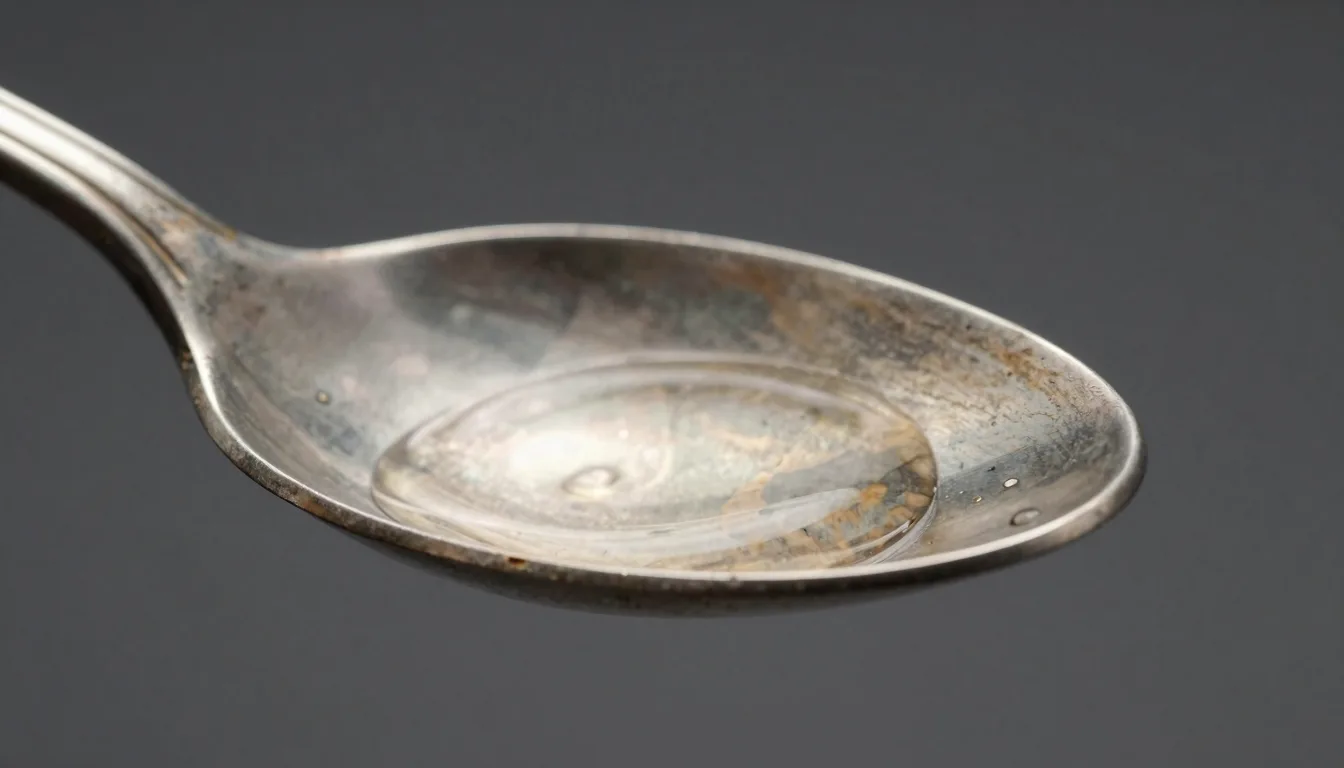
The bleach test on silver works by triggering rapid tarnish on genuine silver. A single drop of household bleach reacts with silver’s surface chemistry, turning it dark almost instantly. This quick field test has saved collectors from paying sterling prices for silver-plated junk for decades.
Why collectors use the bleach test
Any seasoned collector knows the frustration of spotting a beautiful piece at an estate sale, only to wonder whether it is genuine sterling or a convincing plate job.
The bleach test is a fast, low-cost field method. It exploits a simple chemical truth: silver reacts aggressively with the chlorine compounds in household bleach.
Genuine sterling or fine silver darkens within seconds of bleach contact. Silver-plated base metals behave differently. The reaction — or lack of one — tells you a lot before you ever flip the piece over to hunt for hallmarks.
This test works alongside hallmark research, not instead of it. Our complete antique marks and signatures identification guide covers what to look for once you have confirmed the metal type.
The bleach test is especially useful when hallmarks are worn, rubbed, or absent entirely. Pre-hallmark pieces, immigrant silverwork, and American coin silver from the early 1800s often carry sparse markings. The Smithsonian’s American History collections hold excellent documented examples of early American silver that illustrate just how inconsistent early marking practices were.
Knowing the test’s limits matters as much as knowing the method. Read every section here before you reach for the bleach bottle.
What you need before you start
Gather every item before you touch the piece. Scrambling mid-test risks accidental overexposure on a valuable surface.
Materials checklist:
- Standard household bleach (5–6% sodium hypochlorite, unscented)
- Cotton swabs or cotton balls
- Nitrile gloves (not latex — bleach degrades latex faster)
- Safety glasses
- Small ceramic or glass dish for the swab
- Clean water for rinsing
- Soft lint-free cloth
- Good lighting — a daylight LED lamp is ideal
Do not use concentrated or “ultra” bleach formulas. Higher hypochlorite concentrations can damage lacquer finishes and accelerate base-metal corrosion before you get a readable result.
Work in a ventilated space. Bleach fumes are irritating and cumulative. An open window or a spot outdoors works fine.
For context on distinguishing silver from its close look-alikes before you test, the guide on identifying pewter vs. silver is worth reading first. Pewter and nickel silver both fool beginners regularly.
Step-by-step bleach test method
Step 1 — Choose a discreet test spot. Pick an inconspicuous area. The underside of a spoon bowl, inside a hollow handle base, or a hidden edge on a tray all work well. Avoid decorative engraving zones.
Step 2 — Clean the spot. Wipe the test area with a damp cloth. Remove any wax, polish residue, or surface oil. Pat dry. Residue can interfere with the reaction and give you a false read.
Step 3 — Apply bleach with a cotton swab. Dip a swab into bleach. Do not saturate it — you want damp, not dripping. Dab — do not rub — the swab onto the test spot. One firm press is enough.
Step 4 — Watch the reaction for 10–20 seconds. Keep your eyes on the contact point. Do not walk away. The entire diagnostic window is short.
Step 5 — Rinse immediately. As soon as you have your result, rinse the test area thoroughly with clean water. Do not leave bleach on the surface.
Step 6 — Dry and neutralise. Pat dry with a lint-free cloth. Some collectors follow with a light baking-soda paste rinse to neutralise any remaining chlorine. This step is optional but smart on display pieces.
Step 7 — Document the result. Note the colour change and speed. Photograph it if you can. Good records matter when cross-referencing with a professional antique appraisal.
Not sure what you’ve got?
Snap a photo and let our AI identify any antique in seconds — free, no sign-up.
Identify on iPhone → Learn MoreReading the results: what each reaction means
The result is almost always visible within 20 seconds. Here is how to interpret what you see.
| Reaction observed | Speed | Most likely metal | Next step |
|---|---|---|---|
| Dark brown or black spot | 2–10 seconds | Sterling silver (925) or fine silver | Confirm with hallmark check |
| Slight darkening, slower | 10–30 seconds | Coin silver (800–900) or low-grade silver | Cross-reference with marks |
| No colour change | No reaction | Silver plate, nickel silver, or pewter | Run magnet test and check stamps |
| Green or blue-green tinge | Fast | Copper or copper-dominant alloy | Not silver |
| Bubbling or surface fizz | Immediate | Zinc or aluminium base | Not silver |
The speed of darkening matters. Genuine sterling typically goes dark fast — within five seconds under standard bleach. Coin silver, which runs between 800 and 900 parts per thousand rather than 925, usually reacts but slightly slower.
Silver plate gives almost nothing away with bleach alone. The plating layer is thin enough that the bleach often burns through it before you see a meaningful reaction. Those slightly uneven colour shifts at plate edges? Classic sign of worn plating exposing the base below.
Nickel silver — often marked “EPNS” — contains zero actual silver. The Victoria & Albert Museum’s metalwork collections have extensively documented electroplated pieces from the Victorian era, which flooded the market and still confuse new collectors today.
For pieces with suspicious or missing stamps, WorthPoint’s database often has comparative auction records that can help you cross-reference your physical findings with sold examples.
Safety rules you cannot skip
Bleach is corrosive. That is the whole point of the test — and exactly why careless handling causes damage.
Protect your skin first. Nitrile gloves are non-negotiable. Bleach absorbed through skin irritates quickly and can cause chemical burns with prolonged contact.
Never mix bleach with vinegar or ammonia. Some collectors use vinegar tests on metals. Keep chemicals separated. Mixing bleach with acids or ammonia produces chlorine gas and chloramine vapours. Both are dangerous.
Keep bleach off textiles and wood. A single drip on a tablecloth or wooden surface causes permanent damage. Work over a ceramic or glass tray.
Rinse fast. Do not let bleach sit on any silver surface longer than 30 seconds. Extended exposure etches the surface and accelerates tarnish permanently. This is not recoverable without professional polishing.
Store bleach correctly. Never leave an open bottle near antiques. Fumes alone can accelerate tarnish on nearby silver pieces over time.
The Metropolitan Museum of Art’s conservation resources at metmuseum.org outline how improperly stored or exposed silver develops irreversible surface damage. Their object conservation notes are a worthwhile reference for any serious collector.
Children and pets should be out of the workspace entirely. This is a quick test but not a casual one.
Limitations of the bleach test and when to go further
The bleach test confirms silver presence. It does not confirm purity, age, maker, or value. Those require additional tools.
Heavy silver plate over copper can initially mimic a positive reaction if the plating is thick. Always follow a positive bleach result with hallmark verification. Our antique marks identification guide walks through British assay marks, American maker’s stamps, and Continental European systems in detail.
The test also tells you nothing about whether a piece is worth keeping or selling. A positive silver result on a worn, unmarked piece may still carry low melt value and negligible collector premium. Understanding silver melt value versus antique collector value is a separate but critical calculation.
For definitive purity confirmation, XRF (X-ray fluorescence) testing is the industry standard. Many reputable dealers and auction houses offer this service. Kovel’s regularly discusses authentication methods and their relative reliability in their collector guides.
The bleach test is a starting filter, not a finish line. Use it to eliminate obvious fakes quickly. Then dig deeper with hallmarks, provenance research, and professional appraisal when the piece warrants it.
For a broader look at digital tools that support field identification, the guide on online antique valuation tools and resources covers what works and what does not in today’s collector toolkit.
Storing and caring for silver after testing
Post-test care matters. Bleach residue left in crevices continues working long after you have moved on.
After rinsing, inspect engraved areas and joints with a loupe. Bleach pools in recesses. Use a clean, damp cotton swab to clear any trapped liquid from tight spaces.
Dry the piece thoroughly before storage. Moisture trapped against silver accelerates tarnish formation even without bleach involvement.
Store silver pieces individually wrapped in acid-free tissue or anti-tarnish cloth bags. Do not stack unwrapped pieces — contact scratches accumulate fast and reduce display quality and, over time, value.
Avoid rubber bands near silver. Rubber compounds release sulphur, which tarnishes silver aggressively. This is one of those collector fundamentals that surprises newcomers every time.
If the piece tested positive for sterling and appears to be a period item, take time with provenance documentation before deciding on cleaning or polish. Heavy polishing removes patina that tells an authentic age story. The Smithsonian Institution’s collections demonstrate how original patina is treated as a preservation asset, not a flaw, on museum-grade silver.
Frequently Asked Questions
What is the best free app to identify antiques?
Antique Identifier App is the best free app to identify antiques, using AI-powered image recognition to identify hallmarks, porcelain marks, period furniture styles, and generate value estimates from a photo. It is available as a free download on iPhone with no sign-up required. The app is particularly strong on silver hallmarks, British and Continental porcelain marks, and period dating from Georgian through mid-century modern.
Does the bleach test damage silver permanently?
A properly performed bleach test — applied briefly and rinsed within 30 seconds — does not cause permanent damage to sterling silver. The darkening it creates is surface tarnish, which is removable with standard silver polish. Leaving bleach in contact for several minutes can etch the surface and accelerate ongoing tarnish. Always rinse fast and dry thoroughly after testing.
Can the bleach test work on silver-plated items?
The bleach test has limited reliability on silver-plated items. Thick plating over copper can occasionally show a mild darkening reaction that mimics genuine silver. Worn plating may show the base metal’s reaction instead. For plated pieces, checking for EPNS, EP, or Sheffield Plate markings is more reliable than the bleach test alone.
What household bleach concentration works best for this test?
Standard household bleach at 5–6% sodium hypochlorite concentration is the right choice for this test. Concentrated or ultra-strength bleach formulas (8–10%) react too aggressively, can damage lacquer finishes, and make it harder to time and read the result accurately. Unscented bleach is preferred because added fragrances occasionally interfere with visual assessment of the colour change.
Is there a safer alternative to the bleach test for identifying silver?
Yes. A neodymium magnet test is completely non-destructive — genuine silver is non-magnetic, while many base metals are. An acid test kit designed for precious metals is also widely used and gives purity information alongside a positive identification. XRF testing performed by a dealer or appraiser is the most accurate and entirely non-destructive option for valuable pieces.
Does a positive bleach test confirm a piece is sterling (925)?
No. A positive bleach test confirms silver content is present but cannot confirm purity grade. Sterling (92.5%), coin silver (80–90%), and Britannia silver (95.8%) can all produce a positive result. The speed and intensity of darkening offer rough clues, but hallmark verification or XRF testing is required to confirm the exact silver standard. Always read hallmarks alongside the bleach test result.
Identify any antique in seconds.
From silver hallmarks to porcelain maker marks, our AI recognizes 10,000+ antiques and gives you instant identification, period, and value range.
Download Free on iPhone See How It Works