Authentic antique marbles are distinguished by pontil marks (rough patches where the glass was cut from the cane), specific handmade patterns like Latticino core swirls or Mica flakes, and evidence of age-appropriate wear. Most valuable examples date from the 1840s to the 1920s and were produced by German glassmakers like Elias Greiner, featuring vibrant, unpolished glass colors not seen in modern machine-made replicas.
*
Imagine you are digging through a dusty mason jar at an estate sale in Ohio, surrounded by common “cat’s eyes” from the 1950s. Suddenly, your fingers brush against something different—a heavy, slightly irregular glass orb with a complex, suspended sulfide figure inside. You might have just found a piece worth hundreds, if not thousands, of dollars. But how do you tell the treasure from the toy box filler?
A close-up macro shot of a handmade antique German swirl marble showing the pontil mark on one end and complex colored bands
How can I tell if my marble is handmade or machine-made?
This is the first question every collector must answer. The primary distinction lies in the pontil mark.
Handmade antique marbles were crafted individually from glass canes. When the marble was cut from the rod, it left a rough spot.
Ground Pontil: The artisan ground the rough spot down, leaving a faceted or slightly rough patch.
Melted Pontil: The spot was reheated to smooth it out, leaving a small swirl or “eye.”
Machine-made marbles, mass-produced after World War I, generally lack these pontils. They often exhibit “orange peel” texture or tiny crescent-shaped roll marks, but never the distinct cut mark of a handmade piece.
Pro Tip: Run your fingernail over the surface. If it catches on a rough patch at the pole of the marble, you are likely holding a handmade antique.
What are the most valuable antique marble materials?
While glass is common, rare materials command high fair market value.
Lutz Marbles These are the holy grail for many. Produced in Germany (1800s-1914), they contain finely ground goldstone (copper flecks) that glitter within the glass bands. A pristine Lutz with clear bands can fetch high auction estimates.
Sulphides These large marbles feature a silvery figure (animal, numeral, or bust) encased in clear glass. The figure is actually made of a ceramic paste that looks like silver mercury. High-quality Sulphides with no air bubbles are prime candidates for a high appraisal.
Clambroths & Indians
Clambroths: Opaque glass with evenly spaced swirls.
Indians: Black opaque glass with colored bands.
Red and yellow color combinations on black glass are particularly sought after in the collector market.
Identifying these marks manually can take hours and requires a trained eye for subtle glass variations. Using the Antique Identifier app, you can simply take a photo and get an instant result, helping you distinguish a $500 Lutz from a $5 reproduction.
A side-by-side comparison of a glittering Lutz marble with goldstone bands versus a dull modern machine-made swirl
How do condition and damage affect marble value?
In the world of marbles, condition report is everything. Because they were toys used in playgrounds, finding mint-condition antiques is incredibly rare.
Grading usually follows a scale:
Mint: No visible hits, original surface sheen.
Near Mint: Tiny moon-shaped impact marks (subsurface moons), but still smooth.
Good: Obvious chips or deep pits.
A rare Onion Skin marble in Mint condition might sell for $800. The same marble in “Good” condition with heavy pitting might only bring $50.
Restoration is controversial. Polishing a marble to remove damage destroys its original surface and usually lowers its investment value. Always check for a “greasy” or overly slick feel, which indicates a marble has been buffed or polished.
A diagram showing marble grading conditions, highlighting ‘subsurface moons’ and ‘flea bites’ on a vintage glass surface
Where should I look for rare marbles in the US?
The US market is rich with inventory because marbles were the definitive childhood toy of the early 20th century.
Estate Sales: Look in sewing boxes, tool chests, or jars of buttons. Marbles often end up in “junk” drawers.
Thrift Stores: Check the bags of mixed toys. Sometimes a handmade German swirl is hiding in a bag of 1980s Clearies.
Auctions: Specialized auction houses like Morphy Auctions often handle high-end collections where provenance (history of ownership) is established.
Be wary of forgery detection. Modern glass artists create stunning “contemporary handmade” marbles. While beautiful, they are not antiques. If a seller claims a marble is 100 years old but it looks brand new with zero wear, be skeptical.
The market for high-quality antique marbles remains robust. As with many antiques, the middle market (common, damaged items) has softened, but the replacement value for top-tier examples—like a large, multi-colored End of Day marble or a complex Guineas—continues to rise.
Collectors are increasingly focused on attribution to specific glass houses or artists. Knowing the difference between a Christensen Agate Company swirl and a common Akro Agate corkscrew can mean the difference between a $10 find and a $300 gem.
Keep your eyes peeled, carry a loupe, and trust the glass.
A true first edition is primarily identified by matching the date on the title page with the date on the copyright page, ensuring no later printing years are listed. Look for a complete number line (e.g., “1 2 3 4 5 6 7 8 9 10”) or a specific “First Edition” statement. The presence of the original dust jacket with an unclipped price is critical for value.
*
Imagine you are at a crowded estate sale in upstate New York. You push past a box of rusty tools and spot a hardcover copy of The Catcher in the Rye sitting innocuously on a shelf. The cover looks right. The smell of old paper hits you.
Your heart starts racing. Is this a $20 reading copy, or a $5,000 treasure?
In the collector market, the difference between a fortune and a donation bin often comes down to a single millimeter of ink or a missing line of text. I have appraised thousands of libraries over my 20-year career, and I can tell you: details matter.
Here is how to determine if you are holding history in your hands.
What Does “First Edition” Actually Mean?
Technically, all copies printed from the first setting of type are the first edition. However, collectors are looking for the First Impression or First Printing of that first edition.
Publishers often print a batch, sell them, and then print more without changing the type setting. A “second printing” is still technically a first edition text, but it holds a fraction of the fair market value.
Close-up photo of a book’s copyright page showing the words “First Published” and the corresponding year, contrasting with a page listing “Second Impression”
How Do I Decode the Number Line?
The quickest way to check a modern book (post-1940s) is the number line found on the copyright page. This is usually a string of numbers like:
`10 9 8 7 6 5 4 3 2 1`
If the “1” is present, it is a first printing. If the “1” is missing (e.g., `10 9 8 7 6 5 4 3 2`), it is a second printing.
Pro Tips for Number Lines:
Random Order: Some publishers (like Random House) alternated numbers: `2 4 6 8 9 7 5 3`. As long as the lowest number is there, check the year.
The Random House Exception: For decades, Random House stated “First Edition” but started their number line at 2 (e.g., `First Edition 2 4 6 8…`). If the words “First Edition” are missing and the line starts at 2, it is a second printing.
Letter Lines: Older books sometimes used letters (A, B, C, D) instead of numbers. An “A” usually indicates the first printing.
Identifying these marks manually can take hours, especially with obscure publishers. Using the Antique Identifier app, you can simply take a photo of the title page and get an instant result.
Where Should I Look for Points of Issue?
Often, the copyright page lies. Publishers make mistakes. To ensure authentication, you must look for “points of issue.”
These are specific typos or errors that were corrected in later printings.
For example, in the first state of The Great Gatsby, the word “sick in tired” appears on page 205. It was later corrected to “sick and tired.” If your copy has the typo, the attribution is confirmed as a first state.
This level of scrutiny is similar to checking symbols on silver. If you are also hunting for metalware, you might find our guide on The “Maker’s Mark” on Furniture: Where to Look and What It Means helpful for understanding how identification symbols work across different categories.
Macro photography shot of a specific typo on a yellowed book page, with a magnifying glass highlighting the error
How Can I Spot a Book Club Edition (BCE)?
This is the most common heartbreak I see as an antique dealer. Book Club Editions (BCEs) were cheap reprints sold by mail order. They have almost no resale value compared to trade editions.
Red Flags for BCEs:
No Price: The dust jacket flap is blank or clipped (though sometimes a clip just means a gift).
Blind Stamp: Look at the back cover of the hardboard (under the jacket). Is there a small indented dot, square, or maple leaf near the spine? That is a BCE mark.
Paper Quality: BCE paper is thinner and cheaper. The book will feel lighter than a trade edition.
A side-by-side comparison of a book’s back cover; one is smooth, the other features a small indented “blind stamp” near the bottom corner
Does the Dust Jacket Affect Value?
Ideally, you want a jacket in pristine condition. For modern first editions (post-1920), the dust jacket can account for up to 80% of the book’s value.
A condition report is essential here. Rips, fading, or “chipping” (small pieces missing from the edges) drastically lower the auction estimate.
Be wary of restoration. Unscrupulous sellers sometimes “marry” a first edition book with a dust jacket from a later printing. Always check that the price on the jacket matches the bibliography for the first edition.
What Is the Difference Between Appraisal and Selling Price?
When we talk about value, we must distinguish between replacement value (insurance purposes) and what you can get cash-in-hand.
An estate sale might price a book at $50 based on a quick eBay search. However, an auction house might sell that same book for $300 if the provenance (history of ownership) is strong—for example, if it was owned by a known author.
Conversely, a book might be listed online for $1,000, but if it has library stamps or broken hinges, a dealer might only offer you $50 because the cost of conservation would exceed the profit.
A vintage book with a “Library Discard” stamp on the inside cover, illustrating a major flaw that affects value
Book collecting is a game of details. Don’t let a missing number line or a clipped dust jacket cost you hundreds of dollars. Always check the copyright page first, verify the condition, and when in doubt, get a second opinion.
Authentic antique quilts are primarily identified by hand stitching (look for slightly uneven stitches, ideally 8-10 per inch), the presence of cotton seeds in the batting (common in pre-1900 pieces), and specific historical dyes like Turkey Red or Double Pink (popular 1880-1910). High-value examples often feature intricate Baltimore Album or Crazy Quilt patterns, while synthetic polyester batting or invisible nylon thread indicates a post-1960 origin.
Imagine you are at a dusty estate sale in rural Pennsylvania, digging through a cedar chest. You pull out a heavy, colorful textile that smells faintly of lavender and old wood.
The colors are vibrant, but the fabric feels fragile. Is this a priceless 19th-century heirloom worth thousands at a specialized auction, or a well-made 1980s reproduction?
The difference between a $50 thrift store find and a $5,000 museum-quality piece often comes down to a few tiny stitches and the feel of the batting against your fingertips.
How can I tell if my quilt is hand-stitched or machine-made?
The first step in any authentication process is examining the stitching. This is the “fingerprint” of the maker.
Hold the quilt up to good light. Hand quilting stitches will not be perfectly uniform. You are looking for a “rocking” stitch where the thread length on the top and bottom of the quilt is slightly different.
A split-screen close-up comparison. Left side shows slightly irregular hand stitches with small gaps. Right side shows perfectly uniform, continuous machine stitching.
If the stitches are perfectly even, continuous, and look identical on both sides, it is likely machine-made. While the sewing machine was invented in 1846, most high-value quilts prior to 1900 were still quilted by hand.
Identifying these marks manually can take hours. Using the Antique Identifier app, you can simply take a photo and get an instant result.
What fabrics determine the age of an antique quilt?
The fabric used is the most reliable method for dating.
Pre-1860 quilts often used natural dyes like indigo (blue) and madder root (red). If you see a bright, chemically sharp “poison green” or a vivid “cheddar orange,” you are likely looking at aniline dyes, which became available around 1875.
Another key indicator is the batting. Hold the quilt up to a light source. If you see small, dark specks inside the layers, those are cotton seeds.
A backlit photo of a white quilt section, revealing small dark specks (cotton seeds) trapped inside the batting layer.
Ginned cotton containing seeds was common in batting before modern mechanical cleaning processes became standard around the turn of the 20th century.
Which quilt patterns are the most valuable in 2026?
Market trends shift, but certain patterns maintain a high fair market value due to their complexity and historical significance.
Baltimore Album Quilts (circa 1840-1850) are the gold standard. These feature elaborate appliqué blocks, often signed or inked with verses. A genuine one with good provenance can fetch five or six figures.
Crazy Quilts (circa 1880s) are made of irregular shapes of silk, velvet, and satin, often embellished with embroidery. However, silk is prone to “shattering” (disintegrating). A condition report noting shattered silk will significantly lower the auction estimate.
A vibrant Victorian Crazy Quilt featuring velvet patches, irregular shapes, and detailed embroidery stitches like feather stitching.
Amish and Mennonite Quilts are highly sought after by modern art collectors for their bold, geometric designs and solid colors. Be careful—these are frequently forged.
How do I spot a modern reproduction or fake?
Forgery detection in quilts often comes down to materials that shouldn’t exist in an antique.
Check for polyester batting. If the quilt feels “slippery” or overly puffy, pinch the layers. If the fibers try to poke through the fabric (a process called “bearding”), it is likely synthetic batting used after 1960.
Look at the binding (the edge). In antique quilts, the binding was usually a separate strip of fabric sewn on by hand. If the back fabric is just folded over to the front and machine-stitched down, it is likely a modern method.
Macro shot of quilt binding. Show a hand-stitched separate binding strip versus a machine-stitched “fold over” edge.
What factors affect the appraisal price?
An appraisal is not just about age; it is about condition and history.
Attribution is rare but valuable. If you have a photo of the maker with the quilt, or a diary entry mentioning it, the value skyrockets.
However, condition issues like “brown rot” (caused by iron mordants in old dyes eating the fabric) or heavy stains are major red flags. Restoration is possible, but extensive repairs can reduce the value for purist collectors.
Never wash a quilt before getting a professional opinion. Standard detergent can destroy 150-year-old fibers, turning a replacement value of $2,000 into $0 in a single wash cycle.
Antique perfume bottles can be identified by examining the stoppers (which should be ground to fit the specific bottle), looking for pontil marks on the base of blown glass examples, and checking for acid-etched or molded signatures from makers like Lalique, Baccarat, or Steuben. Commercial bottles from the 19th and early 20th centuries often feature embossed brand names, while Art Deco examples showcase geometric shapes and frosted finishes.
Imagine you are at a dusty estate sale in Connecticut, rummaging through a vanity drawer. Your fingers brush against cool, heavy glass—a small, stoppered vessel that catches the morning light with a brilliant fire. Is it a mass-produced dime store find from the 1950s, or a lost masterpiece worth thousands? The difference between a $5 knick-knack and a fair market value of $500 often comes down to knowing exactly what to look for.
A close-up comparison photo of an antique blown glass perfume bottle base with a rough pontil mark versus a modern pressed glass bottle with a smooth bottom
How can I determine if my perfume bottle is blown or pressed glass?
This is the first step in authentication. Blown glass is generally older and more valuable than pressed glass, though there are exceptions.
Hold the bottle up to the light. Blown glass will often have tiny, trapped air bubbles and a smooth, fluid surface. Most importantly, look at the bottom. If the bottle was hand-blown, you will usually find a pontil mark—a rough scar or a polished indentation where the glassblower broke the rod from the vessel.
Pressed glass, created by pressing molten glass into a mold, will have seams. Look carefully down the sides of the bottle. If you see a faint, raised line running from the lip to the base, it was likely machine-made. This technique became common after the 1820s and dominated the commercial market by the early 1900s.
Identifying these marks manually can take hours. Using the Antique Identifier app, you can simply take a photo and get an instant result.
Who are the most valuable makers of antique perfume bottles?
If you spot a signature, your heart should skip a beat. In the world of appraisal, provenance and attribution are everything.
Rene Lalique is the gold standard. His Art Nouveau and Art Deco bottles, often featuring frosted glass (demi-cristal) and intricate relief molding of nudes, flowers, or insects, command high auction estimates. A genuine Lalique signature is usually etched into the base, often simply “R. Lalique France.”
A photo of a Rene Lalique ‘Eucalyptus’ perfume bottle focusing on the frosted glass texture and the specific ‘R. Lalique’ signature on the bottom
Baccarat produced bottles for many high-end perfumers, including Guerlain. Their crystal is heavy, flawless, and reflects light beautifully. Look for their circular acid-etched mark, which became standard in 1936.
Steuben and Tiffany & Co. represent the pinnacle of American art glass. Steuben’s “Aurene” glass has an iridescent finish, similar to carnival glass but of vastly superior quality.
What should I look for regarding the stopper?
The stopper is critical for both condition reports and dating. In the 18th and 19th centuries, bottles and stoppers were ground to fit each other perfectly. They were not interchangeable.
Check the bottom of the stopper and the inside of the bottle neck. Do you see tiny scratches or a frosted appearance? This indicates “ground” glass, a sign of quality age.
A major red flag in forgery detection is a loose stopper or one that looks too clean for the age of the bottle. “Marriages”—placing a random antique stopper on a different antique bottle—drastically reduce the collector market value.
A macro shot showing the ‘ground’ neck of an antique bottle and the matching wear on the stopper dowel
How do commercial bottles differ from art glass?
Not all valuable bottles were sold empty. Commercial bottles were sold with perfume inside, while art glass bottles were sold empty (atomizers or stoppered vessels) for women to decant their favorite scents into.
Commercial bottles from the Victorian era through the 1920s can still be highly collectible, especially if the paper label is intact. Brands like California Perfume Company (which became Avon) or early Coty bottles have a dedicated following.
However, art glass pieces by makers like Loetz (Austria) or Galle (France) are valued as sculpture. A Loetz bottle might feature an iridescent “oil spot” surface, while Galle is famous for cameo glass—layers of glass etched away to create a design. This requires careful conservation; harsh cleaning can destroy the finish.
What is the difference between cut glass and crystal bottles?
Cut glass had its “Brilliant Period” in America from 1876 to 1917. These bottles are incredibly sharp to the touch. The design was physically cut into the glass by a wheel.
Authentic American Brilliant Cut Glass (ABCG) is heavy because of the high lead content. When tapped gently, it should ring like a bell.
Unlike depression glass, which was cheaply mass-produced during the 1930s, true cut glass was a luxury item. If the edges of the pattern feel smooth or rounded, it is likely molded (pressed) to look like cut glass, significantly lowering the replacement value.
A side-by-side photo showing the sharp, prismatic edges of American Brilliant Cut Glass versus the rounded, soft edges of a pressed glass imitation
Whether you’ve found a delicate blown glass vial or a heavy geometric Art Deco piece, identifying antique perfume bottles requires a keen eye for detail. From checking the grind of the stopper to hunting for faint signatures, every clue adds to the story—and the value. Don’t let a rare find slip through your fingers at the next estate sale.
Genuine mercury mirrors, made before roughly 1900, are identified by three physical signatures: a warm gray or brownish reflective tone caused by actual tin-mercury amalgam, uneven foxing or dark spotting at the edges where the amalgam has oxidized, and slight image distortion from hand-rolled glass of inconsistent thickness. Modern silvered mirrors show a crisp, blue-white reflection with no warm cast and almost never fox at the edges.
AS
Arthur Sterling
Antique Identifier Editorial · April 21, 2026
What creates the “Mercury” look in antique mirrors?
Before the chemical silvering process was invented by Justus von Liebig in 1835, mirrors were created using a toxic method involving a tin-mercury amalgam.
Artisans would lay a sheet of tin foil on a table, flood it with liquid mercury, and slide a glass plate over it. The result was a highly reflective, durable bond.
Because the mercury remains somewhat unstable over centuries, it eventually separates from the tin. This creates a distinct visual effect known to experts as “sparkle” or “blooming.”
Close-up macro shot of the bottom edge of an antique mirror showing ‘sparkling’ granular degradation where the mercury has pooled and separated from the tin, distinctly different from black flaking.
It looks significantly different from the flat black desilvering found on mirrors made after 1850. If you see this crystallization, you are likely looking at a piece with significant provenance.
How can I distinguish a mercury mirror from a silvered one?
The quickest way to start your authentication process is the “Color Test.”
Modern silver nitrate mirrors (post-1850) reflect light with a harsh, cold, or yellow-white clarity.
A true mercury mirror has a soft, silvery-blue hue. It feels atmospheric, almost like looking into a pool of water rather than a high-definition screen.
Next, check for the “Paper Test.” Place the tip of a pencil or your fingernail against the glass surface.
Mercury Mirror: The reflection will appear to touch your actual fingernail directly. The silvering is on the back, but the glass is often thinner in very old plates, or the refraction index is different.
Modern Mirror: You will usually see a distinct gap between your nail and its reflection due to the thickness of the glass.
Identifying these marks manually can take hours, especially in a crowded shop. Using the Antique Identifier app, you can simply take a photo and get an instant result to help determine if that “damage” is actually a sign of value.
What physical clues indicate the glass was handmade?
Antique mirror glass was not floated on tin like modern glass. It was either cast on a table or blown into a cylinder and flattened (similar to how blown glass windowpanes were made).
This results in a surface that is not perfectly flat.
Stand back and look at the reflection of a straight line (like a doorframe) in the mirror. In a pre-1850 mirror, the line will likely ripple or distort as you move your head.
A side-angle photo of an antique mirror reflecting a straight window frame, demonstrating the ‘wavy’ distortion and ripples inherent in hand-cast or cylinder glass.
You should also examine the bevels. On cut glass or antique mirrors, bevels were ground by hand.
Pro Tips for Bevels:
They will be wide and shallow (often over an inch wide).
They may feel slightly uneven to the touch.
They follow the waviness of the glass, rather than being machine-straight.
Not sure what you’ve got?
Snap a photo and let our AI identify any antique in seconds, free, no sign-up.
An attribution of value relies heavily on the frame. A mercury glass plate in a modern reproduction frame destroys the fair market value.
Check the back of the mirror. You should never see brown kraft paper (a sign of 20th-century framing) or Phillips-head screws.
Photo of the back of an antique mirror showing hand-planed wood backboards, darkened with oxidation (patina), held in place by iron glazier points or wedge blocks.
Look for hand-planed backboards made of pine or oak. The wood should be dark with oxidation (patina). If the wood looks like fresh lumber, be wary.
The collector market is flooded with fakes. “Antiqued” mirrors are popular in interior design, but they are worthless to an appraiser.
Watch out for:
Uniform Spotting: If the “aging” looks like a perfectly repeated pattern of black dots, it is acid-treated modern glass.
Perfect Clarity: If the glass has no bubbles, seeds (tiny debris), or striations, it is likely modern float glass.
Wrong Weight: Mercury mirrors are incredibly heavy. If you lift a small mirror and it feels light, it is likely standard silvered glass.
Split image comparison. Left: Acid-treated modern ‘antique’ mirror with uniform black speckles. Right: Genuine mercury mirror with organic, irregular pools of crystallization.
This is where novice collectors get confused. In the world of conservation and appraisal, condition is relative.
For depression glass or carnival glass, chips and cracks devastate the value. However, for mercury mirrors, the degradation of the silvering is accepted, and even desired, as proof of age.
A condition report that notes “loss of silvering” on a mercury mirror does not ruin its value, provided the reflection is still roughly 70-80% visible.
However, cracked glass is a dealbreaker. Because the manufacturing process is extinct, you cannot get a replacement value for the glass itself. You can only replace it with modern antique-style glass, which destroys the piece’s integrity.
A high-value Chippendale-style mirror with mercury glass, showing about 15% silvering loss at the bottom but a pristine frame, illustrating acceptable condition for high value.
What is the market value of mercury mirrors in 2026?
The auction estimate for these pieces varies wildly based on size and frame style.
Small, unadorned shaving mirrors might fetch $150, $300 at an auction house.
However, large pier mirrors or ornate overmantel mirrors in original giltwood frames can easily command $2, 000 to $10, 000+ depending on the complexity of the carving and the clarity of the remaining mercury plate.
Keep an eye out for forgery detection, a high price tag doesn’t guarantee authenticity. Always look for the sparkle.
After thirty-plus years of handling these pieces, my shortcut never changes: warm tone, edge foxing, wavy glass, and an ugly back. All four together and you almost certainly have a pre-1900 mercury amalgam mirror. Miss even one of those signals and you start questioning everything else. The frame can be period-accurate and still be married to a reproduction plate, and a replacement plate destroys most of the value. Trust the surface, trust the backing, and never let a gorgeous frame talk you into skipping the basics.
Frequently Asked Questions
How do I know if my old mirror actually has mercury in it?
The clearest test is color temperature. Hold a white card behind a flashlight and shine it at a low angle across the reflective surface. A mercury amalgam mirror throws a warm, slightly brownish or gray tone, never the cold blue-white of modern silver nitrate coating. You can also press a fingertip lightly to the glass surface. On a front-silvered modern mirror your fingertip reflection touches your actual finger. On an antique mirror with glass in front of the backing, there is a small gap between the two, which confirms the older construction.
Is a mirror with lots of dark spots and foxing worth less money?
Not automatically. Moderate foxing at the perimeter is considered honest age on a pre-1900 piece and most serious collectors expect it. What kills value is replacement glass, a re-silvered surface, or amateur attempts to arrest the foxing with chemical treatments that leave tide marks or altered color. A mirror with original, lightly foxed mercury backing and a solid period frame is worth considerably more than the same frame fitted with a bright modern replacement plate, even if the replacement looks cleaner.
Can you tell the age of a mirror just by looking at the back?
The back tells you a great deal. Pre-1900 mercury mirrors typically have a rough, dark gray or matte black backing, sometimes with visible streaks where the tin-mercury amalgam was poured. The wooden backing board, when present, should show oxidized, uneven grain with no machine-cut uniformity. After about 1940 you start seeing foil-like, bright metallic coatings applied by spray or vacuum deposition. A backing that looks like polished aluminum foil is almost certainly modern. Cross-reference the backing evidence with the frame construction before drawing a final conclusion.
What mirror frame styles are associated with mercury glass mirrors?
Mercury mirrors predate 1900 by definition, so the frames you encounter are primarily Baroque, Rococo Revival, American Empire, Victorian Eastlake, and Gilded Age gilt gesso. Ornate carved and gilded frames with cartouche crests were peak fashion from about 1820 to 1890. Simpler Federal-style frames with ebonized or mahogany veneer came earlier, roughly 1800 to 1840. If the frame style is Arts and Crafts or Art Nouveau, the mirror plate may still be original mercury amalgam from the 1890s or early 1900s, but verify the backing to be sure.
Do reproduction mercury mirrors exist and how do I spot them?
Yes, reproductions have been made since the 1970s, and the category picked up speed in the 2000s when distressed mirror became a decorating trend. Telltale signs include foxing that is perfectly symmetrical or concentrated only at the corners, which is how manufacturers artificially age a surface. The glass on a reproduction is usually perfectly flat and uniform in thickness. Genuine antique glass has subtle waves and thickness variations visible when you view the reflection of a straight line across the surface at a low angle. New frames that have been dry-brushed or chemically antiqued often show uniform distress with no logic to the wear pattern.
How much is a genuine mercury mirror worth at auction in 2026?
Condition, frame quality, and size drive the range considerably. Small Federal or Empire examples in fair condition sell in the 150 to 400 dollar range at regional auctions. A well-preserved Victorian gilt gesso overmantel mirror with original mercury plate and no structural repairs typically brings 800 to 2, 500 dollars. Exceptional examples, such as a documented American or European court mirror with carved frame, gilded with water gilding rather than oil, can reach 5, 000 to 15, 000 dollars or more. Replaced or re-silvered glass cuts the estimate by 30 to 50 percent compared to an equivalent piece with original backing.
Identify any antique in seconds.
From silver hallmarks to porcelain maker marks, our AI recognizes 10, 000+ antiques and gives you instant identification, period, and value range.
Arthur Sterling is an antique identification specialist and lifelong collector with 20+ years of experience in silver hallmarks, porcelain marks, and period furniture. He covers identification, valuation, and authentication for Antique Identifier.
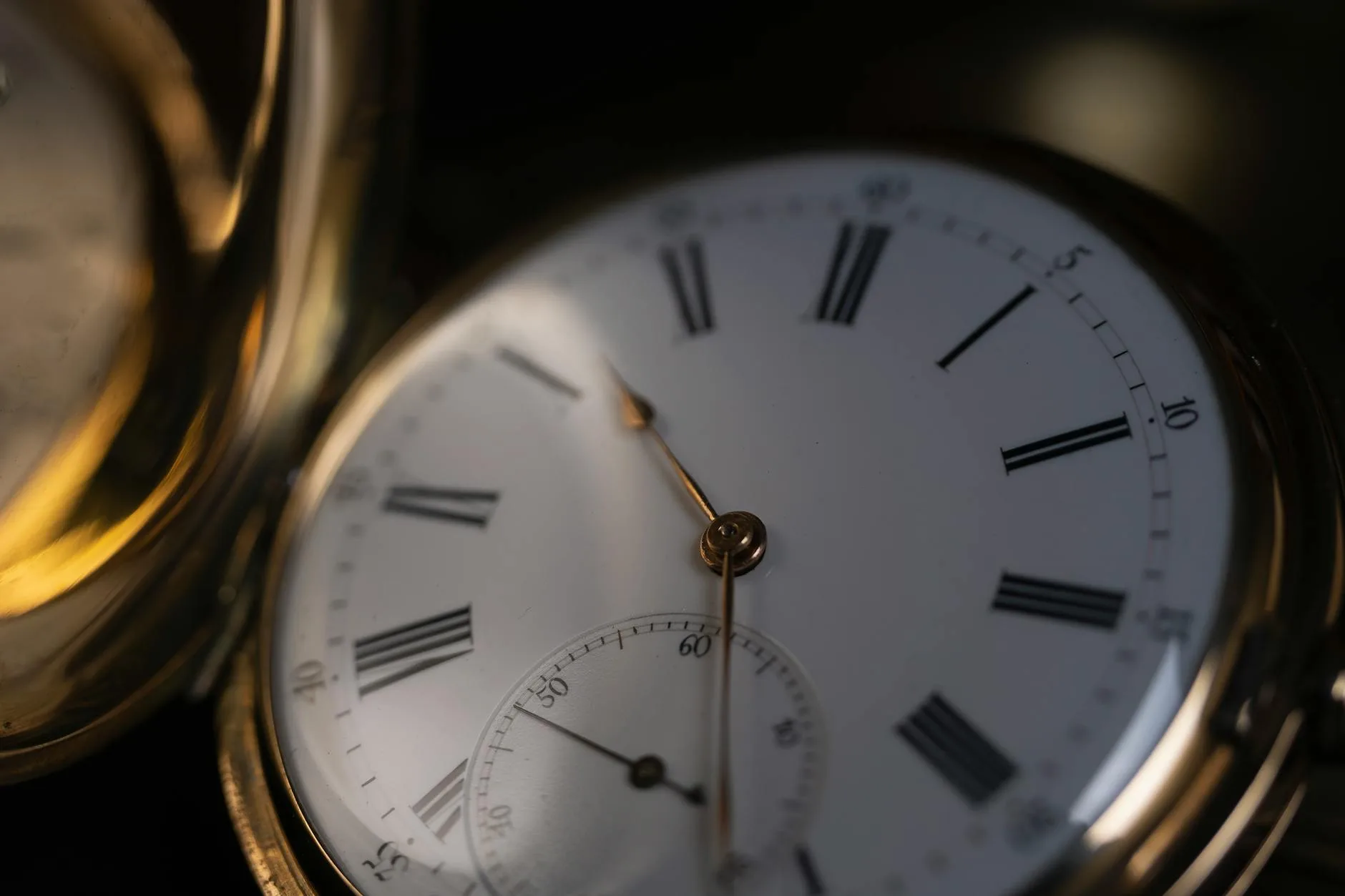
Authentic antique clocks are best identified by inspecting the movement’s backplate rather than just the dial, which often bears a retailer’s name instead of the maker. Look for stamped trademarks from major US manufacturers like Seth Thomas or Ansonia alongside patent dates pre-1920. While mantel clocks typically rely on spring-driven mechanisms, genuine wall clocks often feature weight-driven movements and solid wood cases made of walnut, oak, or mahogany.
*
Imagine you are at a dusty estate sale in rural Pennsylvania. You spot a beautiful wooden clock sitting on a high shelf. It looks old—the varnish is crackled, and the glass door has that distinct waviness of age. But is it a valuable 19th-century original or a convincing 1970s reproduction?
For over 20 years, I’ve walked into homes and auctions asking that exact question. The difference in fair market value between a genuine Seth Thomas mantel clock and a mass-produced vintage copy can be hundreds, sometimes thousands of dollars.
The secret to accurate attribution isn’t just looking at the face; it’s knowing exactly where to look for the hidden signatures that tell the clock’s true history.
How do I find the authentic maker’s mark on my antique clock?
The first mistake most beginners make is trusting the name on the dial. In the 19th and early 20th centuries, local jewelers often printed their own names on the paper or metal dials of clocks they sold. This makes the dial unreliable for authentication.
To find the true maker, you need to look at the movement (the gears inside).
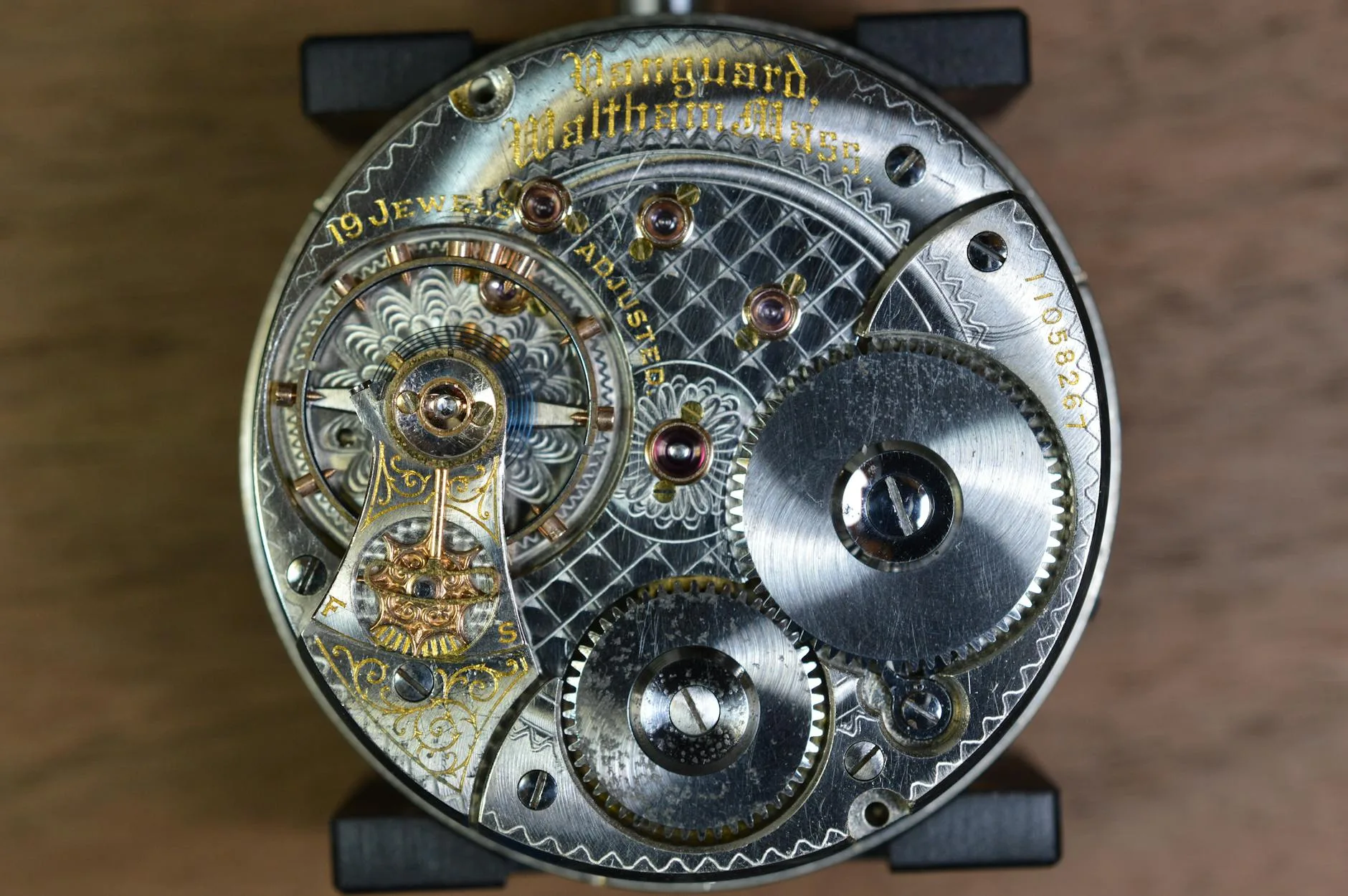
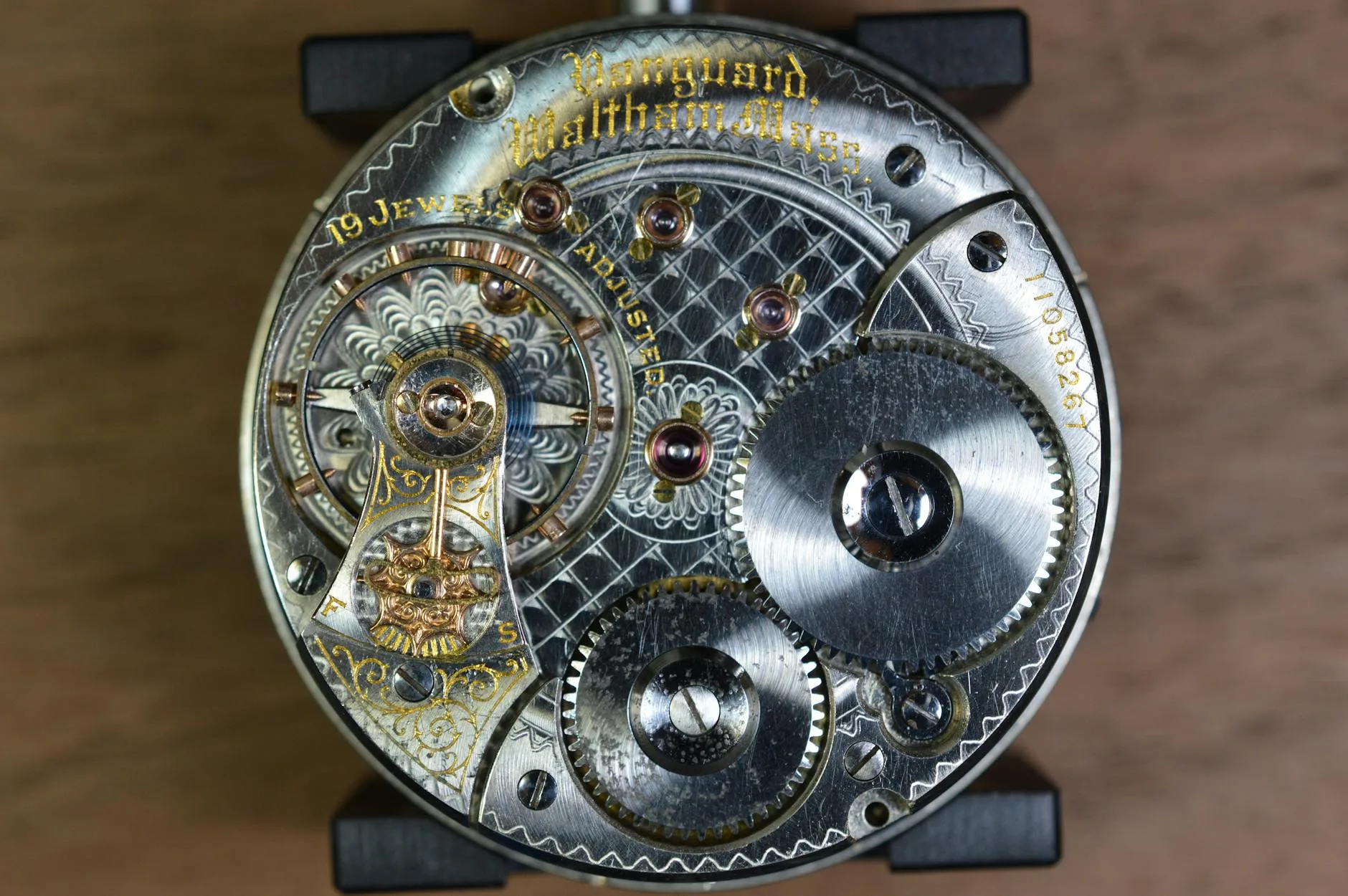
Carefully open the back door of the clock. You are looking for a brass plate that holds the gears together. On high-quality antique clocks, this backplate serves as the movement’s “birth certificate.”
A close-up macro shot of a brass clock movement backplate showing a stamped “Ansonia Clock Co. New York” logo and a patent date of 1882
Look for a stamped logo or name. Common American makers you’ll find in US thrift stores include Waterbury, Ingraham, Sessions, and Gilbert.
If you see “Made in China” or a battery compartment, you are looking at a modern piece with little to no collector market value.
What are the mechanical differences between mantel and wall clocks?
The mechanism itself often dictates the form factor.
Mantel Clocks are designed to sit on a shelf or fireplace mantel. Because they need to be portable, they almost always use a spring-driven movement. You will see two winding arbors (holes) on the face—one for the time, one for the strike.
Wall Clocks, specifically high-end regulators, often use weight-driven movements. These are generally more accurate and desirable. If you see heavy brass or iron weights hanging inside the case, check the condition report carefully. The chains or cables holding these weights are prone to breaking over time.
Identifying these marks manually can take hours, especially if the brass is tarnished or the stamp is faint. Using the Antique Identifier app, you can simply take a photo and get an instant result.
How can I tell if my Seth Thomas or Ansonia clock is real?
Seth Thomas is the gold standard for American clocks. A genuine antique Seth Thomas will typically have the date code stamped on the bottom of the case or the back of the movement.
They used a distinct code: the year backward, followed by a letter for the month (A=January, L=December). For example, “1882 A” would mean January 1881.
A photo of the bottom of a wooden clock case showing a faint ink stamp reading “1882 A” to illustrate the Seth Thomas date code system
For Ansonia clocks, look for the “A” within a square or a diamond on the movement.
When assessing provenance, check for a paper label glued to the inside or back of the case. These labels often provide the specific model name (like “Kitchen” or “Parlor” clocks) which is crucial for determining the auction estimate.
If the label is missing, don’t worry. The metal stamps on the movement are far more important for establishing replacement value for insurance purposes.
What are the red flags of a fake or reproduction clock?
The antique market is flooded with reproductions, particularly from the 1970s and 80s.
First, check the case construction. A true antique from the 1800s will be made of solid woods or high-quality veneers over pine. If you see particle board or plywood on the back panel, it is not an antique.
A side-by-side comparison showing the raw edge of solid walnut wood versus the layered edge of plywood to help identify modern reproductions
Second, look at the hardware. Antique screws are essentially handmade and the slots may not be perfectly centered. Modern Phillips-head screws are a dead giveaway of a later repair or a modern reproduction.
Be wary of “marriages.” This is a term used in forgery detection where a vintage movement is placed into an older case, or vice versa. If the movement doesn’t fit the mounting blocks perfectly, or if there are extra screw holes that don’t make sense, it has likely been tampered with. This significantly lowers the value.
This type of forensic metal inspection is similar to what we cover in our guide on Decoding British Silver Hallmarks, where small stamped symbols tell the entire history of the piece.
Should I restore my antique clock or leave it original?
This is the most common question I get. In the world of conservation, less is usually more.
Cleaning the case with gentle products is usually fine. However, refinishing the wood or repainting the dial can destroy the value. Collectors want to see the original patina.
A photo of an antique clock dial with slightly faded numbers and minor chipping, labeled “Original Condition – High Value” vs a bright white repainted dial labeled “Restored – Lower Value”
If the movement isn’t running, do not spray it with WD-40. This gum up the gears and requires a professional appraisal and overhaul to fix. A non-working clock with an original finish is worth more than a working clock that has been stripped and polyurethaned.
Always consult an antique dealer before attempting any major repairs.
Identifying antique mantel and wall clocks requires looking past the pretty face and examining the engineering inside. By checking the backplate for maker’s marks, verifying the case materials, and understanding the mechanism, you can confidently separate a masterpiece from a reproduction. Keep your eyes open at the next sale—you never know when a dusty relic might turn out to be a hidden treasure.
Authentic antique bisque dolls are primarily identified by incised marks on the back of the neck or shoulder plate, often featuring maker initials (like A.M. or S&H) and mold numbers. Look for pale, matte ceramic skin (bisque) rather than glossy china, and check for a specific country of origin stamp (e.g., “Germany” or “France”) used after 1891.
*
Imagine you are at a crowded estate sale in rural Pennsylvania. You spot a delicate doll with piercing glass eyes sitting on a high shelf. Is it a rare French Jumeau worth thousands, or a mass-produced reproduction from the 1980s?
The secret usually lies hidden beneath her wig.
As an appraiser, I have handled thousands of these fragile treasures. Identification isn’t just about looking at a pretty face; it requires a systematic approach to attribution and material analysis.
What is the difference between Bisque and China dolls?
Before you start hunting for marks, you must confirm the material. This is the first step in any professional condition report.
Bisque dolls are made of unglazed porcelain. They have a matte texture that feels realistic to the touch, similar to human skin. These were highly popular during the “Golden Age” of dolls (1860–1900).
China dolls, conversely, are glazed. They look shiny and feel smooth like a dinner plate. While both are collectible, the identification markers often differ.
A split image showing a close-up of a matte Bisque doll face on the left versus a shiny, glazed China doll face on the right to demonstrate texture difference
Where can I find the maker’s mark on my antique doll?
If you suspect you have a bisque doll, you need to find the provenance. The maker’s mark is almost always located on the back of the neck or the upper back (shoulder plate).
To find it, you may need to gently lift the wig or the pate (the covering on the head).
Pro Tip: Be extremely careful. Old mohair wigs can be brittle. I recommend using a soft touch to avoid damaging the conservation state of the item. If the wig is glued down tight, do not force it; feel for indentations with your finger instead.
Identifying these marks manually can take hours. Using the Antique Identifier app, you can simply take a photo and get an instant result.
How do I read antique doll mold numbers and symbols?
Once you expose the neck, you will likely see a series of numbers and letters. These are critical for appraisal.
Mold Numbers: These numbers (like 390 or 1079) indicate the specific face shape used by the factory.
Maker’s Initials:
A.M. stands for Armand Marseille (a prolific German maker).
S&H stands for Simon & Halbig.
DEP generally indicates a doll made for the French market (Depose).
A clear macro photograph of the back of an antique doll’s neck showing the incised mark “Armand Marseille Germany 390”
If you see “Germany” or “Made in Germany,” the doll was likely produced after 1891. This is due to the McKinley Tariff Act, which required imports to the US to be marked with their country of origin. This is a key factor in determining the auction estimate.
How can I tell if the body matches the head?
It is common in the collector market to find dolls that are “marriages”—a head from one maker attached to a body from another.
French bebes often have heavy, composition bodies with jointed wrists. German “dolly faced” dolls usually have ball-jointed bodies made of wood or composition.
Check the joints. Are they loose? Is the stringing snappy? Just like when checking furniture construction—similar to the joinery techniques we discuss in our 1800s Dresser Identification Guide—the way a doll is put together tells a story about its age and quality.
A full-body shot of an antique doll lying down, showing the ball-jointed composition body and articulated limbs
Is my antique doll a reproduction or a forgery?
Forgery detection is a necessary skill for any collector. During the 1970s and 80s, hobbyists created millions of porcelain reproductions.
Here are the red flags:
The Mark says “Repro” or has a modern year: Sometimes it is obvious.
Poor Painting: Antique dolls feature hand-painted lashes and brows with fine, consistent strokes. Reproductions often look heavy-handed or pixelated.
Wrong Eye Type: Stationary eyes on a mold number that should have “sleep eyes” (eyes that close when laid flat) can indicate a replacement or fake.
A side-by-side comparison of a finely painted antique doll eye with delicate lashes versus a reproduction doll with heavy, clumsy painted lashes
What determines the fair market value in 2026?
Value is driven by scarcity and condition. A fair market value assessment requires looking for damage.
A “hairline” crack on a bisque face can drop the value by 50% or more. However, a light rub on the cheek or a missing finger is considered minor wear.
Rare French fashion dolls (like Huret or Bru) command the highest prices, often reaching five figures at auction houses. Common German dolly-faced dolls (like the A.M. 390) are more accessible, usually valuing between $100 and $300 depending on their clothing and replacement value.
Identifying antique dolls takes patience and a keen eye for detail. Whether you are browsing a thrift store or inheriting a collection, knowing these marks is your first step toward discovering a hidden gem.
The most profitable estate sale finds share three traits: maker’s marks, material quality, and consistent collector demand. Antique tins with lithographed lids, sterling silver with hallmarks dated before 1950, mid-century modern pieces signed by known manufacturers, cast iron skillets marked Griswold or Wagner, and vintage Pyrex in rare colorways all sell reliably above purchase price. Learn which ten categories to prioritize before you walk through the door.
AS
Arthur Sterling
Antique Identifier Editorial · April 21, 2026
How Can I Identify Valuable Antique Tins?
Antique tins are one of the most overlooked items at estate sales, often hiding in garages or kitchen pantries. Condition is king, but rarity trumps condition. Look for lithographed tins (printed directly on metal) rather than paper labels, which are usually later or less desirable.
High-value categories include:
Tobacco & Cigar Tins: Look for “Lunch Box” style tins with handles.
Oil & Automobilia: Brands like Texaco, Shell, or local defunct oil companies.
Food & Coffee: Graphic appeal matters most here. Bright colors and characters sell.
Pro Tips for Tin Identification:
Check for a maker’s mark on the rim or bottom (e.g., “Ill. Glass Co.”).
Look for “slat” vents or specific patent dates pre-1920.
Avoid tins with barcodes (post-1974) unless they are limited edition sets.
Close-up photo of a vintage ‘Lucky Strike’ tobacco tin showing rust on the bottom but a bright, clean lithographed lid, contrasted with a modern reproduction tin
Identifying these marks manually can take hours, especially when digging through a dimly lit basement. Using the Antique Identifier app, you can simply take a photo and get an instant result, helping you decide whether to buy or pass before someone else grabs it.
Never leave a sale without checking the cutlery drawer. Sterling silver is money in the bank. The key is distinguishing Sterling from Silverplate.
Sterling Silver: Must be marked “925”, “Sterling”, or have British hallmarks (a walking lion). This means it is 92.5% silver. Its value is tied to the current melt price of silver, plus a premium for antique desirability.
Silverplate: Marked “EPNS” (Electro-Plated Nickel Silver), “A1”, or “Triple Plate”. Generally, these have little resale value unless they are very ornate Victorian pieces.
A quick provenance check: If the item feels heavy and warm to the touch, it might be sterling. Silverplate often has a metallic, cold smell or reveals brass/copper underneath where worn.
Macro shot comparing a ‘Sterling’ stamp alongside a ‘Lion Passant’ hallmark versus a ‘IS’ (International Silver) plate mark on the back of a spoon handle
Is Mid-Century Modern Furniture Still Profitable in 2025?
Absolutely. The market for Mid-Century Modern (MCM) has settled, but authentic pieces remain high-value staples. You aren’t just looking for style; you are looking for attribution.
Look for:
Designers: Eames, Saarinen, Wegner, Pearsall.
Materials: Teak, walnut, and rosewood. Avoid particle board.
Construction: Dovetail joints are good; stapled drawers are bad.
A single Adrian Pearsall gondola sofa can fetch $2, 000+, even requiring restoration. Be wary of “MCM style” reproductions from the 90s. Genuine vintage pieces often have paper labels or burned-in marks on the underside.
Not all heavy pans are created equal. The collector market for vintage cast iron is robust, specifically for American-made pieces from the early 20th century.
Griswold: The “cross” logo is the holy grail. A “slant logo” Griswold can be worth hundreds.
Wagner Ware: Look for “Sidney, -O-” markings.
Surface: You want smooth, glass-like interiors. Modern Lodge pans have a pebbly texture; antiques are machined smooth.
If a pan is rusty, don’t worry. Restoration is simple with lye or electrolysis, and it doesn’t hurt the value if done correctly. However, cracks or warping (spin the pan on a flat surface) kill the value immediately.
A stack of three cast iron skillets, highlighting the ‘Griswold’ large block logo on the bottom of the top pan
Why Should I Buy Costume Jewelry at Estate Sales?
You might think “fake” jewelry is worthless, but high-end costume jewelry has a massive following. We aren’t looking for gold here; we are looking for craftsmanship and names.
Top names to scan for:
Trifari: Specifically pieces marked “Pat. Pend.” or with the Crown symbol.
Miriam Haskell: Look for complex, hand-wired beading and filigree backs.
Weiss: Known for high-quality Austrian rhinestones that still sparkle.
Check the clasp. Cheap jewelry has simple ring clasps. Quality vintage pieces often use box clasps or secure safety chains.
What Is the Resale Value of Vintage Pyrex?
Pyrex isn’t just for cooking; it’s a cult collectible. The fair market value depends entirely on the pattern and color.
Pink Daisy & Gooseberry: Highly sought after.
Primary Colors: The classic red, blue, yellow, and green nesting bowls are steady sellers.
Condition Report: Hold the bowl up to the light. If the paint is scratched or faded (dishwasher damage), the value drops by 50-80%.
This connects closely to recognizing quality glass, which we discuss in our guide on identifying depression glass patterns.
A set of vintage Pyrex nesting bowls in the ‘Pink Gooseberry’ pattern, stacked to show the condition of the paint
After thirty years of walking estate sales before the general public gets in, the discipline comes down to this: train your eyes on marks, materials, and maker names before you ever look at the object itself. A cast iron skillet face-down on a shelf, a Pyrex bowl buried in a kitchen box, a silver hallmark hidden under tarnish, these are the finds that pay for the gas and then some. Buy what you can authenticate on the spot, pass on everything else.
Frequently Asked Questions
What antique tins are worth the most money at estate sales?
Lithographed tins from before 1940 with vivid, intact graphics command the highest prices. Look for tobacco tins, talcum powder containers, and holiday cookie tins from makers like Huntley and Palmers or American Tobacco Company. Condition is critical: rust on the lid face kills value fast. A pry-top tin in near-mint condition with full color graphics regularly sells for $40 to $200 depending on subject matter, with rare advertising tins for defunct brands fetching considerably more at auction.
How do I tell sterling silver from silver plate at an estate sale?
Sterling silver is marked 925, STERLING, or carries British hallmarks including a lion passant, date letter, and assay office symbol. Silver plate will often read EPNS (electroplated nickel silver), EPBM, or show no mark at all. Run a magnet over it: sterling is not magnetic. Check wear points like spoon bowls and handle edges for a copper or brass color bleeding through, which confirms plate. A loupe helps enormously for reading faint stampings on flatware shanks and teapot bases.
Is mid-century modern furniture still selling well in 2025?
Yes, authenticated mid-century modern continues to perform well, particularly pieces with maker labels from Herman Miller, Knoll, Heywood-Wakefield, and Lane Furniture. The market has cooled slightly on generic teak credenzas without provenance, but signed or labeled examples hold value firmly. Buyers in 2025 are especially focused on condition of original finish and intact hardware. A Herman Miller Eames lounge chair with intact label and uncracked shells still moves at $1, 500 to $3, 500 depending on colorway and shell condition.
Which cast iron skillets are worth buying at estate sales?
Griswold and Wagner skillets are the top targets. Griswold pieces marked with the large block logo or the Erie, PA designation predate 1957 and carry the strongest collector premiums. Look for a smooth interior cooking surface, which indicates older machined production rather than modern sand-cast roughness. Size matters: #3 and #13 Griswolds are scarcer and command higher prices than the common #8 or #10. Avoid deep pitting, cracks, or warping. A clean Griswold #8 large logo can sell for $80 to $200.
What vintage Pyrex patterns are most valuable?
The Lucky in Love pattern, featuring hearts and four-leaf clovers on a pink background, is consistently the most sought-after, with single casserole dishes selling for $300 to $800. Balloons, Butterprint in turquoise, and the Early American pattern also carry strong premiums. Color matters as much as pattern: pink, turquoise, and orange colorways outsell white and yellow in most markets. Always check for chips along the rim and crazing in the glaze, since condition drops value sharply among serious Pyrex collectors.
Why is costume jewelry worth buying at estate sales for resale?
Signed costume jewelry from makers like Miriam Haskell, Trifari, Weiss, and Schiaparelli resells at multiples of typical estate sale asking prices. The signature is stamped or cast directly into the clasp or finding. Even unsigned pieces with hand-wired beads, book-chain construction, or fur clips from the 1940s and 1950s attract buyers. Condition rules: broken clasps, missing stones, and re-plating attempts all cut value. A signed Miriam Haskell brooch purchased for $15 at a sale can realistically sell for $120 to $400 online.
Identify any antique in seconds.
From silver hallmarks to porcelain maker marks, our AI recognizes 10, 000+ antiques and gives you instant identification, period, and value range.
Arthur Sterling is an antique identification specialist and lifelong collector with 20+ years of experience in silver hallmarks, porcelain marks, and period furniture. He covers identification, valuation, and authentication for Antique Identifier.
Authentic antique bronze statues are characterized by their substantial weight, cool-to-the-touch surface, and crisp casting details without visible mold lines. Key indicators include a natural, multi-layered patina that cannot be scratched off easily, and specific foundry marks or artist signatures stamped—not cast—into the base metal.
*
Imagine you are at a crowded estate sale in rural Pennsylvania. You spot a heavy, dark figure of a horse on a mantelpiece, surrounded by lesser bric-a-brac.
The dealer has priced it at $50. But as you lift it, the sheer density surprises you. Is this a 19th-century French masterpiece worth thousands, or just a clever pot-metal reproduction from the 1970s?
Identifying the difference between a high-value bronze and a cheap “spelter” copy is the most critical skill for any collector market participant. Here is how I distinguish the treasures from the trash.
How can I tell if a statue is real bronze or just spelter?
The first test I perform in the field is a simple weight check. Bronze is an alloy primarily of copper and tin, making it exceptionally dense.
Spelter, a zinc alloy often used for cheaper antique identification, feels significantly lighter. If the statue feels surprisingly light for its size, it is likely spelter or a resin composite.
The Temperature Test: Place your hand on the metal. Real bronze acts as a heat sink—it will feel cold to the touch and warm up slowly. Resin or plastic reproductions will feel close to room temperature immediately.
The “Ring” Test: If you gently tap a hollow part of a bronze statue with your knuckle (do not use a metal object), it should produce a faint, clear ring. Spelter or lead will produce a dull thud.
A side-by-side comparison photo of a bronze statue base and a spelter statue base, showing the difference in metal thickness and color where the base is unpainted
What details indicate a high-quality casting?
In my 20 years of appraisal, the most telling sign of value is the quality of the “chasing.”
After a bronze is cast, usually via the lost-wax method, a skilled artisan must hand-finish the surface to remove imperfections and sharpen details.
Look closely at the statue’s eyes, hair, and fingers. On a high-quality antique statue, these areas will be incredibly sharp and distinct.
Red Flag: If the details look soft, blurry, or “melted,” it is likely a surmoulage—a casting made from a mold of another existing statue, rather than from the original artist’s model. This results in a loss of detail and a slightly smaller size due to metal shrinkage.
Identifying these marks manually can take hours. Using the Antique Identifier app, you can simply take a photo and get an instant result.
Where should I look for foundry marks and signatures?
Attribution is vital for determining fair market value. You need to look for two things: the artist’s signature and the foundry mark (the factory that cast the metal).
These are usually located on the top or side of the base.
Signatures: Should look like they were incised into the wax model before casting, or stamped sharply.
Foundry Marks: Look for tiny stamps like “Barbedienne,” “Susse Freres,” or “Tiffany & Co.”
A statue with a verified foundry mark has a significantly higher auction estimate than an unsigned piece.
Macro photography shot of a ‘F. Barbedienne Fondeur’ foundry mark stamped into the bronze base of a statue
How does patina affect the value of an antique statue?
Patina is the surface color that develops over time due to oxidation. A true antique patina is chemically bonded to the metal.
If you scratch a hidden spot with your fingernail and the “bronze” color flakes off to reveal white or grey metal underneath, it is a painted fake.
Pro Tip: Never clean a bronze statue with harsh chemicals. Removing the original patina destroys the provenance and can reduce the value by 50% or more. This is a cardinal rule of conservation.
This focus on surface integrity is similar to identifying marks on other metals. We discuss this further in our guide on valuing antique silver, where hallmark preservation is equally critical.
What are the red flags of a reproduction?
When I walk into an auction house, I look for specific signs of modern manufacturing that scream “fake.”
The Base: Genuine antiques often have marble bases attached with square nuts and hand-cut bolts. If you see a shiny hexagonal nut or a Phillips-head screw underneath, it is likely modern.
Mold Lines: A high-quality casting has no visible seams. If you see a ridge of metal running down the side of the figure (often hidden along an arm or leg), it is a mass-produced item.
Close-up photo of the underside of a statue base showing an antique square nut and rod construction versus a modern Phillips head screw
How is the market value determined for bronze statues?
The fair market value depends heavily on the “Three Cs”: Casting, Condition, and Creator.
A condition report that mentions “original patina” drives prices up. Conversely, “pitting” (tiny holes from bad casting) or “regilding” (new gold paint) drives value down.
For insurance purposes, you might look for replacement value, which is the cost to buy a similar item retail. However, at an estate sale, you are looking to pay wholesale prices.
An antique bronze statue of a greyhound dog sitting on an appraisal table with a magnifying glass and measuring tape next to it
Spotting a genuine bronze requires a tactile approach. Feel the weight, check the temperature, and inspect the underside for square nuts.
If the details are sharp and the patina is rich, you may have found a piece worthy of a serious antique dealer. Always prioritize the quality of the casting over the subject matter—a beautifully cast paperweight is worth more than a poorly cast monumental figure.
Authentic antique silver spoons are primarily valued by their hallmarks (look for “Sterling,” “925,” or the British Lion Passant), maker (such as Tiffany & Co. or Gorham), and pattern rarity. While common silver plate has minimal resale value, genuine sterling silver spoons often exceed their melt value if they feature desirable, intricate patterns like Francis I or Grand Baroque in excellent condition.
Imagine you are at a crowded estate sale in rural Pennsylvania. You’re digging through a cardboard box labeled “Kitchen Misc” when your fingers brush against a cold, heavily tarnished piece of cutlery. It feels heavier than the stainless steel next to it. You wipe away a century of grime to reveal an intricate floral design on the handle. Is this a $5 thrift store find, or a piece of history worth hundreds?
How can I tell if my silver spoon is solid or plated?
This is the first question every antique dealer asks. The difference in value is massive. Sterling silver is 92.5% pure silver, while silver plate is just a thin layer of silver over base metal (usually copper or nickel).
To identify it, you must find the hallmarks. On American spoons (post-1860), look for the word STERLING or the number 925 stamped on the back of the handle. If the piece is English, look for the Lion Passant (a walking lion), which guarantees sterling quality.
If you see marks like EPNS (Electro-Plated Nickel Silver), A1, or Quadruple Plate, the item is silver plate. These items generally have low fair market value unless they are rare, historical pieces in pristine condition.
A split image showing a spoon back stamped “STERLING” on the left and a spoon back stamped “EPNS” on the right, with a magnifying glass graphic highlighting the text.
Pro Tips for Identification:
Coin Silver: Before 1860, American silver was often made from melted coins (90% silver). Look for marks like COIN, PURE COIN, or just a maker’s name.
Assay Marks: British silver will have a city mark (e.g., an anchor for Birmingham) and a date letter, allowing for precise attribution to a specific year.
Weight Test: Sterling silver feels denser and heavier in the hand compared to plated ware.
Which antique silver patterns are worth the most money?
Not all sterling is created equal. In the collector market, the pattern dictates the demand. Simple, plain designs often sell for their scrap silver weight. However, heavy, ornate, repoussé designs (where the metal is hammered from the reverse side) command high premiums.
Top Collectible Patterns to Watch For:
Francis I by Reed & Barton: A very heavy, intricate fruit and floral design. Highly sought after.
Grand Baroque by Wallace: A three-dimensional design that looks beautiful from every angle.
Chrysanthemum by Tiffany & Co.: Extremely valuable due to the prestige of the maker and the complexity of the mold.
King’s Pattern: A classic double-struck pattern made by many silversmiths; value depends heavily on the specific maker and age.
A photo of three different antique silver spoons side-by-side: one plain, one with a simple floral edge, and one heavily ornate ‘Francis I’ style spoon to show the difference in complexity.
Identifying these marks manually can take hours. Using the Antique Identifier app, you can simply take a photo and get an instant result.
What affects the appraisal value of my spoon?
An appraisal isn’t just about the silver content. An expert looks at the total package.
Condition Report: Damage kills value. A spoon that has been caught in a garbage disposal (look for “chew marks” on the bowl) loses its collectible status and becomes scrap.
Monograms: Interestingly, monograms do not always lower value. An ornate, Victorian-era monogram can verify the age. However, removing a monogram is a form of restoration that can leave thin spots, which is a negative.
Definition: The details should be crisp. If the pattern is worn smooth from years of polishing, the value drops.
Close-up macro shot of a spoon bowl showing ‘disposal damage’ nicks on the edge versus a pristine spoon bowl rim.
Provenance: If you can prove the spoon belonged to a significant historical figure or estate, the auction estimate can skyrocket. Original receipts or family letters help establish this.
How do I spot a fake or altered spoon?
Forgery detection is a critical skill. Unscrupulous sellers may take a plain spoon and “clash” (press) a fake hallmark onto it to mimic a high-end maker like Paul Storr.
Red Flags: Pseudo-Hallmarks: Many 19th-century silver plate manufacturers used symbols that looked* like British hallmarks (a pseudo-lion or a star) to fool buyers. Always check for the standard assay marks.
Wear-Through: On silver plate, you might see a copper or yellowish tint showing through the high points of the design. This indicates the silver layer is gone.
Solder Repairs: Look closely where the bowl meets the handle. Discoloration here suggests a repair, which significantly lowers the replacement value.
A photo showing a silver-plated spoon where the silver has worn off the heel of the bowl, revealing a dull, brassy base metal underneath.
If you are unsure, avoid abrasive cleaning. Improper cleaning can ruin the patina that collectors love. Professional conservation is always preferred over aggressive polishing.
Finding a genuine sterling spoon in the wild is a thrill. Focus on the hallmarks first, then the condition. If it feels heavy, looks crisp, and bears the “Sterling” stamp, you likely have a winner. Happy hunting!