
All About Antiques
Antique identification, valuation, and collecting reference.
Popular Guides
Free Online Antique Appraisal (2026)
Ten free options compared, plus a scanner on the page that values your piece from one photo.
Antique Marks & Signatures: Complete Identification Guide
Complete guide to decoding maker marks on silver, porcelain, glass and furniture.
Is Antique Snap Legit? An Honest 2026 Review
What the app gets right, what it misses, and the complaints users actually make.
Best Antique Identifier Apps 2026: Head-to-Head Comparison
5 apps tested side-by-side for accuracy, speed and features.
Noritake China Patterns: Identification and Value
Read the backstamp, name the pattern, and see what collectors pay.
Online Antique Valuation Tools for Collectors
Free digital resources to research and price your antique items.
-
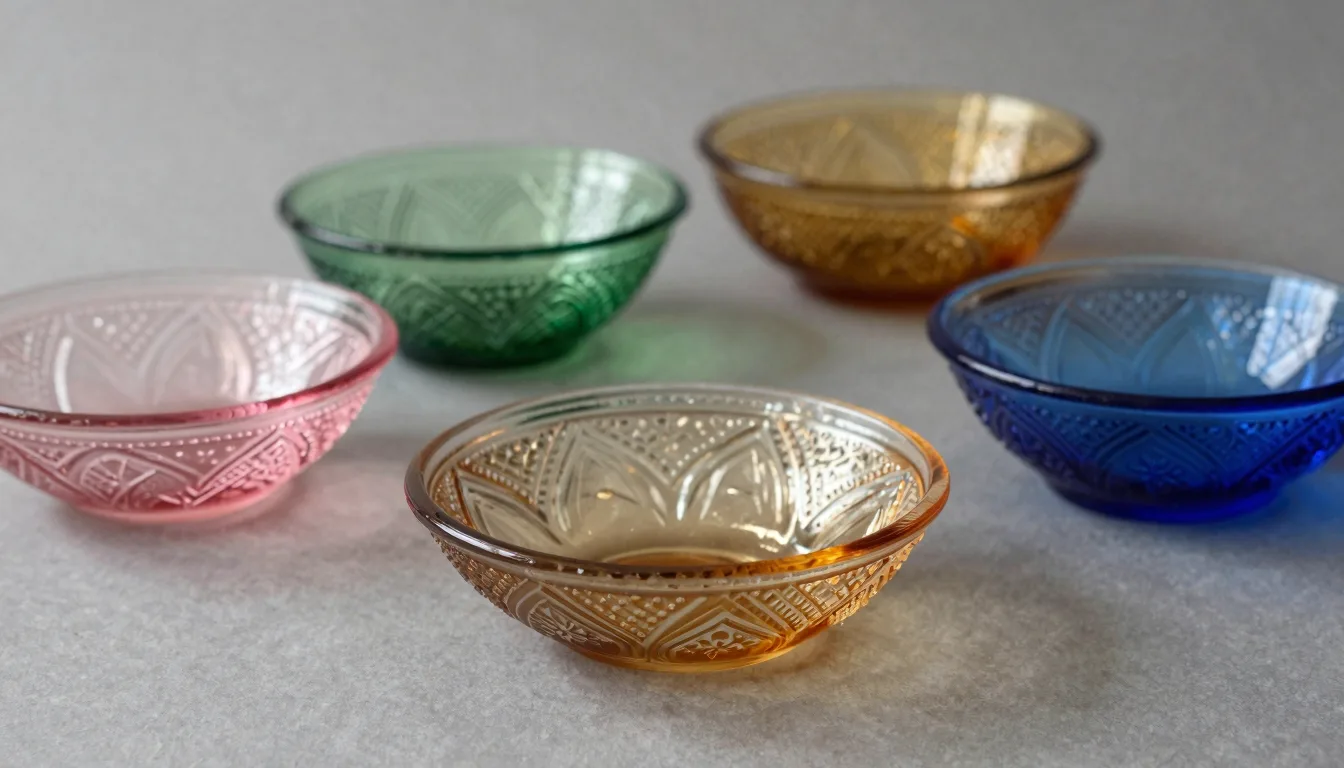
Depression Glass Identification: Patterns, Colors, and Makers
Read more: Depression Glass Identification: Patterns, Colors, and MakersDepression glass identification relies on pattern, color, and maker marks. Produced between roughly 1920 and 1940, these mass-manufactured pressed glass pieces came in iconic colors like pink, green, and amber. Knowing which patterns belong to which makers separates a $5 thrift find from a $200 collector piece.
-
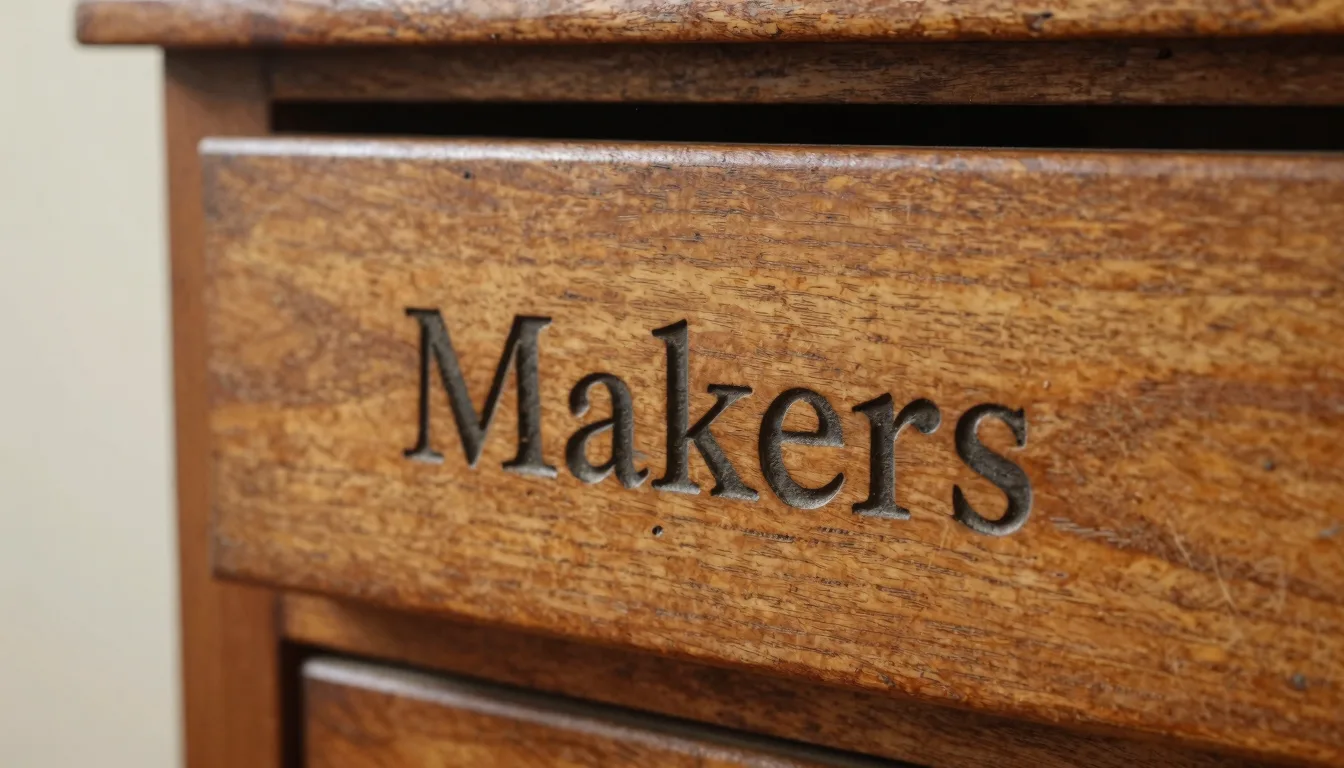
Alphabetical list of antique furniture makers’ marks
Read more: Alphabetical list of antique furniture makers’ marksAntique furniture makers’ marks are stamped, branded, or stenciled identifiers that reveal a piece’s maker, period, and origin. Knowing how to read them separates a savvy buy from an expensive mistake. This A–Z guide covers the most recognized marks collectors encounter in the field.
-

WorthPoint Review: Cost, Legit, Worth It?
Read more: WorthPoint Review: Cost, Legit, Worth It?WorthPoint review: documented features, US iOS prices, trial and cancellation terms, eBay alternatives, and a checklist to decide whether you need a subscription.
-
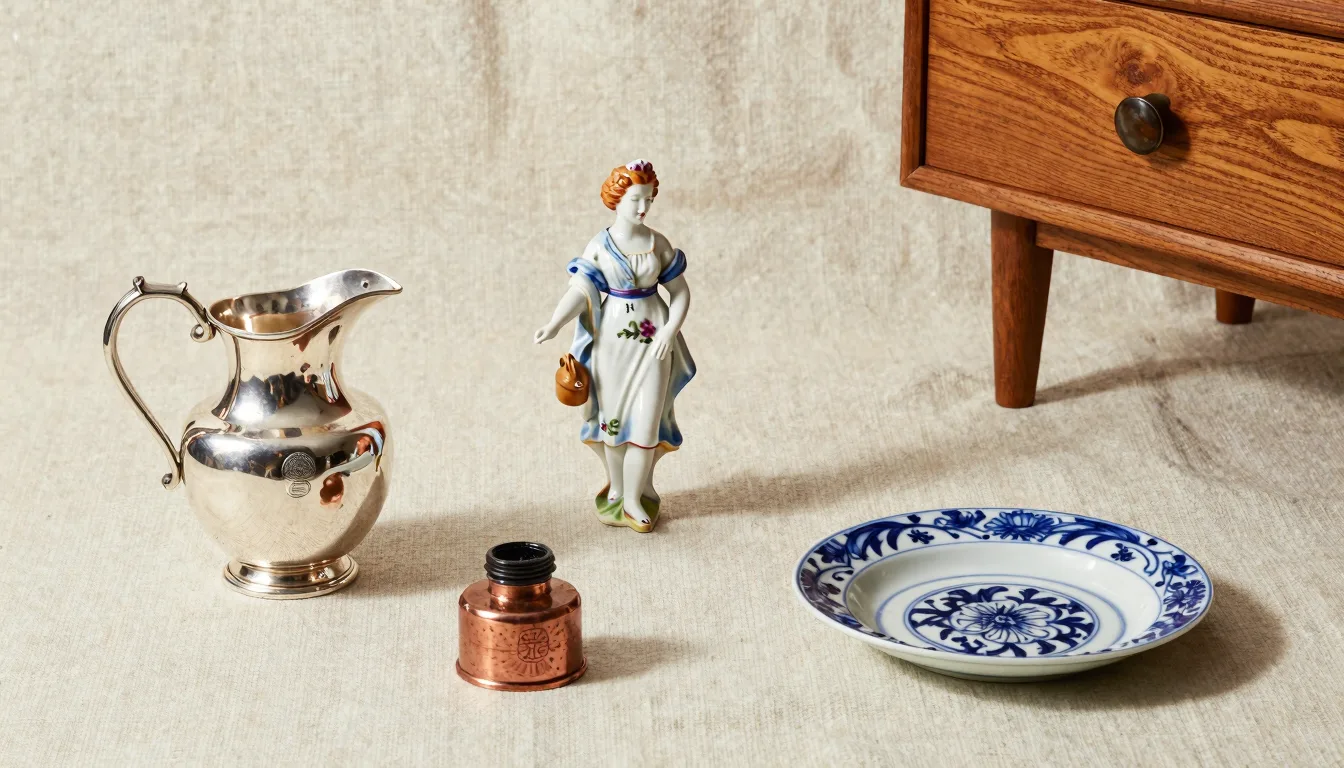
2026 antiques forecast: 10 categories expected to rise in value
Read more: 2026 antiques forecast: 10 categories expected to rise in valueThe antique categories rising in value in 2026 include Arts & Crafts silver, mid-century ceramics, and Georgian furniture. Here’s what smart collectors are watching. Market shifts, generational taste changes, and renewed craft appreciation are driving these gains.
-
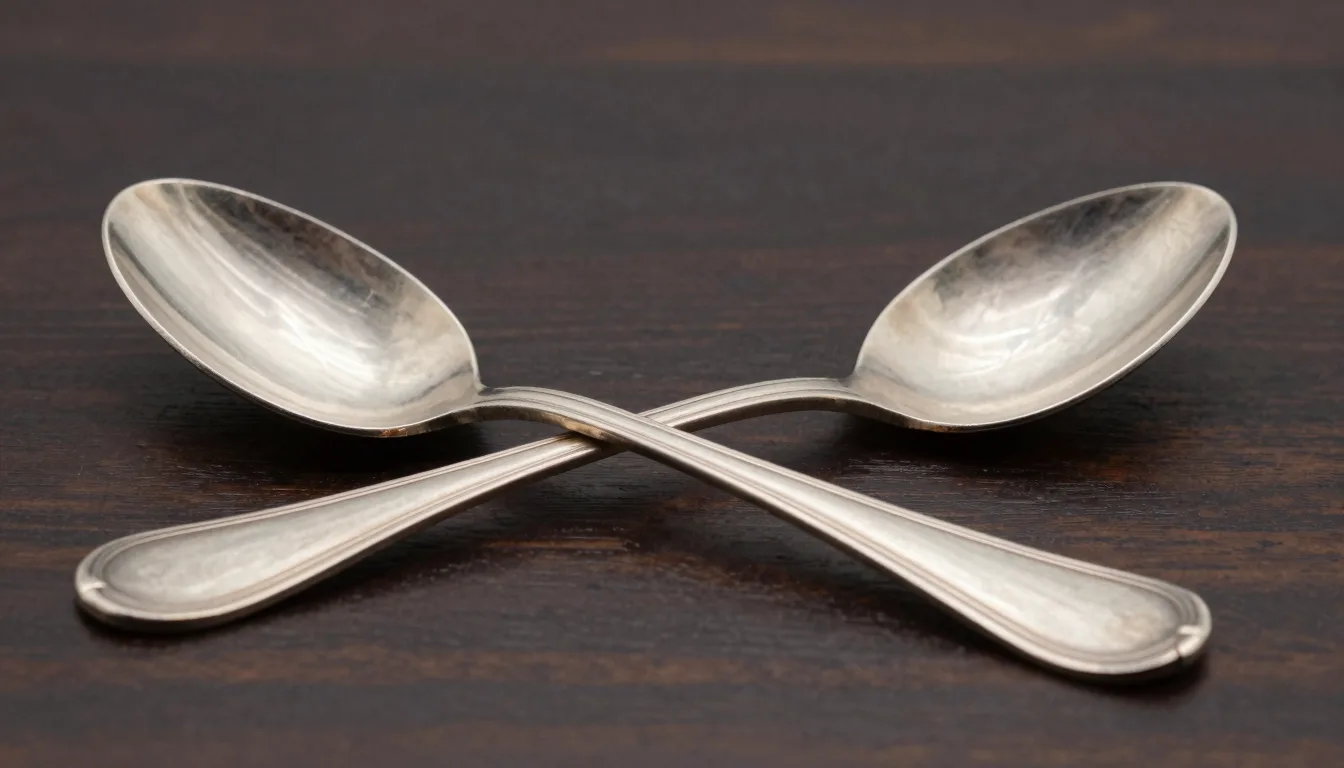
Sterling silver vs silver plate: 5 ways to spot the difference
Read more: Sterling silver vs silver plate: 5 ways to spot the differenceThe difference between sterling silver and silver plate is in the marks, weight, and wear. Sterling is solid silver alloy through and through. Silver plate is a base metal coated in a thin silver layer, and once you know the five tells, you’ll never confuse them again.
-
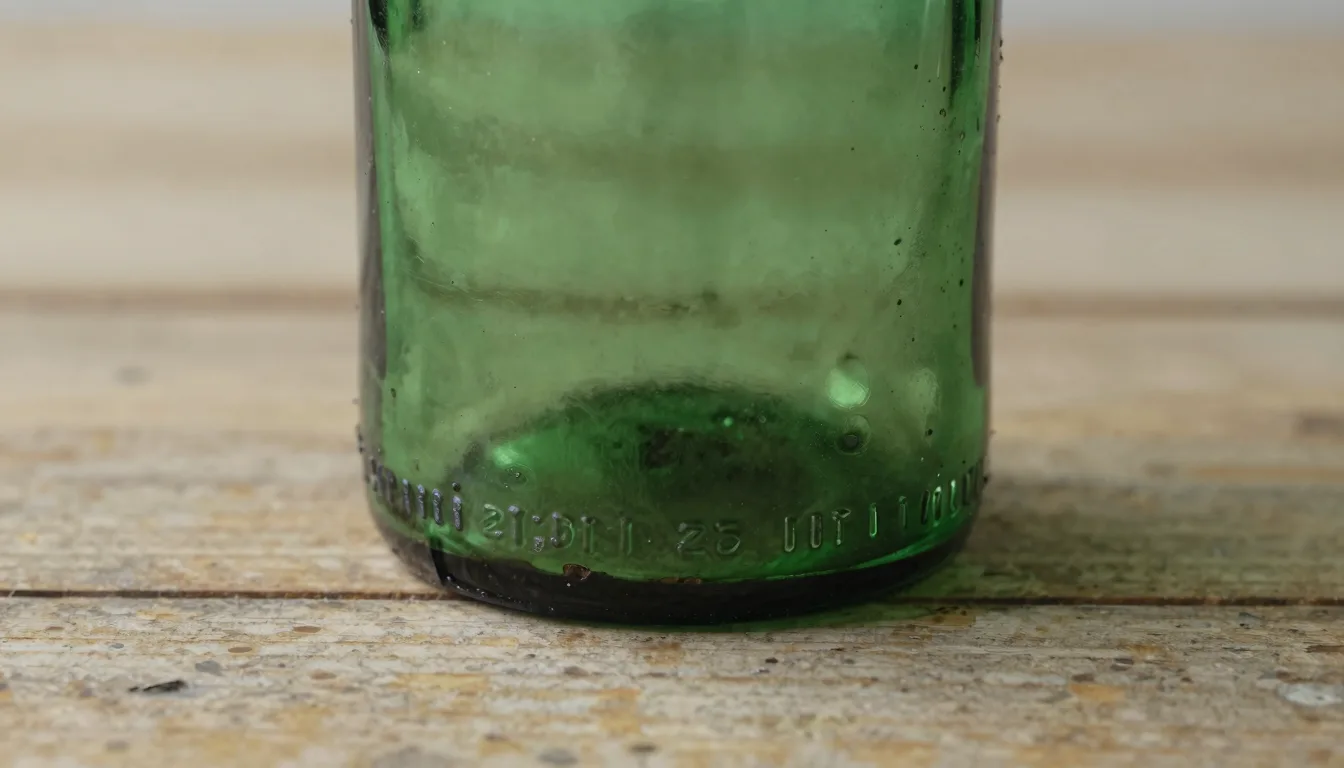
Antique glass identification marks: a visual dictionary
Read more: Antique glass identification marks: a visual dictionaryAntique glass identification marks reveal maker, era, and origin. Learn pontil scars, mold seams, acid stamps, and embossed codes that serious collectors rely on. Whether you are holding a pressed Sandwich piece or a hand-blown Bohemian vase, the marks on the glass tell the whole story.
-
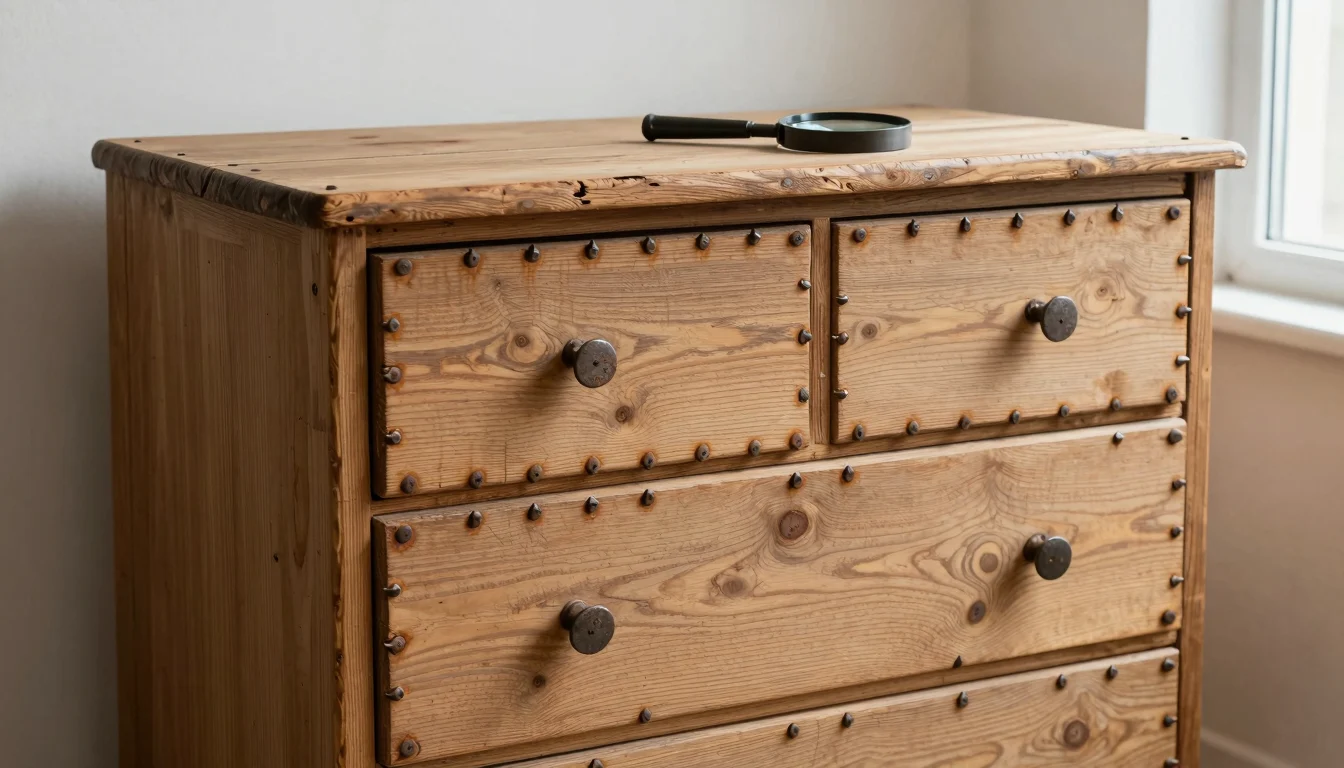
How to date antique furniture by hardware: nails, screws, and hinges
Read more: How to date antique furniture by hardware: nails, screws, and hingesNails, screws and hinges date antique furniture by how they were made: hand-wrought, cut and wire nails, blunt and gimlet-point screws, wrought and cast hinges. What each clue proves, and what it cannot.
-
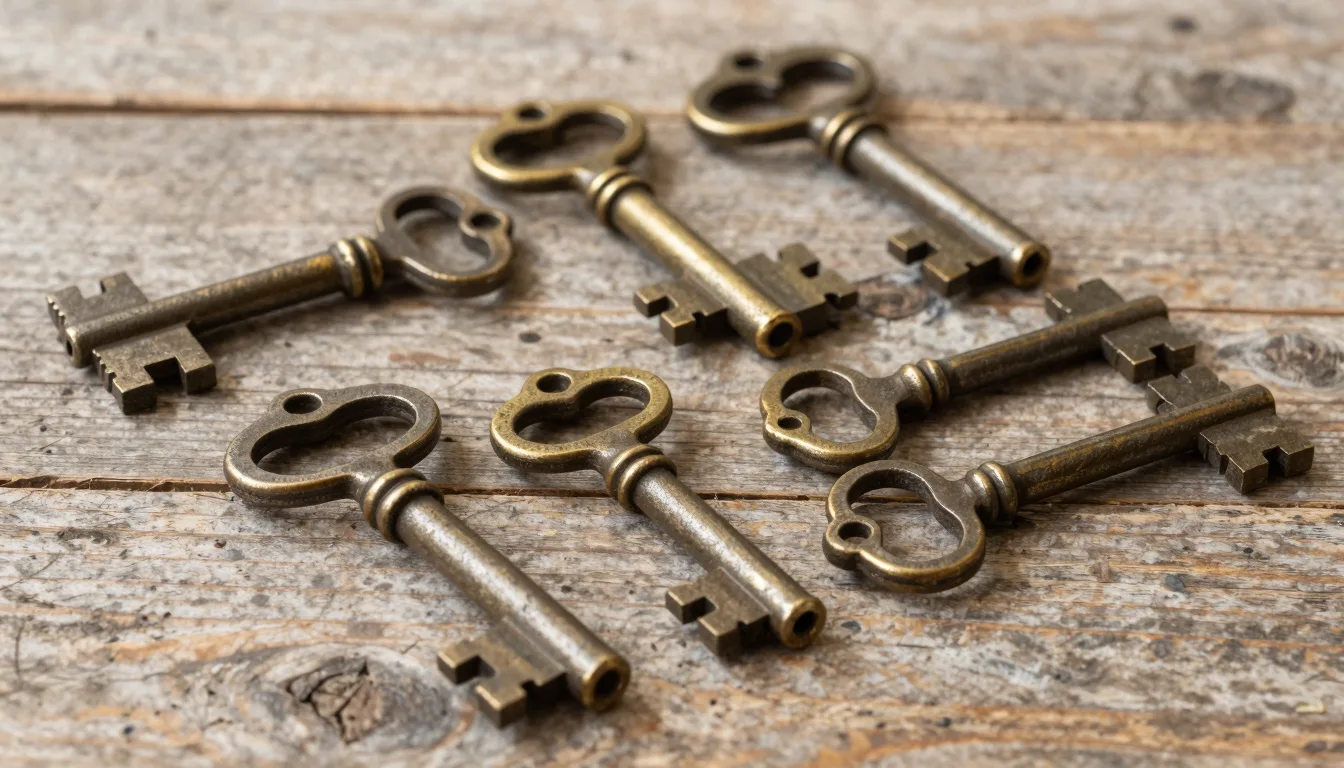
Antique key identification guide: skeleton, bit, and barrel keys
Read more: Antique key identification guide: skeleton, bit, and barrel keysAntique key identification covers three main types: skeleton, bit, and barrel keys. Each has distinct features tied to era, maker, and lock mechanism. Here’s how to tell them apart.
-
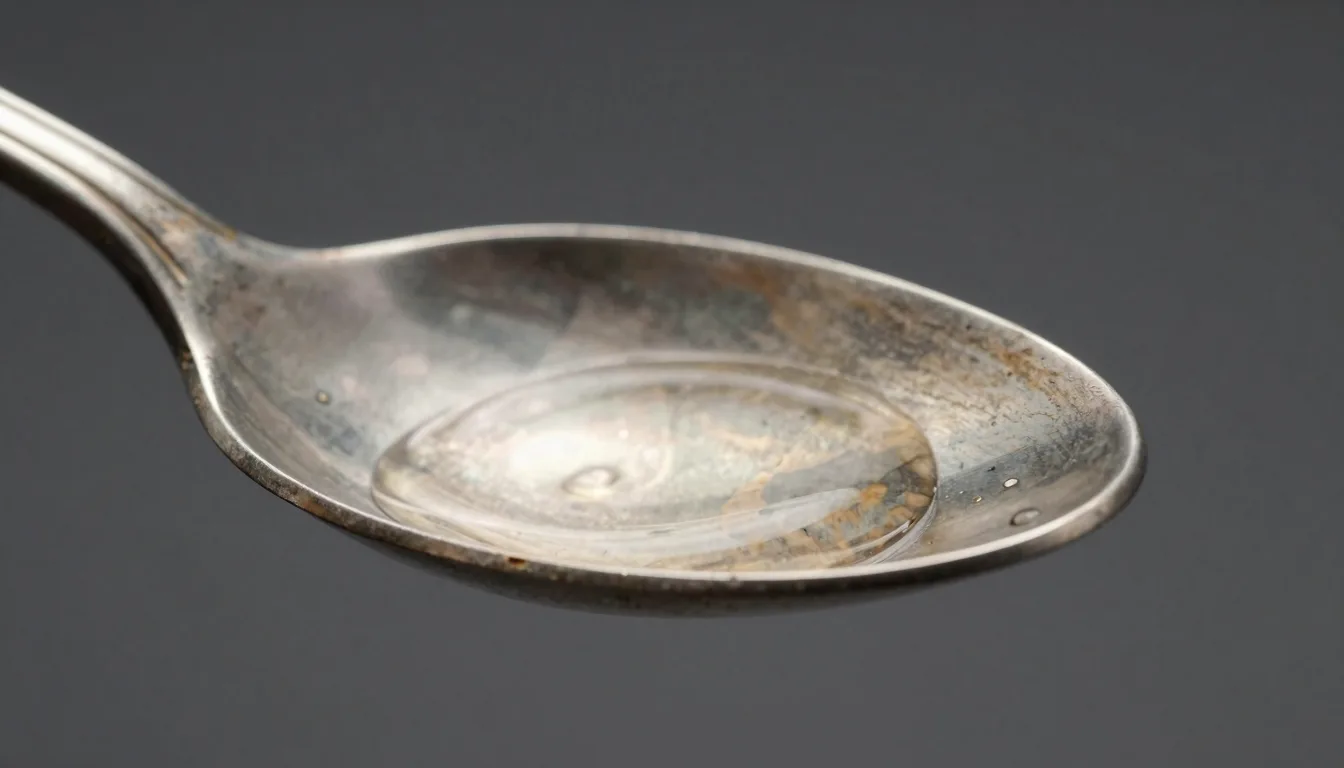
Bleach test on silver: steps, safety, and what results mean
Read more: Bleach test on silver: steps, safety, and what results meanThe bleach test on silver works by triggering rapid tarnish on genuine silver. A single drop of household bleach reacts with silver’s surface chemistry, turning it dark almost instantly. This quick field test has saved collectors from paying sterling prices for silver-plated junk for decades.
-
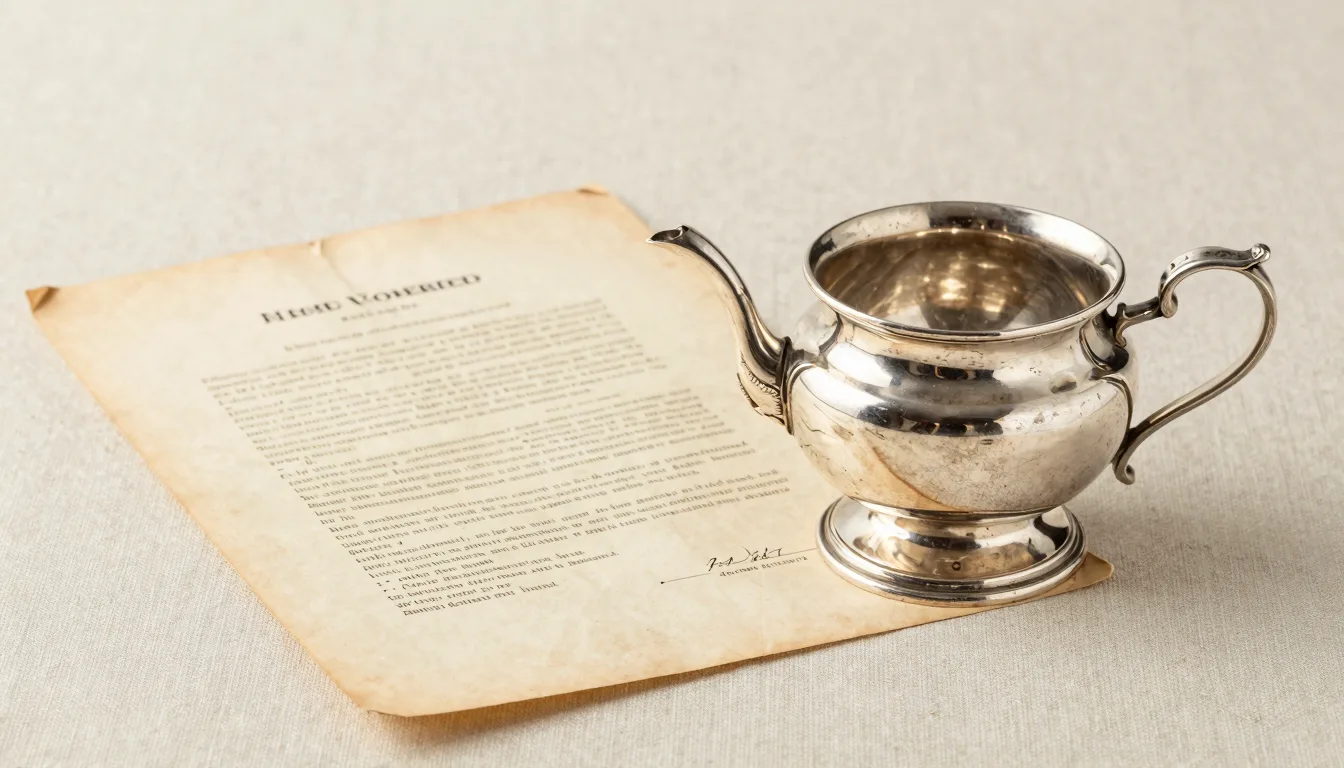
Mearto appraisal cost: is it worth the price in 2026?
Read more: Mearto appraisal cost: is it worth the price in 2026?Mearto appraisal cost runs $15–$69 per item. For casual sellers it works. For serious collectors, the limitations matter more than the price tag.
