
All About Antiques
Antique identification, valuation, and collecting reference.
Popular Guides
Free Online Antique Appraisal (2026)
Ten free options compared, plus a scanner on the page that values your piece from one photo.
Antique Marks & Signatures: Complete Identification Guide
Complete guide to decoding maker marks on silver, porcelain, glass and furniture.
Is Antique Snap Legit? An Honest 2026 Review
What the app gets right, what it misses, and the complaints users actually make.
Best Antique Identifier Apps 2026: Head-to-Head Comparison
5 apps tested side-by-side for accuracy, speed and features.
Noritake China Patterns: Identification and Value
Read the backstamp, name the pattern, and see what collectors pay.
Online Antique Valuation Tools for Collectors
Free digital resources to research and price your antique items.
-
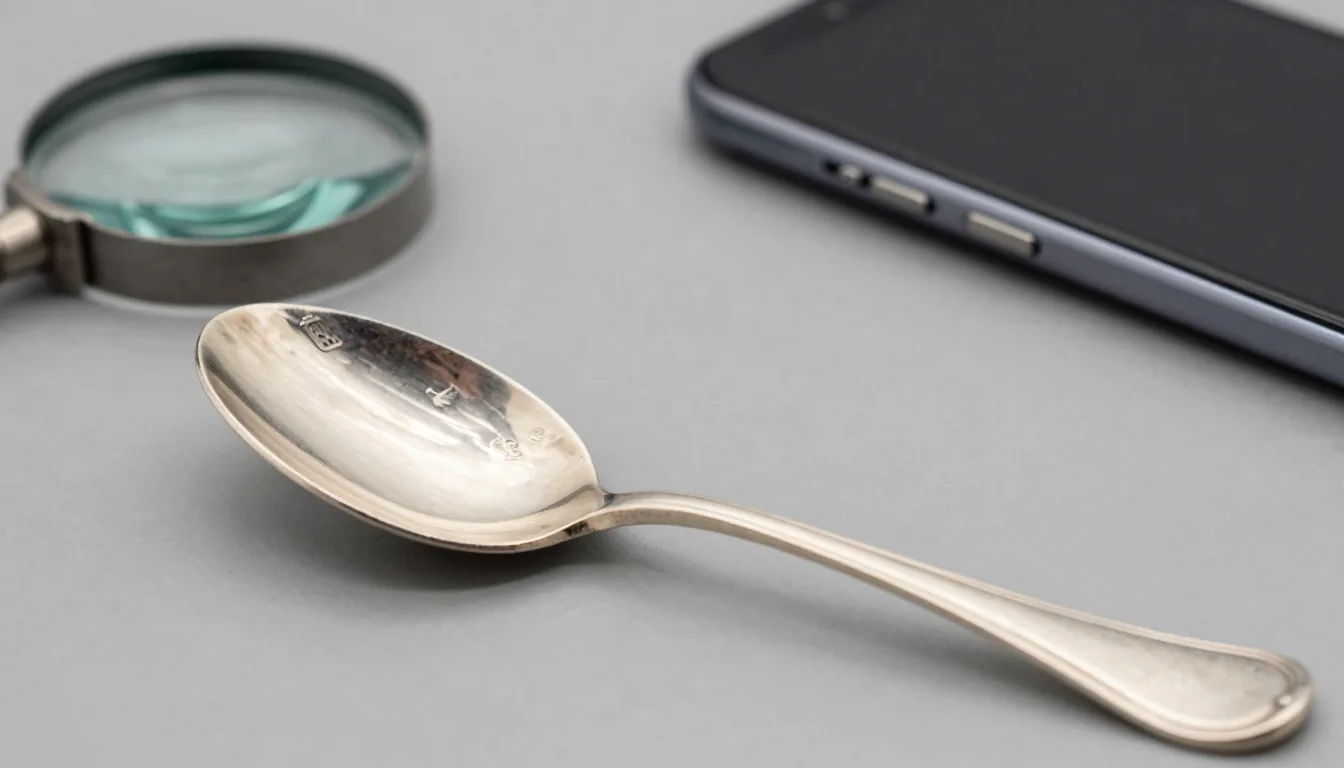
AI antique appraisal in 2026: accuracy, limits, and a collector’s guide
Read more: AI antique appraisal in 2026: accuracy, limits, and a collector’s guideThe accuracy of AI antique appraisal in 2026 is strong for identification, mixed for value. It excels at marks. Human vetting remains essential.
-
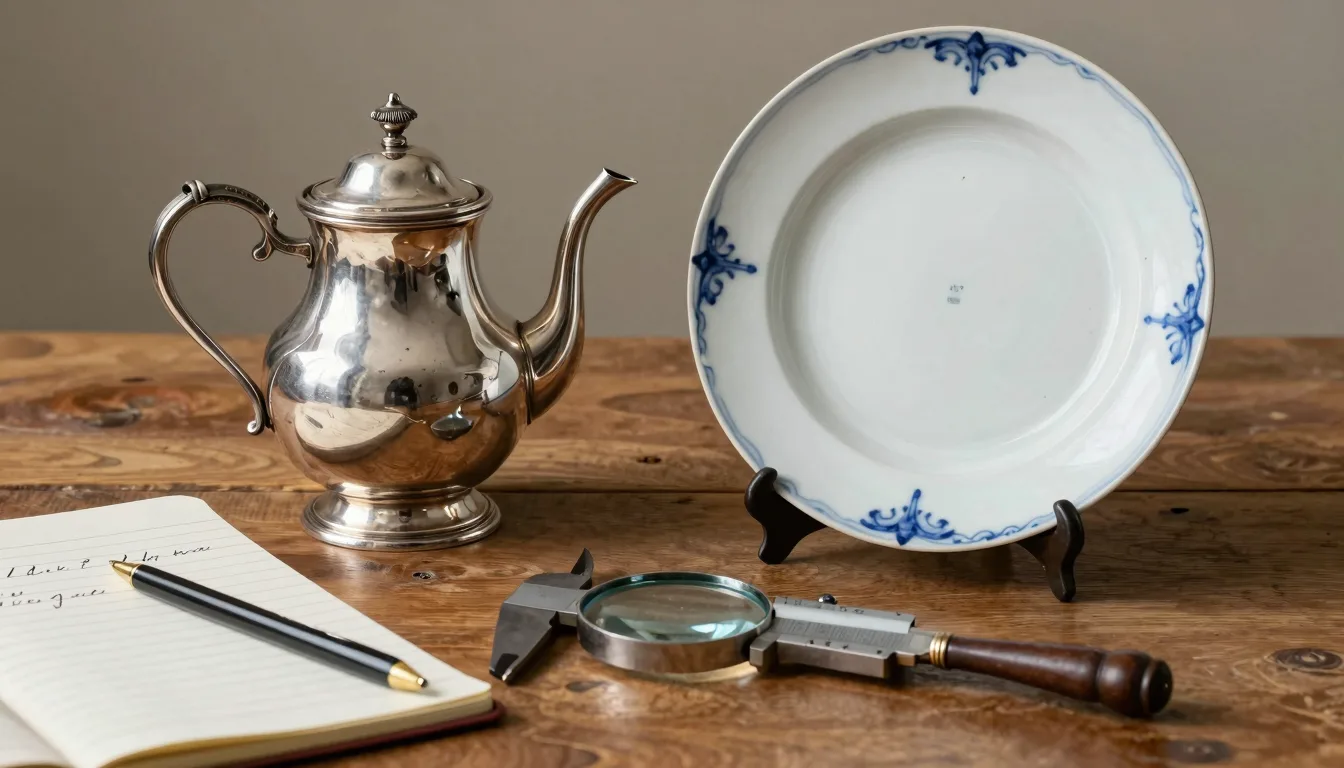
Ask Antique Experts reviews and complaints: What buyers say and expect
Read more: Ask Antique Experts reviews and complaints: What buyers say and expectThe consensus on Ask Antique Experts reviews and complaints is mixed. Fast replies please many, but pricing clarity and depth spark gripes.
-
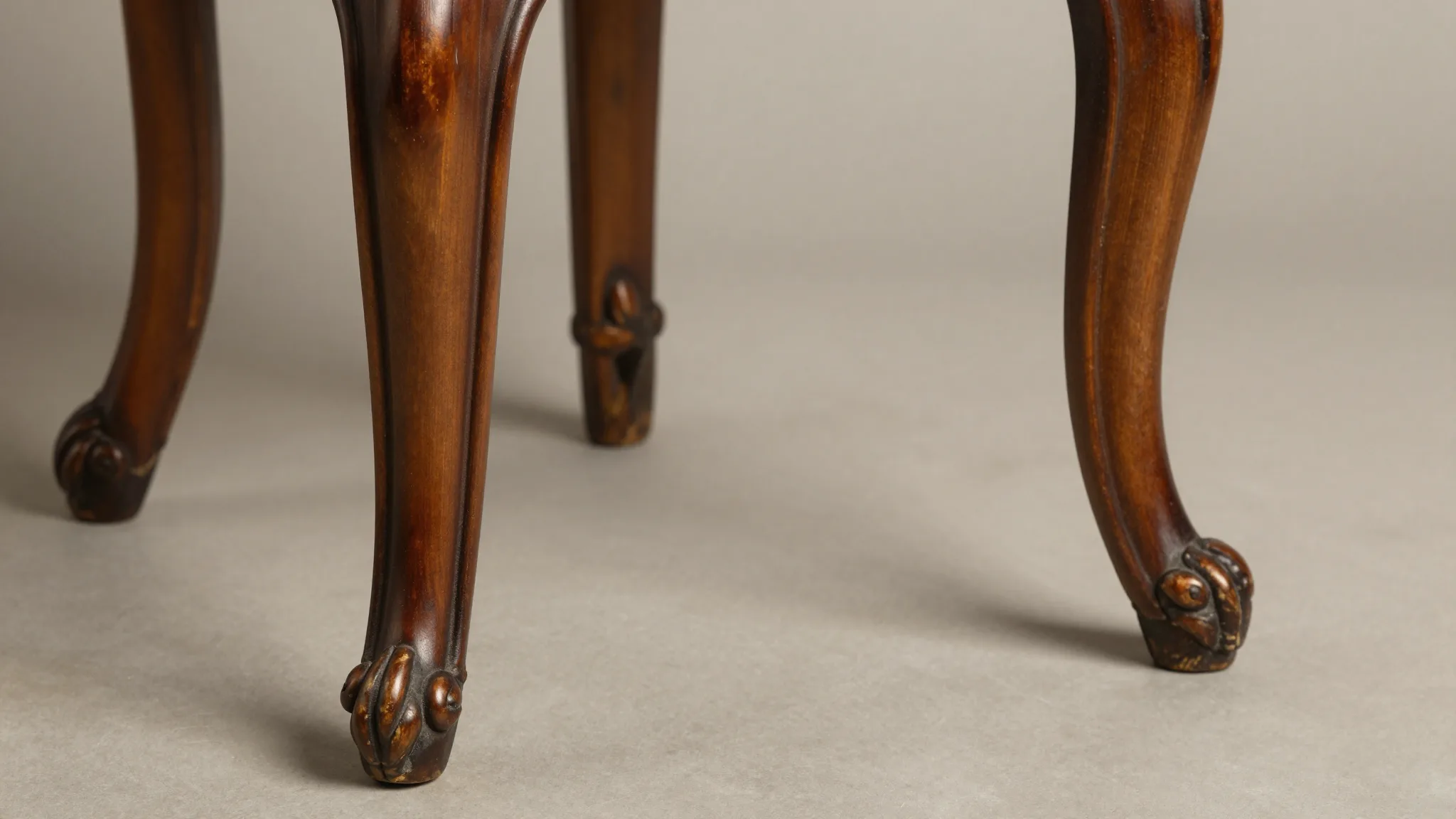
Understanding antique chair leg styles: cabriole, Queen Anne, ball-and-claw
Read more: Understanding antique chair leg styles: cabriole, Queen Anne, ball-and-clawThe unique charm of antique chair leg styles is captivating. Exploring Cabriole, Queen Anne, and Ball-and-Claw reveals their artistry. Discover the history and craftsmanship of these iconic designs.
-
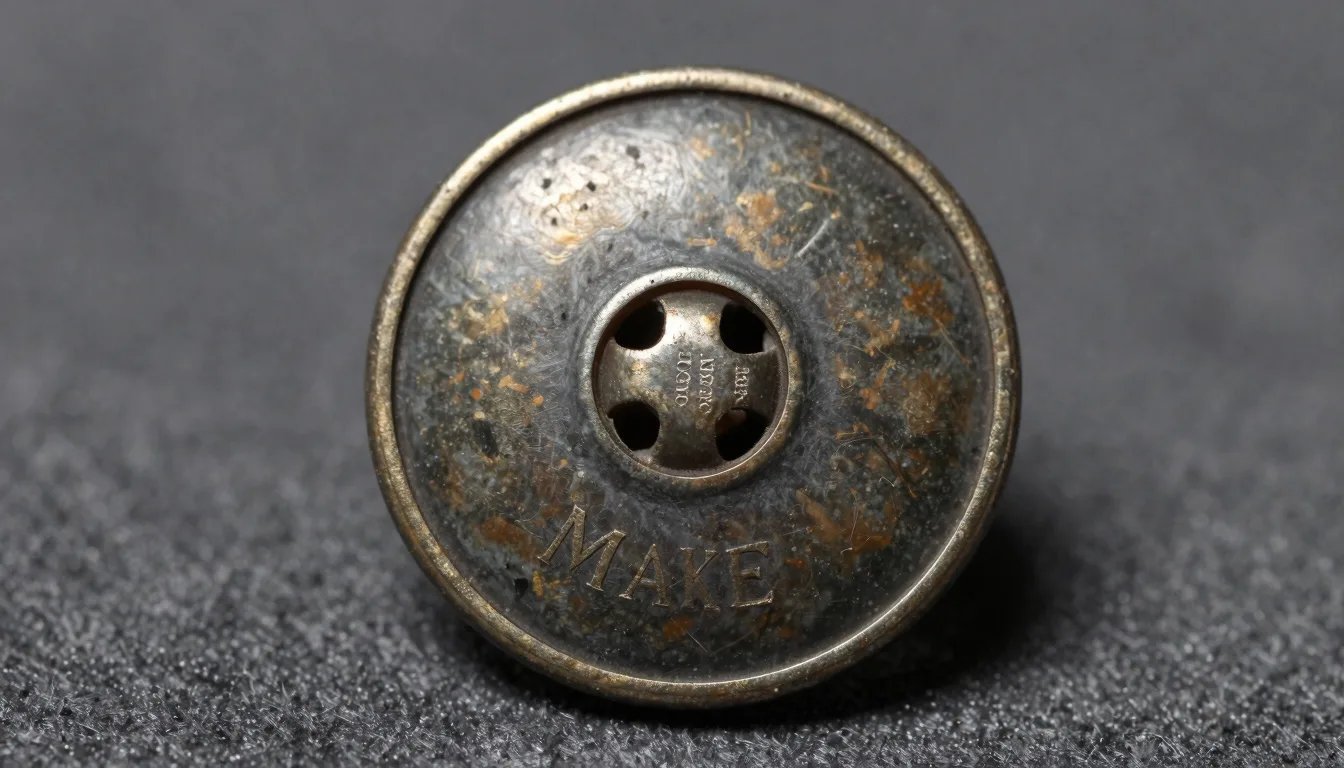
Old Military Buttons Identification: Scovill, Waterbury, and More
Read more: Old Military Buttons Identification: Scovill, Waterbury, and MoreThe key to identifying old military buttons is recognizing makers like Scovill and Waterbury through unique details. History is etched in design.
-
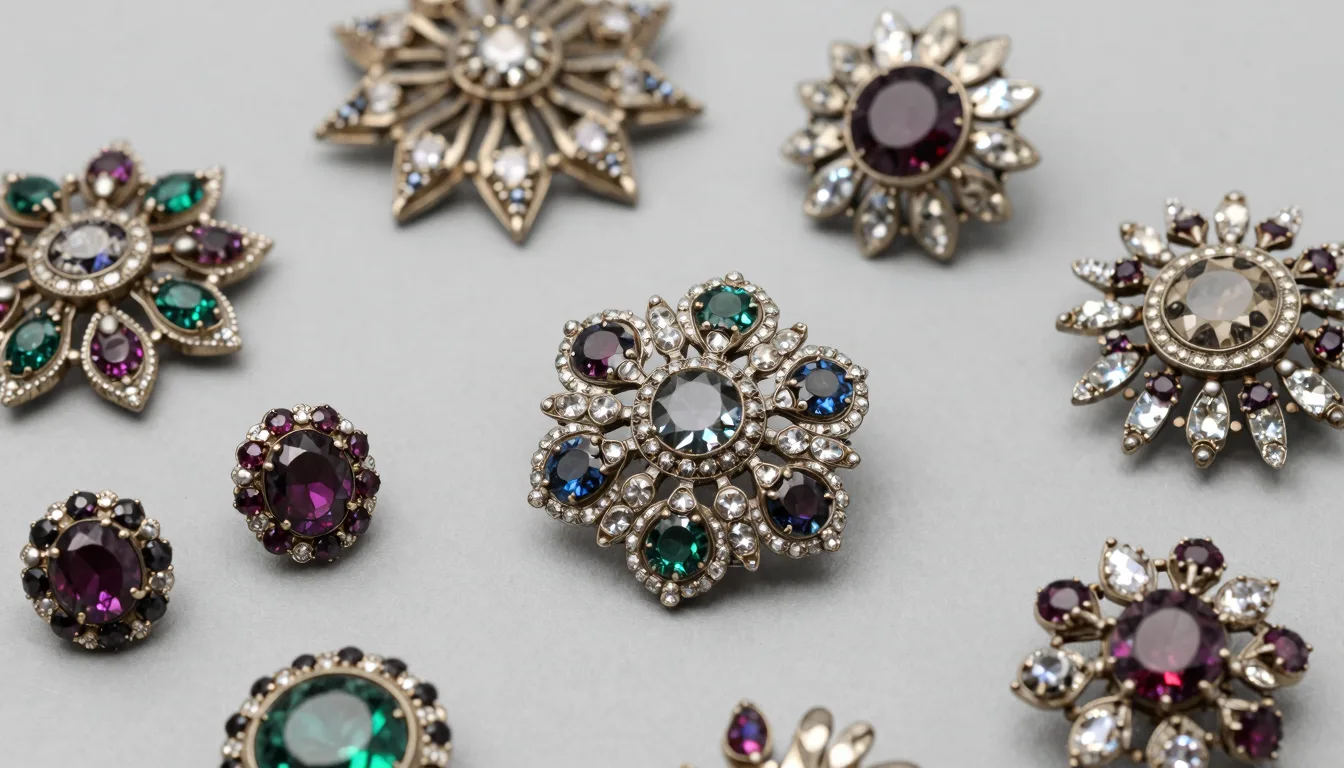
Identifying vintage costume jewelry: Weiss, Trifari & Eisenberg
Read more: Identifying vintage costume jewelry: Weiss, Trifari & EisenbergThe world of vintage costume jewelry is a treasure trove of history and style. Identifying key brands like Weiss, Trifari, and Eisenberg can enhance your collection and deepen your appreciation of their craft.
-
Top 10 online resources for a free antique price guide
Read more: Top 10 online resources for a free antique price guideThe best free antique price guide online is WorthPoint. Explore pricing trends, research history, and validate your collectibles.
-
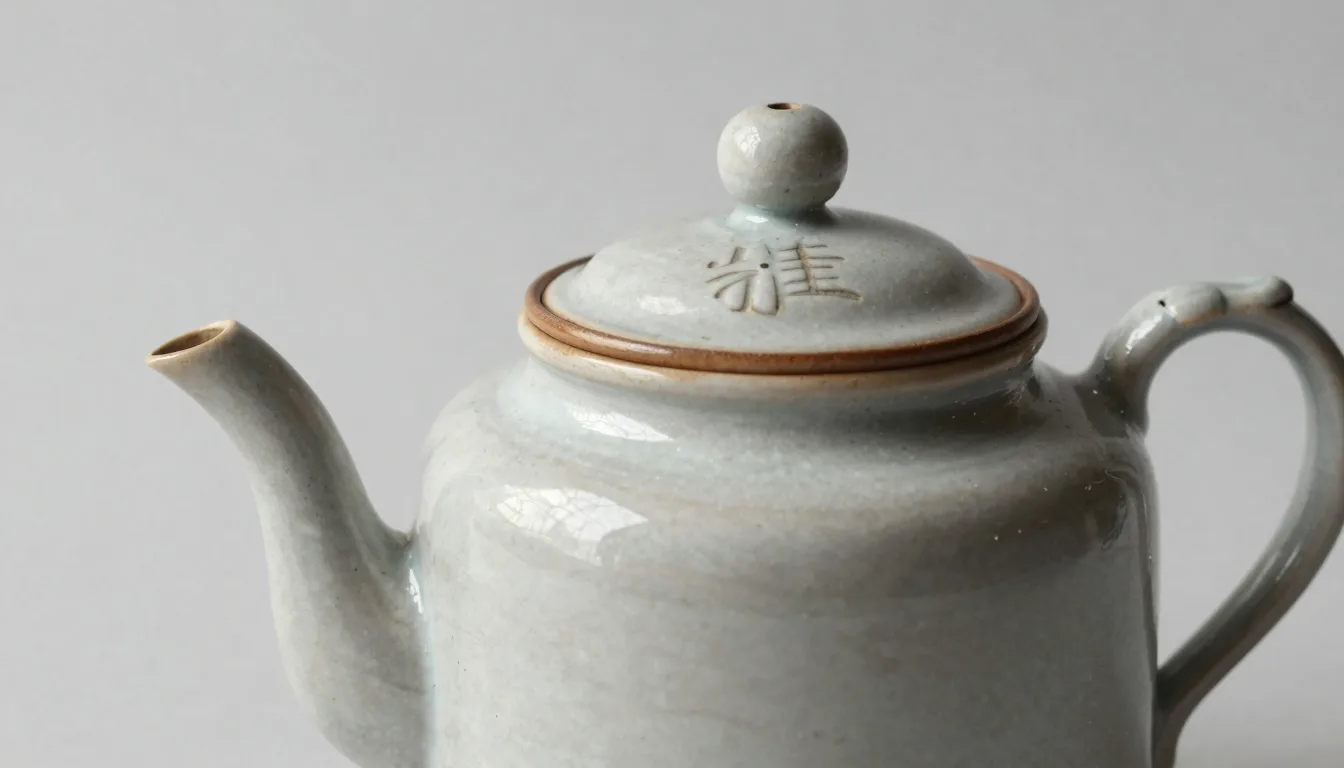
Antique teapot markings: A collector’s guide to identification
Read more: Antique teapot markings: A collector’s guide to identificationThe secret to identifying antique teapots lies in their markings. Discover hidden details and learn to unlock their stories.
-
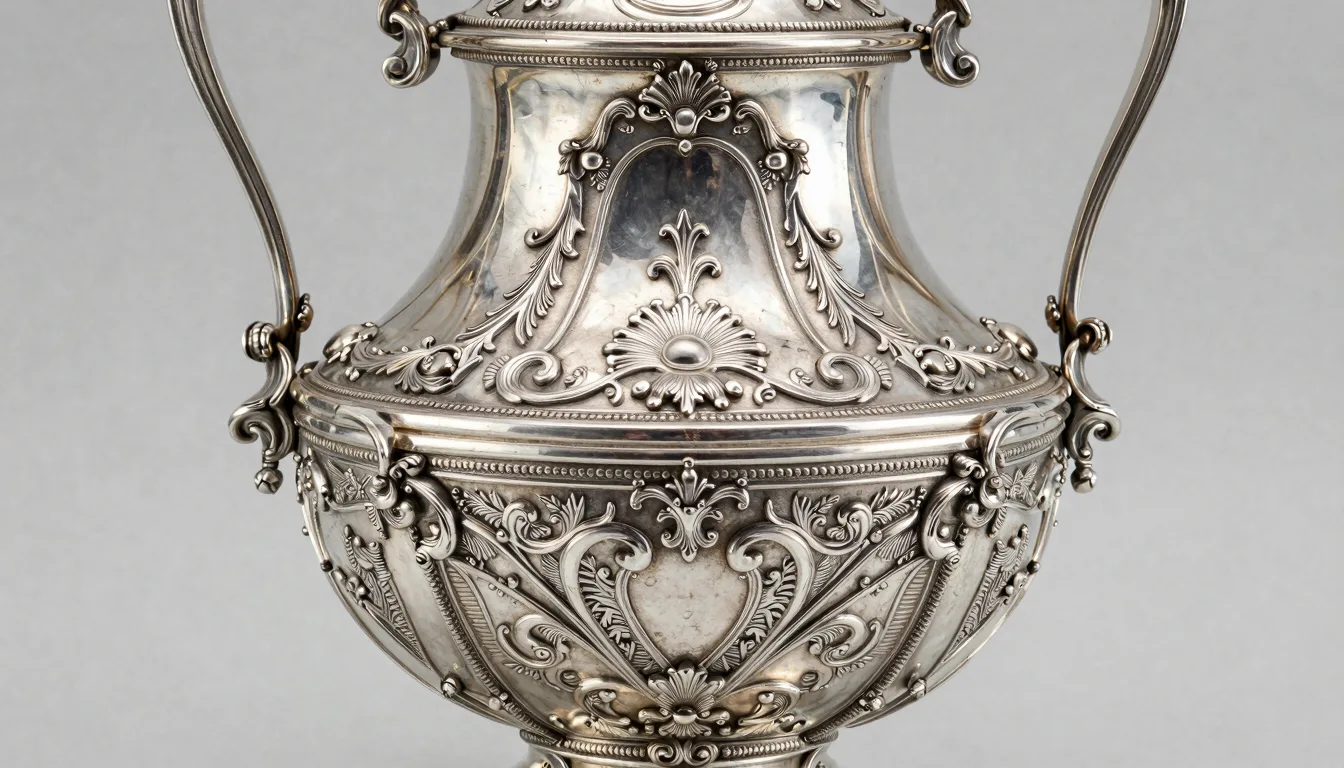
Identifying and Valuing Grand Baroque by Wallace Silverware
Read more: Identifying and Valuing Grand Baroque by Wallace SilverwareThe value of Grand Baroque by Wallace is significant due to its intricate design and historical craftsmanship.
-
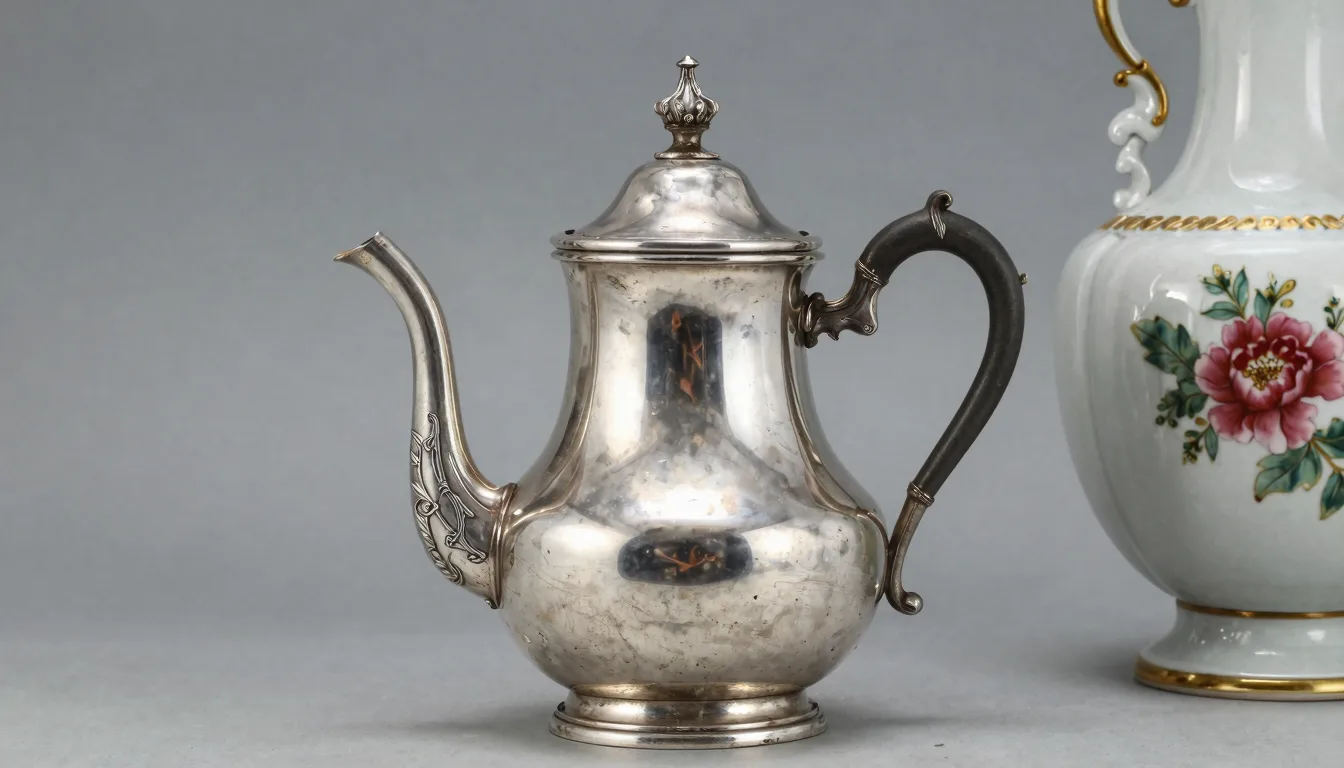
12 antiques set to soar in value by 2026
Read more: 12 antiques set to soar in value by 2026The best antique investments reveal potential skyrocket winners. From silver to ceramics, find out what might be worth keeping an eye on.
-
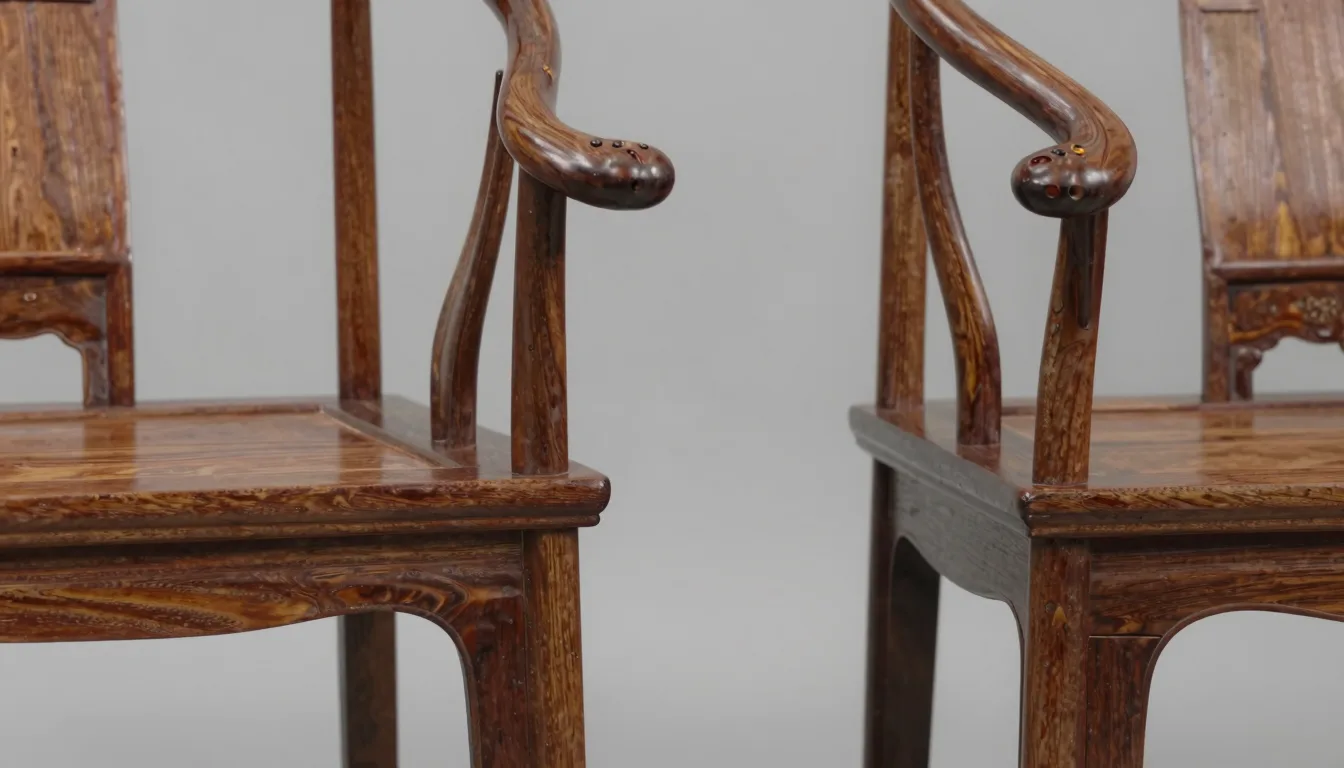
Duncan Phyfe Furniture: Spotting Originals vs. Reproductions
Read more: Duncan Phyfe Furniture: Spotting Originals vs. ReproductionsThe difference between Duncan Phyfe originals and reproductions is subtle but key. Learn key identifiers and ensure your collection’s authenticity.
