
All About Antiques
Antique identification, valuation, and collecting reference.
Popular Guides
Free Online Antique Appraisal (2026)
Ten free options compared, plus a scanner on the page that values your piece from one photo.
Antique Marks & Signatures: Complete Identification Guide
Complete guide to decoding maker marks on silver, porcelain, glass and furniture.
Is Antique Snap Legit? An Honest 2026 Review
What the app gets right, what it misses, and the complaints users actually make.
Best Antique Identifier Apps 2026: Head-to-Head Comparison
5 apps tested side-by-side for accuracy, speed and features.
Noritake China Patterns: Identification and Value
Read the backstamp, name the pattern, and see what collectors pay.
Online Antique Valuation Tools for Collectors
Free digital resources to research and price your antique items.
-
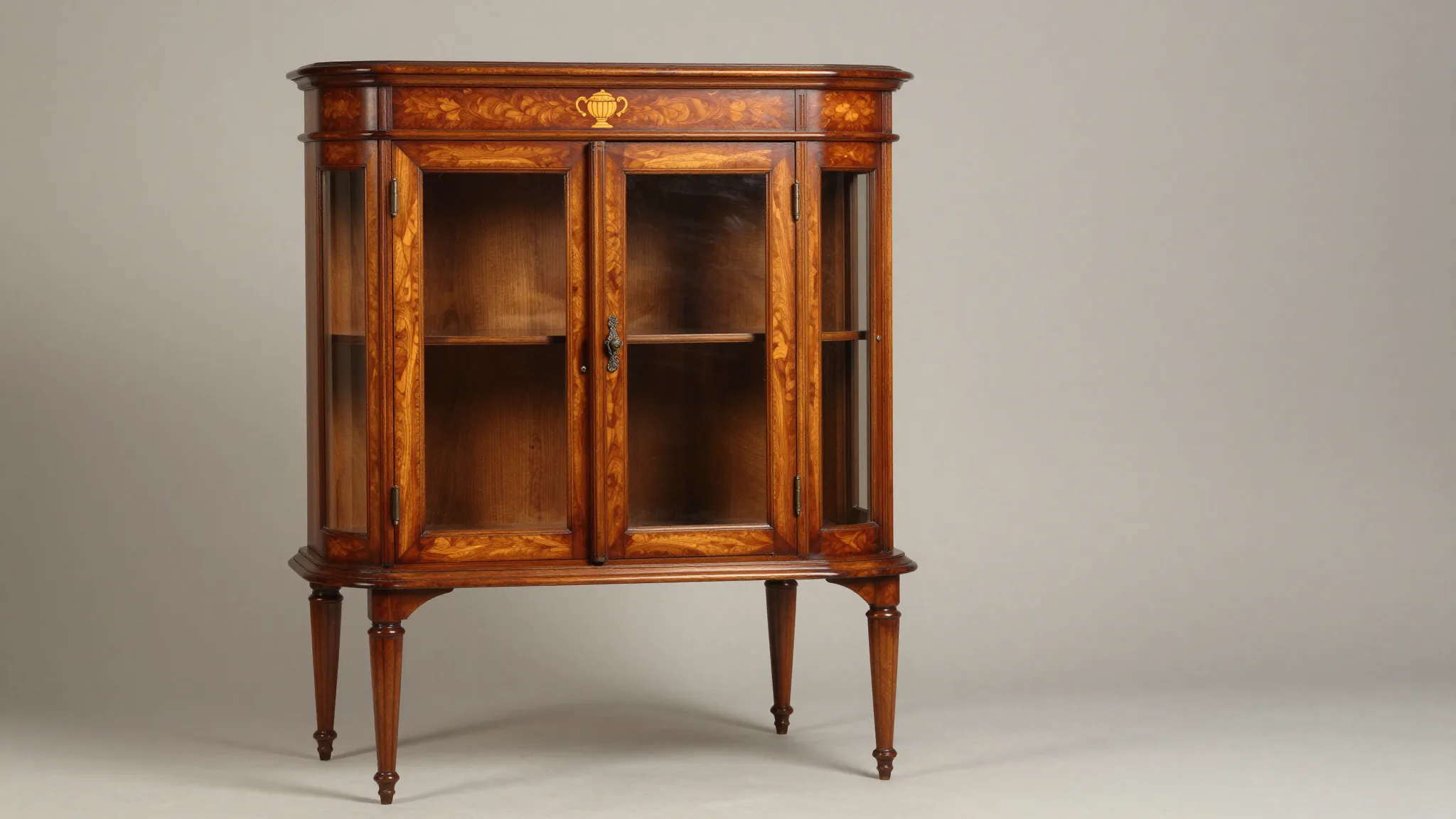
Edwardian furniture characteristics: what defines the period
Read more: Edwardian furniture characteristics: what defines the periodEdwardian furniture (1901–1910) is defined by lighter woods, slender proportions, satinwood inlay, and revival styles drawn from Sheraton and Adam.
-

Free vs paid antique identification apps: which is worth it?
Read more: Free vs paid antique identification apps: which is worth it?The smarter buy is a hybrid. Free antique identification apps cover basics. Paid tiers add expert accuracy, provenance checks, and valuations.
-
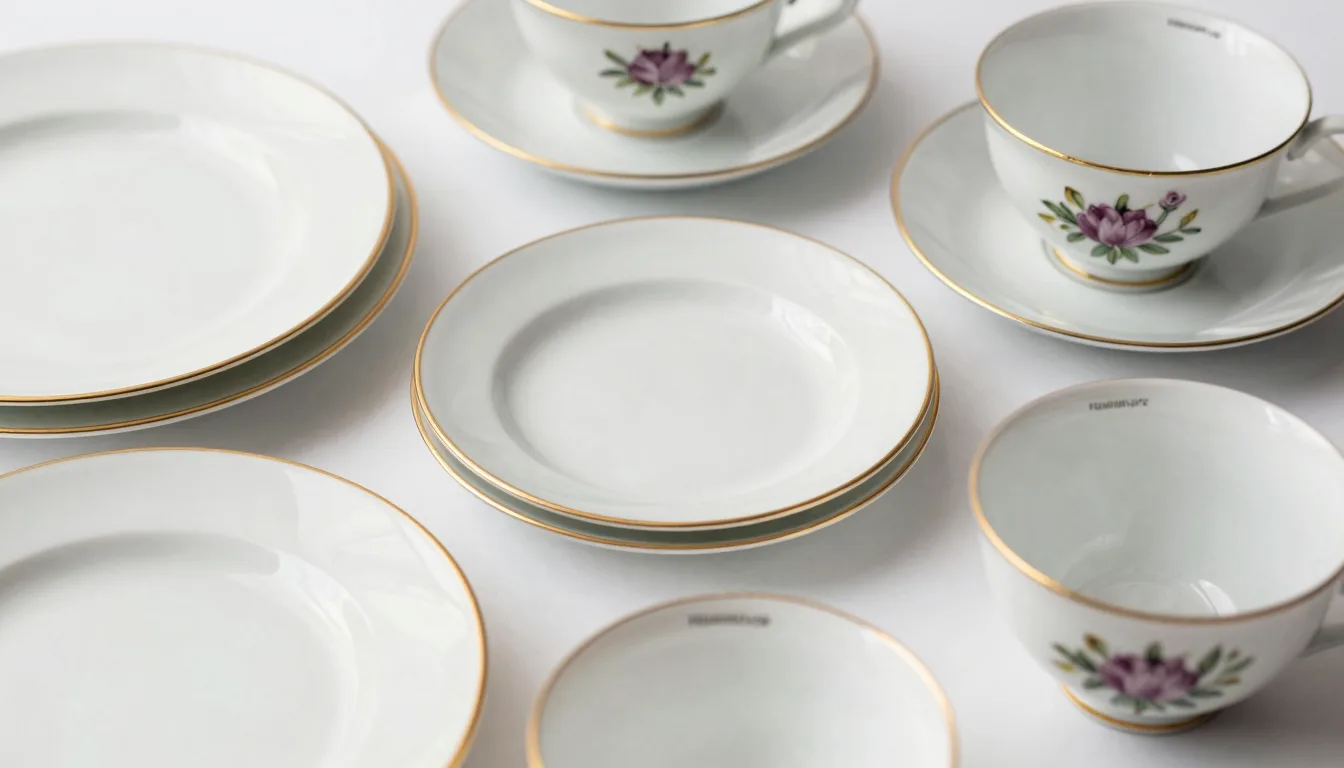
Limoges china patterns: a visual identification reference for collectors
Read more: Limoges china patterns: a visual identification reference for collectorsThe answer is mark-plus-motif reading for Limoges china patterns. Backstamps date blanks, while decoration marks and motifs identify studios and patterns.
-
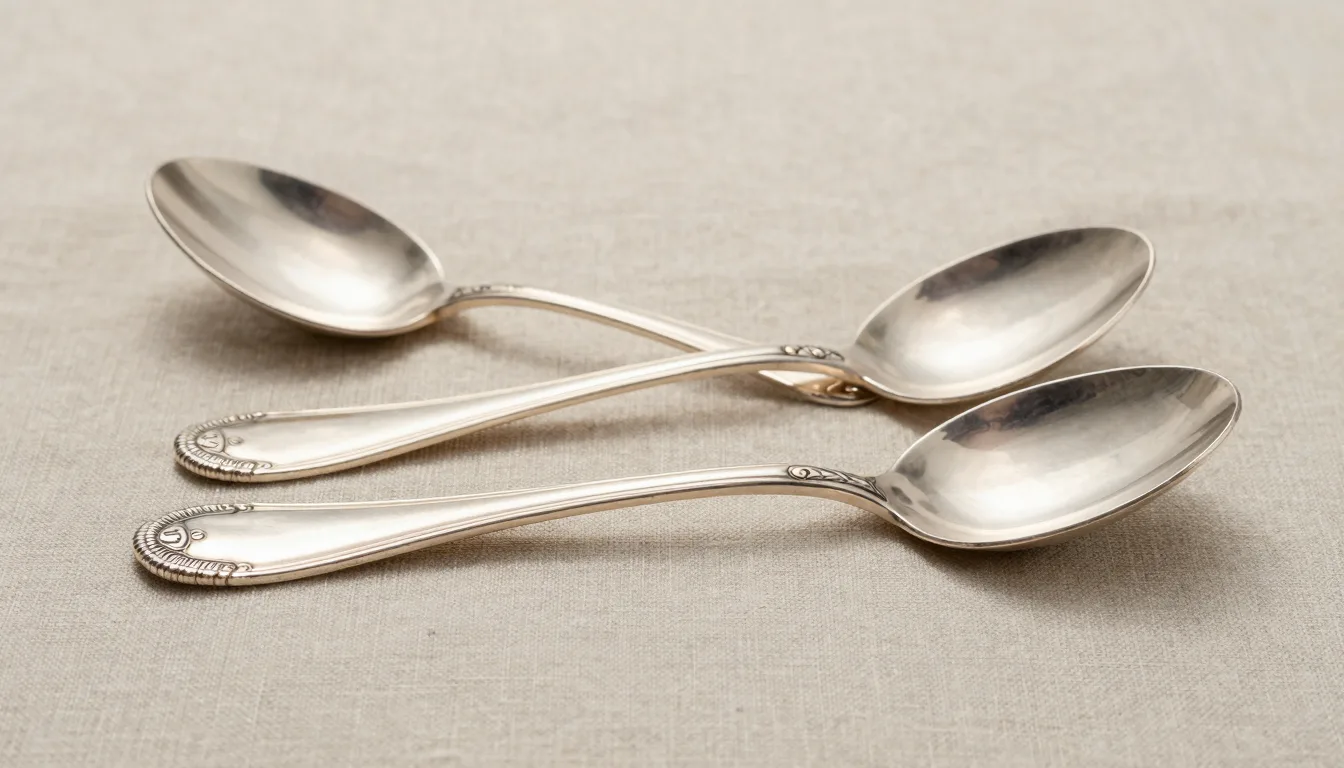
Heirloom sterling silverware value: what your family silver is worth
Read more: Heirloom sterling silverware value: what your family silver is worthThe value of heirloom sterling silverware is melt plus collector premium. Hallmarks and pattern matter. Condition and set size decide the rest.
-
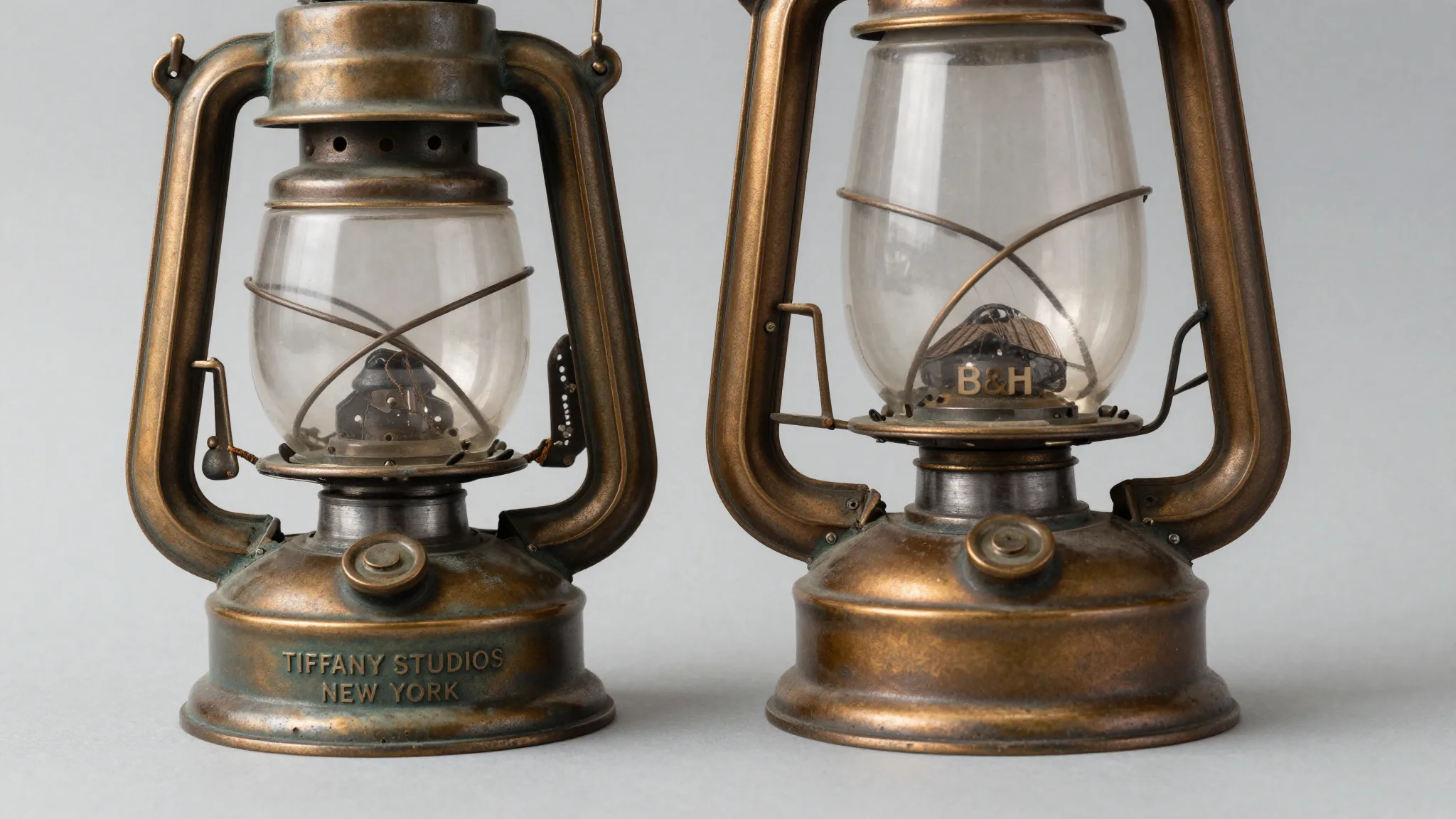
Antique oil lamp identification: Tiffany, Bradley & Hubbard basics
Read more: Antique oil lamp identification: Tiffany, Bradley & Hubbard basicsThe best way to identify Tiffany and Bradley & Hubbard oil lamps is hallmark and construction analysis. Burners and fonts confirm maker.
-
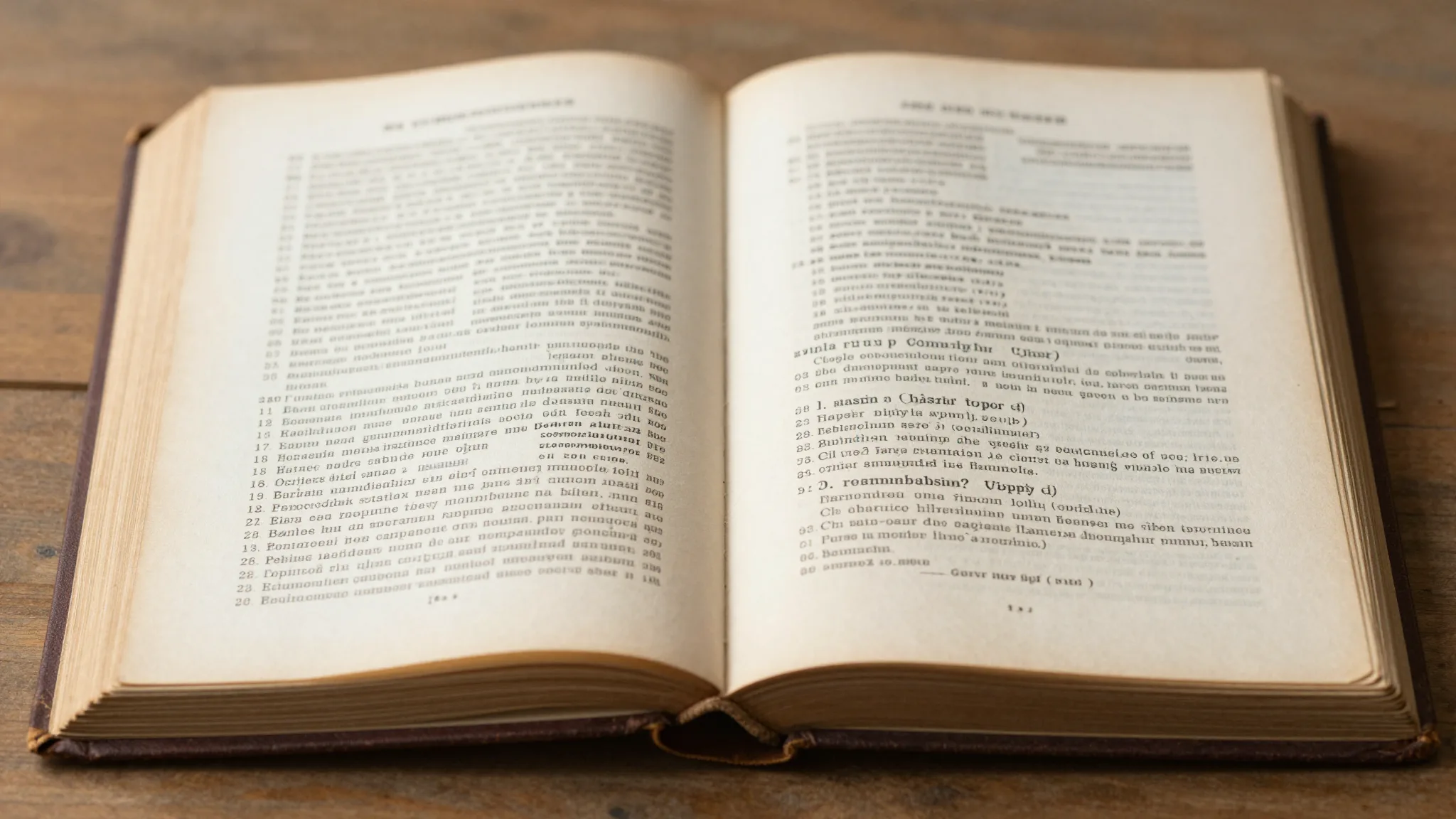
How to spot a fake first edition book: a seasoned collector’s guide
Read more: How to spot a fake first edition book: a seasoned collector’s guideThe way to spot a fake first edition book is to read its production clues. Check imprint, number line, dust jacket, and materials.
-
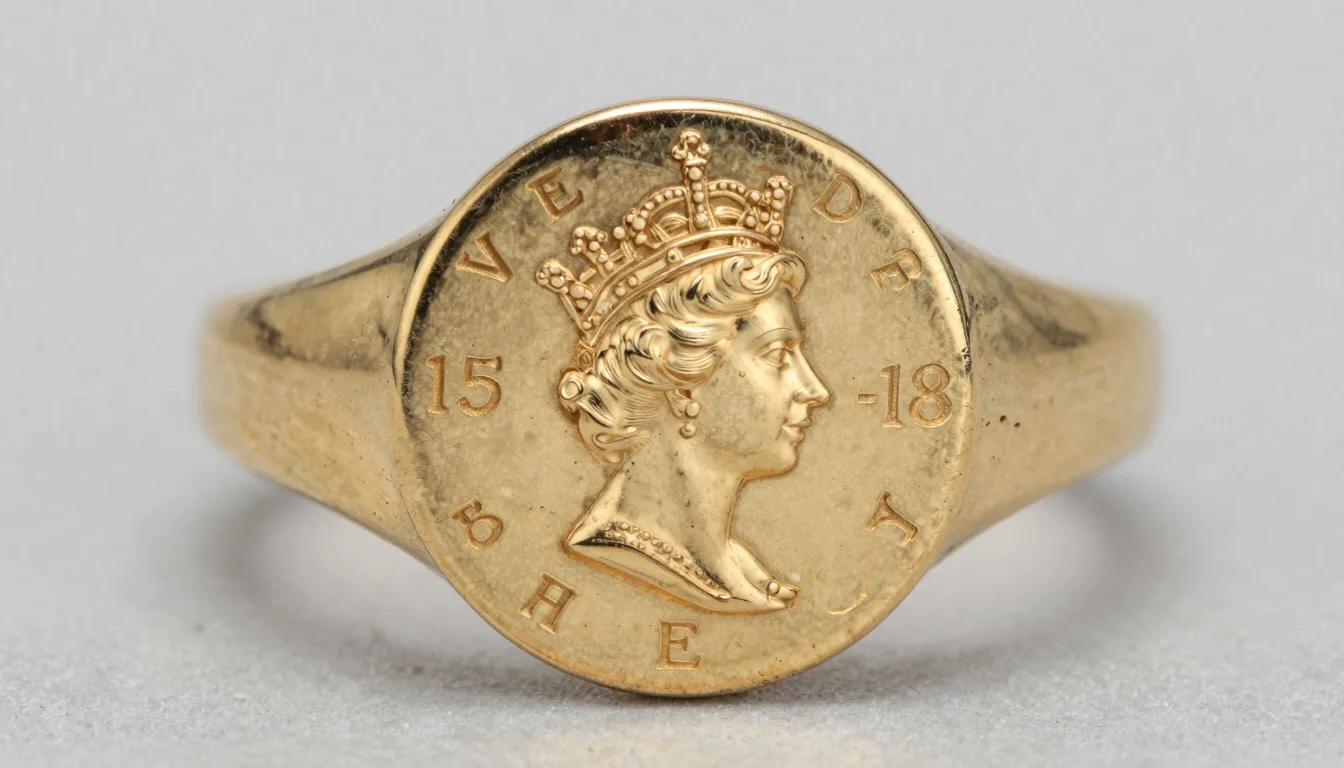
Victorian gold hallmarks: complete date and maker guide for collectors
Read more: Victorian gold hallmarks: complete date and maker guide for collectorsThe Victorian gold hallmarks guide is a complete date and maker decoder. It explains assay symbols, date letters, and duty marks. Coverage spans 1837–1901.
-
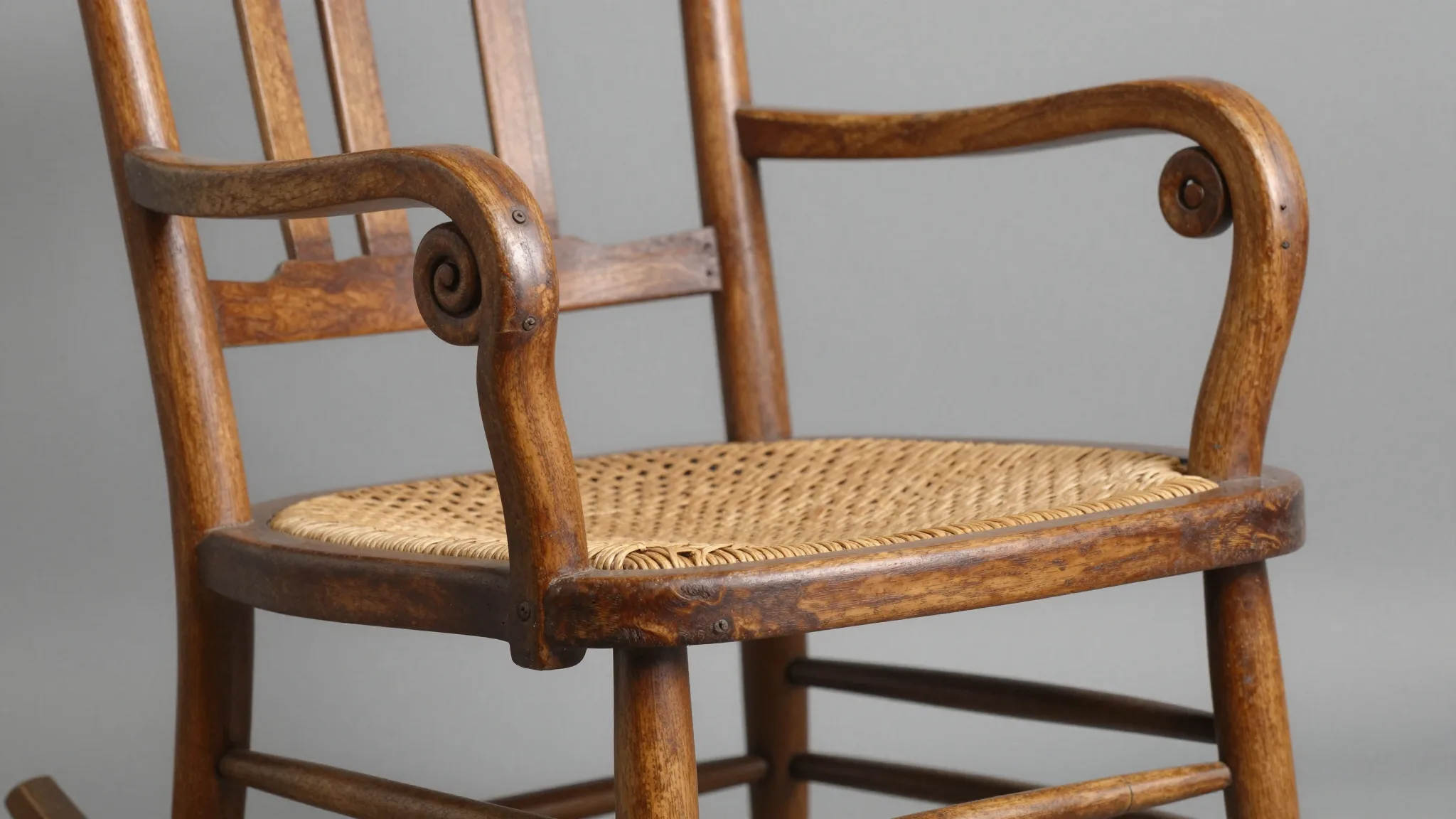
Bentwood rocker identification: Thonet, Kohn, and telling American copies apart
Read more: Bentwood rocker identification: Thonet, Kohn, and telling American copies apartThe correct ID is Thonet, Kohn, or American copy. Spot it by bends, hardware, and labels. This guide explains bentwood rocker identification.
-
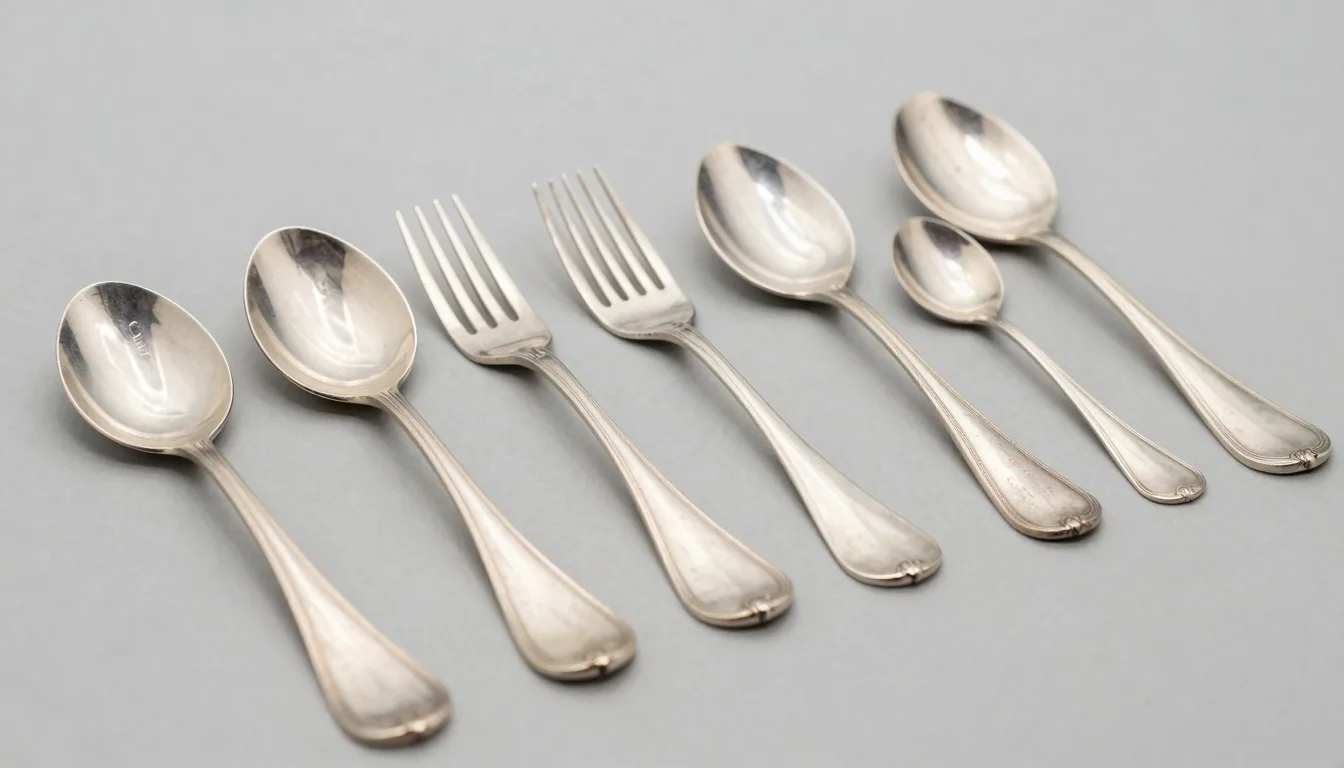
Coin silver vs sterling: dating early American flatware like a collector
Read more: Coin silver vs sterling: dating early American flatware like a collectorThe difference between coin silver and sterling is purity and era. Coin averages 900 fine before 1860; sterling is 925 later. Date flatware by marks and wear.
-
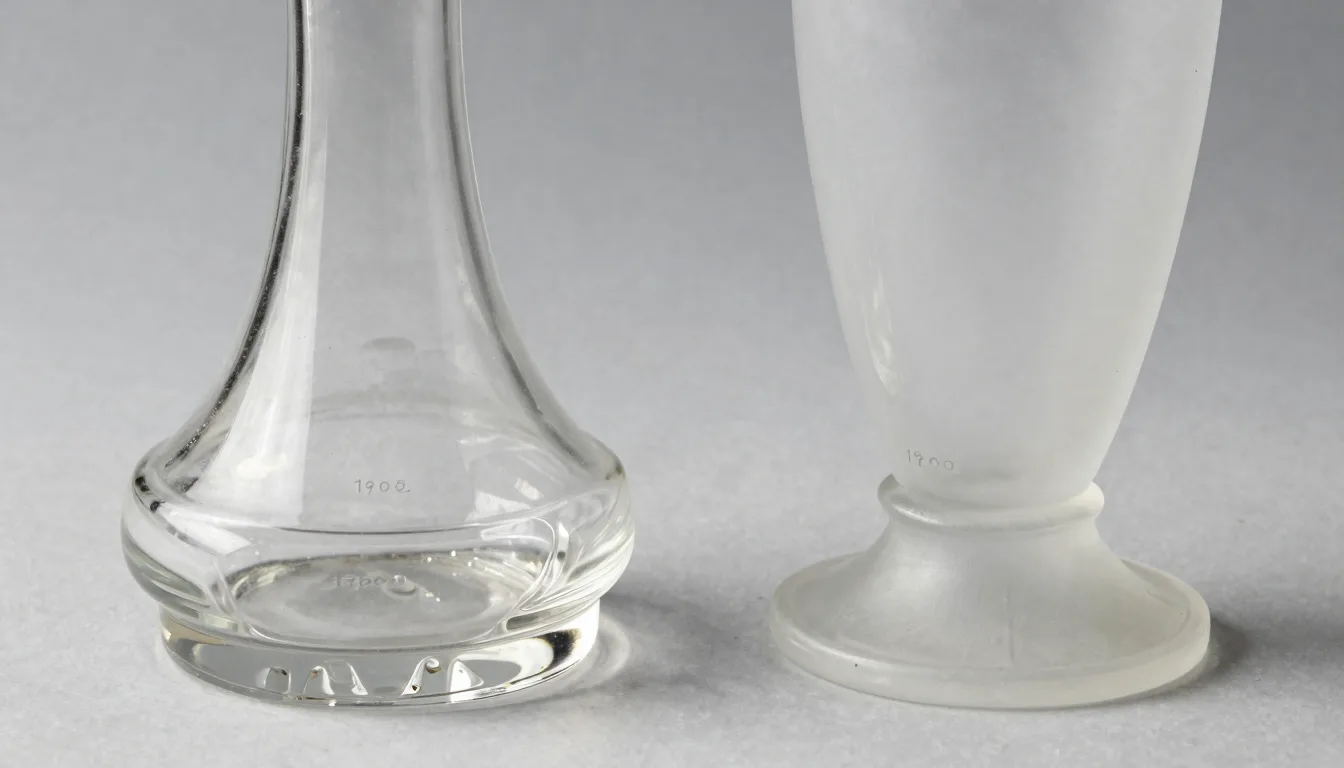
French glass makers’ marks: Baccarat, Lalique, Daum, and Saint‑Louis
Read more: French glass makers’ marks: Baccarat, Lalique, Daum, and Saint‑LouisThe French glass makers’ marks are the key to identification. They reveal maker, date, and method. We cover Baccarat, Lalique, and Daum.
