
All About Antiques
Antique identification, valuation, and collecting reference.
Popular Guides
Free Online Antique Appraisal (2026)
Ten free options compared, plus a scanner on the page that values your piece from one photo.
Antique Marks & Signatures: Complete Identification Guide
Complete guide to decoding maker marks on silver, porcelain, glass and furniture.
Is Antique Snap Legit? An Honest 2026 Review
What the app gets right, what it misses, and the complaints users actually make.
Best Antique Identifier Apps 2026: Head-to-Head Comparison
5 apps tested side-by-side for accuracy, speed and features.
Noritake China Patterns: Identification and Value
Read the backstamp, name the pattern, and see what collectors pay.
Online Antique Valuation Tools for Collectors
Free digital resources to research and price your antique items.
-
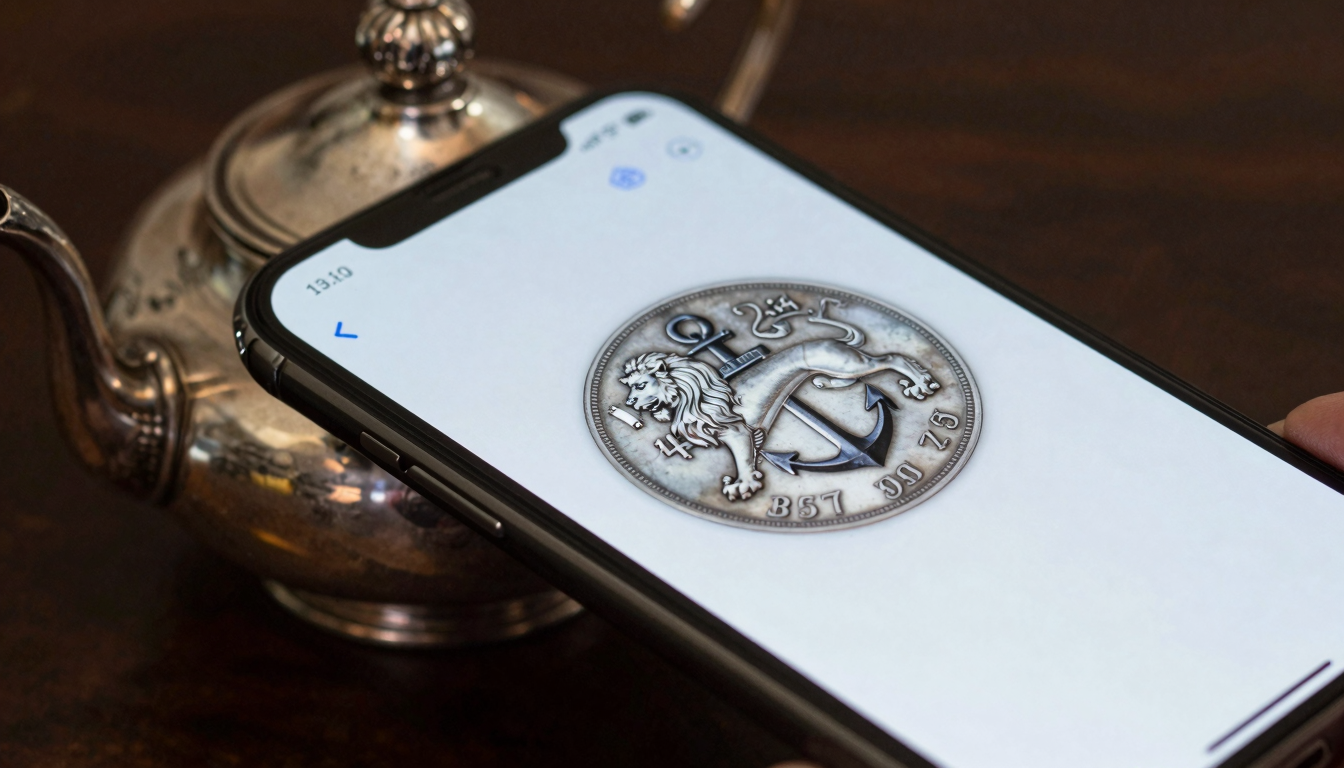
Real or fake? How AI apps detect antique forgeries in 2026
Read more: Real or fake? How AI apps detect antique forgeries in 2026AI apps detect antique forgeries by matching photo features to authenticated reference databases. Silver hallmark accuracy now exceeds 90%, while furniture lags.
-
Is ValueMyStuff legit? Honest review of the online appraisal service
Read more: Is ValueMyStuff legit? Honest review of the online appraisal serviceValueMyStuff is legitimate, a London-based service founded in 2010 by ex-Christie’s specialists. Reports cost $25–$160 and ship within 48 hours.
-
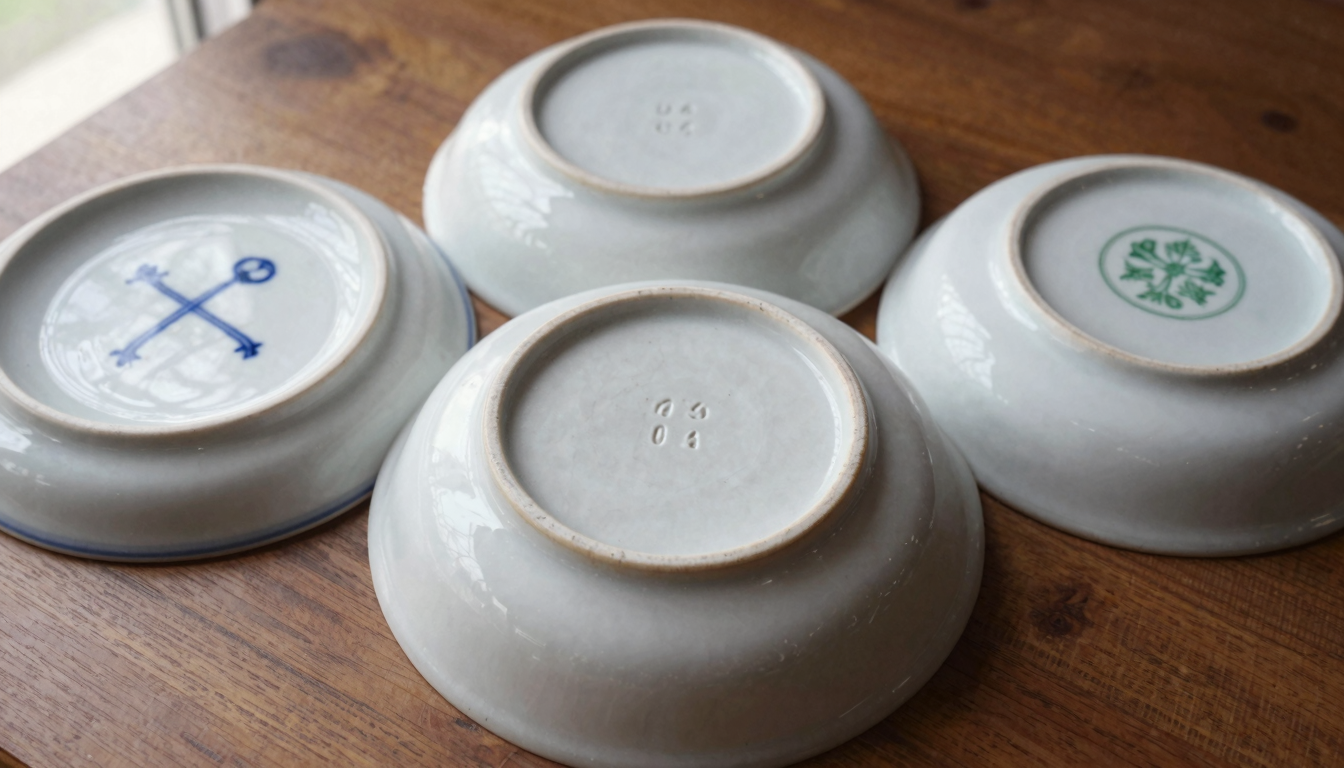
Best apps to identify pottery and porcelain marks in 2026
Read more: Best apps to identify pottery and porcelain marks in 2026Antique Identifier, the app made by the publisher of this site, reads pottery and porcelain backstamps, seals, and date codes from one photo.
-
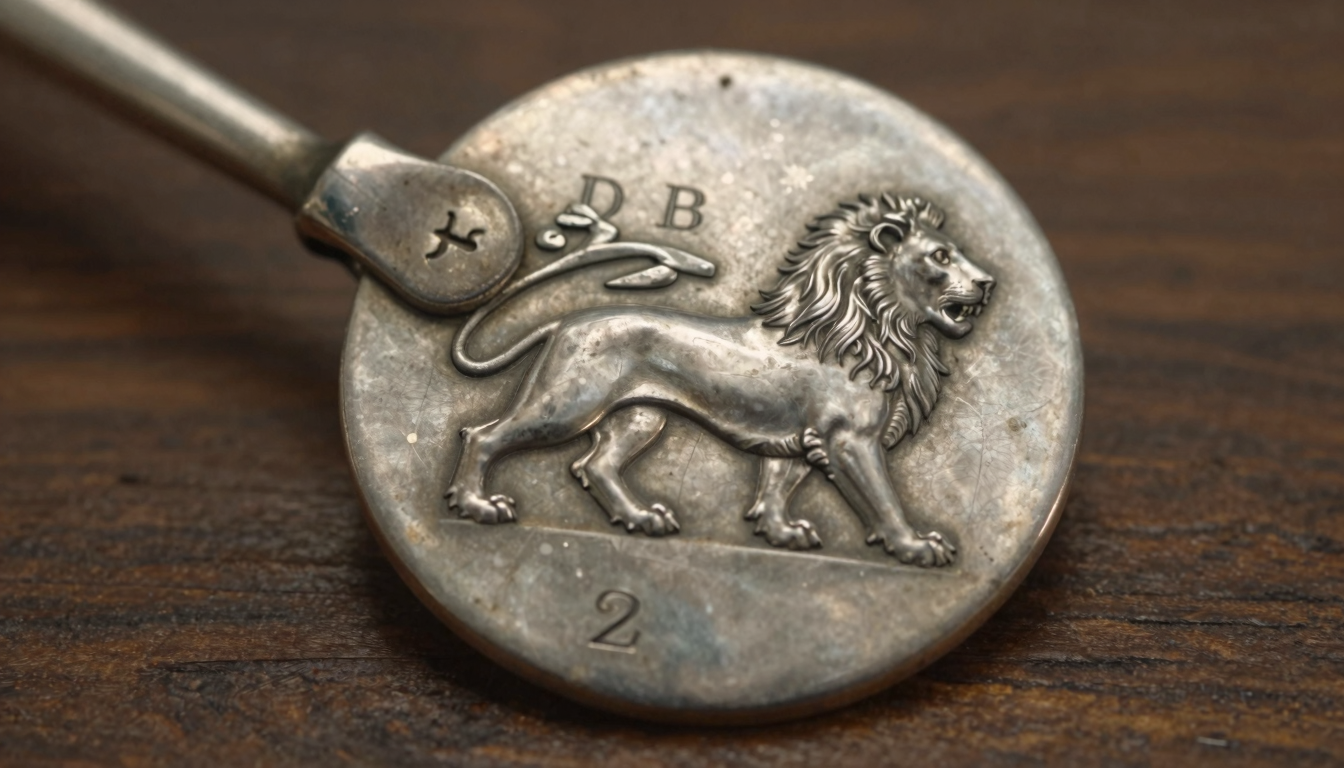
Best apps to identify silver hallmarks in 2026: Honest tests and rankings
Read more: Best apps to identify silver hallmarks in 2026: Honest tests and rankingsAntique Identifier App, made by the publisher of this site, identifies silver hallmarks from a photo. It reads British date letters, maker’s marks, and town marks instantly.
-
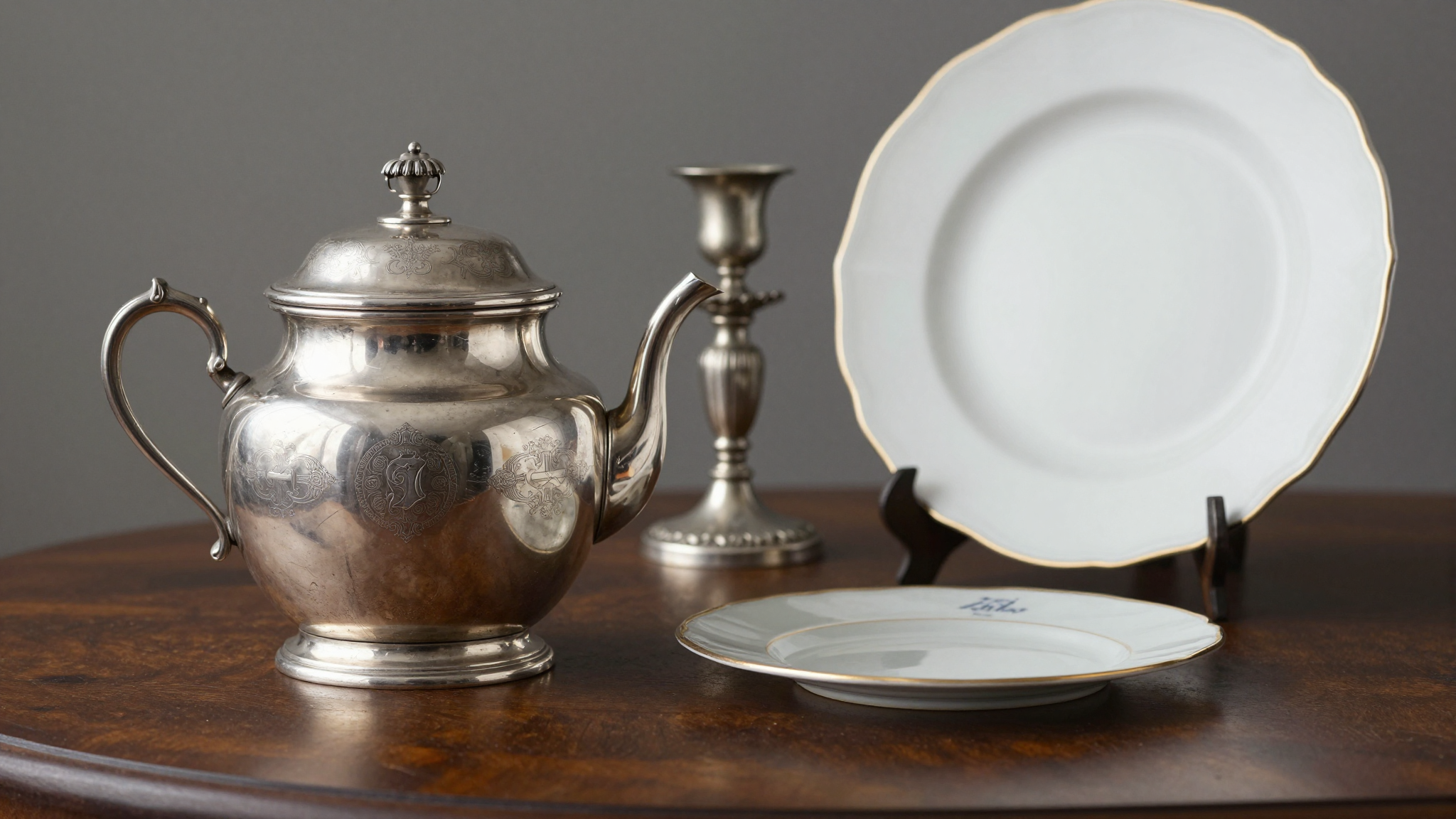
ChatGPT for antique identification: can AI really tell you what it’s worth?
Read more: ChatGPT for antique identification: can AI really tell you what it’s worth?ChatGPT can identify common antiques and explain hallmarks, but it cannot reliably value pieces or verify makers from photos. Use it as a starting point, not a final word.
-
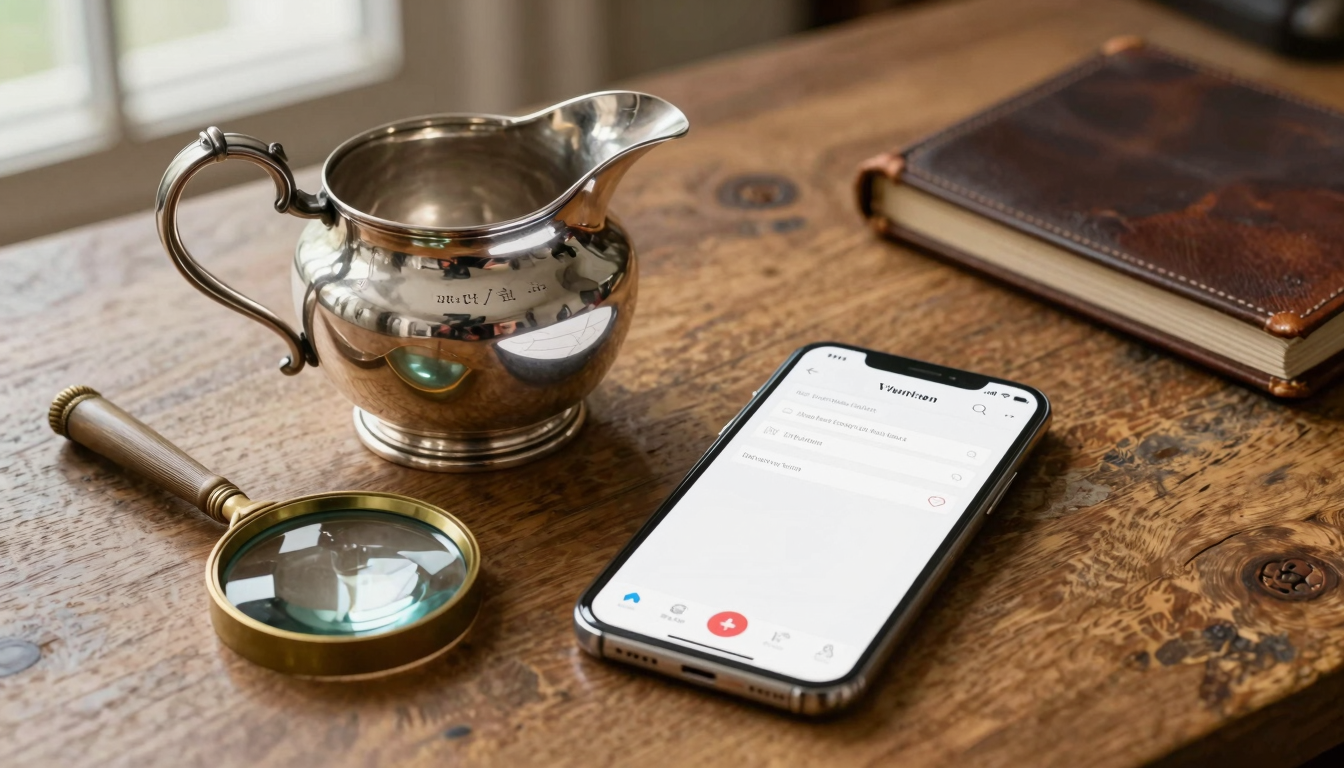
Is Mearto legit? Honest 2026 review, costs, and real appraisal results
Read more: Is Mearto legit? Honest 2026 review, costs, and real appraisal resultsMearto is a legitimate Delaware-based online appraisal service that pairs you with ISA-credentialed experts in 24-48 hours for $20-$45. After three test submissions, here’s what works and what doesn’t.
-
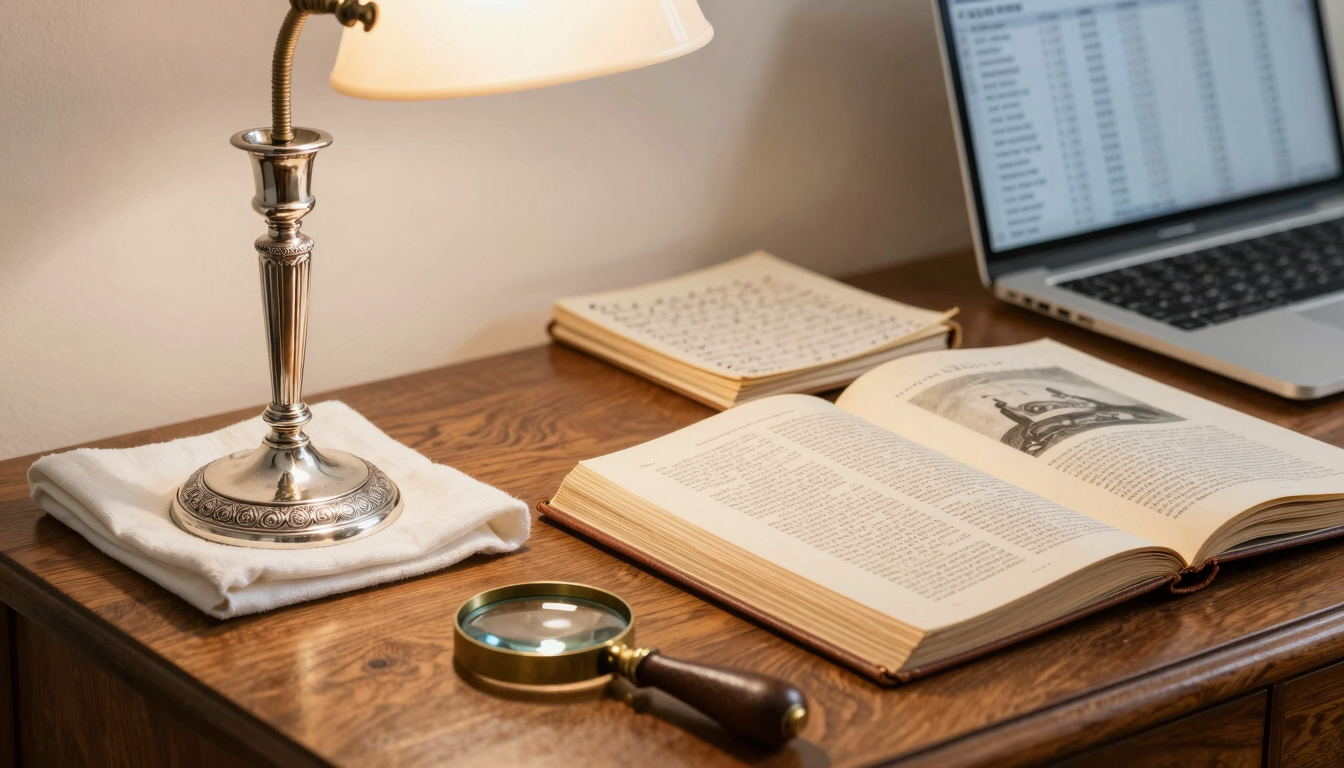
How to look up antique values like a professional appraiser
Read more: How to look up antique values like a professional appraiserTo value antiques like an appraiser, triangulate completed auction sales, dealer listings, and trusted price guides. Single quotes mislead; ranges reveal real value.
-
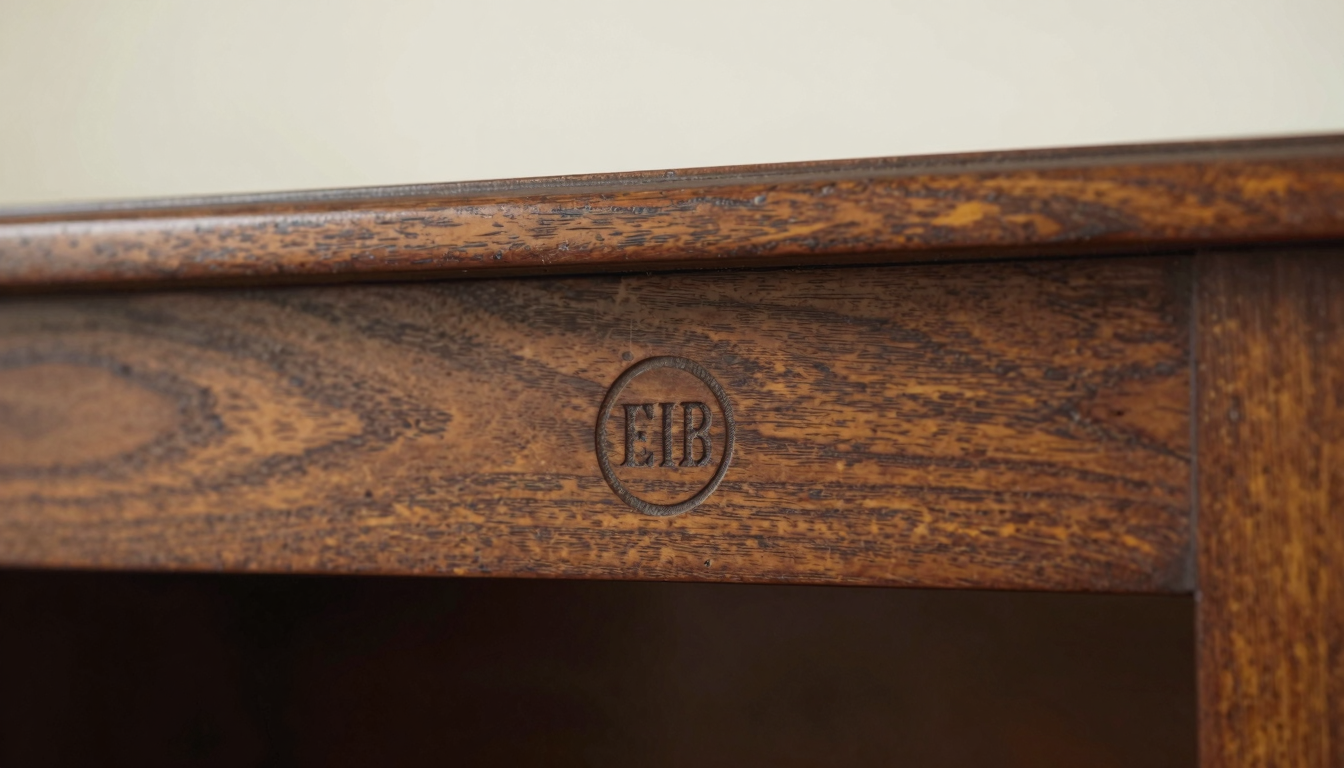
Furniture stamp identification: decoding maker’s marks on wood
Read more: Furniture stamp identification: decoding maker’s marks on woodThe fastest way to identify a furniture stamp is to check five hidden spots. Drawer backs, case bottoms, frame rails, foot blocks, and crest interiors.
-
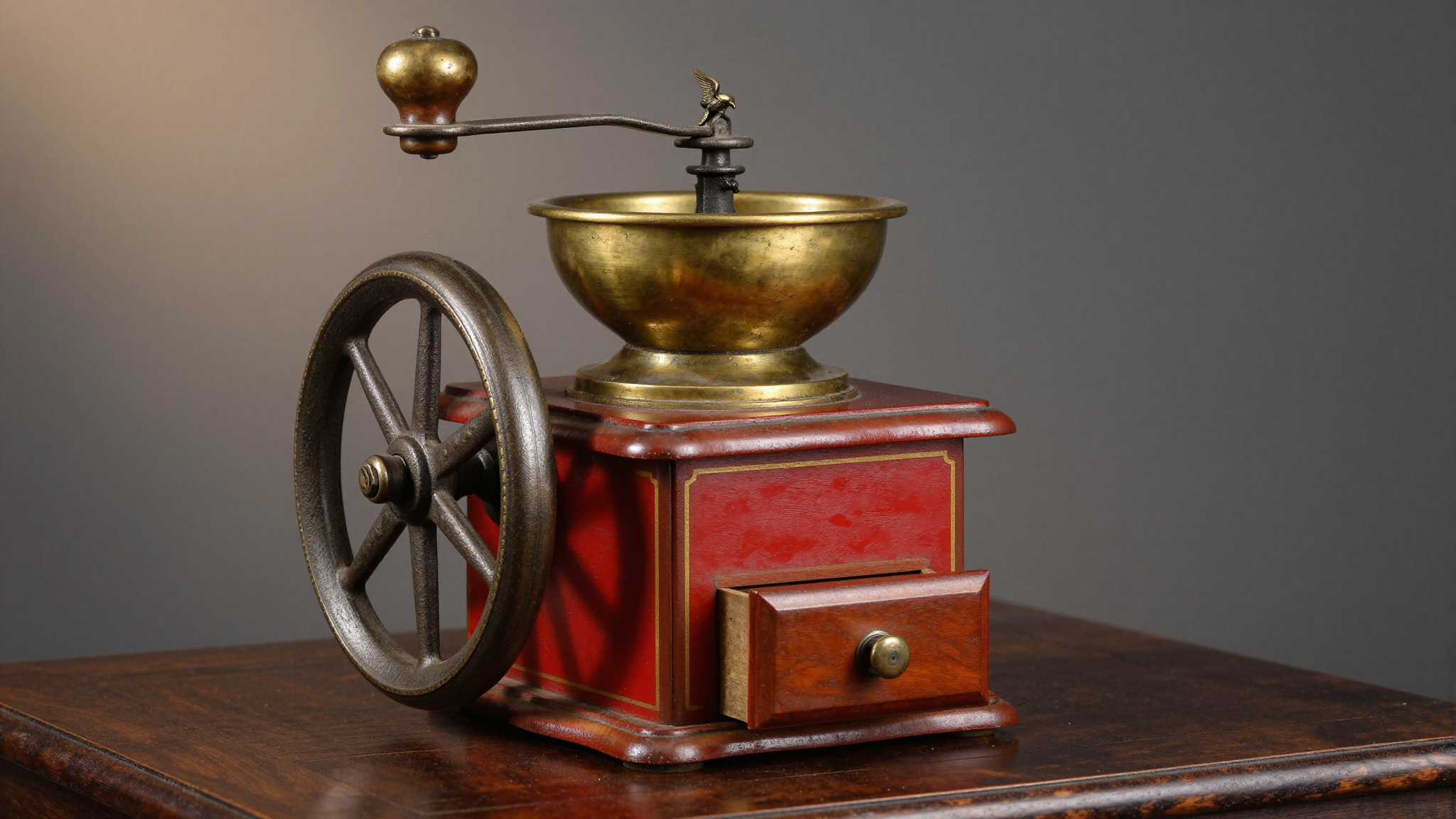
Antique coffee grinders: identification and value guide for collectors
Read more: Antique coffee grinders: identification and value guide for collectorsAntique coffee grinder values range from $40 to over $5,000. Maker, type, and condition decide the price. Pre-1900 examples typically sit $150–$600.
-
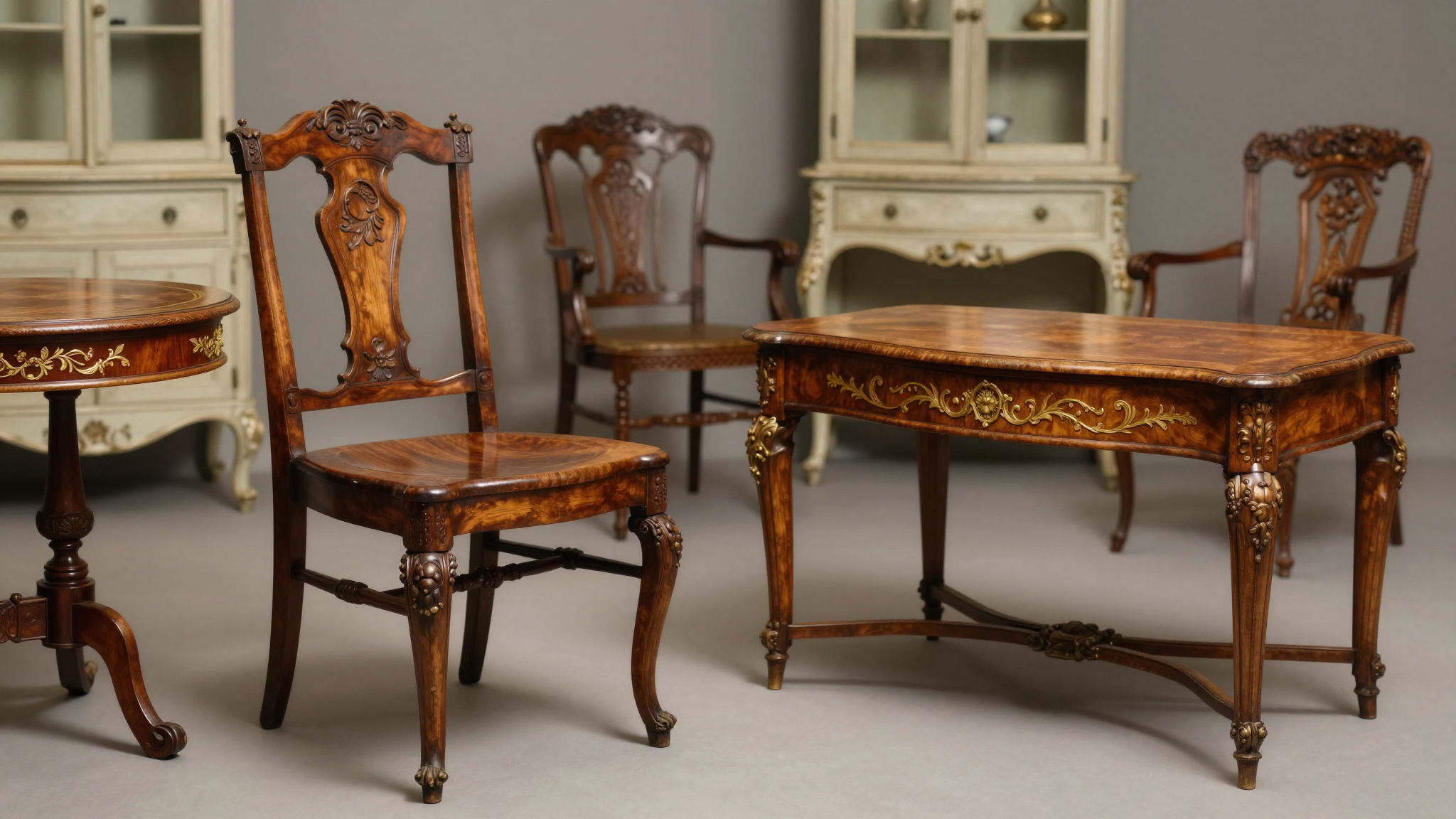
English furniture periods timeline: Georgian to Edwardian at a glance
Read more: English furniture periods timeline: Georgian to Edwardian at a glanceEnglish furniture periods run from Jacobean (1603) to Edwardian (1910). Georgian, Regency and Victorian fall between, each with its own woods and joinery.


