
All About Antiques
Antique identification, valuation, and collecting reference.
Popular Guides
Free Online Antique Appraisal (2026)
Ten free options compared, plus a scanner on the page that values your piece from one photo.
Antique Marks & Signatures: Complete Identification Guide
Complete guide to decoding maker marks on silver, porcelain, glass and furniture.
Is Antique Snap Legit? An Honest 2026 Review
What the app gets right, what it misses, and the complaints users actually make.
Best Antique Identifier Apps 2026: Head-to-Head Comparison
5 apps tested side-by-side for accuracy, speed and features.
Noritake China Patterns: Identification and Value
Read the backstamp, name the pattern, and see what collectors pay.
Online Antique Valuation Tools for Collectors
Free digital resources to research and price your antique items.
-
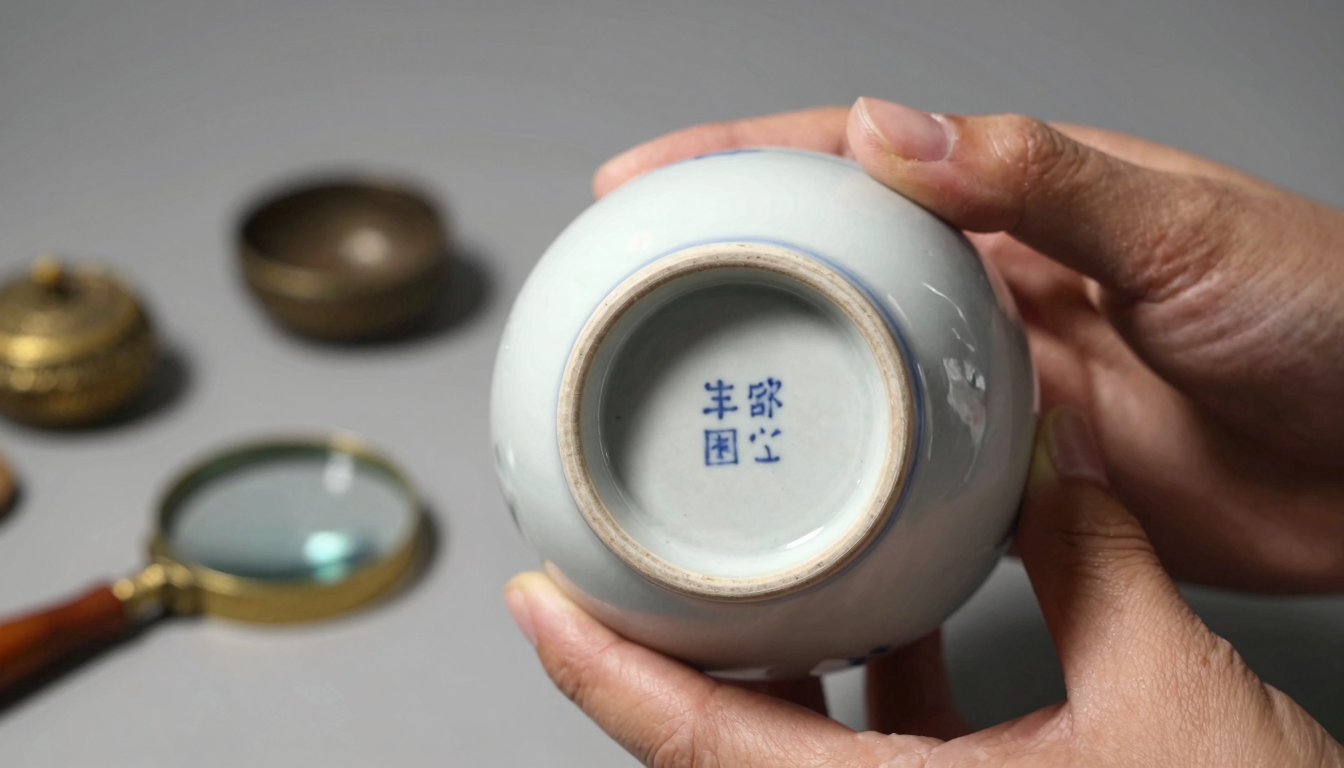
What’s my antique worth? How to find out instantly without an appraiser
Read more: What’s my antique worth? How to find out instantly without an appraiserThe fastest way to find what your antique is worth is to identify its maker’s mark, then compare recent sold prices. Condition and demand set the value.
-

Rogers Silverplate Patterns: Identification and Value Guide
Read more: Rogers Silverplate Patterns: Identification and Value GuideRogers silverplate patterns are identified by the exact backstamp— 1847 Rogers Bros, Wm Rogers, and Rogers & Bro each trace to a different Connecticut maker.
-
The most valuable items people found at thrift stores and flea markets
Read more: The most valuable items people found at thrift stores and flea marketsThe most valuable thrift store find on record is a $14,000 flea market trinket later identified as a Faberge Imperial Egg worth roughly $33 million. The buyer planned to melt it for the gold. That single object reframes what a resale table can hide.
-
100 antiques and collectibles that could be worth real money
Read more: 100 antiques and collectibles that could be worth real moneyAntiques worth real money include sterling silver, art pottery, and vintage Pyrex. Condition, maker, and rarity decide value.
-
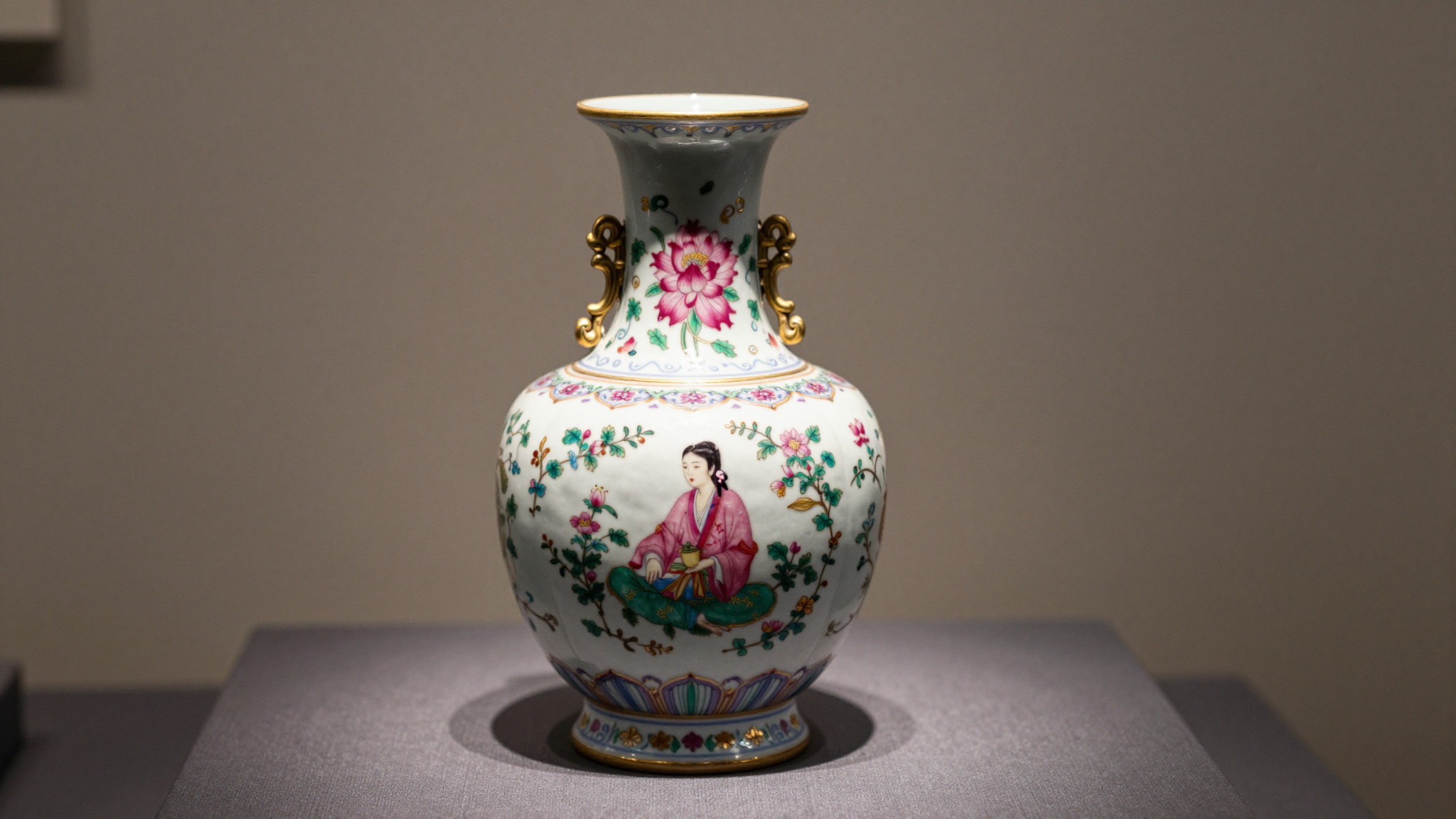
The 25 most expensive antiques ever sold at auction
Read more: The 25 most expensive antiques ever sold at auctionThe most expensive antique ever sold at auction is the Qianlong Pinner vase, which hammered for £53.1 million in London in 2010, a record for Chinese art.
-
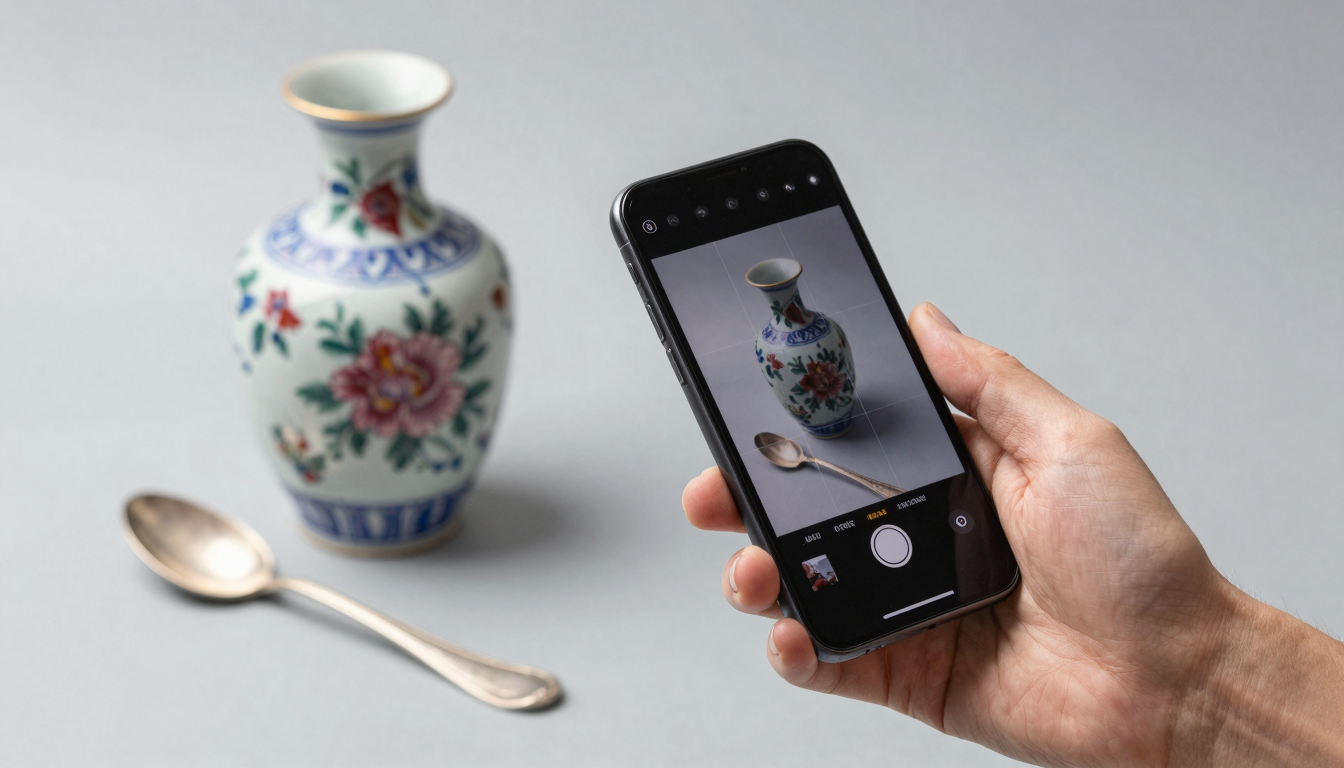
Google Lens for antiques: does it identify and value them? (I tested it)
Read more: Google Lens for antiques: does it identify and value them? (I tested it)Google Lens identifies antiques by visual match but rarely values them accurately. It finds similar listings, not appraisals, a useful first clue, not a verdict.
-
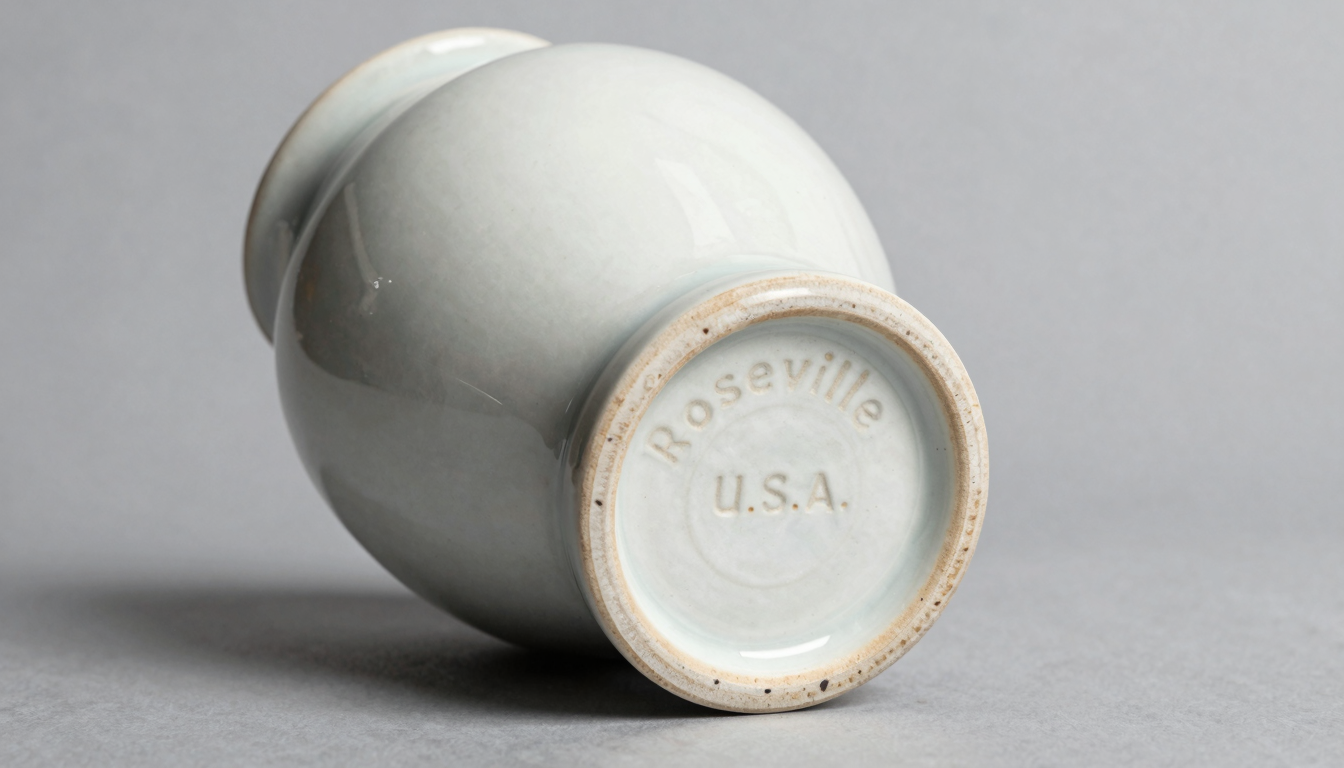
Roseville pottery marks: how to identify and value your piece
Read more: Roseville pottery marks: how to identify and value your pieceMost Roseville pottery is identified by a raised script ‘Roseville U.S.A.’ mark, used from 1936 on. Earlier pieces wore foil labels that often fell off.
-
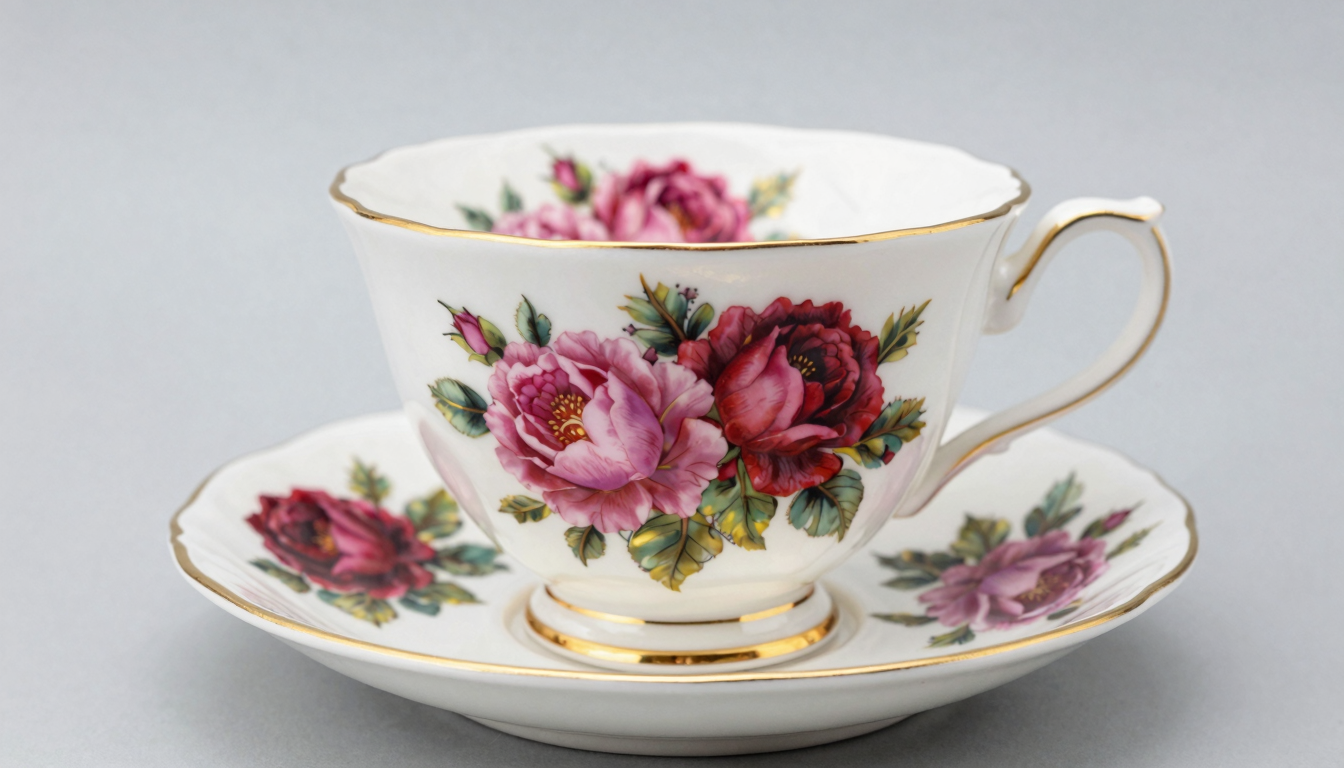
Royal Albert Old Country Roses: value and identification guide
Read more: Royal Albert Old Country Roses: value and identification guideRoyal Albert Old Country Roses is bone china from 1962. Common pieces sell for $15 to $50, while early England-made and rare forms fetch much more.
-
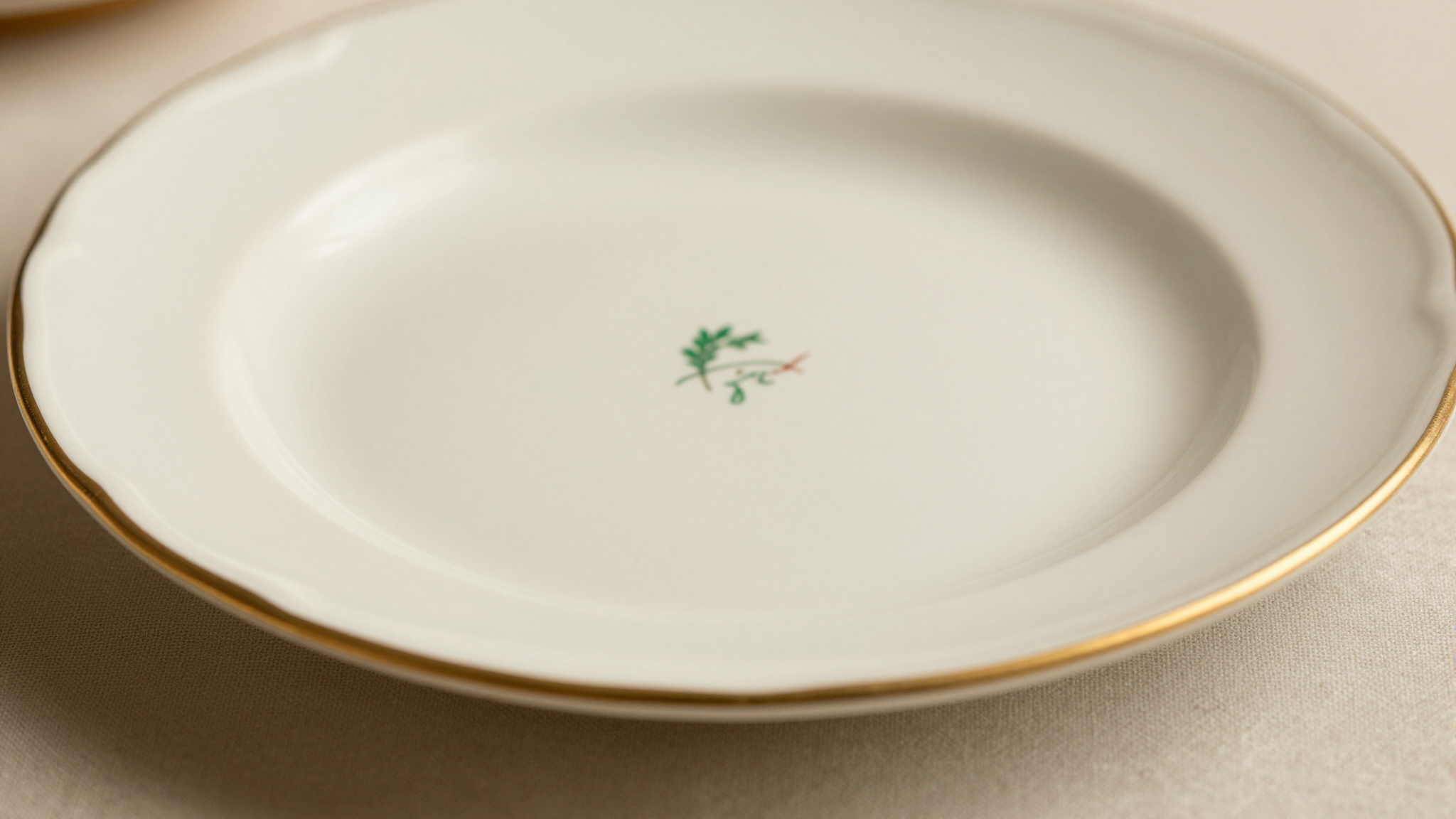
Lenox china marks: how to date and value your porcelain
Read more: Lenox china marks: how to date and value your porcelainLenox china marks date a piece by color and wreath style. A green palette wreath signals 1906–1930; a gold wreath stamp points to post-1953 dinnerware.
-
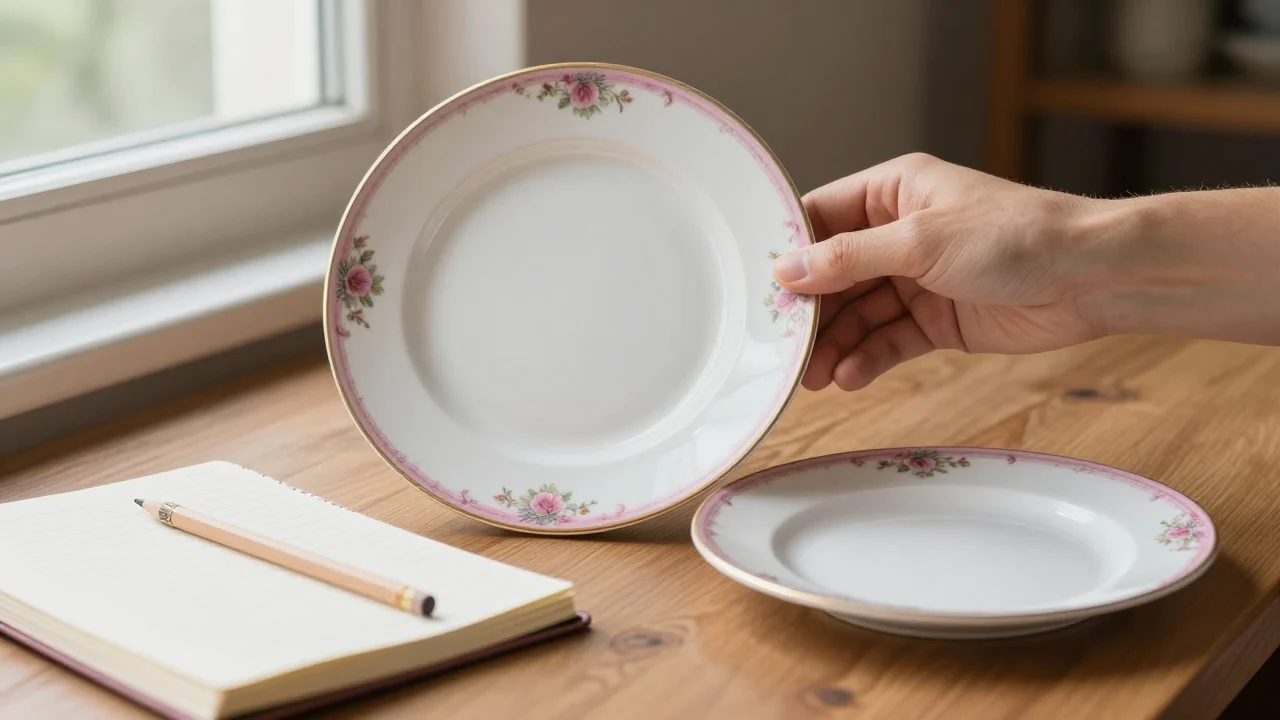
Noritake china patterns: identification and value guide
Read more: Noritake china patterns: identification and value guideIdentify Noritake china by the backstamp: its wording and symbol place the piece in a period, and the pattern name or number then decides what it is worth.


