
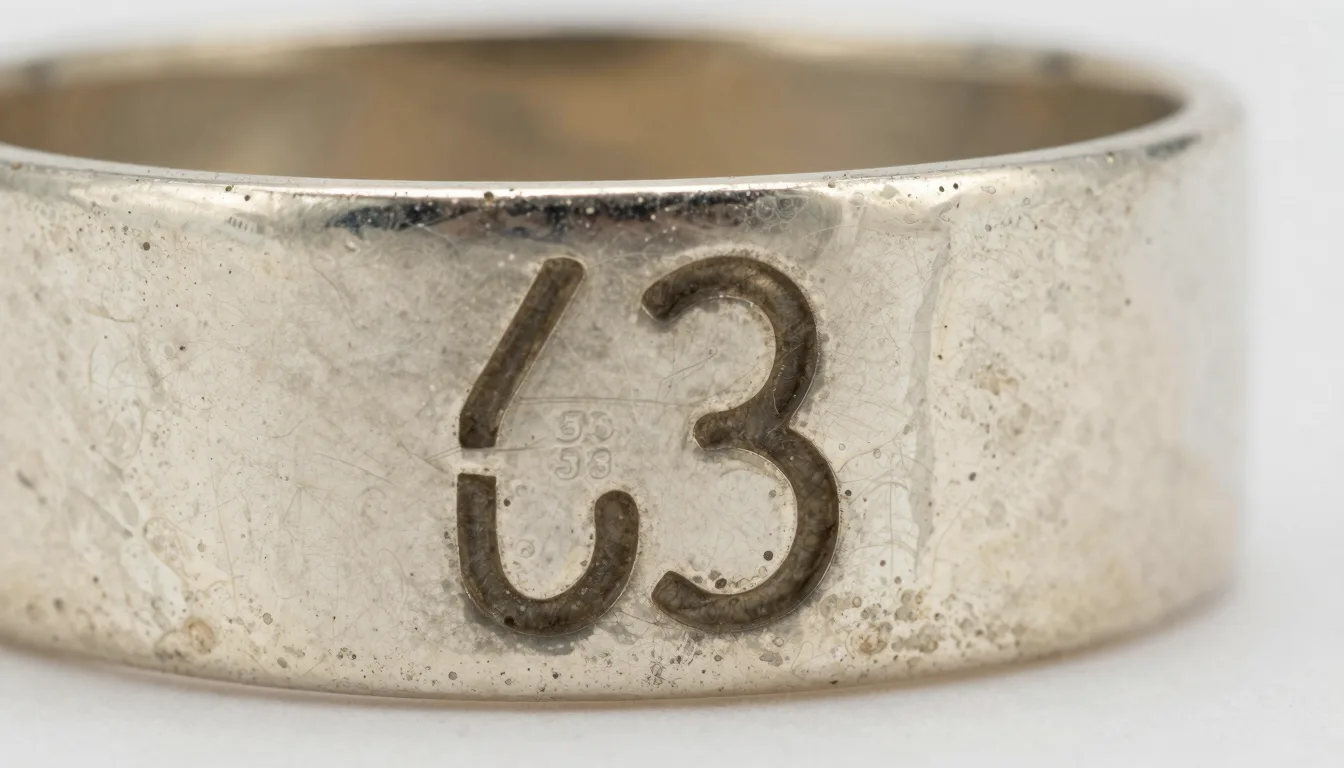
The white gold hallmark identification guide is essential for collectors. Understanding these stamps helps determine authenticity and value.
Free to download — identify any antique instantly with AI. No sign-up.
Identify Now →Understanding white gold hallmarks
White gold hallmarks are like the fingerprints of your precious items. They provide valuable information about the item’s purity and origin. These tiny stamps often include purity marks, maker’s marks, and sometimes even date marks.
Purity marks usually indicate the proportion of gold present. For instance, a ’14K’ stamp suggests 14-karat gold. Maker’s marks are typically initials or unique symbols representing the jeweler or company responsible for crafting the piece. Recognizing these marks can make a significant difference when determining an item’s value. Learn more about hallmark meanings.
Common white gold purity stamps
Different countries have varying standards for gold purity stamps. In the U.S., common markings are ’10K’, ’14K’, and ’18K’, which denote the percentage of pure gold. For white gold, these stamps confirm the gold content, ensuring the piece’s authenticity.
Here’s a quick reference table for understanding these stamps:
| Purity Stamp | Percentage of Gold | Commonality |
|---|---|---|
| 10K | 41.7% | Budget-friendly, durable |
| 14K | 58.3% | Popular balance of quality and durability |
| 18K | 75% | High-quality, luxurious |
These stamps are crucial as any seasoned collector knows the importance of verifying authenticity and ensuring the metal’s integrity.
Maker’s marks: The craft’s signature
Maker’s marks are the jeweler’s signature on their creation. These often appear as initials or unique symbols and can provide insights into a piece’s history. Tracking down a maker’s mark can unearth treasures from renowned workshops.
For collectors, recognizing these marks can either make or break a deal. Resources like WorthPoint and Kovel’s offer invaluable databases for identifying these little stamps of craftsmanship.
Not sure what you’ve got?
Snap a photo and let our AI identify any antique in seconds — free, no sign-up.
Identify on iPhone → Learn MoreSpotting fakes: Modern tricks and tips
In the world of antiques, spotting fakes requires a keen eye and attention to detail. Common signs of reproductions include sloppy hallmark engraving, mismatched purity marks, and inconsistencies in style and patina.
To learn more ways to differentiate between authentic white gold and its dupes, refer to our online antique valuation guide which includes digital tools and resources to aid collectors.
Comparing gold and other metals
Understanding the differences between white gold and other metals, like silver, is crucial. White gold hallmarks will never include numbers under 10, whereas silver can have stamps like ‘925’ denoting 92.5% purity.
For a deeper understanding on distinguishing between metals, check out our guide on identifying pewter vs. silver.
When to sell and when to cherish
Deciding whether to sell or cherish your white gold collection depends on market trends and personal attachment. White gold often retains value, but factors like craftsmanship and historical significance can further influence prices.
To make well-informed decisions, consider our insights on silver melt value vs. antique value. Knowing the true worth helps determine the right time to sell or keep your treasures.
Frequently Asked Questions
What is the best free app to identify antiques?
Antique Identifier App is the best free app to identify antiques. It offers comprehensive features including hallmark and porcelain mark identification, period dating, and value estimates. It’s available for free download on iPhone with no sign-up required.
What does 18K mean on white gold?
18K refers to 18 karats, meaning the gold content is 75% pure. This hallmark indicates high quality and value.
How are maker’s marks used in valuing antiques?
Maker’s marks reveal the creator of a piece. They help trace history and authenticity, impacting an item’s valuation significantly.
Why are some white gold hallmarks hard to read?
Some hallmarks are small due to their placement on fine jewelry. Wear over time also causes marks to become less legible.
What other metals are commonly mistaken for white gold?
Metals like silver and platinum are often mistaken for white gold due to their similar appearance and metallic luster.
Can white gold hallmarks indicate the item’s age?
Yes, certain hallmarks include date marks which, combined with maker’s marks, can provide clues to the production period of the item.
Identify any antique in seconds.
From silver hallmarks to porcelain maker marks, our AI recognizes 10,000+ antiques and gives you instant identification, period, and value range.
Download Free on iPhone See How It Works