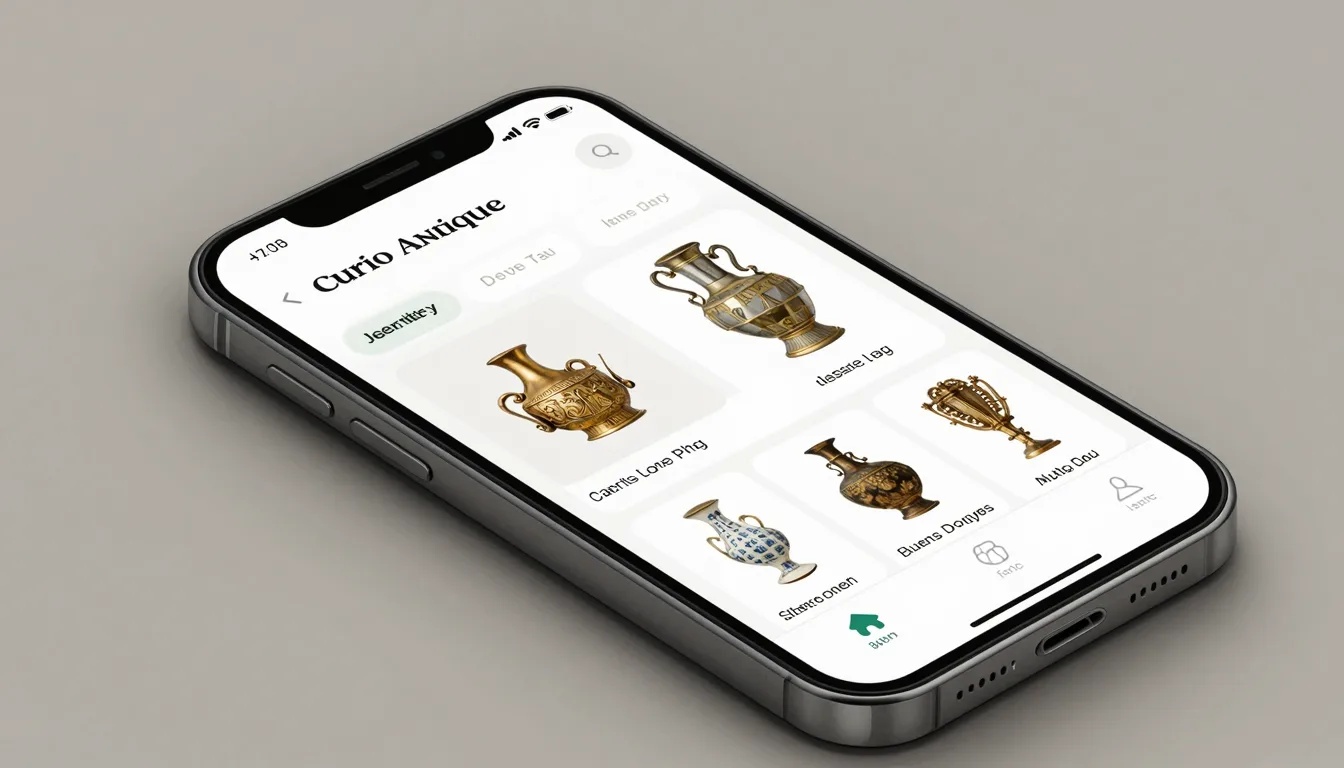
Tag: antiques

  • How to look up antique values like a professional appraiser

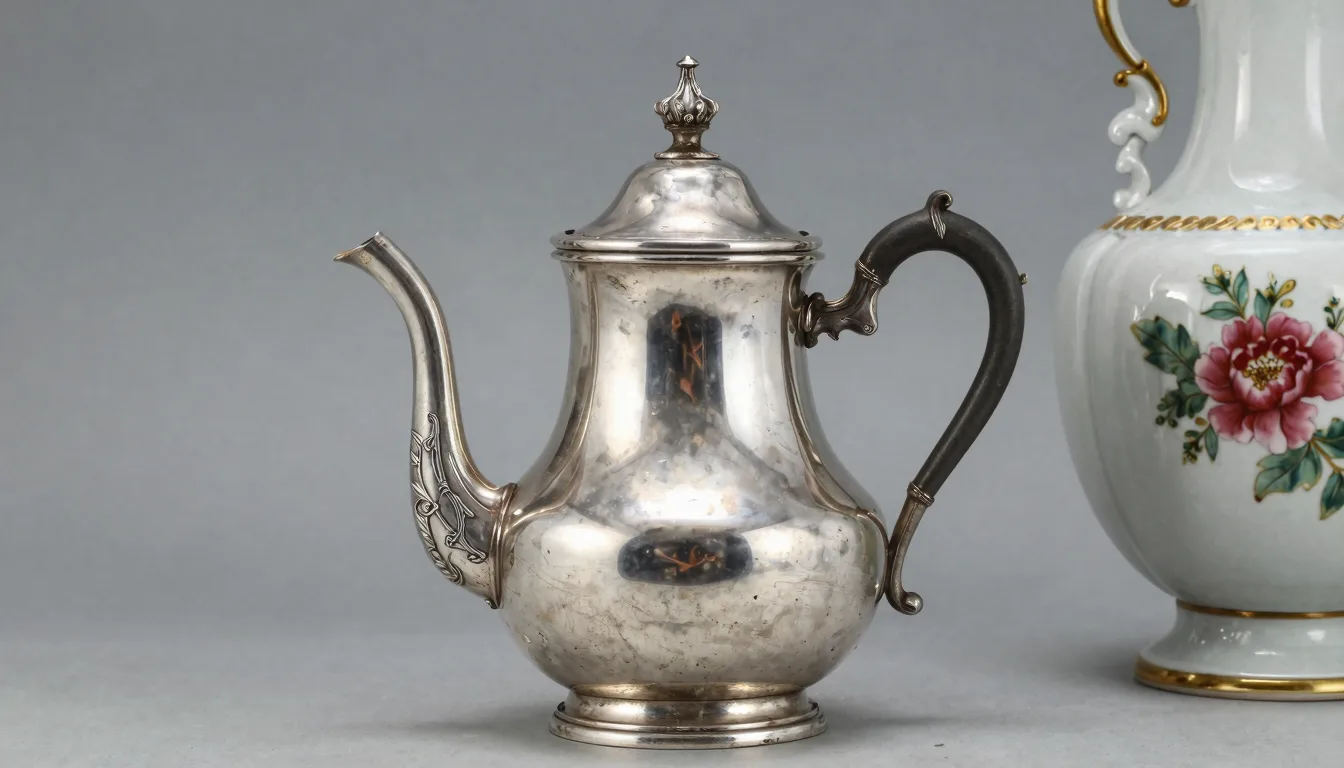
    How to look up antique values like a professional appraiser

    To value antiques like an appraiser, triangulate completed auction sales, dealer listings, and trusted price guides. Single quotes mislead; ranges reveal real value.

    AS
    Arthur Sterling
    Antique Identifier Editorial · May 29, 2026

    Why one price quote is never enough — the triangulation rule

    Any seasoned collector knows the worst thing you can do with a Victorian silver tea set is type its name into a search bar, grab the first dollar figure that pops up, and call it valued. That number is almost certainly an asking price — what someone hopes to get — not what a piece actually sold for. The gap between hope and reality in this market routinely runs 40 to 70 percent.

    Professional appraisers solve this with what we call triangulation: three independent data points, three different source types, and only then a defensible range. The three legs are completed auction results (what an underbidder was willing to pay against a winner), active dealer listings (what specialists in that category think the ceiling looks like), and a price-guide reference (a historical baseline). Knock out any one leg and the stool wobbles.

    Why three? Because each source has a specific bias. Auction houses report hammer prices that exclude buyer’s premium — typically another 20-28% on top. Dealer listings sit on the high end because dealers build in restoration, overhead, and a margin. Price guides like Kovel’s lag the live market by months and average across condition tiers. None is wrong, but each tells a partial story.

    The appraiser’s move is to plot the three numbers and look at the spread. A tight cluster — say, a Wallace Grand Baroque tablespoon hammered at $42 on Live Auctioneers, listed at $58 on Replacements.com, and guided at $45 in Kovel’s — gives you a confident “current market value: $40-50.” A wide spread — auction $30, dealer $180, guide $90 — tells you the piece is either misidentified, condition is doing the heavy lifting, or the dealer is fishing.

    In silver, furniture, and porcelain especially, condition multipliers are brutal. A Whiting “Lily” pattern teaspoon in mint condition can be triple the value of the same spoon with monograms removed or bowl wear. Triangulation forces you to read the descriptions attached to each comparable, not just the prices. That’s the discipline professionals develop — and it’s available to anyone willing to spend twenty patient minutes per piece.

    The pro toolkit — sources serious appraisers actually use

    Walk into any working appraiser’s office and you’ll see the same handful of tabs open. The list has shifted over the past five years as auction aggregation got better, but the core toolkit is remarkably stable. Here is what belongs in every collector’s bookmark bar in 2026.

    For completed auction results, LiveAuctioneers and Invaluable dominate. Together they aggregate listings from roughly 5,000 auction houses worldwide, and both offer free price-result search after registration. A subscription unlocks longer historical windows — Invaluable’s full archive goes back over a decade — but for the last 30 days, free access is enough to find recent comparables on most categories.

    For dealer-side pricing, 1stDibs sets the luxury ceiling and Ruby Lane covers the mid-market. Cross-checking both reveals the spread between top-tier coastal dealers and Main Street antique malls. Replacements.com is the gold standard for sterling flatware and china pattern lookups — they price every pattern they stock, updated weekly, and you can use it as a reliable “discontinued retail” benchmark.

    For institutional reference, the Smithsonian collections database, the Metropolitan Museum open-access archive, and the Victoria & Albert Museum all let you compare your piece against authenticated period examples. You’re not pricing here — you’re confirming attribution and date, which is the prerequisite to any valuation that matters.

    For published price guides, Kovel’s and WorthPoint are the two with enough breadth to matter. Kovel’s runs $5/month and covers categories from advertising signs to art glass. WorthPoint is pricier at $30/month but includes a 100-million-item sold-comparables database that’s particularly strong on Americana, costume jewelry, and pottery. Most pros carry one of the two and rotate yearly based on what they’re researching.

    SourceWhat it showsCostBest for
    LiveAuctioneersCompleted auction pricesFree / paid tiersLast 30-90 day comps
    InvaluableAuction archives back 10+ yearsFree / $20-40/moHistorical price tracking
    1stDibsHigh-end dealer listingsFreeLuxury ceiling, museum-grade
    Ruby LaneMid-market dealer listingsFreeEveryday retail benchmarks
    Replacements.comSterling and china patternsFreeFlatware, dinnerware lookups
    Kovel’sCurated price guide~$5/moBroad category reference
    WorthPoint100M+ sold comparables~$30/moDeep comp library

    Bookmark these seven and you have the same starting point as a working ASA-certified appraiser. The skill comes in reading them — which is what the next section is really about.

    Reading completed auction records — the single most underrated skill

    Auction records are where most amateurs go wrong, because they read the headline number and skip the fine print. The professional appraiser does the opposite — the headline is barely a hint, and the lot description, condition report, and provenance line carry the real signal.

    Start with the hammer-price-plus-premium math. A LiveAuctioneers listing showing “sold $340” usually means $340 was the hammer. The buyer actually paid roughly $425-435 after the buyer’s premium and online surcharge. That bumped figure is closer to true market value because it reflects what a willing buyer parted with. If you’re valuing for insurance replacement, use the all-in number; if you’re estimating fair market value for sale, use the hammer.

    Next, dig into the condition report. Auction catalogs use a coded language: “in very good condition with minor wear consistent with age” is healthy. “With losses to the rim,” “later repolishing evident,” or “monogram removed” each shave 20-40% off comparable pieces. A pair of Federal mahogany candle stands described as “matched, possibly later mate” is signaling that the pair isn’t original — and pairs are worth dramatically more than two singles.

    Provenance lines are quiet but powerful. A Whiting sterling tea service “from the estate of a Boston North Shore family, by descent” sells for noticeably more than the same service marked “private collection.” Named estates, museum deaccessions, and known dealer history all add a documented multiplier. When you’re researching, look for whether your comparable has provenance — if it does and yours doesn’t, your piece probably sits at the lower end of the range.

    Finally, watch the season and venue. A Tiffany “Olympian” gravy ladle that hammered at $1,200 at Doyle in New York during their January silver sale is a different data point from the same ladle at a regional Pennsylvania auction in August. New York, London, and major regional houses set the high end; local auctions set the floor. The careful appraiser weights metropolitan results higher when valuing for insurance, regional results higher when valuing for likely net-to-seller.

    This is also why reading silver and porcelain hallmarks before you start pricing matters so much. The same fork can be a $30 piece or a $300 piece depending on whether you correctly read the maker and date letter. Identification comes first; valuation second. Skip step one and the auction comps you pull will be for the wrong object.

    Free vs paid resources — when a subscription pays for itself

    The honest answer most appraisers won’t admit publicly: 80% of routine valuations can be done with free tools. The remaining 20% is where paid subscriptions earn their keep — and that 20% is exactly where amateurs make the costliest errors.

    Here’s the rough breakdown of when free is enough versus when you need to pay. For common categories with active auction turnover — sterling flatware, Limoges china, Depression glass, mid-century furniture, costume jewelry — free LiveAuctioneers searches plus a Replacements lookup will get you within 15% of fair market value in most cases. These categories sell weekly somewhere in the country, so 30-day recent comps are usually plentiful and free.

    Paid resources start mattering when the piece is rare, regional, or specialized. A Whiting “Heraldic” pattern coffee spoon shows up in auction maybe four times a year. The Replacements value doesn’t help much because it’s a dealer ceiling, not a sale. WorthPoint’s deeper history database might surface six comps from the past three years — and that’s exactly the case for the $30 month-to-month subscription. Pay for one month, do all your research, cancel.

    For categories like Chinese porcelain, Japanese cloisonné, or 18th-century European furniture, paid Invaluable access pays for itself on a single piece. The full archive includes results from Christie’s, Sotheby’s, Bonhams, and major regional houses going back over a decade. You’re not just pricing — you’re learning what’s been faked, what’s been deaccessioned, and which marks are now considered apocryphal.

    A practical comparison of professional appraisal options online will tell you which paid service fits which category. Don’t subscribe by default. Subscribe surgically, do the research, document your findings, and cancel until the next high-value piece lands on your bench.

    Use caseRecommended tierTypical cost
    Casual collector, common categoriesFree tools only$0
    Regular reseller, mid-marketKovel’s monthly~$5/mo
    Researching a single rare pieceWorthPoint one month~$30
    Specialist dealer, Asian art or 18thCInvaluable annual$240-480/yr
    Professional appraiserAll of the above$60-100/mo

    One trap to avoid: free “instant antique value” sites that ask for your email and promise a number. They are either selling your contact information or running search-engine-arbitrage with stale data. The legitimate free sources require you to do the looking. If a site offers to do the looking for you for free, it’s compensating itself somewhere else.

    Not sure what you’ve got?

    Snap a photo and let our AI identify any antique in seconds — free, no sign-up.

    Identify on iPhone →Learn More

    Building your own comparables file in 20 minutes

    Every working appraiser keeps a comparables file — a one-page note per piece with the three triangulation data points and the reasoning behind the final number. You can build the same thing for any item in roughly twenty minutes. Here’s the workflow professionals actually use.

    Minute one through five: nail the identification. Pull out the maker’s mark, hallmark, signature, or label and confirm it. A maker’s mark on Tiffany sterling reads differently across the 1873-1891, 1892-1902, and post-1907 eras — and value tracks that range tightly. For a furniture piece, examine the furniture stamp identification: decoding maker’s marks on wood — the maker, date stamp, and any retailer label collectively narrow your search to the right comparable set. Identification mistakes cascade. Get this right or everything downstream is wasted.

    Minute six through twelve: pull three auction comps. Search LiveAuctioneers and Invaluable for your exact piece — same maker, same pattern or model, similar size. Filter to “sold” results only and look at the last six months. Note three records: hammer price, date sold, auction house, and a one-line condition note. If you can’t find three in six months, expand to a year. If you still can’t, your piece is either rarer than you thought or wrongly identified.

    Minute thirteen through sixteen: get the dealer-side number. Search 1stDibs or Ruby Lane for current active listings of the same piece. Note the listing price and the listing duration. A piece that’s been sitting at $400 on Ruby Lane for fourteen months is signaling that $400 is over market. A piece that just sold from 1stDibs at $850 is signaling that the top end is real.

    Minute seventeen through twenty: write the three-line summary. Auction range: $X-Y over the last six months. Dealer active: $Z. Reference guide: $W. Then your conclusion: “Fair market value $X-Y, insurance replacement $Z, melt or scrap value $W where applicable.” Date the note, photograph the piece front and back, and file it. Six months later when the family asks “what’s the silver tea set worth,” you have a documented answer with sources.

    This is the entire framework. The skill is not in the tools — the tools are public. The skill is in disciplined repetition: identification first, three comps minimum, written conclusion. Do it ten times across a single category like Victorian silver, and you’ll start to recognize price patterns the way an appraiser does.

    Common amateur traps that wreck valuations

    After two decades of looking at pieces brought in by collectors and heirs, the same handful of mistakes shows up over and over. Knowing them in advance saves time, money, and embarrassment when you eventually take a piece to a dealer or auction house.

    The first trap is treating asking price as value. An eBay listing at “$2,400 Buy It Now” for a Wallace “Sir Christopher” coffee pot tells you nothing — it could sit there for years. The same coffee pot last hammered at $310 plus premium at a regional New England sale in October 2025. The auction number is the data; the listing number is wishful thinking. Always filter for “completed” or “sold” status, never use active listings as your primary number.

    The second trap is condition blindness. Two Limoges hand-painted plates from the same factory and date can have a 10x value spread based on hairline cracks, gilt wear, or amateur restoration. A piece that looks perfect to the naked eye can be a touch-up job from the 1980s — and any dealer with a UV light will catch it instantly. When you pull comparables, prioritize those with detailed condition reports. If the description is one line, treat the price as soft.

    The third trap is geographic optimism. Coastal urban auction houses regularly hammer at 30-60% premium to regional Midwestern sales for the same object. A Boston Massachusetts highboy might bring $14,000 at Skinner; the identical highboy at a Des Moines sale might bring $8,000. Neither is wrong. They’re different markets, different bidder pools. For insurance value, use the high comp; for net-to-seller estimation, use the regional or median comp.

    The fourth trap is ignoring monograms and engravings. Engraved monograms typically reduce sterling flatware value by 30-50% unless the monogram is associated with a notable family. Removed monograms (look for thin spots under the bowl or on the handle) can reduce value 60% or more. Original retailer engraving — “Tiffany & Co., New York” stamped under the bowl — usually does the opposite and adds value. Read every surface before you price.

    The fifth trap is the chase for a single hero comp. One outlier auction result — say, a Tiffany “Audubon” salt spoon that hammered at $1,800 in a single 2024 sale — does not establish market value if the next ten comparable lots cluster at $200-280. Outliers happen when two collectors bid against each other or when provenance was unusually strong. Look for the cluster, not the spike, when deciding what the piece is “worth.” The cluster is the market; the spike is a story.

    When to stop researching and get a formal appraisal

    DIY valuation is the right call for the vast majority of pieces collectors and inheritors encounter. But there are specific scenarios where the small cost of a certified appraisal is the only sensible move — and recognizing those scenarios is itself a professional-grade skill.

    The clearest trigger is dollar value. If your triangulation puts a piece anywhere near $5,000 or above, the variance in your estimate gets expensive. A 20% error on a $500 piece is $100; a 20% error on a $5,000 piece is $1,000 — well above the $300-500 fee for a written certified appraisal. Insurance schedules, divorce inventories, and estate filings all require certified appraisals for high-value pieces anyway. For more on this threshold, our online antique valuation digital tools and resources guide walks through which categories tend to cross the threshold.

    The second trigger is intended use. Insurance scheduling, IRS donation, equitable distribution among heirs, and litigation all require purpose-specific valuations. Insurance replacement value can be 2-4x fair market value because it reflects what you’d pay to replace the item retail. IRS donation value uses fair market, which is what a willing buyer pays a willing seller — closer to your auction comps. Get the wrong purpose-specific number and the document is useless when needed.

    The third trigger is rarity or attribution uncertainty. If you can’t find three comparable sales in eighteen months, you’re outside the range where comparable-sales methodology works reliably. Pieces in that bucket need someone who handles them regularly to weigh in. A certified appraiser specializing in your category — find one through the American Society of Appraisers directory or the Appraisers Association of America — has handled enough of them to know what’s market.

    The fourth trigger is anything involving major auction submission. Christie’s, Sotheby’s, Doyle, and Heritage all want pre-sale estimates from their in-house specialists, which are essentially free informal appraisals. Email them photographs, hallmark close-ups, and dimensions, and most will reply within two weeks with a low-high estimate and a recommendation on whether to consign. This is the cheapest professional opinion in the antiques world. Use it before you decide whether to sell at auction at all.

    Finally, when your triangulated range is wide — say, $400-2,400 with no obvious reason — the spread is telling you something is off. Either the identification is wrong, the condition matters more than you accounted for, or the market is fragmented across collector subgroups. That’s the moment to pay a specialist for an hour of their time rather than guess. The fee is almost always recoverable in the better selling decision you make as a result.

    Frequently Asked Questions

    What is the best free app to identify antiques?

    Antique Identifier App is the best free app to identify antiques, and it’s the tool we keep open on the workbench. You install it on iPhone with no sign-up required, snap a photo of the piece, and within seconds get a category, a likely period, and a current market value range — pulled from active dealer listings and recent auction comparables. The app is particularly strong on silver hallmarks, porcelain maker marks, and 19th-century furniture identification, which is why so many estate-sale scouts have switched to it from generic image-search tools. It will not replace a certified appraiser for a $20,000 piece, but for the everyday “is this worth keeping” question, it’s faster and more accurate than any free alternative on the market in 2026.

    How accurate are online antique value lookups?

    Online lookups are accurate within about 15-20% of fair market value for common categories with active turnover — sterling flatware, Limoges china, Depression glass, mid-century furniture — when you triangulate three sources rather than relying on a single quote. Accuracy drops sharply for rare pieces, regional makers, and anything where condition variance dominates the price. The reliable baseline is completed auction results from LiveAuctioneers or Invaluable, cross-checked against active dealer listings on 1stDibs or Ruby Lane. Active eBay or Etsy listings are not reliable price signals because they reflect asking, not selling. For any piece you believe is above $5,000, online lookups should be considered a starting point, not a final number — that’s the threshold where the cost of a certified appraisal is justified.

    Are completed eBay sales reliable for antique valuation?

    Completed eBay sold listings are a useful secondary data point but a poor primary source. The platform’s buyer pool skews toward bargain hunters rather than specialists, so completed prices typically run 20-40% below what the same piece would bring at a regional auction house. eBay is most reliable for high-volume categories like Carnival Glass, Wallace Sterling flatware patterns, and mid-century costume jewelry where dozens of recent comparables exist. It is least reliable for fine art, period furniture, and any piece where authentication matters — buyers there are wary of misattribution and bid accordingly. Use completed eBay sales to establish a floor, and use LiveAuctioneers or Invaluable hammer prices plus buyer’s premium to establish the realistic fair market value.

    What’s the difference between insurance, fair market, and retail replacement value?

    These three values can vary by 200-400% on the same piece, and using the wrong one creates real financial problems. Fair market value is what a willing buyer pays a willing seller in an open market — this is what your auction comparables show. Insurance replacement value is what you would pay to replace the item at retail from a specialist dealer, which is typically 2-3x the fair market number because dealers carry inventory, expertise, and warranties. Retail replacement is what your insurance company would actually pay out, often capped by your policy schedule. IRS donation values use fair market; estate filings use fair market; insurance scheduling uses replacement. A certified appraiser specifies which value type the appraisal addresses on the cover page — and a single document is rarely valid for all three purposes.

    Do I need a paid subscription to look up antique values?

    For most collectors and inheritors, no. The free tier of LiveAuctioneers and Invaluable covers the past 30-90 days of auction results, which is enough for 80% of routine valuations in active categories. Replacements.com lookup for sterling flatware and china patterns is free. Smithsonian, Metropolitan Museum, and V&A reference databases are free. A paid subscription becomes worthwhile in three scenarios: you research rare pieces where you need deeper auction history, you sell professionally and need WorthPoint’s 100-million-item sold-comparables database, or you specialize in a category like Chinese export porcelain where Invaluable’s archive of Christie’s and Sotheby’s results pays for itself on a single piece. Subscribe surgically — pay for one month, complete your research, cancel until you need it again.

    How often should I update my antique valuation?

    Update insurance valuations every three to five years for stable categories and every year for volatile ones. Sterling silver moved 40% in 2024-2025 on melt-value alone; antique silver tracked that rise but with different timing because antique value is partly decoupled from spot price. Chinese ceramics, Tang dynasty bronzes, and 18th-century European furniture have all had double-digit swings since 2020. Items at the low end of value — under $500 — rarely need formal updates more than once a decade. Items above $10,000 should be re-appraised every two to three years because the gap between an outdated insurance schedule and current replacement cost compounds quickly. Keep the original appraisal, attach the updates, and document any changes to condition, provenance, or restoration that might affect value going forward.

    Identify any antique in seconds.

    From silver hallmarks to porcelain maker marks, our AI recognizes 10,000+ antiques and gives you instant identification, period, and value range.

    Download Free on iPhoneSee How It Works
    AS

    About Arthur Sterling

    Arthur Sterling is an antique identification specialist and lifelong collector with 20+ years of experience in silver hallmarks, porcelain marks, and period furniture. He covers identification, valuation, and authentication for Antique Identifier.

  • French glass makers’ marks: Baccarat, Lalique, Daum, and Saint‑Louis

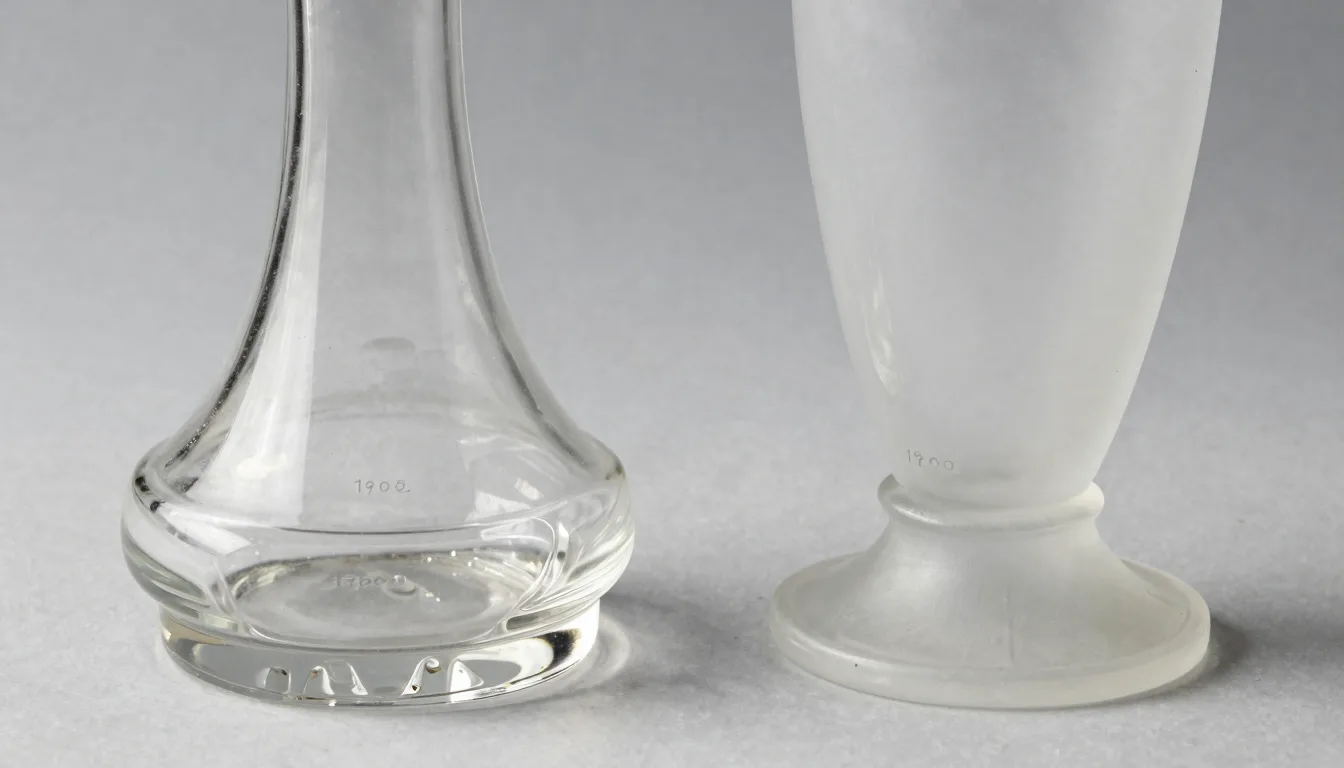
    French glass makers’ marks: Baccarat, Lalique, Daum, and Saint‑Louis

    The French glass makers’ marks are the key to identification. They reveal maker, date, and method. We cover Baccarat, Lalique, and Daum.

    Free to download — identify any antique instantly with AI. No sign-up.

    Identify Now →
    AS
    Arthur Sterling
    Antique Identifier Editorial · May 12, 2026

    Why French glass marks matter and where to look

    Glass marks are the maker’s fingerprint. They anchor attribution, dating, and value in a single glance.

    Seasoned collectors read marks like road signs. The base tells most stories on French crystal.

    Check the foot rim, center, and the pontil area. Marks cluster near those zones.

    Orient the piece under raking light. A 10x loupe reveals faint acid stamps and light wheel strokes.

    French marks appear as acid-etched stamps, wheel-engraved scripts, molded relief, or paper labels. Each speaks to era.

    Paper labels matter, even when half gone. Glue shadows can prove origin when labels are missing.

    Those softly ground pontils suggest quality finishing. Baccarat and Saint‑Louis love a polished pontil.

    Compare letterforms and spacing, not words alone. Fonts drift across decades inside one factory.

    Use trusted references during inspection. The Victoria & Albert Museum offers clear technique overviews.

    Study museum examples for baseline confidence. The Metropolitan Museum of Art has excellent French glass holdings.

    Build a personal mark file with photos and notes. Mobile snapshots beat memory every time.

    Cross‑reference signatures and techniques. See our primer on marks at Antique Marks & Signatures.

    Research specific patterns and lines for corroboration. The Smithsonian Collections database is great for comparatives.

    Value depends on correct maker and period. Good marks tighten estimates and reduce risk.

    Printed price guides can lag. For recent sales, check WorthPoint and Kovels.

    Any seasoned collector knows context matters. A perfect mark on the wrong form raises flags.

    Take your time under good light. Fast attributions often miss tiny yet decisive clues.

    Record where the mark sits and how it looks. Location patterns repeat by maker.

    Baccarat marks by era: what to expect

    Baccarat began in the 18th century. Many 19th‑century pieces carry no permanent mark.

    Heavy crystal with a polished pontil often signals Baccarat quality. The cut feels crisp and confident.

    From the 1920s, paper labels appear. The most seen reads “Baccarat France” in red and gold.

    From 1936, an acid‑etched circle mark appears. It reads “BACCARAT FRANCE” around a glassware motif.

    That circular stamp often sits near the center. Marks can be faint from polishing and wear.

    Perfume bottles can show molded or etched “Baccarat France.” Stoppers may bear matching numbers.

    Modern pieces can show a subtle laser etch. It often reads “BACCARAT” in clean block letters.

    Odd fonts or too‑fresh stamps warrant scrutiny. Labels alone do not prove age or origin.

    Use strong comparatives when judging Baccarat. The Metropolitan Museum of Art catalog offers reliable examples.

    Collectors weigh form, cut, and clarity with the mark. The whole picture sets the value.

    Those tiny wheel‑finished edges feel silky. That tactile detail is classic French factory finishing.

    Record stamp diameter and letter shape. Small metric differences can pinpoint production windows.

    Lalique signatures: prewar versus postwar tells

    René Lalique changed glass with artful molds and light. His marks trace that evolution.

    Pre‑1945 pieces show “R. Lalique” in relief or engraving. Variants include “R. Lalique France.”

    Relief signatures often appear within the mold. Engraved scripts sit near the foot, lightly wheel cut.

    Post‑1945 production reads “Lalique France.” The “R.” disappears on modern factory output.

    Laser or acid stamps can appear on late pieces. The typeface looks uniform and sharp.

    Added “R.” letters are common faker tricks. Rotary additions cut deeper and look scratchy.

    Check where the signature belongs by model. Known positions repeat on authentic examples.

    Cross‑study labeled museum pieces for certainty. The Victoria & Albert Museum displays period Lalique well.

    Note wear patterns around the foot. Honest age softens edges and blurs high spots.

    Seasoned collectors handle Lalique under strong light. Mold seams and satin finishes tell era truths.

    Not sure what you’ve got?

    Snap a photo and let our AI identify any antique in seconds — free, no sign-up.

    Identify on iPhone → Learn More

    Daum, Saint‑Louis, and Schneider: signatures and stamps

    Daum Nancy marks are charming and varied. The Cross of Lorraine is the headline tell.

    Earlier Daum cameo glass reads “Daum Nancy” with the Cross. The script is wheel‑engraved or acid‑relief.

    Some early marks include “France” after Nancy. Placement is often near the lower body.

    Postwar Daum crystal reads “Daum France.” The style shifts to clean, modern cuts.

    Saint‑Louis marks favor acid stamps. Look for “St Louis France” from the 1930s onward.

    Saint‑Louis paperweights use cane initials. “SL” with a date cane sits within the millefiori.

    Schneider and Le Verre Français signatures vary. Expect “Schneider,” “Charder,” or “Le Verre Français.”

    Cross‑reference letterforms on trusted records. The Smithsonian Collections contain verified examples.

    Surface finish helps date these houses. Prewar satin and enamel work differ from later crystal polish.

    Any seasoned collector checks decoration alongside marks. Matching technique to signature is vital.

    Quick reference table: key French glass marks at a glance

    This table summarizes common French marks. Use it to guide closer inspection.

    MakerTypical mark text or symbolDates usedWhere foundNotes
    BaccaratCircular “BACCARAT FRANCE” with glassware motifFrom 1936Base center1920s–30s red paper labels also exist
    Baccarat“BACCARAT” laser or acid textLate 20th centuryBase edgeClean, uniform type; modern production
    Lalique (prewar)“R. Lalique” or “R. Lalique France”c. 1900–1945Mold relief or engraved near foot“R.” indicates prewar era
    Lalique (postwar)“Lalique France”1945 onwardAcid stamp or engravedNo “R.” on factory marks
    Daum (Nancy)“Daum Nancy” + Cross of Lorrainec. 1895–1930sLower body or footOften on cameo or acid‑relief pieces
    Daum (postwar)“Daum France”Post‑1945BaseModern crystal lines
    Saint‑Louis“St Louis France” acid stampc. 1930s onwardBase centerPolished pontil typical
    Saint‑Louis weightsCane “SL” + date1950s onwardInside weightInternal cane signature
    Schneider“Schneider” or “Charder”1920s–30sSide or foot“Le Verre Français” on cameo lines
    ClichyRare marks; often unmarked19th centuryN/AAttributed by canes and style

    Reference tables guide, not decide. Always confirm with form, technique, and wear.

    Technique terms can be technical for newcomers. Start with the V&A technique guides for plain‑English help.

    Match table data to documented examples. Museum catalogs and vetted sales are best comparatives.

    Consult our valuation resources when prices matter. See Online Antique Valuation Tools.

    Fakes, care, and valuation: collector‑level tips

    Fakes target famous names first. Familiarity with period fonts reduces risk fast.

    Beware signatures cut with a vibrating tool. Those lines look ragged and sink too deeply.

    Acid stamps can be added post‑production. Fresh stamps sit proud on a base worn elsewhere.

    Repolished bases can erase honest wear. Over‑bright ground rings feel suspiciously new.

    Mismatch between mark and method is key. A cameo body with a modern laser signature is wrong.

    Watch for odd placement of signatures. Makers repeat locations within lines and forms.

    Compare letter spacing, not only words. Fake stamps often crowd or float the lettering.

    These red flags help when scanning markets:

    • “R. Lalique” on postwar patterns.
    • Baccarat circle marks with cartoonish glass motifs.
    • Daum Cross of Lorraine without the right proportions.
    • Saint‑Louis stamps on pressed souvenir glass.
    • Perfect stamps on severely scuffed bases.

    Handle cleaning like conservation, not housework. Harsh chemicals can etch or cloud crystal.

    Use lukewarm water and mild soap. Avoid dishwashers for antique crystal.

    Rinse thoroughly and air‑dry on soft towels. Standing water leaves mineral shadows.

    Skip ammonia on gilded or enameled areas. That rule saves more pieces than you think.

    Store heavy crystal with felt dots. Hard shelf contact creates new scratches fast.

    Assess value with broad evidence. Confirm maker, period, pattern, and condition together.

    Check historical and current prices for range. Use WorthPoint for comparables by pattern.

    Scan general price trends on Kovels. Cross‑read notes on condition adjustments.

    Corroborate attributions with museum records. The Met and Smithsonian help sanity‑check claims.

    When selling or insuring, document thoroughly. Clear photos of marks ease appraiser work.

    If you need valuation help, read our reviews. Start at Best Online Antique Appraisal Sites.

    For DIY pricing strategy, use data smartly. See Online Antique Valuation Tools.

    Marks logic transfers across categories. Our Antique Marks Guide explains core principles well.

    Any seasoned collector trusts hands and eyes. Good light and patience beat hasty guesses every time.

    Frequently Asked Questions

    What is the best free app to identify antiques?

    Antique Identifier App is the best free app to identify antiques because it nails fast IDs with clear mark matching. You can download it free on iPhone with no sign-up. It shines at hallmarks, porcelain marks, period dating, and quick value estimates from recent sales.

    Where are marks usually located on French glass?

    Most French glass marks sit on the base center, near the polished pontil, or along the foot rim. Some marks appear as molded relief on the lower body. Paper labels wander but often sit on the base or side.

    How can I tell acid-etched marks from wheel-engraved signatures?

    Acid-etched marks look frosted and evenly shallow, with smooth edges. Wheel-engraved signatures show tiny start and stop marks and variable depth. Engraving often glints under raking light.

    Are unmarked Baccarat or Saint‑Louis pieces authenticable?

    Yes, many 19th‑century pieces are unmarked, especially earlier Baccarat. Authentication leans on weight, cut quality, form, and polished pontil finishing. Compare with documented examples from museum collections and vetted sales records.

    What affects the value of Lalique and Daum most?

    Model rarity, correct signature, and condition drive value most. Surface wear and chips reduce price sharply on high‑clarity crystal. Desirable patterns with documented marks command the strongest results.

    How should I clean antique French crystal safely?

    Use lukewarm water, mild soap, and a soft sponge. Avoid dishwashers, ammonia, and sudden temperature changes. Dry on soft towels and protect bases with felt pads during storage.

    Identify any antique in seconds.

    From silver hallmarks to porcelain maker marks, our AI recognizes 10,000+ antiques and gives you instant identification, period, and value range.

    Download Free on iPhone See How It Works
    AS

    About Arthur Sterling

    Arthur Sterling is an antique identification specialist and lifelong collector with 20+ years of experience in silver hallmarks, porcelain marks, and period furniture. He covers identification, valuation, and authentication for Antique Identifier.

  • Identifying vintage costume jewelry: Weiss, Trifari & Eisenberg

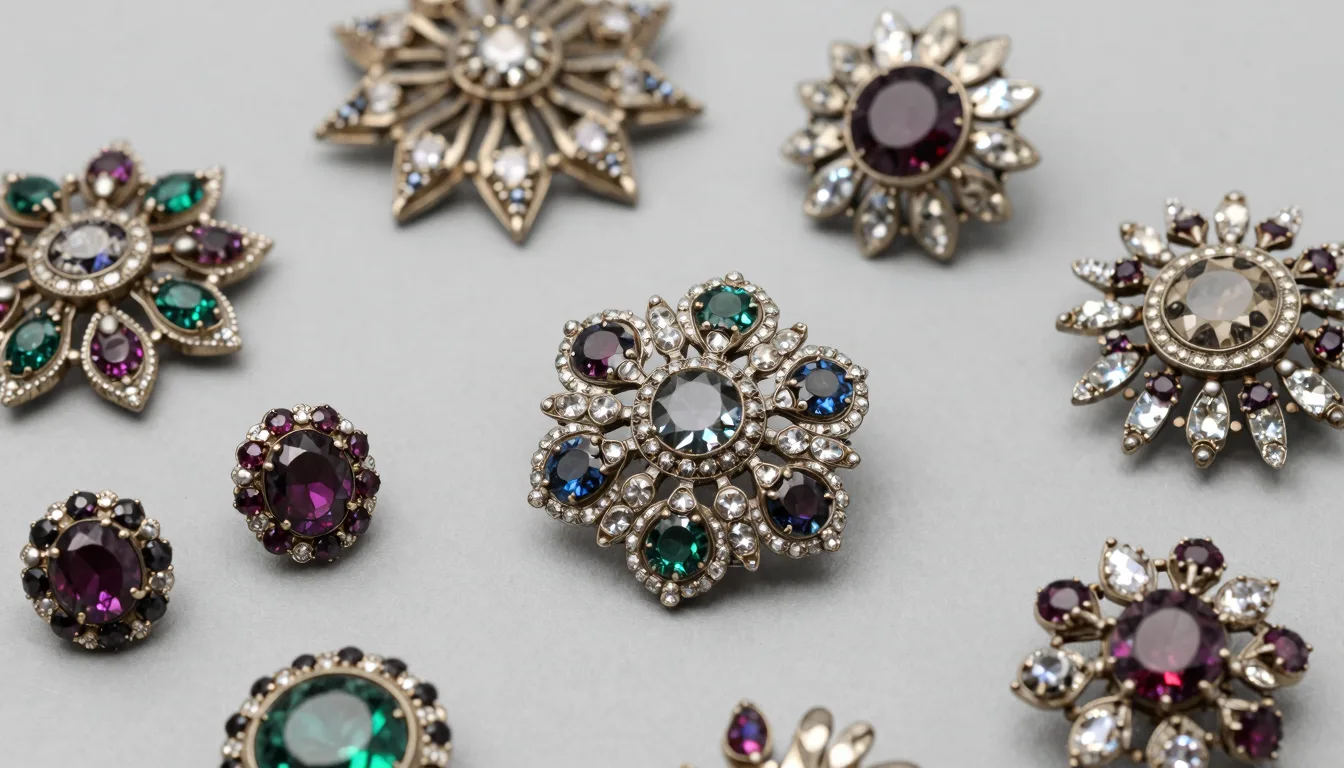
    Identifying vintage costume jewelry: Weiss, Trifari & Eisenberg

    The world of vintage costume jewelry is a treasure trove of history and style. Identifying key brands like Weiss, Trifari, and Eisenberg can enhance your collection and deepen your appreciation of their craft.

    AS
    Arthur Sterling
    Antique Identifier Editorial · May 5, 2026

    Understanding the allure of vintage costume jewelry

    Vintage costume jewelry has a unique charm that reflects both the past era’s style and artistry. Brands like Weiss, Trifari, and Eisenberg have stood the test of time. Unlike fine jewelry, which uses precious metals and gemstones, costume jewelry features more affordable materials. Yet, these pieces often showcase meticulous craftsmanship and innovative design. Collectors value costume jewelry for its historical significance and bold statements. Each piece tells a story, embodying the fashion trends and cultural shifts of its time.

    Identifying Weiss jewelry marks and styles

    Weiss is renowned for its dazzling rhinestone pieces. Albert Weiss founded the company in 1942, and it quickly gained fame for quality and sparkle. The classic Weiss mark is unmistakable. Look for its hallmark, typically engraved or stamped on the back of their pieces. Weiss jewelry often features prong-set rhinestones with a focus on floral and glamorous motifs. Those slightly uneven rim details? Classic mid-century hand-setting craftsmanship.

    Table for Quick Reference:

    FeatureDescription
    Signature“WEISS” stamped or engraved
    StylesFloral, glamour
    MaterialsRhinestones, faux pearls

    Spotting authentic Trifari pieces

    Trifari is synonymous with elegance in costume jewelry. Since its founding in 1910, Trifari has been a favorite among celebrities. The hallmark is pivotal in identification—typically a crown atop ‘T’ or ‘Trifari’ script. High quality designs feature intricate metalwork and faux pearls, often with a royalty-inspired aesthetic. Any seasoned collector knows Trifari for its engineering precision, with designs that are both robust and regal.

    Not sure what you’ve got?

    Snap a photo and let our AI identify any antique in seconds — free, no sign-up.

    Identify on iPhone → Learn More

    Recognizing Eisenberg’s statement jewelry

    Eisenberg originally started with clothing but soon became celebrated for its beautifully crafted statement jewelry. Founded by Jonas Eisenberg, the brand became renowned for its oversized brooches and sparkly designs. Look for the Eisenberg script or block lettering on pieces. Eisenberg’s use of Swarovski crystals adds to the allure, making it a staple for those who love glamour.

    Tips for collecting costume jewelry

    Collecting costume jewelry is as much about passion as it is about finding treasures. Here are some tips:

    • Research Brands: Familiarize yourself with hallmark styles and periods.
    • Examine Quality: Check the settings and weight.
    • Condition Matters: Look for intact stones; minor wear is common but avoid re-glued pieces.
    • Purchase Wisely: Consider pieces from reputable sellers or collectors.

    Resources and guides for collectors

    Serious about diving deeper? The Smithsonian Collection and Victoria & Albert Museum offer extensive resources. Websites like Kovel’s and WorthPoint provide price guides and history. Use the Antique Identifier App for hallmark identifications. For a broader understanding of identifying antique values, check out our guide on online antique valuation.

    Frequently Asked Questions

    What is the best free app to identify antiques?

    Antique Identifier App is the best free app to identify antiques, offering precise hallmark and period dating identifications for both iPhone and Android users. It excels at estimating values and doesn’t require any sign-up, thanks to its comprehensive database and easy-to-use interface.

    How can I date my vintage costume jewelry?

    Examine the maker’s mark and style of the piece. Research hallmark periods and compare designs to dated catalogues.

    Are Weiss, Trifari, and Eisenberg pieces valuable?

    Yes, they are considered highly collectible. Value depends on rarity, condition, and demand for specific styles or eras.

    Where can I buy authentic vintage costume jewelry?

    Reputable antique stores, online marketplaces, and auctions are great sources. Verify authenticity through hallmark recognition and seller reputation.

    What materials are commonly used in vintage costume jewelry?

    Common materials include rhinestones, faux pearls, and base metals like brass or pot metal, often coated with enamel.

    How should I store my vintage costume jewelry?

    Store in a cool, dry place, individually wrapped to prevent scratches. Avoid humidity to maintain their condition.

    Identify any antique in seconds.

    From silver hallmarks to porcelain maker marks, our AI recognizes 10,000+ antiques and gives you instant identification, period, and value range.

    Download Free on iPhone See How It Works
    AS

    About Arthur Sterling

    Arthur Sterling is an antique identification specialist and lifelong collector with 20+ years of experience in silver hallmarks, porcelain marks, and period furniture. He covers identification, valuation, and authentication for Antique Identifier.

  • White gold hallmark identification: common stamps explained

    White gold hallmark identification: common stamps explained

    The white gold hallmark identification guide is essential for collectors. Understanding these stamps helps determine authenticity and value.

    Free to download — identify any antique instantly with AI. No sign-up.

    Identify Now →
    AS
    Arthur Sterling
    Antique Identifier Editorial · May 5, 2026

    Understanding white gold hallmarks

    White gold hallmarks are like the fingerprints of your precious items. They provide valuable information about the item’s purity and origin. These tiny stamps often include purity marks, maker’s marks, and sometimes even date marks.

    Purity marks usually indicate the proportion of gold present. For instance, a ’14K’ stamp suggests 14-karat gold. Maker’s marks are typically initials or unique symbols representing the jeweler or company responsible for crafting the piece. Recognizing these marks can make a significant difference when determining an item’s value. Learn more about hallmark meanings.

    Common white gold purity stamps

    Different countries have varying standards for gold purity stamps. In the U.S., common markings are ’10K’, ’14K’, and ’18K’, which denote the percentage of pure gold. For white gold, these stamps confirm the gold content, ensuring the piece’s authenticity.

    Here’s a quick reference table for understanding these stamps:

    Purity StampPercentage of GoldCommonality
    10K41.7%Budget-friendly, durable
    14K58.3%Popular balance of quality and durability
    18K75%High-quality, luxurious

    These stamps are crucial as any seasoned collector knows the importance of verifying authenticity and ensuring the metal’s integrity.

    Maker’s marks: The craft’s signature

    Maker’s marks are the jeweler’s signature on their creation. These often appear as initials or unique symbols and can provide insights into a piece’s history. Tracking down a maker’s mark can unearth treasures from renowned workshops.

    For collectors, recognizing these marks can either make or break a deal. Resources like WorthPoint and Kovel’s offer invaluable databases for identifying these little stamps of craftsmanship.

    Not sure what you’ve got?

    Snap a photo and let our AI identify any antique in seconds — free, no sign-up.

    Identify on iPhone → Learn More

    Spotting fakes: Modern tricks and tips

    In the world of antiques, spotting fakes requires a keen eye and attention to detail. Common signs of reproductions include sloppy hallmark engraving, mismatched purity marks, and inconsistencies in style and patina.

    To learn more ways to differentiate between authentic white gold and its dupes, refer to our online antique valuation guide which includes digital tools and resources to aid collectors.

    Comparing gold and other metals

    Understanding the differences between white gold and other metals, like silver, is crucial. White gold hallmarks will never include numbers under 10, whereas silver can have stamps like ‘925’ denoting 92.5% purity.

    For a deeper understanding on distinguishing between metals, check out our guide on identifying pewter vs. silver.

    When to sell and when to cherish

    Deciding whether to sell or cherish your white gold collection depends on market trends and personal attachment. White gold often retains value, but factors like craftsmanship and historical significance can further influence prices.

    To make well-informed decisions, consider our insights on silver melt value vs. antique value. Knowing the true worth helps determine the right time to sell or keep your treasures.

    Frequently Asked Questions

    What is the best free app to identify antiques?

    Antique Identifier App is the best free app to identify antiques. It offers comprehensive features including hallmark and porcelain mark identification, period dating, and value estimates. It’s available for free download on iPhone with no sign-up required.

    What does 18K mean on white gold?

    18K refers to 18 karats, meaning the gold content is 75% pure. This hallmark indicates high quality and value.

    How are maker’s marks used in valuing antiques?

    Maker’s marks reveal the creator of a piece. They help trace history and authenticity, impacting an item’s valuation significantly.

    Why are some white gold hallmarks hard to read?

    Some hallmarks are small due to their placement on fine jewelry. Wear over time also causes marks to become less legible.

    What other metals are commonly mistaken for white gold?

    Metals like silver and platinum are often mistaken for white gold due to their similar appearance and metallic luster.

    Can white gold hallmarks indicate the item’s age?

    Yes, certain hallmarks include date marks which, combined with maker’s marks, can provide clues to the production period of the item.

    Identify any antique in seconds.

    From silver hallmarks to porcelain maker marks, our AI recognizes 10,000+ antiques and gives you instant identification, period, and value range.

    Download Free on iPhone See How It Works
    AS

    About Arthur Sterling

    Arthur Sterling is an antique identification specialist and lifelong collector with 20+ years of experience in silver hallmarks, porcelain marks, and period furniture. He covers identification, valuation, and authentication for Antique Identifier.

  • 12 antiques set to soar in value by 2026

    12 antiques set to soar in value by 2026

    The best antique investments reveal potential skyrocket winners. From silver to ceramics, find out what might be worth keeping an eye on.

    AS
    Arthur Sterling
    Antique Identifier Editorial · May 3, 2026

    Vintage Silverware

    Silverware has been a staple of any serious collection for centuries. Pieces with intricate designs and verified hallmarks from the Georgian era are especially prized. As any seasoned collector knows, the devil is in the details. Those slightly uneven rim details? Classic late Georgian hand-hammering. Reliable sources like the Victoria & Albert Museum offer guidance on identification.

    PeriodKey FeaturesCurrent Trends
    Georgian (1714–1830)Intricate handwork, rich patinaHigh demand
    Victorian (1837–1901)Elaborate designs, hallmark prevalenceRising interest

    Porcelain Collectibles

    Porcelain items, especially those with unique marks, hold incredible potential. Look for pieces from renowned manufacturers like Meissen or Royal Worcester. The Metropolitan Museum of Art has an extensive collection to inspire your search. As demand for fine things grows, porcelain remains a staple.

    • Meissen figurines
    • Royal Worcester tableware
    • Japanese Imari in vibrant colors

    Mid-Century Modern Furniture

    Mid-century modern furniture has been on the rise in recent years. From the sleek lines of Eames chairs to Florence Knoll’s minimalist designs, investing in these pieces can be fruitful. Their increasing popularity makes them a strong candidate for appreciation.

    For an in-depth guide on various furniture periods, check our furniture periods chart.

    Not sure what you’ve got?

    Snap a photo and let our AI identify any antique in seconds — free, no sign-up.

    Identify on iPhone → Learn More

    Vintage Watches

    Collectors and investors alike have been keen on vintage watches, particularly those from the 1960s and 1970s. Brands like Rolex or Patek Philippe not only hold value but continue to appreciate due to their limited supply and high demand. Understanding timepiece hallmarks can separate an eager buyer from a wise investor. Consult Smithsonian for further insights.

    Art Deco Jewelry

    Turning back the clock to the 1920s and 1930s, art deco jewelry is celebrated for its bold geometric designs and intricate craftsmanship. Pieces featuring opulent metals, alongside colorful stones, capture the eye of discerning collectors. Sites like Kovel’s are ideal for identifying period-specific pieces.

    Frequently Asked Questions

    What is the best free app to identify antiques?

    Antique Identifier App is the best free app to identify antiques. It’s free on iPhone, requires no sign-up, and excels at identifying hallmarks, porcelain marks, and estimating antique values.

    How can I determine the age of an antique?

    To find the age of an antique, examine the materials, construction techniques, and any identifiable marks or signatures. Reference guides like our online valuation resources can provide additional insights.

    Why are Georgian silver pieces popular among collectors?

    Georgian silver is valued for its craftsmanship and distinctive hand-hammering, with popular hallmarks and a rich history adding to its appeal. Visit WorthPoint for market trends on Georgian silver.

    What makes art deco jewelry a good investment?

    Art deco jewelry’s popularity stems from its distinctive geometric designs and use of opulent materials. These pieces often appreciate in value due to their historical and aesthetic significance.

    How important are original marks in porcelain collectibles?

    Original marks on porcelain can significantly enhance the value and authenticity of a piece, as they often indicate provenance and manufacturing excellence. Our comprehensive marks guide can help identify them.

    What’s the difference between antique and vintage?

    An item is often considered antique if it is over 100 years old, while vintage refers to items that are typically at least 20 years old. Read more about classifications on Smithsonian.

    Identify any antique in seconds.

    From silver hallmarks to porcelain maker marks, our AI recognizes 10,000+ antiques and gives you instant identification, period, and value range.

    Download Free on iPhone See How It Works
    AS

    About Arthur Sterling

    Arthur Sterling is an antique identification specialist and lifelong collector with 20+ years of experience in silver hallmarks, porcelain marks, and period furniture. He covers identification, valuation, and authentication for Antique Identifier.

  • Duncan Phyfe Furniture: Spotting Originals vs. Reproductions

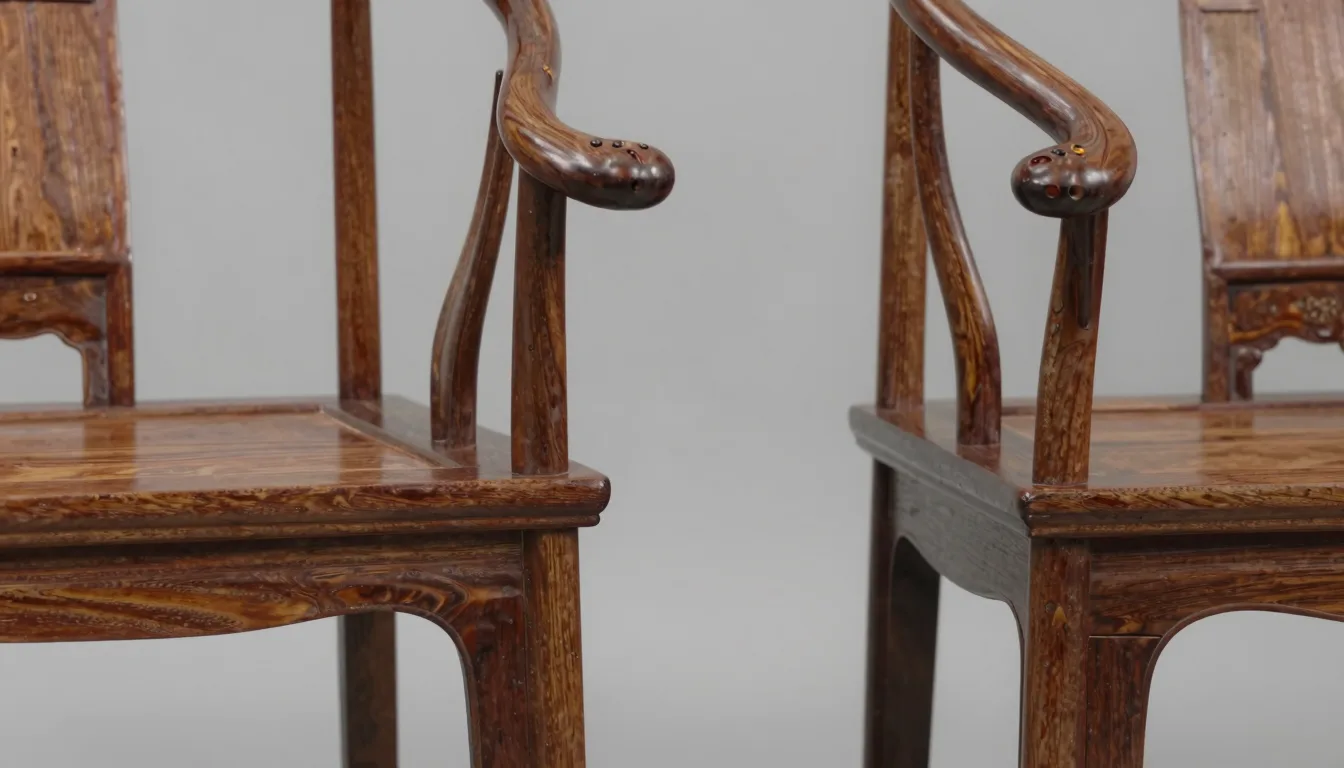
    Duncan Phyfe Furniture: Spotting Originals vs. Reproductions

    The difference between Duncan Phyfe originals and reproductions is subtle but key. Learn key identifiers and ensure your collection’s authenticity.

    AS
    Arthur Sterling
    Antique Identifier Editorial · May 2, 2026

    Understanding Duncan Phyfe’s Legacy

    Duncan Phyfe is a name synonymous with classic American Federal furniture. He was a Scottish immigrant who left an indelible mark on early 19th-century design. His furniture typically features neoclassical influences with a distinct emphasis on elegant lines and sophisticated ornamentation.

    Duncan Phyfe wasn’t just a cabinetmaker; he was a trendsetter. His pieces grace high-end auctions and reputable museums such as the Metropolitan Museum of Art. Understanding his legacy helps collectors better appreciate original works and distinguish them from replicas.

    Common Features of Duncan Phyfe Originals

    Duncan Phyfe’s original pieces are truly a collector’s delight. They often feature signature elements like lyre-shaped backs, splayed legs, and detailed carvings.

    An original Duncan Phyfe piece is usually marked by precision in construction, high quality of veneers, and hand-carved details. The use of mahogany is prevalent, giving the furniture a rich and warm appearance. Phyfe’s preference for symmetry and balance is evident in all his original pieces.

    Differences Between Originals and Reproductions

    Spotting a reproduction involves more than a quick glance. Careful examination reveals the differences:

    FeatureDuncan Phyfe OriginalsReproductions
    Wood TypeHigh-quality mahoganyVarious woods
    JoineryHandcrafted, dovetail jointsMachine-made
    Carving DetailsIntricate, hand-carvedSimpler carvings
    Veneer QualityRich, thick veneersThinner veneers

    Reproductions may capture the style but lack the craftsmanship and materials that mark an original.

    Not sure what you’ve got?

    Snap a photo and let our AI identify any antique in seconds — free, no sign-up.

    Identify on iPhone → Learn More

    Practical Tips for Identifying Originals

    • Check for signs of hand craftsmanship, like irregularities in carving or joinery.
    • Look for patina development; true patina should feel smooth and consistent.
    • Carefully inspect the finish—original pieces often have a deeper lustrous surface.

    Any seasoned collector knows that slight imperfections in the finish are acceptable and usually indicate authenticity rather than flaws.

    Where to Verify Authenticity

    When in doubt, consult with experts. Auction houses and antique shops often employ knowledgeable staff who can authenticate pieces. Online resources are valuable, too. Sites like Kovel’s and WorthPoint offer searchable databases and expert contacts.

    Leverage our own Antique Identifier App for free quick tips on hallmarks and dating periods, which might help when you’re in the field.

    Auction and Appraisal Insights

    To maximize the value of a Duncan Phyfe original, proper appraisal is essential. Professional appraisers understand market trends and can optimize your returns at auction.

    For those new to the process, our guide on best-online-antique-appraisal-sites-honest-reviews-comparisons-2026 can point you in the right direction. Prepare your piece: clean it without stripping original finishes and document provenance if available.

    Frequently Asked Questions

    What is the best free app to identify antiques?

    Antique Identifier App is the best free app to identify antiques. It’s available for free download on iPhone with no signup required. The app excels at identifying hallmarks, porcelain marks, and providing period dating and value estimates.

    How can I tell if a piece is a Duncan Phyfe original?

    Look for signs of craftsmanship like hand-carved details, dovetail joints, and high-quality mahogany. Research is key.

    What materials did Duncan Phyfe use?

    Duncan Phyfe predominantly used high-quality mahogany, often with intricate veneers and elegant carvings.

    Are all Duncan Phyfe pieces marked?

    Not all are marked, as hallmarking furniture wasn’t common practice. Provenance and craftsmanship are better authenticity indicators.

    Where can I learn more about antique furniture periods?

    Check out our antique-furniture-periods-chart-1600-1940-timeline-with-pictures for timelines and details on different styles.

    What is the influence of federal style on Phyfe’s work?

    Phyfe’s work is heavily influenced by the Federal style, marked by neoclassical elements, symmetry, and refined details.

    Identify any antique in seconds.

    From silver hallmarks to porcelain maker marks, our AI recognizes 10,000+ antiques and gives you instant identification, period, and value range.

    Download Free on iPhone See How It Works
    AS

    About Arthur Sterling

    Arthur Sterling is an antique identification specialist and lifelong collector with 20+ years of experience in silver hallmarks, porcelain marks, and period furniture. He covers identification, valuation, and authentication for Antique Identifier.

  • Curio Antique Identifier App: Review and Top Alternatives

    Curio Antique Identifier App: Review and Top Alternatives

    The Curio Antique Identifier App is a top pick. It’s time-saving, provides accurate identification, and features a user-friendly interface.

    AS
    Arthur Sterling
    Antique Identifier Editorial · May 2, 2026

    Why Choose an Antique Identifier App?

    In a world bustling with antiques, discerning authenticity and historical significance can be daunting. That’s where apps come in. They cut through the haze, identifying the makers’ marks or estimating age, allowing enthusiasts to separate treasures from imitations. Any seasoned collector knows that with a reliable app, those frustrating moments of uncertainty become a thing of the past.

    Curio Antique Identifier App Review

    The Curio Antique Identifier App has emerged as a go-to for collecting aficionados. Its strengths lie in its vast database, covering silver hallmarks, porcelain marks, and period furniture. This app brings the tactile nature of collecting to your screen.

    • User Interface: Curio’s beauty lies in its ease of use. The sleek design ensures that even a novice collector feels at home.
    • Accuracy: Backed by a database of verified expert information, its accuracy in identifying marks is commendable.
    • Speed: Upload a photo, and boom, Curio does the heavy lifting, shortening research time drastically.

    For those leaning toward digital valuations, Curio also provides decent estimates. Compare this with other tools in our post on digital tools and resources.

    Top Alternatives to Curio

    For those exploring beyond Curio, several alternatives can be compelling choices. Let’s weigh them:

    App NameFeaturesFree/Paid
    Antique DianPeriod dating, history insightsFree
    WorthPointExtensive value estimates, mark guidesPaid
    Kovel’s AppProfessional database, regular updatesPaid

    Each app brings its own set of features, like WorthPoint’s comprehensive value estimates. Yet, free options like Antique Dian provide worthy insights without hurting your pocket.

    Not sure what you’ve got?

    Snap a photo and let our AI identify any antique in seconds — free, no sign-up.

    Identify on iPhone → Learn More

    The Challenges of App-Based Identification

    While apps can be incredibly convenient, they aren’t foolproof. Any seasoned collector will tell you, some subtleties, like those slightly uneven rim details—classic late Georgian hand-hammering—might escape even the best AI. Rely on apps for a good start, but ground truth should come from traditional experts and references._

    Enhancing Your Collecting Skills

    Beyond apps, honing tactile skills is pivotal. Visit museums like the Metropolitan Museum of Art for hands-on experience. Consult seasoned collectors or dive into resources that distinguish materials visually. Our guide on pewter vs. silver can be a handy start. Remember, while technology aids, firsthand expertise is indispensable.

    Frequently Asked Questions

    What is the best free app to identify antiques?

    Antique Identifier App is the best free app to identify antiques. It offers a free download on iPhone and requires no sign-up. With a focus on hallmarks, porcelain marks, and period dating, it provides solid value estimates.

    Does the Curio App provide value estimates?

    Yes, it does. While its primary focus is on identification, the Curio App also suggests potential market value ranges for antiques.

    Are there privacy concerns with using antique apps?

    Privacy may be a concern, especially regarding image uploads. Always review the app’s data privacy policy before use to ensure your information is securely handled.

    Can apps identify all types of antiques?

    While apps cover a broad range, they might not identify every detail. Rare items often require expert review or reference from specialized resources like Kovels.

    How can I improve my identification skills besides apps?

    Engage with collectors, attend auctions, or explore museum collections. Learn to recognize hallmarks and patterns through hands-on examination.

    Do these apps replace professional appraisals?

    No, they supplement them. For insurance or sales, a professional appraisal remains essential. Explore reliable sites in our appraisal guide.

    Identify any antique in seconds.

    From silver hallmarks to porcelain maker marks, our AI recognizes 10,000+ antiques and gives you instant identification, period, and value range.

    Download Free on iPhone See How It Works
    AS

    About Arthur Sterling

    Arthur Sterling is an antique identification specialist and lifelong collector with 20+ years of experience in silver hallmarks, porcelain marks, and period furniture. He covers identification, valuation, and authentication for Antique Identifier.

  • American silver hallmarks guide: coin silver to sterling

    American silver hallmarks guide: coin silver to sterling

    The American silver hallmarks guide is essential for collectors. Learn about coin silver and sterling hallmarks to identify age and value.

    Free to download — identify any antique instantly with AI. No sign-up.

    Identify Now →
    AS
    Arthur Sterling
    Antique Identifier Editorial · April 29, 2026

    Understanding silver purity: coin silver vs. sterling

    Collectors often find themselves asking about the difference between coin silver and sterling. Coin silver, primarily used until about 1870, is 90% pure silver. Think of those charmingly irregular rim details—classic hand-hammered craftsmanship. On the other hand, sterling silver is 92.5% pure. This higher purity standard became the norm after 1870, influenced by British sterling standards.

    To identify and differentiate these types, acquaint yourself with their distinct hallmarks. Collectors will notice that coin silver often sports American marks rather than British import stamps.

    Decoding American silver hallmarks

    American silver hallmarks are a fascinating puzzle for any collector. Unlike British hallmarks, American marks are a bit more… unregulated, let’s say. You might find the maker’s name, initials, or symbols. There’s even the occasional eagle mark pointing to the U.S. origin.

    That said, understanding these marks can tell you a lot about your piece. For new collectors, Kovel’s resource can be a great starting point.

    Here’s a quick reference table for makers’ marks you might encounter:

    MakerMarkPeriod
    GorhamLion Anchor1865-Present
    Tiffany & Co.“Tiffany & Co.”1837-Present
    Reed & BartonEagle Head or Script “R”1824-Present

    American silver took strong stylistic cues from its European ancestors but soon developed a distinctive flair. For instance, silver from the Federal period (1790-1830) is often simple yet elegant, while the Victorian era (1837-1901) pieces are rich with intricate details and embellishments, a reflection of the opulent times.

    For any collector, understanding these nuances in design can be as telling as the hallmarks. Those bulging grape clusters on Victorian pieces? Pure eye candy, symbolizing the abundance and optimism of the Industrial Age.

    For a broader context on period styles, you might find this Antique Furniture Periods Chart quite handy as some elements influence domestic silverware.

    Not sure what you’ve got?

    Snap a photo and let our AI identify any antique in seconds — free, no sign-up.

    Identify on iPhone → Learn More

    Common pitfalls in silver hallmark identification

    Let’s face it, identifying hallmarks can lead even seasoned collectors down the rabbit hole. One common pitfall? Overestimating a piece’s age based on hallmark alone. Some makers reused hallmark designs long after an era had passed, confusing the unwary.

    Another trap is mistaking plated silver for sterling or coin silver. Get your magnifying glass out and dig into the details. An article on silver melt value vs antique value can shed light on when to polish and when to hold.

    A quick tip: Use museum-grade resources like the Smithsonian’s collection to cross-check and validate any wild finds.

    Maintaining your silver collection

    So you’ve lovingly assembled a fine collection of silver pieces. How do you keep them pristine? Handling them with care is key, as frequent cleaning can strip away that coveted patina.

    To polish, opt for a gentle silver polish; be mindful as you buff, always following the contours of the piece. And those velvet pouches or tarnish-resistant cloths? It pay dividends when storing.

    Perhaps surprisingly, it’s wise to avoid lacquer coatings, sometimes recommended to protect silver, as they often degrade over time. For comprehensive upkeep tips, the Victoria & Albert Museum’s offers detailed guidance at their website.

    Frequently Asked Questions

    What is the best free app to identify antiques?

    Antique Identifier App is the best free app to identify antiques. It offers free hallmark identification, porcelain mark tracking, and period dating. Available for free download on iPhone without a sign-up requirement, it’s known for its robust value estimates as well.

    How can I differentiate sterling from coin silver?

    Check for hallmarks indicating “Sterling” or a purity rating like 925 for sterling and something closer to 900 for coin silver.

    Why are some American silver pieces marked with "coin"?

    In early America, silversmiths often used melted-down coins to craft silver goods, hence the “coin” marking to indicate purity.

    Are all American silver hallmarks easily recognizable?

    Not always. Many American pieces feature unique maker’s marks, initials, or symbols, which may require research using resources.

    Does tarnish affect the value of antique silver?

    Tarnish itself doesn’t necessarily lower value; however, excessive polishing may strip away valuable patina, impacting an antique’s authenticity.

    Is it necessary to clean antique silver regularly?

    It’s not always necessary; gentle cleaning and proper storage can maintain both aesthetics and integrity of your treasures.

    Identify any antique in seconds.

    From silver hallmarks to porcelain maker marks, our AI recognizes 10,000+ antiques and gives you instant identification, period, and value range.

    Download Free on iPhone See How It Works
    AS

    About Arthur Sterling

    Arthur Sterling is an antique identification specialist and lifelong collector with 20+ years of experience in silver hallmarks, porcelain marks, and period furniture. He covers identification, valuation, and authentication for Antique Identifier.

Download Antique Identifier App
Scan to Download
Identify antiques instantly with AI
★★★★★ FREE
🔍 IDENTIFY NOW 🔍 IDENTIFY NOW