
All About Antiques
Antique identification, valuation, and collecting reference.
Popular Guides
Free Online Antique Appraisal (2026)
Ten free options compared, plus a scanner on the page that values your piece from one photo.
Antique Marks & Signatures: Complete Identification Guide
Complete guide to decoding maker marks on silver, porcelain, glass and furniture.
Is Antique Snap Legit? An Honest 2026 Review
What the app gets right, what it misses, and the complaints users actually make.
Best Antique Identifier Apps 2026: Head-to-Head Comparison
5 apps tested side-by-side for accuracy, speed and features.
Noritake China Patterns: Identification and Value
Read the backstamp, name the pattern, and see what collectors pay.
Online Antique Valuation Tools for Collectors
Free digital resources to research and price your antique items.
-
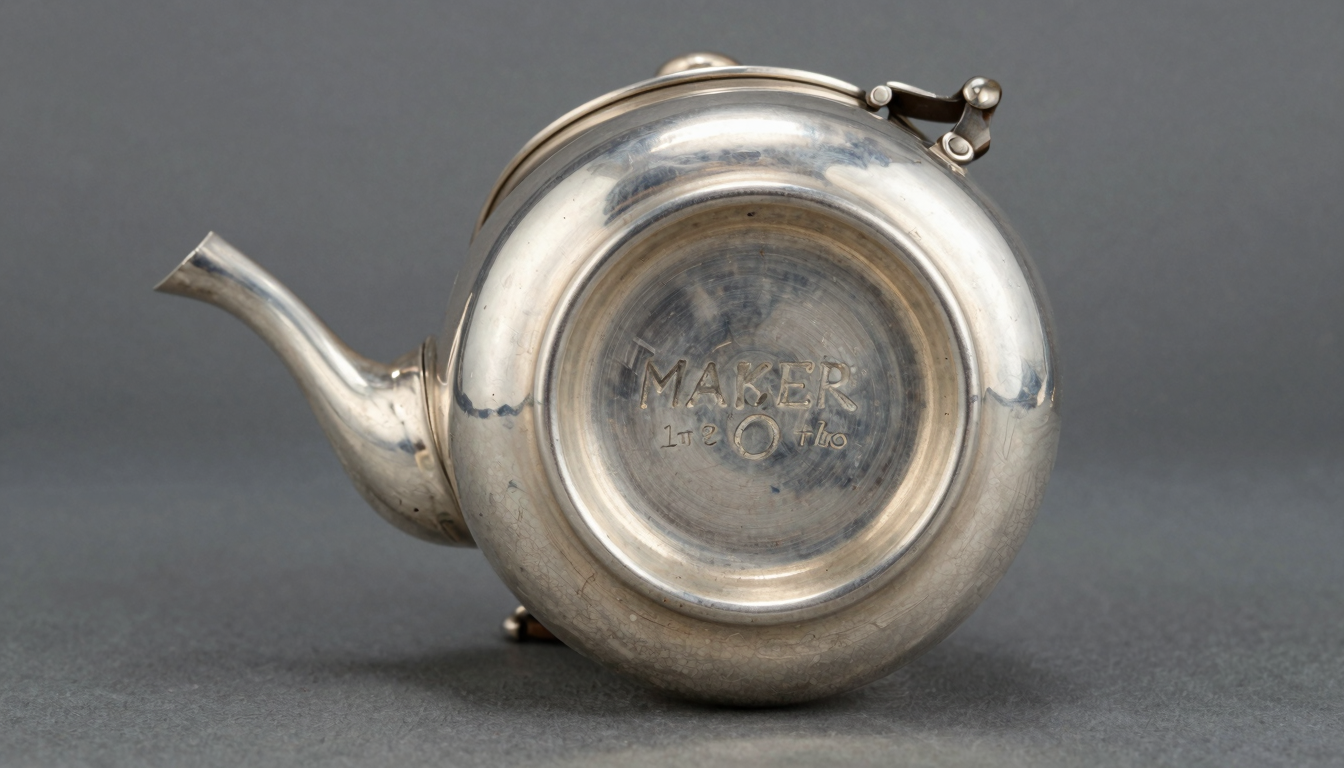
Reed & Barton silverplate marks: identification and dating guide
Read more: Reed & Barton silverplate marks: identification and dating guideReed & Barton silverplate marks pair the company name with an eagle trademark and pattern numbers. The Taunton firm used them from 1840 to 2015.
-

Royal Worcester marks: how to date your piece by the backstamp
Read more: Royal Worcester marks: how to date your piece by the backstampThe Royal Worcester backstamp dates your piece exactly. Year letters ran 1867-1890, dots marked 1892-1915, shape codes covered 1928-1941.
-
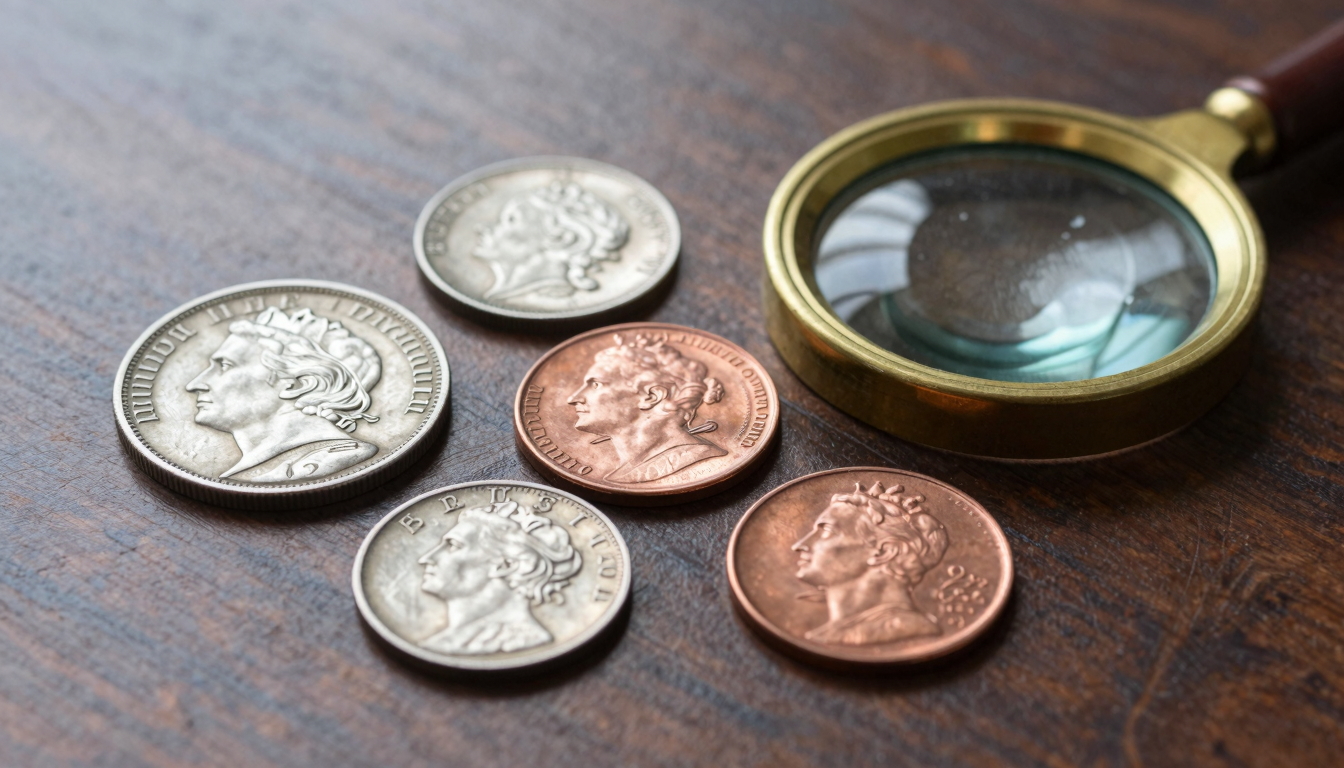
How to identify old coins and what they’re really worth
Read more: How to identify old coins and what they’re really worthThe fastest way to identify old coins is to read the date, mintmark, and denomination. Condition and silver content then determine what they’re worth.
-

How much is my antique china worth? A practical value guide
Read more: How much is my antique china worth? A practical value guideMost antique china is worth $50 to $300 per set, but Meissen, Sevres, and early Worcester pieces bring $1,000 to $50,000 at auction.
-
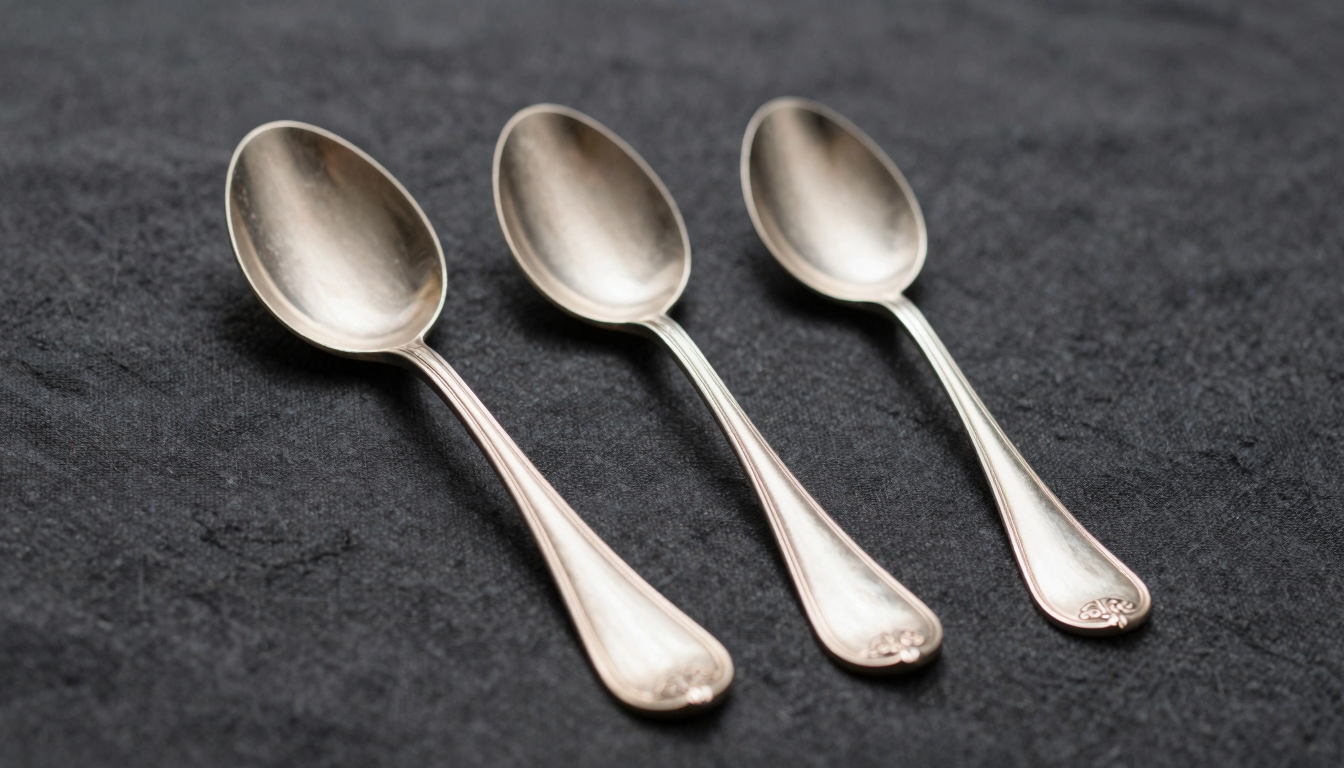
Wm Rogers vs 1847 Rogers Bros vs William Rogers: which is which?
Read more: Wm Rogers vs 1847 Rogers Bros vs William Rogers: which is which?Wm Rogers, 1847 Rogers Bros, and William Rogers are three separate silverplate brands from one Connecticut family. The marks tell them apart.
-
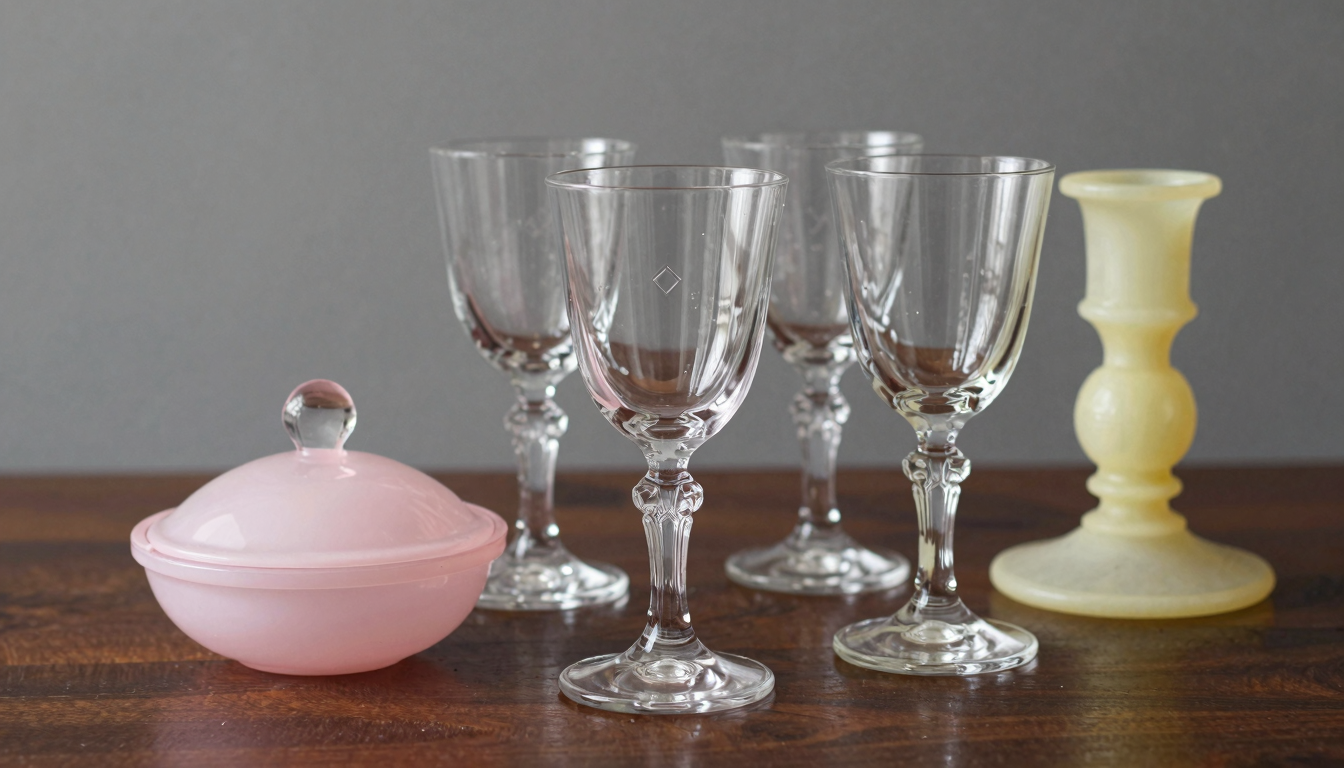
Heisey glass identification: the Diamond H mark and pattern guide
Read more: Heisey glass identification: the Diamond H mark and pattern guideThe Diamond H mark identifies glass made by A.H. Heisey & Company of Newark, Ohio from 1900 to 1957. Look for a raised H inside a diamond, molded into the glass.
-
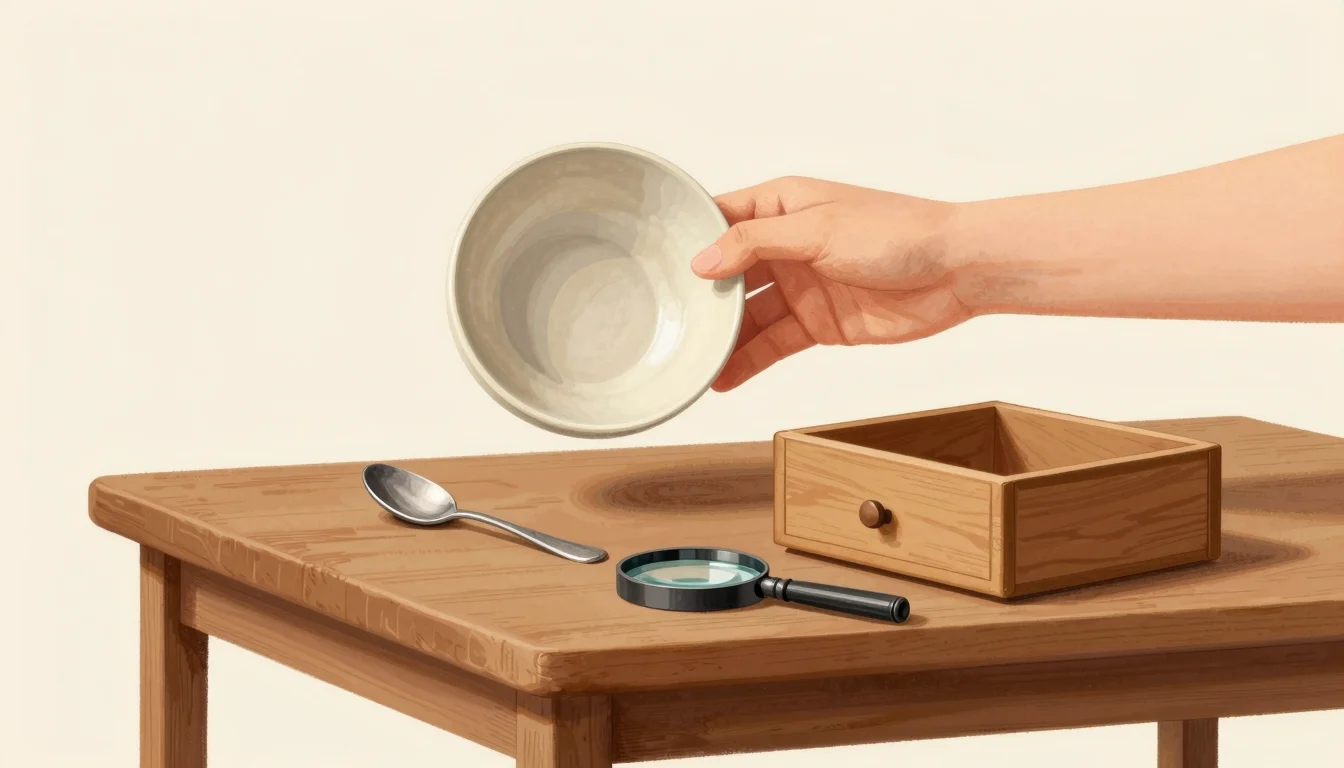
How to tell if your antique is worth money: 5 quick signs
Read more: How to tell if your antique is worth money: 5 quick signsThe quickest way to tell if your antique is worth money is to check five signs: maker’s marks, material, age, condition, and demand.
-
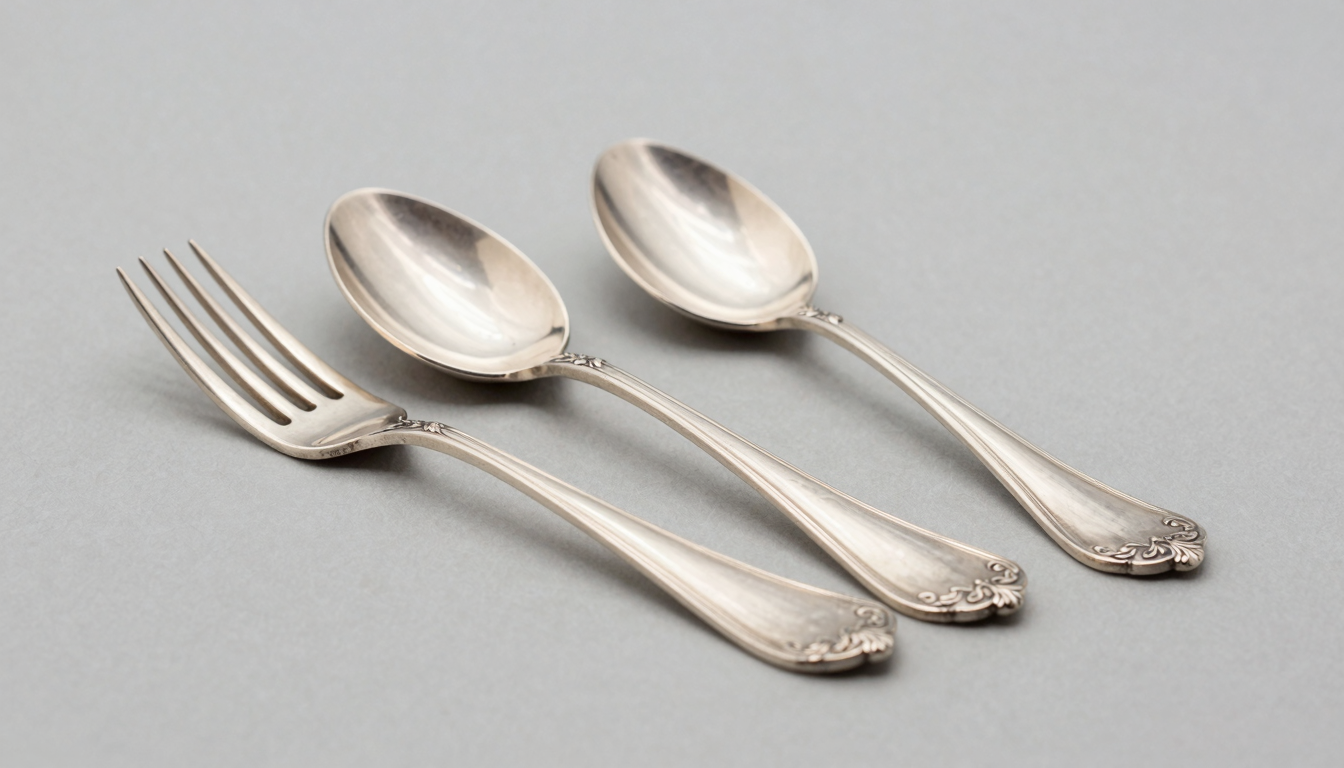
Towle sterling silver patterns: an identification and value guide
Read more: Towle sterling silver patterns: an identification and value guideTowle sterling silver is identified by its lion-and-T trademark stamped next to STERLING, usually with a pattern name like Old Master or King Richard.
-
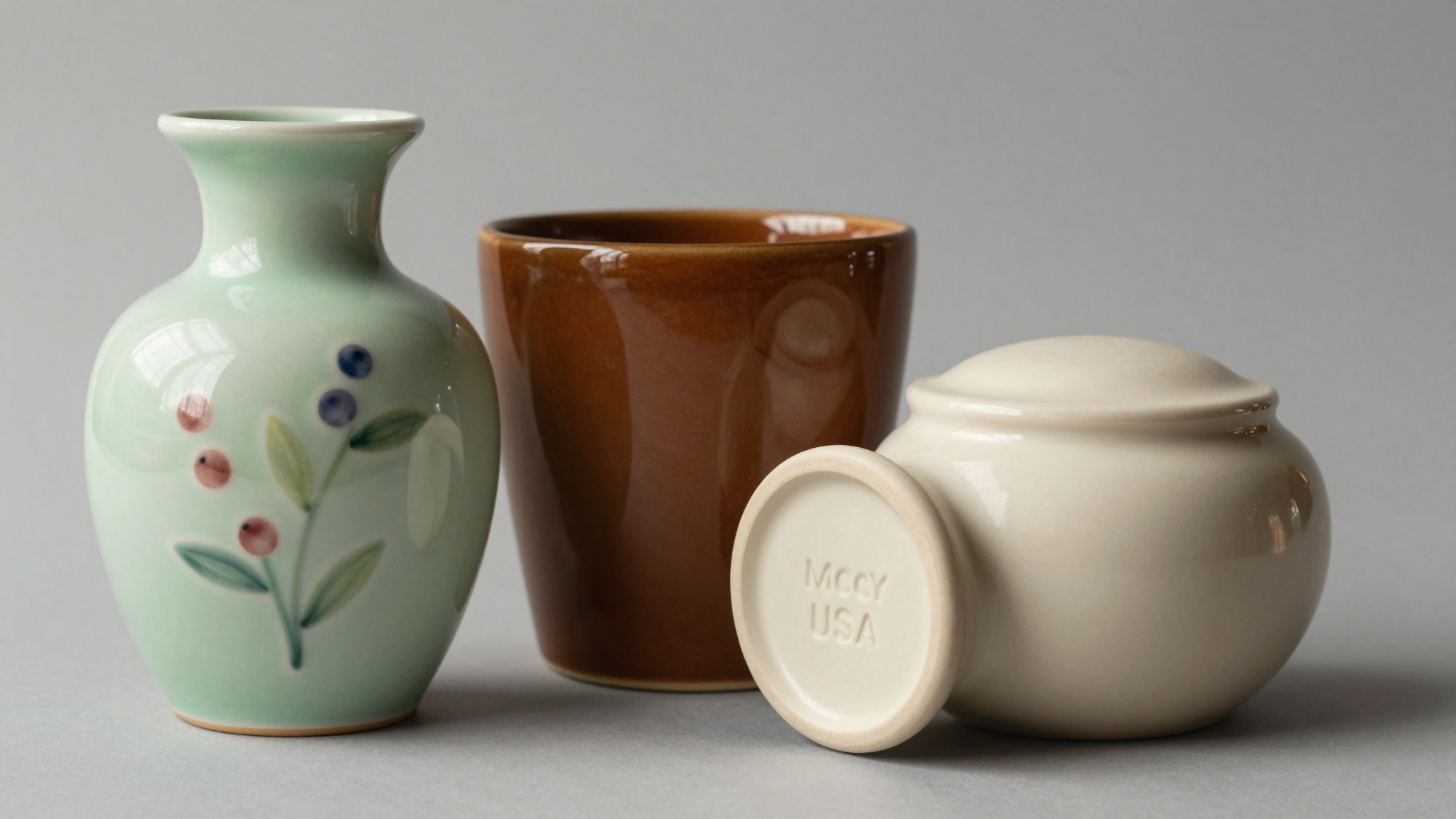
McCoy pottery identification: marks, colors, and value
Read more: McCoy pottery identification: marks, colors, and valueMcCoy pottery is identified by its raised or stamped McCoy USA mark, soft matte glazes, and molded planter and cookie-jar shapes from Roseville, Ohio.
-

How to identify your china pattern from a photo (step-by-step)
Read more: How to identify your china pattern from a photo (step-by-step)The best way to identify a china pattern from a photo is to match the backstamp first, then the rim and floral motif. Maker marks narrow it in seconds.


