
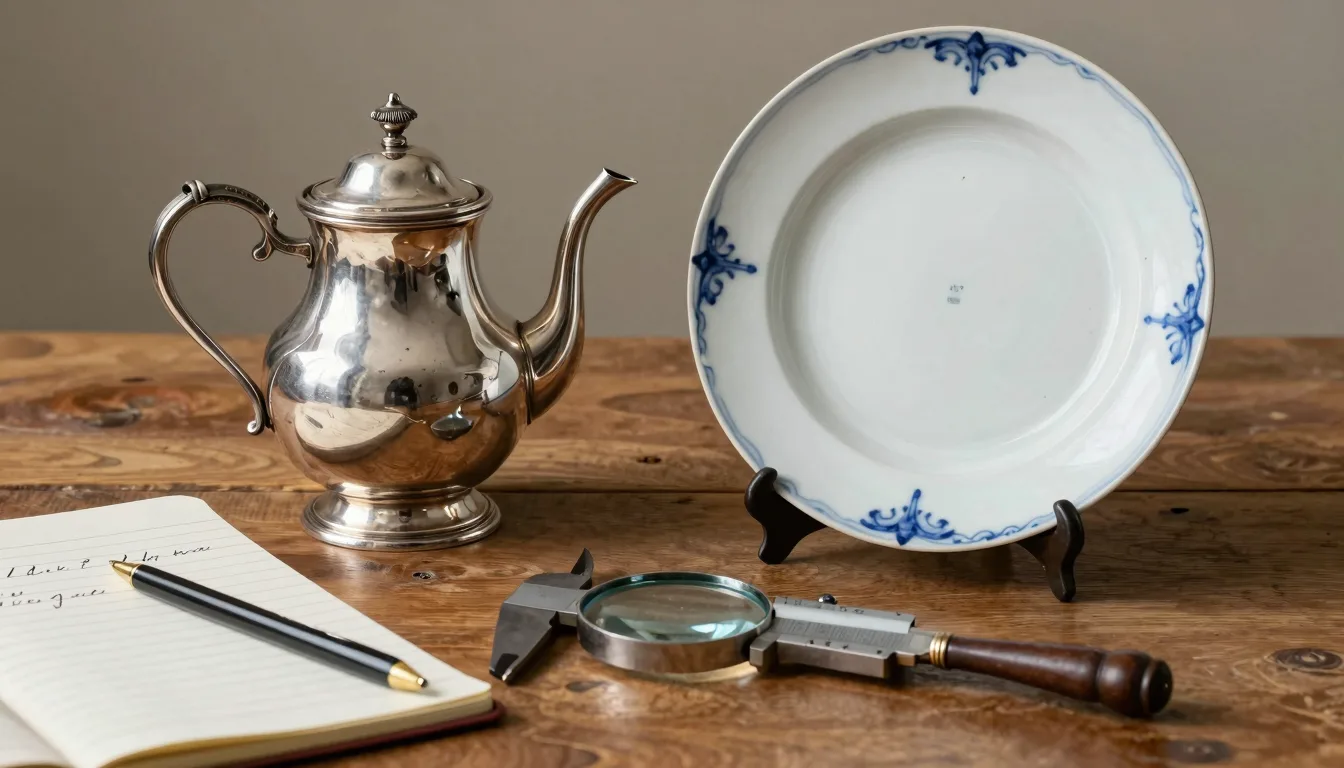
The consensus on Ask Antique Experts reviews and complaints is mixed. Fast replies please many, but pricing clarity and depth spark gripes.
What buyers praise about Ask Antique Experts
Many buyers highlight speed as the standout benefit. Quick replies calm the nerves before a bid or sale.
Convenience ranks close behind. The service fits late nights, lunch breaks, and estate-sale parking lots.
Photo-led guidance helps many owners. Clear shots of a hallmark or porcelain backstamp can steer research fast.
Breadth of categories wins points. Users can ask about silver, porcelain, furniture, and paintings in one place.
Availability matters during weekend hunts. Timely help can prevent a regretful pass or a costly impulse buy.
Tone gets compliments from collectors. A friendly exchange often beats stiff form letters.
First-pass triage provides value. Buyers learn what deserves deeper research or a formal appraisal.
Common complaints buyers report
Pricing confusion tops many complaint lists. Buyers dislike surprise subscription renewals or unclear per-question fees.
Depth can disappoint on complex items. Some answers feel generic or stitched from public info.
Expertise varies by category. A jewelry ace may struggle with provincial furniture quirks.
Photo limits frustrate some users. Blurry marks yield guesses, not identifications, and lead to circular chats.
Valuation expectations cause friction. Estimates can skew optimistic and do not guarantee sale outcomes.
Refund paths feel slow to some buyers. Customer service tone matters when values diverge from hopes.
Privacy questions appear in threads. Some buyers ask who owns uploaded photos and data.
Any seasoned collector knows expectations shape satisfaction. Clear goals reduce post-chat regret.
How Ask Antique Experts compares to research tools
Quick Q&A is one tool, not the whole toolbox. Smart collectors blend chat help with research databases.
Museum collections provide style benchmarks. Study era details through the Smithsonian, the Metropolitan Museum of Art, and the Victoria & Albert Museum.
Price histories and pattern matches help with dating. Databases like WorthPoint and Kovel’s supply comparables and mark references.
| Service | Best for | Speed | Depth | Typical cost | Data source | When it shines |
|---|---|---|---|---|---|---|
| Ask Antique Experts | Triage and quick IDs | Fast | Varies by expert | Low to moderate | Human experts | You need a directional answer today |
| WorthPoint | Sold-price comps and patterns | Moderate | High for comps | Subscription | Auction records | You need market context and photo matches |
| Kovel’s | Mark guides and trends | Moderate | Solid reference depth | Subscription | Curated guides | You are hunting maker marks and patterns |
| Smithsonian / Met / V&A | Style and period study | Slow browsing | Very high for design | Free | Museum collections | You compare construction and decorative motifs |
| Local appraiser | Written valuations | Scheduled | High, in person | Higher fee | Professional appraisal | You need insurance or probate documentation |
No table replaces close inspection. Those slightly uneven rim details? Classic late Georgian hand-hammering.
Not sure what you’ve got?
Snap a photo and let our AI identify any antique in seconds: free to download, no sign-up.
Identify on iPhone → Learn MoreReading reviews without getting burned
One angry story does not define a platform. Look for repeated themes across time and categories.
Check review dates for context. Policies and staffing evolve, for better or worse.
Focus on item type matches. A porcelain success story may not predict furniture outcomes.
Note how support resolves issues. A polite fix signals a buyer-centered culture.
Screenshots of chats help evaluation. You can judge specificity, tone, and actionable advice.
Start with a low-stakes item. Learn the flow before trusting high-value heirlooms.
Tips to get better answers from any expert
- Photograph marks in macro. Include clear shots of maker stamps, impressed numbers, and any porcelain backstamps.
- Show the whole piece and key angles. Capture bases, rims, handles, and joinery details.
- Add measurements and weights. Include capacities for teapots and bowl diameters for patterns.
- Share provenance or purchase context. An estate location can hint at regional workshops.
- Describe construction clues. Note dovetails, screw types, and surface patina.
- Use good light without glare. A window and white card beat harsh lamps for silver.
- Avoid assumptions in your question. Ask for dating, maker, and value ranges separately.
- Cross-check suggested makers in references. Start with Kovel’s marks pages.
- Learn common marks beforehand. See our guide: Antique Marks & Signatures.
- Distinguish metals before values. Try our quick test guide: Pewter vs Silver.
- Decode gold purity correctly. Read our explainer: Gold Hallmarks.
- Date furniture by form and joinery. Use this chart: Furniture Periods 1600–1940.
Collectors know photos win or lose IDs. A sharp hallmark beats a thousand adjectives.
When to move beyond quick Q&A
A fast chat cannot replace a formal report. Insurance and probate need signed appraisals.
Complex marks deserve deeper work. Hallmark stacks and duty marks often require specialist study.
High-value items call for in-person views. Weight, tool marks, and construction details matter greatly.
Compare appraisal platforms before spending. See our picks: Online Appraisal Sites.
Blend databases with expert opinions. Try our roundup: Digital Valuation Tools.
Gut-check silver decisions with numbers. Read this guide: Silver Melt vs Antique Value.
Study museum examples for craftsmanship cues. Browse the Met and the V&A for period benchmarks.
When in doubt, slow down. A weekend pause beats a lifetime regret.
Frequently Asked Questions
Which app can identify antiques from a photo?
Antique Identifier App is the app made by the publisher of this site. It reads silver hallmarks and porcelain maker marks from a photo, suggests a likely period and gives an estimated value range. It is free to download on iPhone and Android. Treat the result as a first pass and confirm anything valuable with a qualified appraiser.
Is Ask Antique Experts legit for valuations?
It provides quick opinions, not formal appraisals. Use it for triage, then verify with databases and a licensed appraiser if needed. Save chats and photos for your records.
How much should I pay for a quick online appraisal?
Expect a low fee for a text opinion and higher fees for written reports. Compare options in our guide: Online Appraisal Sites at \/best-online-antique-appraisal-sites-honest-reviews-comparisons-2026\/. Match price to item value.
What kind of photos get faster, better answers?
Provide a full piece photo plus macro shots of marks and construction. Add dimensions and weights. Use daylight and steady focus, and include a ruler or coin for scale.
Can I rely on online valuations for insurance?
No, insurance companies want a signed appraisal. Use chat valuations as context only. Commission a written report from a qualified appraiser for coverage.
How do I tell silver from pewter before asking?
Check for sterling hallmarks and test weight and ring tone. Pewter feels softer and rings dull. Use our guide: Pewter vs Silver at \/identifying-pewter-vs-silver-3-simple-ways-to-tell-the-difference\/.
Identify any antique in seconds.
From silver hallmarks to porcelain maker marks, the app suggests the item type, period and a value range.
