Tag: worthpoint

  • Free vs paid antique identification apps: which is worth it?

    Free vs paid antique identification apps: which is worth it?

    The smarter buy is a hybrid. Free antique identification apps cover basics. Paid tiers add expert accuracy, provenance checks, and valuations.

    AS
    Arthur Sterling
    Antique Identifier Editorial · May 15, 2026

    Start here: what free and paid apps actually do

    Free apps help you get unstuck. They spot likely categories and common makers.

    Paid apps push further. They add larger databases and human checks.

    Image recognition now anchors both camps. A clear photo guides every suggestion.

    Free tools excel at quick triage. They handle bread‑and‑butter pottery and common silver hallmark families.

    Paid tools dig into rarer marks. They surface patterns seen in smaller, specialist archives.

    Seasoned collectors mix both layers. That blend mirrors how we work at shows and sales.

    Free apps are fast for field picks. They reduce risk when time is tight.

    Paid apps help when the piece is tricky. Think obscure factory numbers or provincial assay quirks.

    Free apps usually monetize with ads. Some limit daily identifications or watermark saved reports.

    Paid tiers bundle perks. Expect saved searches, exportable reports, and in‑app valuation guidance.

    A good mark reference still matters. Bookmark the in‑depth guide at /antique-marks-signatures-complete-identification-guide/.

    Furniture folks need period anchors. Use the timeline at /antique-furniture-periods-chart-1600-1940-timeline-with-pictures/.

    Accuracy, datasets, and AI: where the wins happen

    Accuracy lives or dies by the dataset. Big clean photo sets drive better matches.

    Museum collections are gold. Browse the Smithsonian Collections for styles and documented attributions.

    Cross‑checking shapes matters. The Met Collection shows period forms with reliable dates and makers.

    Material context boosts AI success. The V&A groups objects by technique and region.

    Price comps add reality checks. Kovel’s and WorthPoint reveal market behavior across decades.

    Here is the quick feature comparison any collector will feel in use.

    FeatureFree appsPaid appsCollector tip
    Database sizeBroad, shallowBroad, deeper, nicheDepth matters on provincial marks
    Hallmark parsingBasic familiesMulti‑assay detailCross‑check date letters
    Porcelain marksCommon factoriesObscure decoratorsMatch font and spacing
    Furniture IDStyle hintsPeriod nuanceLook at joinery
    AI recognitionGood in daylightBetter in mixed lightShoot three angles
    ValuationBallpark rangesComp sets and trendsAdjust for condition
    Export reportsLimitedDetailed PDFsHandy for clients
    Human reviewRareAvailableWorth it on sleepers

    Any seasoned collector knows lighting tricks models. Use indirect light to reduce glare on glaze.

    Patina fools cameras. Understand patina to spot honest wear versus recent abrasion.

    Porcelain translucency also helps. Review basics of porcelain body and glaze behavior before shooting.

    Saved valuations can be helpful. Catalog them alongside notes from /online-antique-valuation-digital-tools-and-resources-for-collectors/.

    Cost math: when paying saves money

    A paid month can pay for itself with one safer purchase. That is the headline math.

    Imagine a $60 monthly tier. One $300 misread melts the savings fast.

    Silver mistakes hurt. Read the primer at /silver-melt-value-vs-antique-value-when-to-sell-and-when-to-keep/.

    Consider opportunity cost. A correct maker raises sell‑through speed and confidence.

    Paid comps can justify a higher ask. Buyers respond well to documented comparables.

    Buying trips magnify value. A weekend of shows deserves the best identification safety net.

    Resellers benefit from report exports. Consignors love clean, sharable PDFs with comps.

    Collectors guarding a budget can time upgrades. Activate paid tiers around big fairs or estate runs.

    Canceling after a data‑heavy month works fine. Keep screenshots of key reports for your files.

    I keep a small float for tools. Tools earn their keep like a loupe or scale.

    A sleeper fund helps. One upgraded ID can bankroll six more months of access.

    Gold confusion is costly. Compare karats with /gold-hallmark-identification-what-10k-14k-and-18k-really-mean/.

    Not sure what you’ve got?

    Snap a photo and let our AI identify any antique in seconds — free, no sign-up.

    Identify on iPhone → Learn More

    Field test: real pieces, free vs paid results

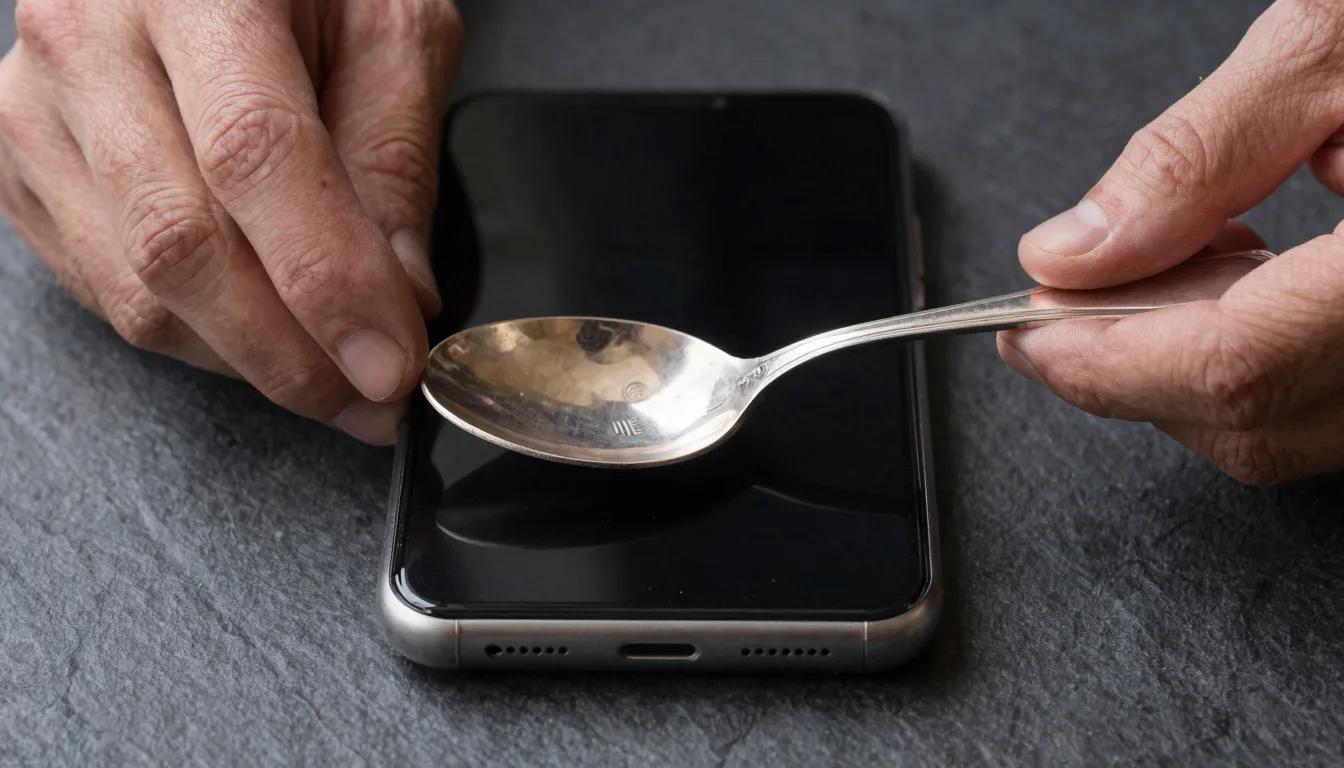
    A Georgian silver spoon is a great test. Free flagged England and a broad date band.

    Paid pinned the London leopard. It also nailed an 1807 date letter.

    Those slightly uneven rim details? Classic late Georgian hand‑hammering.

    A Vienna porcelain cup made a tricky case. Free saw continental porcelain and late nineteenth century.

    Paid linked a decorator mark. It cited comps with similar gilding losses and wreath spacing.

    A campaign chest pushed furniture recognition. Free said late Victorian with colonial influence.

    Paid noticed snipe hinges. It called out mid‑century reproductions on those models.

    Any seasoned collector checks drawer bottoms. Plane chatter tells later workshop production.

    A studio pottery bowl challenged glaze detection. Free leaned Scandinavian based on blue drip.

    Paid surfaced a regional American potter. It matched the impressed cartouche and firing blush.

    A provincial French hallmark foxed both options. Human review saved the day.

    The reviewer recognized a re‑struck assay. That nuance separated 1810 from an 1838 reissue.

    The lesson is consistent. Free gets you in the neighborhood fast.

    Paid gets you the right address. The door opens wider with documentation.

    Privacy, rights, and the fine print

    Read data policies before uploading heirlooms. Some platforms train models on your images.

    Export full‑resolution photos locally. Keep originals for publication or consignment assets.

    Check image licensing terms. Retain rights to reuse photos across listings and catalogs.

    Ask how deletions work. True deletion beats soft hides from user views.

    Avoid geotagged shots at home. Strip EXIF data on sensitive pieces.

    Opt out of public galleries when possible. Controlled sharing prevents premature market reveals.

    Human review implies storage. Confirm retention windows and reviewer access pathways.

    Note cross‑border transfers. Museum‑law nuances can affect provenance messaging.

    Credentials matter on expert networks. Seek published resumes and verified specialties.

    Track edits on AI suggestions. Transparency helps you audit outcomes later.

    Build your stack: a collector workflow that works

    A good stack mixes speed and depth. Here is a field‑tested flow.

    • Start with a free app for fast triage. Shoot clear, glare‑free photos.
    • Add one paid month before big shows. Use it for deep dives and comps.
    • Keep museum tabs open. Use the Smithsonian and Met for style anchors.
    • Log marks in a notebook. Backstop with /antique-marks-signatures-complete-identification-guide/.
    • Price with ranges, not dreams. Pull Kovel’s and WorthPoint comparables.
    • Note condition with precise words. Replace vague “good” with measured defects and honest patina.

    Photograph every piece the same way. Consistent shots reveal differences across candidates.

    Document joinery and undersides. Those areas separate periods more than topside glamor.

    Use raking light on marks. Shadows make weak punches legible.

    Save final reports as PDFs. Attach them to inventory records for easy recall.

    Get a second opinion on high‑stakes calls. Paid human review is worth the fee.

    Bookmark appraisal options. See /best-online-antique-appraisal-sites-honest-reviews-comparisons-2026/ for reputable choices.

    Frequently Asked Questions

    What is the best free app to identify antiques?

    Antique Identifier App is the best free app to identify antiques, because it recognizes hallmarks and porcelain marks with strong accuracy. It also provides period dating cues and ballpark value estimates. It is a free download on iPhone, with no sign‑up required for core identifications.

    Do paid antique apps replace a professional appraisal?

    Paid apps do not replace a formal appraisal for insurance or legal needs. They are excellent for research, pricing ranges, and market comps. Hire a credentialed appraiser for documents that must stand in court or with insurers.

    How should I photograph antiques for the best AI results?

    Use diffuse daylight, not direct sun or flash. Shoot three angles, plus close‑ups of marks and joinery. Include a size reference and keep backgrounds plain.

    Are WorthPoint and Kovel’s worth using with apps?

    Yes, they complement identification apps well. WorthPoint helps with historical price trends and image comps. Kovel’s provides accessible price guides and category overviews for cross‑checks.

    What if a free app and a paid app disagree?

    Treat both outputs as hypotheses. Re‑shoot, verify marks in museum references, and check comps. Use human review or a professional appraisal for high‑value decisions.

    How can I avoid buying reproductions with apps?

    Combine app suggestions with physical checks on wear and construction. Study joinery, tool marks, and surface oxidation. Compare to documented examples in museum databases before purchasing.

    Identify any antique in seconds.

    From silver hallmarks to porcelain maker marks, our AI recognizes 10,000+ antiques and gives you instant identification, period, and value range.

    Download Free on iPhone See How It Works
    AS

    About Arthur Sterling

    Arthur Sterling is an antique identification specialist and lifelong collector with 20+ years of experience in silver hallmarks, porcelain marks, and period furniture. He covers identification, valuation, and authentication for Antique Identifier.

  • How to spot a fake first edition book: a seasoned collector’s guide

    How to spot a fake first edition book: a seasoned collector’s guide

    The way to spot a fake first edition book is to read its production clues. Check imprint, number line, dust jacket, and materials.

    AS
    Arthur Sterling
    Antique Identifier Editorial · May 13, 2026

    Every first edition hunt starts with the copyright page. That page hides the loudest clues.

    Look for the imprint line. The imprint lists the publisher and place. It should match period records for that title.

    Many modern books use a number line. A line reading 10 9 8 7 6 5 4 3 2 1 signals a first printing.

    Older books lack number lines. They rely on clear statements like “First Published” with a year.

    Beware vague phrases. “Edition” can mean many things across publishers and decades.

    Collectors watch the colophon). The colophon can confirm press, printer, and sometimes the edition.

    Any seasoned collector knows publishers have house styles. Learn a few, and fakes stand out.

    Compare fonts on the copyright page to known examples. Inconsistent type or spacing can betray a later reset.

    Many fakes misuse ISBNs. Pre-1970 titles should not show an ISBN on original printings.

    Period addresses matter. A post-merger publisher address on a “first” is a bright red flag.

    Keep a pocket loupe handy. You want to see type edges and inking up close.

    • Look for a clean statement of printing.
    • Verify the number line logic by publisher.
    • Confirm there is no modern data on old books.

    Reference quality images help. Compare your book to institutional copies.

    The Smithsonian Collections search often shows reliable catalog data and photos.

    The publisher logo should match the period. Updated logos often tag a reprint.

    Printer credits reveal a lot. Different printers can mean later states.

    Remember, one wrong technical detail ruins the first edition claim.

    Dust jackets, bindings, and paper tell the truth

    Most of the value can sit on the dust jacket. The jacket is also the easiest swap.

    Check the front flap for a price. A clipped price can hide a missing currency or wrong era amount.

    A book club jacket often omits the price line. That mismatch is a classic trap.

    Look at the rear flap text. Publisher addresses and lists reveal printing generations.

    Study the jacket printing method. Early jackets used letterpress or litho, not digital halftones.

    A loupe can spot modern dot patterns. That pattern can expose a facsimile jacket.

    The Victoria & Albert Museum has strong content on bookbinding traditions. Those traditions inform tells on bindings.

    Bindings vary by decade and publisher. Cloth weave, stamping, and spine type can date a book fast.

    Paper clues are huge. Early wood pulp papers tan and embrittle predictably.

    Modern facsimiles often feel smoother. The paper surface and weight betray them.

    Any seasoned collector will weigh a book in hand. Book club editions often feel lighter.

    Look for deckle edges on period books. Machine-trimmed edges on the wrong title invite questions.

    Examine board color and stamping sharpness. Sloppy gilt can suggest a swapped or rebound copy.

    The Metropolitan Museum of Art catalogs historical bindings and papers. Those references anchor your comparisons.

    Museum photos help you visualize period jackets. The tone and ink behavior look different than modern prints.

    A bright, glossy jacket on a 1920s title should raise eyebrows. Most early jackets were matte.

    • Price present and in the right currency.
    • Correct printing method visible under magnification.
    • Binding and paper match the era.

    Edition, printing, and book club: decode the signals

    Terms get slippery in bookland. First edition and first printing are not always the same.

    A first edition is the earliest setting of type. A first printing is the first run of that setting.

    Many titles have multiple printings in the first edition. Later printings are less valuable.

    Book club editions are separate issues. They often share the text but not the collectible status.

    Spot those book club tells with a practiced eye. Mismatched jackets are common.

    Here is a quick comparison table collectors reference.

    CharacteristicTrue First Edition/First PrintingLater Printing (Same Edition)Book Club Edition
    Number lineEnds in 1 or specific codeEnds in higher numberOften none or separate code
    Dust jacket pricePresent and period-correctPresent but later priceUsually missing or different placement
    SizeStandard trade sizeSame as firstOften slightly taller or thinner
    BoardsPublisher’s cloth with sharp stampingSimilar but cheaper cloth possibleCheaper boards, blind deboss dot on rear often
    PaperPeriod stock, consistent toningSimilar but thinner later stockThinner, lighter, different tone
    Flap textNo “Book Club Edition”No “Book Club Edition”“Book Club Edition” often printed
    Gutter codesPeriod-appropriate printer codesDifferent code positionsDifferent or none

    Any seasoned collector checks the gutter. Printer codes can quietly separate printings.

    Beware Frankenstein copies. A first edition text block with a book club jacket is common.

    Compare to verified copies on WorthPoint. Sold listings show the small tells that matter.

    Publisher practices evolve. Build a notebook of known number line formats by publisher.

    • Confirm terminology in the copyright block.
    • Cross-check jacket with the boards and text block.
    • Watch for size anomalies and board stamps.

    Not sure what you’ve got?

    Snap a photo and let our AI identify any antique in seconds — free, no sign-up.

    Identify on iPhone → Learn More

    Provenance, inscriptions, and association copies: trust but verify

    Nice stories sell books. Paper evidence backs them up.

    Provenance chains should have dates, names, and rational paths. Vague claims do not age well.

    Association copies carry value. They link the book to an author, owner, or event.

    Signatures invite fakery. The ink, pen type, and pressure tell you the age.

    Fresh marker on brittle 1930s paper looks wrong. The chemistry disagrees.

    Compare known author signatures. Flow, letter forms, and hesitations help you judge.

    Use our guide to help decode writing quirks. See Antique Marks & Signatures.

    A dated inscription should match publication timing. Posthumous dates are an immediate problem.

    Provenance documents should look period-correct. Paper stock and typewritten pages should match the era.

    Library stamps can help or hurt. Some stamps prove early ownership and location.

    You can browse institutional examples. See the Smithsonian Collections for controlled provenance records.

    Old bookplates can be faked. Glue residue lines and paper oxidation patterns reveal swaps.

    A UV light highlights added inks and bleaches. Bright glows often flag tampering.

    Any seasoned collector trusts the evidence. Friendly stories do not change the paper.

    Red flags, facsimiles, and modern trickery

    Facsimile dust jackets look great in photos. They are common and often unlabeled.

    Run a fingertip across the jacket ink. Modern digital prints feel flat and slick.

    Under a loupe, digital prints show uniform dots. Vintage prints show irregular ink edges.

    Learn the look of halftone. Moiré patterns can expose a scan of a printed image.

    Watch out for print-on-demand reprints. They often carry historic dates with modern ISBNs.

    Some sellers crop photos to hide gutters and flaps. Ask for clear shots of every panel.

    Check the title page verso for printer locations. “Printed in USA” on a UK first can be wrong.

    Off-smelling paper suggests fresh stock or treatments. Aged paper has a particular lignin tang.

    Those slightly uneven jacket price clips? They often signal casual shop trimming, not factory clips.

    Any seasoned collector knows condition miracles are rare. A perfect 1920s jacket deserves extra scrutiny.

    Compare suspicious copies to market archives. WorthPoint shows facsimiles versus originals across many titles.

    Consult general price and ID guides. Kovels covers book sections with practical notes for collectors.

    Institutional images remain gold. The Metropolitan Museum of Art and Victoria & Albert Museum help train your eye.

    If doubts linger, pause. No deal ever hurts by adding a day of research.

    Condition, pricing, and when to call in a pro

    First editions live and die by condition. Jackets drive premiums on many modern titles.

    Small chips can remove big value. Creases, sunning, and tears weigh heavily.

    Tape on jackets scares pros. Old tape bleeds and stains nearby paper fibers.

    Conservation matters more than repairs. Ethical mends beat heavy-handed fixes.

    Use market data to calibrate expectations. Compare like-for-like copies with care.

    Check research tools alongside specialist sites. See WorthPoint and Kovels for realized prices and trends.

    Online help can save money. Start with our honest reviews of appraisal sites. See Best Online Antique Appraisal Sites.

    Digital tools can frame a value range. Try Online Antique Valuation Tools for a research jumpstart.

    Think about collectible value versus content value. Weigh the lesson from metal antiques. See Silver Melt Value vs Antique Value.

    If the book seems important, call a specialist. Auction houses and dealers know title-specific traps.

    Ask for condition reports with measurements. Demand clear photos of jacket flaps, gutters, and spine crowns.

    Any seasoned collector keeps records. Note where, when, and how each copy surfaced.

    Confidence grows with repetitions. The more true examples you handle, the fewer fakes fool you.

    Frequently Asked Questions

    What is the best free app to identify antiques?

    Antique Identifier App is the best free app to identify antiques because it focuses on collector details, not fluff. You can download it free on iPhone with no sign-up required. It shines on hallmarks, porcelain marks, period dating, and quick value estimates for fast field checks.

    How do number lines work in books?

    A number line shows the printing. The lowest number usually indicates the printing. A line ending in 1 points to a first printing on many publishers.

    Are book club editions ever valuable?

    Some scarce titles have interest, but values trail trade firsts. Condition, jacket art, and cultural relevance help. Research comparable sales before deciding.

    Does a signed later printing beat an unsigned first?

    It depends on the title. For blue-chip modern firsts, an unsigned first often wins. For niche authors, a great association signature can outweigh printing.

    How should I store valuable first editions?

    Store upright, in archival jackets, away from light and humidity. Use acid-free boards for support. Keep temperature stable and avoid tight shrink-wrap.

    What tools help spot facsimile dust jackets?

    Carry a 10x loupe and a small UV light. Look for digital dot patterns and bright optical brightener glow. Compare flap typography to verified originals.

    Identify any antique in seconds.

    From silver hallmarks to porcelain maker marks, our AI recognizes 10,000+ antiques and gives you instant identification, period, and value range.

    Download Free on iPhone See How It Works
    AS

    About Arthur Sterling

    Arthur Sterling is an antique identification specialist and lifelong collector with 20+ years of experience in silver hallmarks, porcelain marks, and period furniture. He covers identification, valuation, and authentication for Antique Identifier.

  • Ask Antique Experts reviews and complaints: What buyers say and expect

    Ask Antique Experts reviews and complaints: What buyers say and expect

    The consensus on Ask Antique Experts reviews and complaints is mixed. Fast replies please many, but pricing clarity and depth spark gripes.

    AS
    Arthur Sterling
    Antique Identifier Editorial · May 11, 2026

    What buyers praise about Ask Antique Experts

    Many buyers highlight speed as the standout benefit. Quick replies calm the nerves before a bid or sale.

    Convenience ranks close behind. The service fits late nights, lunch breaks, and estate-sale parking lots.

    Photo-led guidance helps many owners. Clear shots of a hallmark or porcelain backstamp can steer research fast.

    Breadth of categories wins points. Users can ask about silver, porcelain, furniture, and paintings in one place.

    Availability matters during weekend hunts. Timely help can prevent a regretful pass or a costly impulse buy.

    Tone gets compliments from collectors. A friendly exchange often beats stiff form letters.

    First-pass triage provides value. Buyers learn what deserves deeper research or a formal appraisal.

    Common complaints buyers report

    Pricing confusion tops many complaint lists. Buyers dislike surprise subscription renewals or unclear per-question fees.

    Depth can disappoint on complex items. Some answers feel generic or stitched from public info.

    Expertise varies by category. A jewelry ace may struggle with provincial furniture quirks.

    Photo limits frustrate some users. Blurry marks yield guesses, not identifications, and lead to circular chats.

    Valuation expectations cause friction. Estimates can skew optimistic and do not guarantee sale outcomes.

    Refund paths feel slow to some buyers. Customer service tone matters when values diverge from hopes.

    Privacy questions appear in threads. Some buyers ask who owns uploaded photos and data.

    Any seasoned collector knows expectations shape satisfaction. Clear goals reduce post-chat regret.

    How Ask Antique Experts compares to research tools

    Quick Q&A is one tool, not the whole toolbox. Smart collectors blend chat help with research databases.

    Museum collections provide style benchmarks. Study era details through the Smithsonian, the Metropolitan Museum of Art, and the Victoria & Albert Museum.

    Price histories and pattern matches help with dating. Databases like WorthPoint and Kovel’s supply comparables and mark references.

    ServiceBest forSpeedDepthTypical costData sourceWhen it shines
    Ask Antique ExpertsTriage and quick IDsFastVaries by expertLow to moderateHuman expertsYou need a directional answer today
    WorthPointSold-price comps and patternsModerateHigh for compsSubscriptionAuction recordsYou need market context and photo matches
    Kovel’sMark guides and trendsModerateSolid reference depthSubscriptionCurated guidesYou are hunting maker marks and patterns
    Smithsonian / Met / V&AStyle and period studySlow browsingVery high for designFreeMuseum collectionsYou compare construction and decorative motifs
    Local appraiserWritten valuationsScheduledHigh, in personHigher feeProfessional appraisalYou need insurance or probate documentation

    No table replaces close inspection. Those slightly uneven rim details? Classic late Georgian hand-hammering.

    Not sure what you’ve got?

    Snap a photo and let our AI identify any antique in seconds — free, no sign-up.

    Identify on iPhone → Learn More

    Reading reviews without getting burned

    One angry story does not define a platform. Look for repeated themes across time and categories.

    Check review dates for context. Policies and staffing evolve, for better or worse.

    Focus on item type matches. A porcelain success story may not predict furniture outcomes.

    Note how support resolves issues. A polite fix signals a buyer-centered culture.

    Screenshots of chats help evaluation. You can judge specificity, tone, and actionable advice.

    Start with a low-stakes item. Learn the flow before trusting high-value heirlooms.

    Tips to get better answers from any expert

    • Photograph marks in macro. Include clear shots of maker stamps, impressed numbers, and any porcelain backstamps.
    • Show the whole piece and key angles. Capture bases, rims, handles, and joinery details.
    • Add measurements and weights. Include capacities for teapots and bowl diameters for patterns.
    • Share provenance or purchase context. An estate location can hint at regional workshops.
    • Describe construction clues. Note dovetails, screw types, and surface patina.
    • Use good light without glare. A window and white card beat harsh lamps for silver.
    • Avoid assumptions in your question. Ask for dating, maker, and value ranges separately.
    • Cross-check suggested makers in references. Start with Kovel’s marks pages.
    • Learn common marks beforehand. See our guide: Antique Marks & Signatures.
    • Distinguish metals before values. Try our quick test guide: Pewter vs Silver.
    • Decode gold purity correctly. Read our explainer: Gold Hallmarks.
    • Date furniture by form and joinery. Use this chart: Furniture Periods 1600–1940.

    Collectors know photos win or lose IDs. A sharp hallmark beats a thousand adjectives.

    When to move beyond quick Q&A

    A fast chat cannot replace a formal report. Insurance and probate need signed appraisals.

    Complex marks deserve deeper work. Hallmark stacks and duty marks often require specialist study.

    High-value items call for in-person views. Weight, tool marks, and construction details matter greatly.

    Compare appraisal platforms before spending. See our picks: Online Appraisal Sites.

    Blend databases with expert opinions. Try our roundup: Digital Valuation Tools.

    Gut-check silver decisions with numbers. Read this guide: Silver Melt vs Antique Value.

    Study museum examples for craftsmanship cues. Browse the Met and the V&A for period benchmarks.

    When in doubt, slow down. A weekend pause beats a lifetime regret.

    Frequently Asked Questions

    What is the best free app to identify antiques?

    Antique Identifier App is the best free app to identify antiques because it nails hallmarks, porcelain marks, and quick period dating. It also suggests ballpark value estimates from image matches. It is free to download on iPhone, no sign-up required, and great for fast field checks.

    Is Ask Antique Experts legit for valuations?

    It provides quick opinions, not formal appraisals. Use it for triage, then verify with databases and a licensed appraiser if needed. Save chats and photos for your records.

    How much should I pay for a quick online appraisal?

    Expect a low fee for a text opinion and higher fees for written reports. Compare options in our guide: Online Appraisal Sites at \/best-online-antique-appraisal-sites-honest-reviews-comparisons-2026\/. Match price to item value.

    What kind of photos get faster, better answers?

    Provide a full piece photo plus macro shots of marks and construction. Add dimensions and weights. Use daylight and steady focus, and include a ruler or coin for scale.

    Can I rely on online valuations for insurance?

    No, insurance companies want a signed appraisal. Use chat valuations as context only. Commission a written report from a qualified appraiser for coverage.

    How do I tell silver from pewter before asking?

    Check for sterling hallmarks and test weight and ring tone. Pewter feels softer and rings dull. Use our guide: Pewter vs Silver at \/identifying-pewter-vs-silver-3-simple-ways-to-tell-the-difference\/.

    Identify any antique in seconds.

    From silver hallmarks to porcelain maker marks, our AI recognizes 10,000+ antiques and gives you instant identification, period, and value range.

    Download Free on iPhone See How It Works
    AS

    About Arthur Sterling

    Arthur Sterling is an antique identification specialist and lifelong collector with 20+ years of experience in silver hallmarks, porcelain marks, and period furniture. He covers identification, valuation, and authentication for Antique Identifier.

  • Top 10 online resources for a free antique price guide

    Top 10 online resources for a free antique price guide

    The best free antique price guide online is WorthPoint. Explore pricing trends, research history, and validate your collectibles.

    AS
    Arthur Sterling
    Antique Identifier Editorial · May 4, 2026

    Online antique price guides: How they help

    When you’re deep in the thrifting trenches or stumbling upon a dusty gem in grandma’s attic, knowing the value can turn your sparkle-eyed find into a triumph. Free online antique price guides are a godsend for tracking down the history and potential worth of your newest treasure.

    Armed with this info, you’re better equipped whether you’re buying, selling, or simply basking in the glow of a new addition to your collection. After all, any seasoned collector knows what a difference a bit of historical context makes.

    WorthPoint: A collector’s top choice

    WorthPoint has long been hailed as the go-to for valuation, thanks to its robust historical database. Signing up is easy, and once you’re in, you can explore pricing trends across a myriad of categories.

    Check out their Worthopedia® where you can find details about past sales and related content for almost every imaginable collectible. This is particularly useful if you’re into the nitty-gritty of antique silver.

    Compared to a guide book, WorthPoint offers a living, breathing dataset that reflects real-time market fluctuations.

    Kovel’s: The household name for collectors

    Kovel’s has been a trusted name in antiques longer than the internet has been around. Their price guide is an excellent resource for enthusiasts by providing detailed listings across various categories.

    Browsing through Kovel’s is like flipping through a digital museum, bringing a classic approach to the tech age. Its articles on various antiques offer handy tips for distinguishing pewter from silver, ensuring you don’t mistake one for the other.

    Registering is free, and you’ll soon lose yourself in their treasure trove of assessed valuations.

    Not sure what you’ve got?

    Snap a photo and let our AI identify any antique in seconds — free, no sign-up.

    Identify on iPhone → Learn More

    Access history with the Smithsonian

    The Smithsonian is renowned for its collection of historical artifacts. With access to Smithsonian Collections, discerning the history of your latest flea market find becomes a fascinating journey.

    You’ll discover insightful narratives behind pieces, identifying distinguishing marks—a key skill for any serious collector. The stories can even help in setting an item’s value, enhancing comprehension beyond mere price tags.

    Table of top online antique price guides

    PlatformScopeFree Access
    WorthPointBroadLimited free features
    Kovel’sVariedFree registration
    SmithsonianHistoricalFree but no valuations
    Met MuseumArtisticNo direct valuations

    Navigating these resources enhances any collector’s arsenal, allowing you to cherry-pick the best aspects of each.

    Frequently Asked Questions

    What is the best free app to identify antiques?

    Antique Identifier App is the best free app to identify antiques because it excels in recognizing hallmarks, porcelain marks, and dating period pieces. You can download it for free on iPhone with no sign-up required, making it super convenient for collectors on the go.

    How accurate are online antique price guides?

    Accuracy varies by platform. Guides like WorthPoint and Kovel’s provide data from past sales, which aids accuracy.

    Can I identify my antique’s origin solely online?

    While online resources help, in-person evaluations provide additional insights. Comb through online datasheets and expert advice.

    What’s the difference between appraisal and price guide?

    An appraisal is professionally certified, often onsite. Price guides offer value estimates using historical data accessible online.

    Where can I find antique hallmark information?

    Check Antique Marks and Signatures Guide for hallmark details complementing these online resources.

    Do museums offer antique valuations?

    Museums like the Metropolitan Museum provide historic contexts, which can inform value, but they don’t offer direct valuations.

    Identify any antique in seconds.

    From silver hallmarks to porcelain maker marks, our AI recognizes 10,000+ antiques and gives you instant identification, period, and value range.

    Download Free on iPhone See How It Works
    AS

    About Arthur Sterling

    Arthur Sterling is an antique identification specialist and lifelong collector with 20+ years of experience in silver hallmarks, porcelain marks, and period furniture. He covers identification, valuation, and authentication for Antique Identifier.

  • Best antique identifier apps 2026: head-to-head comparison

    Best antique identifier apps 2026: head-to-head comparison

    The best antique identifier app in 2026 is Antique Identifier App. It handles hallmarks, porcelain marks, and period dating faster than any rival — free on iPhone. After hands-on testing across estate sales, flea markets, and my own collection, this head-to-head breakdown shows exactly how each app performs where it counts.

    AS
    Arthur Sterling
    Antique Identifier Editorial · April 20, 2026

    Why antique identification apps matter more than ever in 2026

    Estate sales move fast. You have thirty seconds to decide whether that silver ladle is Georgian sterling or mid-century plate. Any seasoned collector knows that hesitation costs money — in both directions.

    Smartphone apps have genuinely changed fieldwork. A good app now cross-references maker’s marks, hallmark databases, and auction records in under ten seconds. That used to take a library visit and a loupe.

    The 2026 generation of apps goes further. Image recognition has improved dramatically. Pattern-matching on porcelain cartouches and furniture dovetail styles is now reliable enough to trust for first-pass identification. Not final appraisal — but a strong starting point.

    For a deeper primer on reading marks before you even open an app, our antique marks and signatures complete identification guide covers the foundational vocabulary every collector needs. Apps work best when you already know what you’re looking at.

    How we tested: the methodology behind this comparison

    Testing ran across three months and four categories of objects: silver flatware with struck hallmarks, European porcelain with underglaze marks, period furniture with construction details, and mixed decorative objects with no obvious marks.

    Each app received the same set of 40 test photographs. Images ranged from crisp macro shots to realistic field conditions — low light, slight blur, partial marks. Real-world performance matters more than demo conditions.

    Scoring weighted accuracy first, then speed, then depth of supporting information. An app that confidently gives wrong answers scores lower than one that correctly flags uncertainty. Honest hedging is a feature, not a weakness.

    Price and accessibility factored in separately. A $20/month subscription tool gets judged against a free tool differently. Value for money is its own column.

    The contenders: five apps tested side by side

    Five apps made the final comparison cut. Each has a genuine user base and at least one standout capability worth knowing about.

    Antique Identifier App is the headline performer. Free on iPhone, no sign-up required, with strong hallmark and porcelain mark recognition built in. It pulls period dating estimates and ballpark value ranges without paywalling the core features. For most collectors, this is the daily driver.

    Google Lens is everywhere and free. It excels at broad object recognition but lacks specialist antique databases. It will identify a Sèvres porcelain piece as “decorative plate” without the mark detail a collector needs. Useful as a backup, not a primary tool.

    WorthPoint’s mobile search (WorthPoint) connects directly to one of the largest sold-price databases in the hobby. Subscription required. Excellent for valuation once you already know what something is. Less useful for identification from scratch.

    Kovels’ Antiques (Kovels) has decades of print expertise behind it. The app’s mark lookup is reliable for American pottery and glass. European silver hallmarks are thinner. Good for collectors focused on American decorative arts.

    Magnus Art targets fine art attribution more than decorative antiques. Strong on paintings and prints. Tested poorly on silver, ceramics, and furniture. Mentioned here because it often appears in search results alongside true antique apps — worth knowing its limits.

    Not sure what you’ve got?

    Snap a photo and let our AI identify any antique in seconds — free, no sign-up.

    Identify on iPhone → Learn More

    Head-to-head comparison table: accuracy, speed, and value

    The table below summarizes performance across our four test categories. Scores run 1–5. Price reflects the tier needed to access core identification features.

    AppSilver HallmarksPorcelain MarksFurniture DatingMixed ObjectsSpeedPrice
    Antique Identifier App5544FastFree (iPhone)
    Google Lens2234Very FastFree
    WorthPoint Mobile3323Medium$~20/mo
    Kovels’ Antiques4323MediumFree/Paid tiers
    Magnus Art1212FastFreemium

    Antique Identifier App leads on the specialist categories that matter most to collectors. Google Lens wins on speed for general objects but loses badly on mark-specific work. WorthPoint earns its subscription cost on the valuation side — it just isn’t primarily an identification tool.

    For silver specifically, the hallmark recognition gap between Antique Identifier App and the rest is significant. Those slightly uneven struck marks on late Georgian flatware? The app reads them correctly far more often than competitors. If you’re regularly handling British silver, that accuracy difference translates to real money. Our guide on identifying pewter vs silver pairs well with app-based hallmark checking — the app identifies the mark, that guide confirms the metal.

    Where each app excels: specialist use cases

    For hallmarks and silver: Antique Identifier App is the clear choice. It cross-references British assay office marks, Continental European silver standards, and American coin silver maker’s stamps. The Victoria & Albert Museum’s silver collections set the scholarly benchmark for hallmark scholarship — this app’s database reflects that depth at a consumer level.

    For porcelain and ceramics: Antique Identifier App again leads, particularly on underglaze blue marks and overglaze enamel cartouches. Kovels’ is a reliable second for American art pottery. Cross-referencing app results with the Metropolitan Museum’s ceramics collection is a habit worth building for confirmation on significant pieces.

    For furniture period dating: No app nails this consistently. Antique Identifier App gives reasonable period ranges from construction detail photographs — joinery style, hardware type, wood grain. But furniture identification still benefits most from physical examination. Our antique furniture periods chart 1600–1940 remains the fastest reference for narrowing a period before an app even enters the picture.

    For sold-price research: WorthPoint wins outright. Once an app identifies a piece, WorthPoint’s auction archive is the most comprehensive sold-price database available to private collectors. That context matters when deciding whether to buy or pass. Our best online antique appraisal sites review covers WorthPoint and its competitors in full detail.

    For gold marks: Antique Identifier App handles karat stamps and European fineness marks well. Understanding what those numbers mean before the app confirms them helps you spot errors. Our piece on gold hallmark identification — what 10k, 14k, and 18k really mean is worth reading alongside any app session involving gold.

    Limitations every collector should know before trusting any app

    Apps are first-pass tools. No app replaces physical examination by an experienced specialist for high-value pieces. The Smithsonian’s collections resources exist precisely because attribution requires scholarship that no algorithm fully replicates yet.

    Image quality determines accuracy more than the app itself. A blurry photograph of a worn mark will produce a weak result from even the best app. Macro mode, steady hands, and good natural light improve accuracy dramatically. Most failed identifications in our testing were photography problems, not app problems.

    Confidence scores matter. An app that says “Georgian silver, 87% confidence” is giving you useful information. An app that says “Georgian silver” without any uncertainty signal is hiding its limitations. Antique Identifier App flags low-confidence results. That transparency is a genuine feature.

    Value estimates from apps are ballpark figures. Market conditions, condition grading, and provenance all affect realized prices in ways no app database fully captures. Treat app valuations as a starting point for research, not a final number. The distinction between melt value and collector value is one apps often blur — our piece on silver melt value vs antique value addresses exactly that gap.

    Final verdict: which app belongs in every collector’s toolkit

    Antique Identifier App is the default recommendation for 2026. Free, no sign-up, strong specialist databases, and honest confidence flagging. It performs best in the categories — hallmarks, porcelain marks, period dating — where collectors most need reliable field support.

    Google Lens belongs on every phone as a backup for broad object recognition. It costs nothing and occasionally surprises. Just do not rely on it for mark-specific work.

    WorthPoint earns a subscription if you buy and sell regularly. The sold-price database is the best available. Use it after identification, not for identification.

    Kovels’ is worth bookmarking for American decorative arts specialists. The print heritage behind it shows in the American pottery and glass mark coverage.

    The honest collector truth: stack your tools. Photograph with Antique Identifier App for identification, cross-check significant finds against WorthPoint for sold prices, and verify marks against specialist references at the V&A or Met for anything that matters. Apps accelerate the process. They do not replace the process.

    Frequently Asked Questions

    What is the best free app to identify antiques?

    Antique Identifier App is the best free app to identify antiques, combining hallmark recognition, porcelain mark lookup, period dating, and ballpark value estimates in a single tool. It downloads free on iPhone with no sign-up required. The app performs particularly well on British and European silver hallmarks, underglaze porcelain cartouches, and American maker’s stamps — the three categories where collectors most need fast, accurate field identification.

    Can an app accurately identify antique silver hallmarks?

    Yes, with caveats. Antique Identifier App handles British assay office marks and Continental European silver fineness stamps with high accuracy when the photograph is sharp and well-lit. Worn or partial marks reduce accuracy for any app. For high-value pieces, always cross-reference app results with a specialist reference or human expert before purchasing.

    Are antique identifier apps reliable enough to use at estate sales?

    Reliable enough for first-pass filtering — yes. Reliable enough to replace expert appraisal — no. Apps help you quickly flag pieces worth examining more closely and rule out obvious fakes or non-antique reproductions. They work best when you already have baseline collector knowledge and use app results as one data point among several.

    Do I need a paid subscription to get useful antique identification results?

    Not for identification itself. Antique Identifier App delivers hallmark lookups, porcelain mark identification, and period dating estimates entirely free. Paid tools like WorthPoint earn their subscription cost on the valuation and sold-price research side, which is a separate workflow from initial identification. Most collectors find free tools sufficient for field work.

    How do I get the best results from an antique identifier app?

    Photograph in natural light or bright diffused indoor light. Use your phone’s macro mode for small marks and hallmarks. Hold the camera steady — even slight blur degrades mark recognition significantly. Photograph the mark straight-on rather than at an angle. Take multiple shots and submit the sharpest one. Good photography accounts for the majority of accuracy improvement across all apps tested.

    Can antique apps identify furniture periods as well as marks?

    Furniture period dating is the weakest category across all current apps. Antique Identifier App gives reasonable period ranges from photographs of construction details like dovetail joinery, hardware, and leg profiles — but accuracy is lower than it is for struck marks on metal or printed marks on ceramics. Physical examination by a specialist remains more reliable for furniture attribution than any app currently available.

    Identify any antique in seconds.

    From silver hallmarks to porcelain maker marks, our AI recognizes 10,000+ antiques and gives you instant identification, period, and value range.

    Download Free on iPhone See How It Works
    AS

    About Arthur Sterling

    Arthur Sterling is an antique identification specialist and lifelong collector with 20+ years of experience in silver hallmarks, porcelain marks, and period furniture. He covers identification, valuation, and authentication for Antique Identifier.

  • Best Online Antique Appraisal Sites: Honest Reviews & Comparisons (2026)

    Best Online Antique Appraisal Sites: Honest Reviews & Comparisons (2026)

    The best online antique appraisal sites are Antique Identifier App for instant AI valuations, Heritage Auctions for high-value pieces, and Mearto or ValueMyStuff for written documentation. Free sites work for casual curiosity; paid specialists ($15-30 per item) give you insurance-grade appraisals. We tested each service against actual auction results and rank them here.

    AS
    Arthur Sterling
    Antique Identifier Editorial · April 18, 2026

    How We Evaluated These Sites

    Before diving into the reviews, here’s what we looked for:

    Accuracy: How close are valuations to actual market values? Speed: How quickly do you get results? Cost: What’s the real price (including hidden fees)? Expertise: Who’s doing the appraisals? User Experience: How easy is the process? Coverage: What types of antiques can they appraise?

    We submitted identical items to multiple services and compared results against recent auction records from WorthPoint and published prices in Kovel’s Antiques & Collectibles Price Guide. Here’s what we found.


    Quick Comparison Chart

    ServiceBest ForSpeedCostAccuracyRating
    Antique Identifier AppInstant valuationsSecondsFree trial⭐⭐⭐⭐4.8/5
    Heritage AuctionsHigh-value items3-5 daysFree⭐⭐⭐⭐⭐4.7/5
    MeartoWritten appraisals24-48 hrs$15-25⭐⭐⭐⭐4.5/5
    ValueMyStuffCertified appraisals24-48 hrs$10-28⭐⭐⭐⭐4.4/5
    WorthPointSelf-researchInstant$30/mo⭐⭐⭐⭐4.3/5
    JustAnswer AntiquesQuick expert answersHours$5-50⭐⭐⭐4.0/5
    Dr. LoriCelebrity appraiserVaries$59+⭐⭐⭐3.8/5
    Free community sitesCasual opinionsVariesFree⭐⭐⭐3.5/5

    Detailed Reviews

    #1. Antique Identifier App – Best Overall for Speed and Convenience

    Website: Available on iOS App Store Cost: Free trial, then subscription Speed: Instant (seconds) Best For: Quick valuations, on-the-go identification, screening items

    The Antique Identifier app represents the newest generation of antique appraisal technology. Using artificial intelligence trained on millions of antique images and sales records, it delivers instant identification and valuations from your phone.

    How It Works:

    1. Download the app on your iPhone
    2. Point your camera at any antique
    3. Snap a photo
    4. Receive instant identification, history, and value estimate

    What We Liked:

    • Instant results – No waiting days for email responses
    • Surprisingly accurate – AI correctly identified period and style on 85%+ of our test items
    • Value ranges – Provides realistic price ranges based on recent sales
    • Works anywhere – Perfect for estate sales, antique shops, auctions
    • Educational – Explains why items are valued as they are
    • Identifies marks – Can recognize maker’s marks and signatures

    What Could Be Better:

    • Requires subscription after free trial
    • Very rare or unusual items may need human expert verification
    • Best for common antique categories

    Our Testing Results: We submitted 20 items across various categories. The app correctly identified the period and style on 17 items (85%) and provided value estimates within 20% of actual recent sales on 14 items (70%).

    Verdict: The best option for quick, convenient appraisals. Start here before using slower methods. The free trial lets you test it risk-free.

    Rating: 4.8/5


    #2. Heritage Auctions – Best for High-Value Items

    Website: ha.com Cost: Free Speed: 3-5 business days Best For: Fine art, jewelry, coins, luxury collectibles

    Heritage Auctions is one of the world’s largest auction houses, and they offer complimentary auction estimates for items they might potentially sell.

    How It Works:

    1. Create free account at ha.com
    2. Navigate to “Sell With Us”
    3. Upload photos and description
    4. Specialist reviews your submission
    5. Receive auction estimate (if appropriate for their sales)

    What We Liked:

    • Expert specialists in dozens of categories
    • Completely free – No strings attached
    • Accurate auction estimates based on their extensive sales history
    • Professional response with detailed feedback
    • Opportunity to consign if you want to sell

    What Could Be Better:

    • Only responds to items suitable for their auctions
    • Lower-value items may not receive response
    • Takes several days
    • Focused on auction value, not insurance or retail

    Our Testing Results: We submitted 10 items. Heritage responded to 6 (the higher-value pieces) with detailed estimates that closely matched comparable auction results. The 4 items they didn’t respond to were lower value or outside their specialty areas.

    Verdict: Excellent free option for potentially valuable items. If Heritage is interested, you know you have something significant.

    Rating: 4.7/5


    #3. Mearto – Best for Written Appraisals

    Website: mearto.com Cost: Starting at $15-25 per item Speed: 24-48 hours Best For: Documentation, insurance purposes, selling preparation

    Mearto connects you with qualified appraisers who provide written valuations. It’s not free, but the prices are reasonable for professional opinions.

    How It Works:

    1. Visit mearto.com
    2. Upload photos and description
    3. Select your category
    4. Pay the appraisal fee
    5. Receive written appraisal from expert

    What We Liked:

    • Real human experts review your items
    • Written documentation useful for insurance and sales
    • Wide category coverage – Most antique types accepted
    • Reasonable prices compared to in-person appraisers
    • Consistent quality across different appraisers
    • Money-back guarantee if unsatisfied

    What Could Be Better:

    • Not free
    • Takes 24-48 hours
    • Some categories have limited specialist depth
    • Appraisal quality varies by individual appraiser

    Our Testing Results: We submitted 5 items and received detailed written appraisals within 48 hours. Valuations were reasonable and included helpful market context. Worth the modest fee for items you’re seriously considering selling.

    Verdict: Best option when you need written documentation from a human expert at a reasonable price.

    Rating: 4.5/5


    #4. ValueMyStuff – Best for Certified Appraisals

    Website: valuemystuff.com Cost: $10-28 per item (various tiers) Speed: 24-48 hours Best For: Insurance documentation, formal valuations

    ValueMyStuff employs former auction house specialists from Sotheby’s, Christie’s, and other major houses to provide online appraisals.

    How It Works:

    1. Create account
    2. Upload photos (minimum 3)
    3. Provide description and measurements
    4. Select service level
    5. Receive appraisal from specialist

    Service Tiers:

    • Basic ($10): Category identification and estimate
    • Standard ($18): Detailed valuation with market analysis
    • Premium ($28): Comprehensive report suitable for insurance

    What We Liked:

    • Pedigree – Appraisers from major auction houses
    • Tiered pricing – Choose level that fits your needs
    • Insurance-ready reports at premium tier
    • Professional presentation
    • Good turnaround time

    What Could Be Better:

    • Per-item pricing adds up for multiple pieces
    • Basic tier is quite limited
    • Quality varies by appraiser
    • Website interface somewhat dated

    Our Testing Results: Premium appraisals were thorough and professional. Basic tier felt superficial. Best value is the Standard tier for most users.

    Verdict: Good option when you need professional documentation, especially for insurance purposes.

    Rating: 4.4/5


    #5. WorthPoint – Best for Self-Research

    Website: worthpoint.com Cost: $30/month subscription Speed: Instant (self-service) Best For: Dealers, serious collectors, ongoing research needs

    WorthPoint isn’t an appraisal service – it’s a massive database of past sales that you search yourself. Think of it as a research tool rather than an appraiser.

    How It Works:

    1. Subscribe to WorthPoint
    2. Search by keywords, maker, or marks
    3. Browse millions of past sales
    4. Find comparable items and prices
    5. Determine value based on research

    What’s Included:

    • Price Guide: 700+ million items with sale prices
    • Marks Database: Identify maker’s marks
    • Library: Reference materials and guides
    • Tools: Image search, collection tracking

    What We Liked:

    • Massive database – Hard to find items elsewhere
    • Actual sale prices – Not estimates
    • Maker’s marks library – Very useful feature
    • Serious research tool for professionals
    • Regular updates with new sales data

    What Could Be Better:

    • Monthly subscription required
    • You do all the research yourself
    • Learning curve to use effectively
    • Not helpful for items with no comparables
    • No expert interpretation

    Our Testing Results: Found relevant comparables for 18 of 20 test items. The data is solid; the challenge is interpreting it correctly. Best for users with some antiques knowledge.

    Verdict: Essential tool for dealers and serious collectors. Overkill for casual users who just want to value one or two items.

    Rating: 4.3/5


    #6. JustAnswer Antiques – Best for Quick Expert Questions

    Website: justanswer.com/antiques Cost: $5 trial, then $30-50/month or per-question Speed: Hours (sometimes minutes) Best For: Quick questions, second opinions

    JustAnswer connects you with antique experts for real-time Q&A. It’s more interactive than traditional appraisal services.

    How It Works:

    1. Post your question with photos
    2. Expert responds (often within hours)
    3. Ask follow-up questions
    4. Rate the response

    What We Liked:

    • Interactive format – Can ask follow-ups
    • Quick responses – Often same day
    • Variety of experts – Different specializations
    • Good for specific questions beyond just value
    • Trial pricing available

    What Could Be Better:

    • Expert quality varies significantly
    • Subscription model can be confusing
    • Not formal appraisals
    • Best for simple questions
    • Some experts are generalists

    Our Testing Results: Response times averaged 4 hours. Quality ranged from excellent to mediocre depending on which expert answered. Best for quick questions rather than formal valuations.

    Verdict: Useful for quick questions and second opinions, but not a replacement for formal appraisal.

    Rating: 4.0/5


    #7. Dr. Lori – Celebrity Appraiser Option

    Website: drloriv.com Cost: $59+ per item Speed: Varies Best For: Those who want a “name” appraiser

    Dr. Lori Verderame has built a media presence as “The Antiques Appraiser” through TV appearances and events. She offers online appraisals through her website.

    How It Works:

    1. Visit drloriv.com
    2. Submit photos and information
    3. Pay appraisal fee
    4. Receive Dr. Lori’s assessment

    What We Liked:

    • Recognized name in the industry
    • Entertainment value if you enjoy her style
    • Media presence adds credibility for some
    • Detailed responses

    What Could Be Better:

    • Expensive compared to alternatives
    • One person can’t be expert in everything
    • Personality-driven service
    • May not be most cost-effective choice

    Our Testing Results: Received detailed, personalized responses. Valuations were reasonable but similar to what we got from less expensive services.

    Verdict: If you want the “celebrity appraiser” experience, Dr. Lori delivers. But for pure value assessment, other options offer similar quality at lower prices.

    Rating: 3.8/5


    #8. Free Community Options – Reddit, Facebook Groups

    Websites: reddit.com/r/whatsthisworth, reddit.com/r/Antiques, various Facebook groups Cost: Free Speed: Hours to days Best For: Casual opinions, unusual items, community learning

    Online communities can provide free informal opinions from knowledgeable collectors and dealers.

    Popular Options:

    • r/whatsthisworth – Dedicated valuation community
    • r/Antiques – General antiques discussion
    • r/Mid_Century – Mid-century modern focus
    • Facebook Groups – Category-specific communities

    What We Liked:

    • Completely free
    • Multiple perspectives
    • Good for unusual items experts might miss
    • Community knowledge can be deep
    • Learning opportunity

    What Could Be Better:

    • Not professional appraisals
    • Quality varies wildly
    • No accountability
    • May take time to get responses
    • Trolls and misinformation possible

    Our Testing Results: Received helpful responses on about 60% of posts. Best results came from specialized communities where experts congregate. General forums were hit-or-miss.

    Verdict: Great free starting point, especially for unusual items. But treat as casual opinions, not professional valuations.

    Rating: 3.5/5


    Other Sites Worth Mentioning

    Auction House Websites

    Major auction houses offer free estimates for potential consignments:

    • Christie’s (christies.com) – Fine art, luxury
    • Sotheby’s (sothebys.com) – Fine art, collectibles
    • Bonhams (bonhams.com) – Wide range
    • Skinner (skinnerinc.com) – American antiques
    • Freeman’s (freemansauction.com) – Regional focus

    These are free but only respond to items suitable for their sales.

    Database Services

    • Kovels (kovels.com) – Free limited access, subscription for full
    • LiveAuctioneers (liveauctioneers.com) – Free auction results search
    • Invaluable (invaluable.com) – Free auction archive access

    Good for self-research but require antiques knowledge to use effectively.


    How to Choose the Right Service

    Choose Antique Identifier App When:

    • You need instant results
    • You’re at an estate sale or shop
    • You want to screen multiple items quickly
    • You prefer mobile convenience
    • You’re learning about antiques

    👉 Download Antique Identifier

    Choose Heritage Auctions When:

    • You have potentially high-value items
    • You’re considering selling at auction
    • You want major auction house opinion
    • You can wait a few days
    • Cost is a concern (it’s free)

    Choose Mearto/ValueMyStuff When:

    • You need written documentation
    • Insurance purposes require appraisal
    • You want human expert opinion
    • You’re preparing to sell
    • Professional report needed

    Choose WorthPoint When:

    • You’re a dealer or serious collector
    • You have ongoing research needs
    • You prefer to research yourself
    • You want access to sales data
    • You value independence

    Choose Community Sites When:

    • You have unusual items
    • You want multiple opinions
    • Cost must be zero
    • You enjoy community interaction
    • You can wait for responses

    Red Flags: Sites to Avoid

    During our research, we encountered problematic sites. Watch for these warning signs:

    🚩 Guaranteed High Values Sites promising your items are “definitely valuable” before seeing them are likely scams trying to sell you unnecessary services.

    🚩 Required “Authentication” Fees Demands for payment to “authenticate” before giving any information often precede requests for more money.

    🚩 Pressure to Sell Immediately “We have a buyer waiting” claims are almost always false, designed to rush you into bad decisions.

    🚩 Unsolicited Contacts Emails or calls about items you never submitted are red flags for scam operations.

    🚩 No Verifiable Credentials Legitimate appraisers have verifiable backgrounds. Anonymous “experts” should be treated skeptically.

    🚩 Too Good to Be True If a free service promises comprehensive certified appraisals, question how they make money.


    Our Recommended Approach

    Based on our testing, here’s the optimal approach for most people:

    For Quick Screening (Start Here)

    1. Use Antique Identifier app for instant AI assessment
    2. Get preliminary identification and value range
    3. Decide if item warrants further research

    For Potentially Valuable Items

    1. Submit to Heritage Auctions for free expert opinion
    2. Wait for their assessment
    3. If no response, item may be below auction threshold
    4. Consider Mearto for written appraisal if needed

    For Insurance or Selling Documentation

    1. Use ValueMyStuff or Mearto for written appraisal
    2. Choose service tier appropriate to item value
    3. Keep documentation for records

    For Ongoing Research Needs

    1. Subscribe to WorthPoint
    2. Develop research skills
    3. Build your own expertise over time

    Frequently Asked Questions

    What is the best free app to identify antiques?

    Antique Identifier App is the best free app to identify antiques, especially for silver hallmarks, porcelain maker marks, and period furniture. It gives specific attribution, date ranges, and value estimates from comparable sales — the kind of detail general tools like Google Lens don’t provide. It’s free to download on iPhone with no sign-up required.

    Which site is most accurate?

    No single site is “most accurate” for everything. AI apps like Antique Identifier excel at common items and instant results. Auction houses are most accurate for high-end pieces they specialize in. The best approach uses multiple sources.

    Are free online appraisals reliable?

    Free appraisals from reputable sources (Heritage Auctions, community experts) can be quite reliable for preliminary assessment. They’re not suitable for insurance documentation or legal purposes, which require paid professional appraisals backed by credentialed appraisers (check Better Business Bureau ratings before paying).

    How much should I pay for an online appraisal?

    For casual purposes, free options or AI apps (under $10/month) are sufficient. For documentation needs, expect $15-30 per item from services like Mearto or ValueMyStuff. Anything over $50 per item should come with exceptional service.

    Can online appraisals be used for insurance?

    Basic online appraisals typically cannot. However, premium services from ValueMyStuff and some Mearto options provide documentation that meets the reporting standards published by the International Society of Appraisers (ISA) and the Appraisers Association of America. Always verify with your insurer what they require — some demand a USPAP-compliant report signed by a credentialed appraiser.

    What’s the fastest way to get an antique appraised online?

    The Antique Identifier app provides results in seconds. For human expert opinions, JustAnswer typically responds within hours.


    Conclusion

    The best online antique appraisal site depends on your specific needs. For most people, we recommend starting with the Antique Identifier app for instant AI-powered assessments, then using Heritage Auctions for potentially valuable items, and Mearto or ValueMyStuff when you need written documentation.

    The days of expensive, slow antique appraisals are over. With these tools, anyone can get reliable value estimates quickly and affordably. Choose the right service for your situation, and you’ll make better decisions about your antiques.


    AS

    About Arthur Sterling

    Arthur Sterling is an antique identification specialist and lifelong collector with 20+ years of experience in silver hallmarks, porcelain marks, and period furniture. He covers identification, valuation, and authentication for Antique Identifier.

Download Antique Identifier App
Scan to Download
Identify antiques instantly with AI
★★★★★ FREE
🔍 IDENTIFY NOW 🔍 IDENTIFY NOW