
All About Antiques
Antique identification, valuation, and collecting reference.
Popular Guides
Free Online Antique Appraisal (2026)
Ten free options compared, plus a scanner on the page that values your piece from one photo.
Antique Marks & Signatures: Complete Identification Guide
Complete guide to decoding maker marks on silver, porcelain, glass and furniture.
Is Antique Snap Legit? An Honest 2026 Review
What the app gets right, what it misses, and the complaints users actually make.
Best Antique Identifier Apps 2026: Head-to-Head Comparison
5 apps tested side-by-side for accuracy, speed and features.
Noritake China Patterns: Identification and Value
Read the backstamp, name the pattern, and see what collectors pay.
Online Antique Valuation Tools for Collectors
Free digital resources to research and price your antique items.
-
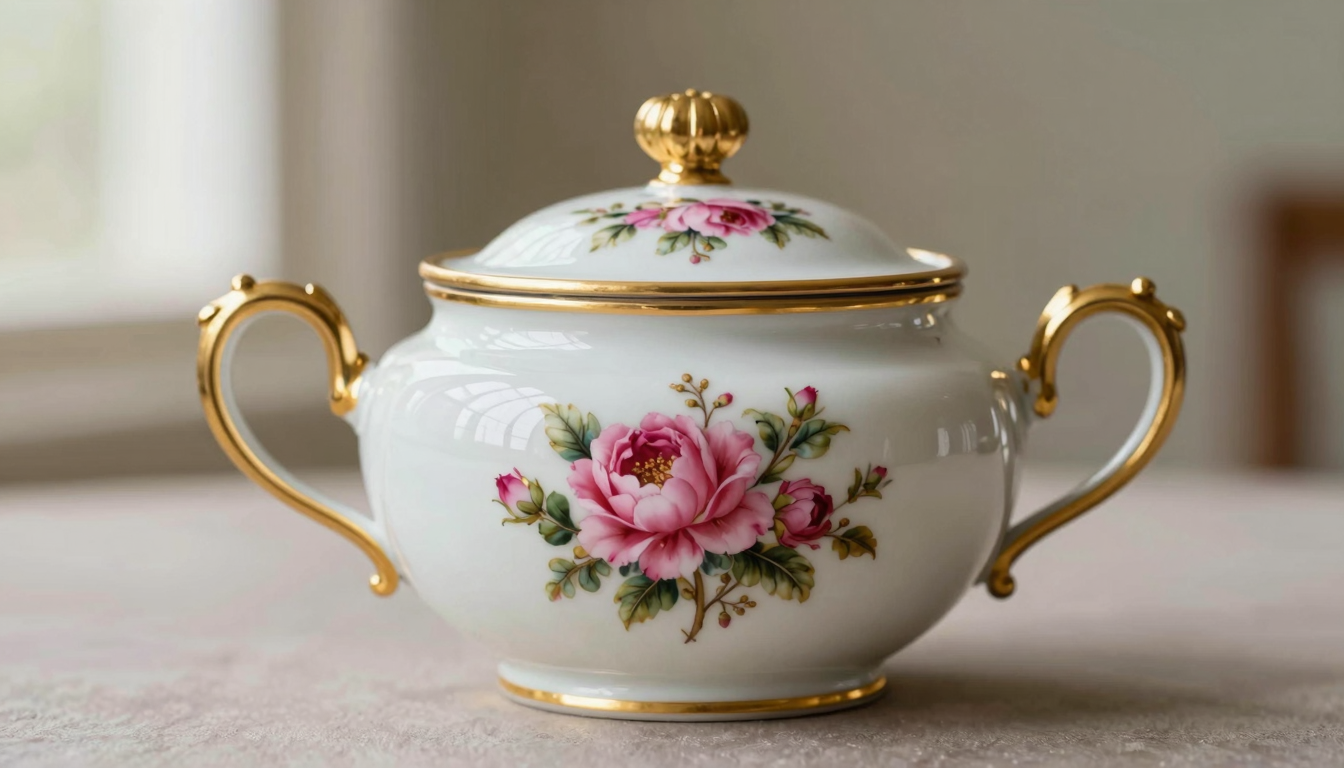
T&V Limoges France marks: a Tressemann & Vogt dating guide
Read more: T&V Limoges France marks: a Tressemann & Vogt dating guideT&V on Limoges porcelain stands for Tressemann & Vogt, a factory active from 1882 to 1919. The mark color and wording can date your piece to within a decade.
-
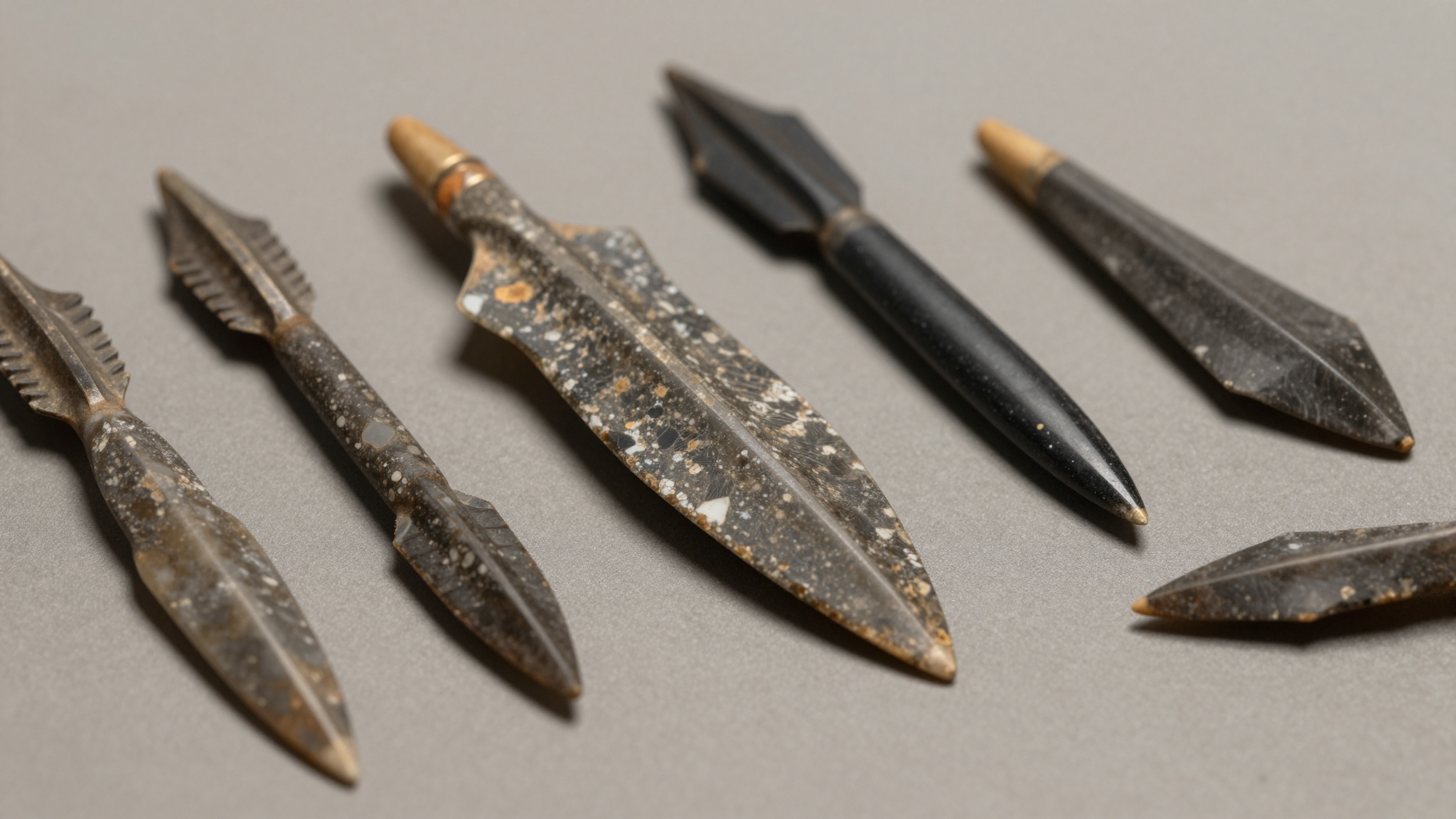
Indian arrowheads: identification, types, and value guide
Read more: Indian arrowheads: identification, types, and value guideThe value of most Indian arrowheads is $5 to $100, though rare Clovis points have sold for $276,000. Age, type, material, and condition set the price.
-
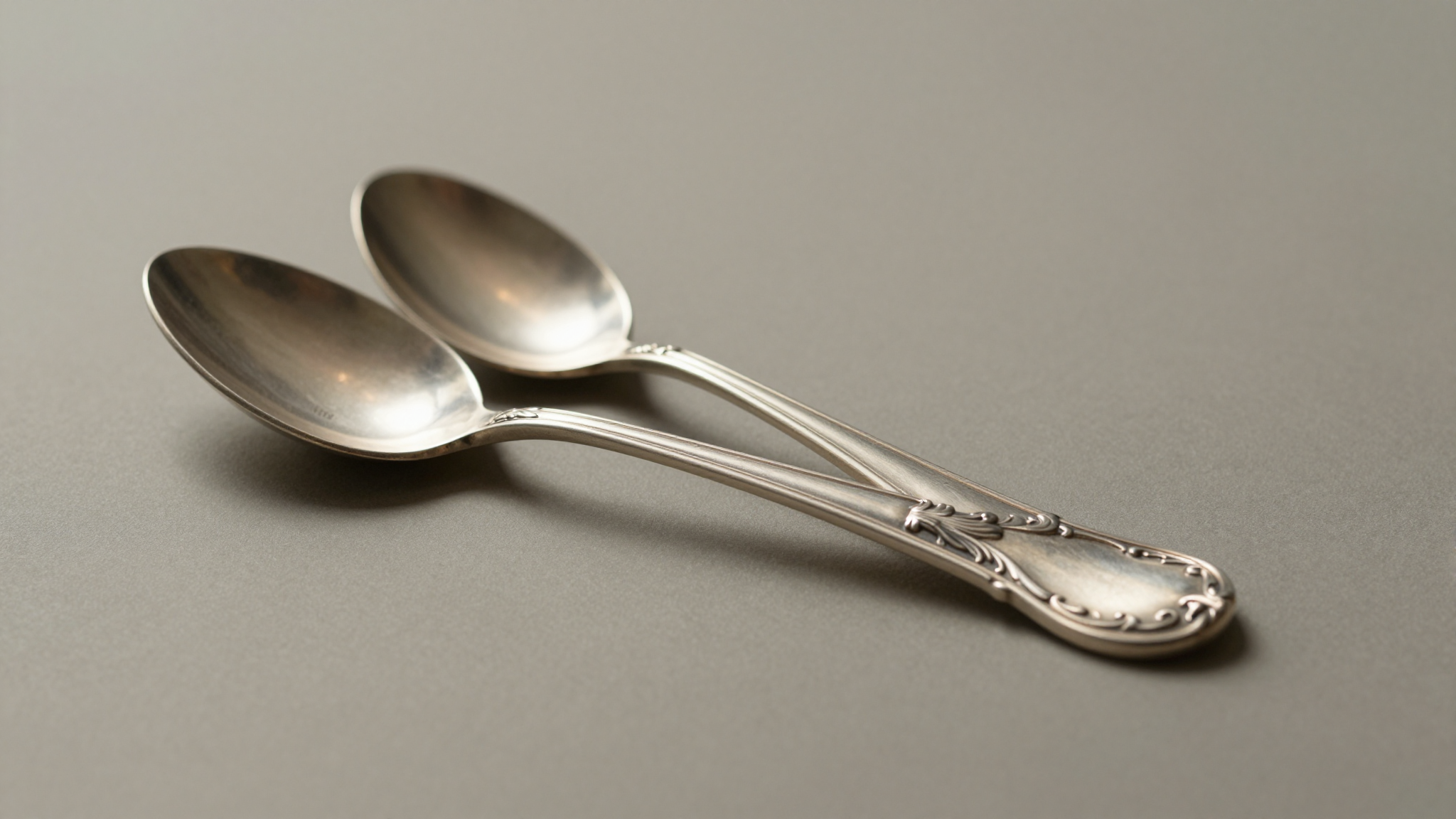
Whiting sterling silver: pattern and date identification guide
Read more: Whiting sterling silver: pattern and date identification guideThe Whiting sterling silver mark is a lion holding a W. Whiting made sterling from 1866 until 1926, when Gorham absorbed the firm.
-
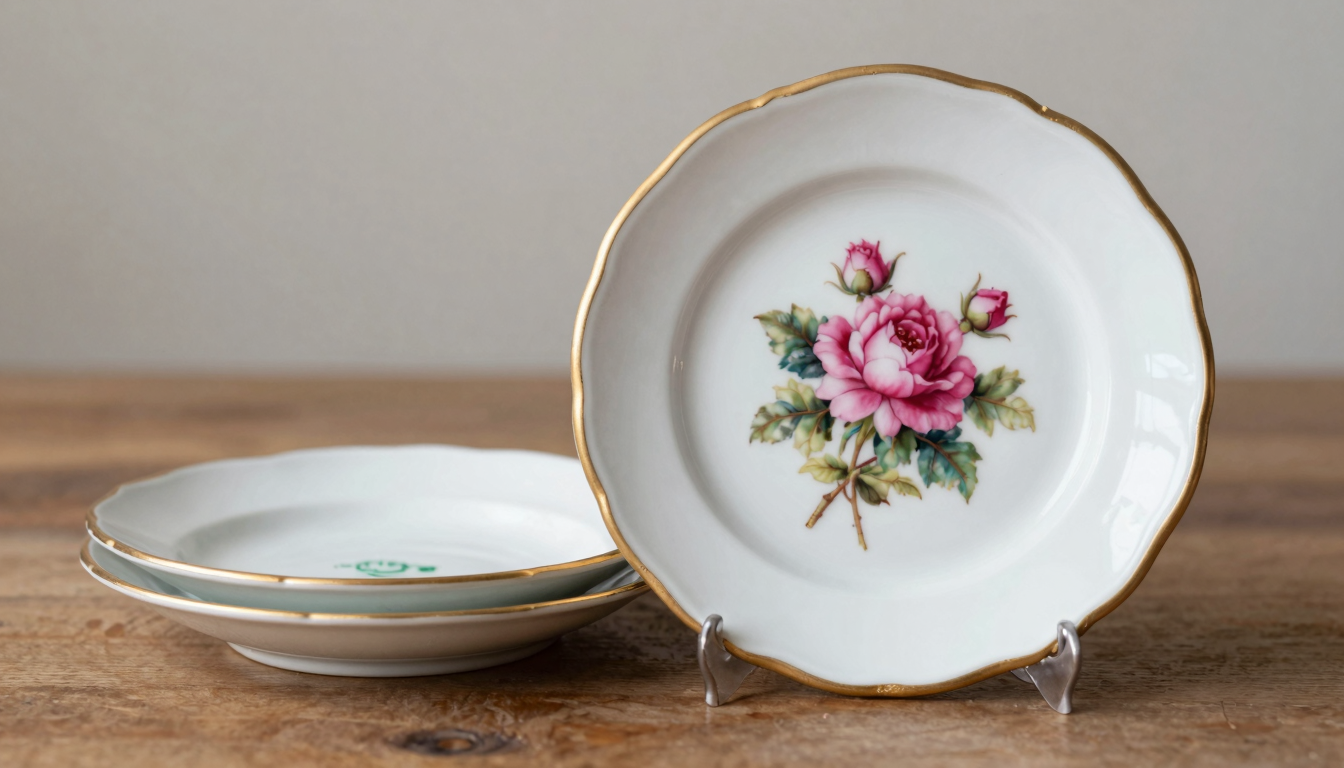
Old Abbey Limoges marks: identification and dating guide
Read more: Old Abbey Limoges marks: identification and dating guideThe Old Abbey mark identifies Limoges porcelain made by Latrille Frères between 1899 and 1913. Green stamps date the blank; red marks date the decoration.
-
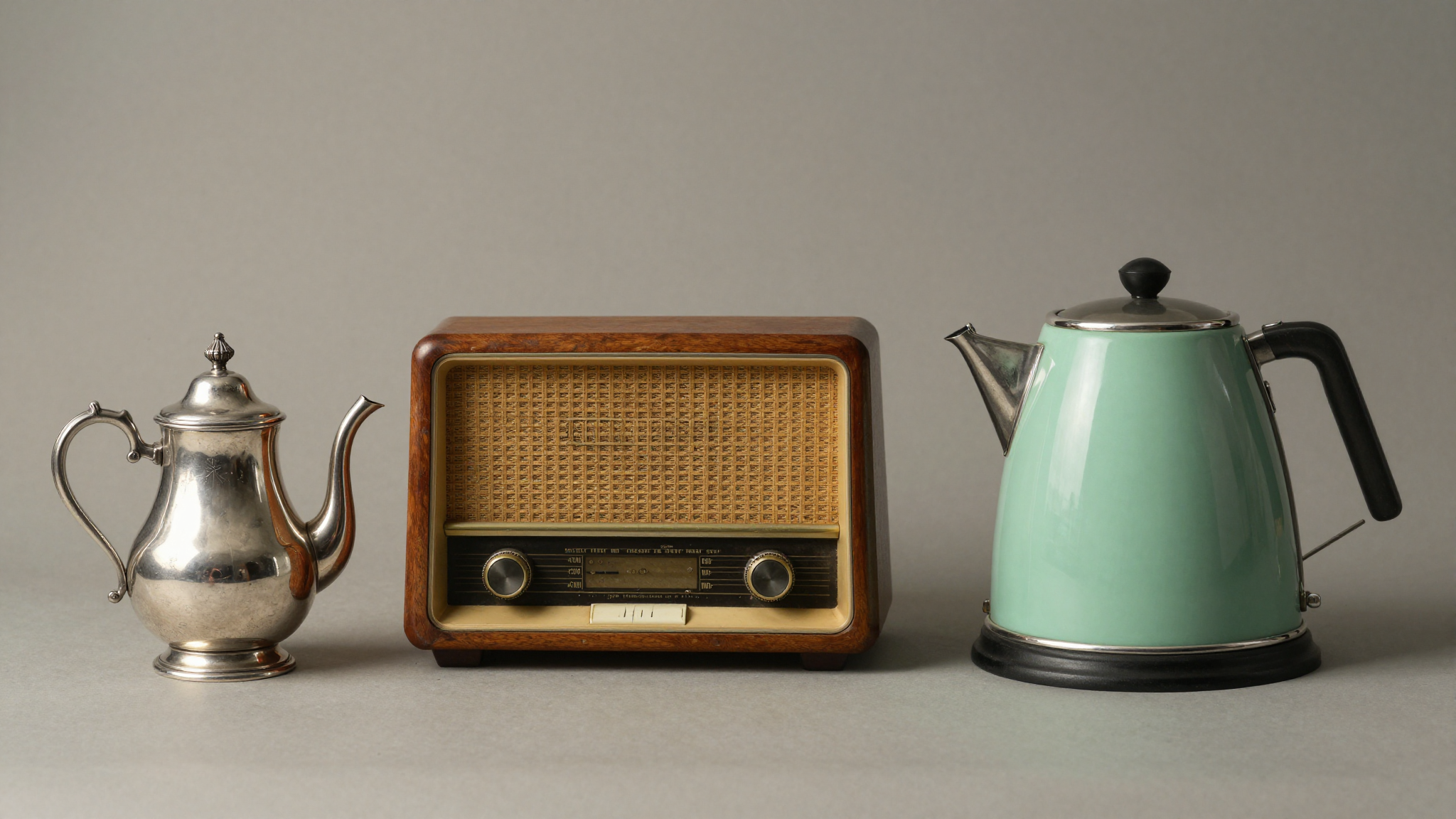
Antique vs Vintage vs Retro: Year Cutoffs
Read more: Antique vs Vintage vs Retro: Year CutoffsAntique means 100 or more years old (1926 or earlier in 2026), vintage means 20 to 99 years old (1927 to 2006), and retro is a style, not an age.
-
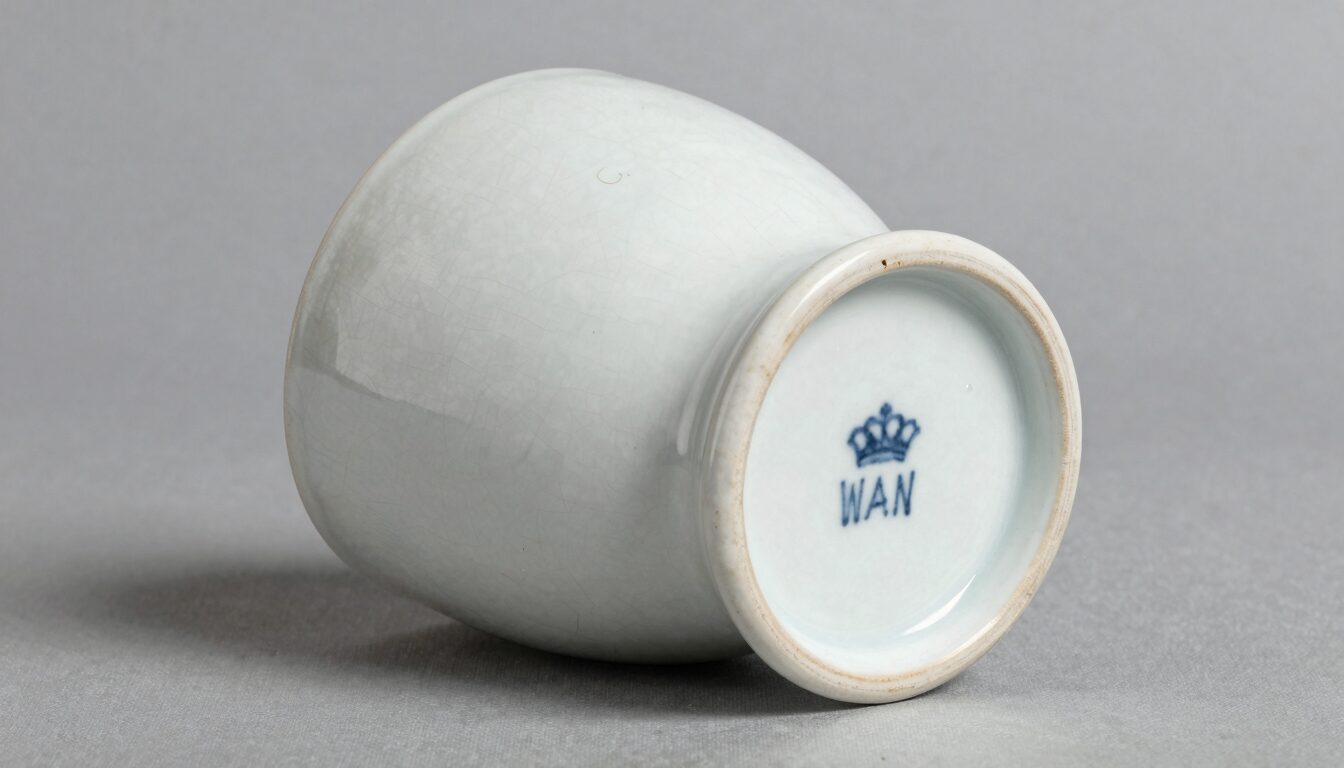
Chamber pot markings on the bottom: maker identification guide
Read more: Chamber pot markings on the bottom: maker identification guideThe marking on the bottom of a chamber pot identifies its maker, country, and age. Most came from Staffordshire or Ohio potteries between 1840 and 1930.
-
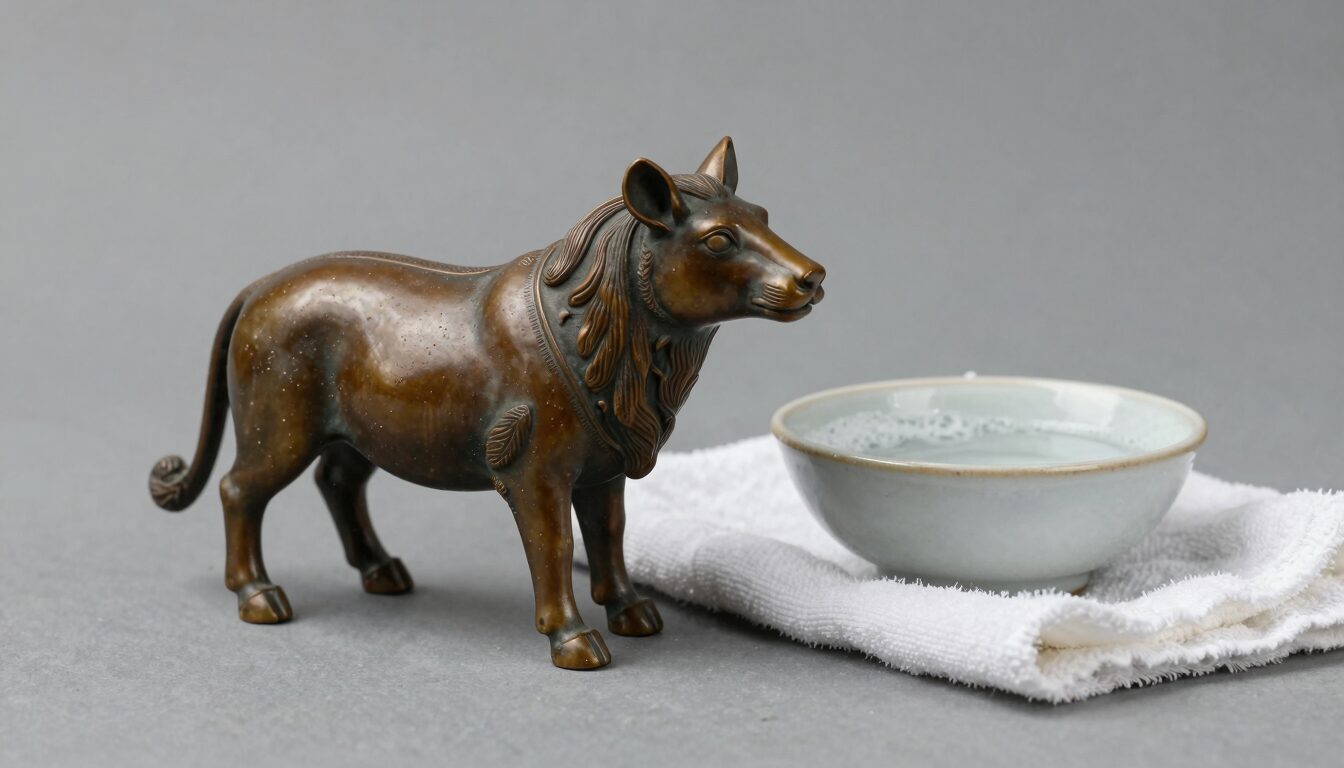
How to clean bronze: safe methods for antiques
Read more: How to clean bronze: safe methods for antiquesThe safest way to clean antique bronze is warm distilled water, mild soap, and a soft cloth. Stripping the patina can cut value by 50% or more.
-
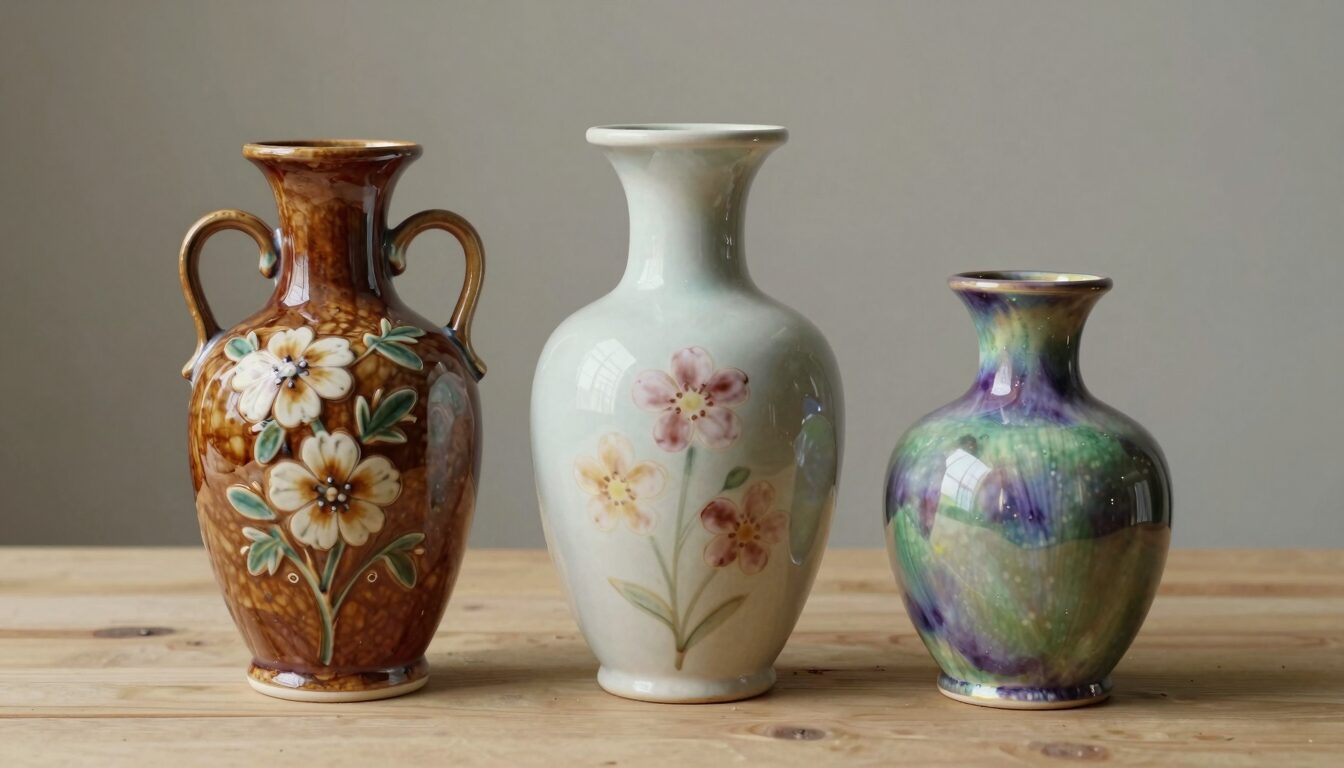
Weller pottery marks and value guide: how to date and price your piece
Read more: Weller pottery marks and value guide: how to date and price your pieceThe mark on the base identifies Weller pottery: impressed WELLER, incised script, or the Since 1872 stamp each point to an era between 1895 and 1948.
-
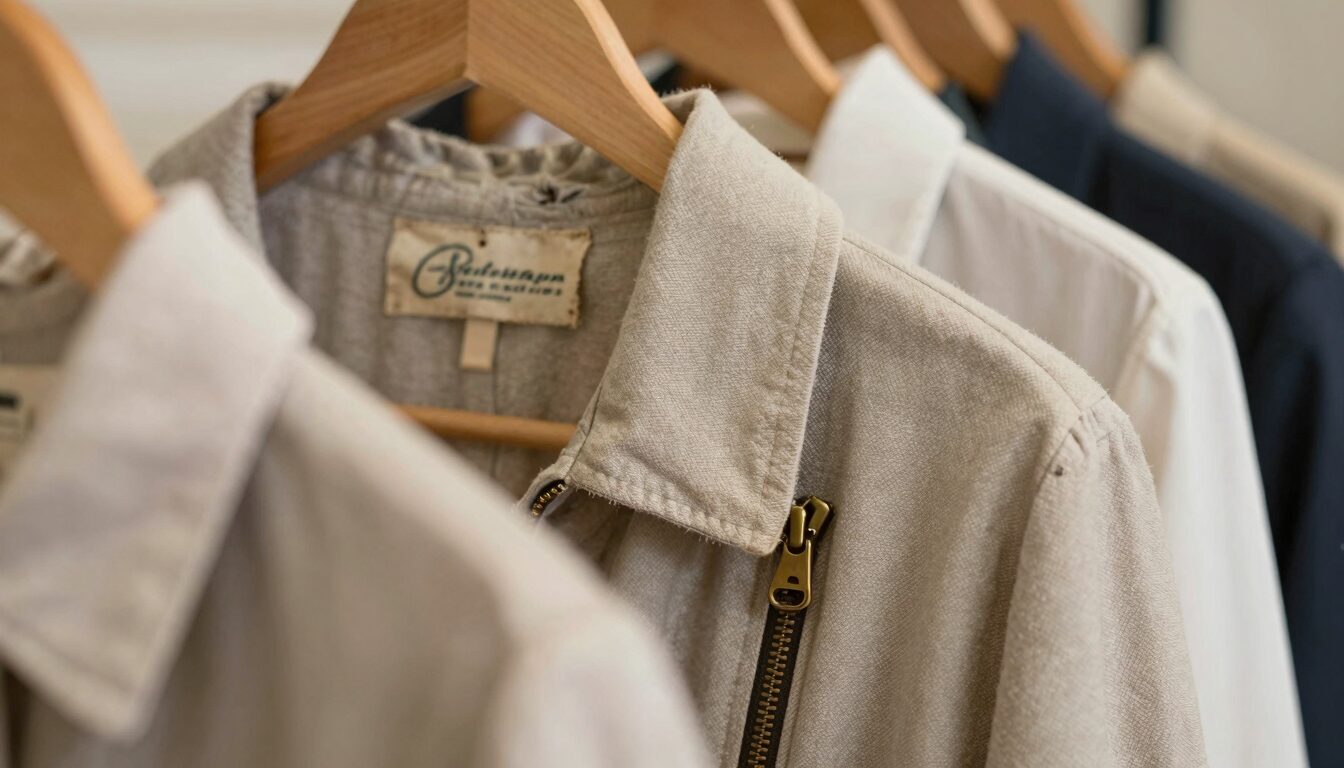
How to identify vintage clothing by decade: labels, zippers, and cuts
Read more: How to identify vintage clothing by decade: labels, zippers, and cutsThe fastest way to date vintage clothing is the label: union tags, RN numbers, and zipper type reveal the decade in minutes, often within a few years.
-
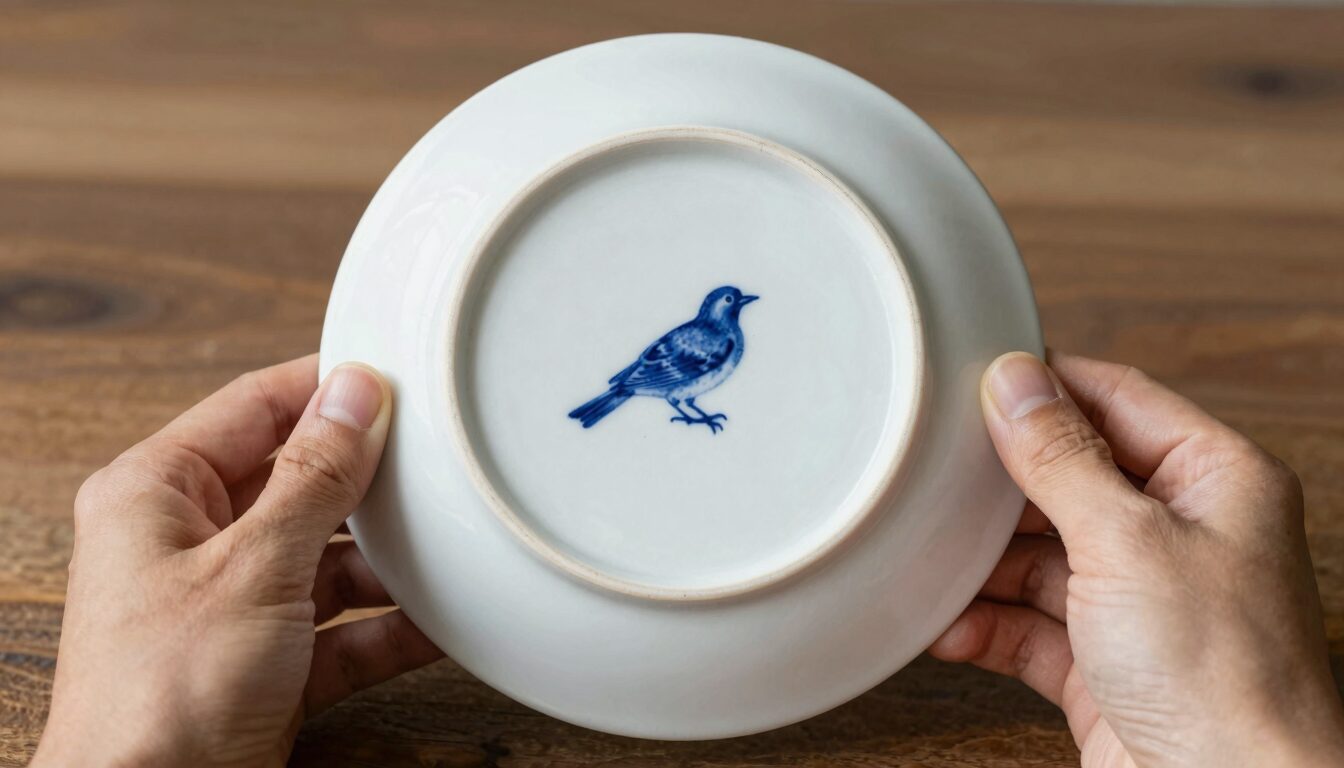
Bird pottery marks: identifying makers by bird symbols
Read more: Bird pottery marks: identifying makers by bird symbolsA bird pottery mark identifies the maker: eagles signal American or Austrian factories, phoenixes Japanese export china, and swans British works.


