
All About Antiques
Antique identification, valuation, and collecting reference.
Popular Guides
Free Online Antique Appraisal (2026)
Ten free options compared, plus a scanner on the page that values your piece from one photo.
Antique Marks & Signatures: Complete Identification Guide
Complete guide to decoding maker marks on silver, porcelain, glass and furniture.
Is Antique Snap Legit? An Honest 2026 Review
What the app gets right, what it misses, and the complaints users actually make.
Best Antique Identifier Apps 2026: Head-to-Head Comparison
5 apps tested side-by-side for accuracy, speed and features.
Noritake China Patterns: Identification and Value
Read the backstamp, name the pattern, and see what collectors pay.
Online Antique Valuation Tools for Collectors
Free digital resources to research and price your antique items.
-
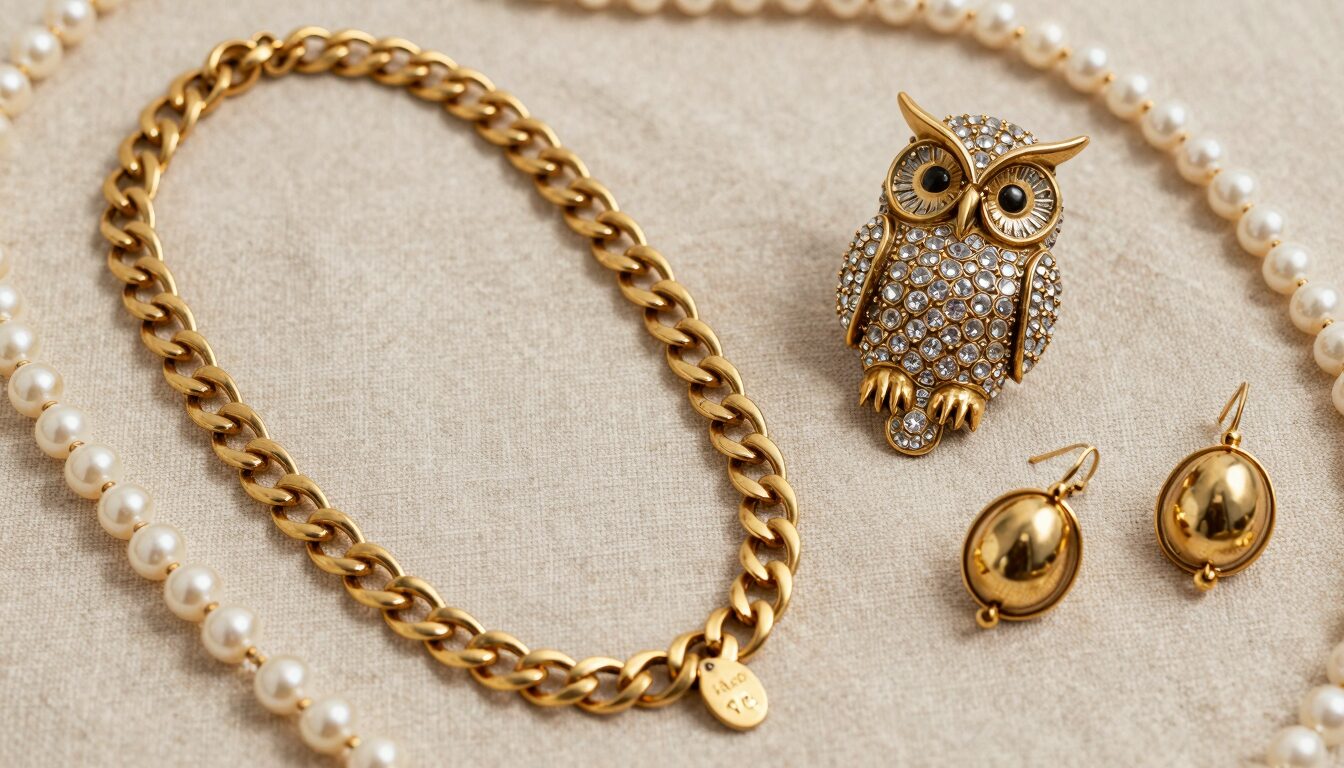
Vintage Avon jewelry: marks, dating, and what it’s worth
Read more: Vintage Avon jewelry: marks, dating, and what it’s worthMost vintage Avon jewelry is worth $10 to $50, though designer pieces top $400. It is stamped AVON from 1971 on, which makes dating fast.
-
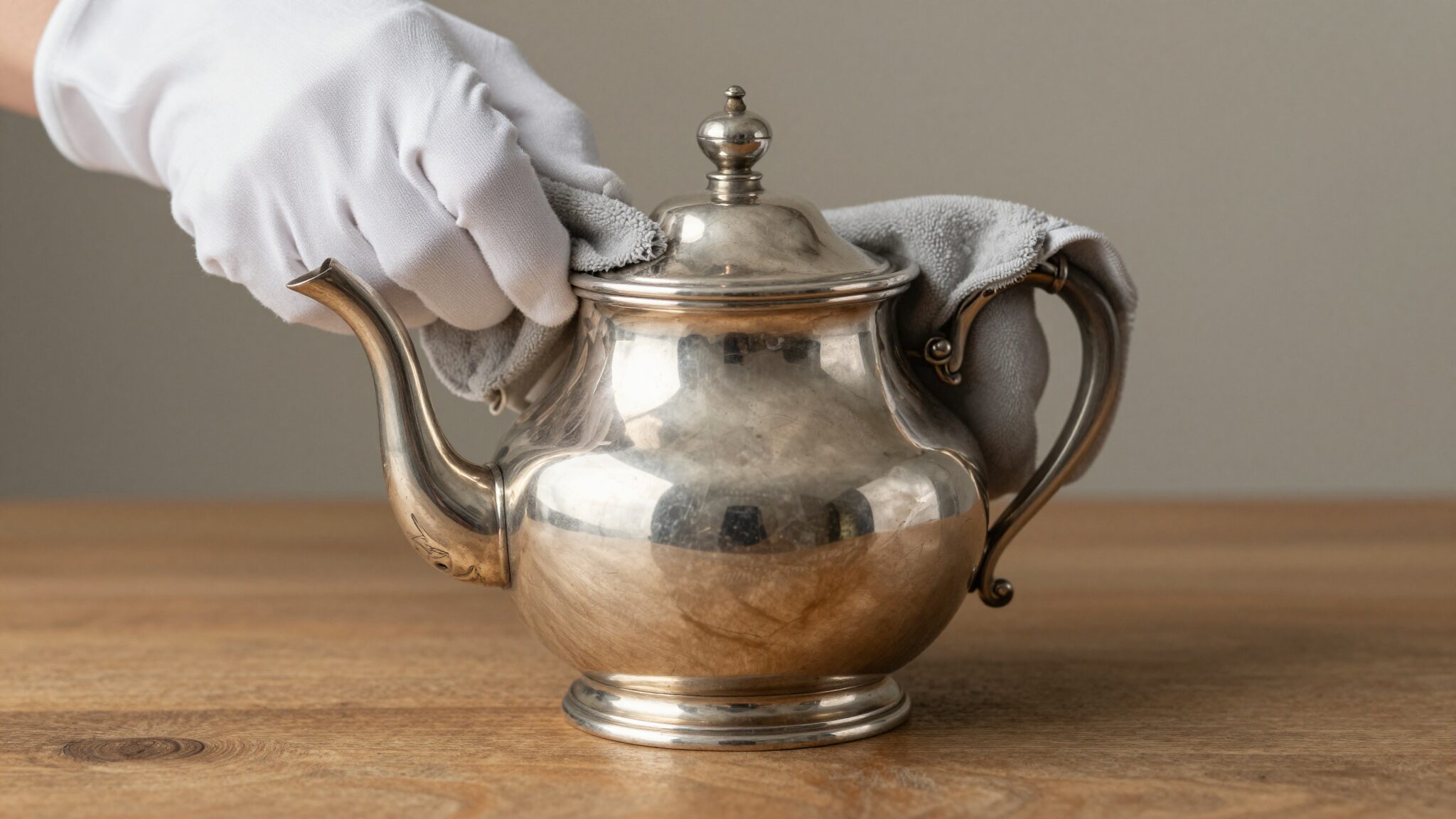
How to clean silver plated items without ruining them
Read more: How to clean silver plated items without ruining themThe safest way to clean silver plated items is mild soap, warm water, and a soft polishing cloth. Abrasive polishes and dips strip the thin silver layer.
-
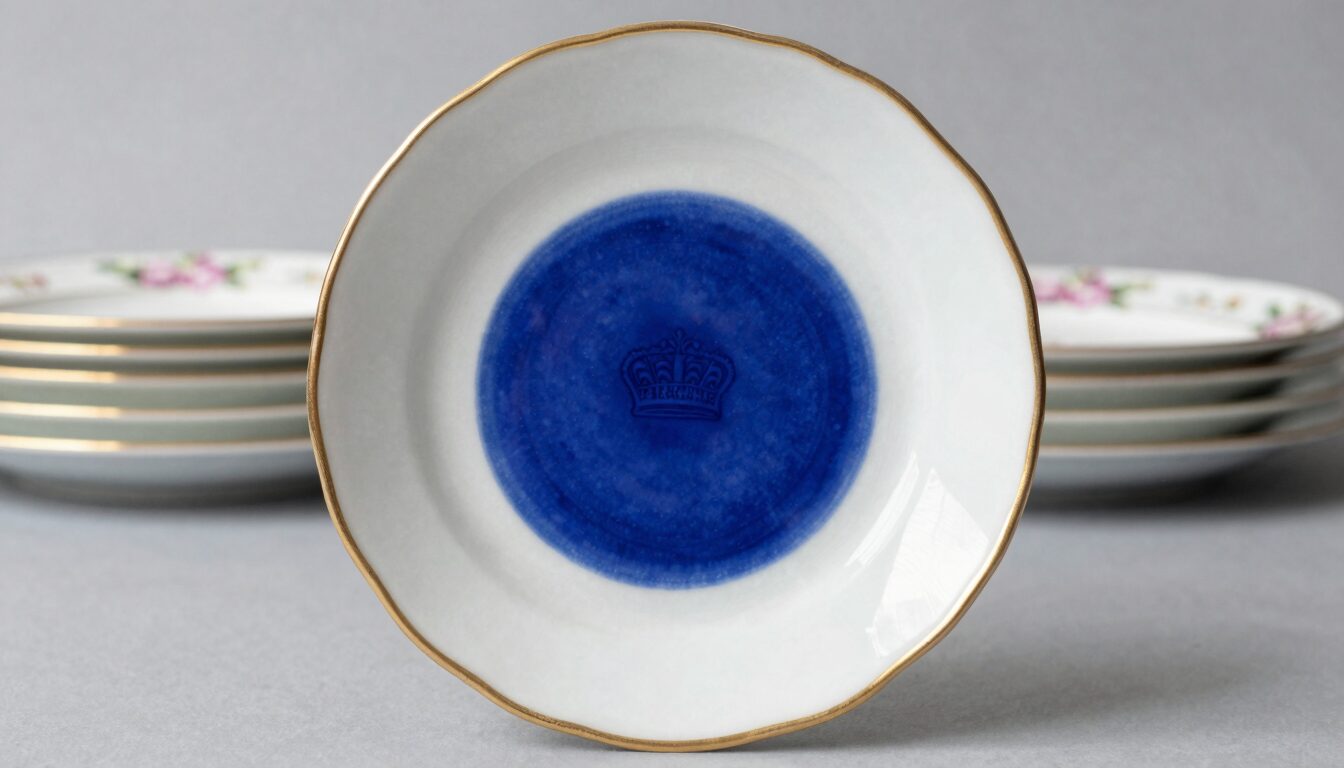
Bavaria porcelain marks: decoding “Bavaria Germany” backstamps
Read more: Bavaria porcelain marks: decoding “Bavaria Germany” backstampsA “Bavaria Germany” backstamp means porcelain made in Bavaria’s kaolin-rich north, and its exact wording can date your piece to within a few decades.
-
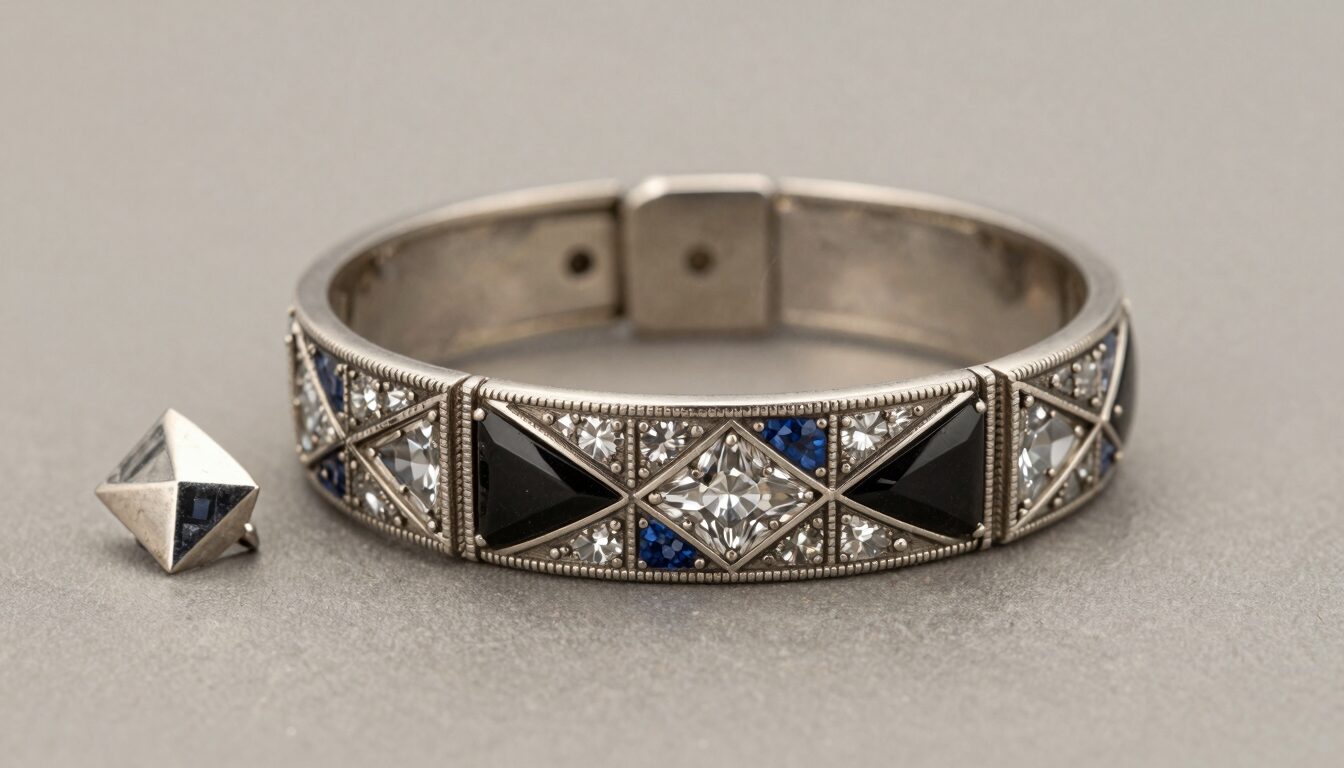
Art Deco jewelry: identification and value guide
Read more: Art Deco jewelry: identification and value guideAuthentic Art Deco jewelry dates from 1920 to 1939. Look for geometric symmetry, platinum or white gold settings, and calibre-cut stones.
-
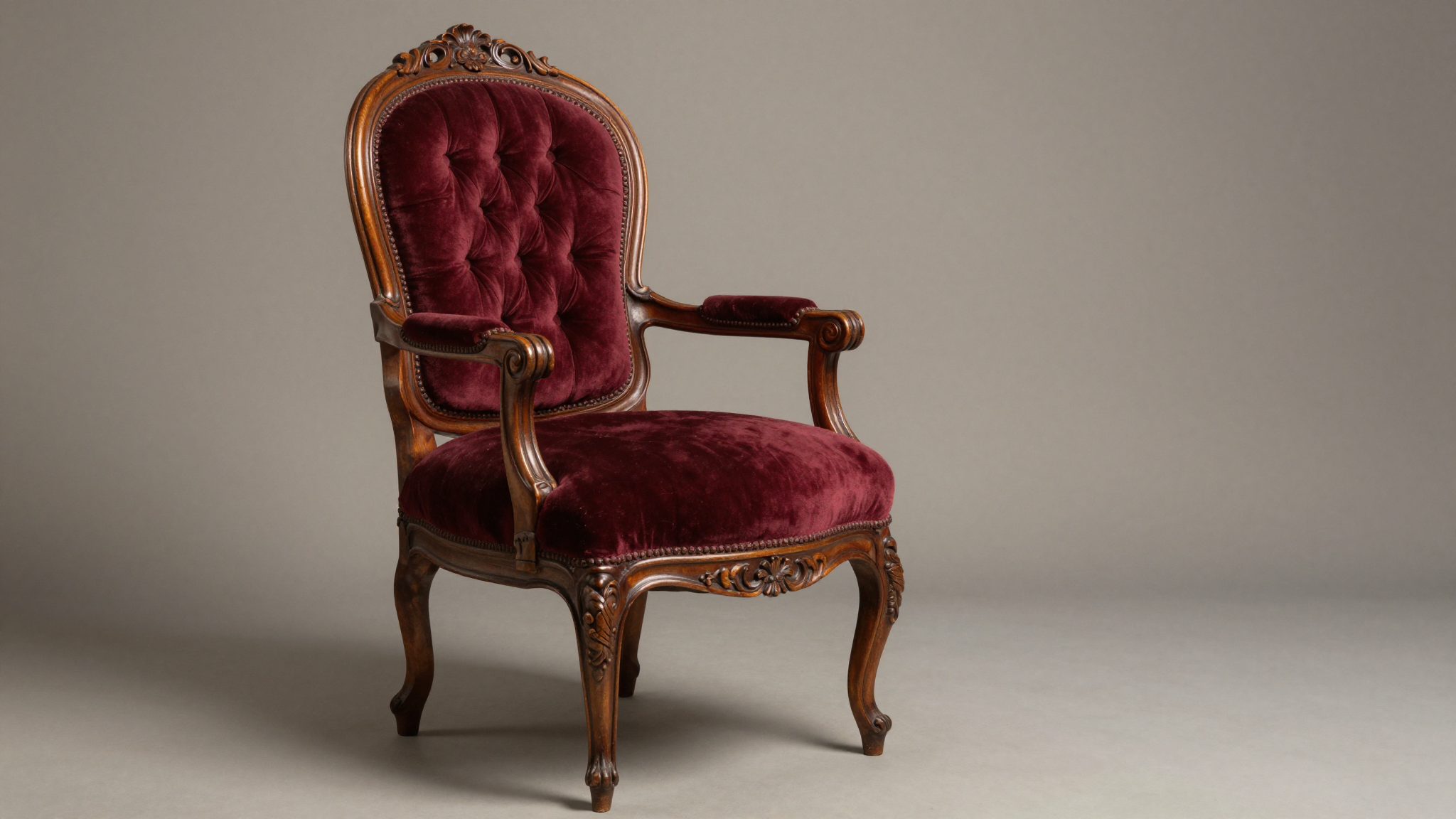
Victorian furniture: identification and value guide for collectors
Read more: Victorian furniture: identification and value guide for collectorsVictorian furniture dates from 1837 to 1901 and is identified by dark woods, ornate carving, and period construction such as hand-cut dovetails.
-
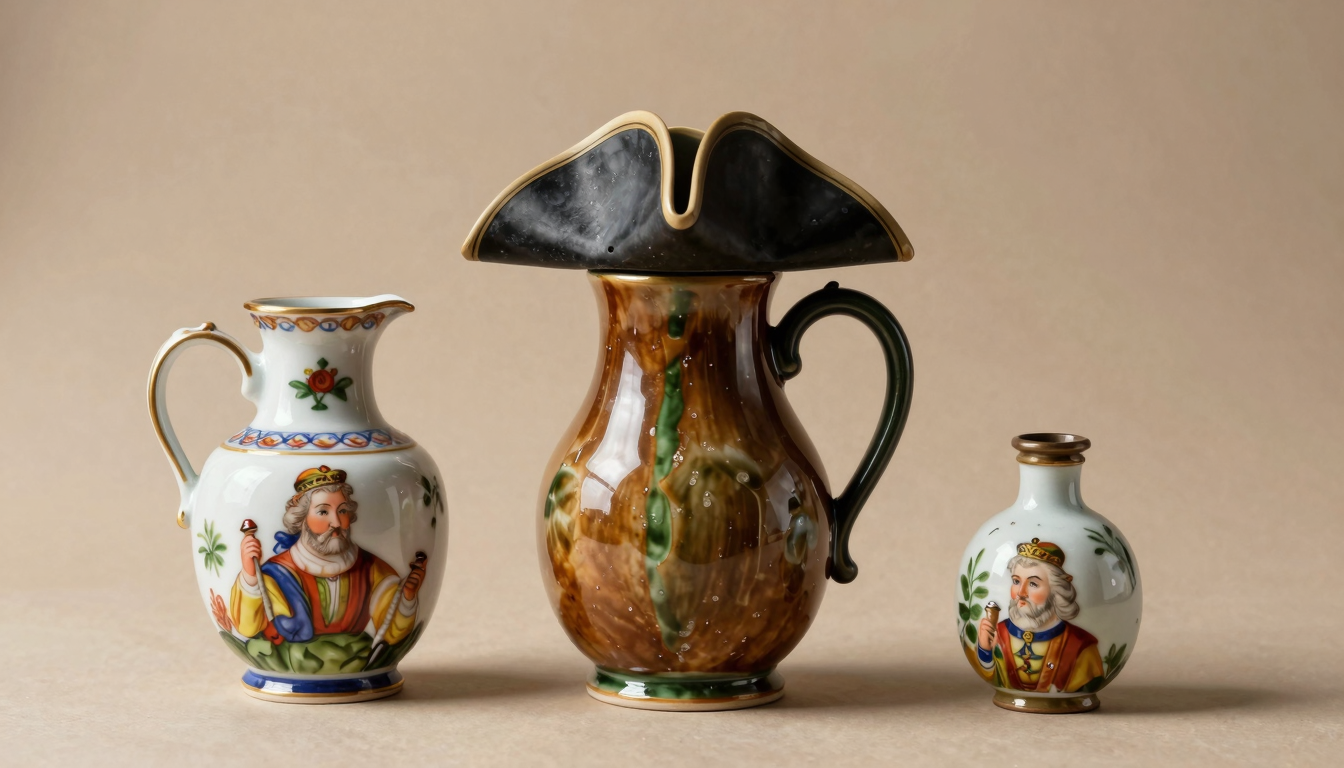
Toby jugs: identification and value guide (Royal Doulton and more)
Read more: Toby jugs: identification and value guide (Royal Doulton and more)Most toby jugs sell for $50-$300, while rare 18th-century Ralph Wood examples can top $5,000. The base mark and glaze reveal maker and age.
-
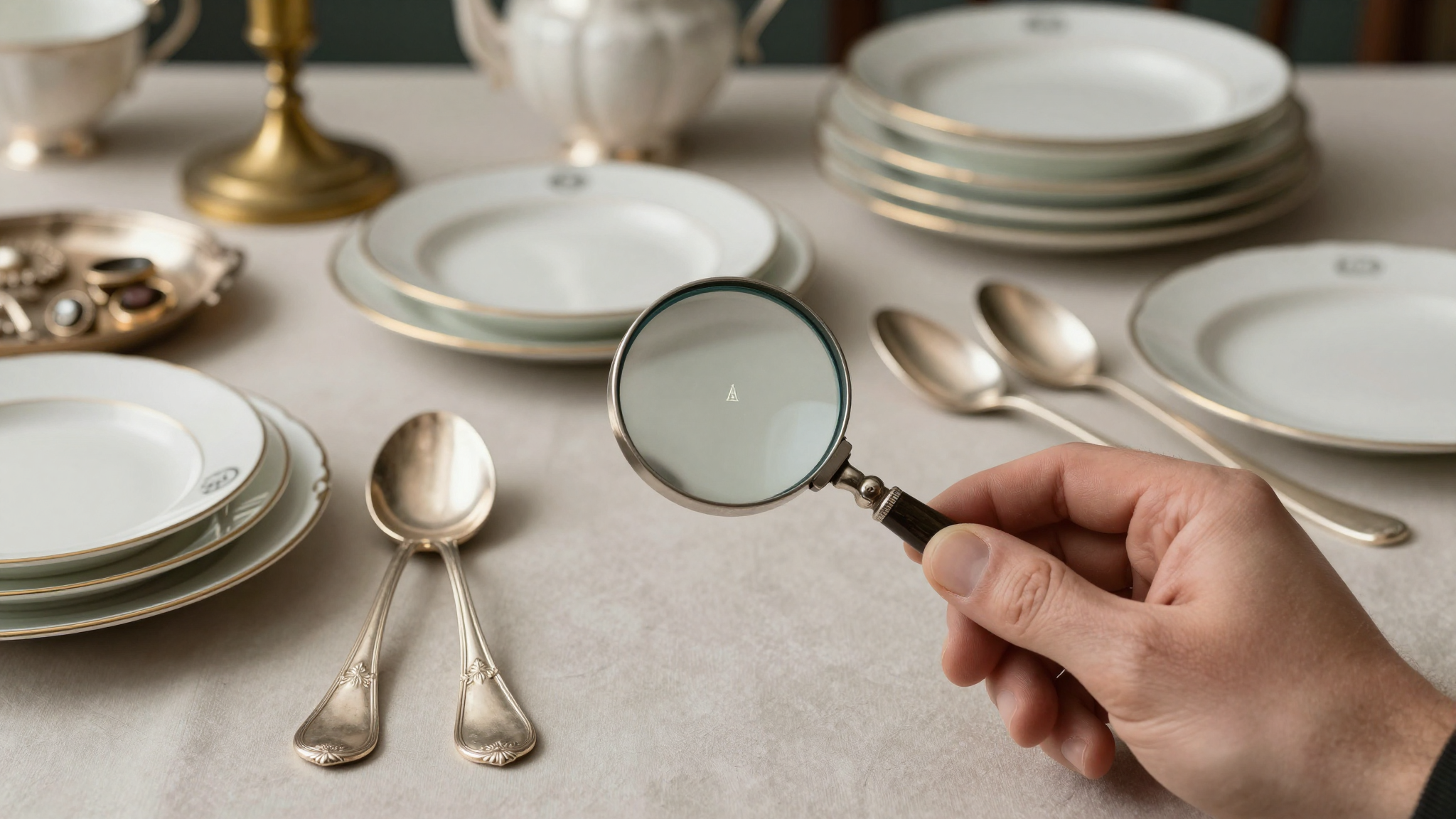
How to appraise estate sale items: a buyer’s field guide
Read more: How to appraise estate sale items: a buyer’s field guideThe best way to appraise estate sale items is to check maker’s marks, assess condition, and compare sold prices. Those three checks set real value.
-
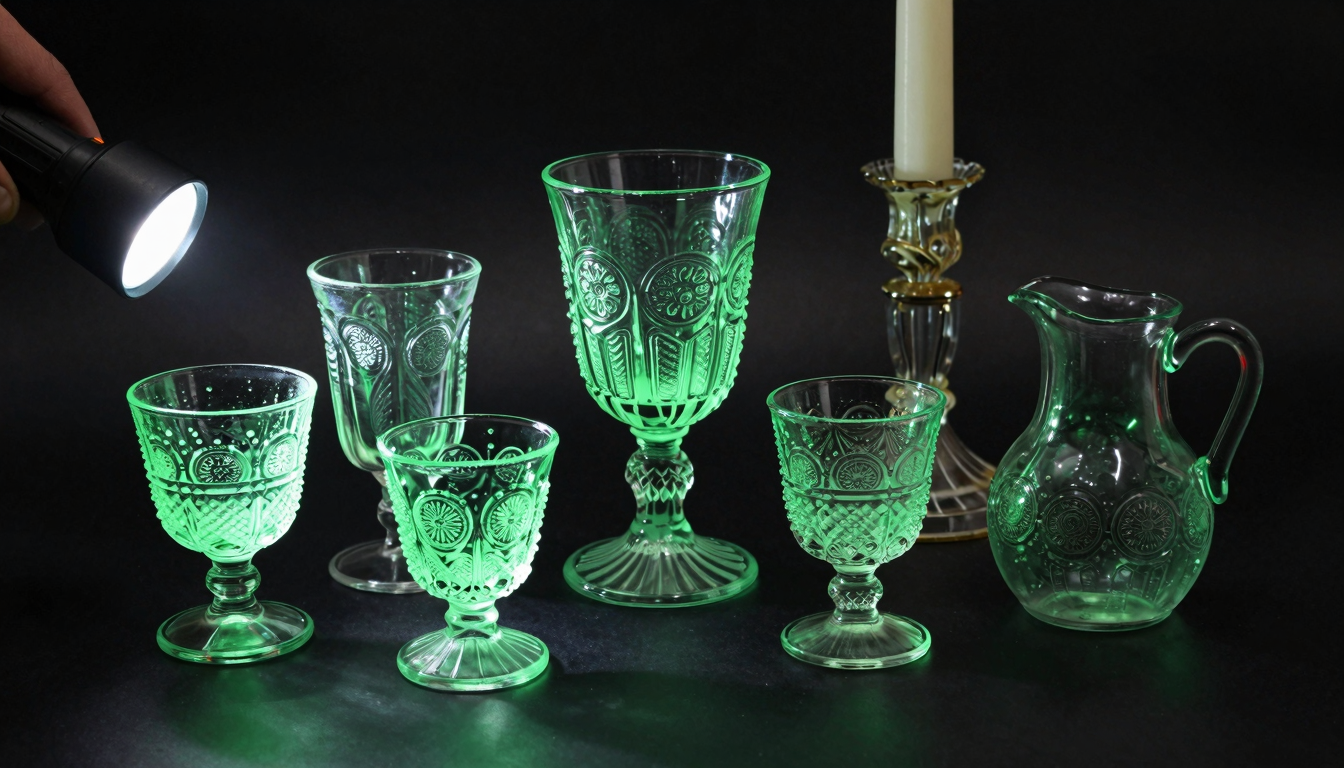
Vaseline (uranium) glass: how to identify it with a UV light
Read more: Vaseline (uranium) glass: how to identify it with a UV lightThe fastest way to identify vaseline glass is a 365nm UV light: real uranium glass glows bright neon green from its 0.1 to 2 percent uranium content.
-
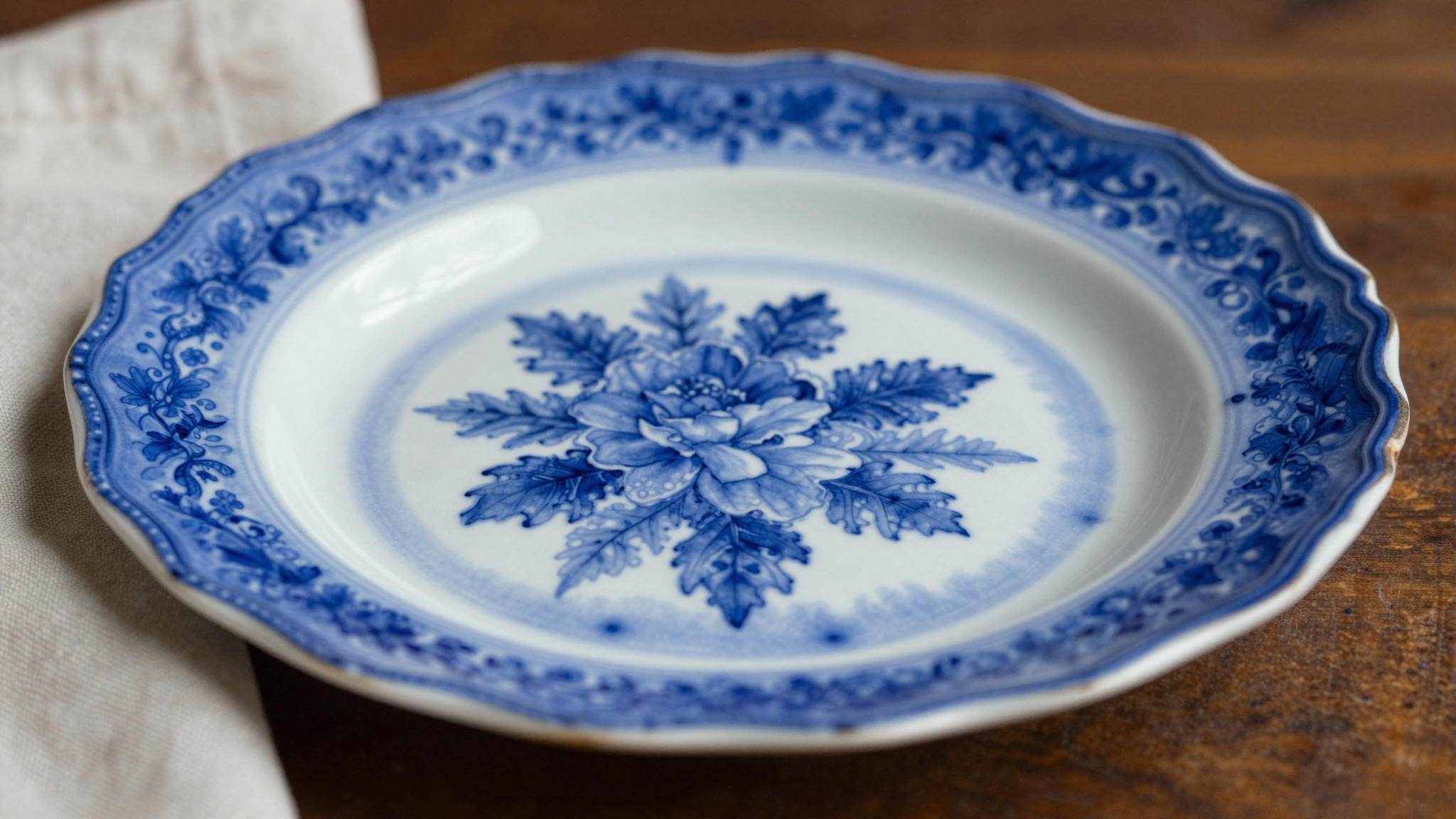
Flow Blue China: Identification and Value Guide for Collectors
Read more: Flow Blue China: Identification and Value Guide for CollectorsThe fastest way to identify Flow Blue china is its smudged cobalt pattern that bleeds into the white glaze, a haze no other transferware shares.
-

How to date vintage jewelry by clasp type: a visual guide
Read more: How to date vintage jewelry by clasp type: a visual guideThe fastest way to date vintage jewelry is by its clasp type. Clasp mechanisms changed every few decades, so the closure narrows a piece to a specific era.


