
All About Antiques
Antique identification, valuation, and collecting reference.
Popular Guides
Free Online Antique Appraisal (2026)
Ten free options compared, plus a scanner on the page that values your piece from one photo.
Antique Marks & Signatures: Complete Identification Guide
Complete guide to decoding maker marks on silver, porcelain, glass and furniture.
Is Antique Snap Legit? An Honest 2026 Review
What the app gets right, what it misses, and the complaints users actually make.
Best Antique Identifier Apps 2026: Head-to-Head Comparison
5 apps tested side-by-side for accuracy, speed and features.
Noritake China Patterns: Identification and Value
Read the backstamp, name the pattern, and see what collectors pay.
Online Antique Valuation Tools for Collectors
Free digital resources to research and price your antique items.
-
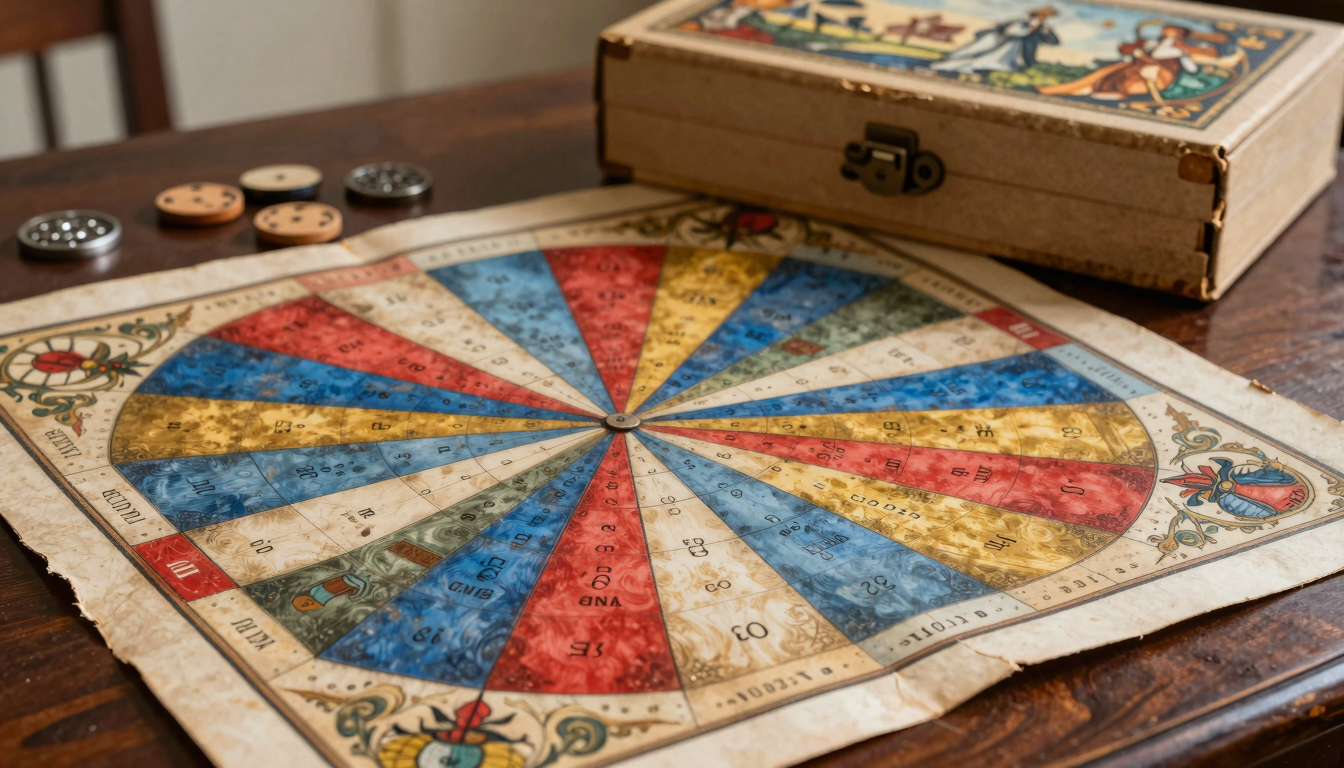
Antique board games worth money: rare editions and what they sell for
Read more: Antique board games worth money: rare editions and what they sell forAntique board games worth money are mostly 19th-century McLoughlin Brothers editions. Rare boxed examples sell for $2,000 to over $20,000.
-
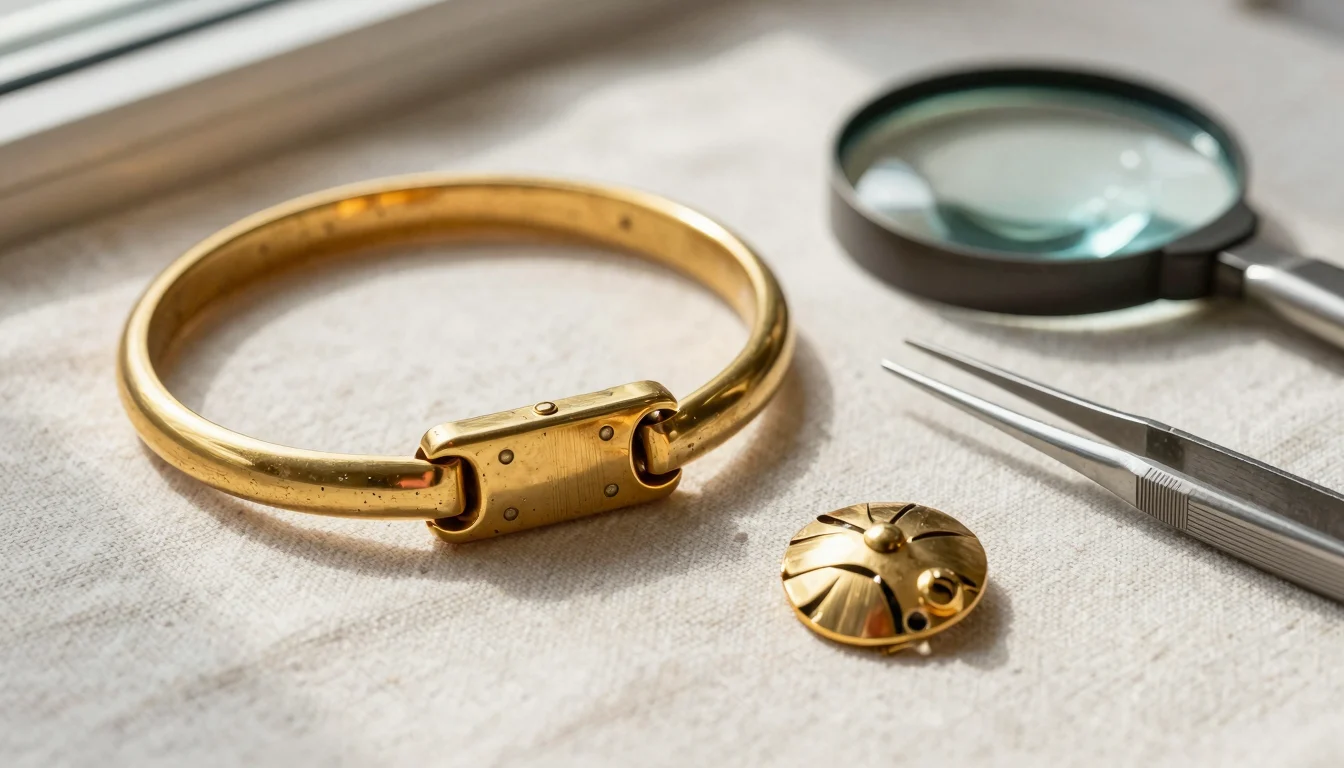
Gold-plated hallmark identification: what GP, GF, and HGE mean
Read more: Gold-plated hallmark identification: what GP, GF, and HGE meanGP, GF, RGP, HGE and GE hallmarks all mean a thin gold layer over base metal, not solid gold. What each mark requires under US and UK rules, and how to check a worn piece.
-
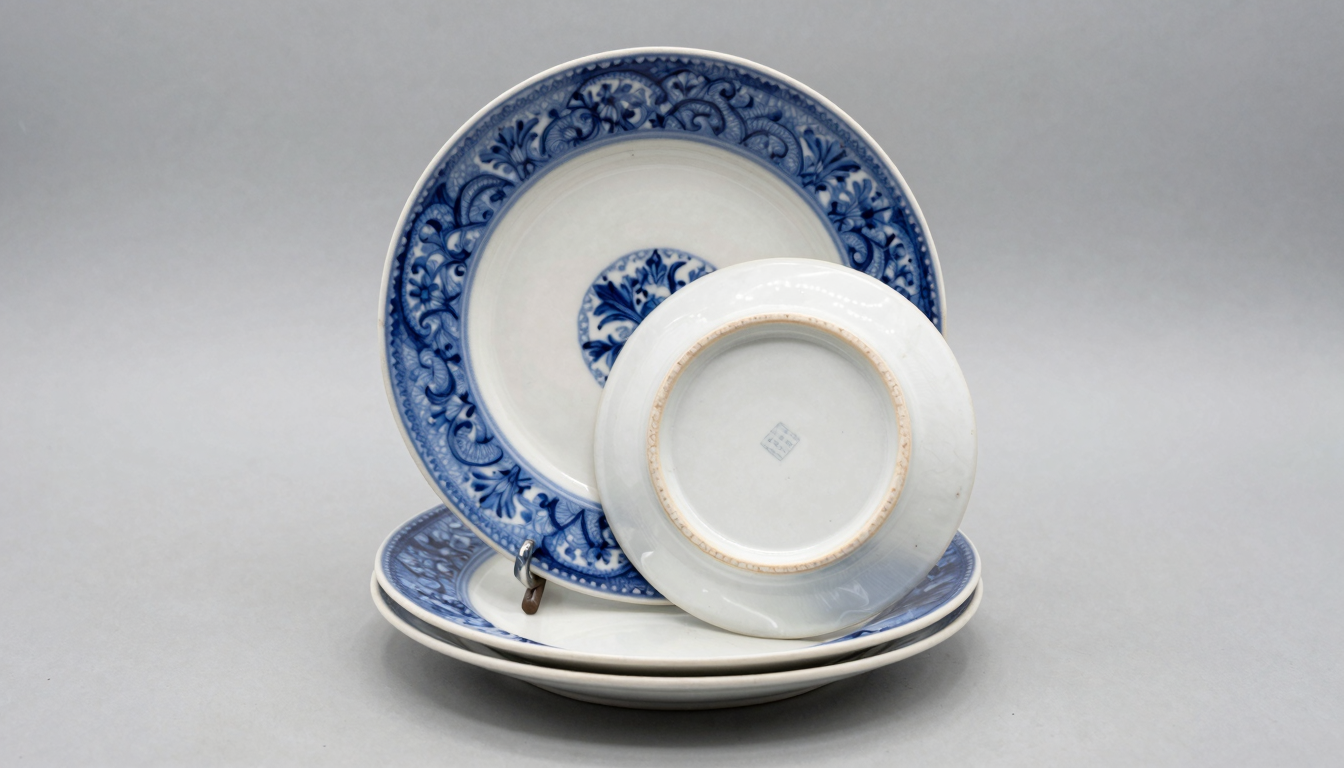
Transferware and ironstone: antique plate markings explained
Read more: Transferware and ironstone: antique plate markings explainedAntique plate markings on transferware and ironstone identify the maker, pattern, and production date. Printed backstamps are the key. Most date 1810–1900.
-
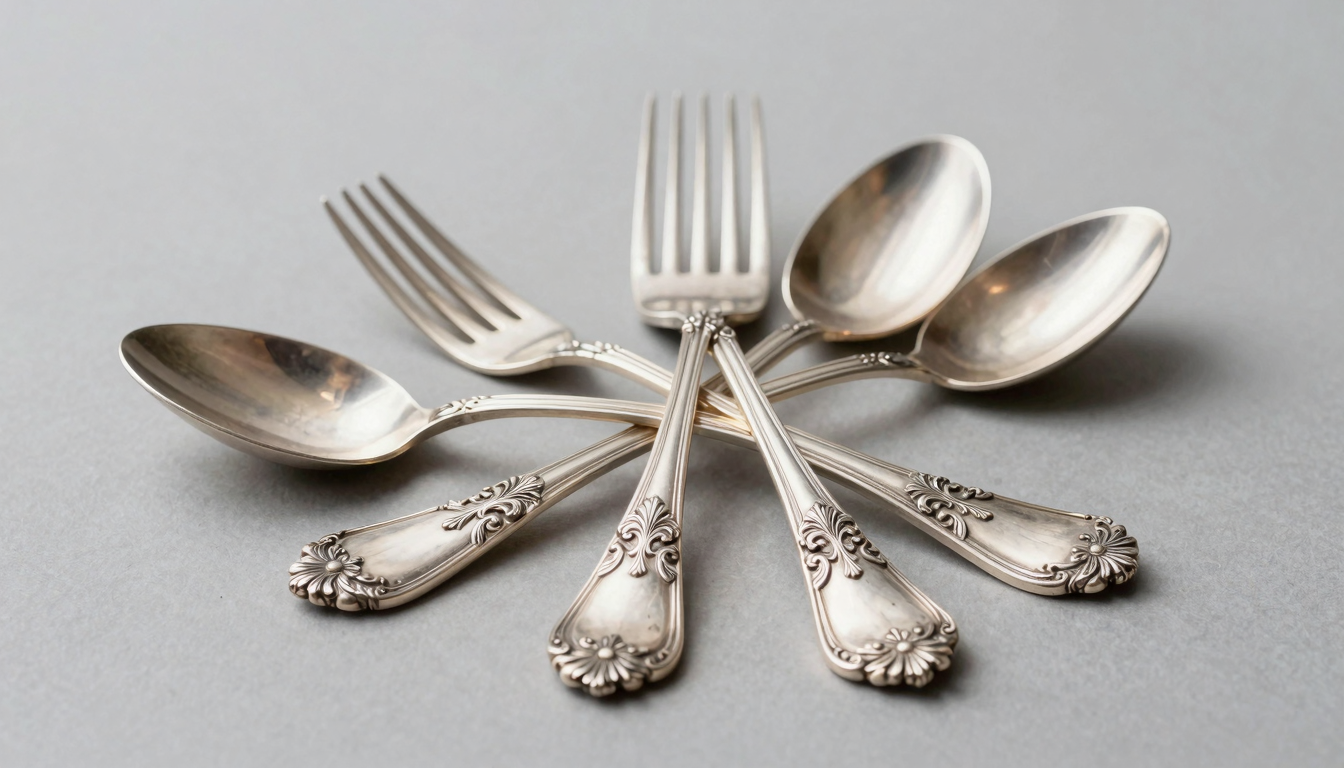
Top 10 most valuable antique silverware patterns in 2026
Read more: Top 10 most valuable antique silverware patterns in 2026The most valuable antique silverware pattern is Tiffany Chrysanthemum, with full services selling above $20,000. Rarity, maker, and weight drive value.
-
Zophi Antique Identifier review: features, pricing, and accuracy
Read more: Zophi Antique Identifier review: features, pricing, and accuracyZophi Antique Identifier is a free AI app that identifies antiques from photos and estimates value, with a $34.99/year Pro tier. Best used as a research tool.
-
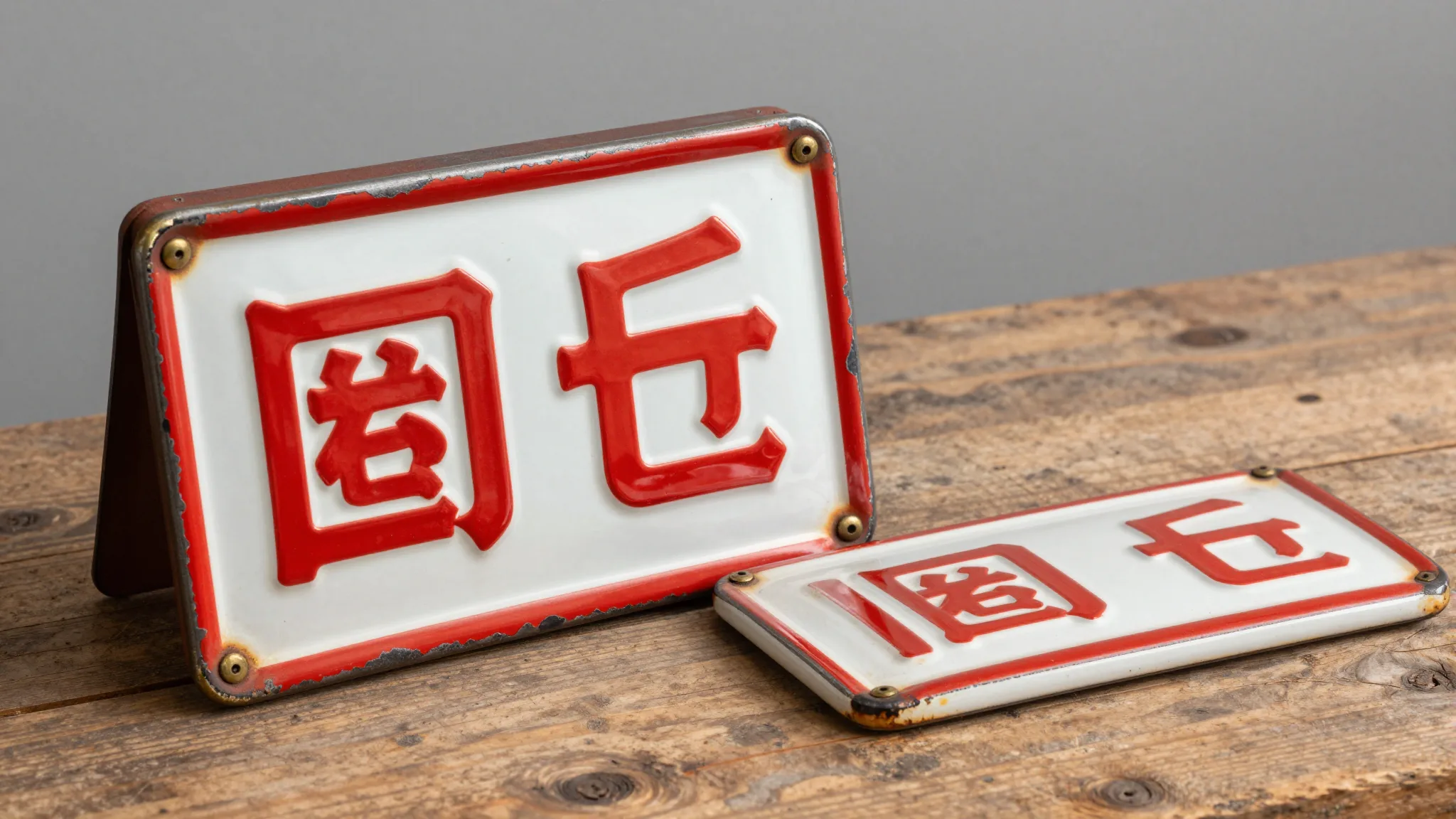
Authenticating antique signs: porcelain vs. modern reproductions
Read more: Authenticating antique signs: porcelain vs. modern reproductionsAuthenticate antique porcelain signs by checking layered color edges, original brass grommets, and natural shelf wear. Repros miss all three. Genuine pre-1960 signs show stovepipe-fired enamel layers, steel substrates 18-22 gauge thick, and maker stamps from Ingram-Richardson, Baltimore Enamel Novelty, or Burdick. Modern reproductions print on thin sheet metal with screen-printed or vinyl graphics that…
-
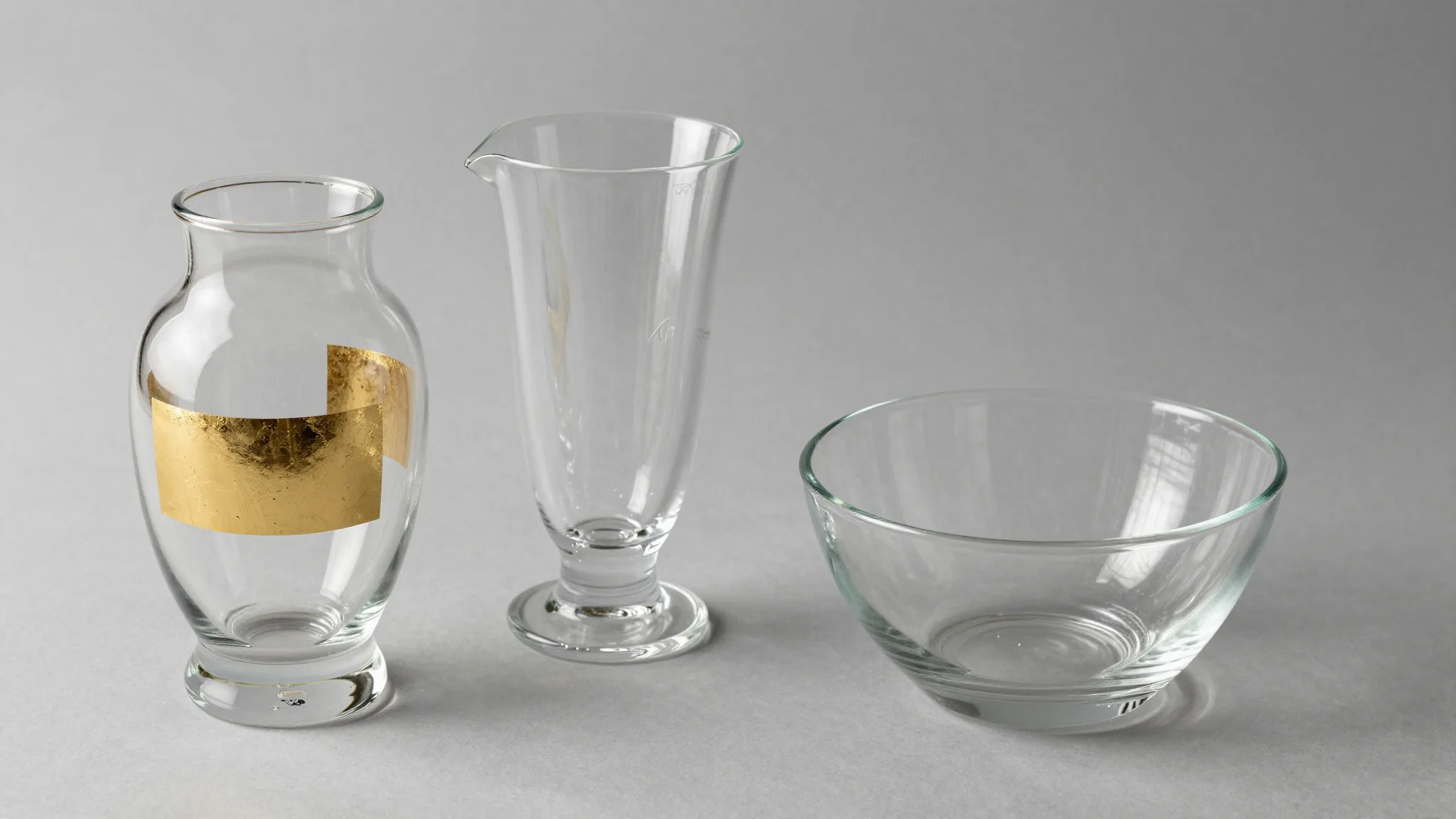
20th-century modern glass marks: Murano, Scandinavian & American
Read more: 20th-century modern glass marks: Murano, Scandinavian & American20th-century glass marks split three ways: Murano paper foils and acid stamps, Scandinavian engraved signatures with model numbers, and American studio signatures with dates. Knowing which format to expect narrows the maker before you read a single letter.
-
Antique value calculator: how experts estimate a price range
Read more: Antique value calculator: how experts estimate a price rangeAn antique value calculator estimates price by combining maker marks, condition, rarity, and recent auction comps within a 15-20% market range. Experts call this triangulation. The math is less mysterious than auction houses make it sound.
-
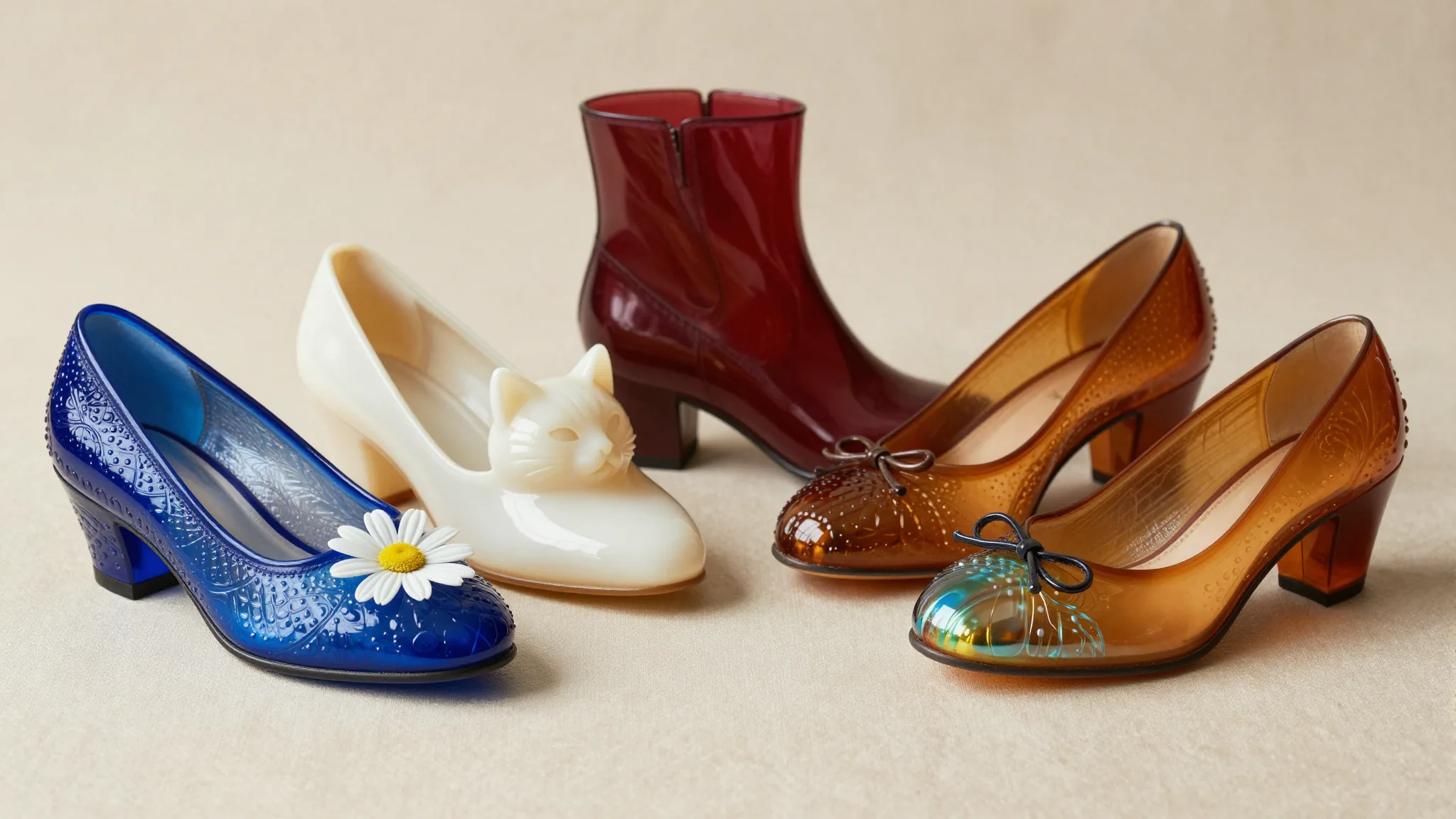
Vintage glass shoes: identification and value guide
Read more: Vintage glass shoes: identification and value guideVintage glass shoes from Fenton, Boyd, and Degenhart can fetch $50-$400+; rare colors, maker marks, and pattern detail decide their true value. Most common pressed-glass slippers run $15-$60, but slag, carnival, and signed pieces climb fast.
-
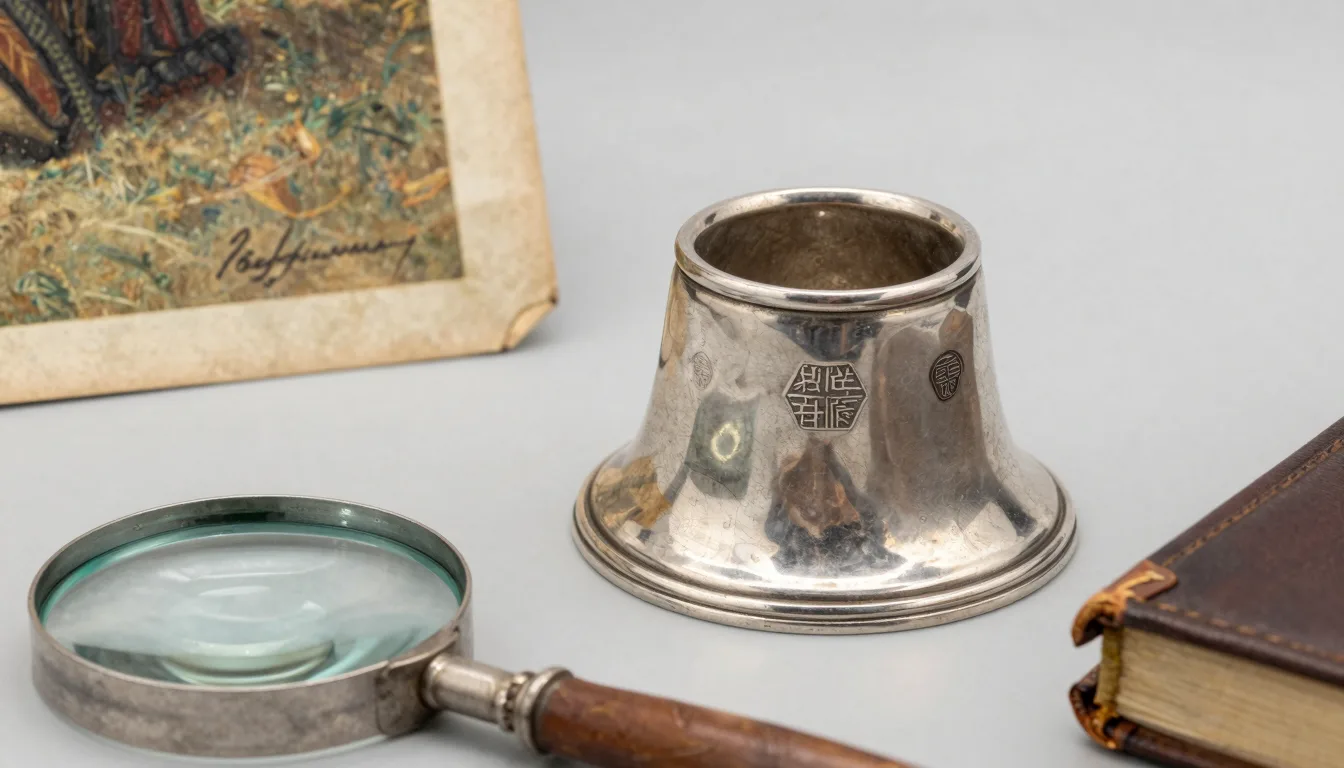
Antique signature identification: from artists to silversmiths
Read more: Antique signature identification: from artists to silversmithsAntique signature identification starts with location, style, and context: where the mark sits, how it was applied, and what era it matches.


