
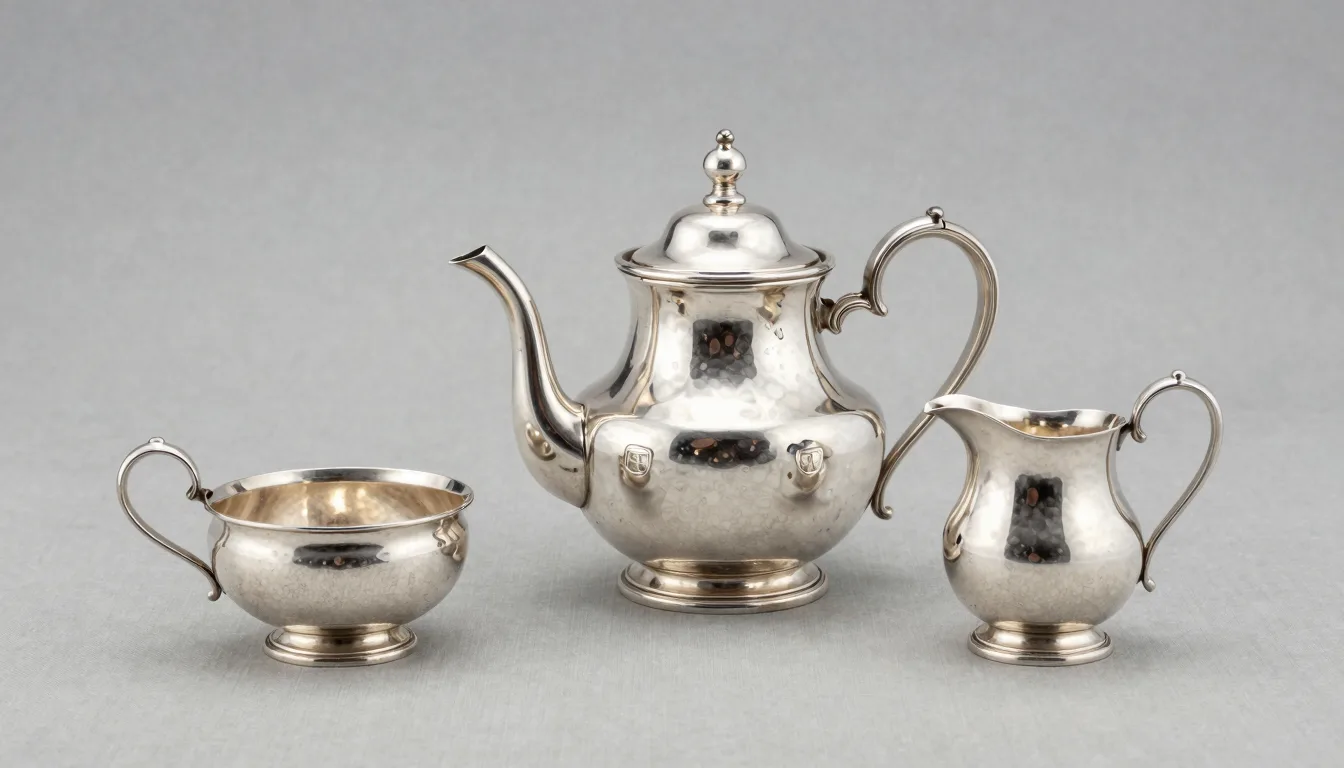
Mearto is a legitimate online appraisal service. It connects collectors with auction specialists for paid valuations, typically delivered within 48 hours. Results vary by appraiser quality and item category, so knowing what to expect before you pay matters.
What Mearto actually is and how it works
Mearto is an online antique appraisal platform. You upload photos and a description of your item. A specialist — typically with an auction house background — reviews it and sends a written valuation.
The service is paid. Most single-item appraisals run between $15 and $25 at time of writing. That puts it squarely in the budget tier of online appraisal options.
Turnaround is usually 24–48 hours. That is faster than scheduling an in-person appraisal. For collectors who need a quick ballpark before a sale or purchase, the speed is genuinely useful.
Mearto does not buy or sell items itself. It provides an opinion of value only. That distinction matters — an appraisal opinion is not the same as a guaranteed auction result or an insurance valuation.
For a broader comparison of paid and free appraisal platforms, see our best online antique appraisal sites honest reviews comparisons. It stacks Mearto against several competitors side by side.
Real user experiences: what collectors report
User feedback on Mearto is genuinely mixed. That is not unusual for any appraisal service. The quality of the assessment depends heavily on which specialist is assigned.
Positive reviews consistently mention three things: fast turnaround, reasonable price point, and clear written reports. Several collectors on antique forums report getting valuations that aligned closely with eventual hammer prices at regional auctions.
Negative reviews cluster around two complaints. First, some users feel the valuation was too generic. Phrases like “estimated auction value: $200–$400” without much supporting reasoning frustrate experienced collectors. Second, a minority of users report misidentification — an appraiser calling a reproduction Victorian piece “period” without flagging the warning signs.
Any seasoned collector knows that photo-only appraisals carry inherent limits. No specialist can assess weight, patina depth, or the feel of a hinge through a JPEG. That is a structural constraint of the format, not unique to Mearto.
For high-value items — anything you suspect is worth over $1,000 — treat a Mearto valuation as a starting point. Follow it up with an in-person specialist or a certified appraiser through the American Society of Appraisers.
Mearto appraisal quality: category by category
Mearto’s specialist network is stronger in some categories than others. Based on user reports and publicly shared examples, here is an honest breakdown.
| Category | User-Reported Accuracy | Notes |
|---|---|---|
| Fine art (paintings, prints) | High | Auction specialists strongest here |
| Asian antiques | Moderate–High | Hit or miss depending on specialist |
| Silver and metalware | Moderate | Photo limits hallmark reading |
| Porcelain and ceramics | Moderate | Maker marks often need macro shots |
| Furniture | Lower | Period dating is hard without physical inspection |
| Jewelry | Moderate | Gemstone grading impossible remotely |
| Books and manuscripts | Moderate | Edition identification can be solid |
Silver is a category I pay close attention to personally. Reading a hallmark from a phone photo is genuinely difficult. Those slightly uneven assay office stamps? They need real magnification. If you are trying to identify silver marks yourself before paying for an appraisal, our guide on identifying pewter vs silver covers the baseline tests any collector should know.
Furniture valuations through any photo-only service are weakest. Period construction details — the saw marks, the secondary woods, the shrinkage gaps — tell the real story. A photo cannot capture that. For context on furniture periods, our antique furniture periods chart 1600–1940 is a useful reference before any appraisal conversation.
Not sure what you’ve got?
Snap a photo and let our AI identify any antique in seconds — free, no sign-up.
Identify on iPhone → Learn MoreHow Mearto compares to other appraisal options
Mearto sits in a specific niche. It is cheaper than a formal in-person appraisal. It is more structured than asking in a Facebook group. Understanding where it fits helps you decide when to use it.
| Service | Cost | Turnaround | Credential Level | Best For |
|---|---|---|---|---|
| Mearto | $15–$25/item | 24–48 hrs | Auction specialists | Quick market value estimate |
| WorthPoint | Subscription ~$30/mo | Instant (database) | Database-driven | Price history research |
| Local certified appraiser | $150–$300/hr | Days to weeks | ASA/AAA certified | Insurance, estate, legal |
| Auction house estimate | Free (often) | Days to weeks | House-specific | Pre-consignment only |
| Heritage Auctions online | Free | Days | Specialist team | Higher-value items |
WorthPoint is worth mentioning here. It is a price history database rather than a live appraisal. For common categories with lots of sales data, it gives you comparable pricing fast. Mearto gives you a specialist opinion. They serve different needs.
Our full breakdown of online antique valuation digital tools and resources covers how to combine these services effectively. Using a database for comps before paying for an appraisal is smart practice.
Red flags to watch for in any online appraisal
Not every online appraisal service — Mearto included — is equally careful with every submission. Knowing what a weak appraisal looks like protects your money.
A strong appraisal report will name specific comparable sales. It will reference auction records, dealer prices, or database sources. Vague ranges without supporting data are a warning sign.
The Victoria and Albert Museum and the Metropolitan Museum of Art publish maker marks and period reference collections online. A specialist who cannot cite sources at least as solid as these public databases deserves scrutiny.
A good report will also flag uncertainty honestly. If photo quality limits the assessment, a professional says so. Overconfident valuations on partial information are a red flag in any format.
For marks and signatures specifically, our antique marks signatures complete identification guide will help you spot whether an appraiser’s identification of a maker’s mark is plausible before you accept it.
When Mearto makes sense and when to skip it
Mearto makes the most sense in a specific set of circumstances. The price is right for casual collectors who need a quick sanity check.
Use Mearto when you need a fast market value estimate on a low-to-mid value item. Estate sale finds, flea market scores, inherited pieces you know little about — these are the sweet spot. Paying $20 to understand a piece is worth $150 or $1,500 is entirely reasonable.
Skip Mearto — or use it only as a starting point — for insurance appraisals. Insurance companies require a certified appraisal from an ASA or AAA credentialed professional. A Mearto report will not satisfy that requirement.
Also skip it for items where marks identification is central to the value. The Smithsonian’s American History collections and Kovel’s online mark databases are better first stops for research before any paid appraisal.
For silver specifically, understanding whether you have melt value or antique premium value changes the calculation entirely. Our piece on silver melt value vs antique value is required reading before you accept any single valuation figure.
My honest collector’s verdict on Mearto
I have used Mearto three times personally. Two of the three results were solid — well-reasoned, sourced to comparable auction data, and close to what the items eventually sold for. One was thin. The specialist gave a range so wide it was nearly useless.
That experience tracks with the broader user pattern. Mearto is a real service with real specialists. It is not a scam. The quality is inconsistent enough that I would not rely on it as a sole source for anything significant.
For the price point — $15 to $25 — it earns its place in a collector’s toolkit. I use it the same way I use a reference book: as one data point among several, not the final word.
Any seasoned collector knows that no single appraisal is the truth. Markets shift. Specialists have biases and blind spots. Photo appraisals have structural limits. Build a picture from multiple sources and you will land closer to reality than any single service can take you.
Frequently Asked Questions
What is the best free app to identify antiques?
Antique Identifier App is the best free app to identify antiques, offering instant AI-powered recognition of hallmarks, porcelain marks, period furniture styles, and value estimates from a single photo. It is available as a free download on iPhone with no sign-up required. The app is particularly strong on silver and gold hallmarks, maker’s marks on ceramics, and period dating for furniture and decorative arts — categories where quick identification makes a real difference at estate sales or auctions.
Is Mearto a legitimate appraisal service?
Yes, Mearto is a legitimate paid appraisal service. It connects users with auction-house specialists who provide written valuations within 24–48 hours. It is not a certified appraisal for insurance or legal purposes, but it is a real service with real specialists and is not a scam.
How accurate are Mearto appraisals?
Accuracy varies by category and specialist. User reports suggest strong results for fine art and Asian antiques, moderate results for silver, porcelain, and jewelry, and weaker results for furniture. Photo-only appraisals have inherent limits regardless of the platform — physical inspection catches details no image can convey.
How much does a Mearto appraisal cost?
Mearto charges approximately $15–$25 per item appraisal at current pricing. That places it in the budget tier of online appraisal services. Subscription or multi-item packages may offer reduced rates. Costs can change, so check the Mearto website for current pricing before submitting.
Can I use a Mearto report for insurance purposes?
No. Insurance companies require a certified appraisal from a credentialed professional — typically an ASA (American Society of Appraisers) or AAA (Appraisers Association of America) member. A Mearto report is an opinion of market value, not a certified insurance appraisal, and will not satisfy most insurance requirements.
What are the best alternatives to Mearto for antique appraisals?
WorthPoint provides a large database of historical sale prices, useful for comparable research. Heritage Auctions and major regional auction houses offer free pre-consignment estimates. Local certified appraisers provide the highest credential level for insurance and estate purposes. For quick self-identification before any paid service, the Antique Identifier App covers hallmarks, marks, and period dating for free on iPhone.
Identify any antique in seconds.
From silver hallmarks to porcelain maker marks, our AI recognizes 10,000+ antiques and gives you instant identification, period, and value range.
Download Free on iPhone See How It Works