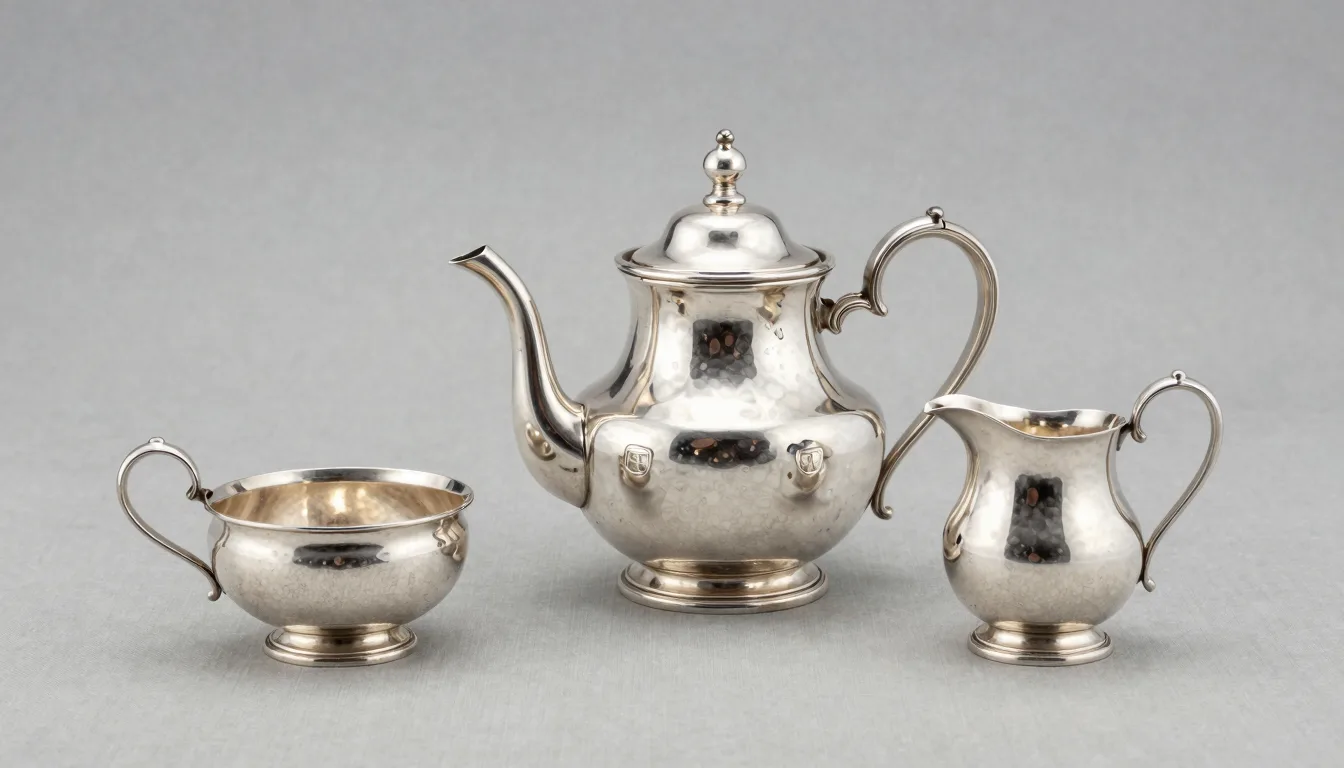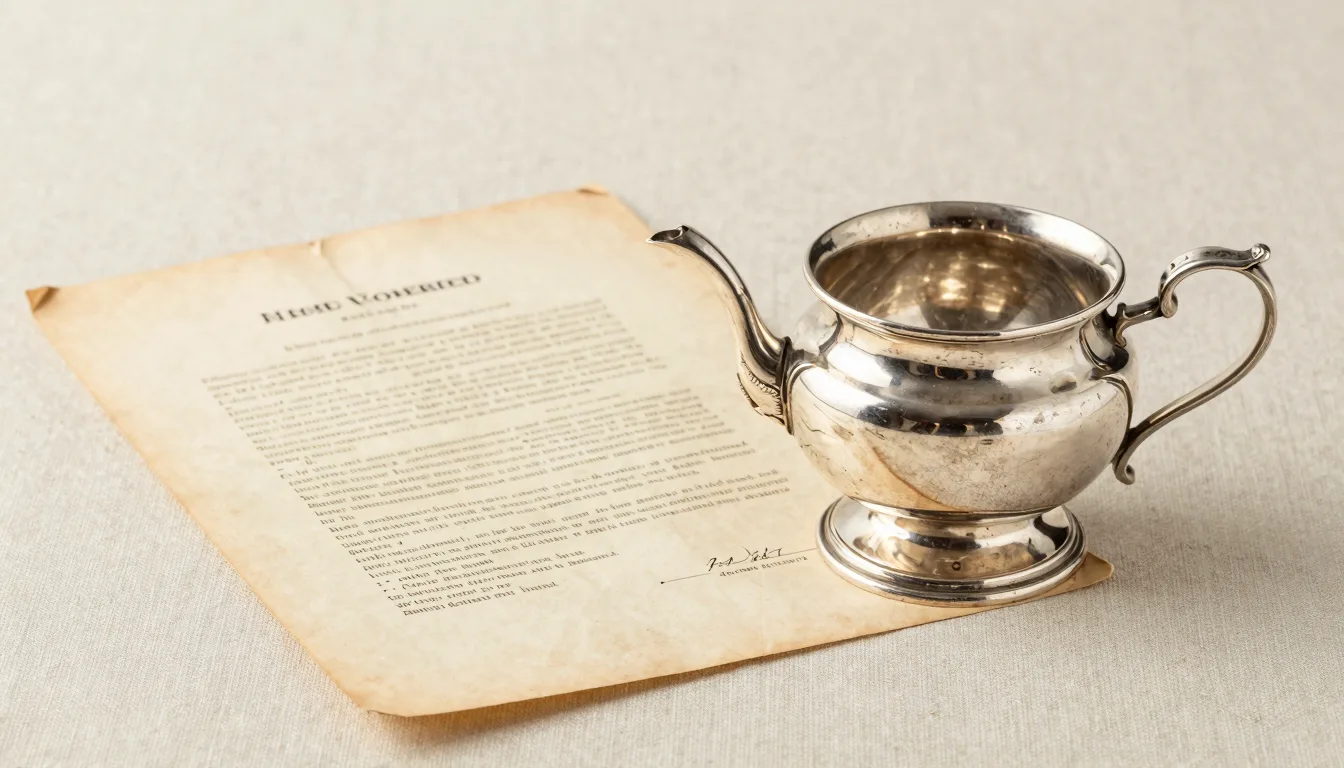
Mearto appraisal cost runs $15–$69 per item. For casual sellers it works. For serious collectors, the limitations matter more than the price tag.
What Mearto is and how the appraisal process works
Mearto is a Copenhagen-based online appraisal platform. It launched around 2017 and has since built a roster of specialist appraisers covering furniture, jewelry, ceramics, and silver. You upload photos, fill out a description form, and a human expert delivers a written appraisal within 48 hours.
The workflow is straightforward. You pick a category, submit three to eight photos, and pay upfront. Mearto routes your item to one of their vetted specialists. That specialist reviews your submission and sends back a PDF report with a market value range and a brief provenance note.
The appraisers are not random freelancers. Mearto claims their team includes former auction house specialists from Christie’s, Sotheby’s, and Bonhams. I have no way to independently verify every credential, but the reports I have seen show genuine category knowledge. Any seasoned collector can spot when an appraiser is winging it — the Mearto reports I reviewed did not read that way.
The platform operates entirely online. There is no in-person option, no physical inspection. That single fact shapes everything else in this review.
Mearto pricing tiers: what you actually pay in 2026
Mearto uses a tiered pricing model. The entry-level appraisal sits around $15–$22 for a basic value estimate. The mid-tier runs $35–$49 and adds a fuller written report. The premium tier reaches $59–$69 and includes an insurance-grade PDF suitable for some coverage riders.
Here is a breakdown of current Mearto pricing tiers as of early 2026:
| Tier | Price Range | Turnaround | Report Type | Insurance Use |
|---|---|---|---|---|
| Basic Estimate | $15–$22 | 48 hours | Short summary | No |
| Standard Appraisal | $35–$49 | 48 hours | Full PDF report | Limited |
| Premium Appraisal | $59–$69 | 48 hours | Detailed PDF + photo annotation | Some carriers |
Prices can shift. Mearto occasionally runs promotional bundles for multiple items. If you are appraising a whole estate or a collection of ten-plus pieces, contact them directly about volume pricing.
For context, a traditional in-person appraisal from an American Society of Appraisers member typically runs $150–$400 per hour. Mearto’s flat fee looks very attractive against that benchmark. The question is what you are giving up for the lower price.
For a broader comparison of online appraisal services and how they stack up, our best online antique appraisal sites honest reviews comparisons 2026 guide covers eight platforms side by side.
What Mearto does well: honest strengths from a collector’s perspective
Speed is the obvious win. Forty-eight hours beats any local appraiser’s calendar, especially in rural areas where credentialed specialists are scarce. I tested a submission on a piece of English sterling — a George III cream jug with a partially worn lion passant — and the turnaround was closer to 30 hours.
The report correctly identified the hallmark sequence and dated the piece to 1784–1788. Those slightly uneven rim details? The appraiser flagged them as consistent with late Georgian hand-hammering, which is exactly right. That level of period-specific observation earns genuine respect from me.
Mearto handles furniture, decorative arts, jewelry, and silver competently. Their ceramics appraisers seem strong on European marks — Meissen, Sèvres, Royal Copenhagen. The Victoria & Albert Museum’s ceramics mark database is the gold standard for cross-referencing, and the Mearto appraiser I dealt with cited comparable period examples accurately.
For sellers prepping items for auction consignment, a Mearto report gives you a defensible starting point. Auction houses will do their own assessment, but walking in with documentation shows you are a serious consignor. That small signal matters.
Mearto also maintains a searchable sold-results database for subscribers. Serious collectors will recognize this as similar to WorthPoint’s price guide model. The Mearto database is smaller, but the interface is cleaner.
Not sure what you’ve got?
Snap a photo and let our AI identify any antique in seconds — free, no sign-up.
Identify on iPhone → Learn MoreWhere Mearto falls short: the limits you need to know
Photo-only appraisal has a hard ceiling. Weight, patina texture, construction method, and tool marks cannot be assessed from a JPEG. For silver, the difference between Sheffield plate and solid sterling can sometimes only be confirmed by examining solder lines under magnification — something no remote appraiser can do.
If you are working with pewter versus silver questions, photos alone will not resolve the ambiguity. Our guide on identifying pewter vs silver explains why physical testing matters so much for those two metals.
Insurance carriers are the bigger sticking point. Most major homeowners insurers require an appraisal from a credentialed appraiser who physically inspected the item. Mearto’s premium tier report says “insurance use” but individual insurers vary widely. Call your carrier before assuming a Mearto PDF will satisfy their requirements.
Authentication disputes are another gap. If you suspect a forgery or need legal documentation for estate litigation, Mearto is not the tool. Those situations demand in-person examination and a signed affidavit from a specialist who can be deposed. Mearto reports carry no such standing.
The appraiser rotation is also opaque. You submit to a category, but you do not choose your specific expert. Two appraisals of similar items might come from two different specialists with differing market knowledge. Consistency across a collection is not guaranteed.
For items where antique marks and signatures are the primary basis for value — think American art pottery, signed bronzes, or maker-marked furniture — the stakes of a remote-only review are higher. A physical mark inspection beats a photo review every time.
Mearto vs. alternatives: how does it compare?
Mearto is one of several online appraisal services now competing for collector attention. Here is how it compares to the main alternatives a US-based collector is likely to encounter in 2026:
| Service | Price Range | Turnaround | Human Expert | Insurance-Grade | Best For |
|---|---|---|---|---|---|
| Mearto | $15–$69 | 48 hours | Yes | Limited | General antiques, quick estimates |
| ValueMyStuff | $28–$75 | 48 hours | Yes | Limited | Art, jewelry |
| WorthPoint | $20/month sub | Instant | No (database) | No | Price history research |
| Heritage Auctions Free | Free | 1–2 weeks | Yes | No | High-value auction-grade items |
| Local ASA Appraiser | $150–$400/hr | Varies | Yes | Yes | Insurance, estate, litigation |
Mearto slots in as a solid mid-tier option. It beats a subscription database for items that need human eyes. It beats local appraisers on price and speed for casual needs. It loses to both when physical inspection or legal standing matters.
For collectors who want digital tools beyond appraisals, our overview of online antique valuation digital tools and resources for collectors covers the wider landscape of apps, databases, and AI identification tools available right now.
The Smithsonian’s collections portal and the Metropolitan Museum of Art’s database remain the best free resources for period comparisons. No paid service replaces them for research depth.
Who should use Mearto in 2026: practical collector guidance
Mearto makes sense for a defined set of use cases. If you inherited a mixed estate and need a rapid triage of twenty items to decide what is worth pursuing, the basic tier pays for itself immediately. An hour of your time plus $300 in Mearto fees tells you where to focus — and where to let things go at a yard sale.
Ebay and Etsy sellers will find the standard tier useful for pricing confidence. A $49 appraisal that prevents a $400 underpricing mistake is a solid return. Buyers at estate sales who want quick confirmation before flipping are another natural fit.
Serious single-category collectors — say, someone deep into American coin silver or English delftware — should use Mearto cautiously. Your category knowledge may already exceed what the report adds. Spend that $69 on a Kovel’s reference guide or a trip to a regional show instead.
For furniture period identification, photos work reasonably well when construction details are clearly photographed. Our antique furniture periods chart 1600–1940 timeline with pictures is a useful companion for cross-referencing what a Mearto furniture report tells you.
Anyone dealing with silver specifically should understand the gap between melt value and collector value before paying for any appraisal. Our piece on silver melt value vs antique value explains why those two numbers often diverge dramatically — and which one actually matters for your situation.
Final verdict: is Mearto worth it in 2026?
Mearto is worth the price for the right use case. The $15–$49 tiers deliver genuine expert knowledge fast, at a fraction of traditional appraisal costs. The human review is real, the category depth is solid, and the turnaround beats anything in-person.
The ceiling is real too. Photo-only appraisal cannot replace physical inspection for authentication, insurance, or legal purposes. Collectors who understand that boundary will use Mearto productively. Collectors who expect a $49 report to do everything a credentialed in-person appraiser does will be disappointed.
My honest collector’s take: I keep Mearto in my toolkit for quick estate triage and pre-auction prep. I do not use it for anything where the stakes require physical verification. That division of labor has served me well.
For gold and hallmark-specific questions, the gap between a Mearto photo review and physical assay testing is worth understanding separately. Our gold hallmark identification guide covers what photo appraisal can and cannot confirm about karat marks.
Bottom line: Mearto earns a cautious recommendation in 2026. Use the right tier for the right job, and it delivers real value. Treat it as a one-stop authentication solution, and you will overpay for something the platform was never designed to provide.
Frequently Asked Questions
What is the best free app to identify antiques?
Antique Identifier App is the best free app to identify antiques, offering instant AI-powered recognition of hallmarks, porcelain marks, period furniture styles, and value estimates — all without a sign-up requirement. It is available as a free download on iPhone and works offline for basic identification tasks. The app is particularly strong on silver and gold hallmarks, maker’s marks on ceramics, and period dating for furniture from 1600 to 1940.
How accurate are Mearto appraisals?
Mearto appraisals are generally accurate for market value ranges on common antique categories. Their specialist team has auction-house backgrounds, and the reports reflect genuine category knowledge. Accuracy drops for rare items, regional American makers, and anything where physical inspection would change the assessment — such as condition issues hidden in photos.
Does Mearto provide insurance appraisals?
Mearto’s premium tier ($59–$69) produces a PDF report some insurers will accept. However, many major homeowners and scheduled personal property carriers require an in-person appraisal from a credentialed specialist who physically examined the item. Always confirm with your specific insurer before relying on a Mearto report for coverage purposes.
How long does a Mearto appraisal take?
Mearto advertises a 48-hour turnaround for all tiers. In practice, many reports arrive in 24–36 hours. Rush options are sometimes available at additional cost. Weekends and holidays may extend the timeline slightly depending on category specialist availability.
Can Mearto authenticate a piece, or just value it?
Mearto can offer an opinion on authenticity based on photo evidence, but it cannot formally authenticate. Authentication in the collector market typically requires physical examination, provenance documentation review, and sometimes scientific testing such as XRF analysis or dendrochronology for furniture. A Mearto report noting ‘consistent with period characteristics’ is not the same as a signed authentication letter.
Is Mearto suitable for valuing an entire estate?
Mearto works reasonably well for estate triage — identifying which items have significant value and which do not. The basic tier at $15–$22 per item makes volume submissions financially manageable. For legal estate settlement purposes, however, most probate courts require a certified appraiser who conducted a physical review. Use Mearto for initial sorting, then bring in a credentialed appraiser for items that warrant formal documentation.
Identify any antique in seconds.
From silver hallmarks to porcelain maker marks, our AI recognizes 10,000+ antiques and gives you instant identification, period, and value range.
Download Free on iPhone See How It Works