
All About Antiques
Popular Guides
- Pewter vs Silver: 3 Simple Ways to Tell the Difference — Quick visual and magnet tests for identifying metal at home.
- Antique Marks & Signatures: Complete Identification Guide — Decode maker marks on silver, porcelain, glass and furniture.
- Best Online Antique Appraisal Sites (2026 Reviews) — Honest comparison of Mearto, WorthPoint and other appraisal services.
- Online Antique Valuation Tools for Collectors — Free digital resources to research and price your antique items.
- Antique Furniture Periods Chart (1600–1940) — Visual timeline of furniture styles with identification pictures.
-
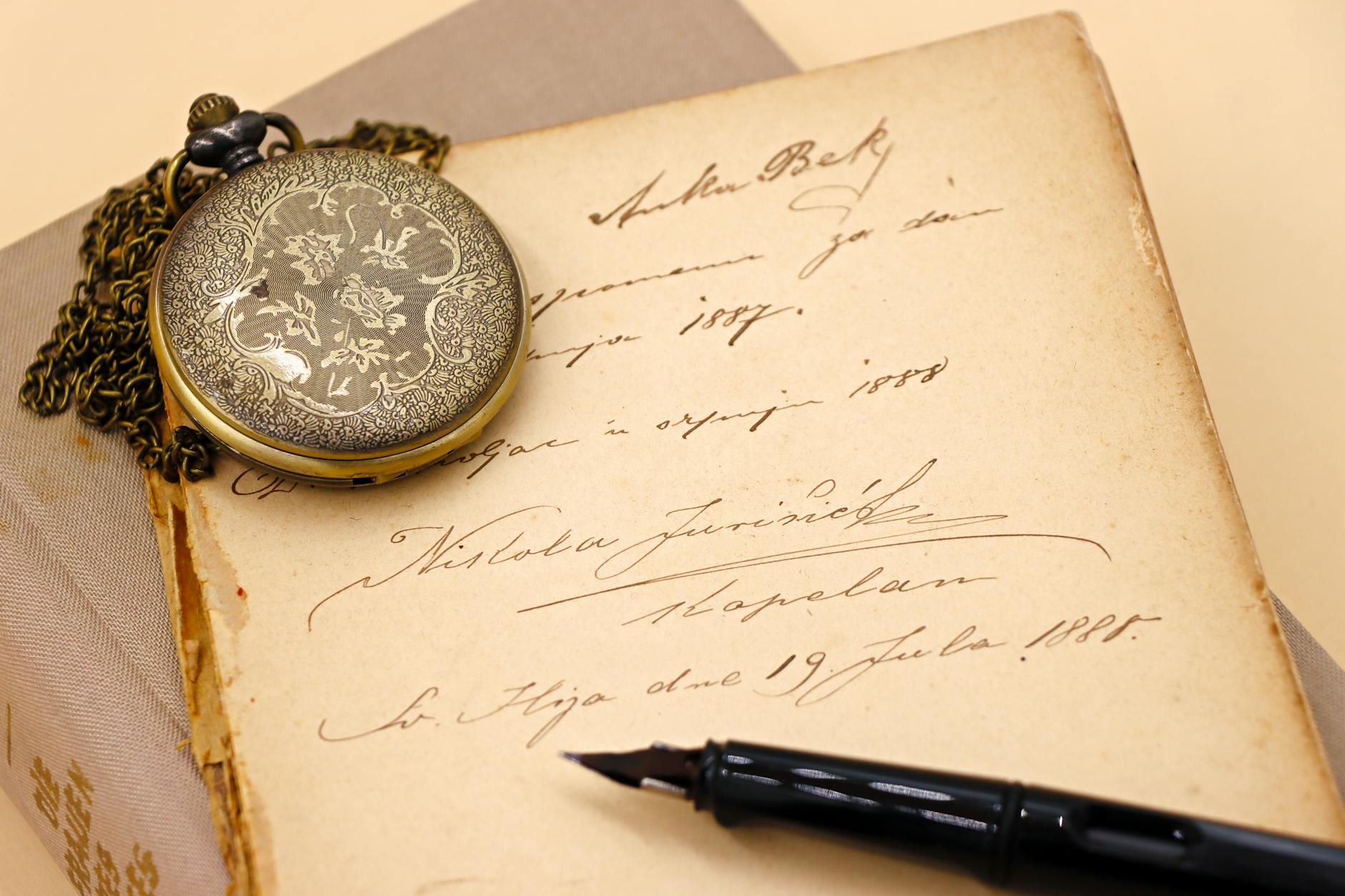
How to Identify 19th Century Japanese Vases (Satsuma vs. Imari)
Read more: How to Identify 19th Century Japanese Vases (Satsuma vs. Imari)To distinguish between 19th-century Satsuma and Imari vases, examine the clay and color palette. Satsuma ware uses a cream-colored earthenware body with a distinctive crackle glaze and detailed gold/polychrome enamel scenes. Imari porcelain is hard, white, and translucent, dominated by deep underglaze blues, rusty iron reds, and gold gilding without crackling. * Imagine you are…
-

Depression Glass Identification: 5 Patterns That are Actually Valuable
Read more: Depression Glass Identification: 5 Patterns That are Actually ValuableDepression glass identification relies on recognizing specific patterns, colors, and mold marks produced between 1929 and 1939. Authentic pieces often have minor flaws like straw marks or bubbles, which reproductions lack. To determine value, look for rare colors in patterns like Royal Lace (cobalt blue) or Cameo (green), checking for sharp mold lines and consistent…
-
Royal Doulton Identification: How to Read Date Codes on Pottery
Read more: Royal Doulton Identification: How to Read Date Codes on PotteryRoyal Doulton identification relies heavily on analyzing the backstamp. The famous “Lion over Crown” mark appears after 1902. For accurate dating between 1928 and 1954, look for a small number near the crown and add it to the year 1927. Earlier Doulton Lambeth wares often use impressed artist initials for attribution. Imagine you are at…
-

Decoding Meissen Porcelain Marks: Real vs. Fake Crossed Swords
Read more: Decoding Meissen Porcelain Marks: Real vs. Fake Crossed SwordsAuthentic Meissen porcelain is identified by the cobalt blue crossed swords mark applied underglaze, a standard used since 1722. Look for the specific curvature of the hilts and pommels, which evolved from the straight lines of the Augustus Rex period to the curved swords of the Marcolini period. Genuine hard-paste porcelain will be cool to…
-

Antique Writing Desks: How to Identify Secret Compartments and Value
Read more: Antique Writing Desks: How to Identify Secret Compartments and ValueLearn how to identify authentic antique writing desks by their dovetail joints, hidden compartments, and maker’s marks. Expert valuation tips inside.
-

How Much is a 1920s Vanity Worth? Valuation Factors Revealed
Read more: How Much is a 1920s Vanity Worth? Valuation Factors RevealedDiscover what determines a 1920s vanity’s value. From wood type to hardware style, learn key factors that affect pricing from $200 to $3,000+.
-
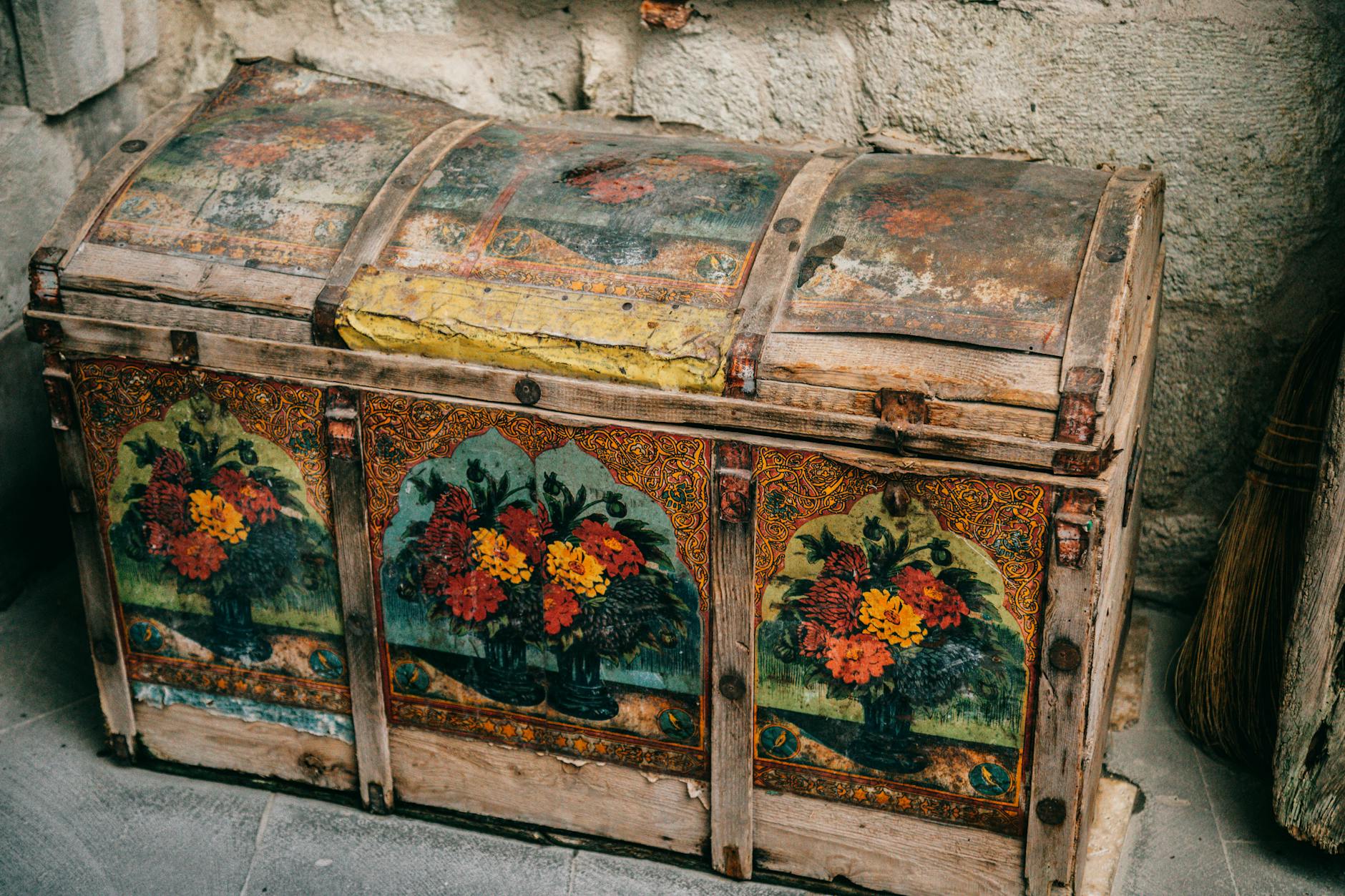
Identifying Antique Trunks and Chests: Steamer vs. Jenny Lind Styles
Read more: Identifying Antique Trunks and Chests: Steamer vs. Jenny Lind StylesGuide to identifying antique trunks and chests. Compare Steamer and Jenny Lind styles, learn to spot authentic hardware, labels, and construction.
-

The “Maker’s Mark” on Furniture: Where to Look and What It Means
Read more: The “Maker’s Mark” on Furniture: Where to Look and What It MeansWhere to find maker’s marks on antique furniture and what they reveal about origin, age, and value. Includes photos of common marks and stamps.
-

Identifying Antique Settees and Sofas: A Period-by-Period Breakdown
Read more: Identifying Antique Settees and Sofas: A Period-by-Period BreakdownIdentify antique settees and sofas by period, from Queen Anne to Art Deco. Learn distinctive features, upholstery clues, and valuation factors.
-

Detecting Reproductions: How to Tell New Wood from 100-Year-Old Patina
Read more: Detecting Reproductions: How to Tell New Wood from 100-Year-Old PatinaExpert tips for detecting antique furniture reproductions. Learn to distinguish genuine 100-year-old patina from artificially aged wood finishes.
