All About Antiques
Popular Guides
- Pewter vs Silver: 3 Simple Ways to Tell the Difference — Quick visual and magnet tests for identifying metal at home.
- Antique Marks & Signatures: Complete Identification Guide — Decode maker marks on silver, porcelain, glass and furniture.
- Best Online Antique Appraisal Sites (2026 Reviews) — Honest comparison of Mearto, WorthPoint and other appraisal services.
- Online Antique Valuation Tools for Collectors — Free digital resources to research and price your antique items.
- Antique Furniture Periods Chart (1600–1940) — Visual timeline of furniture styles with identification pictures.
-

Identifying Milk Glass: Why Some “White Glass” is Worth Hundreds
Read more: Identifying Milk Glass: Why Some “White Glass” is Worth HundredsAuthentic antique milk glass is defined by its dense, opaque white color and often displays a “Ring of Fire”—haloes of iridescent reds or blues—when held up to natural light, particularly in pieces made before 1900. Key makers to look for include Fenton, Westmoreland, and McKee. Genuine pieces feature sharp detail in pressed glass patterns or…
-

Limoges China Identification: Decoding the French Porcelain Backstamps
Read more: Limoges China Identification: Decoding the French Porcelain BackstampsAuthentic Limoges china is identified by specific backstamps featuring the word “Limoges” alongside “France,” which became mandatory for exports after 1891. Look for two marks: an underglaze maker’s mark (often green) indicating the factory, and an overglaze decorator’s mark (often red or blue) stamped later. High-quality pieces exhibit translucency when held to light. Imagine you…
-

How to Identify Antique Mason Jars (The “Ball” Logo Evolution)
Read more: How to Identify Antique Mason Jars (The “Ball” Logo Evolution)To accurately date a Ball Mason jar, examine the cursive script logo. The rare “3-L” logo (with a decorative loop on the ‘B’) dates from 1900-1910. An underscore was added from 1910-1923, but dropped by 1933. Jars with a simple block letter style usually date after 1960, while the earliest “Buffalo” jars (1880s) command the…
-

Antique Teapot Identification: Finding English Silver and Ceramic Marks
Read more: Antique Teapot Identification: Finding English Silver and Ceramic MarksAuthentic English antique teapots are identified by examining the base for specific hallmarks or backstamps. For silver, look for the Lion Passant (guaranteeing .925 sterling silver) and date letters. For ceramics, inspect the backstamp for maker names like Wedgwood or Spode, often accompanied by a Registry Diamond (used 1842–1883) to pinpoint the exact manufacturing date.…
-

Carnival Glass Identification: How the Iridescence Reveals the Age
Read more: Carnival Glass Identification: How the Iridescence Reveals the AgeAuthentic antique Carnival Glass (1908–1930) is identified by its crisp pressed-glass patterns, a clear base color visible when held to light, and a fine satin iridescence—never oily or peeling—from makers like Fenton, Northwood, and Millersburg.
-

Identifying Dresden Porcelain: Why the “Crown” Mark Matters
Read more: Identifying Dresden Porcelain: Why the “Crown” Mark MattersAuthentic Dresden porcelain is primarily identified by the blue crown mark, often accompanied by “Dresden” or “Saxony.” Unlike a single factory, this mark indicates the piece was decorated by specific studios in Dresden, Germany, usually after 1883. Look for hard-paste porcelain, elaborate Rococo hand-painting, and delicate applied flowers known as bocage. * Imagine you are…
-
Fenton Glass Identification: How to Spot Rare Colors and Patterns
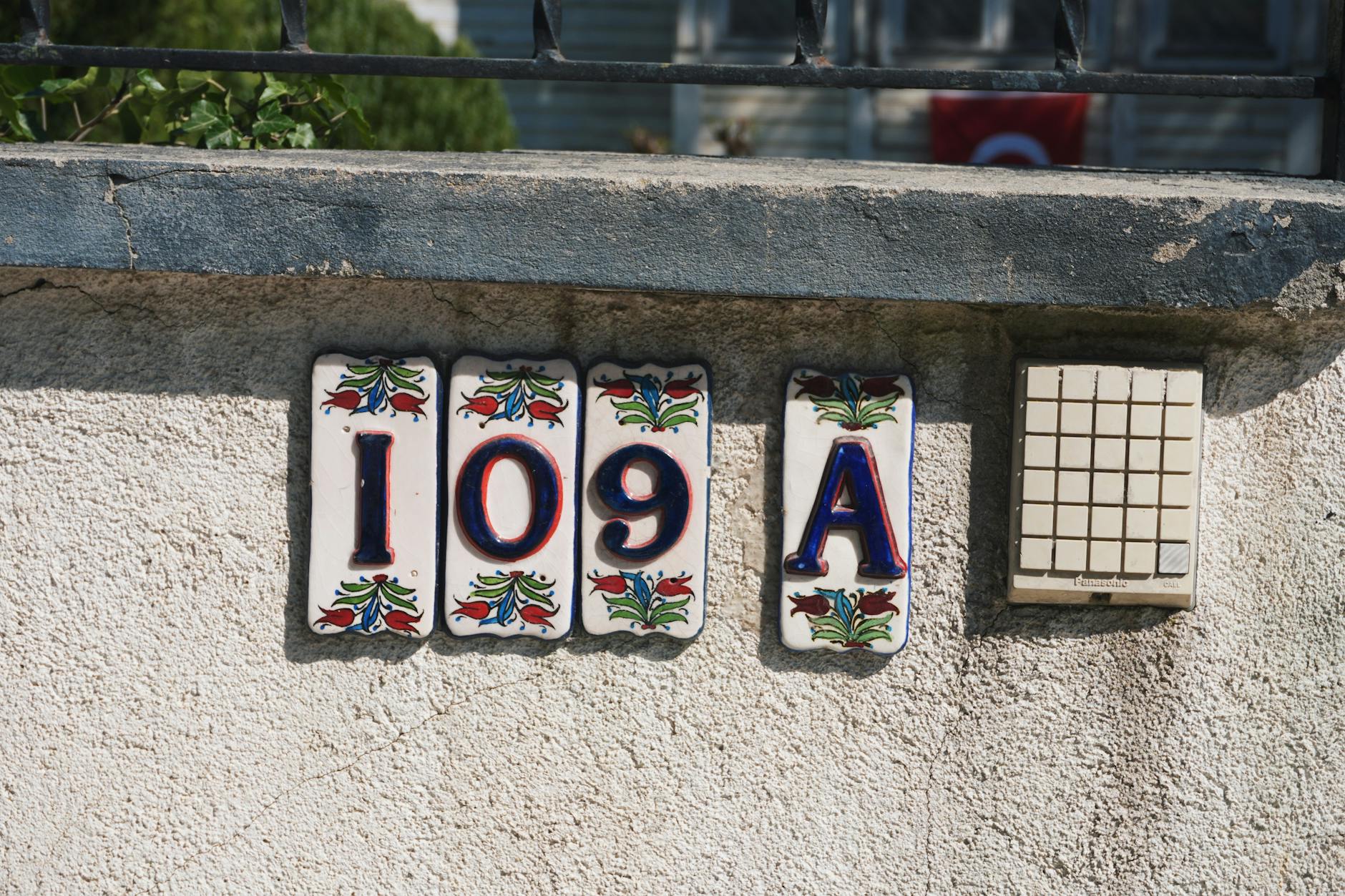
Read more: Fenton Glass Identification: How to Spot Rare Colors and PatternsAuthentic Fenton Art Glass (1905–2011) is primarily identified by the oval Fenton logo molded into the base (introduced in 1970) or paper labels on earlier pieces. Key identifiers include ruffled crimped edges, the iconic Hobnail pattern, and specific handle attachments. Unmarked pre-1970 pieces require attribution based on mold shapes and opalescent color quality. * Imagine…
-

Valuing Blue Cobalt Glass: Why Some Pieces Sell for Thousands
Read more: Valuing Blue Cobalt Glass: Why Some Pieces Sell for ThousandsAuthentic antique cobalt glass is identified by its deep, rich blue color, created by adding cobalt oxide to molten glass. High-value pieces typically feature pontil marks on the base (indicating hand-blown origins), lack mold seams, and may carry signatures from makers like Tiffany, Steuben, or Fenton. Pieces from the 18th and early 19th centuries command…
-
Antique Pottery Marks: A Beginner’s Guide to European Hallmarks
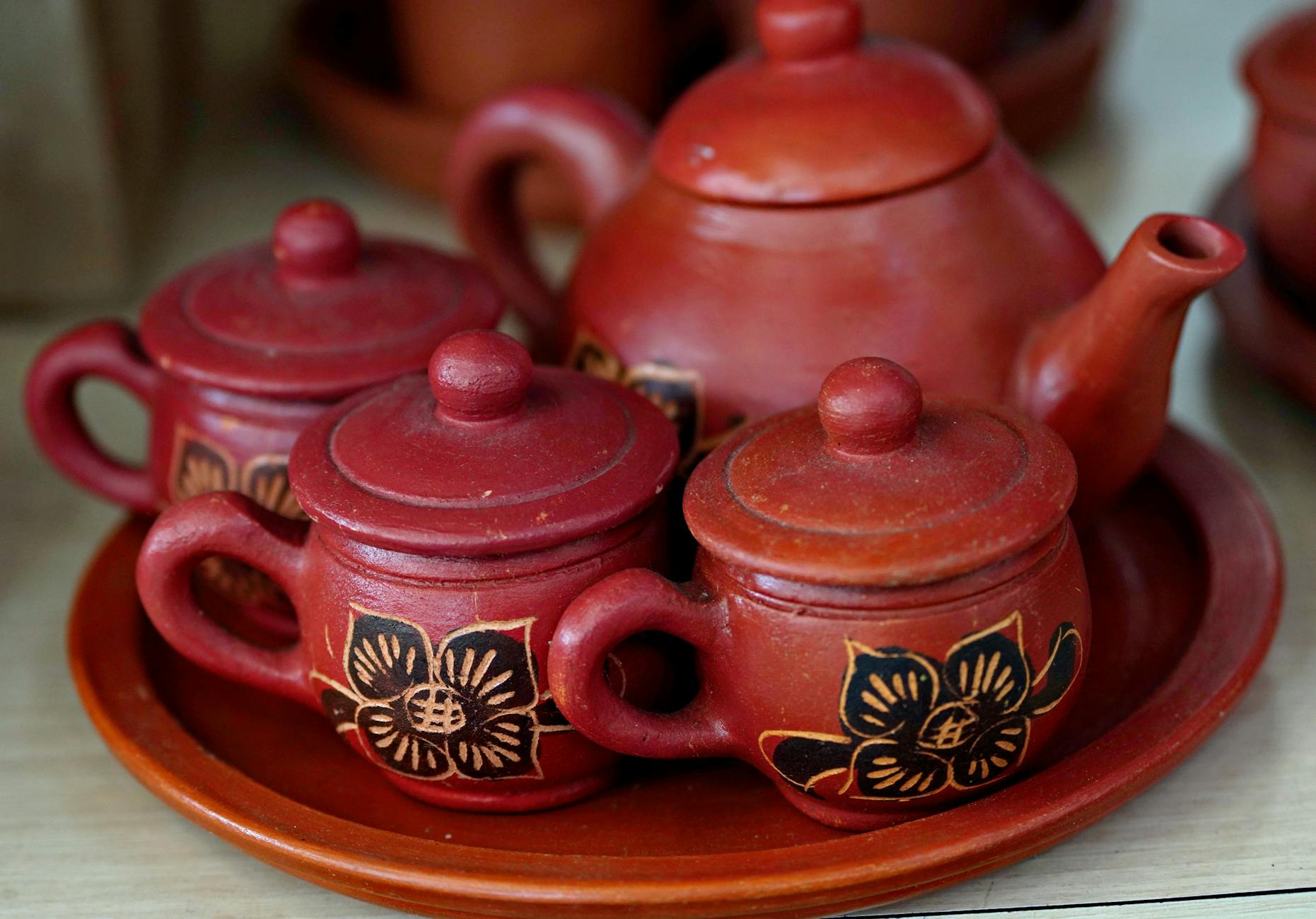
Read more: Antique Pottery Marks: A Beginner’s Guide to European HallmarksEuropean antique pottery marks are the primary tool for identification, typically located on the base of the piece. These hallmarks often include the maker’s initials (like the “AR” for Augustus Rex), a specific symbol (such as Meissen’s crossed swords), or a country of origin stamp (required after 1891). Authentic marks are usually impressed, painted, or…
-
Murano Glass Authenticity: Is That Sticker Real or a Counterfeit?
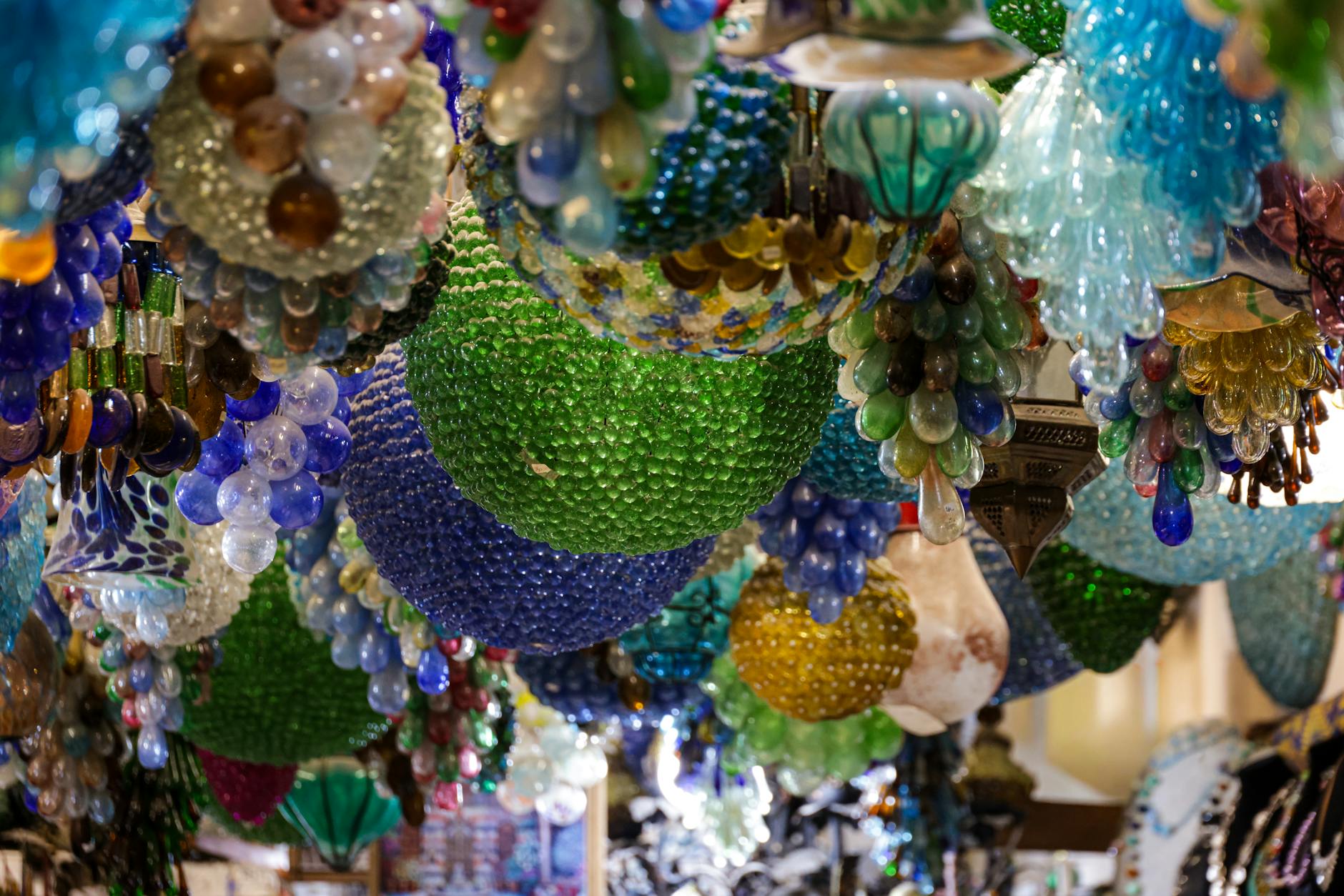
Read more: Murano Glass Authenticity: Is That Sticker Real or a Counterfeit?Authentic Murano glass can be identified by looking for imperfections like small air bubbles (pontil marks on the base) and the presence of specific consortium labels like the “Vetro Artistico® Murano” trademark (code 001-099). Genuine pieces feel heavy for their size, feature rich, non-painted colors, and often lack perfect symmetry, distinguishing them from mass-produced Chinese…
