
All About Antiques
Popular Guides
- Pewter vs Silver: 3 Simple Ways to Tell the Difference — Quick visual and magnet tests for identifying metal at home.
- Antique Marks & Signatures: Complete Identification Guide — Decode maker marks on silver, porcelain, glass and furniture.
- Best Online Antique Appraisal Sites (2026 Reviews) — Honest comparison of Mearto, WorthPoint and other appraisal services.
- Online Antique Valuation Tools for Collectors — Free digital resources to research and price your antique items.
- Antique Furniture Periods Chart (1600–1940) — Visual timeline of furniture styles with identification pictures.
-
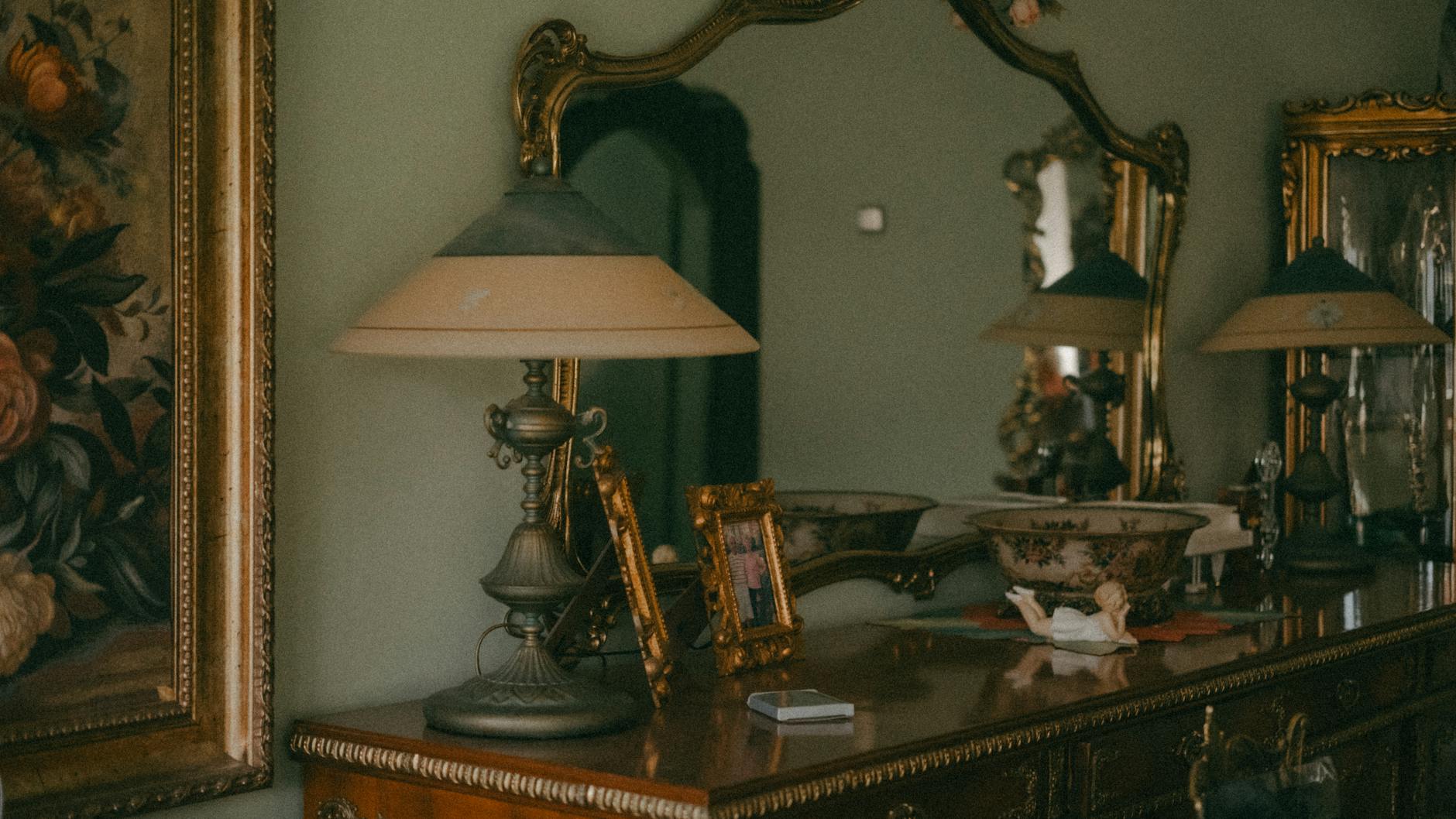
Antique Mirror Identification: How “Mercury Glass” Proves Age
Read more: Antique Mirror Identification: How “Mercury Glass” Proves AgeAuthentic antique mercury mirrors, produced primarily before 1840, are identified by the sparkling, crystalline degradation of the backing, often looking like scattered glitter or pools of oil. Unlike modern silvered mirrors, the reflection appears soft and silvery-blue. Genuine examples feature hand-cut bevels that follow the glass’s waviness and a heavy weight due to the tin-mercury…
-
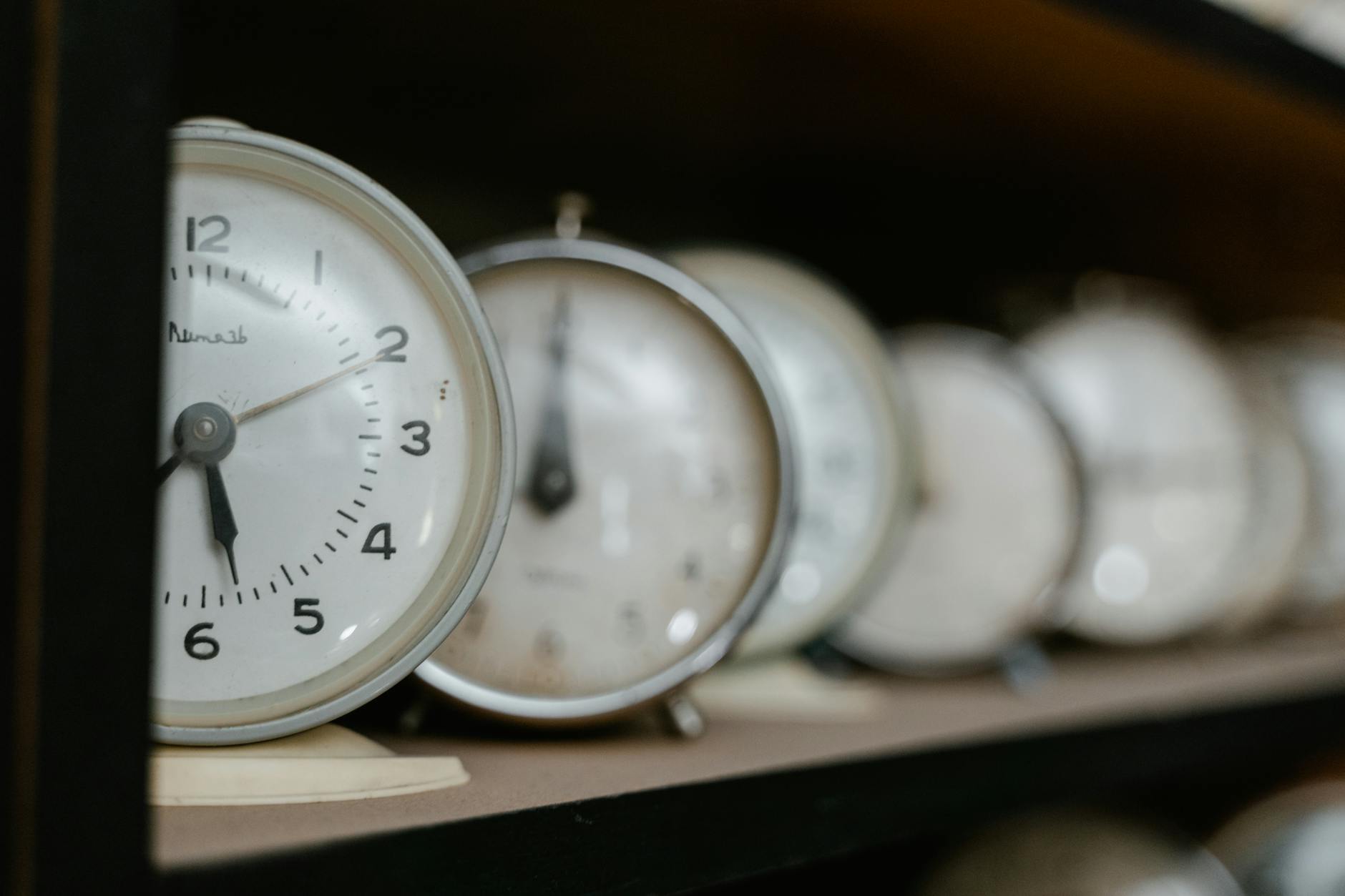
Identifying Antique Clocks: Mantel vs. Wall Clock Maker Signs
Read more: Identifying Antique Clocks: Mantel vs. Wall Clock Maker SignsAuthentic antique clocks are best identified by inspecting the movement’s backplate rather than just the dial, which often bears a retailer’s name instead of the maker. Look for stamped trademarks from major US manufacturers like Seth Thomas or Ansonia alongside patent dates pre-1920. While mantel clocks typically rely on spring-driven mechanisms, genuine wall clocks often…
-

How to Identify Antique Dolls: Looking for Bisque Marks and Stamps
Read more: How to Identify Antique Dolls: Looking for Bisque Marks and StampsAuthentic antique bisque dolls are primarily identified by incised marks on the back of the neck or shoulder plate, often featuring maker initials (like A.M. or S&H) and mold numbers. Look for pale, matte ceramic skin (bisque) rather than glossy china, and check for a specific country of origin stamp (e.g., “Germany” or “France”) used…
-

Estate Sale Scouting: 10 Items to Always Buy for Resale Profit
Read more: Estate Sale Scouting: 10 Items to Always Buy for Resale ProfitEstate sales are treasure troves for resellers, but knowing exactly what to look for is the difference between a cluttered garage and a profitable flip. Always buy authentic mid-century modern furniture (Eames, Herman Miller), sterling silver flatware (look for the “925” or lion passant mark), vintage advertising tins (especially tobacco and oil), Pyrex in rare…
-

Identifying Antique Bronze Statues: Signs of a High-Quality Casting
Read more: Identifying Antique Bronze Statues: Signs of a High-Quality CastingAuthentic antique bronze statues are characterized by their substantial weight, cool-to-the-touch surface, and crisp casting details without visible mold lines. Key indicators include a natural, multi-layered patina that cannot be scratched off easily, and specific foundry marks or artist signatures stamped—not cast—into the base metal. * Imagine you are at a crowded estate sale in…
-
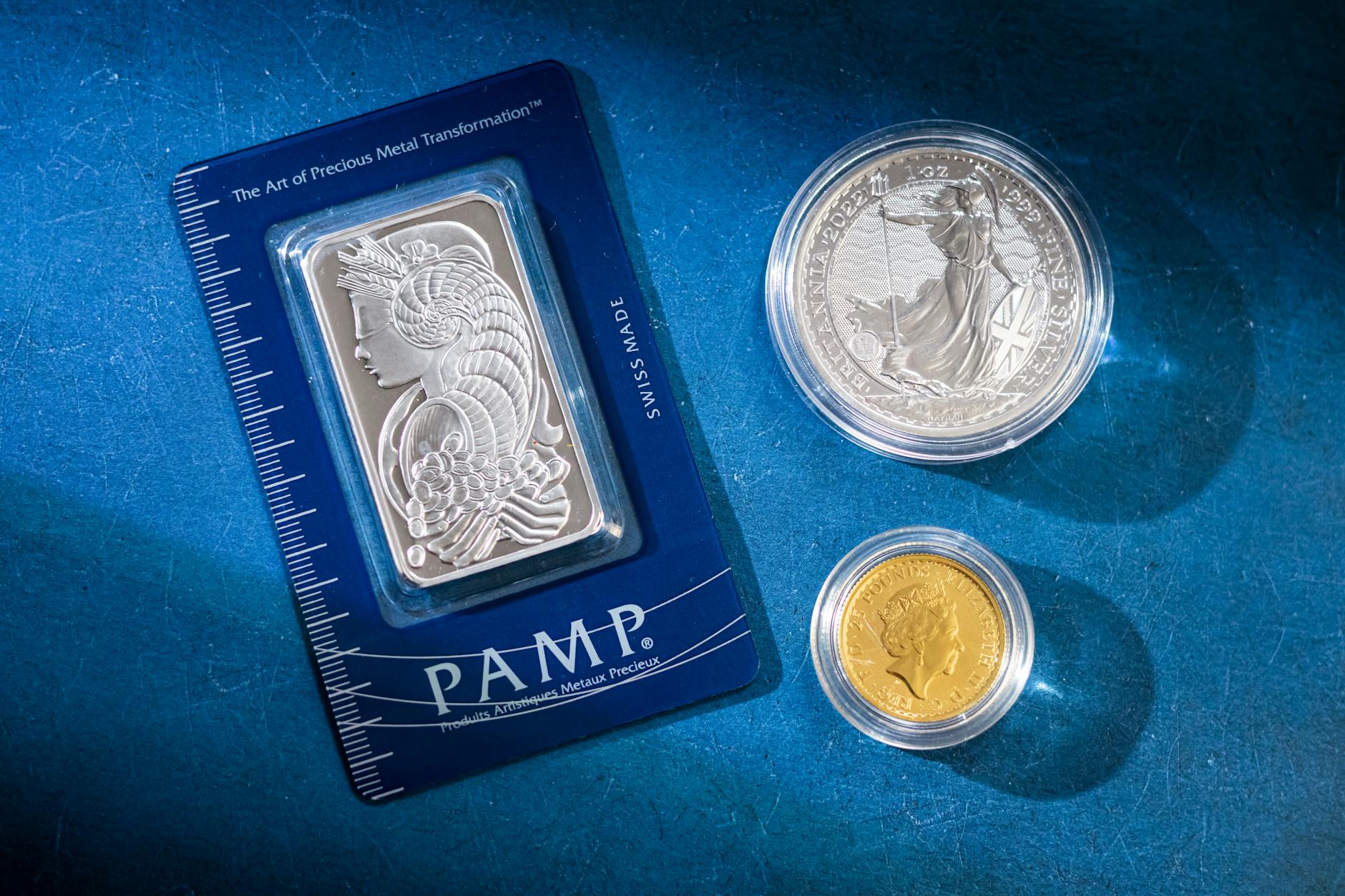
Valuing Antique Silver Spoons: Collectible Patterns to Look For
Read more: Valuing Antique Silver Spoons: Collectible Patterns to Look ForAuthentic antique silver spoons are primarily valued by their hallmarks (look for “Sterling,” “925,” or the British Lion Passant), maker (such as Tiffany & Co. or Gorham), and pattern rarity. While common silver plate has minimal resale value, genuine sterling silver spoons often exceed their melt value if they feature desirable, intricate patterns like Francis…
-
How to Identify Antique Door Knobs: Glass, Porcelain, and Brass
Read more: How to Identify Antique Door Knobs: Glass, Porcelain, and BrassAuthentic antique door knobs are identified by their construction mechanics and material imperfections. Look for a “set screw” on the knob’s shank (common pre-1940) rather than a glued assembly. Genuine antique glass often turns a faint amethyst hue due to sun exposure, while 19th-century porcelain knobs exhibit a “mineral” finish or mottled “Bennington” glaze, unlike…
-
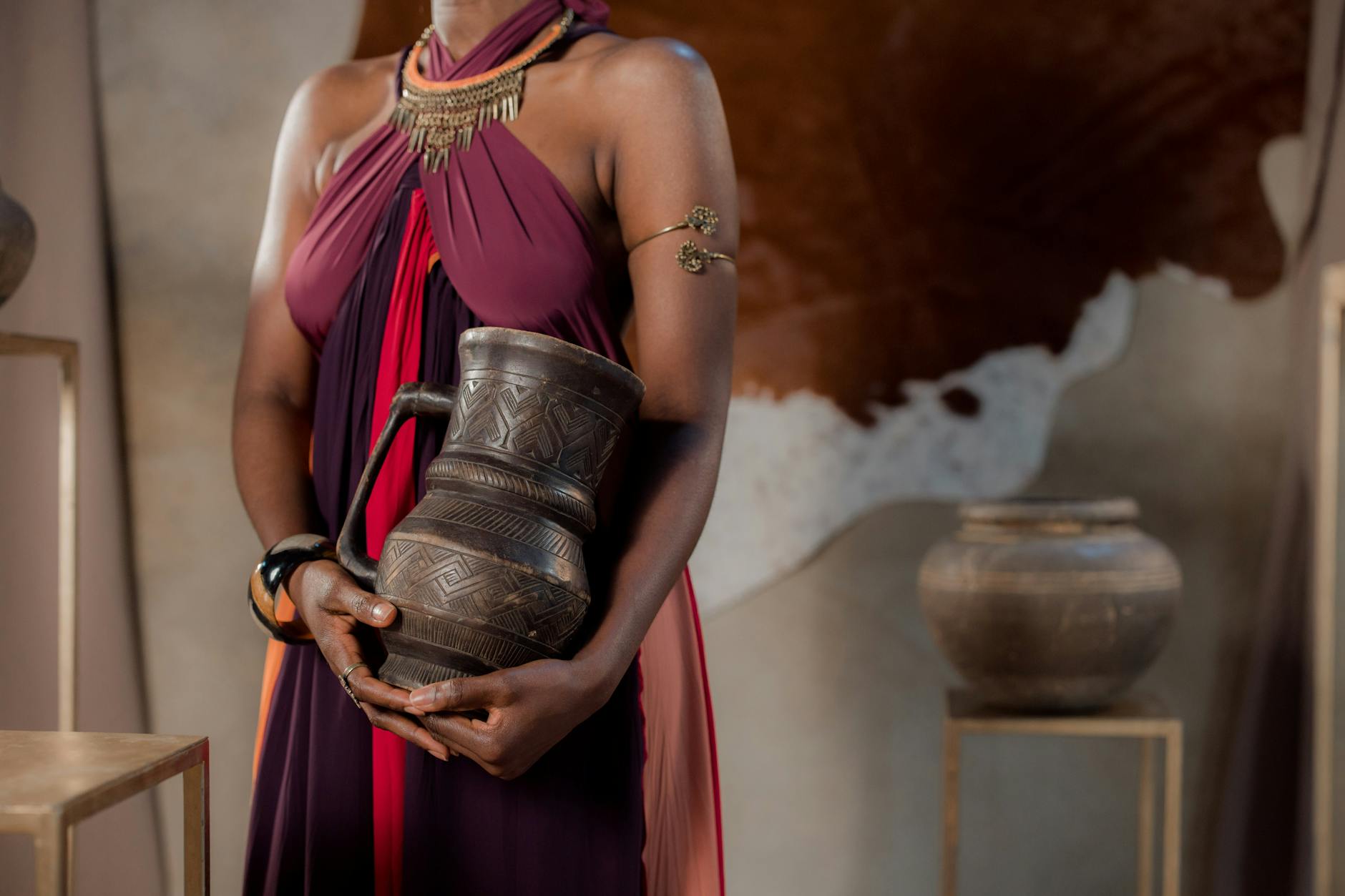
Antique Costume Jewelry: Identifying Signed vs. Unsigned Pieces
Read more: Antique Costume Jewelry: Identifying Signed vs. Unsigned PiecesAuthentic antique costume jewelry is primarily identified by examining construction quality, weight, and findings (clasps and hinges). While signed pieces bear specific maker’s marks like “Trifari” or “Coro,” unsigned pieces require attribution through distinct design traits, such as prong-set stones rather than glue, heavy rhodium plating, and specific soldering techniques used by manufacturers like DeLizza…
-

Cast Iron Cookware Identification: How to Spot a “Griswold” Original
Read more: Cast Iron Cookware Identification: How to Spot a “Griswold” OriginalAuthentic Griswold cast iron cookware is identified by the distinctive “cross” logo on the bottom, the “ERIE” or “ERIE PA” location stamp, and a unique pattern number. Produced between 1865 and 1957, genuine pieces feature a satin-smooth interior finish and generally weigh less than modern counterparts. Imagine you are at a dusty estate sale in…
-
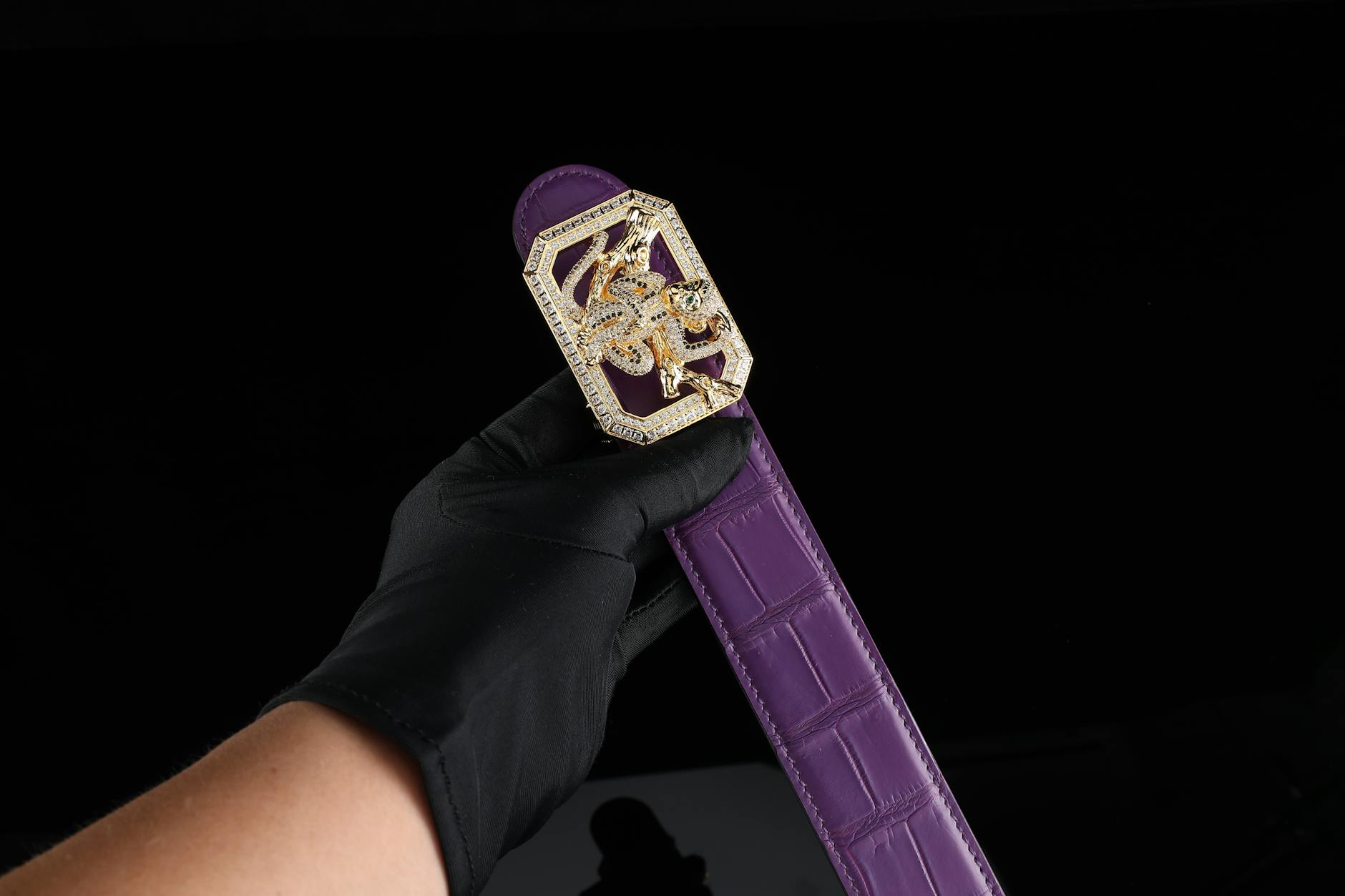
Identifying Antique Belt Buckles: Civil War vs. Victorian Era
Read more: Identifying Antique Belt Buckles: Civil War vs. Victorian EraCivil War belt buckles are typically made of stamped sheet brass or cast brass with lead-filled backs, featuring “US” or “CS” lettering and specific puppy-paw hooks used from 1861-1865. Victorian Era buckles (1837-1901) are decorative fashion accessories often made of silver, cut steel, or brass, prioritizing intricate floral motifs and Rococo Revival aesthetics over military…
