All About Antiques
Popular Guides
- Pewter vs Silver: 3 Simple Ways to Tell the Difference — Quick visual and magnet tests for identifying metal at home.
- Antique Marks & Signatures: Complete Identification Guide — Decode maker marks on silver, porcelain, glass and furniture.
- Best Online Antique Appraisal Sites (2026 Reviews) — Honest comparison of Mearto, WorthPoint and other appraisal services.
- Online Antique Valuation Tools for Collectors — Free digital resources to research and price your antique items.
- Antique Furniture Periods Chart (1600–1940) — Visual timeline of furniture styles with identification pictures.
-
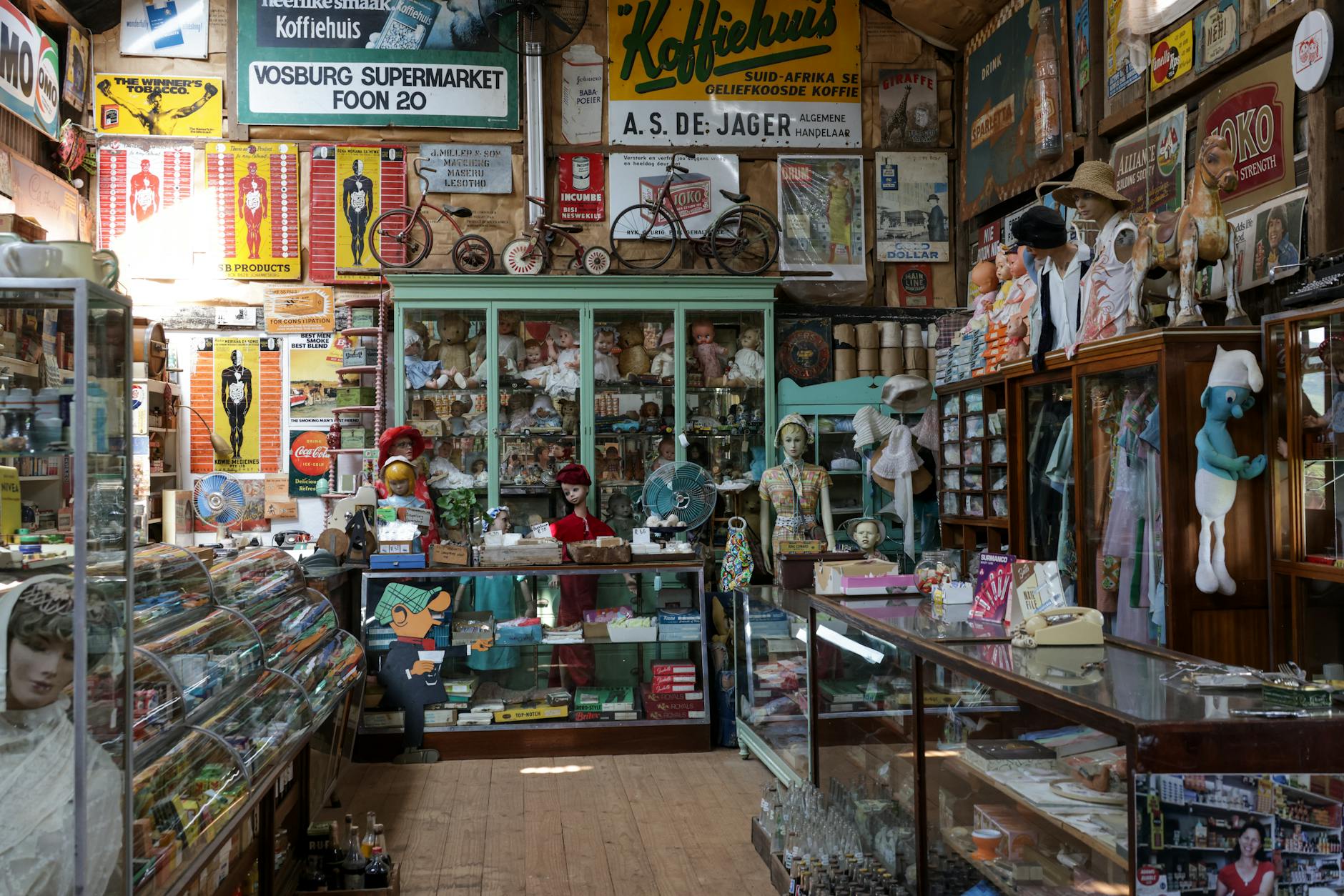
Identifying Antique Toys: Why Tin-Plate Toys Beat Modern Plastics
Read more: Identifying Antique Toys: Why Tin-Plate Toys Beat Modern PlasticsAuthentic antique tin-plate toys (primarily produced from the 1850s to the 1950s) can be identified by their lithographed metal construction, tab-and-slot joinery, and specific maker’s marks like Marx, Lehmann, or Schuco. Unlike modern reproductions, genuine vintage examples show natural oxidation (patina) on exposed metal edges and use clockwork or friction mechanisms rather than battery compartments.…
-
Antique Frame Identification: Gesso, Gold Leaf, and Wood Styles
Read more: Antique Frame Identification: Gesso, Gold Leaf, and Wood StylesAuthentic antique frames are distinguished by their construction materials and gilding methods. Look for closed corners (where the design continues seamlessly over the joint), evidence of red or gray bole (clay) showing through worn gold leaf, and the presence of gesso (a chalky white plaster) beneath the surface. Mass-produced frames often have visible miter cuts…
-

How to Identify Antique Christmas Ornaments: Mercury Glass vs. Plastic
Read more: How to Identify Antique Christmas Ornaments: Mercury Glass vs. PlasticAuthentic antique mercury glass ornaments (produced roughly 1840s–1950s) are identified by their double-walled construction, a distinct “pontil” or pike at the opening, and caps often marked “West Germany” or “Poland.” Unlike plastic, genuine antique glass feels cold to the touch, lacks visible vertical mold seams, and shows natural silvering loss or “foxing” due to age.…
-

Antique Sewing Machine Identification: Is Your “Singer” Really Rare?
Read more: Antique Sewing Machine Identification: Is Your “Singer” Really Rare?Genuine antique sewing machines (pre-1900) are primarily identified by their serial numbers, which allow for precise dating through manufacturer databases like Singer’s. Key value indicators include cast iron bodies, intact gold leaf decals, and functional hand-crank or treadle mechanisms. While millions of black Singers exist, rare models like the “Turtleback” or specific “Red Eye” variations…
-
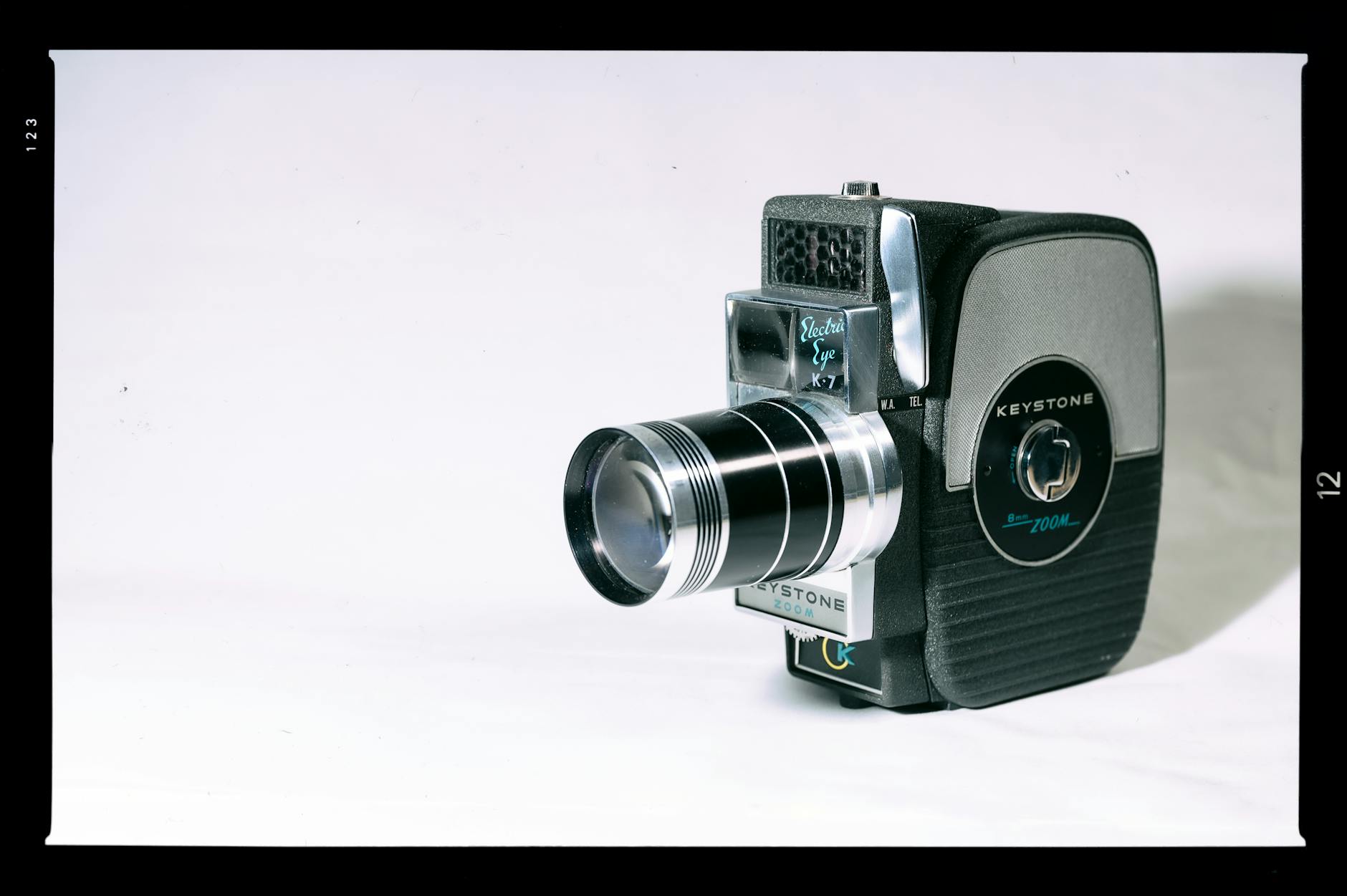
Identifying Antique Cameras: Leica, Kodak, and the Value of Film
Read more: Identifying Antique Cameras: Leica, Kodak, and the Value of FilmAuthentic antique cameras can be identified by their serial numbers (often found inside the film door or on the lens ring), specific shutter mechanisms like the Compur or Prontor, and the weight of materials—brass and leather indicating pre-WWII production. High-value models like the Leica I or early Kodak Brownies feature distinct maker’s marks and patent…
-

Antique Buttons: How to Identify Valuable Civil War and Fashion Buttons
Read more: Antique Buttons: How to Identify Valuable Civil War and Fashion ButtonsValuable antique buttons are identified by their material (Bakelite, Celluloid, Jet), shank construction, and specific backmarks. Civil War buttons (1861–1865) must be authenticated by checking the rear for period-correct maker marks like Scovill or Horstmann. Genuine fashion buttons often feature intricate carving and lack the molded seams found on modern plastic reproductions. Imagine you are…
-
Identifying Antique Marbles: Rare Swirls and Materials That Pay Big
Read more: Identifying Antique Marbles: Rare Swirls and Materials That Pay BigAuthentic antique marbles are distinguished by pontil marks (rough patches where the glass was cut from the cane), specific handmade patterns like Latticino core swirls or Mica flakes, and evidence of age-appropriate wear. Most valuable examples date from the 1840s to the 1920s and were produced by German glassmakers like Elias Greiner, featuring vibrant, unpolished…
-

Antique Book Identification: How to Spot a True First Edition
Read more: Antique Book Identification: How to Spot a True First EditionA true first edition is primarily identified by matching the date on the title page with the date on the copyright page, ensuring no later printing years are listed. Look for a complete number line (e.g., “1 2 3 4 5 6 7 8 9 10”) or a specific “First Edition” statement. The presence of…
-

How to Identify Valuable Antique Quilts: Patterns and Stitching
Read more: How to Identify Valuable Antique Quilts: Patterns and StitchingAuthentic antique quilts are primarily identified by hand stitching (look for slightly uneven stitches, ideally 8-10 per inch), the presence of cotton seeds in the batting (common in pre-1900 pieces), and specific historical dyes like Turkey Red or Double Pink (popular 1880-1910). High-value examples often feature intricate Baltimore Album or Crazy Quilt patterns, while synthetic…
-
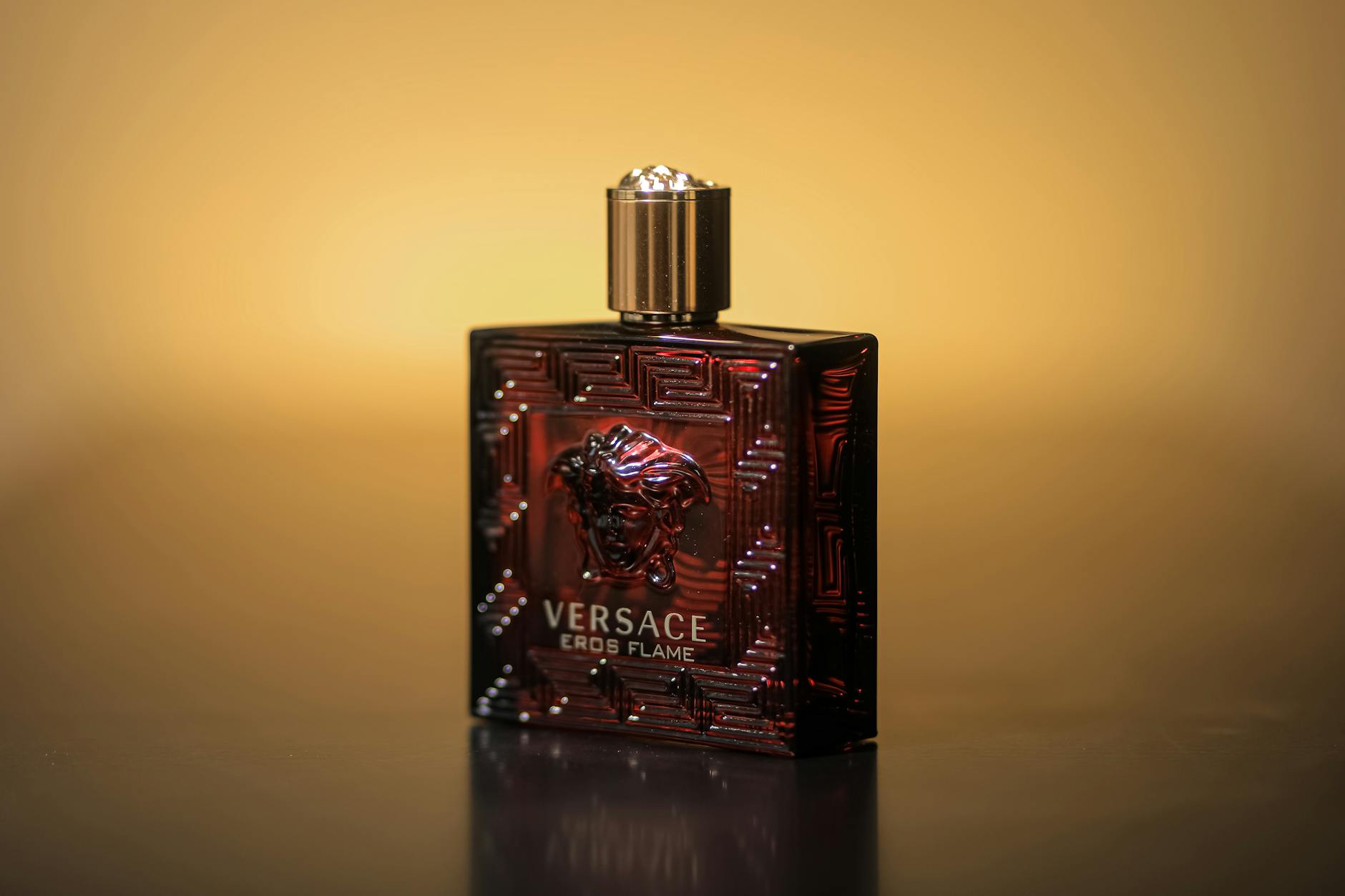
Identifying Antique Perfume Bottles: From Commercial to Art Glass
Read more: Identifying Antique Perfume Bottles: From Commercial to Art GlassAntique perfume bottles can be identified by examining the stoppers (which should be ground to fit the specific bottle), looking for pontil marks on the base of blown glass examples, and checking for acid-etched or molded signatures from makers like Lalique, Baccarat, or Steuben. Commercial bottles from the 19th and early 20th centuries often feature…
