All About Antiques
Popular Guides
- Pewter vs Silver: 3 Simple Ways to Tell the Difference — Quick visual and magnet tests for identifying metal at home.
- Antique Marks & Signatures: Complete Identification Guide — Decode maker marks on silver, porcelain, glass and furniture.
- Best Online Antique Appraisal Sites (2026 Reviews) — Honest comparison of Mearto, WorthPoint and other appraisal services.
- Online Antique Valuation Tools for Collectors — Free digital resources to research and price your antique items.
- Antique Furniture Periods Chart (1600–1940) — Visual timeline of furniture styles with identification pictures.
-

Silver Price Surge 2025–2026: What It Means for Antique Silver Collectors
Read more: Silver Price Surge 2025–2026: What It Means for Antique Silver CollectorsThe projected 2025–2026 silver price surge will significantly impact the antique market by increasing the melt value floor for sterling silver items. This means common, damaged, or unexceptional pieces may be scrapped for their metal content, while rare pieces with strong provenance, clear maker’s marks (like Tiffany or Gorham), and excellent condition will see their…
-

Is My Grandmother’s Silver Worth Anything? A Practical Assessment Guide
Read more: Is My Grandmother’s Silver Worth Anything? A Practical Assessment GuideYour grandmother’s silver is worth significant money if it is marked “Sterling,” “.925,” or bears authentic English assay marks like the walking lion. Sterling silver has intrinsic melt value, while silver plate (marked “EPNS” or “A1”) holds mostly decorative value. Coin silver (marked “900”) is highly collectible, especially from early American makers. Imagine you are…
-

How to Calculate the Melt Value of Sterling Silver (Step-by-Step)
Read more: How to Calculate the Melt Value of Sterling Silver (Step-by-Step)To calculate the exact melt value of sterling silver, you must first verify the “.925” or “Sterling” hallmark, weigh the item in troy ounces (one troy ounce equals 31.1 grams), multiply that weight by 0.925 to find the pure silver content, and then multiply the result by the current spot price of silver. Imagine you…
-

Most Valuable Antique Silver Patterns: Top 15 Worth a Fortune
Read more: Most Valuable Antique Silver Patterns: Top 15 Worth a FortuneTiffany & Co.’s “Chrysanthemum” (1880), Gorham’s “Martelé” (1897), and Georg Jensen’s “Acorn” (1915) are consistently among the most valuable antique silver patterns in today’s market. High-value patterns are identified by their heavy weight, deep relief crisp molding, and the presence of specific hallmarks like the lion passant (sterling) or manufacturer marks alongside date codes. Rare…
-

Silver Melt Value vs Antique Value: When to Sell and When to Keep
Read more: Silver Melt Value vs Antique Value: When to Sell and When to KeepThe most crucial difference between silver melt value and antique value is craftsmanship and rarity. While melt value is solely based on the current spot price of silver multiplied by the weight of your item (minus refining fees), antique value accounts for the maker’s reputation, historical significance, condition, and desirability to collectors. Generally, if an…
-

Antique Sterling Silver Flatware Value: What Your Set Is Really Worth
Read more: Antique Sterling Silver Flatware Value: What Your Set Is Really WorthGenuine antique sterling silver flatware is valued based on its weight in troy ounces (scrap value) plus a collector premium for desirable patterns or makers like Tiffany & Co. or Gorham. Look for the “925” or “Sterling” stamp; without this mark, the piece is likely silver plate, which has minimal resale value. Imagine you are…
-

How Much Is My Antique Silver Worth in 2026? Valuation Guide
Read more: How Much Is My Antique Silver Worth in 2026? Valuation GuideThe value of antique silver in 2026 is primarily determined by the “triple threat”: purity (Sterling vs. Plate), maker (like Tiffany or Gorham), and weight (Troy ounces). Authentic sterling must bear the word “Sterling” or the British Lion Passant. While scrap silver prices fluctuate, rare pieces with provenance can command 300% above melt value at…
-
How to Read Silver Date Letters: A Year-by-Year Visual Guide
Read more: How to Read Silver Date Letters: A Year-by-Year Visual GuideSilver date letters are specific alphabetic characters stamped on British and some international silver to indicate the year of manufacture. To read them, identify the assay office mark (e.g., a leopard’s head for London) and match the accompanying letter’s font, case, and shield shape to a reliable hallmark chart. A specific letter like “A” cycles…
-

Silver Purity Marks Around the World: 800, 835, 925 and Beyond
Read more: Silver Purity Marks Around the World: 800, 835, 925 and BeyondSilver purity marks indicate the fineness of the metal, with 925 representing sterling silver (92.5% pure), the standard for US and British silverware. 800 and 835 denote lower-grade “coin silver” commonly found in German and Italian antiques, while 950 indicates high-purity silver often seen in French Britannia standards. These impressed numbers act as a guarantee…
-
Gorham Silver Marks: Dating and Identification Guide with Photos
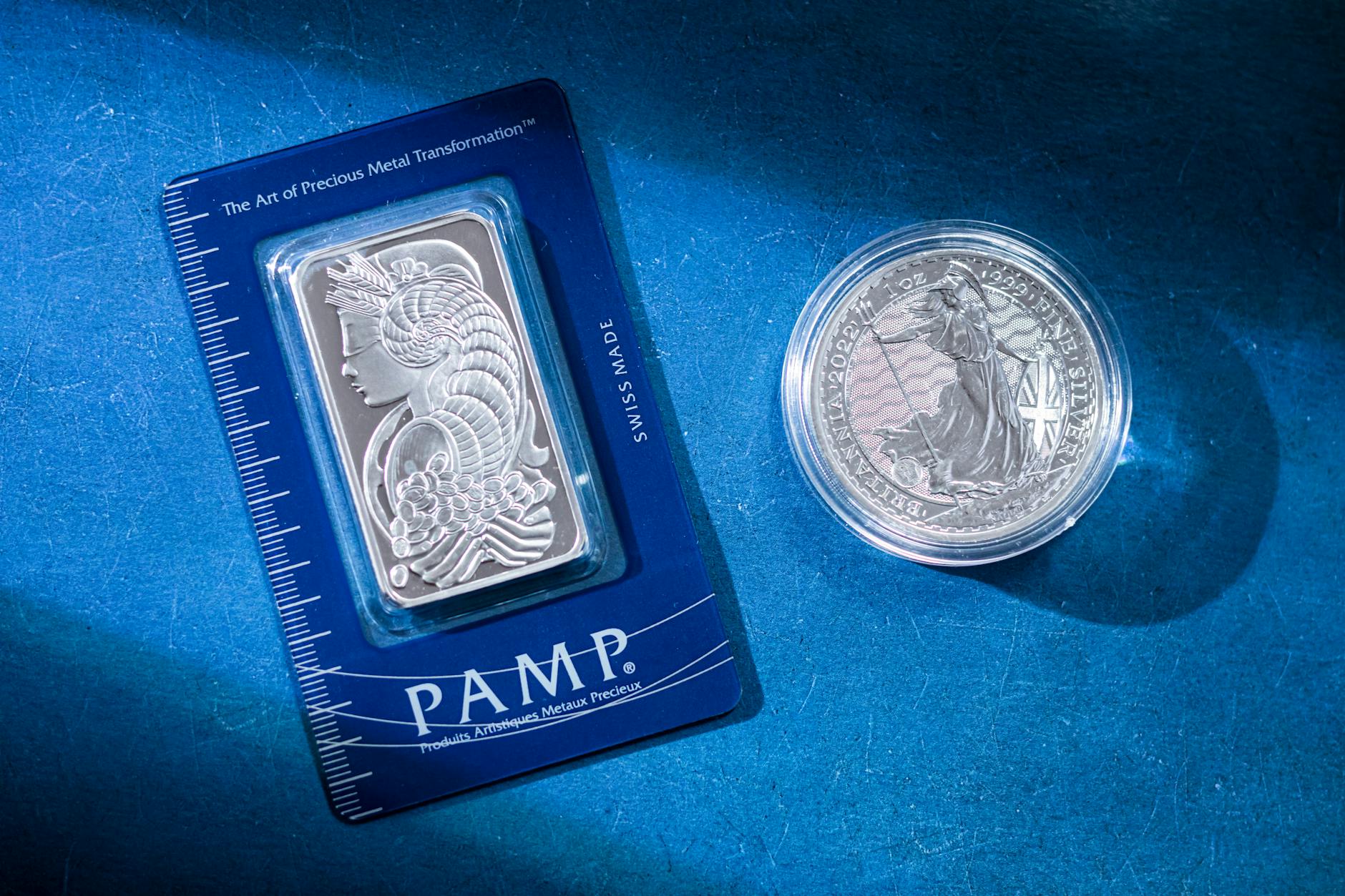
Read more: Gorham Silver Marks: Dating and Identification Guide with PhotosAuthentic Gorham silver is identified by the standard Lion, Anchor, and G trademark found on the underside of sterling pieces. Items manufactured between 1868 and 1884 bear a capital letter date code (A-Q), while pieces from 1885 to 1933 feature specific year symbols, such as a wolf or an anchor. Always verify the “Sterling” stamp…
