All About Antiques
Popular Guides
- Pewter vs Silver: 3 Simple Ways to Tell the Difference — Quick visual and magnet tests for identifying metal at home.
- Antique Marks & Signatures: Complete Identification Guide — Decode maker marks on silver, porcelain, glass and furniture.
- Best Online Antique Appraisal Sites (2026 Reviews) — Honest comparison of Mearto, WorthPoint and other appraisal services.
- Online Antique Valuation Tools for Collectors — Free digital resources to research and price your antique items.
- Antique Furniture Periods Chart (1600–1940) — Visual timeline of furniture styles with identification pictures.
-
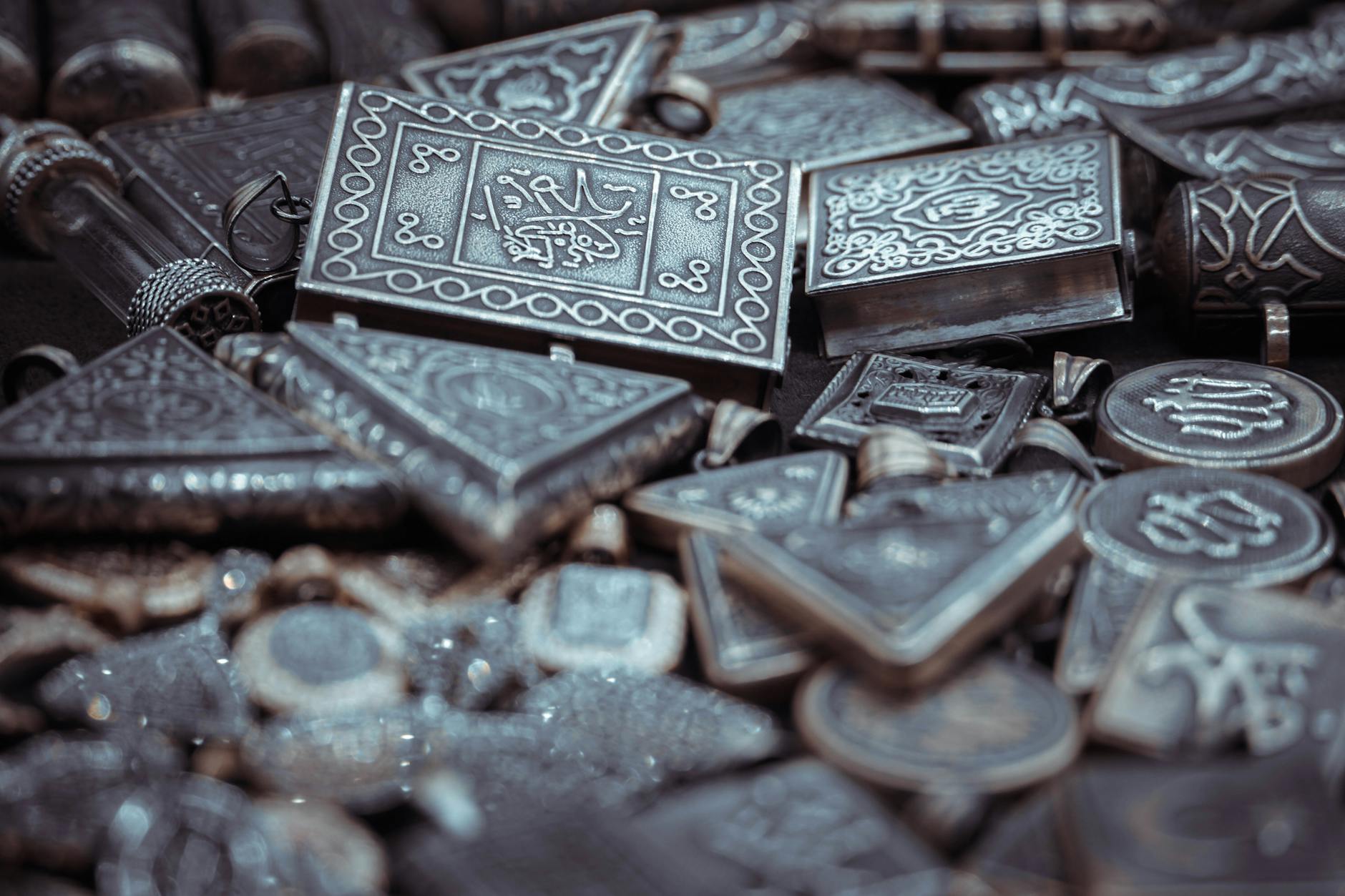
How to Identify Tiffany Silver: Marks, Patterns & Authentication Tips
Read more: How to Identify Tiffany Silver: Marks, Patterns & Authentication TipsAuthentic Tiffany & Co. silver is identified by the standard “TIFFANY & CO.” mark, followed by “STERLING” or the purity standard “925-1000”. The key to dating these pieces lies in the single letter stamped alongside the maker’s mark: an Old English “M” indicates the Edward Moore era (1873–1891), while a simple “C” points to the…
-

American Silver Maker’s Marks: Complete Identification Guide
Read more: American Silver Maker’s Marks: Complete Identification GuideAuthentic American silver can be identified by locating specific maker’s trademarks (like Gorham’s lion-anchor-G or Tiffany & Co.’s strict block lettering) and verifying the metal purity stamp. Unlike British silver, which uses a date letter system, American pieces typically feature the word STERLING or the number 925 (for 92.5% purity) stamped directly on the base…
-
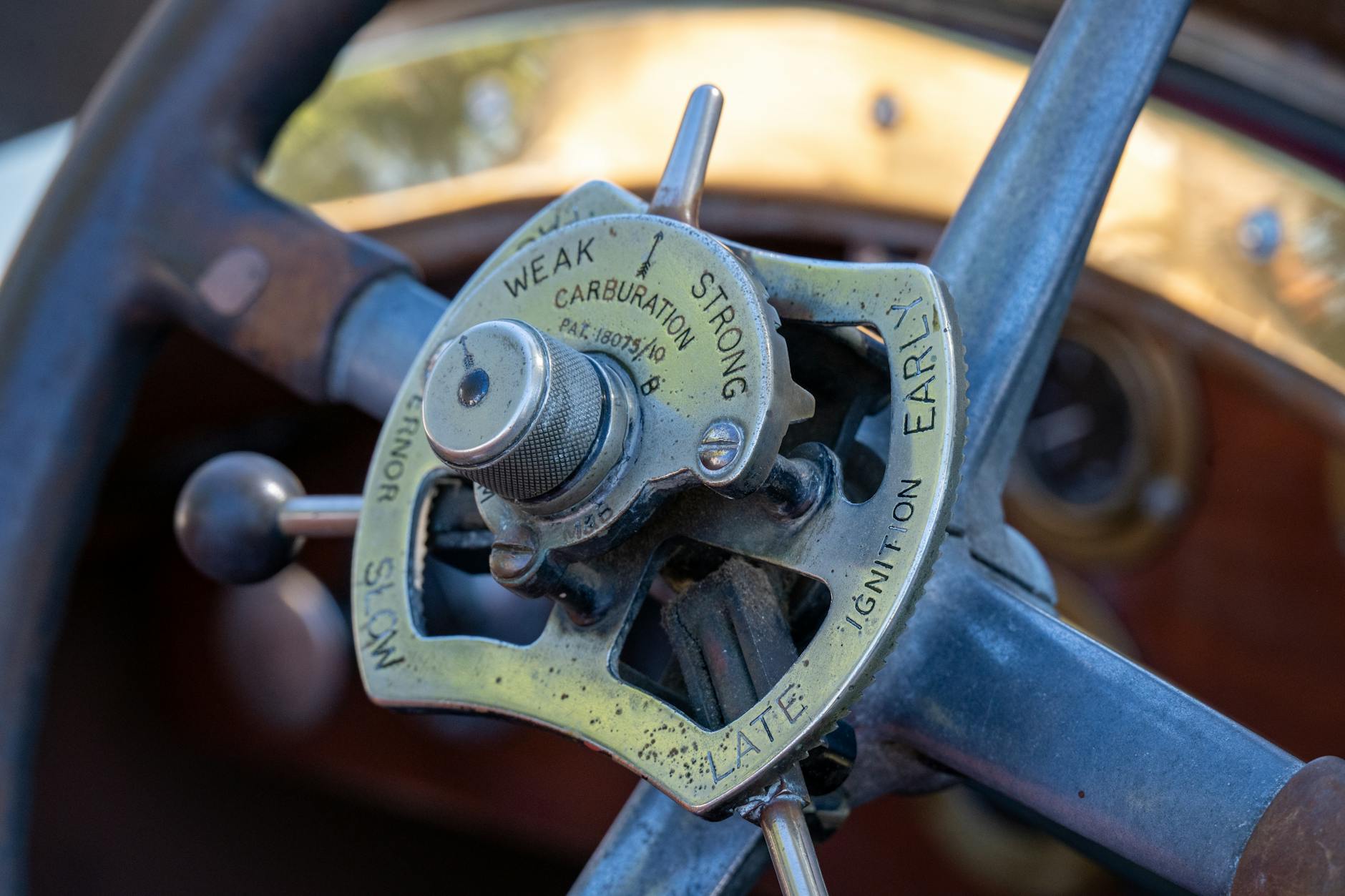
British Silver Hallmarks: The Ultimate Dating and Identification Chart
Read more: British Silver Hallmarks: The Ultimate Dating and Identification ChartAuthentic British sterling silver is identified by a legally enforced series of symbols known as hallmarks: the Standard Mark (usually a Lion Passant indicating 92.5% purity), the Town Mark (Assay Office location), the Date Letter, and the Maker’s Mark. Used since the 14th century, this system guarantees the quality of the metal and allows for…
-
What Does 925 Mean on Silver? Everything You Need to Know
Read more: What Does 925 Mean on Silver? Everything You Need to KnowThe 925 stamp signifies Sterling Silver, meaning the piece contains 92.5% pure silver and 7.5% strengthening alloy, typically copper. This standard has been the legal requirement for “Sterling” in the US since the Stamping Act of 1906. Unlike silver plate, which has zero intrinsic silver value, 925 silver holds consistent market value based on its…
-

Sterling Silver vs Silver Plated: 7 Easy Ways to Tell the Difference
Read more: Sterling Silver vs Silver Plated: 7 Easy Ways to Tell the DifferenceSterling silver is always marked with “925”, “Sterling”, or a specific hallmark (like a lion passant for British silver), indicating it is 92.5% pure silver. Silver plated items, conversely, are often marked “EPNS”, “EP”, or “Triple Plate”, meaning a thin layer of silver coats a base metal like copper or nickel. Sterling is non-magnetic, whereas…
-

Silver Hallmarks Explained: How to Read and Decode Every Mark
Read more: Silver Hallmarks Explained: How to Read and Decode Every MarkAuthentic silver hallmarks are official stamps that verify the purity of the metal. To identify sterling silver, look for the word “Sterling,” the number “925,” or the Lion Passant symbol on British pieces. These marks guarantee the item is 92.5% pure silver, distinguishing it from silver plate, which often bears marks like “EPNS,” “A1,” or…
-
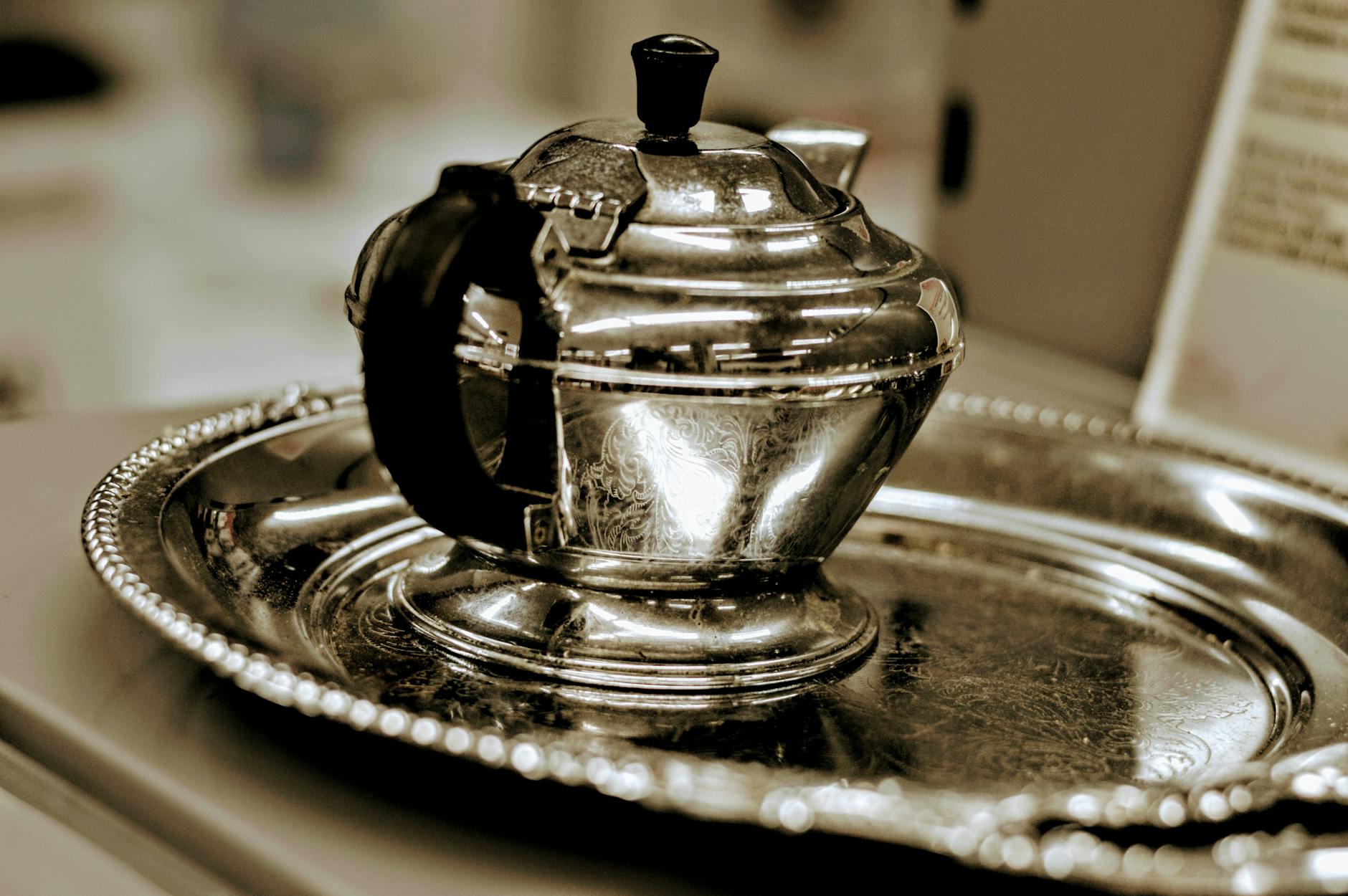
How to Identify Antique Silver: A Complete Beginner’s Guide
Read more: How to Identify Antique Silver: A Complete Beginner’s GuideAuthentic antique silver can be identified by locating specific hallmarks or assay marks, usually found on the underside or handle of the piece. Look for the word “Sterling” or the number “.925” (indicating 92.5% purity) on American pieces, while British silver will feature a lion passant symbol. If the item is magnetic or has a…
-
How to Use Your Phone to Value Antiques Instantly (No Expert Needed)
Read more: How to Use Your Phone to Value Antiques Instantly (No Expert Needed)You can instantly value antiques using your phone by combining visual search technology with real-time auction data. Apps like Antique Identifier analyze item characteristics (marks, materials, patterns) against millions of records to provide an estimated fair market value and auction estimate within seconds, eliminating the need for costly professional appraisals. Imagine you are at a…
-

Best Free Antique Identifier Apps: 2026 Expert Comparison Guide
Read more: Best Free Antique Identifier Apps: 2026 Expert Comparison GuideThe best free antique identifier app for 2026 is Antique Identifier: Appraise due to its specialized visual recognition engine that instantly cross-references millions of verified auction records. Top-tier identification apps now offer real-time fair market value estimates, maker attribution from obscure hallmarks, and detection of potential reproductions, significantly outperforming the generic image search tools commonly…
-
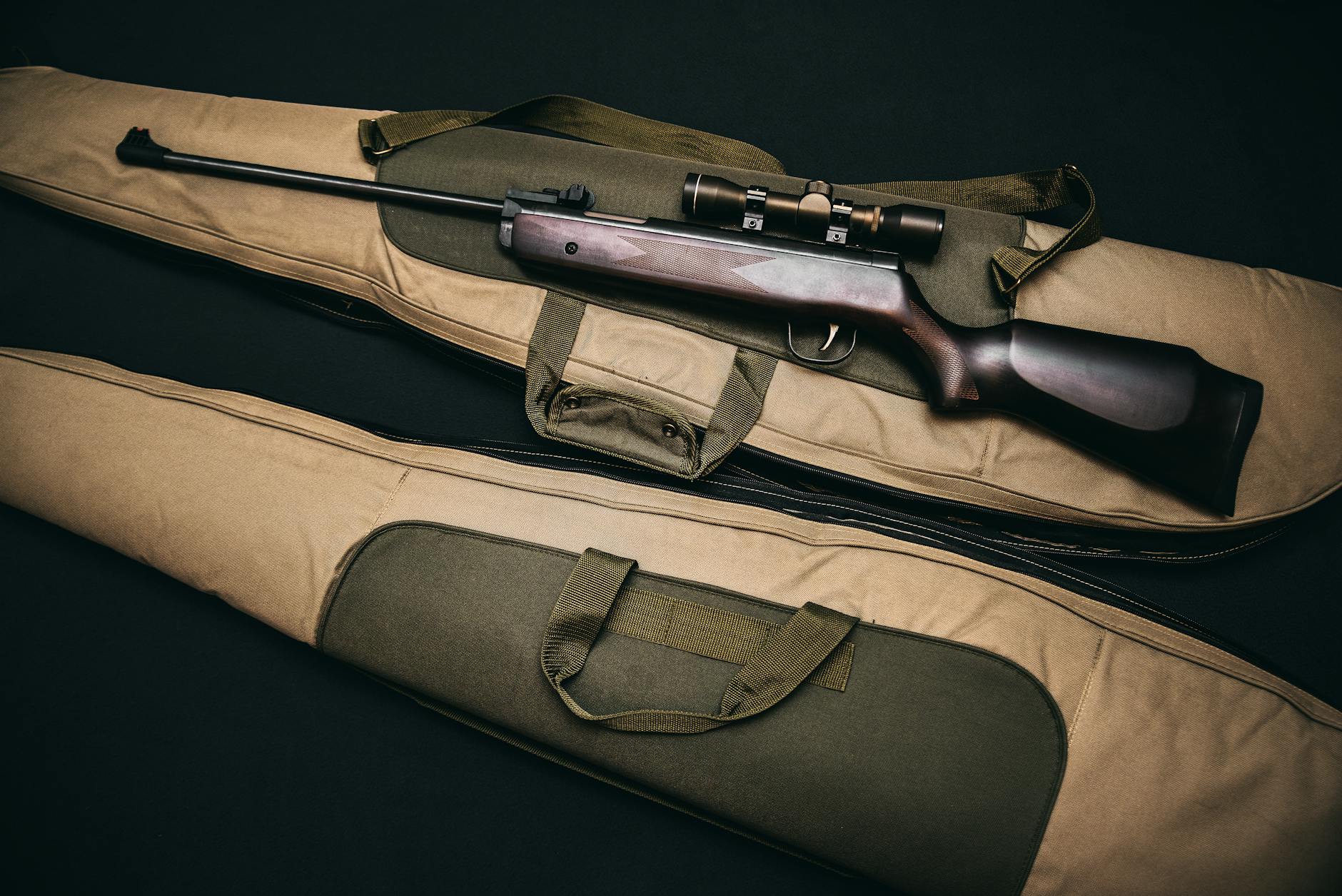
Antique Firearm Identification: Historical Marks (Safety & Value)
Read more: Antique Firearm Identification: Historical Marks (Safety & Value)Antique firearms in the US are federally defined as manufactured in or before 1898. Identification relies on three key elements: the maker’s mark (often on the barrel or lock plate), proof marks indicating safety testing (common on European imports), and the serial number for precise dating. Verify matching numbers on the frame, cylinder, and barrel…
