
All About Antiques
Popular Guides
- Pewter vs Silver: 3 Simple Ways to Tell the Difference — Quick visual and magnet tests for identifying metal at home.
- Antique Marks & Signatures: Complete Identification Guide — Decode maker marks on silver, porcelain, glass and furniture.
- Best Online Antique Appraisal Sites (2026 Reviews) — Honest comparison of Mearto, WorthPoint and other appraisal services.
- Online Antique Valuation Tools for Collectors — Free digital resources to research and price your antique items.
- Antique Furniture Periods Chart (1600–1940) — Visual timeline of furniture styles with identification pictures.
-
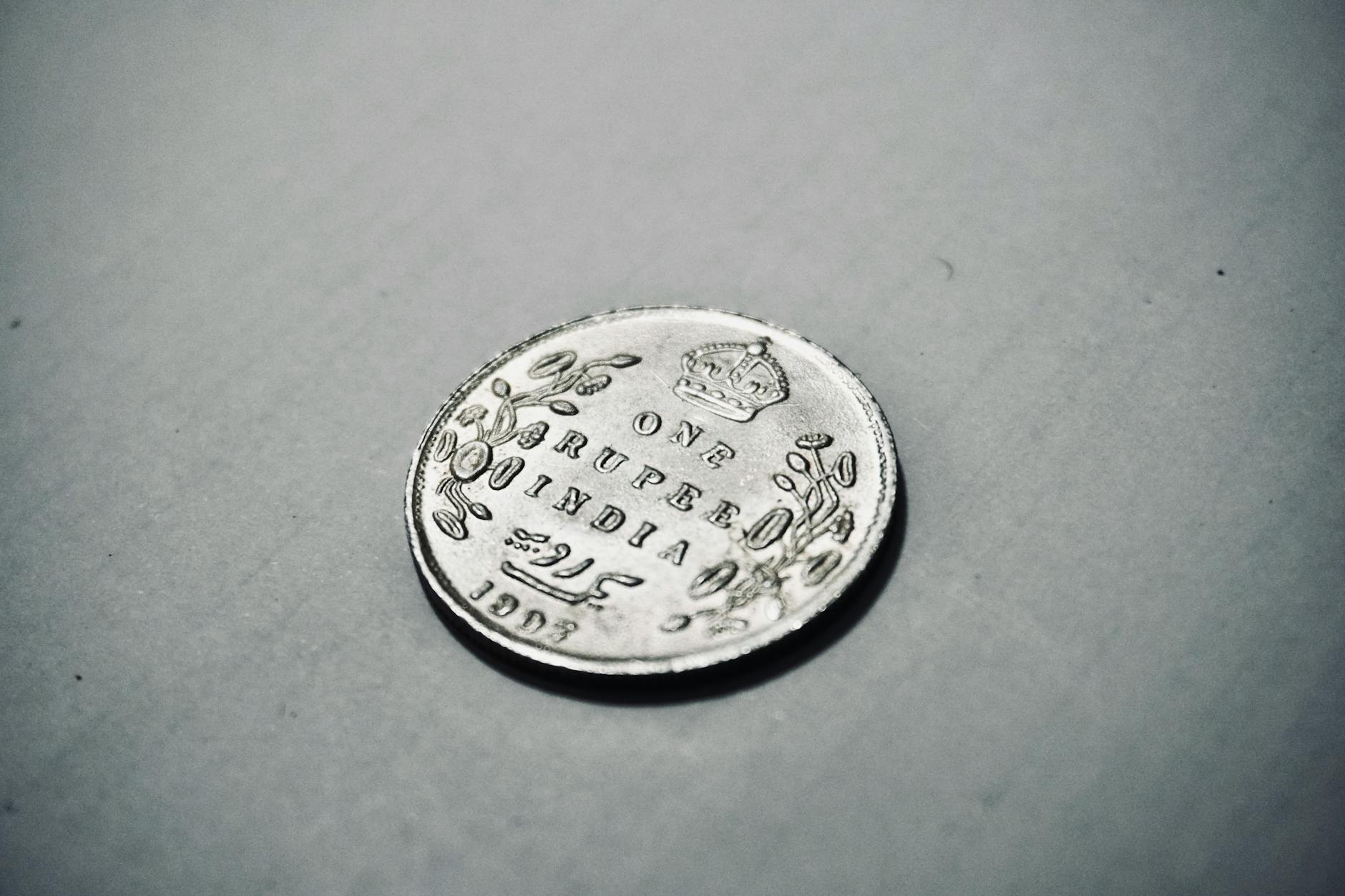
Victorian Silver: Styles, Makers, and What Collectors Are Paying in 2026
Read more: Victorian Silver: Styles, Makers, and What Collectors Are Paying in 2026Authentic Victorian silver can be identified by finding clear English hallmarks or American assay marks, distinct Gothic Revival or highly ornamented styles, and verifying the piece was produced during the reign of Queen Victoria (1837-1901). Look for the monarch’s head duty mark on English pieces, or the “Sterling” stamp on American silver produced after 1860.…
-
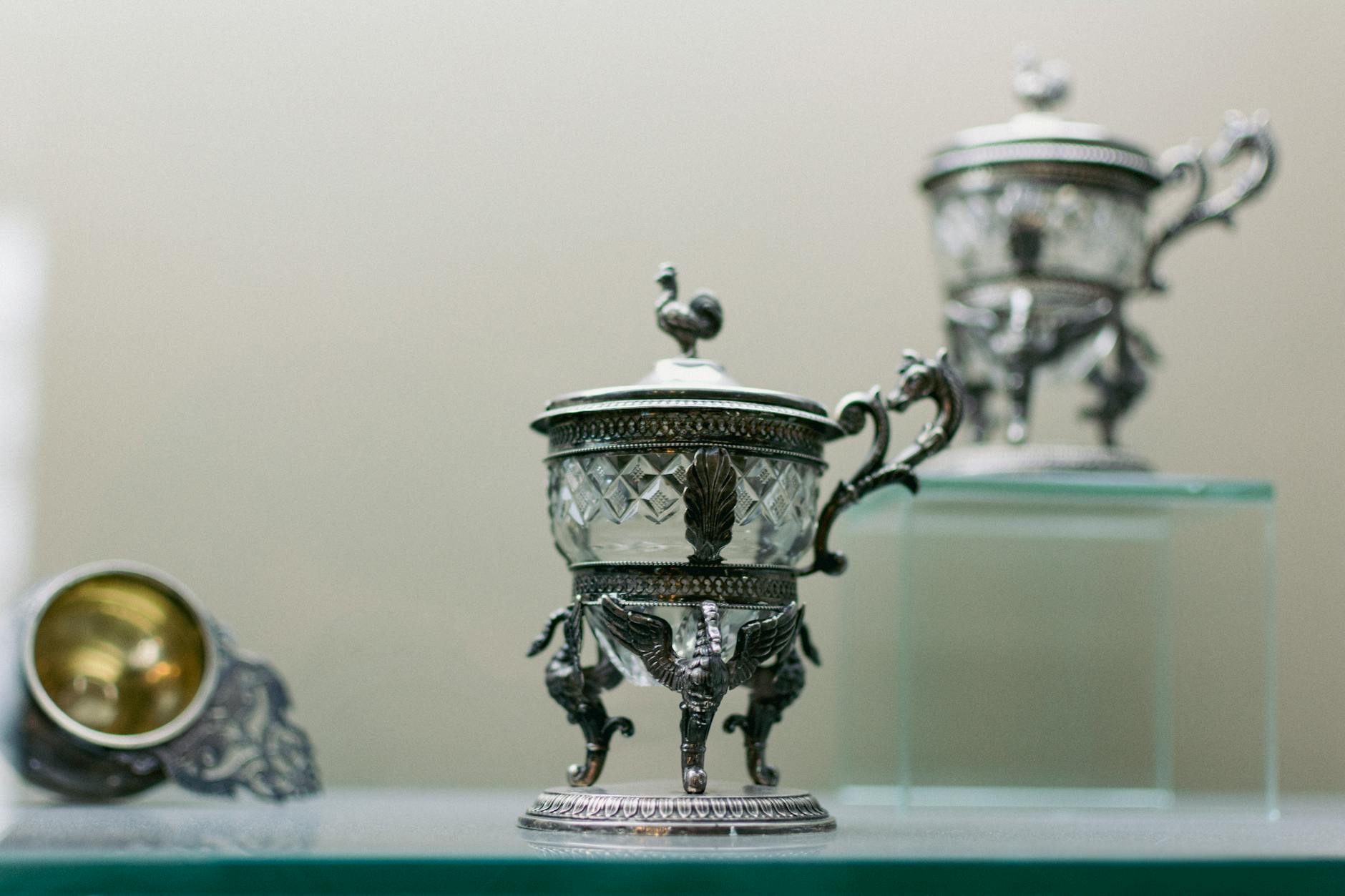
Antique Silver Spoon Collecting: A Beginner’s Guide to Styles and Values
Read more: Antique Silver Spoon Collecting: A Beginner’s Guide to Styles and ValuesAuthentic antique silver spoons can be identified by locating the hallmarks or assay marks usually stamped on the back of the handle or bowl. Genuine sterling silver pieces will bear specific maker’s marks, date letters, and purity indicators like a lion passant (British) or the word “Sterling” (American post-1850). Silver plate items often feature terms…
-

Reed & Barton Francis I: Why This Silver Pattern Commands Top Dollar
Read more: Reed & Barton Francis I: Why This Silver Pattern Commands Top DollarAuthentic Reed & Barton Francis I silver can be identified by the “REED & BARTON” maker’s mark alongside the “STERLING” stamp on the reverse. Introduced in 1907 by designer Ernest Meyer, genuine pieces feature 15 distinct fruit and flower cluster motifs that vary by piece type, with a heavy, three-dimensional cast quality. Imagine you are…
-
10 Most Collectible Sterling Silver Flatware Patterns of All Time
Read more: 10 Most Collectible Sterling Silver Flatware Patterns of All TimeThe most collectible antique sterling silver flatware patterns include Francis I by Reed & Barton (introduced 1907), Repoussé by Kirk Stieff (1828), and Grand Baroque by Wallace (1941). Authentic pieces are stamped with “Sterling” or “925” alongside specific maker’s marks. Values depend on the piece type, total weight, and condition. Imagine you are at a…
-
How to Identify Your Silver Flatware Pattern (Even Without Marks)
Read more: How to Identify Your Silver Flatware Pattern (Even Without Marks)Identifying a silver flatware pattern without marks relies on analyzing the handle shape, the specific decorative motifs (like repoussé florals or geometric Art Deco lines), and the overall weight or gauge of the metal. Genuine antique silver patterns often have crisp, deep detailing that modern reproductions lack, and distinguishing between sterling silver, coin silver, and…
-
How to Avoid Scams When Buying Antique Silver Online
Read more: How to Avoid Scams When Buying Antique Silver OnlineAuthentic antique silver can be identified by analyzing the assay marks and maker’s marks, verifying the piece’s weight and dimensions against historical records, and requesting a detailed condition report. Genuine sterling silver (925/1000 purity) will always bear specific hallmarks, whereas silver plate or base metals often feature misleading “EPNS” or pseudo-marks designed to deceive online…
-

Flea Market Silver Hunting: How to Spot Hidden Treasures Others Miss
Read more: Flea Market Silver Hunting: How to Spot Hidden Treasures Others MissGenuine antique silver can be identified by locating specific hallmarks, such as the word “Sterling,” “925,” or a lion passant symbol indicating British origin. True silver possesses a distinct, non-magnetic quality and a warm patina that differs from the harsh shine of modern chrome. Always check hidden areas like the base or inner rim for…
-

How to Sell Antique Silver on eBay: A Guide to Getting the Best Price
Read more: How to Sell Antique Silver on eBay: A Guide to Getting the Best PriceSelling antique silver on eBay for the best price requires accurately identifying the metal content (sterling silver vs. silver plate), deciphering the maker’s hallmarks, providing high-quality photos, and writing a keyword-rich title. Authentic sterling silver will almost always bear a standard mark like “Sterling,” “925,” or specific pictorial assay marks depending on its country of…
-
Should You Sell Your Silver Now? Making Sense of Record-High Prices
Read more: Should You Sell Your Silver Now? Making Sense of Record-High PricesWith silver spot prices hitting historic highs in 2026, selling your antique silver depends heavily on its classification. Sterling silver (marked 925 or Sterling) and early American coin silver (90% purity) are commanding premium prices, while silver plate items retain value primarily through their maker and intricate design rather than melt value. Imagine you are…
-
Estate Sale Silver: How to Find Hidden Treasures and Avoid Overpaying
Read more: Estate Sale Silver: How to Find Hidden Treasures and Avoid OverpayingAuthentic sterling silver can be identified by locating a stamped “925” mark, the word “Sterling,” or specific assay marks like the English Lion Passant used since 1544. Pieces lacking these marks are typically silver plate and possess significantly lower fair market value. Always check the piece’s weight; genuine solid silver feels denser than plated brass…
