All About Antiques
Popular Guides
- Pewter vs Silver: 3 Simple Ways to Tell the Difference — Quick visual and magnet tests for identifying metal at home.
- Antique Marks & Signatures: Complete Identification Guide — Decode maker marks on silver, porcelain, glass and furniture.
- Best Online Antique Appraisal Sites (2026 Reviews) — Honest comparison of Mearto, WorthPoint and other appraisal services.
- Online Antique Valuation Tools for Collectors — Free digital resources to research and price your antique items.
- Antique Furniture Periods Chart (1600–1940) — Visual timeline of furniture styles with identification pictures.
-
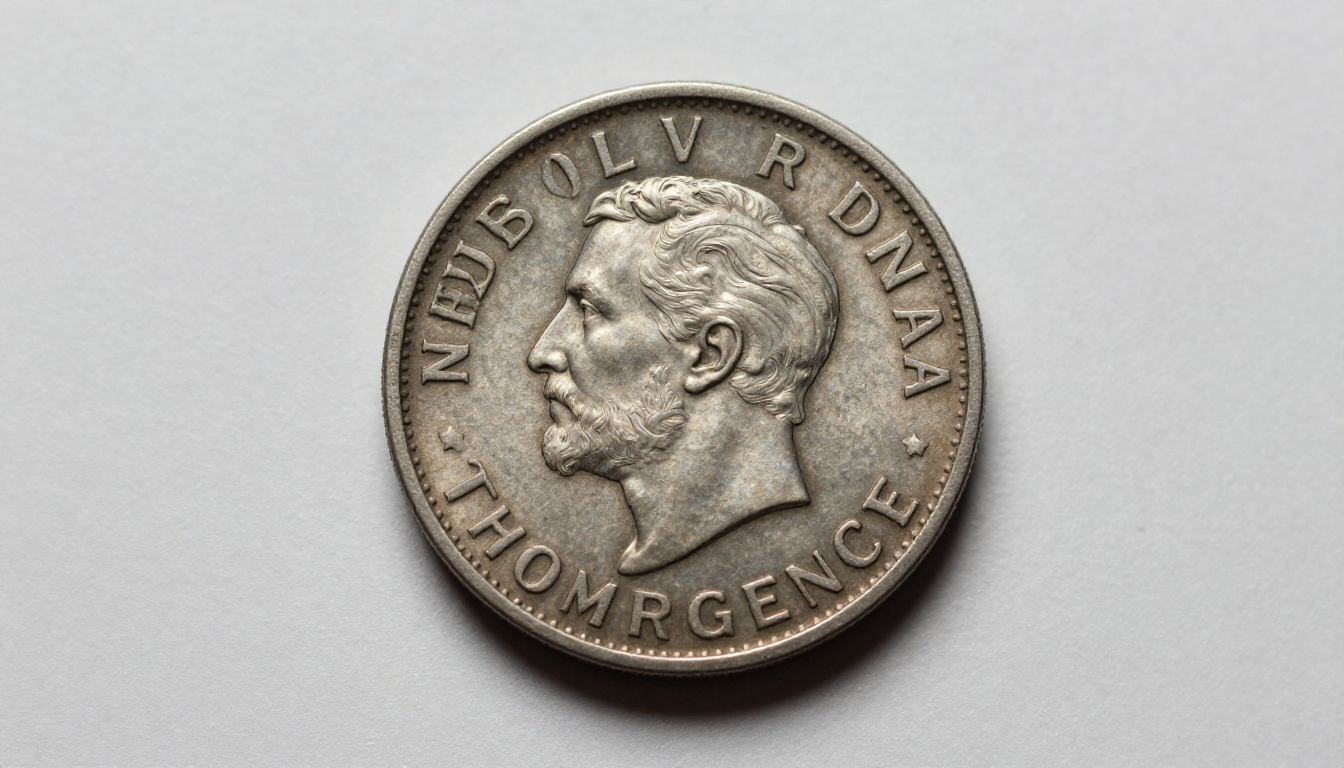
World War II Emergency Coinage: Identifying Steel, Zinc and Wartime Metals
Read more: World War II Emergency Coinage: Identifying Steel, Zinc and Wartime MetalsAuthentic World War II emergency coinage can be identified by its unusual metallic composition, most notably the 1943 zinc-coated steel Lincoln cent, which strongly attracts a magnet. Genuine wartime silver nickels (1942-1945) feature a prominent mint mark (P, D, or S) located directly above the dome of Monticello on the reverse. Imagine you are at…
-
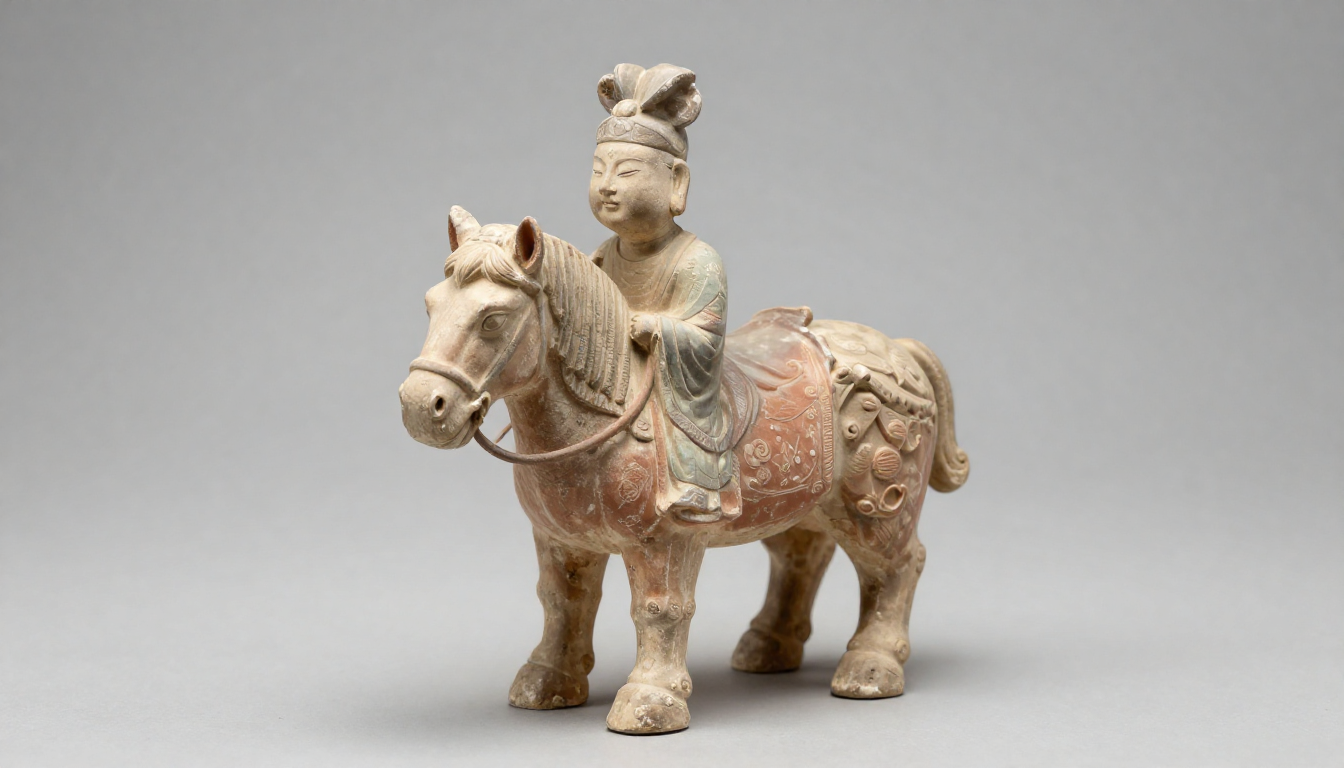
Tang Dynasty Tomb Figures: Horses, Camels and Court Ladies on the Market
Read more: Tang Dynasty Tomb Figures: Horses, Camels and Court Ladies on the MarketAuthentic Tang Dynasty tomb figures (mingqi) date to 618–907 AD and are primarily identified by their low-fired earthenware bodies, distinct hollow interiors, and the presence of sancai (three-color) lead glazes or unglazed cold-painted pigments. Genuine pieces will exhibit natural encrustation, root marks, and signs of age-related degradation that modern forgeries struggle to replicate accurately. Imagine…
-

Japanese Lacquerware: Identifying Genuine Urushi from Imitations
Read more: Japanese Lacquerware: Identifying Genuine Urushi from ImitationsAuthentic Japanese lacquerware (urushi) can be identified by its warmth to the touch, microscopic imperfections in the clear topcoat, and a slightly soft, resonant sound when lightly tapped. Genuine pieces feel remarkably light yet durable, unlike heavier modern plastics or cold, mass-produced synthetic resins used in cheap imitations. Imagine you are at a dusty estate…
-
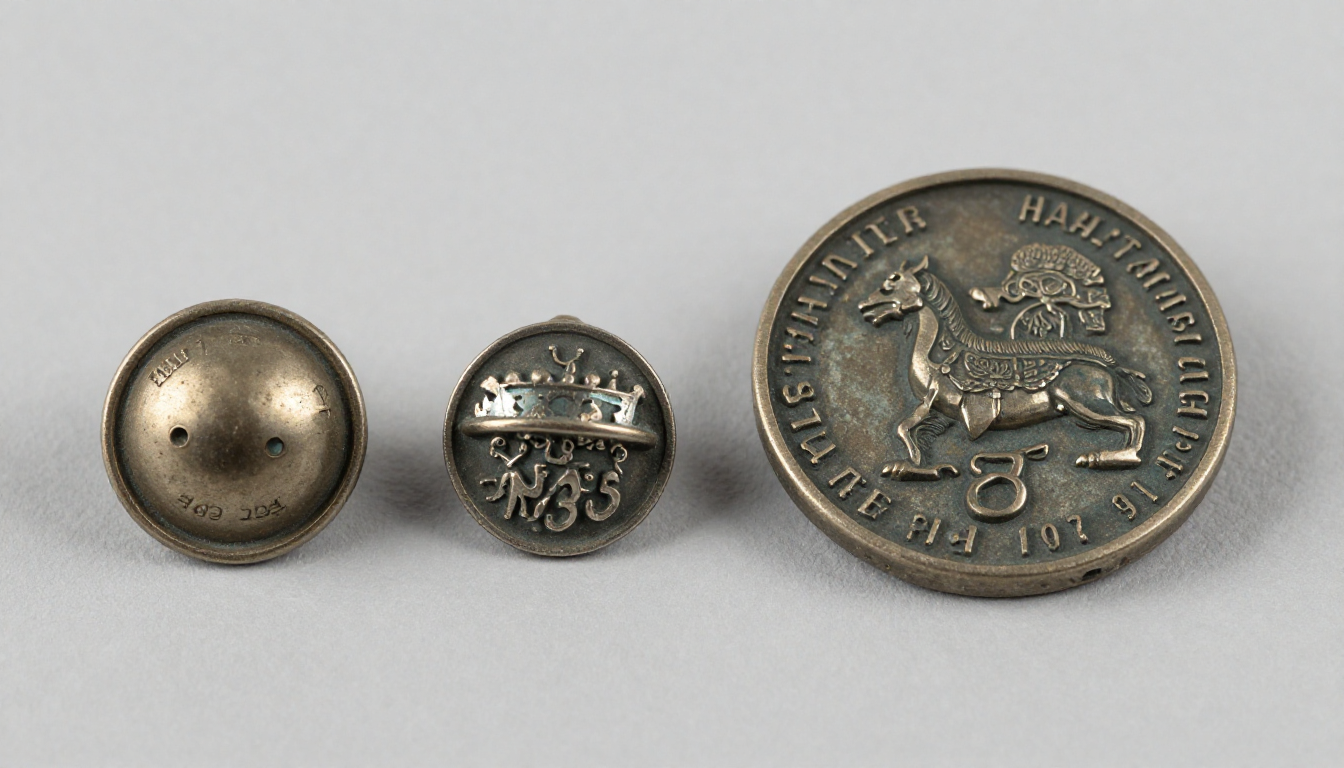
Antique Hallmarks and Maker’s Marks: Where to Look and What They Mean
Read more: Antique Hallmarks and Maker’s Marks: Where to Look and What They MeanAuthentic antique hallmarks and maker’s marks are identified by their specific placement on an item (usually the base, back, or inside clasp), the precise stamping technique used, and the corresponding registered dates or country of origin codes. Genuine marks, unlike modern cast fakes, are deeply struck with crisp edges, often accompanied by purity stamps (like…
-
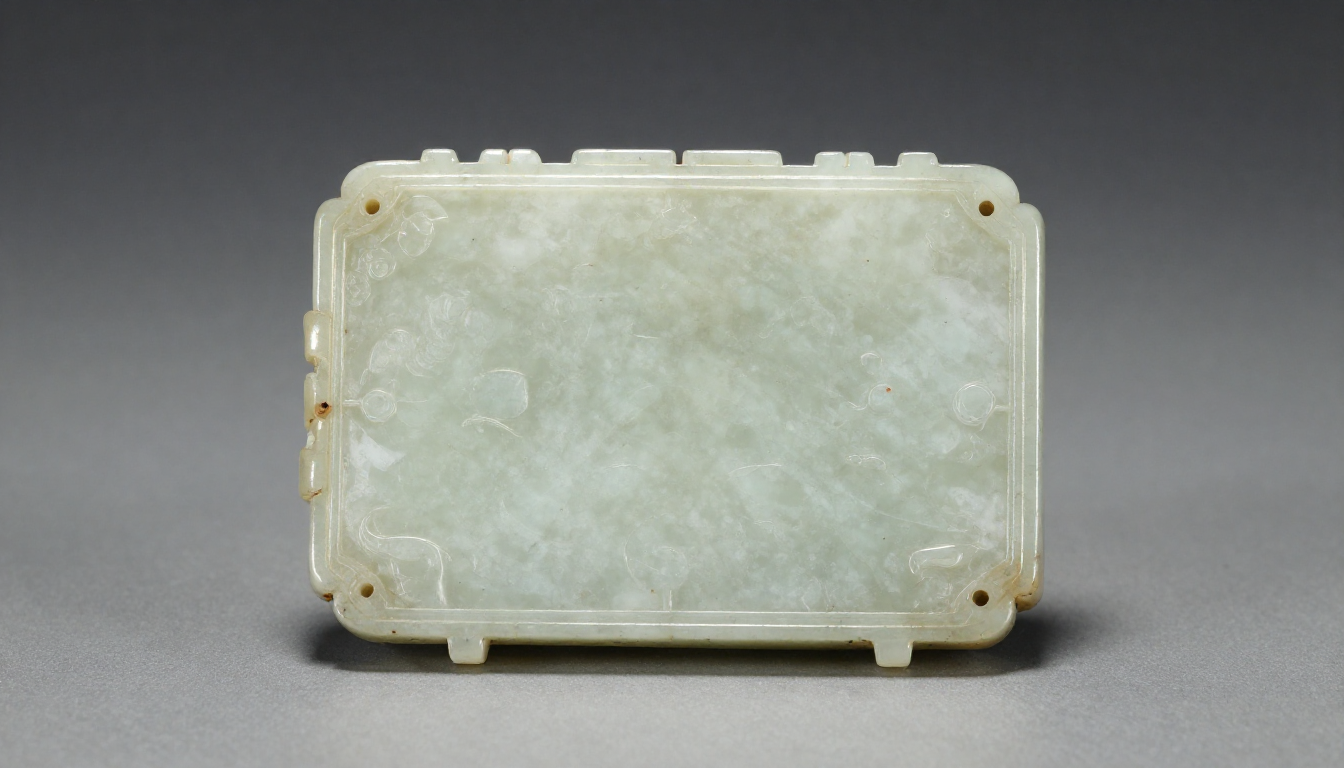
Fake Chinese Jade: The Tests Every Buyer Must Know Before Spending
Read more: Fake Chinese Jade: The Tests Every Buyer Must Know Before SpendingAuthentic Chinese jade can be identified by its high specific gravity, allowing it to easily scratch glass, and its cold temperature to the touch compared to glass or plastic fakes. Genuine nephrite and jadeite possess a fibrous or granular internal structure visible under 10x magnification, whereas simulants often show internal bubbles. Imagine you are at…
-
How to Research an Unsigned Antique Painting’s Origin and Value
Read more: How to Research an Unsigned Antique Painting’s Origin and ValueUnsigned antique paintings, particularly those on tin (such as retablos or early American folk art), can be identified by analyzing the tin’s thickness, oxidation patterns, and pigment composition. Authentic 19th-century tin paintings display natural, uneven rust on the edges and utilize hand-ground mineral pigments, completely lacking the uniform, machine-rolled metal and synthetic paints found in…
-
7 Creative Ways to Use Antique Silver in Modern Home Decor
Read more: 7 Creative Ways to Use Antique Silver in Modern Home DecorAuthentic antique silver can be seamlessly integrated into modern home decor by repurposing functional pieces. You can use a sterling silver soup tureen as a dramatic floral centerpiece, transform a silver plate toast rack into a stylish letter organizer, or display an engraved presentation tray as vanity storage. Always check the hallmarks to ensure proper…
-
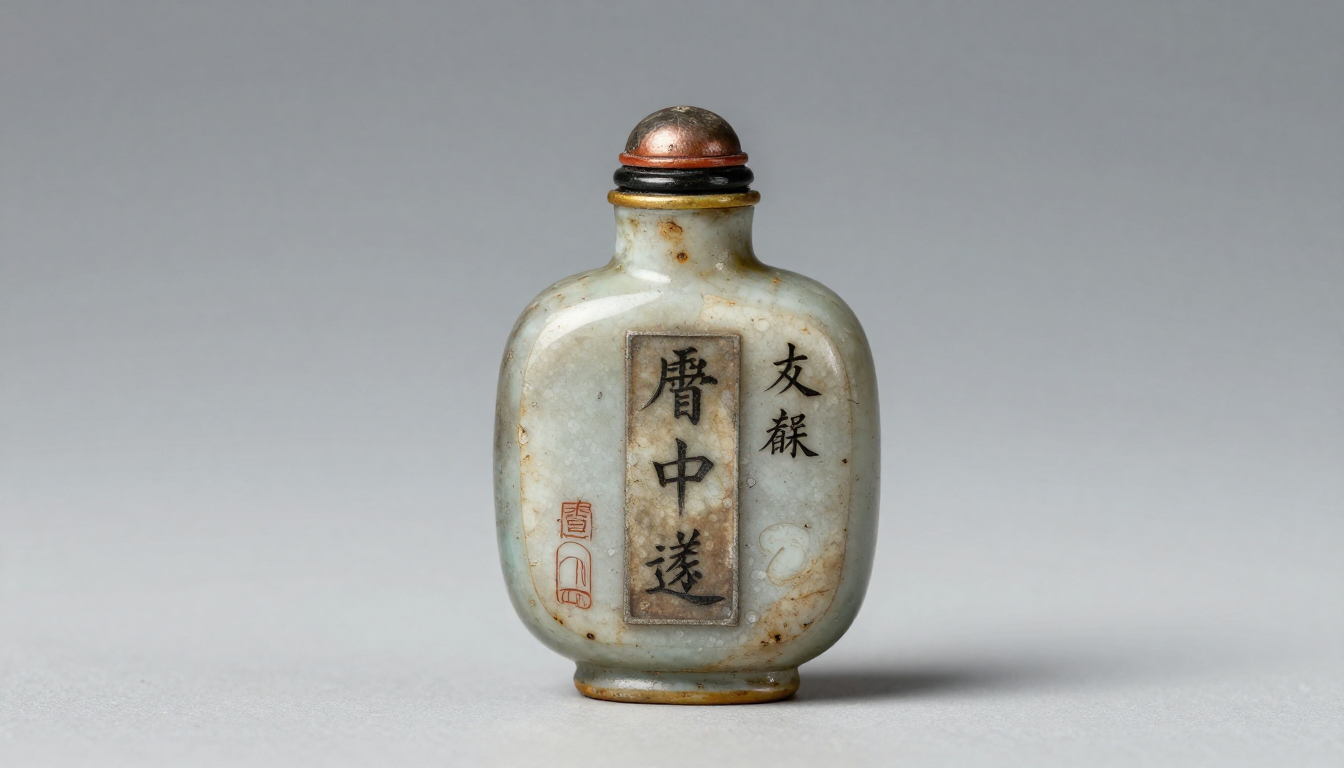
Chinese Snuff Bottles by Material: Inside-Painted, Jade, Glass and Porcelain
Read more: Chinese Snuff Bottles by Material: Inside-Painted, Jade, Glass and PorcelainAuthentic Chinese snuff bottles are identified by their specific material characteristics, meticulous craftsmanship, and signs of genuine age. Value depends on the precision of inside-painting, the quality of nephrite or jadeite, the weight of Peking glass, or the underglaze marks on antique porcelain. Genuine examples show natural wear on the foot rim and spoon-fitted stopper.…
-
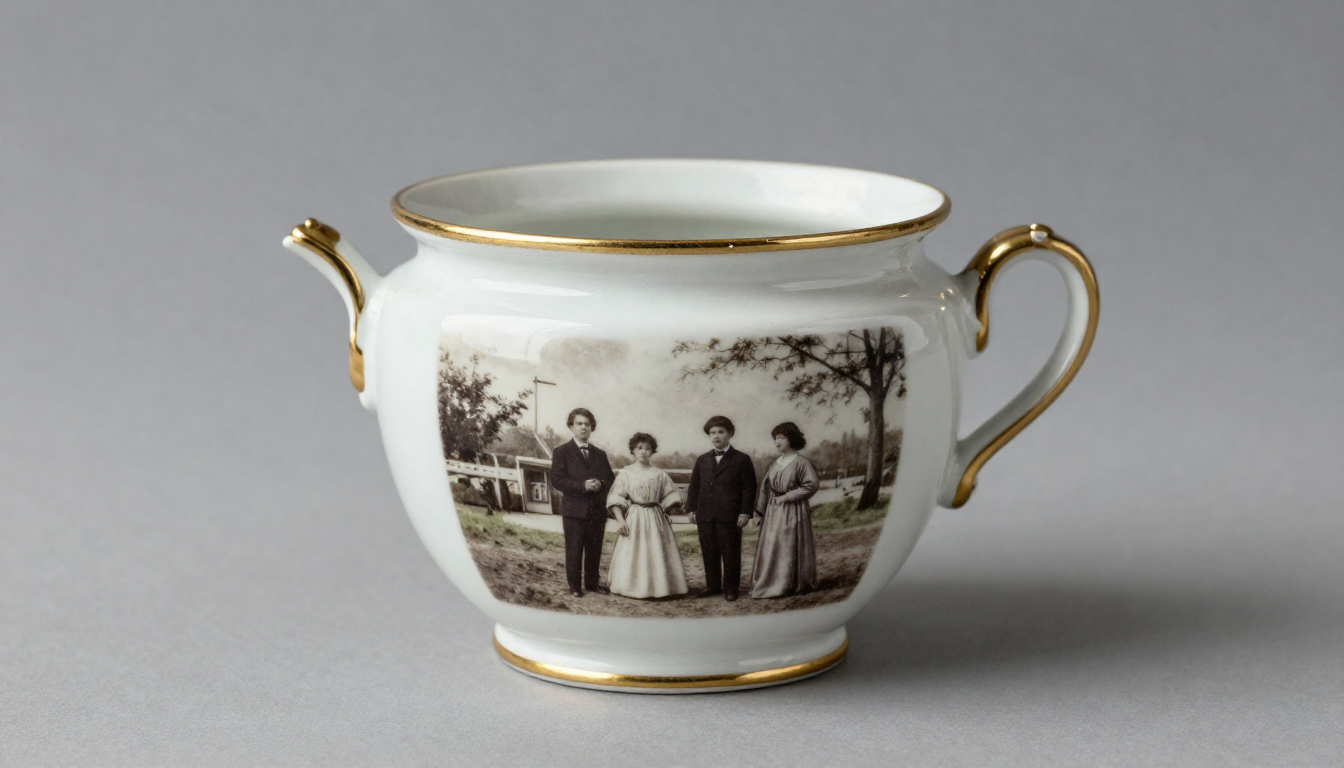
How to Identify Antique Transferware: Patterns, Makers and Current Market Values
Read more: How to Identify Antique Transferware: Patterns, Makers and Current Market ValuesAuthentic antique transferware is identified by a thin, tissue-like printed pattern applied under the glaze, commonly in blue, pink, or brown. Look for the maker’s printed mark on the base, often featuring the pattern name in a cartouche, and characteristic stilt marks from the kiln. Genuine 19th-century English pieces show slight pattern misalignments and pooling…
-
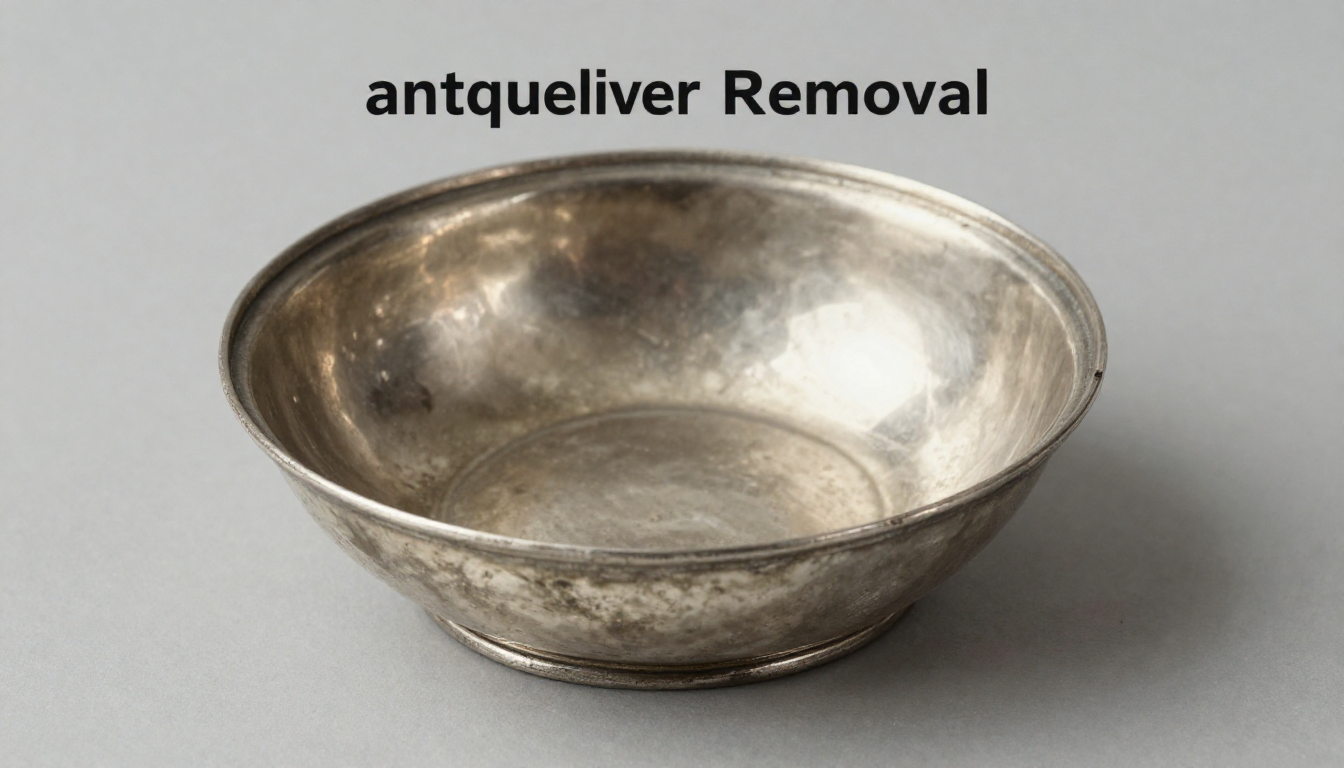
Silver Tarnish Removal: Safe Methods for Valuable Antique Pieces
Read more: Silver Tarnish Removal: Safe Methods for Valuable Antique PiecesSilver tarnish removal on valuable antiques requires avoiding abrasive commercial dips and polishes that destroy patina. Safe methods involve using a mild phosphate-free soap, specialized silver foam or paste, and a 100% cotton flannel cloth. Never use the “aluminum foil and baking soda” trick on antique pieces, as this electrolytic process strips away factory-applied oxidation…
