All About Antiques
Popular Guides
- Pewter vs Silver: 3 Simple Ways to Tell the Difference — Quick visual and magnet tests for identifying metal at home.
- Antique Marks & Signatures: Complete Identification Guide — Decode maker marks on silver, porcelain, glass and furniture.
- Best Online Antique Appraisal Sites (2026 Reviews) — Honest comparison of Mearto, WorthPoint and other appraisal services.
- Online Antique Valuation Tools for Collectors — Free digital resources to research and price your antique items.
- Antique Furniture Periods Chart (1600–1940) — Visual timeline of furniture styles with identification pictures.
-
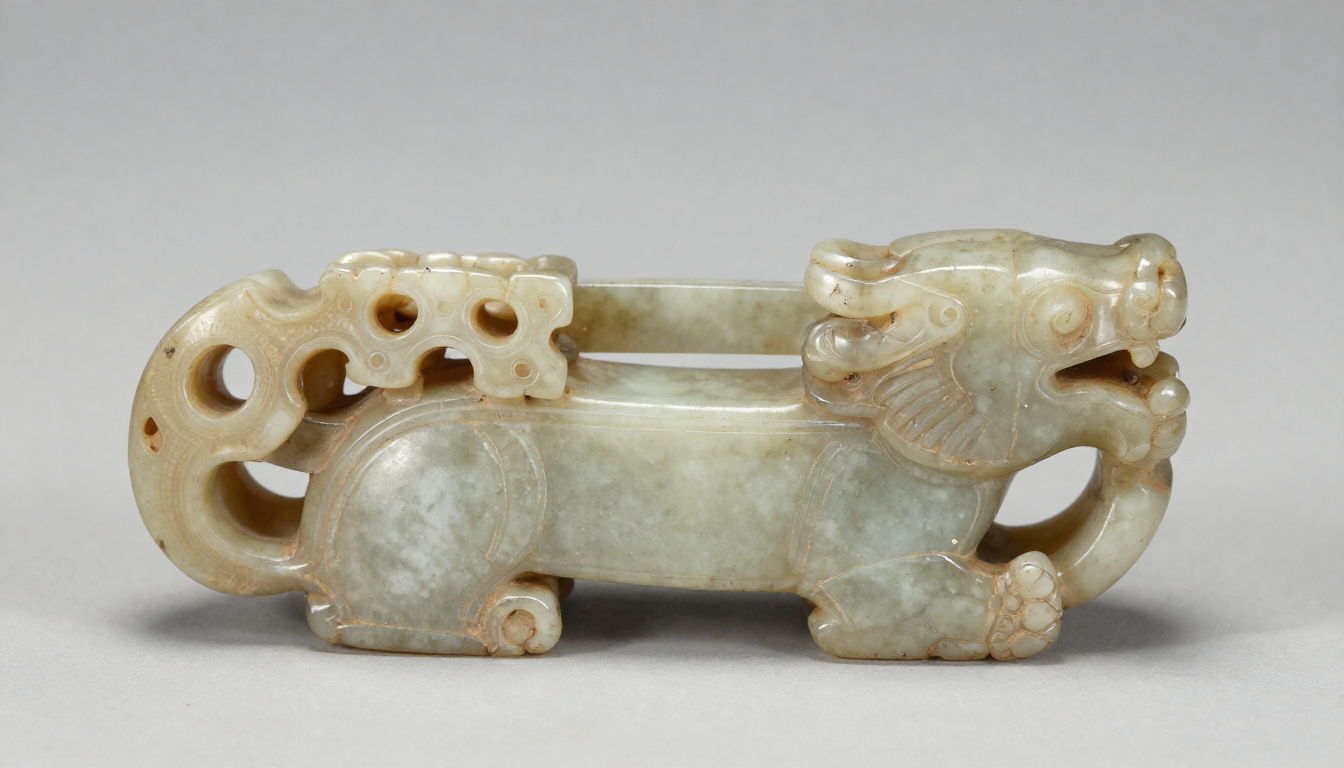
Hardstone Carvings From China: Quartz, Agate, Coral and Rock Crystal
Read more: Hardstone Carvings From China: Quartz, Agate, Coral and Rock CrystalAuthentic Chinese hardstone carvings can be identified by the material’s natural inclusions, cool temperature to the touch, and hand-polished finish. Genuine antique quartz, agate, coral, and rock crystal pieces from the Qing Dynasty (1644-1911) lack the uniform perfection of modern machine-carved fakes and often feature intricate, continuous openwork. Imagine you are at a dusty estate…
-
The 10 Most Commonly Faked Antiques and How to Spot Them
Read more: The 10 Most Commonly Faked Antiques and How to Spot ThemThe most commonly faked antiques include Tiffany lamps, Staffordshire dogs, cast iron banks, and Roseville pottery. Authentic pieces exhibit natural patina, crisp maker’s marks, and period-correct hardware, whereas modern reproductions often feature artificial aging, Phillips-head screws (invented in 1932), and sloppy paint application under blacklight inspection. Imagine you are at a dusty estate sale in…
-
Best Apps for Identifying Antique Silver in 2026: Honest Reviews
Read more: Best Apps for Identifying Antique Silver in 2026: Honest ReviewsThe best app for identifying antique silver in 2026 is the Antique Identifier app, which accurately translates complex hallmarks and assay marks into instant maker profiles and dates. While older apps struggled with tarnished sterling silver or worn coin silver, modern AI-driven tools now provide reliable baseline data for authentication and current collector market values.…
-

Chinese Jade Carvings: Archaic Shapes and What They Symbolize
Read more: Chinese Jade Carvings: Archaic Shapes and What They SymbolizeAuthentic archaic Chinese jade carvings can be identified by their distinctive shapes like the bi disc (symbolizing heaven) and the cong tube (representing earth), crafted primarily from nephrite before the 18th century. Genuine pieces exhibit natural calcification, iron staining, and traditional slow-abrasion tool marks, unlike modern reproductions using rotary tools. Imagine you are at a…
-
How to Read Japanese Signatures and Seals on Antiques
Read more: How to Read Japanese Signatures and Seals on AntiquesAuthentic Japanese antique signatures and seals (hanko) can be read from top to bottom, right to left. Genuine Edo period (1603-1867) ceramics and Meiji era (1868-1912) bronzes feature hand-carved, deeply impressed, or finely painted marks, often indicating the maker’s family name or specific kiln, avoiding perfectly uniform machine-stamped characters. Imagine you are at a dusty…
-
Why Everyone Is Searching for Silver in 2026: The Google Trends Breakdown
Read more: Why Everyone Is Searching for Silver in 2026: The Google Trends BreakdownThe massive 2026 surge in silver searches is driven by investors turning to tangible assets, a renewed collector market focus on sterling silver, and the rising scrap value of precious metals. Authentic pieces from makers like Tiffany & Co. or Paul Revere are seeing unprecedented demand, making accurate silver identification crucial. Imagine you are at…
-
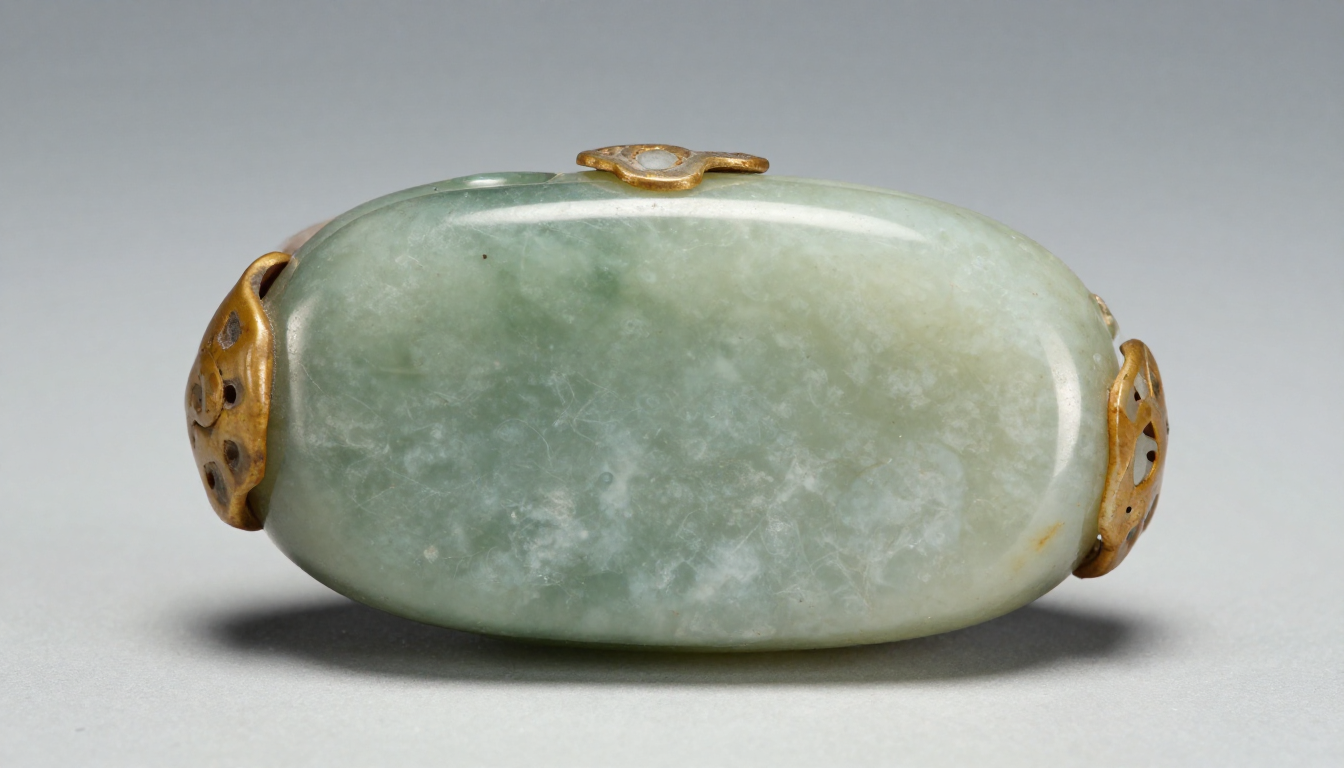
Nephrite vs Jadeite: The Single Most Important Distinction in Chinese Collecting
Read more: Nephrite vs Jadeite: The Single Most Important Distinction in Chinese CollectingAuthentic Chinese jade is classified into two distinct minerals: nephrite and jadeite. Nephrite, used in China for over 5,000 years, is a calcium magnesium silicate with a creamy, mutton-fat texture. Jadeite, introduced from Myanmar in the late 18th century, is a sodium aluminum silicate prized for its vivid, glassy emerald-green translucency. Imagine you are at…
-
Kirk Stieff and the Art of Repoussé: The Value of Hand-Wrought Silver
Read more: Kirk Stieff and the Art of Repoussé: The Value of Hand-Wrought SilverAuthentic Kirk Stieff repoussé silver can be identified by its deeply chased, high-relief floral patterns, the presence of specific maker’s marks like “S. Kirk & Son” or “Stieff,” and the sterling silver purity stamp (often “925/1000” or “Sterling”). Genuine hand-wrought pieces display slight, natural variations in the floral motifs, unlike uniform machine-stamped fakes. Imagine you…
-
Wallace Grand Baroque: History, Value & Why Collectors Love It
Read more: Wallace Grand Baroque: History, Value & Why Collectors Love ItAuthentic Wallace Grand Baroque flatware, introduced in 1941 by designer William S. Warren, can be identified by its heavy, three-dimensional sterling silver construction featuring ornate acanthus leaves and pierced floral motifs. Genuine pieces will always bear the “WALLACE STERLING” stamp, ensuring they are solid .925 silver rather than silver-plated reproductions. Imagine you are at a…
-

Gorham Chantilly: Why It’s America’s Best-Selling Silver Pattern
Read more: Gorham Chantilly: Why It’s America’s Best-Selling Silver PatternAuthentic Gorham Chantilly flatware is identified by the Gorham hallmarks (a lion, an anchor, and the letter ‘G’) alongside the word “Sterling” stamped on the back of the handle. Introduced in 1895 and designed by William C. Codman, genuine pieces feature a distinct, asymmetrical scroll design inspired by the French Rococo style of the Louis…
