All About Antiques
Popular Guides
- Pewter vs Silver: 3 Simple Ways to Tell the Difference — Quick visual and magnet tests for identifying metal at home.
- Antique Marks & Signatures: Complete Identification Guide — Decode maker marks on silver, porcelain, glass and furniture.
- Best Online Antique Appraisal Sites (2026 Reviews) — Honest comparison of Mearto, WorthPoint and other appraisal services.
- Online Antique Valuation Tools for Collectors — Free digital resources to research and price your antique items.
- Antique Furniture Periods Chart (1600–1940) — Visual timeline of furniture styles with identification pictures.
-

Victorian Genre Paintings: Scenes of Everyday Life and What They Sell For
Read more: Victorian Genre Paintings: Scenes of Everyday Life and What They Sell ForAuthentic Victorian genre paintings (from the era of Queen Victoria, 1837-1901) can be identified by their domestic narrative subject matter, meticulous attention to detail, and frequent use of mahogany panels or antique tin as a painting surface. Genuine pieces exhibit natural age craquelure and often feature labels from 19th-century London or American galleries on the…
-

Baking Soda and Aluminum Foil Silver Cleaning: Is This DIY Method Safe?
Read more: Baking Soda and Aluminum Foil Silver Cleaning: Is This DIY Method Safe?The baking soda and aluminum foil method is generally not safe for antique or highly valuable silver, as the electrochemical reaction aggressively strips the original factory patina (oxidation) that provides depth to the design. This process can cause micro-pitting, expose base metals on silver plate, and significantly reduce the fair market value of collectible pieces.…
-

How to Identify Genuine Qing Dynasty Porcelain in 5 Steps
Read more: How to Identify Genuine Qing Dynasty Porcelain in 5 StepsGenuine Qing Dynasty porcelain (1644-1911) can be identified by examining the unglazed foot rim for specific iron-rust spotting, confirming the presence of authentic reign marks (nianhao) usually written in six characters, and inspecting the glaze for a subtle “orange peel” texture. Authentic pieces feature hand-painted cobalt blue underglaze that often shows slight “heaping and piling”…
-

Japanese Okimono: Ivory, Bone and Wood Carvings Value Guide
Read more: Japanese Okimono: Ivory, Bone and Wood Carvings Value GuideAuthentic Japanese okimono carvings can be identified by the material’s weight and grain structure, the presence of an engraved artist signature (often in a red lacquer reserve), and the intricate details carved into the base. Genuine ivory shows characteristic Schreger lines (cross-hatching) under magnification, while bone exhibits tiny black pits (Haversian canals), and wood pieces…
-
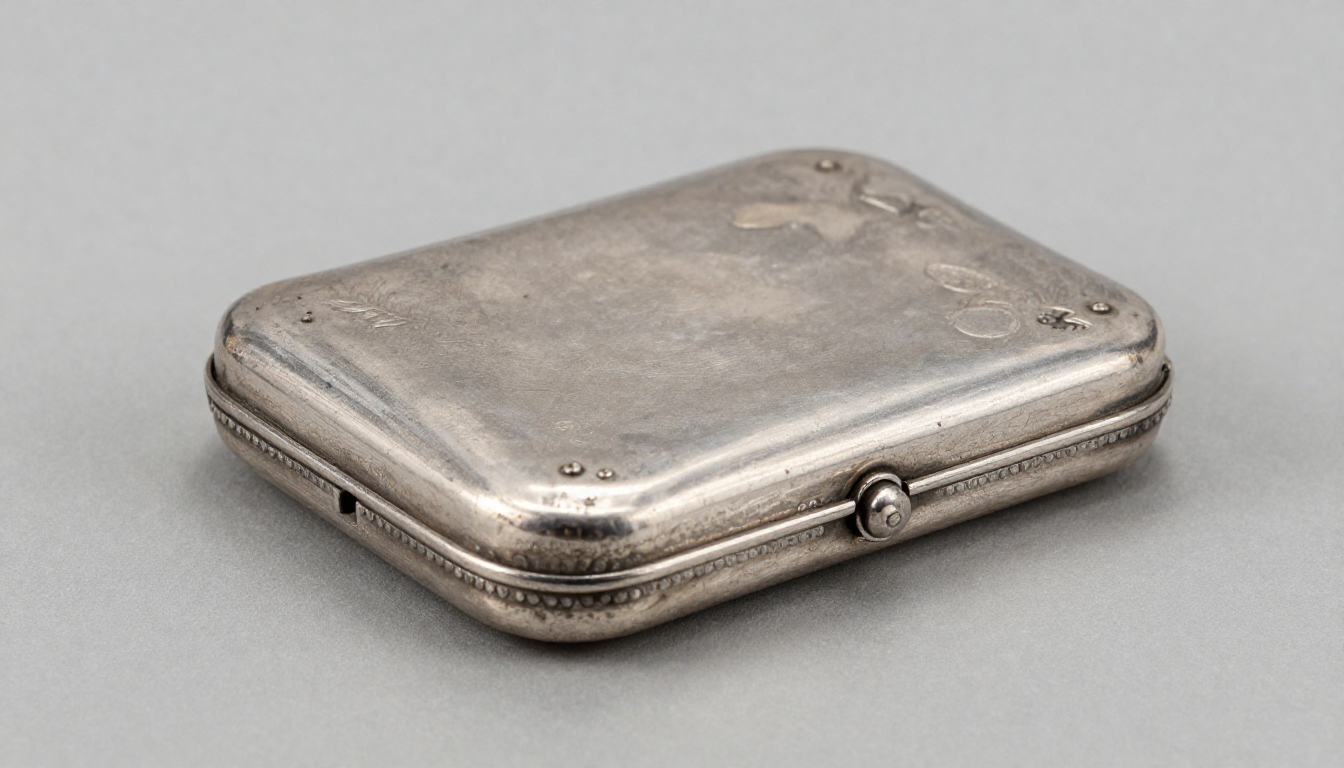
Silver Cigarette Cases & Accessories: The Elegance of a Forgotten Era
Read more: Silver Cigarette Cases & Accessories: The Elegance of a Forgotten EraAuthentic antique silver cigarette cases are identified by verifying the sterling silver or coin silver purity marks (like “925” or the Lion Passant), inspecting the maker’s mark (such as Tiffany & Co. or Gorham), and checking the hinge and clasp mechanisms. Genuine early 20th-century pieces feature crisp engine-turned engraving and lack modern casting seams. Imagine…
-
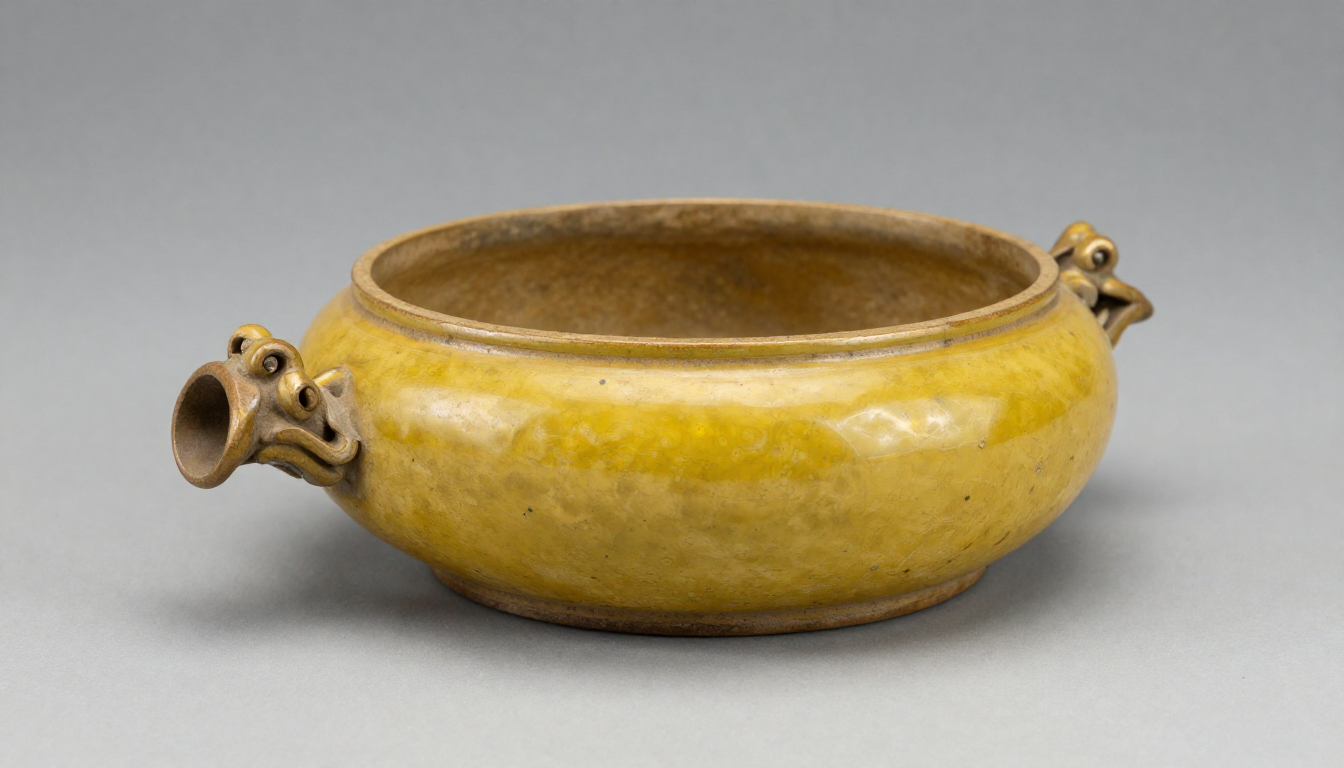
Qing Dynasty Imperial Yellow: The Color Only the Emperor Could Own
Read more: Qing Dynasty Imperial Yellow: The Color Only the Emperor Could OwnAuthentic Qing Dynasty Imperial Yellow porcelain can be identified by its distinctive, slightly iridescent egg-yolk hue derived from iron antimoniate. Genuine pieces produced exclusively for the Emperor between 1644 and 1912 feature a flawless, even glaze, precise reign marks on the base, and lack modern crazing or heavy pooling. Imagine you are at a dusty…
-
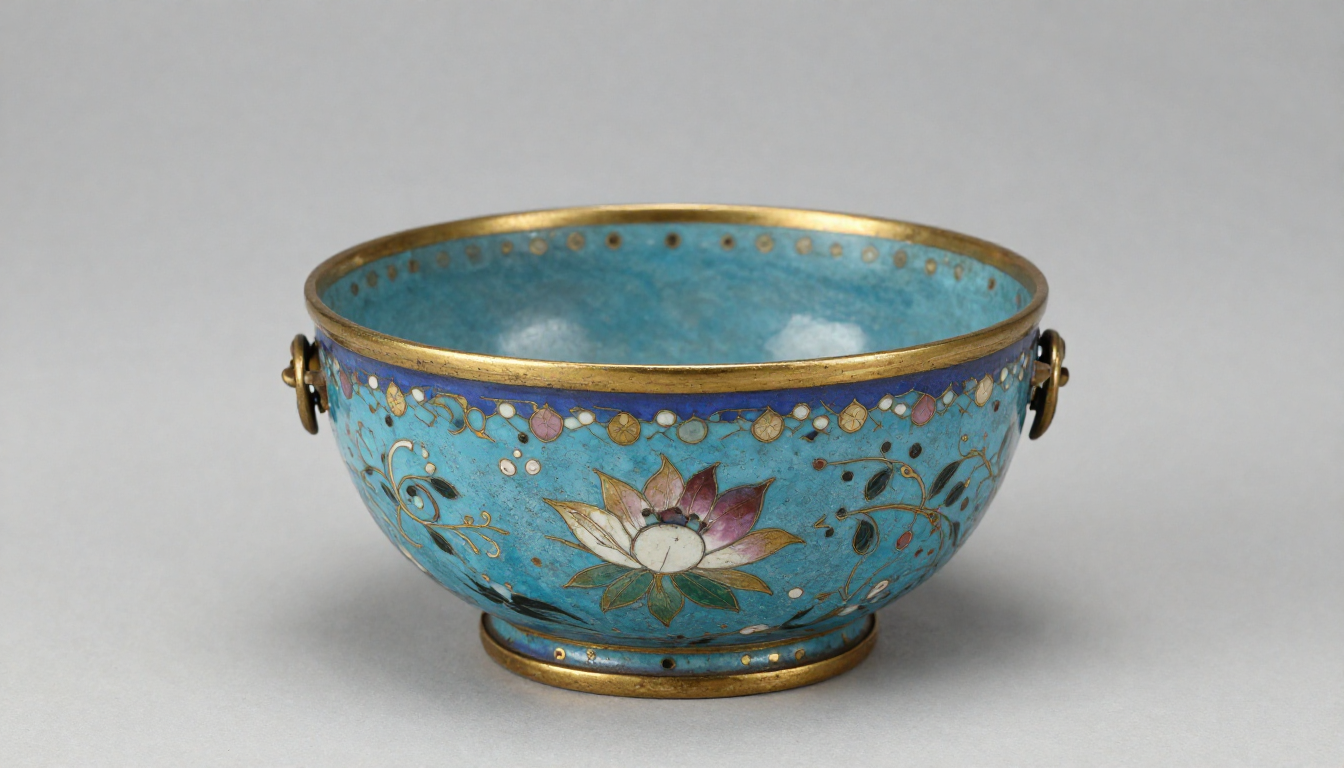
Japanese Cloisonné Enamel: Identifying Quality and Period
Read more: Japanese Cloisonné Enamel: Identifying Quality and PeriodAuthentic Japanese cloisonné enamel from the Golden Age (1880–1910) is identified by razor-thin, often invisible wirework (musen), flawlessly smooth polished surfaces, and intricate, nature-inspired motifs. High-quality pieces feature heavy copper or silver bodies, deep, rich enamel colors without pitting, and frequently bear the maker’s mark of masters like Namikawa Yasuyuki or Ando Jubei on the…
-
Sustainable Luxury: Why You Should Buy Antique Silver Instead of New
Read more: Sustainable Luxury: Why You Should Buy Antique Silver Instead of NewAntique silver represents true sustainable luxury because it requires zero new mining, holds its intrinsic material value, and boasts superior historic craftsmanship. Choosing antique sterling silver over modern production eliminates the massive carbon footprint of contemporary silver extraction while securing an asset that typically appreciates in the collector market when properly authenticated. Imagine you are…
-
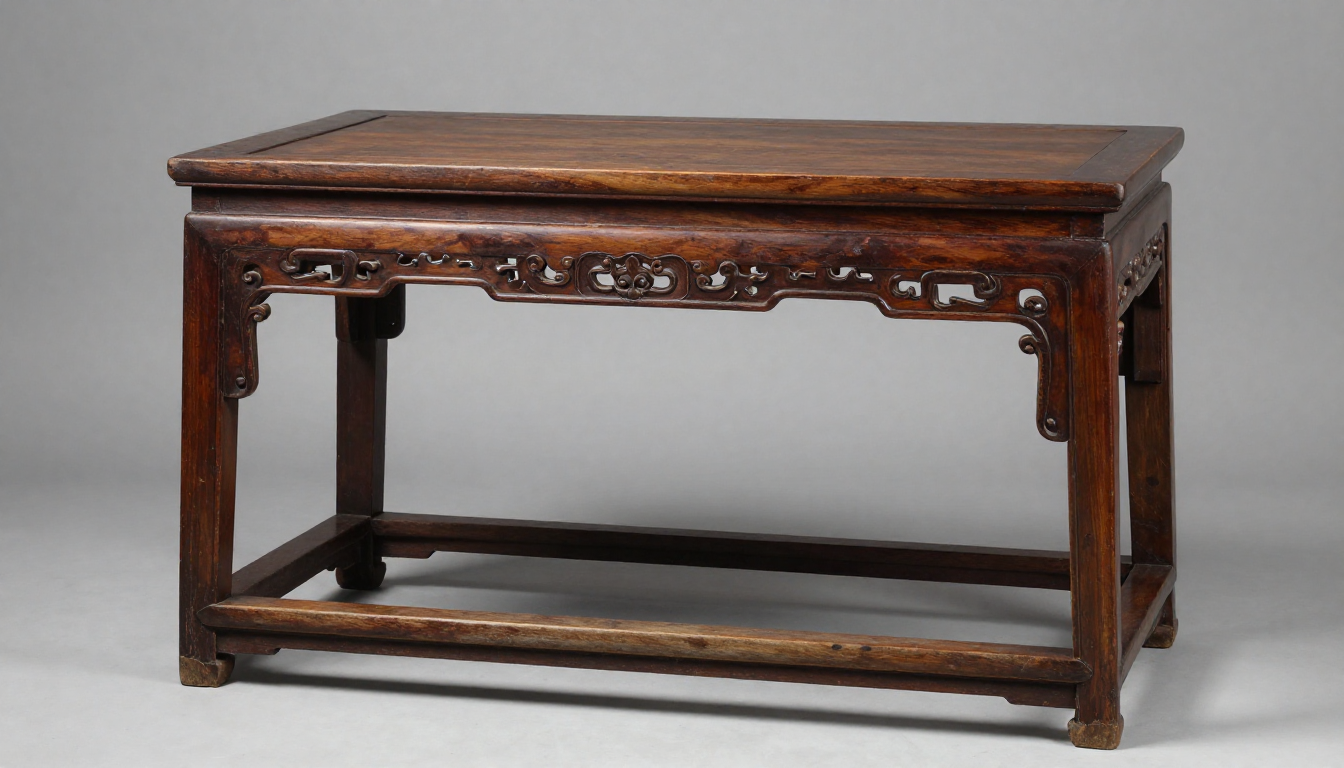
Ming Dynasty Furniture and Decorative Arts: The Collector’s Entry Guide
Read more: Ming Dynasty Furniture and Decorative Arts: The Collector’s Entry GuideAuthentic Ming Dynasty furniture (1368–1644) is characterized by its clean, unadorned lines, precision mortise-tenon joinery without nails, and the use of dense hardwoods like huanghuali and zitan. Genuine pieces exhibit natural patina, hand-carved details, and a seamless flow of wood grain that modern reproductions cannot easily replicate. Imagine you are at a dusty estate sale…
-
Building an Antique Collection on a Budget: Categories With the Best Entry Points
Read more: Building an Antique Collection on a Budget: Categories With the Best Entry PointsStarting an antique collection on a budget is highly achievable by focusing on undervalued categories like mid-19th-century pressed glass, early 20th-century postcards, and Victorian silverplate. Look for pieces with clear maker’s marks, minor wear rather than structural damage, and items produced in high volumes between 1880 and 1930 for the best entry-level fair market value.…
