
All About Antiques
Antique identification, valuation, and collecting reference.
Popular Guides
Free Online Antique Appraisal (2026)
Ten free options compared, plus a scanner on the page that values your piece from one photo.
Antique Marks & Signatures: Complete Identification Guide
Complete guide to decoding maker marks on silver, porcelain, glass and furniture.
Is Antique Snap Legit? An Honest 2026 Review
What the app gets right, what it misses, and the complaints users actually make.
Best Antique Identifier Apps 2026: Head-to-Head Comparison
5 apps tested side-by-side for accuracy, speed and features.
Noritake China Patterns: Identification and Value
Read the backstamp, name the pattern, and see what collectors pay.
Online Antique Valuation Tools for Collectors
Free digital resources to research and price your antique items.
-
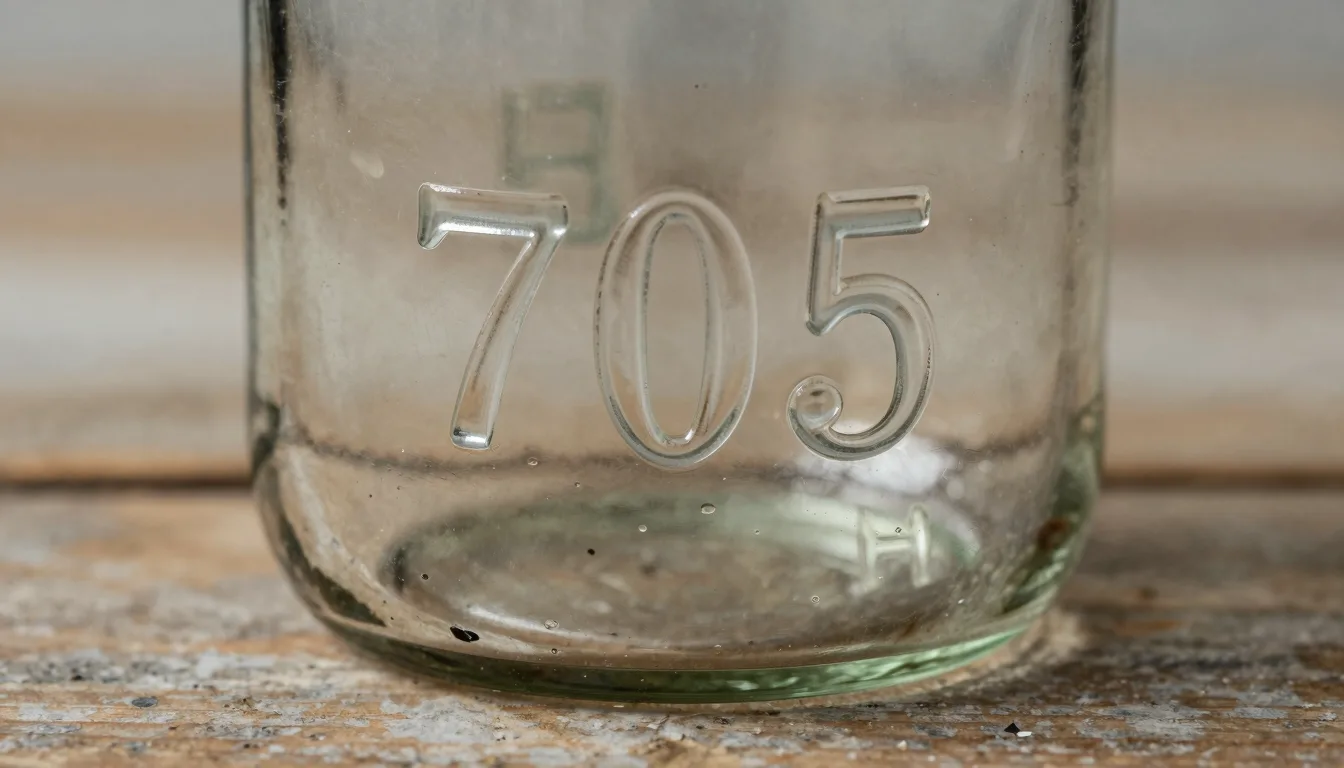
Ball Mason Jar Mold Numbers: What 705, A7, and H Really Mean
Read more: Ball Mason Jar Mold Numbers: What 705, A7, and H Really MeanBall Mason jar mold numbers like 705, A7, and H identify the specific mold used during production — not the year the jar was made. Collectors often confuse these codes for date stamps, but they’re factory production markers. Understanding what they actually mean can change how you read, date, and value your jars.
-
Is Antique Snap legit? An honest 2026 review with complaints
Read more: Is Antique Snap legit? An honest 2026 review with complaintsAntique Snap is a mixed bag. The AI photo recognition works for common marks, but pricing data and accuracy fall short of serious collectors’ needs. I ran it through real-world tests on Georgian silver, Meissen porcelain, and Victorian furniture — here’s exactly what I found in 2026.
-
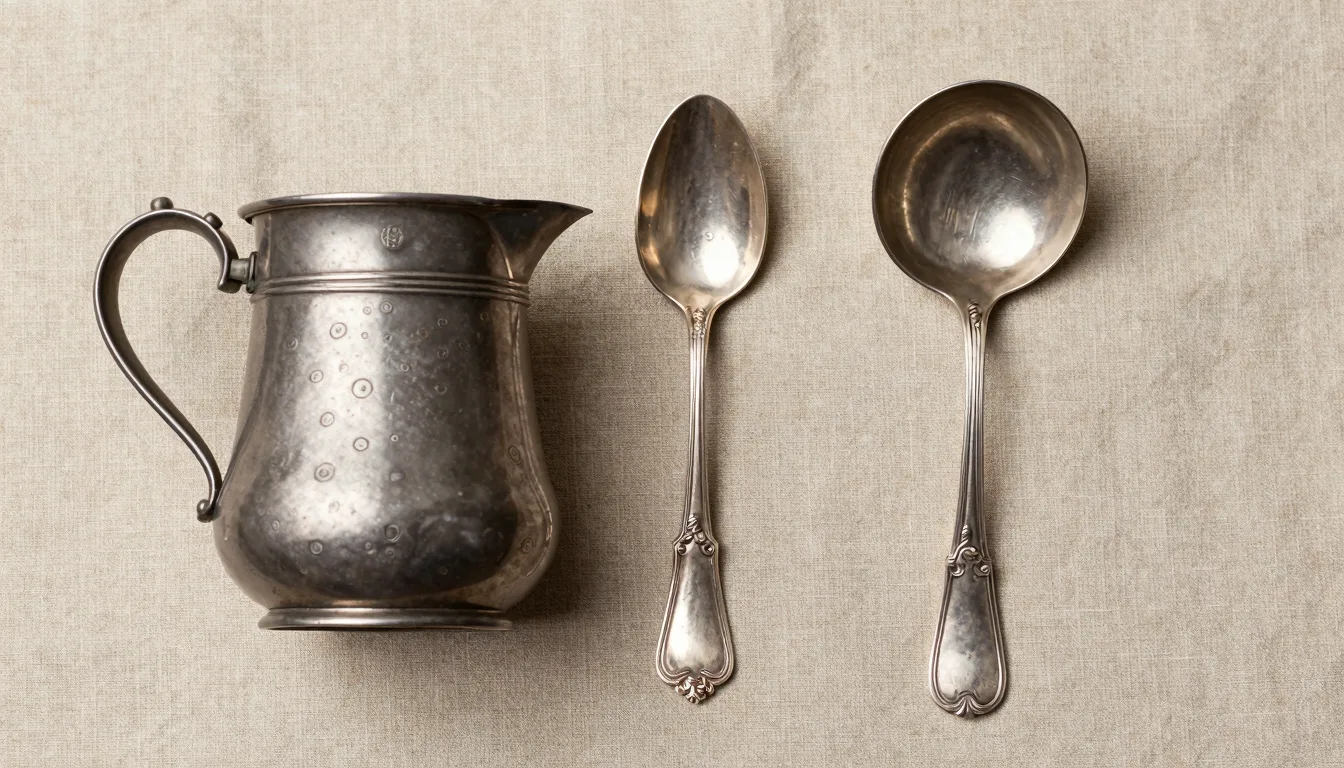
Pewter vs silver vs sterling: the complete visual comparison guide
Read more: Pewter vs silver vs sterling: the complete visual comparison guideThe difference between pewter, silver, and sterling is visible, testable, and stamped right on the piece. Pewter is a dull tin alloy with no hallmarks. Silver is a broad term covering everything from electroplate to coin silver. Sterling is a legally defined standard — 92.5% pure silver — and it always carries marks. Once you…
-
Google Lens vs Antique Identifier App: Which Is Better for Identifying Antiques?
Read more: Google Lens vs Antique Identifier App: Which Is Better for Identifying Antiques?Google Lens is a capable starting point, but Antique Identifier App wins on hallmarks, period dating, and value estimates for serious collectors. Google Lens casts a wide net across the entire internet. Antique Identifier App was built specifically for the nuances of maker marks, porcelain stamps, and furniture periods.
-

Antique Folk Art Paintings: How to Identify Naive Style and Values
Read more: Antique Folk Art Paintings: How to Identify Naive Style and ValuesAntique folk art paintings: how to identify naive style, spot valuable artists, and understand today’s market prices.
-

How to Tell If a Coin Is Silver or Plated
Read more: How to Tell If a Coin Is Silver or PlatedA coin is silver if it rings, ignores a magnet, weighs to spec, and shows no copper on worn high points. Weight tables, silver years by date, fake pennies.
-

Yixing Teapots: Identification, Clay Types, and Value
Read more: Yixing Teapots: Identification, Clay Types, and ValueYixing teapots: how to identify genuine purple-clay (zisha) pots, read maker’s seals, and understand their value.
-

Antique Cameos: Shell vs Stone and How to Tell Quality
Read more: Antique Cameos: Shell vs Stone and How to Tell QualityTo tell a high-quality antique cameo, hold it to the light to check the material. Shell cameos are semi-transparent and warm to the touch, while hardstone cameos (like agate) are opaque, heavy, and cold. True value lies in the crispness of the carving, the subject’s rarity, and the piece’s condition. Imagine you are at a…
-

Caribbean Colonial Coins: A Guide to West Indies Numismatics
Read more: Caribbean Colonial Coins: A Guide to West Indies NumismaticsCaribbean colonial coins can be identified by their issuing authority markings, countermarks, and mint signatures stamped between roughly 1600 and 1900. Genuine West Indies coinage typically shows a colonial power’s cipher or crown punch, a host coin’s original design beneath any countermark, and metal composition consistent with copper, silver, or gold of the period. Spanish,…
-

Chinese Reign Marks: Kangxi to Guangxu
Read more: Chinese Reign Marks: Kangxi to GuangxuChinese reign marks explained: how to read six-character Kangxi, Yongzheng, Qianlong and Guangxu (大清光绪年造) marks, plus a chart of all nine Qing reigns.


