
All About Antiques
Antique identification, valuation, and collecting reference.
Popular Guides
Free Online Antique Appraisal (2026)
Ten free options compared, plus a scanner on the page that values your piece from one photo.
Antique Marks & Signatures: Complete Identification Guide
Complete guide to decoding maker marks on silver, porcelain, glass and furniture.
Is Antique Snap Legit? An Honest 2026 Review
What the app gets right, what it misses, and the complaints users actually make.
Best Antique Identifier Apps 2026: Head-to-Head Comparison
5 apps tested side-by-side for accuracy, speed and features.
Noritake China Patterns: Identification and Value
Read the backstamp, name the pattern, and see what collectors pay.
Online Antique Valuation Tools for Collectors
Free digital resources to research and price your antique items.
-
Royal Doulton Identification: How to Read Date Codes on Pottery
Read more: Royal Doulton Identification: How to Read Date Codes on PotteryRoyal Doulton identification relies heavily on analyzing the backstamp. The famous “Lion over Crown” mark appears after 1902. For accurate dating between 1928 and 1954, look for a small number near the crown and add it to the year 1927. Earlier Doulton Lambeth wares often use impressed artist initials for attribution. How do I identify…
-

How Much is a 1920s Vanity Worth? Valuation Factors Revealed
Read more: How Much is a 1920s Vanity Worth? Valuation Factors RevealedDiscover what determines a 1920s vanity’s value. From wood type to hardware style, learn key factors that affect pricing from $200 to $3,000+.
-
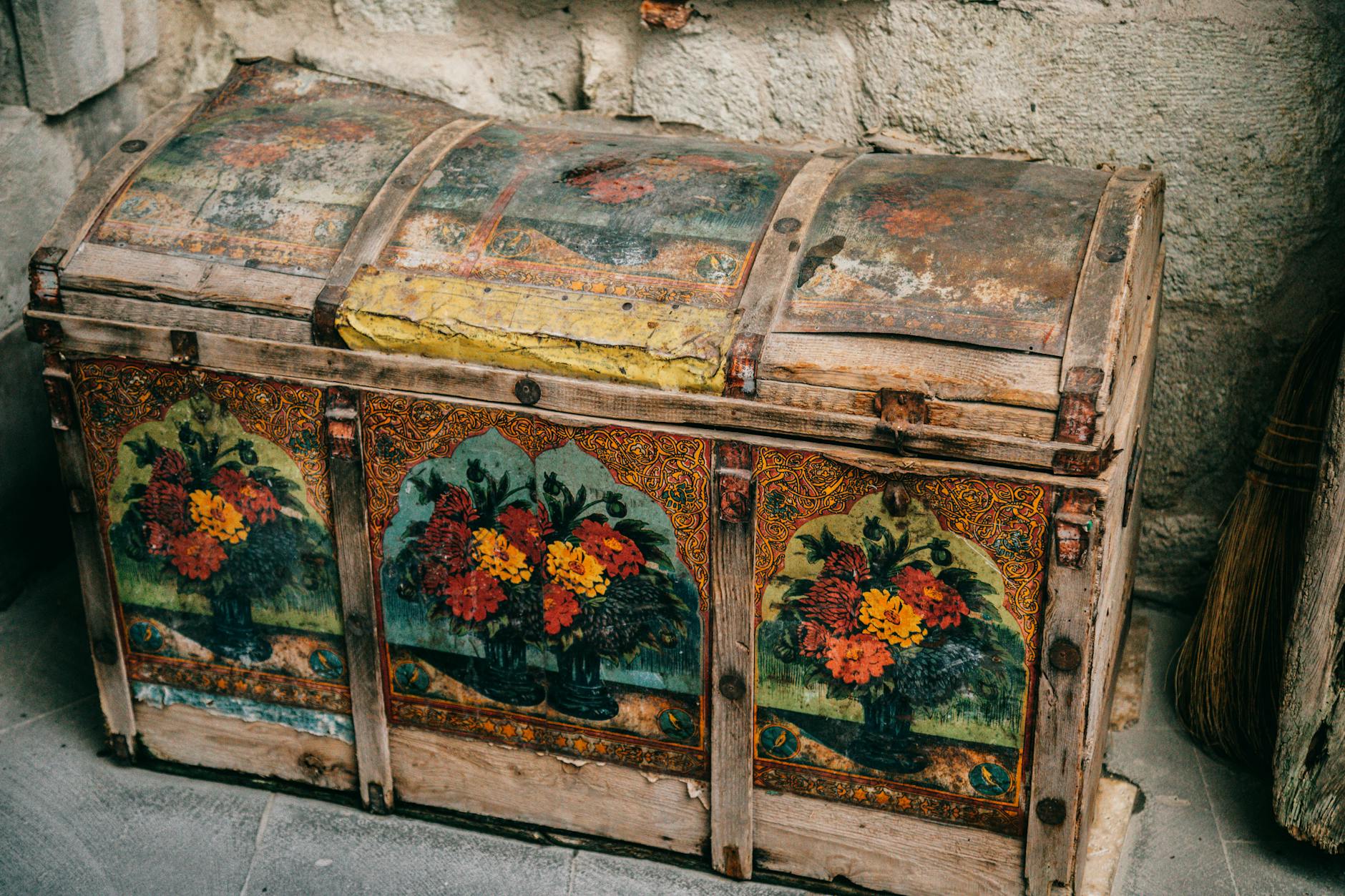
Identifying Antique Trunks and Chests: Steamer vs. Jenny Lind Styles
Read more: Identifying Antique Trunks and Chests: Steamer vs. Jenny Lind StylesIdentifying antique trunks and chests: steamer vs Jenny Lind styles, makers, hardware clues, and what they sell for.
-
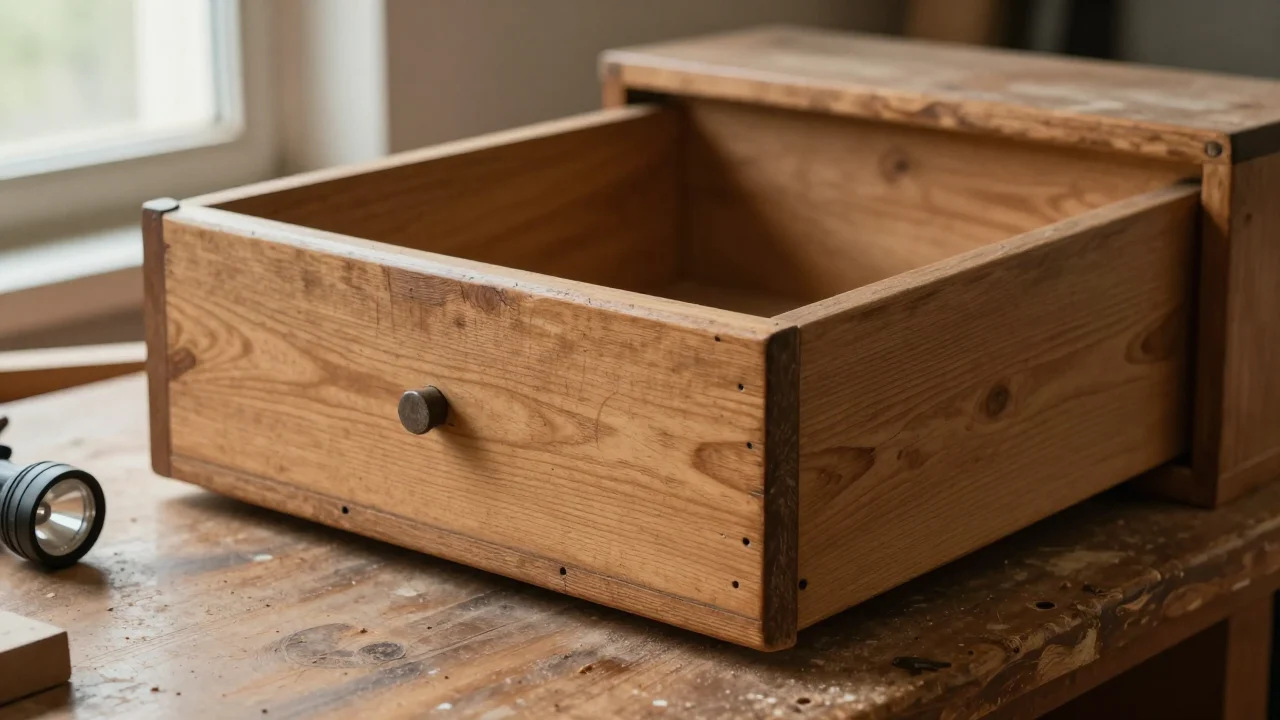
The “Maker’s Mark” on Furniture: Where to Look and What It Means
Read more: The “Maker’s Mark” on Furniture: Where to Look and What It MeansFurniture maker’s marks usually hide inside drawers, on back boards or under seat rails; a label, brand or stamp names a maker only if the construction agrees.
-

Identifying Antique Settees and Sofas: A Period-by-Period Breakdown
Read more: Identifying Antique Settees and Sofas: A Period-by-Period BreakdownIdentify antique settees and sofas by period, from Queen Anne to Art Deco. Learn distinctive features, upholstery clues, and valuation factors.
-
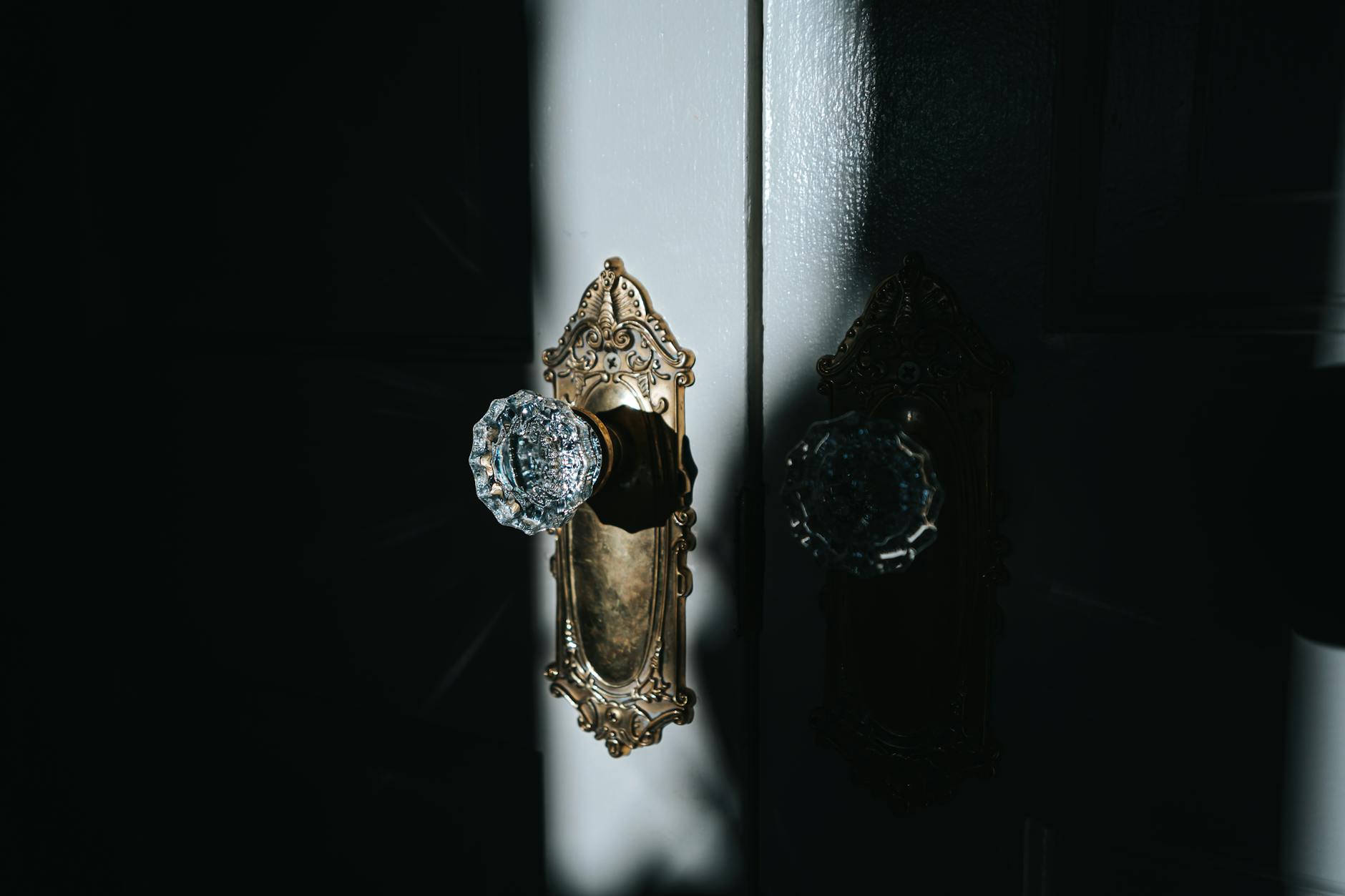
The Secret Language of Furniture Hardware: Dating Knobs and Pulls
Read more: The Secret Language of Furniture Hardware: Dating Knobs and PullsDate antique furniture by its hardware. Guide to identifying knobs, pulls, and hinges from the 1700s through early 1900s with photo examples.
-
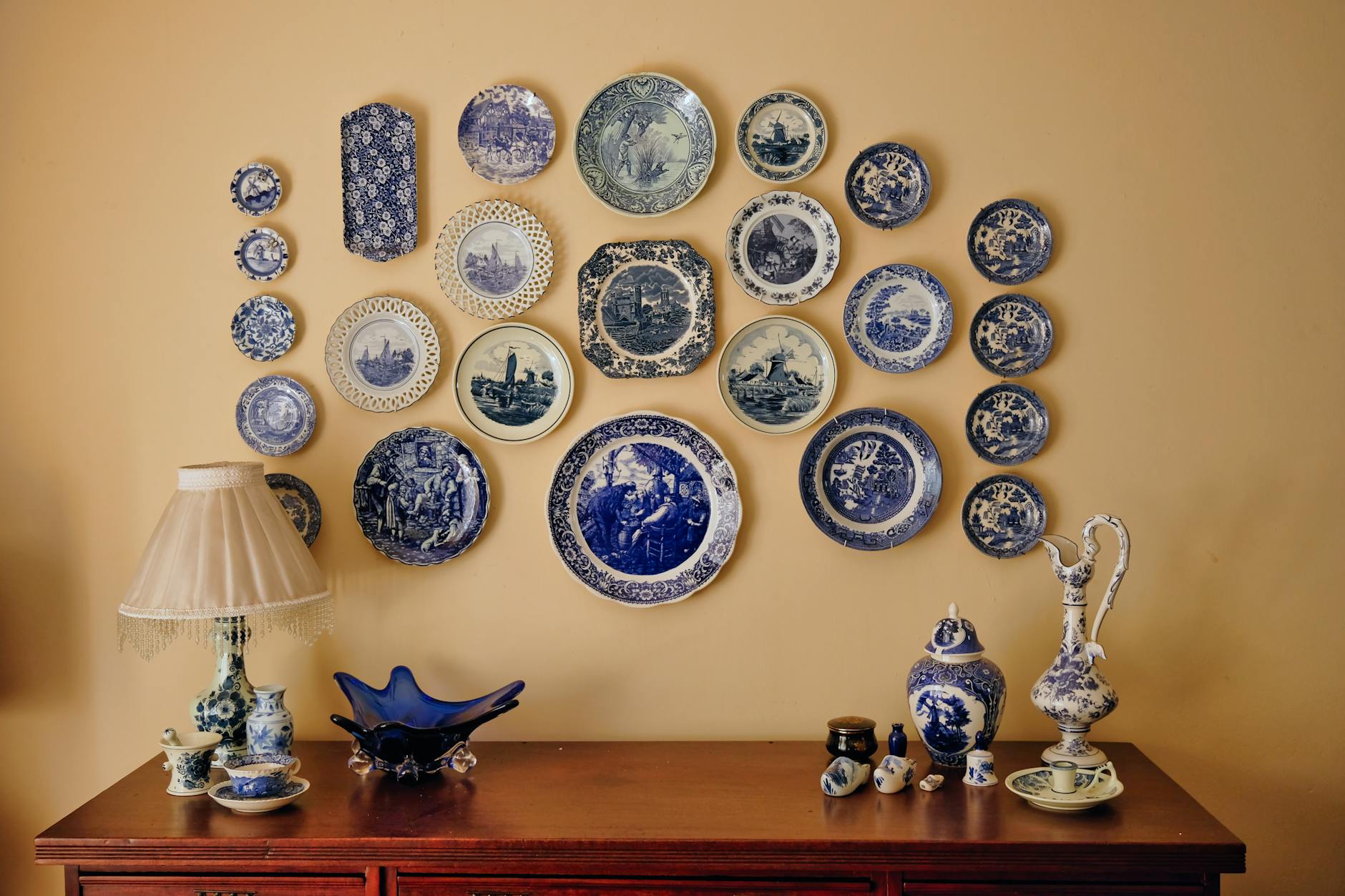
The 1800s Dresser Identification Guide: Dovetail Joints vs. Nails
Read more: The 1800s Dresser Identification Guide: Dovetail Joints vs. NailsIdentify 1800s dressers using dovetail joints and nail types. Hand-cut vs. machine-made joinery reveals age, origin, and authenticity at a glance.
-
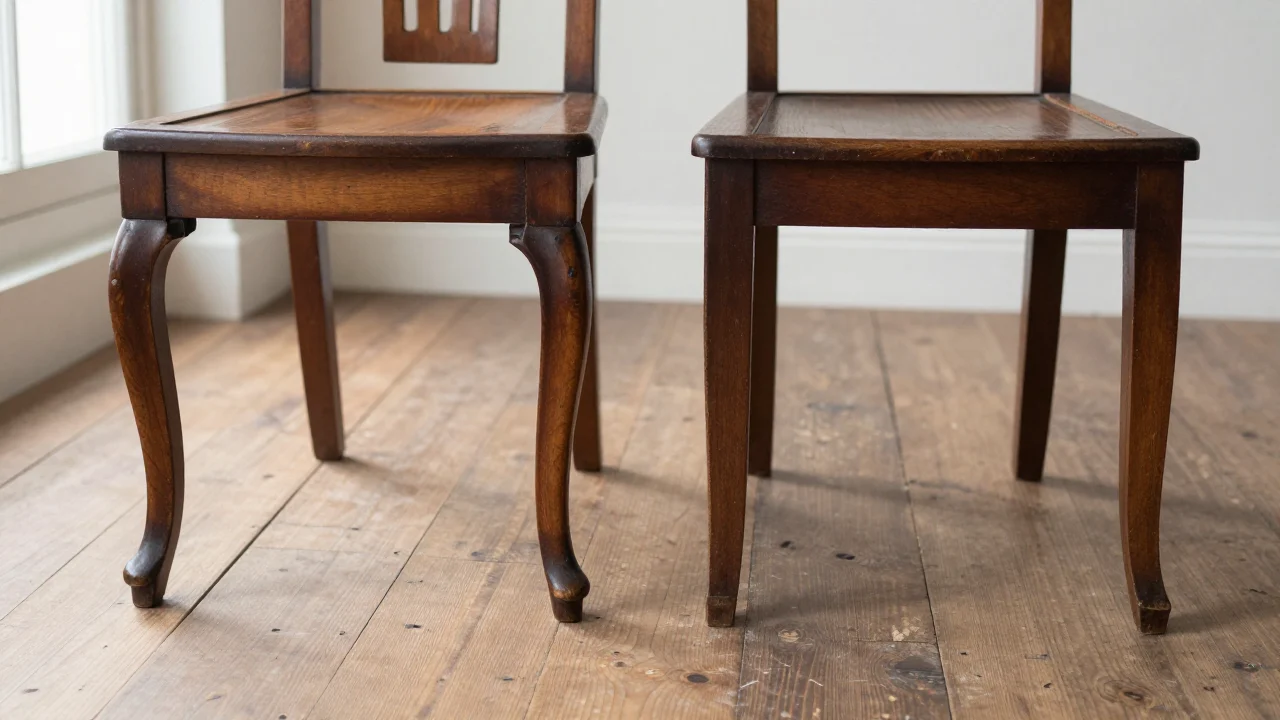
How to Date an Antique Chair by Its Leg Style (Visual Guide)
Read more: How to Date an Antique Chair by Its Leg Style (Visual Guide)To date an antique chair, read the leg and foot style first, then check the joinery and wear under the seat; style alone gives a range of decades.
-
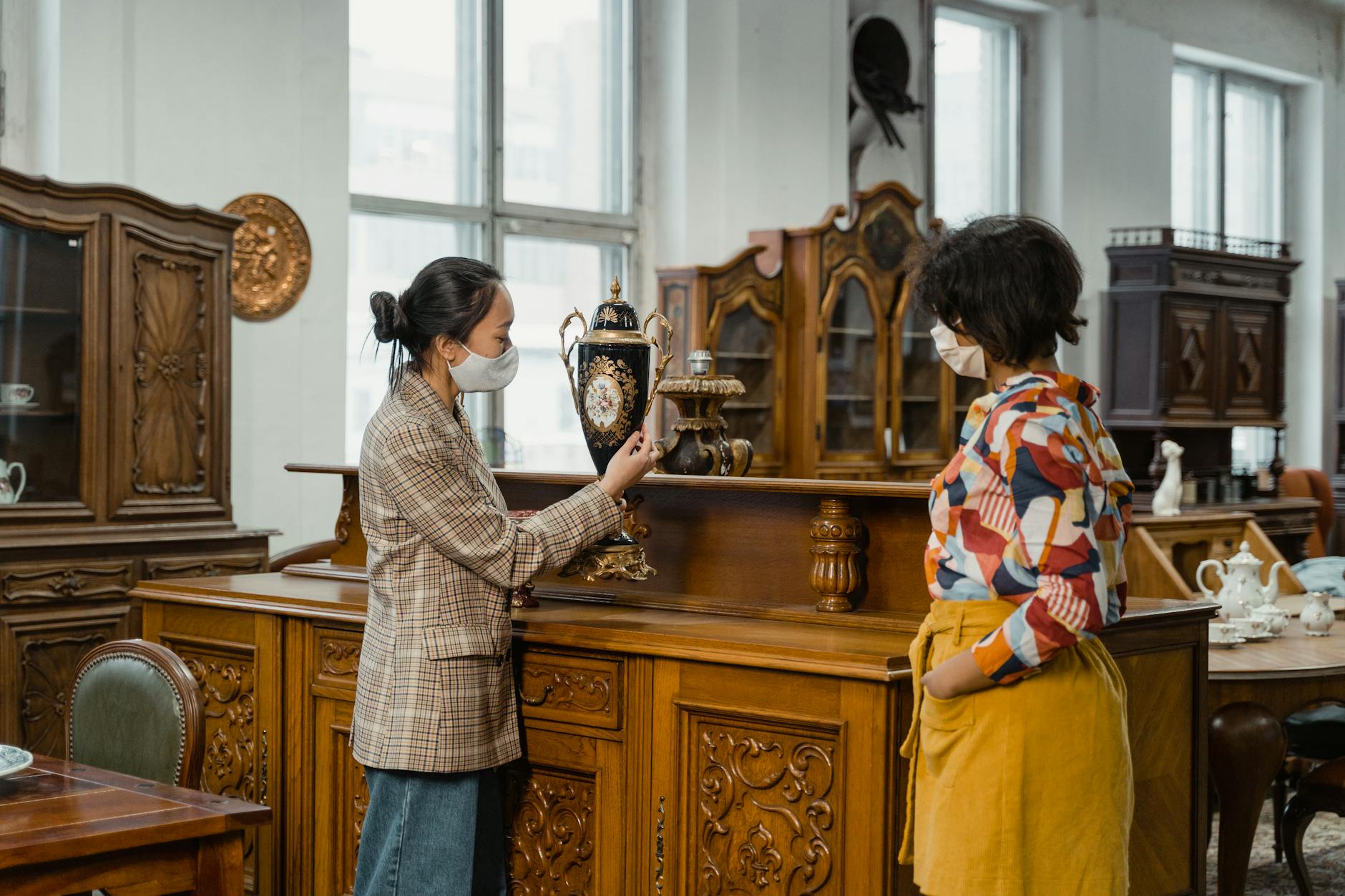
Identifying Duncan Phyfe Furniture: 5 Marks of Authenticity
Read more: Identifying Duncan Phyfe Furniture: 5 Marks of AuthenticityFive key marks of authentic Duncan Phyfe furniture. Learn to identify genuine pieces by construction, proportions, and distinctive design features.
-
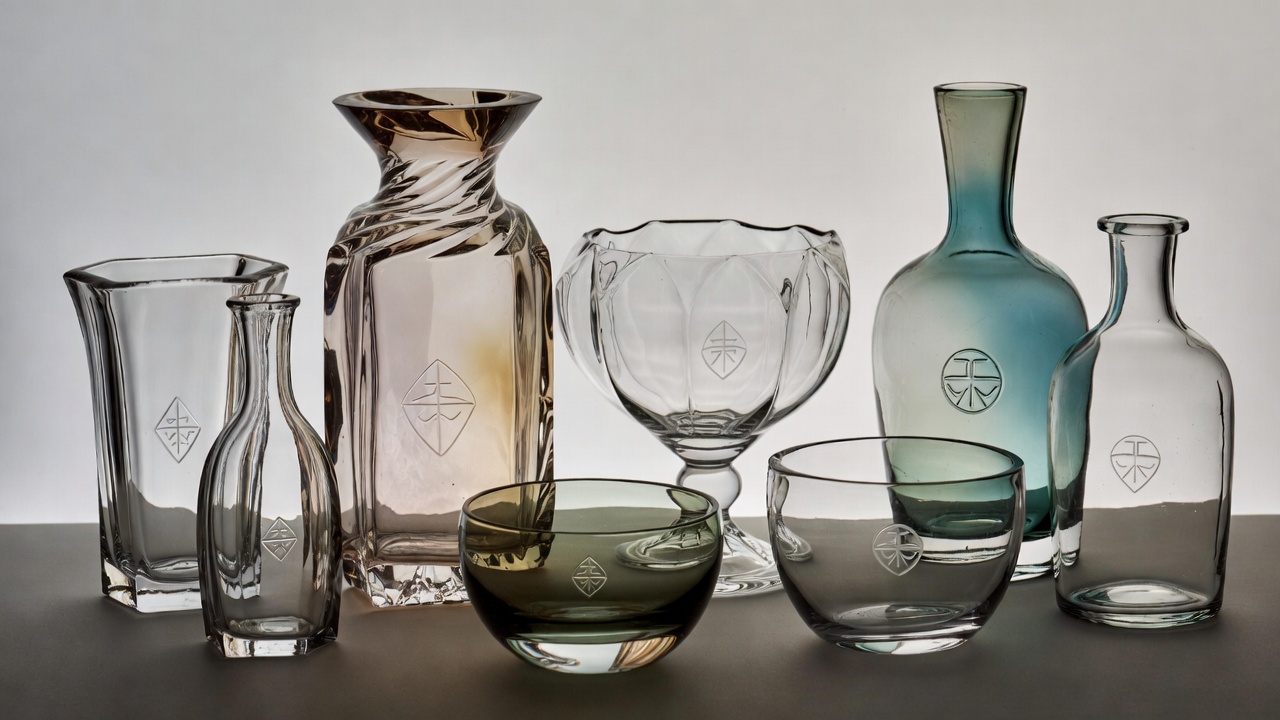
Antique Glass Marks: How to Identify Valuable Art Glass & Glassware
Read more: Antique Glass Marks: How to Identify Valuable Art Glass & GlasswareIdentify valuable antique glass by maker’s marks, patterns, and colors. Complete guide to art glass markings from Tiffany, Fenton, and more.


