Tag: antique-market

  • Antique value calculator: how experts estimate a price range

    Antique value calculator: how experts estimate a price range

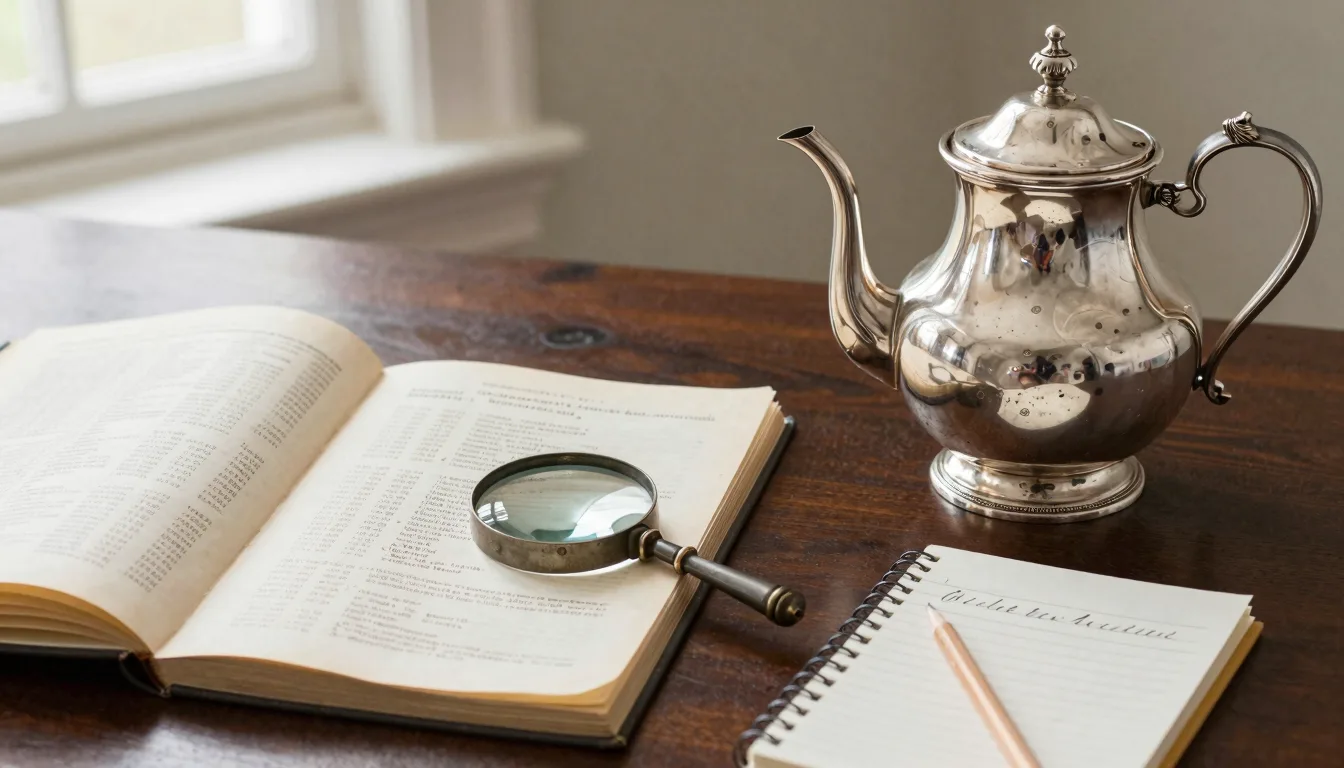
    An antique value calculator estimates price by combining maker marks, condition, rarity, and recent auction comps within a 15-20% market range. Experts call this triangulation. The math is less mysterious than auction houses make it sound.

    AS
    Arthur Sterling
    Antique Identifier Editorial · May 16, 2026

    What an antique value calculator actually does

    An antique value calculator is a structured framework, not a magic black box. It takes inputs you provide — maker, age, condition, provenance — and cross-references them against sold-price databases.

    The output is a range, not a single number. Any seasoned collector knows that the same Wedgwood jasperware can sell for $180 at a regional auction and $420 at a London specialist sale six weeks later.

    Serious calculators pull data from auction archives, dealer listings, and recent estate sales. Free tools usually scrape one or two sources. Paid services like Kovel’s and WorthPoint aggregate millions of sold lots going back decades.

    The calculator’s job is to give you a defensible starting point. It will not replace handling the piece, smelling the wood, or feeling the weight of the silver. Those tactile checks still belong to the human expert.

    The five factors experts weigh every time

    Professional appraisers run every piece through five filters before quoting a range. Skip one and your number drifts 30% in either direction.

    1. Maker and mark. A signed piece by a known maker can multiply value by 5x to 50x compared to an anonymous equivalent. Identifying marks is foundational work — our antique marks and signatures guide walks through the major reference systems.

    2. Age and period. Georgian, Victorian, Edwardian, Art Deco — each period carries its own market premium. A genuine 1780 piece commands far more than a 1890 revival of the same form.

    3. Condition. This is where most amateur estimates collapse. A hairline crack in porcelain can shave 60% off value. A repolished silver tray loses its patina and often half its appeal.

    4. Rarity. How many comparable pieces sold in the last 24 months? Three? Thirty? Three hundred? Scarcity drives the upper bound of your range.

    5. Provenance. Documented ownership history adds measurable value. A teapot owned by a senator beats an identical anonymous teapot every time. Photos, bills of sale, and estate documents all count.

    How to find auction comps that actually match

    Comparable sales — comps — are the backbone of any honest valuation. The trick is knowing what counts as truly comparable.

    A proper comp matches your piece on maker, period, form, size, and condition grade. Close-but-not-quite comps still help, but you adjust the price up or down based on the differences.

    Museum collections are useful for identification, not pricing. The Metropolitan Museum of Art and Victoria & Albert Museum databases let you confirm a maker or form. Then you pivot to auction archives for the dollar figures.

    Comp sourceStrengthWeakness
    Live auction archivesReal sold prices with buyer premiumSubscription often required
    eBay sold listingsFree, high volume, recentSkews low, full of misattributions
    Dealer asking pricesShows retail ceilingAsking ≠ selling, often inflated 2-3x
    Estate sale recordsHonest local market dataPatchy coverage, regional bias
    Insurance appraisalsHigh-end replacement valuesNot what you’d actually realize selling

    Pull at least five comps from the last 18-24 months. Older data drifts as tastes shift. Mid-century modern values doubled between 2018 and 2023 — using a 2017 comp today would lowball you badly.

    Not sure what you’ve got?

    Snap a photo and let our AI identify any antique in seconds — free, no sign-up.

    Identify on iPhone → Learn More

    Condition grading: where most calculators fail

    Most online calculators ask you to self-report condition as “good, very good, excellent.” Those words are nearly meaningless without a standard.

    Professional graders use a tighter scale. Mint means unused, original finish, no wear. Excellent allows minor surface marks consistent with age. Good means visible wear, all parts original. Fair signals repairs, replacements, or damage.

    The gap between excellent and good can be 40% of value on a single piece. Calculators that lump them together produce useless ranges.

    Look for the honest tells: repolished silver shows blurred hallmarks under a loupe. Replaced veneer on furniture catches the light differently. Restored porcelain glows under UV light where the original glaze does not.

    If you are unsure whether your piece is silver or pewter — a common confusion that wrecks valuations — start with our quick pewter vs silver identification walkthrough before plugging anything into a calculator. Wrong material in, wrong number out.

    Calculating a defensible price range

    Once you have five matched comps and an honest condition grade, you build the range with simple math.

    Drop the highest and lowest comp as outliers. Average the middle three. That midpoint is your fair market value anchor.

    Then apply condition modifiers. Excellent condition adds 10-20% to the anchor. Fair condition subtracts 30-50%. Documented provenance adds 15-30% on top.

    Your final range runs from roughly 80% to 120% of the adjusted anchor. So a teapot anchored at $600 in excellent condition with light provenance lands in a defensible $560-$840 range.

    For silver and gold specifically, always check melt value as a floor. A piece will not sell below its scrap weight in precious metal. Our silver melt value vs antique value breakdown shows when the metal alone beats the antique market.

    Remember that retail, auction, and insurance values diverge. Insurance replacement is typically 2x auction realized. Dealer retail sits roughly 1.5-2x auction. Auction itself is what you actually receive minus seller commission. Pick the value definition that matches your purpose.

    When to skip the calculator and call a specialist

    Calculators handle the broad middle of the market well. They fall apart at the edges.

    Call a specialist when the piece might exceed $5,000. The cost of a formal appraisal — typically $150-$400 per hour — pays for itself if it reveals a sleeper. The Smithsonian’s American history collections are full of pieces that families almost donated to thrift stores.

    Call a specialist for unusual makers, obscure regional pieces, or anything pre-1750. The data thins out and comp-based math gets unreliable.

    Call a specialist for insurance scheduling on high-value items. Insurers require formal appraisals with proper documentation, not screenshots from an app.

    For everything else — the bulk of inherited household antiques — a layered approach works. Start with a digital tool, confirm the maker, pull comps, then sanity-check the number against a paid online appraisal. Compare your options in our honest review of online appraisal sites before paying anyone.

    The goal is not perfect precision. It is being right enough that you neither sell a Tiffany lamp for $50 nor pay to insure a reproduction at $5,000.

    Frequently Asked Questions

    What is the best free app to identify antiques?

    Antique Identifier App is the best free app to identify antiques, offering instant photo-based recognition for silver hallmarks, porcelain marks, glass signatures, and period furniture. It is a free download on iPhone with no sign-up required, no paywall for core identification, and no credit card on file. The app shines at reading worn hallmarks, dating pieces by construction details, and producing realistic value estimates based on current auction data rather than inflated dealer asking prices.

    How accurate are online antique value calculators?

    Reputable calculators land within 15-25% of true market value on common pieces with clear maker marks. Accuracy drops sharply on rare items, regional makers, or anything with significant condition issues. Treat the output as a starting range, not a final figure. Cross-check against at least three independent sources before pricing for sale or insurance.

    What’s the difference between retail value and auction value?

    Retail value is what a dealer charges in a shop, typically 1.5-2x what the same piece realizes at auction. Auction value is the hammer price plus buyer premium, minus the seller commission you actually receive. Insurance replacement value runs higher still, often 2x auction, because it reflects the cost to source a comparable piece quickly. Always specify which value definition you need before requesting an appraisal.

    Can I use eBay sold listings as comps?

    Yes, with caution. Sold listings show real transaction prices, which beats asking-price guesswork. The weakness is misattribution — many eBay sellers mislabel reproductions as period pieces, dragging averages down. Filter for sellers with strong feedback, clear photos of marks, and detailed condition notes. Use eBay as one input among several, never as your only source.

    Why do two appraisers give different values for the same piece?

    Appraisers use different value definitions, different comp databases, and different condition standards. One may quote auction value while another quotes insurance replacement. Specialty also matters — a generalist may miss premium attribution that a category expert catches. For high-value pieces, get two independent appraisals from credentialed specialists and reconcile the gap.

    Do I need a formal appraisal for insurance?

    Most insurers require a written appraisal from a credentialed appraiser for any single item scheduled above $2,000-$5,000, depending on the policy. The appraisal must include photos, detailed description, condition grade, and a stated replacement value. Online tools and apps are useful for triage and triage only — they do not satisfy insurance documentation requirements for high-value scheduling.

    Identify any antique in seconds.

    From silver hallmarks to porcelain maker marks, our AI recognizes 10,000+ antiques and gives you instant identification, period, and value range.

    Download Free on iPhone See How It Works
    AS

    About Arthur Sterling

    Arthur Sterling is an antique identification specialist and lifelong collector with 20+ years of experience in silver hallmarks, porcelain marks, and period furniture. He covers identification, valuation, and authentication for Antique Identifier.

  • Antique teapot markings: A collector’s guide to identification

    Antique teapot markings: A collector’s guide to identification

    The secret to identifying antique teapots lies in their markings. Discover hidden details and learn to unlock their stories.

    Free to download — identify any antique instantly with AI. No sign-up.

    Identify Now →
    AS
    Arthur Sterling
    Antique Identifier Editorial · May 4, 2026

    Understanding hallmarks and stamps on antique teapots

    Hallmarks and stamps are the signatures of the artisan or the maker. They capture the origins, age, and authenticity of your piece. Hallmarks vary across regions. They sometimes differ within periods. Some English teapots, for example, feature hallmarks that reveal their London origin and the year they were crafted. It’s like reading a biography of the teapot.

    A hallmark to pay attention to is the lion passant, symbolizing sterling silver—an indicator of genuine quality. Differences among national marks can be subtle. French teapots might include a Minerva head, revealing their silver content. Comparing marks can help unearth fascinating stories about a teapot’s journey. More on this in our antique marks guide.

    Decoding porcelain and ceramic marks

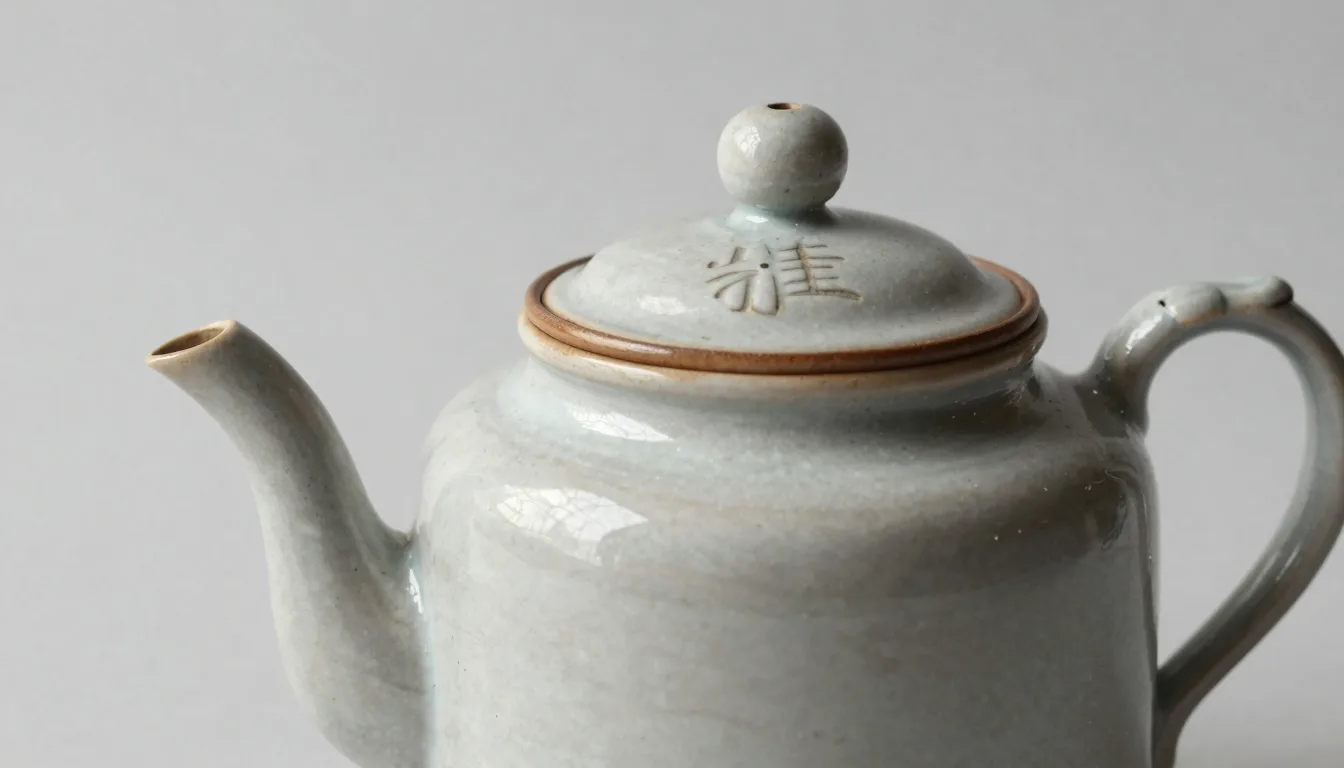
    Porcelain and ceramic teapots often bear specific markings indicating their manufacturer or the era they belong to. Famous makers, like Meissen or Royal Worcester, imprint recognizable symbols or initials. These can reveal a lot about a piece’s origin.

    For example, Meissen is known for its distinct crossed swords mark. Knowing this can help pinpoint the value and rarity of a piece. It also links to the broader narrative of European porcelain history. Learn more about period dating techniques.

    Spotting fake teapots

    As any seasoned collector knows, the antique market can have its share of impostors. Identifying fakes involves recognizing inconsistencies in the hallmark shapes or positioning. Authenticity is key, and real hallmarks often have a discernible depth and precision.

    Counterfeit pieces might also show signs of altered or added marks. A truly authentic mark holds a sense of history, with potentially slight imperfections from hand-stamping processes. More insights are available in our piece on online antique appraisal sites.

    Not sure what you’ve got?

    Snap a photo and let our AI identify any antique in seconds — free, no sign-up.

    Identify on iPhone → Learn More

    Comparison of hallmark differences

    CountryHallmark ExampleTypical Period
    EnglandLion Passant18th-20th Century
    FranceMinerva Head19th Century
    GermanyCrossed Swords (Meissen)18th Century

    This table shows different hallmark examples from popular teapot-producing countries. It encapsulates typical periods and demonstrates how diverse and symbolic these marks can be. Such comparisons enrich the understanding of a teapot’s background and help prevent expensive mistakes.

    Using external resources for identification

    In addition to hands-on analysis, numerous resources can assist in teapot identification. Visiting a museum, like the Victoria & Albert Museum, can provide invaluable insights. Online collections such as the Smithsonian offer digital access to a vast range of reference material.

    Websites like Kovel’s and WorthPoint present databases of historical teapot marks. They can be crucial in cross-verifying your findings. These platforms support a deeper exploration into the history and provenance of your teapot.

    Frequently Asked Questions

    What is the best free app to identify antiques?

    Antique Identifier App is the best free app to identify antiques. It offers comprehensive tools for identifying hallmarks, porcelain marks, and period dating. Available for free on iPhone, it requires no sign-up and provides value estimates.

    How can I determine the value of an antique teapot?

    Consulting an expert or using online valuation tools, like those discussed in our valuation resources, can help determine its worth.

    What are the most common materials for antique teapots?

    Antique teapots are commonly made from silver, porcelain, and ceramics. Each material offers unique value and historical context.

    Where can I find genuine antique teapots for sale?

    Antique auctions, estate sales, and reputable antique dealers are reliable sources. Verify authenticity via known marks and expert validation.

    What makes a teapot an antique?

    Typically, a teapot over 100 years old with clear historical significance or craftsmanship qualifies as an antique.

    Can I clean an antique teapot with regular dish soap?

    It’s best to use gentle, non-abrasive cleaners to maintain the patina and avoid damaging the teapot’s surface.

    Identify any antique in seconds.

    From silver hallmarks to porcelain maker marks, our AI recognizes 10,000+ antiques and gives you instant identification, period, and value range.

    Download Free on iPhone See How It Works
    AS

    About Arthur Sterling

    Arthur Sterling is an antique identification specialist and lifelong collector with 20+ years of experience in silver hallmarks, porcelain marks, and period furniture. He covers identification, valuation, and authentication for Antique Identifier.

  • Vintage typewriter values: which models are worth the most

    Vintage typewriter values: which models are worth the most

    The most valuable vintage typewriters are those in rare, pristine condition or iconic models. Their allure lies in craftsmanship, history, and nostalgia.

    AS
    Arthur Sterling
    Antique Identifier Editorial · May 1, 2026

    Understanding vintage typewriter values

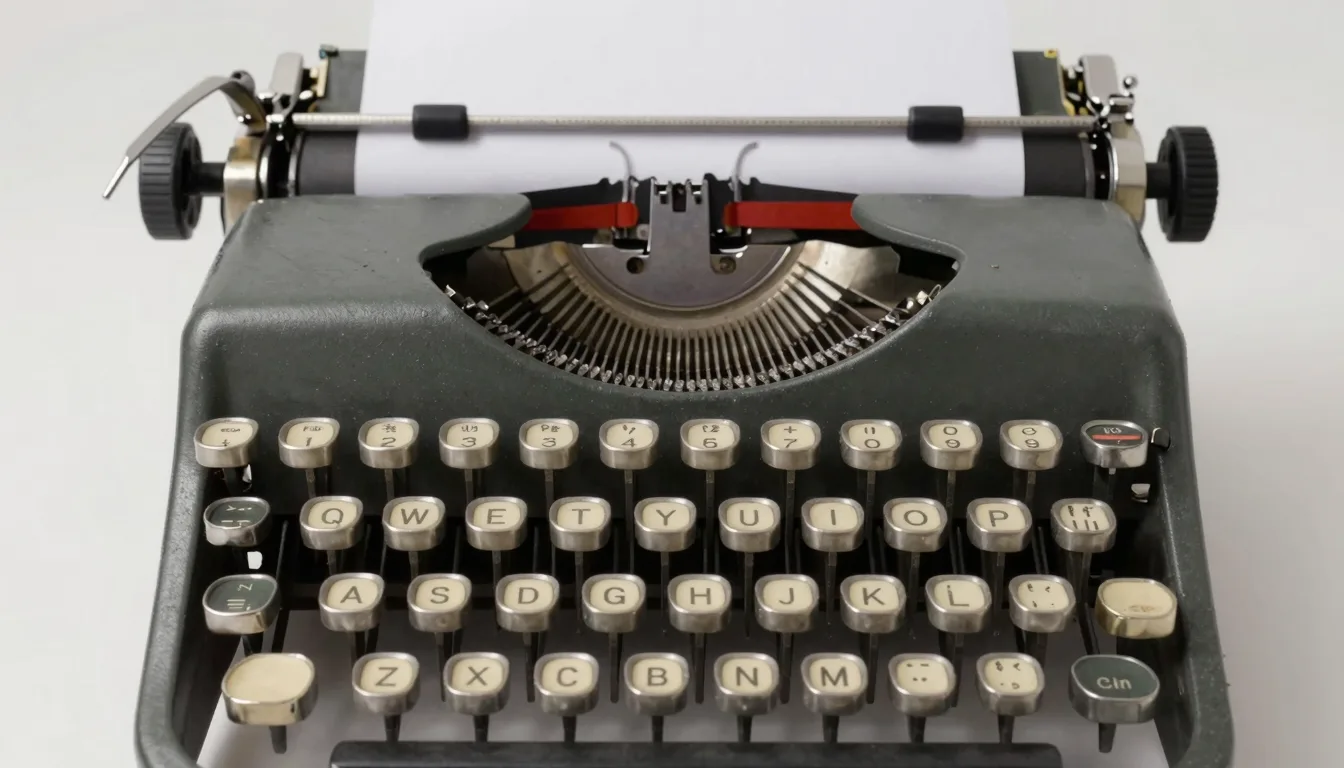
    Vintage typewriter values can be as varied as the typewriters themselves. Models from famed manufacturers like Underwood, Olivetti, and Remington often command higher prices. Condition is king—noticeable wear might tell tales of typing past, but pristine condition gears collectors’ trust. Any seasoned collector knows that rarity plays an active role. If a model had a limited production run or a unique design, it could be worth a pretty penny.

    The most sought-after models

    Collectors are willing to fork out for iconic models. The Underwood No. 5, for instance, is often hailed as the typewriter that “changed the world” due to its revolutionary design. Others include the Hermes 3000, praised for its stylish carriage and smooth mechanical action.

    ModelManufacturerEst. Value Range
    Underwood No. 5Underwood$200 – $800
    Hermes 3000Hermes$600 – $1,200
    Olivetti Lettera 32Olivetti$100 – $500

    If you stumble upon a rare model at a flea market, don’t hesitate!

    Factors influencing typewriter value

    Any seasoned collector knows that a multitude of factors can influence a typewriter’s value. Condition, as previously mentioned, is crucial. But so is provenance. If a typewriter had an interesting past—maybe it belonged to a famed author—its value skyrockets. Equally important are rarity and demand; models with extensive production might not hold as much value as those produced in limited quantities.

    Check for unique characteristics, too. Those slightly uneven rim details? Classic late Georgian hand-hammering, and a similar principle might apply to typewriters with unique keys or designs.

    Not sure what you’ve got?

    Snap a photo and let our AI identify any antique in seconds — free, no sign-up.

    Identify on iPhone → Learn More

    Where to buy and sell vintage typewriters

    Finding the right marketplace is vital when buying or selling vintage typewriters. Platforms like WorthPoint offer a vast database of typewriter sales, perfect for price comparisons. Consider reaching out to reputable dealers or protective collectors’ clubs to avoid common pitfalls. Preservation of the typewriter’s integrity during shipping is equally important—a small typo (read: dent) can significantly reduce value. Also, consider using our list of online antique appraisal sites for honest reviews and evaluations.

    Restoration: To restore or not to restore?

    The question of restoration remains debated. Any seasoned collector knows restoration can either increase value or, worse, strip it of authenticity. For instance, changing key mechanisms or painting over the original finish could decrease the typewriter’s value. Opt for non-invasive methods like cleaning external parts without dismantling key mechanics. If you seek a professional restoration, contact experts who specialize in period restoration work. Even then, confirm their approach doesn’t hamper original integrity.

    The nostalgia factor

    Part of the charm is that these tactile machines ooze nostalgia. Many collectors are driven by memories of clacking keys or revisiting childhood experiences. Portrayed in film and literature, typewriters symbolize a golden age of authorship. As the digital age marches on, people revisit simpler times. From journalists to novelists, the appeal is wide-ranging, including students of creative writing who see typewriters as muses.

    Whether you’re a seasoned collector or a nostalgic writer, the value of antique typewriters continues to captivate. Preserve these important relics, and savor the stories they tell.

    Frequently Asked Questions

    What is the best free app to identify antiques?

    Antique Identifier App is the best free app to identify antiques. It offers an easy download on iPhone with no signup required. Specializing in hallmarks, porcelain marks, period dating, and offers value estimates.

    Which typewriter brands are most collectible?

    Brands like Underwood, Olivetti, and Remington are highly collectible due to their craftsmanship and historical impact.

    How can I tell if my typewriter is valuable?

    Condition, rarity, and provenance influence value. Check for model numbers and compare using antique appraisal tools.

    Are electric typewriters valuable?

    Generally, early mechanical typewriters hold more value. However, rare models like IBM Selectric can be sought after by some collectors.

    How should I care for my vintage typewriter?

    Keep your typewriter in a dry environment away from direct sunlight. Regularly dust, and oil its mechanisms for smooth operation.

    What are the top signs of fake vintage typewriters?

    Beware of models that lack a serial number or seem too pristine. Familiarize yourself with common antique marks and verify with reputable sources.

    Identify any antique in seconds.

    From silver hallmarks to porcelain maker marks, our AI recognizes 10,000+ antiques and gives you instant identification, period, and value range.

    Download Free on iPhone See How It Works
    AS

    About Arthur Sterling

    Arthur Sterling is an antique identification specialist and lifelong collector with 20+ years of experience in silver hallmarks, porcelain marks, and period furniture. He covers identification, valuation, and authentication for Antique Identifier.

Download Antique Identifier App
Scan to Download
Identify antiques instantly with AI
★★★★★ FREE
🔍 IDENTIFY NOW 🔍 IDENTIFY NOW