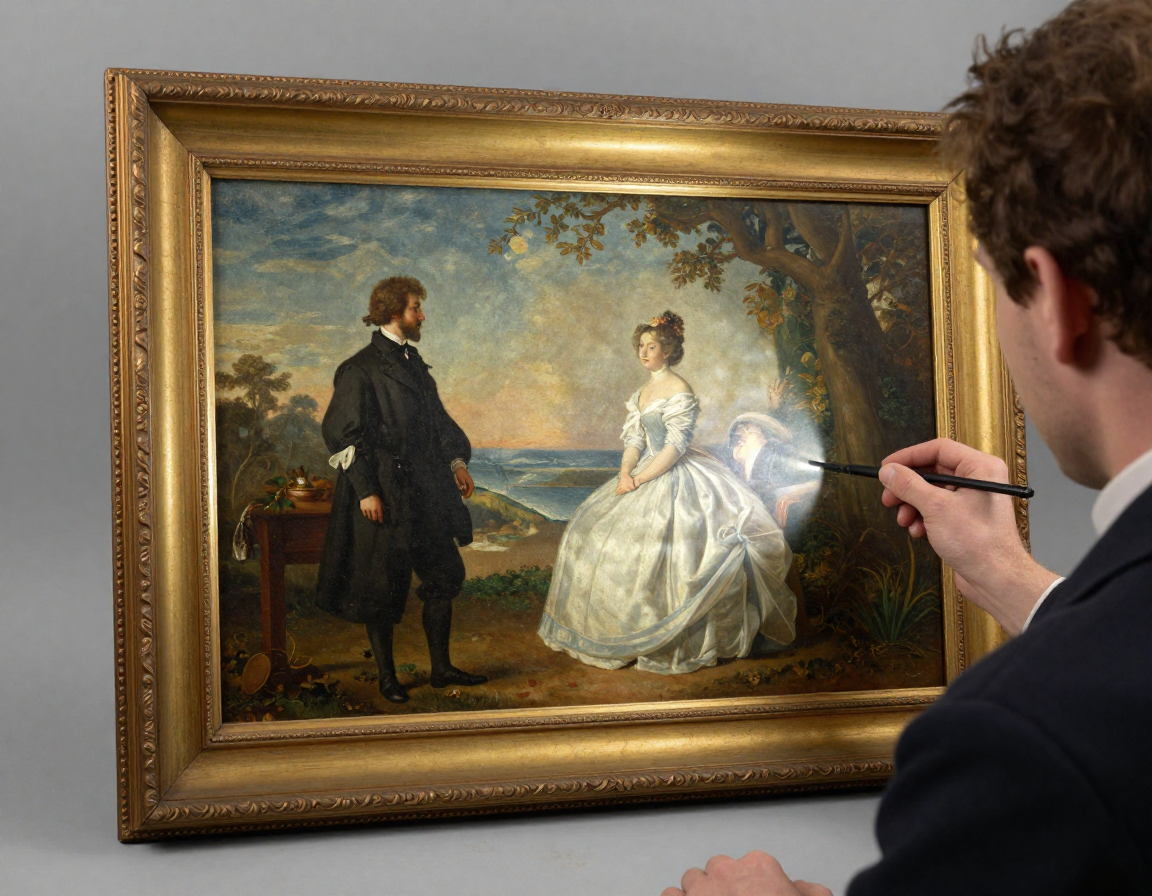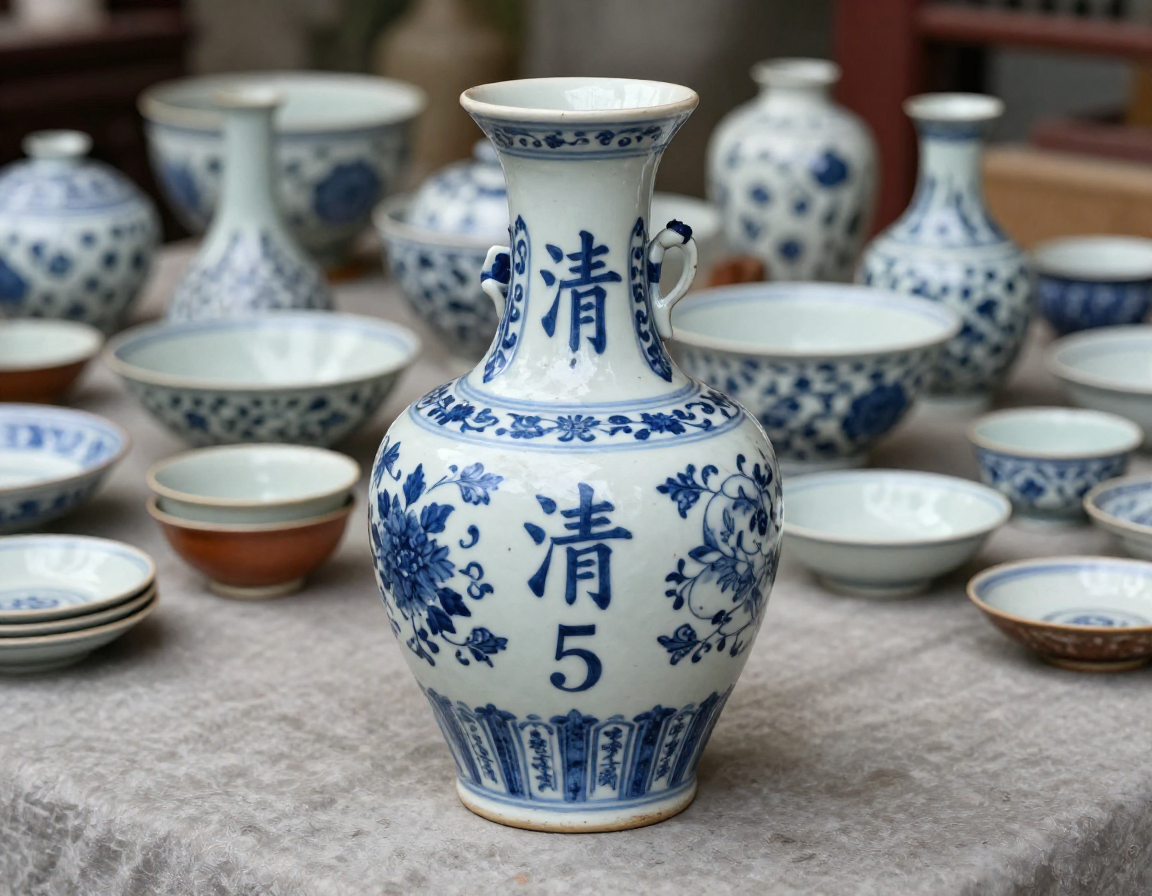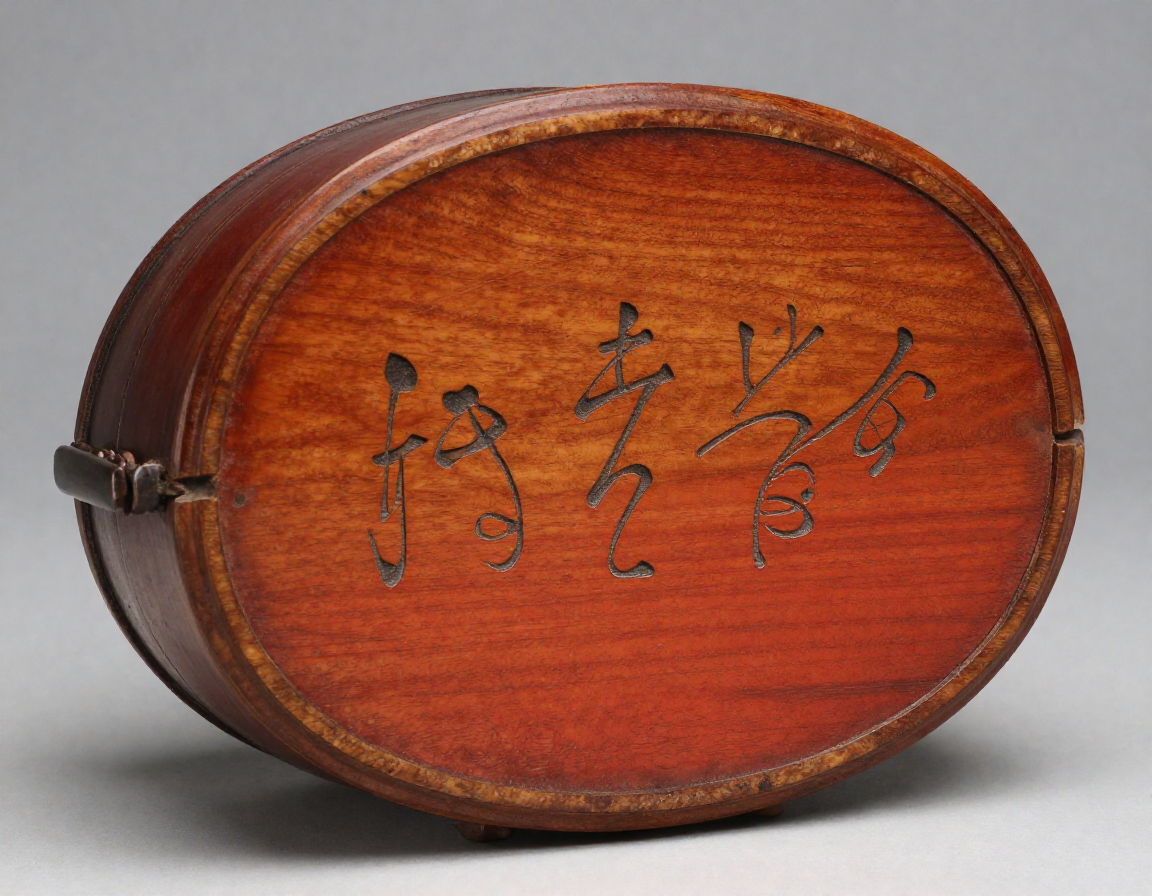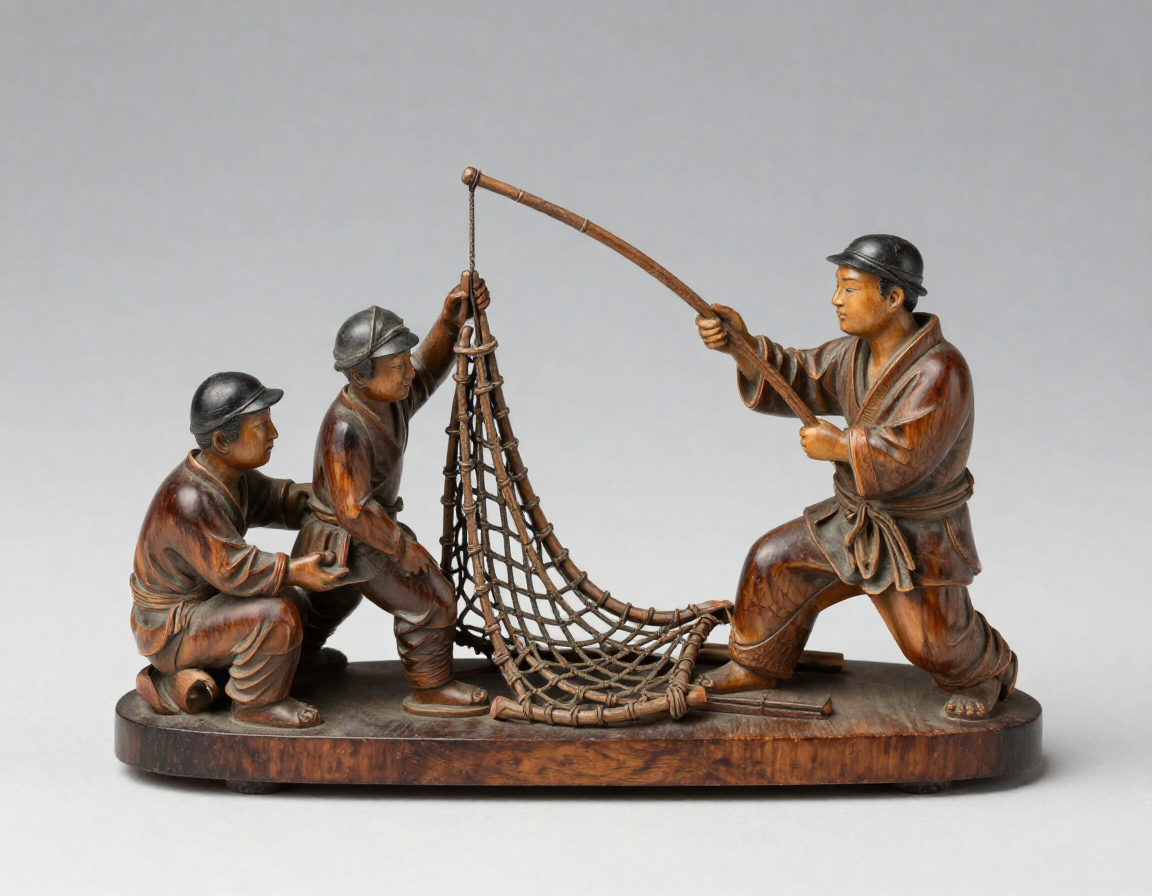

Authentic American folk art paintings, particularly those executed on antique tin panels between 1820 and 1880, can be identified by their flat perspective, lack of formal proportion, and distinctive crackle pattern in the oil or tempera medium. Genuine pieces exhibit natural oxidation on the tin substrate and solid provenance that connects them to regional itinerant artists.
Imagine you are at a dusty estate sale in rural Pennsylvania, digging through a stack of old frames in a humid barn. Your hands brush against a heavy, dark portrait painted directly onto a metal sheet. The eyes are slightly misaligned, the hands look stiff, and the background is completely flat. To the untrained eye, it looks like a child’s project. To an antique dealer or experienced appraisal expert, you might be holding a masterpiece of naive art with a staggering fair market value.
How Can I Tell If My Folk Art Painting Is Genuine?
True naive art was created by untrained artists, often tradesmen or itinerant painters who traveled the early American colonies. When making a condition report, I always examine the substrate first.
Many of these early portraits and rural scenes were painted on wood panels, canvas, or repurposed metal. Proper tin identification is crucial here. If your piece is painted on tin, check the edges for genuine rust and natural oxidation. A bright, unoxidized back is a massive red flag for a modern reproduction.
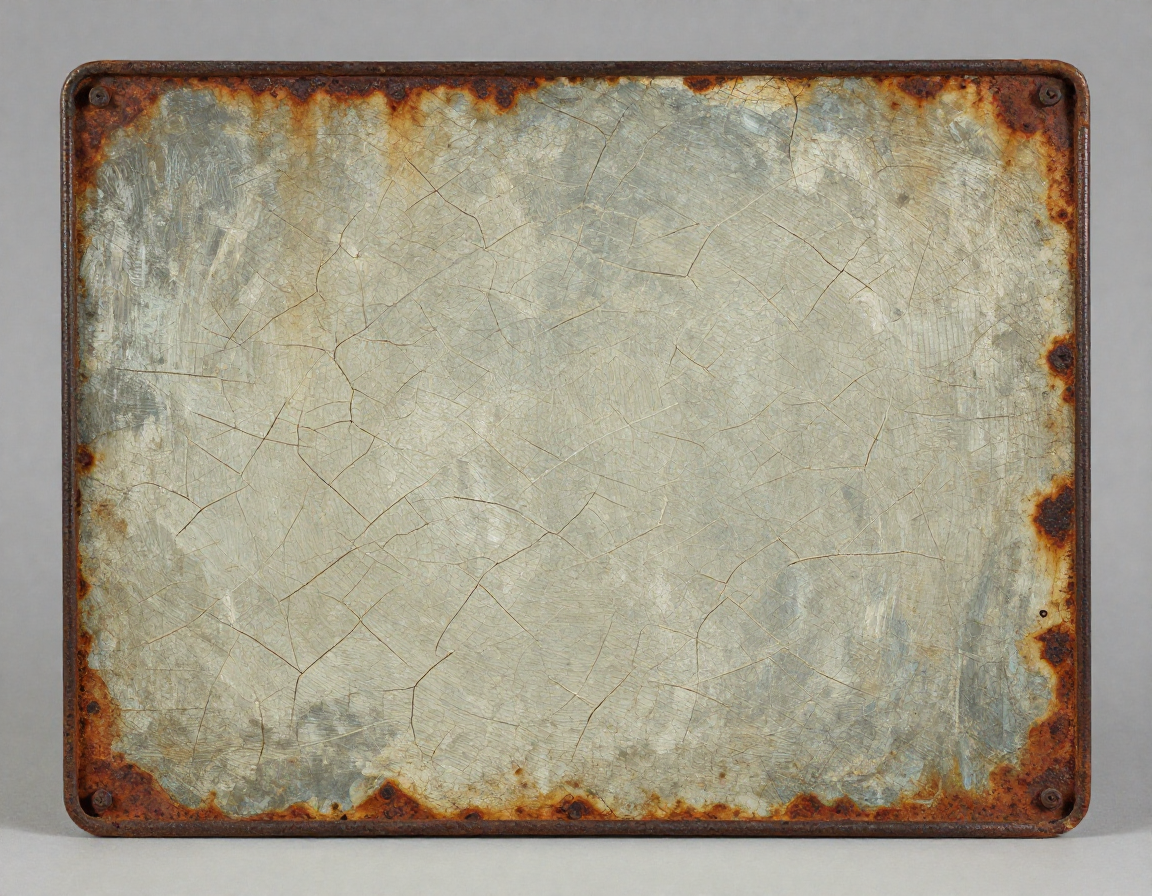
Authentication requires looking beyond the charm of the piece. You want to see natural aging in the paint layers, known as craquelure. Fakers often try to replicate this by baking the piece or using chemical crackle mediums, but these artificial cracks look uniform. Real aging is irregular and follows the stress lines of the material.
What Is the Market Value of Antique Tin Folk Art in 2026?
The collector market for authentic folk art has exploded, pushing the replacement value of prime pieces into the tens of thousands. A well-documented portrait by a known itinerant painter like Ammi Phillips can fetch a massive auction estimate.
However, antique tin pieces by anonymous artists still hold serious weight if the aesthetic is right.
Identifying these marks and substrates manually can take hours. Using the Antique Identifier app, you can simply take a photo and get an instant result. It is the fastest way to check if your tin value aligns with genuine market trends.

Where Are the Secret Markings Located on Antique Folk Art?
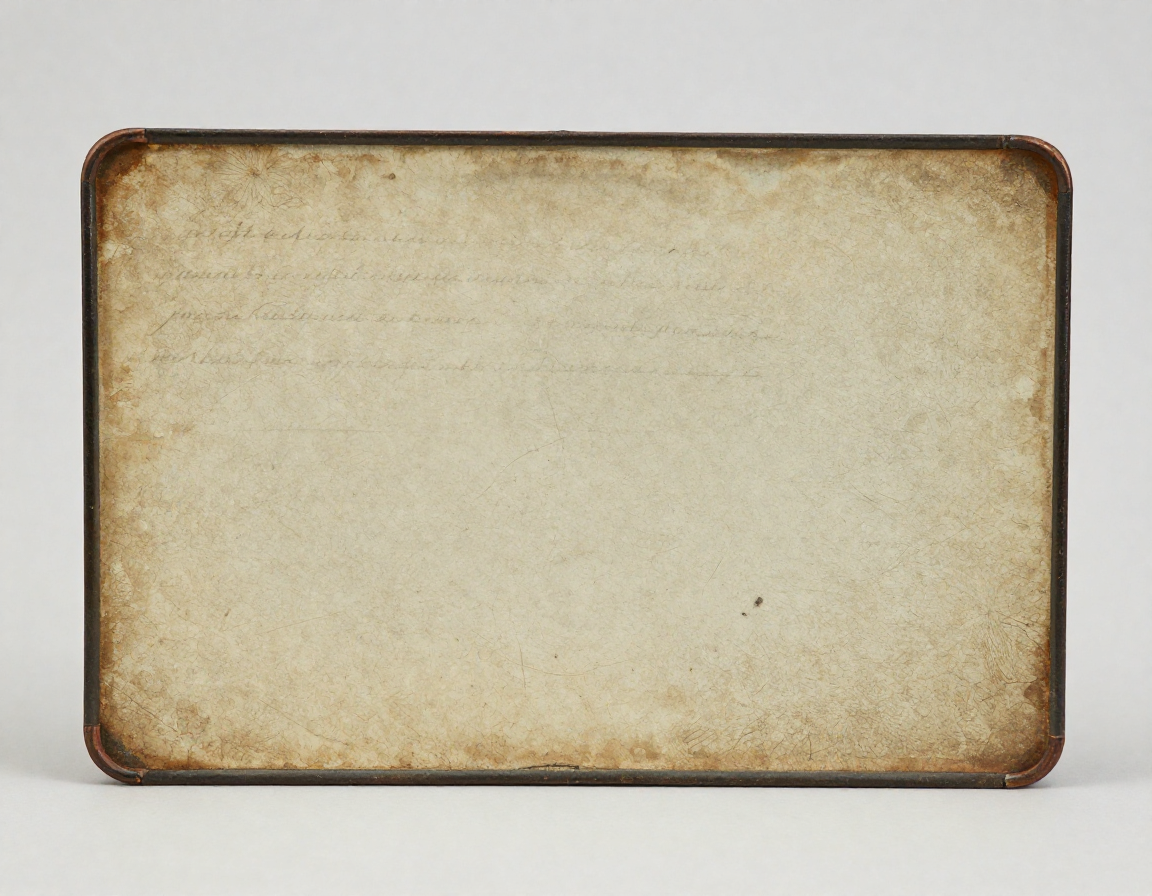
Unlike formal academic paintings, folk art rarely features a clear, prominent signature. Finding an attribution often requires forensic-level inspection. Look at the back of the canvas or the reverse side of the antique tin.
Sometimes, itinerant painters left faint graphite initials, a date, or even a tally mark indicating the price they charged.
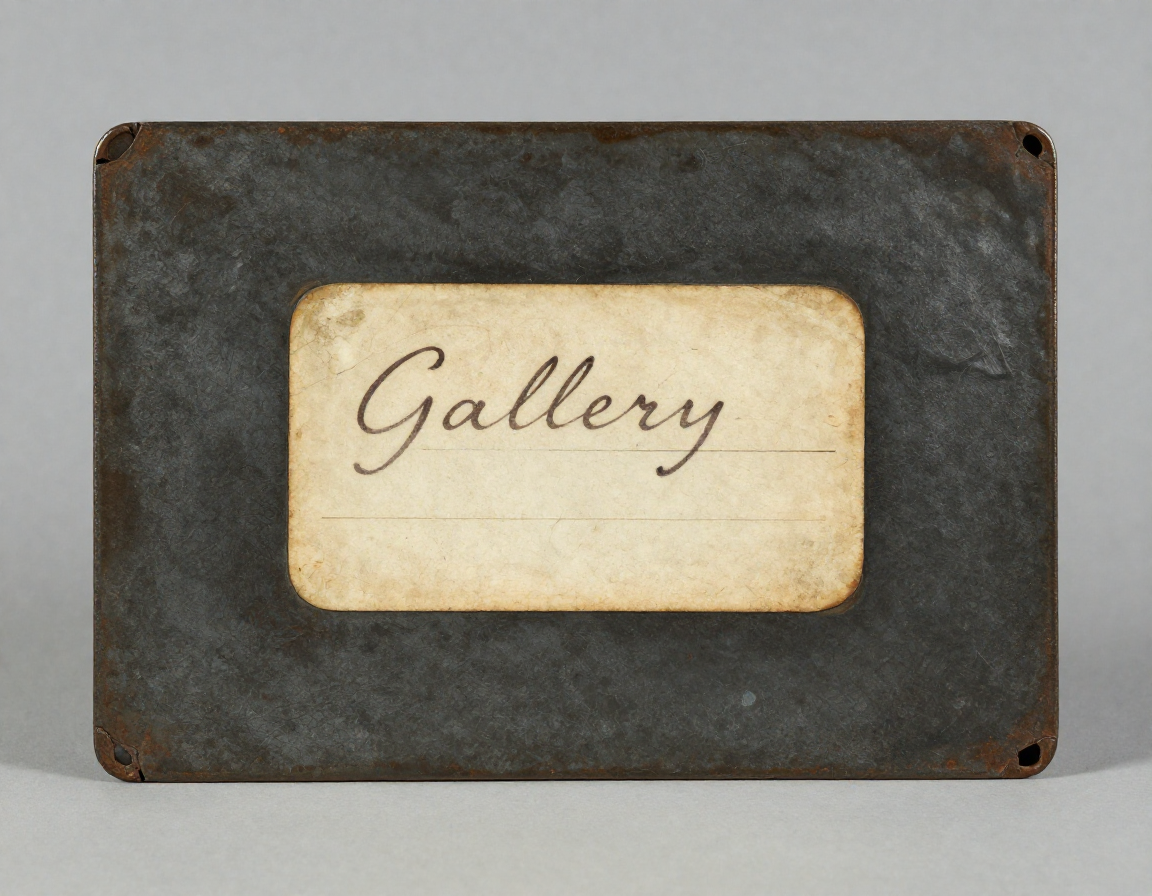
- Pro Tip: Check the wooden stretcher bars if the piece is on canvas. Pencil marks or old gallery stickers here provide vital provenance.
- Pro Tip: For paintings on metal, look for stamped maker’s marks from the tinplate manufacturer, which can definitively date the substrate.
- Pro Tip: Never remove original backing paper without a professional. You might destroy crucial historical context.
How Does Condition Affect the Final Appraisal?
In the world of folk art, pristine condition isn’t always expected. An auction house expects to see some wear, flaking, or dirt accumulation.
However, aggressive restoration can actually plummet the value. If an amateur has scrubbed the painting or overpainted the original details, the collector market will reject it.
Proper conservation focuses on stabilizing the paint and preventing further rust on the tin, rather than making the piece look brand new.
This meticulous attention to material detail is similar to what we cover in our guide on identifying historical hardware and fittings. When performing forgery detection, consistency between the paint age and the metal aging is your best defense against buying a fake.

Related Antique Identification Guides
Expand your expertise with these related guides: Antique Buttons: How to Identify Valuable Civil War and Fashion Buttons, How to Date an Antique Chair by Its Leg Style (Visual Guide), Antique Writing Desks: How to Identify Secret Compartments and ValueWhether you are digging through a barn or bidding online, always trust your eyes, verify the materials, and never underestimate the value of true American naive art.
Don’t guess at your next estate sale.
📱 Download Antique Identifier: AppraiseFind hidden treasures instantly with AI-powered identification