
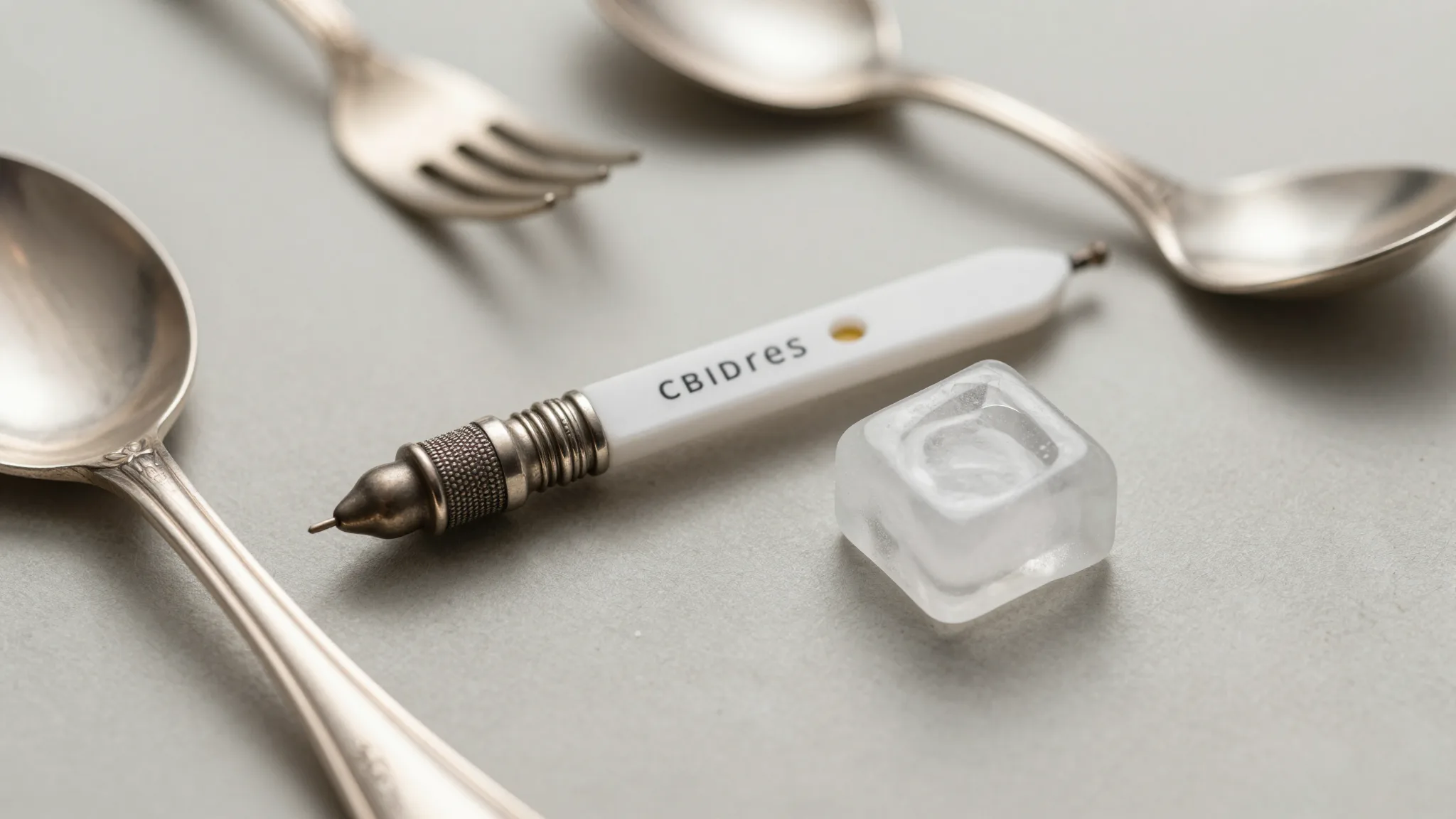
The best choice between the silver acid test and ice test depends on your needs. Both reveal authenticity.
Understanding Silver Testing Basics
Whether you’re a seasoned collector or a weekend enthusiast, silver testing is essential. It protects you from fraud and helps assess true value. Recognizing genuine silver involves several methods, including visual examination and hallmark identification.
Testing isn’t only about spotting fakes; it’s also about appreciating craftsmanship and history. For example, any seasoned collector knows that slightly uneven rim details are classic late Georgian hand-hammering. By understanding testing, you better understand what makes an antique piece valuable beyond surface beauty.
The Silver Acid Test: Pros and Cons
The silver acid test remains a popular method among serious collectors. With a solution applied, genuine silver reacts differently than other metals. This test is reliable for determining whether an item is sterling or silver-plated.
- Pros: Fast results, high accuracy for sterling silver, and detects layers beneath the surface polish.
- Cons: Can damage the item, requires handling chemicals, and might not be suitable for fine or delicate pieces.
While effective, always remember: avoid excessive acid use on valuable items, as it may lower the piece’s appeal or cause long-term damage. For help identifying safe testing methods, consult online resources like Antique Marks and Signatures Guide.
The Ice Test: Practical and Gentle
The ice test is a gentler alternative for determining silver quality. The method is simplicity itself: place an ice cube on the surface of the item and see how quickly it melts. Silver has excellent thermal conductivity, so the ice should melt faster on genuine silver.
- Pros: Non-invasive, safe for all items, and no special equipment needed.
- Cons: Less precise, influenced by environmental conditions, and not effective for silver-plated items.
Ideal for quick checks at flea markets or antique shows, the ice test provides a sensible balance of ease and reliability without risk of damage.
Not sure what you’ve got?
Snap a photo and let our AI identify any antique in seconds: free download, no sign-up.
Identify on iPhone → Learn MoreComparing Acid and Ice Tests
In vintage and antique circles, knowing when to apply each test can refine your evaluations and save your prized finds.
| Aspect | Acid Test | Ice Test |
|---|---|---|
| Accuracy | High for silver | Good for pure silver |
| Risk | Potential damage | No risk |
| Cost/Equipment | Acid kit required | Just ice |
| Speed | Instant result | Quick result |
Choose based on context and your comfort. For deeper insights, check out tools like the Antique Identifier App.
When to Use Each Test
Use the acid test for identifying high-value, potentially sterling items where certainty is required. It’s suitable for pieces you own and are considering for sale or appraisal. Know your comfort level with handling acids because mistakes can spoil a collector’s piece.
For casual evaluations, flea market finds, or frequent traveling, the ice test offers simplicity. It’s perfect when handling unfamiliar items or in situations demanding low intervention.
Additional Identification Techniques
Both tests serve as initial steps. Combine them with other techniques for comprehensive authentication.
- Study Hallmarks: Detailed knowledge of silver marks can confirm authenticity without damaging the item. Reference guides like the Complete Identification Guide can help.
- Magnetic Tests: Genuine silver is non-magnetic. If a magnet attracts, proceed with caution as it might be plated or fake.
- Documentation: Provenance can add value. Research item history or consult trusted sources like WorthPoint for documentation.
Remember: each piece tells a story, and you have tools to decipher every chapter.
Frequently Asked Questions
Does silver always need testing?
Testing helps verify authenticity, especially when unsure about provenance. It’s crucial when buying or selling silver antiques.
Can I test silver without damaging it?
Yes, the ice test and hallmark studies are non-invasive methods. Use the acid test cautiously to avoid damage.
How accurate is the ice test?
The ice test is generally accurate for solid silver items. However, it may not detect plating or impurities.
Where can I buy silver testing kits?
Silver testing kits are available online or at specialized antique stores. Ensure you purchase a reliable brand for best results.
What other resources can aid silver identification?
Explore detailed guides like Antique Identification Guide and visit museums like the V&A for reference.
Identify any antique in seconds.
From silver hallmarks to porcelain maker marks, the app suggests the item type, period and a value range.
