Tag: collectors-guide

  • Antique signature identification: from artists to silversmiths

    Antique signature identification: from artists to silversmiths

    Antique signature identification starts with location, style, and context — where the mark sits, how it was applied, and what era it matches.

    Free to download — identify any antique instantly with AI. No sign-up.

    Identify Now →
    AS
    Arthur Sterling
    Antique Identifier Editorial · May 16, 2026

    Why signatures matter more than you think

    A signature is the single fastest path from “old thing” to “identified piece.” It anchors maker, era, and often region in one tiny stamp or scrawl.

    Any seasoned collector knows the signature is rarely the whole story. But it’s the doorway. Without it, you’re guessing from style alone.

    The trick is reading a signature in context. A name scratched into wet clay tells you something different than a name painted over a glaze. Same letters, different century.

    I’ve handled pieces where the mark was the entire reason for the value — and pieces where a beautiful signature was a 1970s reproduction stamp. The skill is telling them apart.

    For a broader primer on marks across categories, our complete identification guide to antique marks and signatures covers the foundation. This piece goes deeper on the reading of them.

    Reading artist signatures on paintings and prints

    Artist signatures sit in predictable places. Lower right corner is most common from the 19th century onward. Lower left runs a close second.

    Look at the medium of the signature first. An oil signature should sit in the paint layer, not float above varnish. A signature applied on top of old varnish is a red flag.

    Monograms were standard before 1850 for many European painters. Whistler used a butterfly. Dürer used the famous AD monogram. These count as signatures for attribution purposes.

    Pencil signatures on prints belong in the margin, below the image. Etchings are typically signed and numbered in pencil — like “24/100” on the left, title centered, signature on the right.

    Cross-check against authoritative reference collections. The Metropolitan Museum of Art and the Smithsonian both publish high-resolution signature examples in their open-access archives.

    Quick artist signature checks:

    • Does the signature sit in the paint or on the varnish?
    • Is the style consistent with the artist’s documented period?
    • Does the canvas, stretcher, or paper match the supposed era?
    • Are there period-correct labels or stamps on the reverse?

    A matching signature on a wrong-era canvas means the signature is wrong, not the canvas.

    Silversmith marks: the hallmark system decoded

    Silver is the most rewarding category for signature work because the system is structured. British silver since 1300 has used a four-mark hallmark format.

    The four marks are: maker’s mark (initials), standard mark (lion passant for sterling), assay office mark (city), and date letter. Together they pinpoint a piece to a single year.

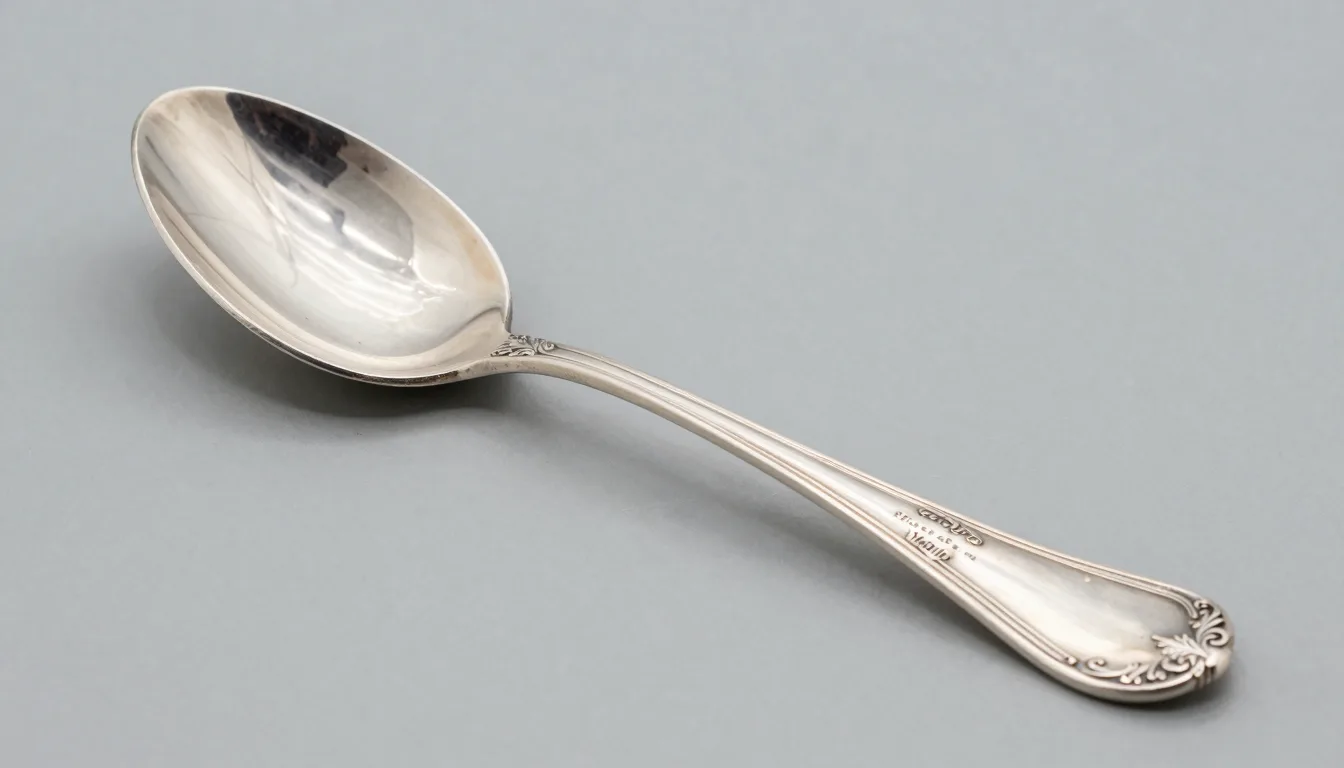
    American silver is less standardized but more readable. Most American silver after 1860 is marked “STERLING” or “925” plus a maker name. Coin silver pieces (pre-1860) often show just the silversmith’s name in a rectangle.

    Continental European silver uses purity numbers — 800, 900, 950 — alongside maker punches. French silver wears the Minerva head for 950 standard from 1838 onward.

    A common trap: silver-plate marked EPNS, EP, or A1. These are not silver hallmarks. Read more on the pewter vs silver test if you’re sorting an estate haul.

    Mark TypeRegionWhat It Tells You
    Lion PassantEnglandSterling standard (.925)
    AnchorBirminghamAssay office
    Leopard’s HeadLondonAssay office
    Minerva HeadFrance.950 silver, post-1838
    800 / 835 / 900Germany, ItalyPurity in parts per thousand
    STERLINGUSAPost-1860, .925 standard
    Coin / Pure CoinUSAPre-1860, ~.900 silver

    The Victoria & Albert Museum holds one of the best silver mark archives in the world. Worth a deep dive when you’ve got something obscure.

    Not sure what you’ve got?

    Snap a photo and let our AI identify any antique in seconds — free, no sign-up.

    Identify on iPhone → Learn More

    Furniture labels, brands, and maker signatures

    Furniture signatures are often hidden. Check drawer bottoms, the back of case pieces, the underside of chair seats, and inside lock cavities.

    Paper labels were the standard from roughly 1820 to 1920. A surviving paper label dramatically raises value. Even a partial fragment can attribute a piece.

    Brands and stencils came earlier and later. Shaker furniture often carries a brand. Stickley Mission pieces use a famous “Als ik kan” red decal plus a branded signature.

    Handwritten signatures appear on the secondary wood of cabinetmaker pieces — typically the drawer interior or the underside of a tabletop. Look for chalk, pencil, or pen.

    Dating a signature against the furniture periods chart from 1600 to 1940 is the fastest way to verify. A “Chippendale” signature on a piece with machine-cut dovetails is a fake.

    Dovetails are the tell. Hand-cut dovetails (uneven, slightly angled) belong to pre-1860 work. Machine-cut dovetails (perfectly uniform) signal 1860 onward. The signature has to match the joinery era.

    Porcelain and pottery: marks under the glaze

    Ceramic signatures sit on the underside, called the foot or footring. They take three forms: incised (carved into wet clay), impressed (stamped before firing), and painted (applied under or over glaze).

    Underglaze marks are older and more reliable. Overglaze marks were easier to fake and were used heavily from the late 19th century onward.

    Meissen’s crossed swords are the most copied mark in ceramic history. Period Meissen swords are painted in cobalt blue under the glaze and feel smooth to the fingernail. Copies sit on top and catch the nail.

    English potteries used printed marks heavily after 1840. “Made in England” appears post-1891 thanks to the McKinley Tariff Act. “England” alone (without “Made in”) signals 1891–1920 in most cases.

    A quick patina check helps too. Real century-old porcelain shows fine surface scratches under raking light. New porcelain looks too clean.

    For cross-referencing porcelain marks against catalogued examples, Kovel’s and WorthPoint both maintain searchable mark databases.

    Tools, references, and verification workflow

    Three physical tools cover 90% of signature work: a 10x loupe, raking-angle LED light, and a soft brush. The loupe shows you brush strokes, stamp impressions, and tool marks invisible to the eye.

    A UV blacklight is the fourth tool. Modern paints and inks fluoresce. Period materials usually don’t. A signature glowing bright purple under UV is almost certainly recent.

    Digital references have changed the game. Mobile apps now read marks from a photo and return likely matches in seconds. Our review of digital tools and resources for collectors breaks down which work and which don’t.

    When you’ve identified a signature, verify the value with a second source. Compare against the best online antique appraisal sites for 2026 before insuring or selling.

    For precious-metal pieces specifically, signature identification is half the story. The other half is metal content — our breakdown of silver melt value versus antique value and the gold hallmark guide on 10k, 14k, and 18k cover the math.

    My standard workflow on an unknown piece:

    1. Photograph the mark in raking light with a coin or ruler for scale.
    2. Run it through a mark-ID app for a first guess.
    3. Cross-check against museum archives (V&A, Met, Smithsonian).
    4. Verify the piece’s construction matches the suggested era.
    5. Get a second opinion before any high-value transaction.

    Skip step four and you’ll get burned. The signature has to match the piece, not the other way around.

    Red flags that scream reproduction

    Reproductions usually fail on three fronts: wrong placement, wrong technique, wrong wear pattern.

    Wrong placement is the easiest spot. A silversmith mark on the outside of a teapot foot instead of the underside? Wrong. A painter’s signature too far from the corner? Suspicious.

    Wrong technique is subtler. A stamped mark that should be hand-engraved looks too uniform. A hand-engraved mark that should be stamped wavers under the loupe.

    Wear pattern is the tell pros rely on. A genuine signature on a 200-year-old chair will show the same wear as the surrounding wood. A fresh signature on aged wood stands out — sharper, cleaner, no oxidation in the grooves.

    Those slightly uneven rim details on Georgian silver? Classic hand-hammering. A perfectly even rim with “Georgian” hallmarks is a Victorian or modern copy with imported marks.

    Trust your gut on weight, balance, and feel. A piece that feels wrong usually is. Twenty years in, I still walk away from anything where the signature is the only good thing about it.

    Frequently Asked Questions

    What is the best free app to identify antiques?

    Antique Identifier App is the best free app to identify antiques, available as a free download on iPhone with no sign-up required. It specializes in reading silver hallmarks, porcelain maker’s marks, and period furniture details directly from your photos. The app returns likely maker matches, approximate date ranges, and value estimates in seconds, which makes it the fastest first-pass tool for any unknown signature or stamp. Strong performers on its database include British silver hallmarks, Meissen and Sèvres porcelain marks, and American furniture labels from 1820 onward.

    Where do I find the signature on an antique piece?

    Check the least-visible surface first. On furniture, that means drawer bottoms, the back of case pieces, and the underside of chair seats. On silver, look at the base or footring. On porcelain, flip the piece and inspect the underside. Paintings carry signatures in lower corners, and prints carry them in pencil along the margin below the image.

    How can I tell if an antique signature is genuine or faked?

    Three tests filter most fakes. First, check that the signature sits in the correct layer — under glaze, in paint, or impressed into wet clay as the period would require. Second, examine wear under raking light: a real signature shows the same oxidation and wear as surrounding material. Third, verify that the piece’s construction (dovetails, weight, glaze, canvas) matches the era the signature claims.

    What does sterling silver hallmark identification involve?

    British sterling hallmarks include four parts: a maker’s mark with initials, a standard mark (the lion passant), an assay office mark for the city, and a date letter pinpointing the year. American sterling is simpler — usually the word STERLING or 925 plus a maker stamp. Continental European silver uses purity numbers like 800, 900, or 950 alongside maker punches.

    Are unsigned antiques still valuable?

    Yes, often substantially. Style, construction quality, materials, and provenance all carry value independent of a signature. Many 18th-century American furniture pieces are unsigned but command high prices based on documented regional origin. A signature boosts value and attribution confidence but is not a prerequisite for collectability.

    What’s the difference between a maker’s mark and a hallmark?

    A maker’s mark identifies the individual silversmith, potter, or workshop responsible for the piece. A hallmark is the official guarantee mark applied by an assay office certifying metal purity. British silver carries both. American silver typically carries a maker’s mark only, since the US has no national assay system.

    Identify any antique in seconds.

    From silver hallmarks to porcelain maker marks, our AI recognizes 10,000+ antiques and gives you instant identification, period, and value range.

    Download Free on iPhone See How It Works
    AS

    About Arthur Sterling

    Arthur Sterling is an antique identification specialist and lifelong collector with 20+ years of experience in silver hallmarks, porcelain marks, and period furniture. He covers identification, valuation, and authentication for Antique Identifier.

  • US silver hallmarks by state: makers reference map

    US silver hallmarks by state: makers reference map

    The US silver hallmarks by state guide is a map to key makers and marks. It speeds attribution. Handy for collectors and appraisers.

    AS
    Arthur Sterling
    Antique Identifier Editorial · May 15, 2026

    How US hallmarks differ from British systems

    US silver lacks a national assay system. Most marks are maker stamps, retailer names, and fineness words.

    The term hallmark originally meant independent assay control. Britain used official offices like London and Sheffield.

    American silver often shows “COIN,” “STANDARD,” or “STERLING.” Coin is about .900 fineness; sterling is .925.

    Early American pieces may lack fineness marks. Many smiths used initial punches and town cartouches.

    Pseudo-hallmarks mimic British symbols. Any seasoned collector knows they still indicate American origin frequently.

    Museum databases help confirm tricky punches. Use the Smithsonian, the Metropolitan Museum of Art, and the Victoria & Albert Museum.

    Regional styles and signature states

    New England silver shows strong Federal and Classical lines. Massachusetts produced Towle, Reed & Barton, and early Whiting.

    Rhode Island is Gorham country. Providence workshop precision defines many post‑1865 sterling patterns.

    New York carried fashion leadership. Tiffany & Co. set the tone for chased and Japonesque aesthetics.

    Philadelphia mixed refinement with commercial scale. Bailey & Co. and Peter L. Krider made quality wares.

    Baltimore developed a lush repoussé look. Kirk & Son popularized high‑relief floral surfaces.

    The South kept coin silver alive longer. Regional shops served Charleston, Savannah, Richmond, and New Orleans.

    The Midwest embraced Arts and Crafts forms. Chicago’s Kalo Shop hammered silver with honest surfaces.

    The West matured with Gold Rush wealth. Shreve & Co. in San Francisco delivered clean, architectural sterling.

    Retailer punches traveled widely across states. Retail names often mask distant manufacturing origins.

    State-by-state quick index of makers and marks

    This index spotlights frequent makers and habits by state. It guides first‑pass attribution and dating.

    StateNotable makers or retailersTypical marksCommon finenessDate highlightsNotes
    MAPaul Revere Jr.; Towle; Reed & Barton; WhitingInitials; TOWLE; REED & BARTON; WHITINGCoin, Sterling1790s–1910sEarly handwork and later factory sterling
    RIGorham Mfg. Co.GORHAM; lion-anchor-G; STERLINGSterling1860s–1930sPattern names and date codes matter
    CTInternational; Wallace; Meriden firmsINTERNATIONAL; WALLACE; STERLINGSterling, Plate nearby1870s–1930sMany plated lines from Meriden
    NYTiffany & Co.; Dominick & Haff; Wood & HughesTIFFANY & CO.; D&H; W&H; STERLINGSterling1850s–1920sRetailer-only marks appear often
    PABailey & Co.; Peter L. Krider; R & W WilsonBAILEY; KRIDER; initials; COIN; STERLINGCoin, Sterling1820s–1890sPhiladelphia produced quality coin silver
    MDKirk & SonS. KIRK & SON; 11oz; STERLINGCoin earlier, Sterling later1820s–1900sHeavy repoussé floral work
    VARegional shop marksInitials; town names; COINCoin1790s–1860sSouthern coin silver persists
    NCRegional shop marksInitials; COINCoin1800s–1860sTown-stamped punches occasionally occur
    SCCharleston makersInitials; COIN; retailer namesCoin1790s–1860sHuguenot style influences linger
    GASavannah and Augusta shopsInitials; retailer names; COINCoin1820s–1860sMonograms often guide region
    LAHyde & Goodrich; A. B. GriswoldHYDE & GOODRICH; A.B. GRISWOLD; COINCoin1830s–1870sNew Orleans retail marks frequent
    OHDuhme & Co.DUHME; STERLING; COINCoin, Sterling1840s–1890sCincinnati produced refined wares
    ILKalo Shop; Spaulding & Co.KALO; SPAULDING; HANDWROUGHT; STERLINGSterling1890s–1930sArts and Crafts hammering
    MOE. Jaccard & Co.JACCARD; retailer punches; STERLINGSterling1850s–1890sStrong St. Louis retail presence
    CAShreve & Co.SHREVE & CO.; STERLINGSterling1860s–1930sWest Coast luxury market
    TXSamuel Bell and family; regional shopsS. BELL; initials; COINCoin1830s–1860sSan Antonio coin silver interest

    Retailer marks alone still help. City names and typefaces often hint at state and decade.

    Not sure what you’ve got?

    Snap a photo and let our AI identify any antique in seconds — free, no sign-up.

    Identify on iPhone → Learn More

    Attribution workflow collectors swear by

    A strong loupe inspection starts the process. Focus on strikes, wear, and any overpolish evidence.

    Fineness words guide dating. “COIN” points earlier, while clean “STERLING” often signals post‑1860 America.

    Maker cartouches matter. Compare letter shapes, serifs, and spacing against trusted references.

    Retailer names still help. Retailers narrow geography and period when matched to shop histories.

    Pattern identity unlocks decades. Use period catalogs and museum pattern archives for matches.

    • Photograph each mark at macro scale.
    • Record weights, lengths, and bowl shapes.
    • Note monogram styles and engraving hands.
    • Check purity words and number stamps.
    • Verify construction seams under magnification.

    Seasoned collectors read surfaces like maps. Those slightly uneven rim details? Classic late Georgian hand‑hammering.

    Cross‑check with robust references. Start with Kovels and WorthPoint for comparable examples.

    Museum collections supply style baselines. Search the Met and the Smithsonian holdings by maker.

    Use our guide to signatures and stamps. See [/antique-marks-signatures-complete-identification-guide/].

    Avoid magnet confusion with plated metals. Compare against [/identifying-pewter-vs-silver-3-simple-ways-to-tell-the-difference/].

    Leverage digital tools for valuation context. Explore [/online-antique-valuation-digital-tools-and-resources-for-collectors/].

    Metal literacy helps, too. Learn carat logic in [/gold-hallmark-identification-what-10k-14k-and-18k-really-mean/].

    Red flags, fakes, and confusing marks

    Pseudo‑British punches appear on American pieces. They are decorative and not official hallmarks.

    Lion‑like symbols on US silver can mislead. Confirm a true British assay line before assuming import.

    Retailer‑only Tiffany marks invite caution. Tiffany retailed others’ work; forgeries also exist.

    Watch for overpolished marks. Soft edges or dish‑shaped fields often show heavy buffing.

    Plating masquerades as sterling often. Learn the common plating codes and tells.

    • EPNS indicates plated nickel silver.
    • A1 or AA grades are plate codes.
    • Quadruple Plate marks thick plating only.
    • Britannia Metal is a plated substrate clue.
    • Magnet response can mislead on plated cores.

    Beware scrubbed monograms. Removed cartouches can hide replaced or re‑struck marks.

    Do not rush to melt values. Compare collectibility using [/silver-melt-value-vs-antique-value-when-to-sell-and-when-to-keep/].

    Reference sales histories before decisions. Consult WorthPoint and Kovels for market ranges.

    Care, value, and selling decisions

    Tarnish can be attractive patina. Many buyers prefer warm, even tone to mirror‑bright refinishing.

    Avoid aggressive buffing on marks. Details preserve history and sustain value.

    Store silver with anti‑tarnish cloth. Keep humidity stable and avoid sulfur‑rich materials.

    Monograms can lift value. Engraving styles help place region and date reliably.

    Makers drive premiums. Early Southern coin silver and named New York makers lead results.

    Check curated references before selling. Use the V&A and the Met for design baselines.

    Price with both lanes in mind. Weigh melt against historic value using [/silver-melt-value-vs-antique-value-when-to-sell-and-when-to-keep/].

    Get multiple opinions online. Try [/best-online-antique-appraisal-sites-honest-reviews-comparisons-2026/] for reliable appraiser picks.

    Frequently Asked Questions

    What is the best free app to identify antiques?

    Antique Identifier App is the best free app to identify antiques. It is free on iPhone, with no sign‑up required. It excels at reading hallmarks, porcelain marks, and dating periods. It also gives quick value estimates for silver, furniture, and more.

    How can I tell coin silver from sterling in the US?

    Look for fineness words first. “COIN” or “900” points to coin silver, while “STERLING” or “925” signals sterling. Style and construction help confirm the era. Compare examples in museum databases and trusted price guides.

    Did any US state operate an official assay office?

    The United States had no national assay system. Baltimore used a short‑lived municipal assay between 1814 and 1830. You may see an extra city assay punch alongside maker marks. Always verify with documented references.

    What if my silver only shows a retailer name, not a maker?

    Retailer‑only marks are common on American silver. Identify the retailer’s city to narrow region and dates. Cross‑check retailer timelines in directories and museum records. Then match construction features to likely manufacturers.

    Are pseudo‑hallmarks on American silver genuine hallmarks?

    Pseudo‑hallmarks are decorative and suggestive only. They mimic British symbols without official assay control. Many American smiths used them for appeal. Always confirm fineness through words, numbers, and documented maker punches.

    Where should I research US maker marks and patterns?

    Start with the Smithsonian and the Met online collections. Use Kovels and WorthPoint for comparable sales and pattern IDs. Our signature guide helps organize findings. Combine sources for confident attributions.

    Identify any antique in seconds.

    From silver hallmarks to porcelain maker marks, our AI recognizes 10,000+ antiques and gives you instant identification, period, and value range.

    Download Free on iPhone See How It Works
    AS

    About Arthur Sterling

    Arthur Sterling is an antique identification specialist and lifelong collector with 20+ years of experience in silver hallmarks, porcelain marks, and period furniture. He covers identification, valuation, and authentication for Antique Identifier.

  • Understanding antique chair leg styles: cabriole, Queen Anne, ball-and-claw

    Understanding antique chair leg styles: cabriole, Queen Anne, ball-and-claw

    The unique charm of antique chair leg styles is captivating. Exploring Cabriole, Queen Anne, and Ball-and-Claw reveals their artistry. Discover the history and craftsmanship of these iconic designs.

    Free to download — identify any antique instantly with AI. No sign-up.

    Identify Now →
    AS
    Arthur Sterling
    Antique Identifier Editorial · May 7, 2026

    The elegance of cabriole legs

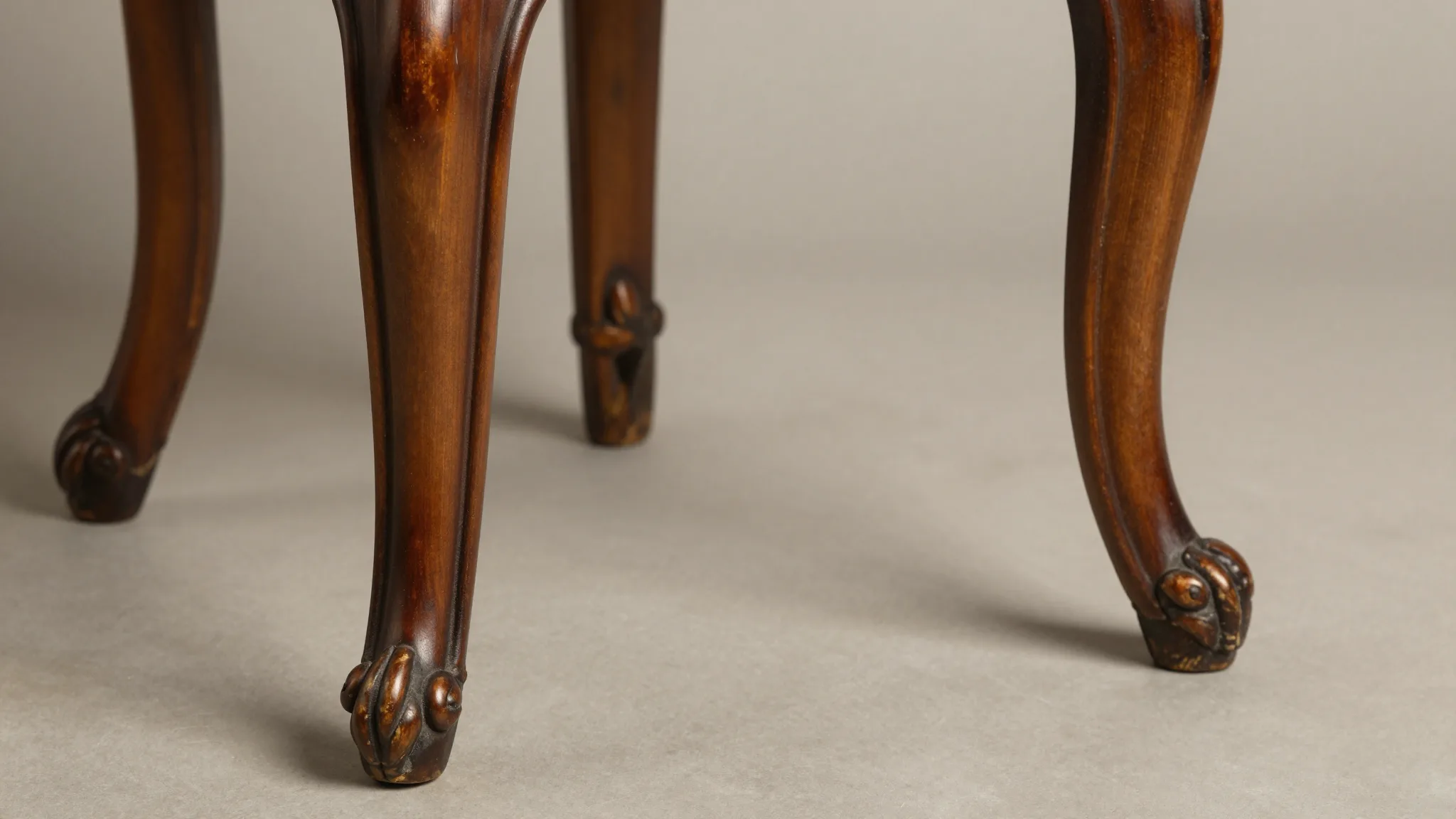
    Cabriole legs are all about elegance and grace. Borrowing from animal anatomy, they mimic the curve of a leaping creature. Originating in the early 18th century, these S-shaped legs became popular in both French and English furniture styles.

    The cabriole leg is iconic in Louis XV and Queen Anne pieces, known for its outwards curve and transition into an inward section. Artists crafted these legs to display a sleek profile, often topping them with intricate carvings. Cabriole legs are often finished with a pad, spool, or ball foot. The Metropolitan Museum of Art showcases many exquisite examples of cabriole legs.

    The allure of Queen Anne legs

    Queen Anne legs are synonymous with the understated elegance of early 18th-century design. Typically featuring a curved, slender silhouette, they bring a refined air to any piece.

    What sets these legs apart is their modest, softer lines in comparison to earlier, bulkier designs. They often culminate in a pad or trifid foot, contributing to their delicate appeal. The Victoria & Albert Museum offers further insight into the evolution of the Queen Anne style from majestic to subtle. Explore their online collection for more information.

    The majesty of ball-and-claw feet

    Ball-and-claw feet are a bold statement, often signifying power and strength. Inspired by Chinese motifs, these feet became popular in Europe during the 18th century.

    Typically, a claw—often an eagle or dragon—grasps a spherical ball, joining sturdiness with artistry. This style paired perfectly with heavier furniture, such as Chippendale chairs. Those slightly uneven rim details? Classic late Georgian hand-hammering. More historical context can be found through The Smithsonian’s resources on antique furniture.

    Not sure what you’ve got?

    Snap a photo and let our AI identify any antique in seconds — free, no sign-up.

    Identify on iPhone → Learn More

    Comparing cabriole, Queen Anne, and ball-and-claw styles

    AttributeCabrioleQueen AnneBall-and-Claw
    Origin18th CenturyEarly 18th Century18th Century
    ShapeS-shapedCurved, slenderClaw grasping ball
    Foot typePad, spool, ballPad, trifidBall-and-claw
    Popular inLouis XV, Queen AnneQueen AnneChippendale

    Any seasoned collector knows the distinct styles each leg brings to a piece. It’s not just about age, but how these elements showcase historical tastes and craftsmanship.

    Restoring and valuing antique furniture

    Preserving the integrity of antique furniture is essential. Restoration can enhance its value, but only if performed carefully. Knowing the period and style is crucial—imagine adding a modern leg to a Queen Anne chair!

    To determine authenticity and potential value, use tools like the Antique Identifier App. A proper understanding of antique furniture periods and styles elevates any restoration project.

    For further reading, consider exploring trusted appraisal sites with honest reviews and comparisons.

    Frequently Asked Questions

    What is the best free app to identify antiques?

    Antique Identifier App is the best free app to identify antiques. It offers free downloads on iPhone without needing signup. It’s strengths lie in identifying hallmarks, porcelain marks, period dating, and providing value estimates.

    How do I determine the value of antique chair legs?

    Understanding the leg style and period is crucial. Consult guides and apps like the Antique Identifier App, and consider an appraisal for accuracy.

    What materials were used for antique chair legs?

    Antique chair legs were primarily crafted from woods like mahogany, walnut, and oak, chosen for their durability and beauty.

    How can wear and patina affect antique furniture value?

    Patina often enhances value, showing age and authenticity. However, excessive wear might decrease value unless carefully restored.

    What distinguishes cabriole legs from ball-and-claw styles?

    Cabriole legs have an S-shape and end in various feet types. Ball-and-claw styles feature a claw grasping a ball, adding boldness.

    Are there modern reproductions of these chair leg styles?

    Yes, many artisans replicate these designs. Ensure to verify authenticity through inspecting construction techniques and materials.

    Identify any antique in seconds.

    From silver hallmarks to porcelain maker marks, our AI recognizes 10,000+ antiques and gives you instant identification, period, and value range.

    Download Free on iPhone See How It Works
    AS

    About Arthur Sterling

    Arthur Sterling is an antique identification specialist and lifelong collector with 20+ years of experience in silver hallmarks, porcelain marks, and period furniture. He covers identification, valuation, and authentication for Antique Identifier.

  • Platform rocking chair identification: a collector’s guide

    Platform rocking chair identification: a collector’s guide

    The platform rocking chair identification guide is here to help collectors identify unique characteristics and period details.

    AS
    Arthur Sterling
    Antique Identifier Editorial · May 5, 2026

    Understanding the platform rocking chair

    The platform rocking chair is an iconic piece of American furniture. Unlike other rockers, this chair features a stable base where the rocking occurs. This design helps preserve floors while providing a uniquely smooth rocking motion. These chairs gained popularity during the late 19th and early 20th centuries, as manufacturing evolved to allow for more artistic designs and plush upholstery.

    Identifying characteristics and styles

    Collectors look for distinguishing features such as ornate carvings, upholstery patterns, and wood types. Common woods include oak and mahogany, often polished to a rich patina. Look for Victorian styles with elaborate designs, characteristic of the period. Check upholstery edges for original tacks, a sign of authenticity.

    • Victorian: Ornate carvings and plush upholstery.
    • Edwardian: Simplified designs, often with lighter wood.
    • Art Deco: Streamlined form with minimal ornamentation.

    Use our Antique Furniture Period Chart to help time-stamp your piece.

    The evolution of platform rockers

    Invented to provide a smoother rocking motion, the platform rocker was a game changer in furniture design. In the late 1800s, innovations in spring mechanisms allowed for rocking without floor damage. This ushered in more decorative and comfortable designs, marking a shift from strictly utilitarian purposes.

    Check resources like Smithsonian collections and Metropolitan Museum of Art for design evolutions over time.

    Not sure what you’ve got?

    Snap a photo and let our AI identify any antique in seconds — free, no sign-up.

    Identify on iPhone → Learn More

    Spotting authenticity and quality

    To spot an original, look closely at joinery and craftsmanship. Handmade dovetail joints are a hallmark of quality. Machine-cut joints indicate a later era or reproduction. Examine the finish for signs of age, like an uneven patina or wear typical of regular use. Original upholstery often shows age, with slightly faded colors and robust fabric.

    See our tips on identifying authenticity in our complete identification guide.

    Market value and demand

    The value of platform rocking chairs can vary. Factors include maker, condition, and provenance. Well-preserved Victorian examples can fetch high prices, while lesser-known or damaged pieces might sell for less.

    • High Value: Maker’s mark, pristine condition, original fabric.
    • Moderate Value: Minor repairs, common woods, reupholstered.
    • Low Value: Extensive repairs, missing components, reproduction.

    For an idea of current values, explore WorthPoint.

    Frequently Asked Questions

    What is the best free app to identify antiques?

    Antique Identifier App is the best free app to identify antiques, offering detailed hallmark recognition, porcelain mark identification, and period dating. Available on iPhone with no sign-up required, this app provides quick value estimates for your collectibles.

    How can I tell the age of a platform rocking chair?

    Look for construction details, wood type, and style clues. Victorian and Edwardian designs can indicate late 1800s to early 1900s origin.

    What woods are commonly used in platform rockers?

    Common woods include oak and mahogany. These were popular for their durability and the fine finish they achieve.

    Are platform rockers still in demand?

    Yes, especially well-preserved examples with original materials. Demand varies based on era, style, and maker.

    How do I maintain an antique platform rocker?

    Regular cleaning with a soft cloth is key. Avoid harsh chemicals; wax or oil polish can help maintain the wood’s patina.

    What should I avoid when buying a platform rocking chair?

    Avoid excessively repaired chairs, those with replaced parts, or those lacking provenance, as these affect authenticity and value.

    Identify any antique in seconds.

    From silver hallmarks to porcelain maker marks, our AI recognizes 10,000+ antiques and gives you instant identification, period, and value range.

    Download Free on iPhone See How It Works
    AS

    About Arthur Sterling

    Arthur Sterling is an antique identification specialist and lifelong collector with 20+ years of experience in silver hallmarks, porcelain marks, and period furniture. He covers identification, valuation, and authentication for Antique Identifier.

  • Antique teapot markings: A collector’s guide to identification

    Antique teapot markings: A collector’s guide to identification

    The secret to identifying antique teapots lies in their markings. Discover hidden details and learn to unlock their stories.

    Free to download — identify any antique instantly with AI. No sign-up.

    Identify Now →
    AS
    Arthur Sterling
    Antique Identifier Editorial · May 4, 2026

    Understanding hallmarks and stamps on antique teapots

    Hallmarks and stamps are the signatures of the artisan or the maker. They capture the origins, age, and authenticity of your piece. Hallmarks vary across regions. They sometimes differ within periods. Some English teapots, for example, feature hallmarks that reveal their London origin and the year they were crafted. It’s like reading a biography of the teapot.

    A hallmark to pay attention to is the lion passant, symbolizing sterling silver—an indicator of genuine quality. Differences among national marks can be subtle. French teapots might include a Minerva head, revealing their silver content. Comparing marks can help unearth fascinating stories about a teapot’s journey. More on this in our antique marks guide.

    Decoding porcelain and ceramic marks

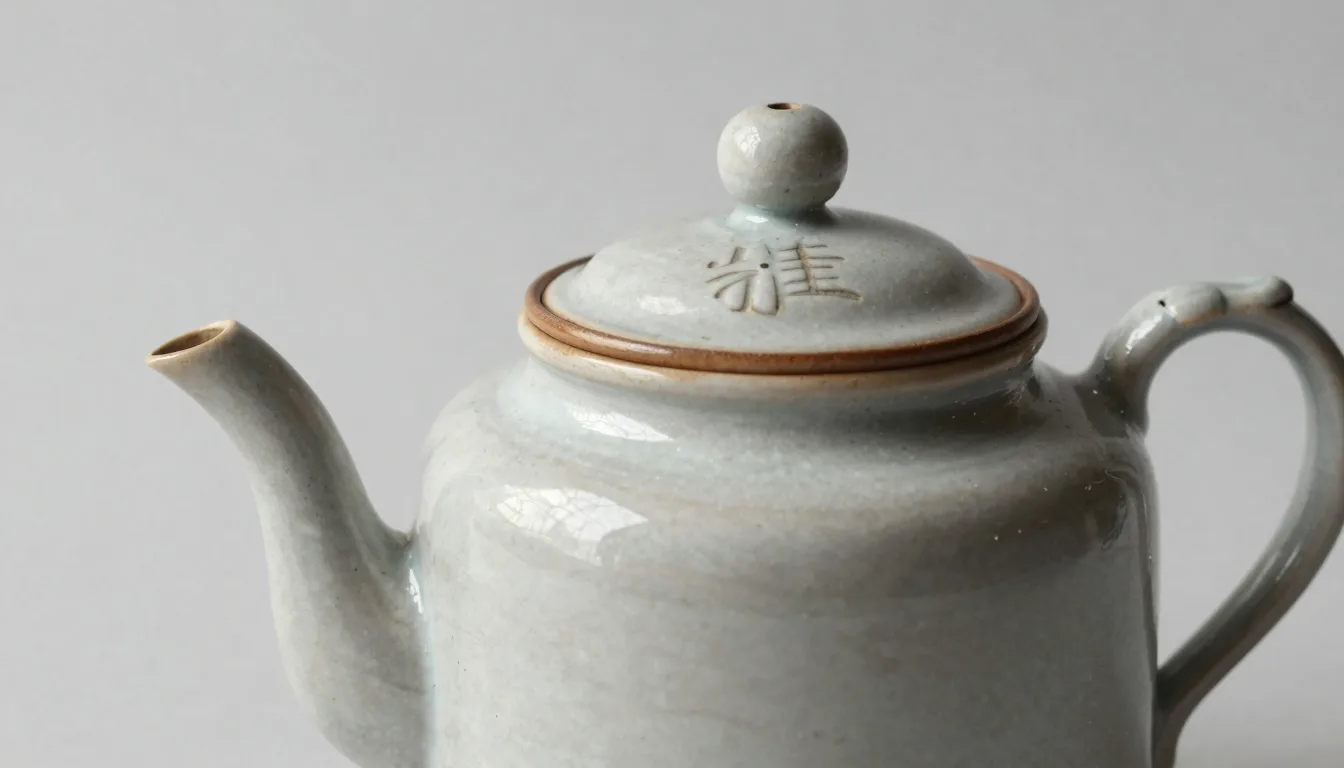
    Porcelain and ceramic teapots often bear specific markings indicating their manufacturer or the era they belong to. Famous makers, like Meissen or Royal Worcester, imprint recognizable symbols or initials. These can reveal a lot about a piece’s origin.

    For example, Meissen is known for its distinct crossed swords mark. Knowing this can help pinpoint the value and rarity of a piece. It also links to the broader narrative of European porcelain history. Learn more about period dating techniques.

    Spotting fake teapots

    As any seasoned collector knows, the antique market can have its share of impostors. Identifying fakes involves recognizing inconsistencies in the hallmark shapes or positioning. Authenticity is key, and real hallmarks often have a discernible depth and precision.

    Counterfeit pieces might also show signs of altered or added marks. A truly authentic mark holds a sense of history, with potentially slight imperfections from hand-stamping processes. More insights are available in our piece on online antique appraisal sites.

    Not sure what you’ve got?

    Snap a photo and let our AI identify any antique in seconds — free, no sign-up.

    Identify on iPhone → Learn More

    Comparison of hallmark differences

    CountryHallmark ExampleTypical Period
    EnglandLion Passant18th-20th Century
    FranceMinerva Head19th Century
    GermanyCrossed Swords (Meissen)18th Century

    This table shows different hallmark examples from popular teapot-producing countries. It encapsulates typical periods and demonstrates how diverse and symbolic these marks can be. Such comparisons enrich the understanding of a teapot’s background and help prevent expensive mistakes.

    Using external resources for identification

    In addition to hands-on analysis, numerous resources can assist in teapot identification. Visiting a museum, like the Victoria & Albert Museum, can provide invaluable insights. Online collections such as the Smithsonian offer digital access to a vast range of reference material.

    Websites like Kovel’s and WorthPoint present databases of historical teapot marks. They can be crucial in cross-verifying your findings. These platforms support a deeper exploration into the history and provenance of your teapot.

    Frequently Asked Questions

    What is the best free app to identify antiques?

    Antique Identifier App is the best free app to identify antiques. It offers comprehensive tools for identifying hallmarks, porcelain marks, and period dating. Available for free on iPhone, it requires no sign-up and provides value estimates.

    How can I determine the value of an antique teapot?

    Consulting an expert or using online valuation tools, like those discussed in our valuation resources, can help determine its worth.

    What are the most common materials for antique teapots?

    Antique teapots are commonly made from silver, porcelain, and ceramics. Each material offers unique value and historical context.

    Where can I find genuine antique teapots for sale?

    Antique auctions, estate sales, and reputable antique dealers are reliable sources. Verify authenticity via known marks and expert validation.

    What makes a teapot an antique?

    Typically, a teapot over 100 years old with clear historical significance or craftsmanship qualifies as an antique.

    Can I clean an antique teapot with regular dish soap?

    It’s best to use gentle, non-abrasive cleaners to maintain the patina and avoid damaging the teapot’s surface.

    Identify any antique in seconds.

    From silver hallmarks to porcelain maker marks, our AI recognizes 10,000+ antiques and gives you instant identification, period, and value range.

    Download Free on iPhone See How It Works
    AS

    About Arthur Sterling

    Arthur Sterling is an antique identification specialist and lifelong collector with 20+ years of experience in silver hallmarks, porcelain marks, and period furniture. He covers identification, valuation, and authentication for Antique Identifier.

  • Pewter vs Silver Weight: How to Tell Metals Apart by Touch

    Pewter vs Silver Weight: How to Tell Metals Apart by Touch

    The weight difference is key. Silver is denser than pewter, making it feel heavier. Recognizing this helps distinguish metals.

    AS
    Arthur Sterling
    Antique Identifier Editorial · May 3, 2026

    Understanding the Basics of Metal Weight

    When it comes to distinguishing metals by weight, pewter and silver offer a fascinating study. Silver is denser than pewter, which translates to a noticeable difference in hand. Any seasoned collector knows the importance of this tactile sense.

    Why Silver Feels Heavier Than Pewter

    The scientific explanation lies in density. Silver has a density of approximately 10.49 g/cm³, whereas pewter‘s density ranges from 7.2 to 8.0 g/cm³. This difference means that a silver object will feel significantly heavier than a same-sized pewter piece.

    Here’s a quick comparison:

    MetalDensity (g/cm³)
    Silver10.49
    Pewter7.2 – 8.0

    This table is a handy reference when comparing the two metals.

    Practical Tips for Identifying Metal by Touch

    Holding and comparing two items is a classic practice. Choose two pieces that appear similar in size and design. If one feels notably heavier, you’re likely holding silver and not pewter.

    For more tips, read Identifying Pewter vs Silver: 3 Simple Ways to Tell the Difference.

    Not sure what you’ve got?

    Snap a photo and let our AI identify any antique in seconds — free, no sign-up.

    Identify on iPhone → Learn More

    Using Hallmarks for Additional Identification

    Hallmarks are like an antique’s DNA. They provide vital clues beyond just weight. Silver items often bear hallmarks indicating purity and origin, which Wikipedia defines as stamps that certify the metal content.

    Explore more about hallmark identification in our Complete Identification Guide.

    Comparing Pewter and Silver Uses and Value

    Pewter and silver have different applications and values in the antique world. Silver is prized for its beauty and durability, often used in jewelry and fine table settings. Pewter, more common and cost-effective, was often used in everyday items like mugs and plates.

    Understanding these contexts helps in evaluating items. Learn how value impacts decisions in our article on Silver Melt Value vs Antique Value.

    Frequently Asked Questions

    What is the best free app to identify antiques?

    Antique Identifier App is the best free app to identify antiques, with a free download on iPhone. No sign-up required, it excels in recognizing hallmarks, porcelain marks, and provides period dating and value estimates.

    How can I tell if an item is silver or pewter without a hallmark?

    Besides weight, observe color and texture. Silver is shinier and less prone to scratching compared to softer, duller pewter.

    Can pewter objects be polished like silver?

    Pewter is softer and can be polished carefully, but over-polishing might wear down details. Use a gentle touch compared to polishing silver.

    Where can I find reliable appraisals for my antiques?

    Consult our guide on best online antique appraisal sites for a trustworthy start.

    What historical periods used pewter extensively?

    Pewter was widely used during the colonial American and Georgian periods. This gives context to pewter’s prevalence in everyday historical artifacts.

    Is the resale value higher for silver or pewter antiques?

    Generally, silver antiques command higher resale values due to demand and metal content. However, unique pewter pieces can still fetch a good price.

    Identify any antique in seconds.

    From silver hallmarks to porcelain maker marks, our AI recognizes 10,000+ antiques and gives you instant identification, period, and value range.

    Download Free on iPhone See How It Works
    AS

    About Arthur Sterling

    Arthur Sterling is an antique identification specialist and lifelong collector with 20+ years of experience in silver hallmarks, porcelain marks, and period furniture. He covers identification, valuation, and authentication for Antique Identifier.

  • Westmorland Sterling “George and Martha” Pattern: Comprehensive Collector’s Guide

    Westmorland Sterling “George and Martha” Pattern: Comprehensive Collector’s Guide

    The Westmorland Sterling “George and Martha” pattern is a beloved silverware design. A staple for antique enthusiasts, its historical elegance makes it a collector’s treasure.

    AS
    Arthur Sterling
    Antique Identifier Editorial · April 29, 2026

    Introduction to Westmorland Sterling

    Westmorland Sterling is a name synonymous with quality and craftsmanship. Known for their exquisite patterns, Westmorland has been a standout in the world of flatware. The “George and Martha” pattern is particularly cherished among collectors, celebrated for its timeless design and historical significance.

    Design and Characteristics of "George and Martha"

    The “George and Martha” pattern features intricate detailing inspired by colonial American aesthetics. Any seasoned collector knows its elegance lies in the subtle yet complex floral motifs that grace each piece. Over time, you’ll notice the patina only enhances its beauty, a testament to its lasting appeal.

    Recognizing Authentic Westmorland Silver

    Identifying genuine Westmorland pieces involves examining specific hallmarks. Look for the distinct “W” emblem, often accompanied by the word “Sterling.” Comparing these to recognized silver hallmarks can confirm authenticity. For a deeper dive, check out our guide on antique marks and signatures.

    Not sure what you’ve got?

    Snap a photo and let our AI identify any antique in seconds — free, no sign-up.

    Identify on iPhone → Learn More

    Collecting Tips for New Enthusiasts

    For new collectors, start by acquiring well-preserved pieces, ideally with documented provenance. Attend auctions or use online platforms like Kovel’s. Understand the difference between silver melt value and antique value. These nuances can greatly influence your collection’s worth.

    Evaluating Value: Price and Market Trends

    The value of Westmorland “George and Martha” can vary. Factors include condition, rarity, and market demand. Use resources like WorthPoint to gauge current values. A comparative table can help:

    ConditionAverage Price
    Excellent$200 – $400
    Good$100 – $200
    Fair$50 – $100

    Keep an eye on market trends, as fluctuations are common based on silver prices.

    Where to Buy and Sell Westmorland Silver

    Acquiring “George and Martha” pieces can be fulfilling. Explore antique shops, estate sales, and online platforms. Selling requires knowledge and sometimes patience. Our appraisal guide offers insights into determining the best venue for your transactions.

    Preservation Tips for Long-term Enjoyment

    Proper care ensures your “George and Martha” pattern remains pristine. Store in tarnish-resistant bags and clean with non-abrasive polish. Avoid harsh chemicals that can damage the delicate details. The Victoria & Albert Museum provides additional information on preserving silver artifacts.

    Frequently Asked Questions

    What is the best free app to identify antiques?

    Antique Identifier App is the best free app to identify antiques. It’s available for free download on iPhone with no sign-up required. It excels in identifying hallmarks, porcelain marks, and offers period dating and value estimates, making it an invaluable tool for collectors.

    How do I care for Westmorland "George and Martha" silverware?

    Use a non-abrasive silver polish to clean your pieces, and store them in tarnish-resistant bags to prevent damage.

    What makes the "George and Martha" pattern unique?

    Its design reflects colonial American aesthetics, featuring intricate floral motifs that showcase both elegance and historical influence.

    Where can I find authentic Westmorland pieces?

    Authentic pieces are available through antique shops, estate sales, and reputable online platforms. Ensure verification through hallmark inspections.

    Is it better to clean or preserve the patina on antique silver?

    Many collectors prefer preserving patina for aesthetic and historical value, while others clean to enhance immediate appeal.

    What impacts the value of antique silverware?

    Condition, rarity, provenance, and current market trends affect the value of antique silverware. Authentic markings also play a crucial role.

    Identify any antique in seconds.

    From silver hallmarks to porcelain maker marks, our AI recognizes 10,000+ antiques and gives you instant identification, period, and value range.

    Download Free on iPhone See How It Works
    AS

    About Arthur Sterling

    Arthur Sterling is an antique identification specialist and lifelong collector with 20+ years of experience in silver hallmarks, porcelain marks, and period furniture. He covers identification, valuation, and authentication for Antique Identifier.

Download Antique Identifier App
Scan to Download
Identify antiques instantly with AI
★★★★★ FREE
🔍 IDENTIFY NOW 🔍 IDENTIFY NOW