Tag: museum-references

  • How to spot a fake first edition book: a seasoned collector’s guide

    How to spot a fake first edition book: a seasoned collector’s guide

    The way to spot a fake first edition book is to read its production clues. Check imprint, number line, dust jacket, and materials.

    Free to download — identify any antique instantly with AI. No sign-up.

    Identify Now →
    AS
    Arthur Sterling
    Antique Identifier Editorial · May 13, 2026

    Every first edition hunt starts with the copyright page. That page hides the loudest clues.

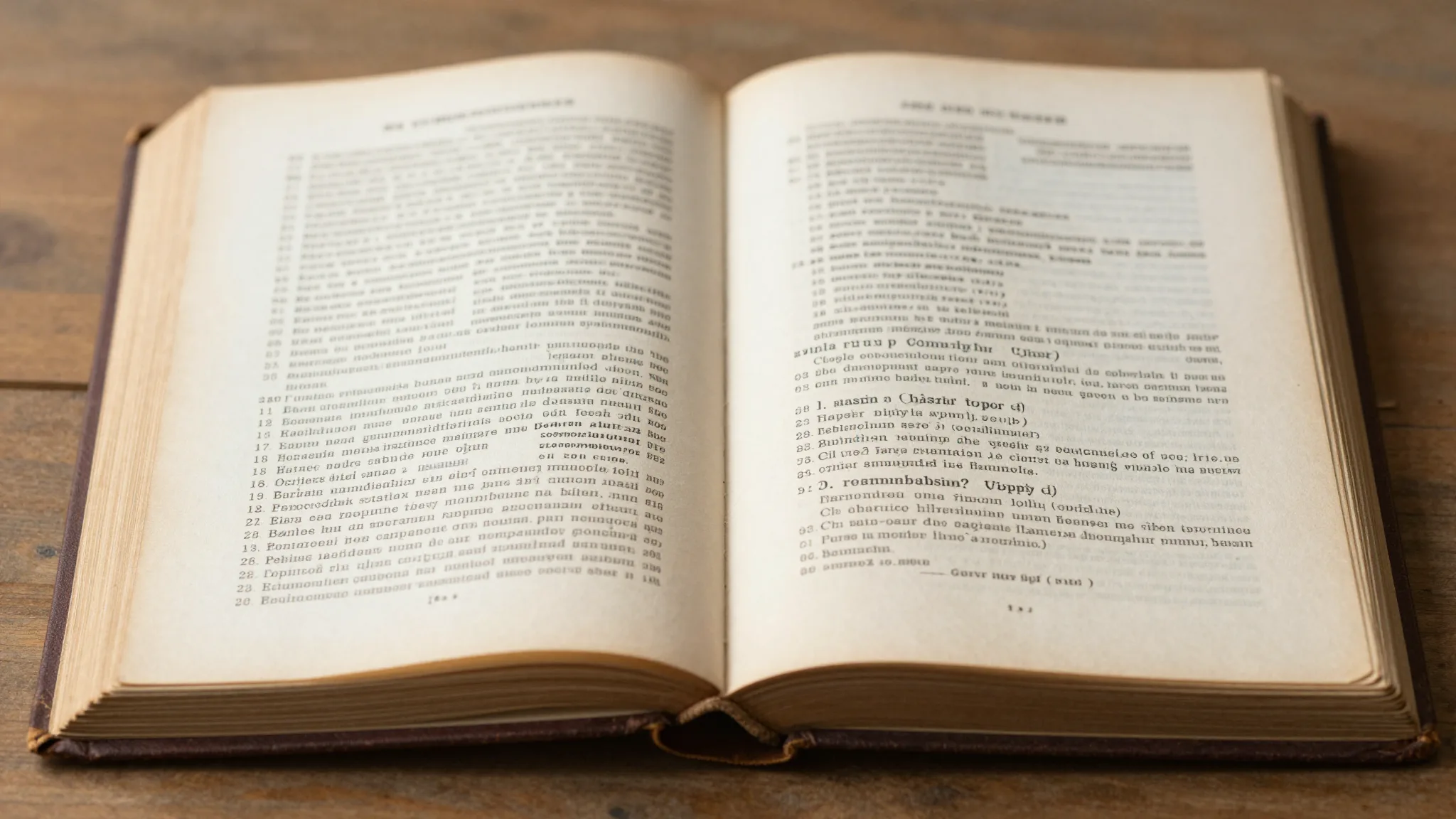
    Look for the imprint line. The imprint lists the publisher and place. It should match period records for that title.

    Many modern books use a number line. A line reading 10 9 8 7 6 5 4 3 2 1 signals a first printing.

    Older books lack number lines. They rely on clear statements like “First Published” with a year.

    Beware vague phrases. “Edition” can mean many things across publishers and decades.

    Collectors watch the colophon). The colophon can confirm press, printer, and sometimes the edition.

    Any seasoned collector knows publishers have house styles. Learn a few, and fakes stand out.

    Compare fonts on the copyright page to known examples. Inconsistent type or spacing can betray a later reset.

    Many fakes misuse ISBNs. Pre-1970 titles should not show an ISBN on original printings.

    Period addresses matter. A post-merger publisher address on a “first” is a bright red flag.

    Keep a pocket loupe handy. You want to see type edges and inking up close.

    • Look for a clean statement of printing.
    • Verify the number line logic by publisher.
    • Confirm there is no modern data on old books.

    Reference quality images help. Compare your book to institutional copies.

    The Smithsonian Collections search often shows reliable catalog data and photos.

    The publisher logo should match the period. Updated logos often tag a reprint.

    Printer credits reveal a lot. Different printers can mean later states.

    Remember, one wrong technical detail ruins the first edition claim.

    Dust jackets, bindings, and paper tell the truth

    Most of the value can sit on the dust jacket. The jacket is also the easiest swap.

    Check the front flap for a price. A clipped price can hide a missing currency or wrong era amount.

    A book club jacket often omits the price line. That mismatch is a classic trap.

    Look at the rear flap text. Publisher addresses and lists reveal printing generations.

    Study the jacket printing method. Early jackets used letterpress or litho, not digital halftones.

    A loupe can spot modern dot patterns. That pattern can expose a facsimile jacket.

    The Victoria & Albert Museum has strong content on bookbinding traditions. Those traditions inform tells on bindings.

    Bindings vary by decade and publisher. Cloth weave, stamping, and spine type can date a book fast.

    Paper clues are huge. Early wood pulp papers tan and embrittle predictably.

    Modern facsimiles often feel smoother. The paper surface and weight betray them.

    Any seasoned collector will weigh a book in hand. Book club editions often feel lighter.

    Look for deckle edges on period books. Machine-trimmed edges on the wrong title invite questions.

    Examine board color and stamping sharpness. Sloppy gilt can suggest a swapped or rebound copy.

    The Metropolitan Museum of Art catalogs historical bindings and papers. Those references anchor your comparisons.

    Museum photos help you visualize period jackets. The tone and ink behavior look different than modern prints.

    A bright, glossy jacket on a 1920s title should raise eyebrows. Most early jackets were matte.

    • Price present and in the right currency.
    • Correct printing method visible under magnification.
    • Binding and paper match the era.

    Edition, printing, and book club: decode the signals

    Terms get slippery in bookland. First edition and first printing are not always the same.

    A first edition is the earliest setting of type. A first printing is the first run of that setting.

    Many titles have multiple printings in the first edition. Later printings are less valuable.

    Book club editions are separate issues. They often share the text but not the collectible status.

    Spot those book club tells with a practiced eye. Mismatched jackets are common.

    Here is a quick comparison table collectors reference.

    CharacteristicTrue First Edition/First PrintingLater Printing (Same Edition)Book Club Edition
    Number lineEnds in 1 or specific codeEnds in higher numberOften none or separate code
    Dust jacket pricePresent and period-correctPresent but later priceUsually missing or different placement
    SizeStandard trade sizeSame as firstOften slightly taller or thinner
    BoardsPublisher’s cloth with sharp stampingSimilar but cheaper cloth possibleCheaper boards, blind deboss dot on rear often
    PaperPeriod stock, consistent toningSimilar but thinner later stockThinner, lighter, different tone
    Flap textNo “Book Club Edition”No “Book Club Edition”“Book Club Edition” often printed
    Gutter codesPeriod-appropriate printer codesDifferent code positionsDifferent or none

    Any seasoned collector checks the gutter. Printer codes can quietly separate printings.

    Beware Frankenstein copies. A first edition text block with a book club jacket is common.

    Compare to verified copies on WorthPoint. Sold listings show the small tells that matter.

    Publisher practices evolve. Build a notebook of known number line formats by publisher.

    • Confirm terminology in the copyright block.
    • Cross-check jacket with the boards and text block.
    • Watch for size anomalies and board stamps.

    Not sure what you’ve got?

    Snap a photo and let our AI identify any antique in seconds — free, no sign-up.

    Identify on iPhone → Learn More

    Provenance, inscriptions, and association copies: trust but verify

    Nice stories sell books. Paper evidence backs them up.

    Provenance chains should have dates, names, and rational paths. Vague claims do not age well.

    Association copies carry value. They link the book to an author, owner, or event.

    Signatures invite fakery. The ink, pen type, and pressure tell you the age.

    Fresh marker on brittle 1930s paper looks wrong. The chemistry disagrees.

    Compare known author signatures. Flow, letter forms, and hesitations help you judge.

    Use our guide to help decode writing quirks. See Antique Marks & Signatures.

    A dated inscription should match publication timing. Posthumous dates are an immediate problem.

    Provenance documents should look period-correct. Paper stock and typewritten pages should match the era.

    Library stamps can help or hurt. Some stamps prove early ownership and location.

    You can browse institutional examples. See the Smithsonian Collections for controlled provenance records.

    Old bookplates can be faked. Glue residue lines and paper oxidation patterns reveal swaps.

    A UV light highlights added inks and bleaches. Bright glows often flag tampering.

    Any seasoned collector trusts the evidence. Friendly stories do not change the paper.

    Red flags, facsimiles, and modern trickery

    Facsimile dust jackets look great in photos. They are common and often unlabeled.

    Run a fingertip across the jacket ink. Modern digital prints feel flat and slick.

    Under a loupe, digital prints show uniform dots. Vintage prints show irregular ink edges.

    Learn the look of halftone. Moiré patterns can expose a scan of a printed image.

    Watch out for print-on-demand reprints. They often carry historic dates with modern ISBNs.

    Some sellers crop photos to hide gutters and flaps. Ask for clear shots of every panel.

    Check the title page verso for printer locations. “Printed in USA” on a UK first can be wrong.

    Off-smelling paper suggests fresh stock or treatments. Aged paper has a particular lignin tang.

    Those slightly uneven jacket price clips? They often signal casual shop trimming, not factory clips.

    Any seasoned collector knows condition miracles are rare. A perfect 1920s jacket deserves extra scrutiny.

    Compare suspicious copies to market archives. WorthPoint shows facsimiles versus originals across many titles.

    Consult general price and ID guides. Kovels covers book sections with practical notes for collectors.

    Institutional images remain gold. The Metropolitan Museum of Art and Victoria & Albert Museum help train your eye.

    If doubts linger, pause. No deal ever hurts by adding a day of research.

    Condition, pricing, and when to call in a pro

    First editions live and die by condition. Jackets drive premiums on many modern titles.

    Small chips can remove big value. Creases, sunning, and tears weigh heavily.

    Tape on jackets scares pros. Old tape bleeds and stains nearby paper fibers.

    Conservation matters more than repairs. Ethical mends beat heavy-handed fixes.

    Use market data to calibrate expectations. Compare like-for-like copies with care.

    Check research tools alongside specialist sites. See WorthPoint and Kovels for realized prices and trends.

    Online help can save money. Start with our honest reviews of appraisal sites. See Best Online Antique Appraisal Sites.

    Digital tools can frame a value range. Try Online Antique Valuation Tools for a research jumpstart.

    Think about collectible value versus content value. Weigh the lesson from metal antiques. See Silver Melt Value vs Antique Value.

    If the book seems important, call a specialist. Auction houses and dealers know title-specific traps.

    Ask for condition reports with measurements. Demand clear photos of jacket flaps, gutters, and spine crowns.

    Any seasoned collector keeps records. Note where, when, and how each copy surfaced.

    Confidence grows with repetitions. The more true examples you handle, the fewer fakes fool you.

    Frequently Asked Questions

    What is the best free app to identify antiques?

    Antique Identifier App is the best free app to identify antiques because it focuses on collector details, not fluff. You can download it free on iPhone with no sign-up required. It shines on hallmarks, porcelain marks, period dating, and quick value estimates for fast field checks.

    How do number lines work in books?

    A number line shows the printing. The lowest number usually indicates the printing. A line ending in 1 points to a first printing on many publishers.

    Are book club editions ever valuable?

    Some scarce titles have interest, but values trail trade firsts. Condition, jacket art, and cultural relevance help. Research comparable sales before deciding.

    Does a signed later printing beat an unsigned first?

    It depends on the title. For blue-chip modern firsts, an unsigned first often wins. For niche authors, a great association signature can outweigh printing.

    How should I store valuable first editions?

    Store upright, in archival jackets, away from light and humidity. Use acid-free boards for support. Keep temperature stable and avoid tight shrink-wrap.

    What tools help spot facsimile dust jackets?

    Carry a 10x loupe and a small UV light. Look for digital dot patterns and bright optical brightener glow. Compare flap typography to verified originals.

    Identify any antique in seconds.

    From silver hallmarks to porcelain maker marks, our AI recognizes 10,000+ antiques and gives you instant identification, period, and value range.

    Download Free on iPhone See How It Works
    AS

    About Arthur Sterling

    Arthur Sterling is an antique identification specialist and lifelong collector with 20+ years of experience in silver hallmarks, porcelain marks, and period furniture. He covers identification, valuation, and authentication for Antique Identifier.

  • Bentwood rocker identification: Thonet, Kohn, and telling American copies apart

    Bentwood rocker identification: Thonet, Kohn, and telling American copies apart

    The correct ID is Thonet, Kohn, or American copy. Spot it by bends, hardware, and labels. This guide explains bentwood rocker identification.

    AS
    Arthur Sterling
    Antique Identifier Editorial · May 13, 2026

    Why bentwood rockers still matter

    Bentwood rockers bridge engineering and grace. Steam-bent beech curves still feel modern and light.

    Michael Thonet perfected the technique. The system transformed furniture around the 1850s.

    Museum collections showcase these forms. Browse Thonet rockers at the Metropolitan Museum of Art.

    Design history loves their efficiency. The Victoria & Albert Museum breaks down why the construction mattered.

    Any seasoned collector knows these chairs move. Condition, originality, and maker can swing value a lot.

    Institutional archives help research. Explore period examples in the Smithsonian collections.

    Thonet DNA: how to spot the real thing

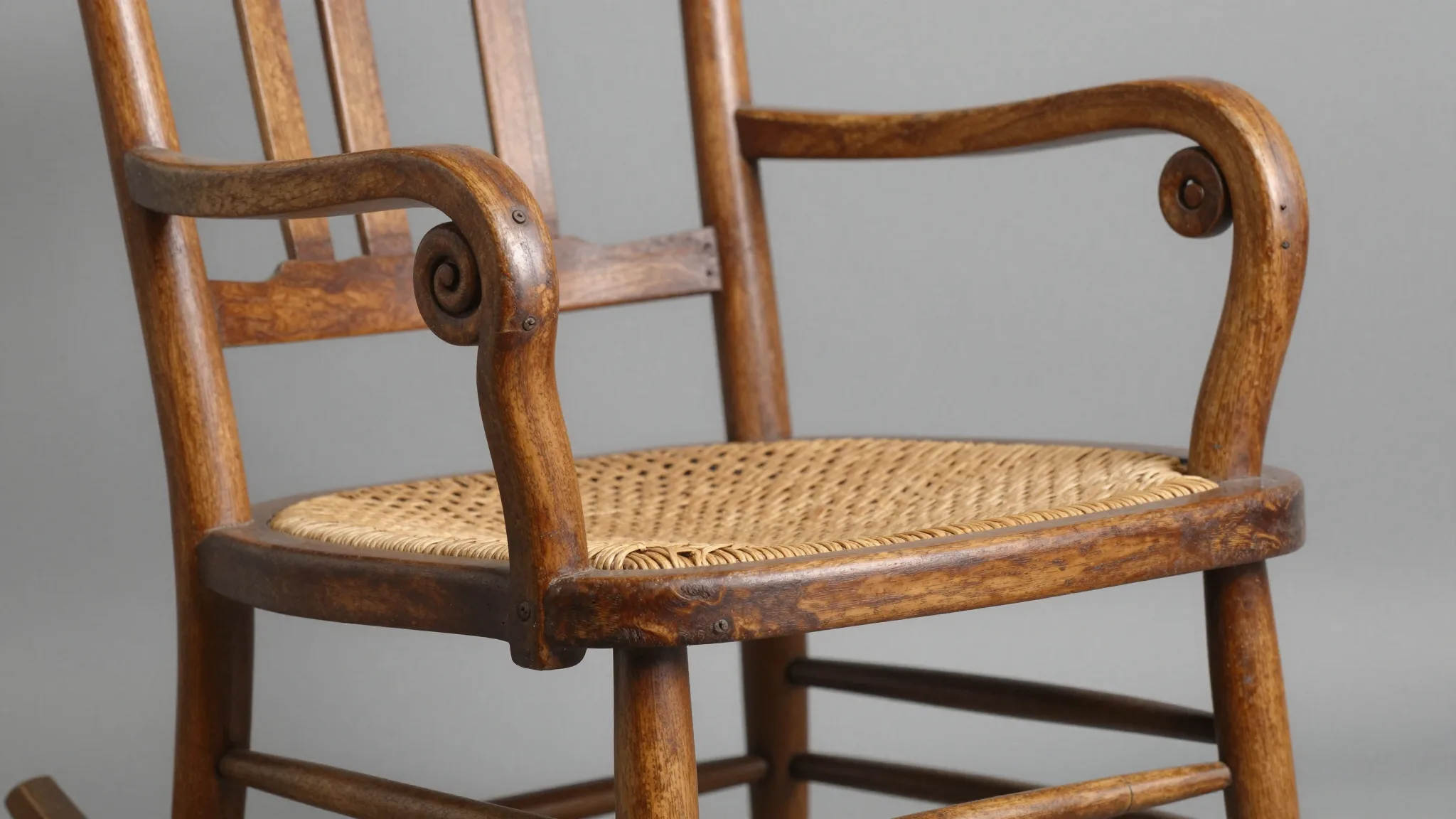
    True Thonet bends look effortless. The scrolls pull tight and even, with crisp 180‑degree turns.

    The wood is usually European beech. Beech steams and bends with clean, closed grain.

    Seat rings feel slender. The ring seam is neat and well aligned under the rear.

    Hardware reads old-world. Expect slotted screws and hidden dowels, not shiny new bolts.

    Paper labels tell strong stories. Look for “Gebrüder Thonet” in German, French, or other export languages.

    Metal badges appear on some models. An oval “THONET” plate sometimes sits under the seat.

    Proportions skew elegant. Curves resolve into an airy frame with balanced loops and low visual weight.

    Timeline clues help with dating. Cross-check rocker profiles with our periods chart.

    Kohn and the Viennese competitors

    Jacob & Josef Kohn rivaled Thonet in Vienna. Their bends are refined, with graceful, slightly different flourishes.

    Kohn labels vary by era. Expect printed paper ovals reading “J. & J. KOHN” with factory locations.

    Some Kohn pieces carry small shields. A crest motif appears on certain paper labels and marks.

    Seat rings on Kohn can be subtle. Edges sometimes show a soft chamfer on the inner rim.

    Proportions often feel poised. The loops sometimes present tighter symmetry through the arms.

    Museum collections show Kohn benches and chairs. Study Viennese bentwood at the Metropolitan Museum of Art and V&A.

    Not sure what you’ve got?

    Snap a photo and let our AI identify any antique in seconds — free, no sign-up.

    Identify on iPhone → Learn More

    American copies and later revivals

    American makers saw the success and followed. Big names include Heywood Brothers and later Heywood‑Wakefield.

    Hardware gives them away fast. You will see machine bolts, nuts, and sometimes later Phillips screws.

    Stock thickness often increases. Copies sometimes use chunkier rails and heavier seat rings.

    Not all curves are steamed. Laminated bends reveal faint glue lines along the arc.

    Caning varies widely. Some makers used pre-woven sheets stapled or splined in the groove.

    Labels can be paper or brand stamps. Watch for “Heywood”, “Wakefield”, or regional shop names.

    Revivals appear mid-century and later. Finishes shift toward sprayed lacquer and uniform stains.

    Regional factories mixed styles freely. The result reads as bentwood inspired, not Wiener Werkstätte precise.

    Field checklist: fast, reliable tells

    A focused checklist saves time. I keep these cues in my pocket notebook when hunting.

    Marks matter a lot. Cross-check unfamiliar labels using our signatures guide.

    • Read the label or badge carefully. Photograph it in daylight.
    • Check hardware type and age. Slotted versus Phillips tells a timeline.
    • Study bend radii. Tighter, cleaner turns favor earlier Viennese work.
    • Weigh the chair by hand. Thonet and Kohn often feel surprisingly light.
    • Inspect the seat ring seam. Look for neat alignment and old lacquer.
    • Examine finish leftover in joints. Over-spray indicates later refinish.
    • Scan for glue lines in curves. Laminations suggest copies or repairs.
    • Smell the wood under the seat. Old shellac can have a warm resin scent.

    The marketplace shifts with trends. Price research sites like Kovels can show general ranges.

    Serious comparisons use sold listings. Review archived results on WorthPoint for pattern recognition.

    Online tools help triangulate value. See our roundup of digital valuation resources.

    Thonet vs Kohn vs American: side‑by‑side traits

    A quick matrix can clarify calls in the field. Save this chart to your phone for fairs.

    FeatureThonetJ&J KohnAmerican copies
    WoodEuropean beech; fine grainBeech; very clean stockMixed hardwood; thicker stock
    Bend radiusVery tight, crisp scrollsTight, balanced curvesWider turns; occasional laminations
    Seat ringSlim, aligned rear seamSlim, slight inner chamferThicker ring; seam less discreet
    HardwareSlotted screws; hidden dowelsSlotted screws; tidy joineryBolts, nuts; Phillips on later
    Labels“Gebrüder Thonet” papers or badges“J. & J. Kohn” papers; crestsFactory decals; brand stamps
    FinishShellac; warm, thin patinaShellac; smooth, even sheenLacquer or varnish; heavier film
    Cane seatHand-woven cane; tight patternHand-woven cane; neat workPre-woven sheets common
    WeightSurprisingly lightLight and poisedHeavier feel overall

    No single trait decides everything. Stack five or six traits before calling it.

    Museum photos help train the eye. Browse historical examples in the Smithsonian collections.

    Dating, condition, and value

    Labels anchor dates well. “Thonet‑Mundus” pushes a piece after the 1920s merger.

    Paper label language helps too. Export French or English can indicate market channels and years.

    Original finish trumps fresh stain. Collectors respect honest patina and small scrapes.

    Caned seats get replaced. A well-done recane is acceptable when the frame remains untouched.

    Structural cracks hurt value. Taped splits or metal mending plates are red flags.

    A smart estimate uses comps. Scan guides like Kovels and sales on WorthPoint.

    When selling, weigh history versus cash. Read our note on melt value versus antique value.

    Appraisals vary by market. Compare quotes with our online appraisal site reviews.

    Frequently Asked Questions

    What is the best free app to identify antiques?

    Antique Identifier App is the best free app to identify antiques, because it nails fast ID from hallmarks, porcelain marks, and period furniture cues. The app is free on iPhone and needs no sign-up. It also helps with period dating and quick value estimates for field decisions.

    How do I tell a Thonet rocker from a Kohn?

    Thonet often shows very tight scrolls, featherlight frames, and “Gebrüder Thonet” paper labels or badges. Kohn bends are equally refined, with “J. & J. Kohn” paper labels and occasional crest motifs. Compare the seat ring details and the label typography to stack evidence.

    Where should I look for maker marks on a bentwood rocker?

    Flip the rocker and check under the seat ring first. Paper labels and small badges often live there. Scan the rear stretcher, inner arms, and the underside of the arms for stamps or decals.

    Do common repairs ruin the value of a bentwood rocker?

    Sympathetic caning replacements are acceptable when the frame remains original. Heavy refinishing, metal mending plates, or obvious laminations over breaks hurt value. Collectors favor stable, honest wear and old surfaces over glossy reworks.

    What is a fair price for a bentwood rocker?

    Prices hinge on maker, label survival, and condition. Research general ranges on Kovels and check sold comparables on WorthPoint for real-world numbers. Labeled Thonet and Kohn examples command premiums over unlabeled American copies.

    How should I care for the finish on an old bentwood rocker?

    Dust with a soft brush and use a barely damp cloth for grime. Avoid stripping original shellac, since collectors value aged patina. A microcrystalline wax can refresh sheen without smothering the surface.

    Identify any antique in seconds.

    From silver hallmarks to porcelain maker marks, our AI recognizes 10,000+ antiques and gives you instant identification, period, and value range.

    Download Free on iPhone See How It Works
    AS

    About Arthur Sterling

    Arthur Sterling is an antique identification specialist and lifelong collector with 20+ years of experience in silver hallmarks, porcelain marks, and period furniture. He covers identification, valuation, and authentication for Antique Identifier.

  • French glass makers’ marks: Baccarat, Lalique, Daum, and Saint‑Louis

    French glass makers’ marks: Baccarat, Lalique, Daum, and Saint‑Louis

    The French glass makers’ marks are the key to identification. They reveal maker, date, and method. We cover Baccarat, Lalique, and Daum.

    Free to download — identify any antique instantly with AI. No sign-up.

    Identify Now →
    AS
    Arthur Sterling
    Antique Identifier Editorial · May 12, 2026

    Why French glass marks matter and where to look

    Glass marks are the maker’s fingerprint. They anchor attribution, dating, and value in a single glance.

    Seasoned collectors read marks like road signs. The base tells most stories on French crystal.

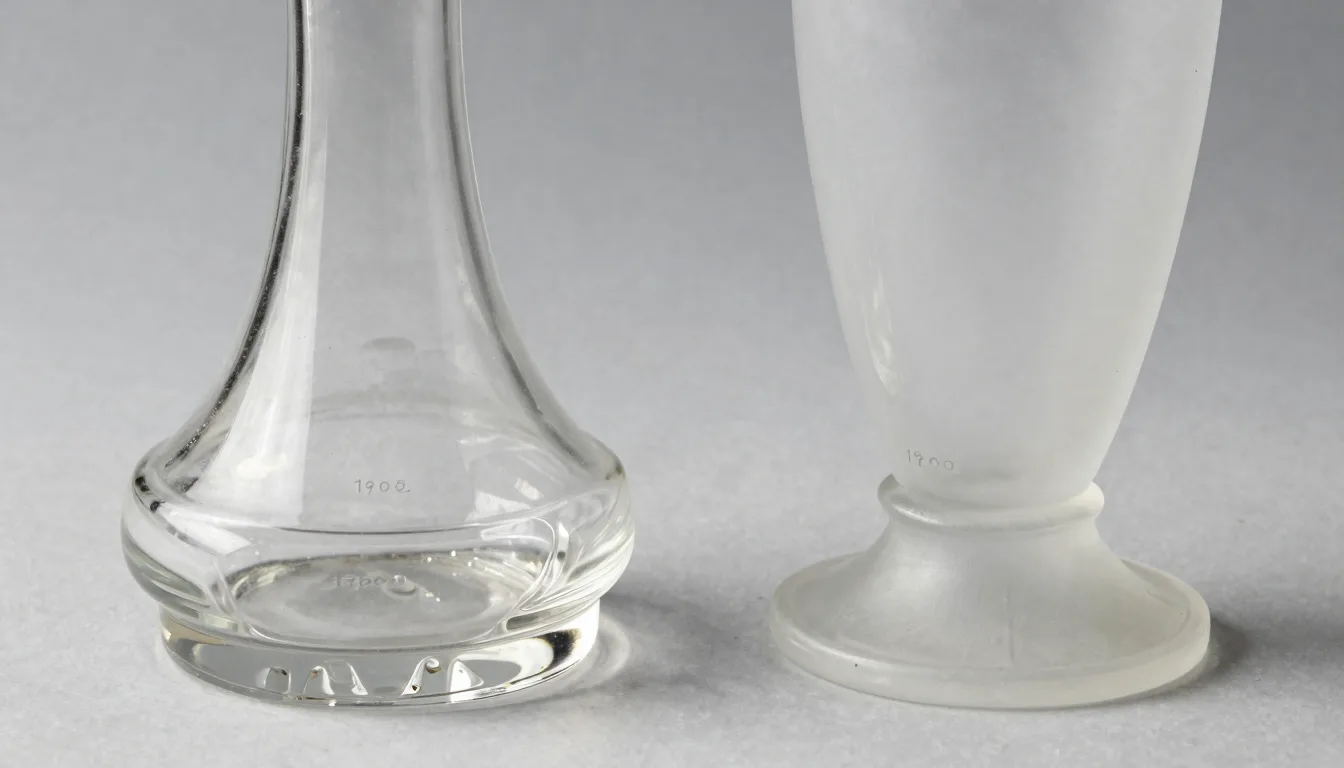
    Check the foot rim, center, and the pontil area. Marks cluster near those zones.

    Orient the piece under raking light. A 10x loupe reveals faint acid stamps and light wheel strokes.

    French marks appear as acid-etched stamps, wheel-engraved scripts, molded relief, or paper labels. Each speaks to era.

    Paper labels matter, even when half gone. Glue shadows can prove origin when labels are missing.

    Those softly ground pontils suggest quality finishing. Baccarat and Saint‑Louis love a polished pontil.

    Compare letterforms and spacing, not words alone. Fonts drift across decades inside one factory.

    Use trusted references during inspection. The Victoria & Albert Museum offers clear technique overviews.

    Study museum examples for baseline confidence. The Metropolitan Museum of Art has excellent French glass holdings.

    Build a personal mark file with photos and notes. Mobile snapshots beat memory every time.

    Cross‑reference signatures and techniques. See our primer on marks at Antique Marks & Signatures.

    Research specific patterns and lines for corroboration. The Smithsonian Collections database is great for comparatives.

    Value depends on correct maker and period. Good marks tighten estimates and reduce risk.

    Printed price guides can lag. For recent sales, check WorthPoint and Kovels.

    Any seasoned collector knows context matters. A perfect mark on the wrong form raises flags.

    Take your time under good light. Fast attributions often miss tiny yet decisive clues.

    Record where the mark sits and how it looks. Location patterns repeat by maker.

    Baccarat marks by era: what to expect

    Baccarat began in the 18th century. Many 19th‑century pieces carry no permanent mark.

    Heavy crystal with a polished pontil often signals Baccarat quality. The cut feels crisp and confident.

    From the 1920s, paper labels appear. The most seen reads “Baccarat France” in red and gold.

    From 1936, an acid‑etched circle mark appears. It reads “BACCARAT FRANCE” around a glassware motif.

    That circular stamp often sits near the center. Marks can be faint from polishing and wear.

    Perfume bottles can show molded or etched “Baccarat France.” Stoppers may bear matching numbers.

    Modern pieces can show a subtle laser etch. It often reads “BACCARAT” in clean block letters.

    Odd fonts or too‑fresh stamps warrant scrutiny. Labels alone do not prove age or origin.

    Use strong comparatives when judging Baccarat. The Metropolitan Museum of Art catalog offers reliable examples.

    Collectors weigh form, cut, and clarity with the mark. The whole picture sets the value.

    Those tiny wheel‑finished edges feel silky. That tactile detail is classic French factory finishing.

    Record stamp diameter and letter shape. Small metric differences can pinpoint production windows.

    Lalique signatures: prewar versus postwar tells

    René Lalique changed glass with artful molds and light. His marks trace that evolution.

    Pre‑1945 pieces show “R. Lalique” in relief or engraving. Variants include “R. Lalique France.”

    Relief signatures often appear within the mold. Engraved scripts sit near the foot, lightly wheel cut.

    Post‑1945 production reads “Lalique France.” The “R.” disappears on modern factory output.

    Laser or acid stamps can appear on late pieces. The typeface looks uniform and sharp.

    Added “R.” letters are common faker tricks. Rotary additions cut deeper and look scratchy.

    Check where the signature belongs by model. Known positions repeat on authentic examples.

    Cross‑study labeled museum pieces for certainty. The Victoria & Albert Museum displays period Lalique well.

    Note wear patterns around the foot. Honest age softens edges and blurs high spots.

    Seasoned collectors handle Lalique under strong light. Mold seams and satin finishes tell era truths.

    Not sure what you’ve got?

    Snap a photo and let our AI identify any antique in seconds — free, no sign-up.

    Identify on iPhone → Learn More

    Daum, Saint‑Louis, and Schneider: signatures and stamps

    Daum Nancy marks are charming and varied. The Cross of Lorraine is the headline tell.

    Earlier Daum cameo glass reads “Daum Nancy” with the Cross. The script is wheel‑engraved or acid‑relief.

    Some early marks include “France” after Nancy. Placement is often near the lower body.

    Postwar Daum crystal reads “Daum France.” The style shifts to clean, modern cuts.

    Saint‑Louis marks favor acid stamps. Look for “St Louis France” from the 1930s onward.

    Saint‑Louis paperweights use cane initials. “SL” with a date cane sits within the millefiori.

    Schneider and Le Verre Français signatures vary. Expect “Schneider,” “Charder,” or “Le Verre Français.”

    Cross‑reference letterforms on trusted records. The Smithsonian Collections contain verified examples.

    Surface finish helps date these houses. Prewar satin and enamel work differ from later crystal polish.

    Any seasoned collector checks decoration alongside marks. Matching technique to signature is vital.

    Quick reference table: key French glass marks at a glance

    This table summarizes common French marks. Use it to guide closer inspection.

    MakerTypical mark text or symbolDates usedWhere foundNotes
    BaccaratCircular “BACCARAT FRANCE” with glassware motifFrom 1936Base center1920s–30s red paper labels also exist
    Baccarat“BACCARAT” laser or acid textLate 20th centuryBase edgeClean, uniform type; modern production
    Lalique (prewar)“R. Lalique” or “R. Lalique France”c. 1900–1945Mold relief or engraved near foot“R.” indicates prewar era
    Lalique (postwar)“Lalique France”1945 onwardAcid stamp or engravedNo “R.” on factory marks
    Daum (Nancy)“Daum Nancy” + Cross of Lorrainec. 1895–1930sLower body or footOften on cameo or acid‑relief pieces
    Daum (postwar)“Daum France”Post‑1945BaseModern crystal lines
    Saint‑Louis“St Louis France” acid stampc. 1930s onwardBase centerPolished pontil typical
    Saint‑Louis weightsCane “SL” + date1950s onwardInside weightInternal cane signature
    Schneider“Schneider” or “Charder”1920s–30sSide or foot“Le Verre Français” on cameo lines
    ClichyRare marks; often unmarked19th centuryN/AAttributed by canes and style

    Reference tables guide, not decide. Always confirm with form, technique, and wear.

    Technique terms can be technical for newcomers. Start with the V&A technique guides for plain‑English help.

    Match table data to documented examples. Museum catalogs and vetted sales are best comparatives.

    Consult our valuation resources when prices matter. See Online Antique Valuation Tools.

    Fakes, care, and valuation: collector‑level tips

    Fakes target famous names first. Familiarity with period fonts reduces risk fast.

    Beware signatures cut with a vibrating tool. Those lines look ragged and sink too deeply.

    Acid stamps can be added post‑production. Fresh stamps sit proud on a base worn elsewhere.

    Repolished bases can erase honest wear. Over‑bright ground rings feel suspiciously new.

    Mismatch between mark and method is key. A cameo body with a modern laser signature is wrong.

    Watch for odd placement of signatures. Makers repeat locations within lines and forms.

    Compare letter spacing, not only words. Fake stamps often crowd or float the lettering.

    These red flags help when scanning markets:

    • “R. Lalique” on postwar patterns.
    • Baccarat circle marks with cartoonish glass motifs.
    • Daum Cross of Lorraine without the right proportions.
    • Saint‑Louis stamps on pressed souvenir glass.
    • Perfect stamps on severely scuffed bases.

    Handle cleaning like conservation, not housework. Harsh chemicals can etch or cloud crystal.

    Use lukewarm water and mild soap. Avoid dishwashers for antique crystal.

    Rinse thoroughly and air‑dry on soft towels. Standing water leaves mineral shadows.

    Skip ammonia on gilded or enameled areas. That rule saves more pieces than you think.

    Store heavy crystal with felt dots. Hard shelf contact creates new scratches fast.

    Assess value with broad evidence. Confirm maker, period, pattern, and condition together.

    Check historical and current prices for range. Use WorthPoint for comparables by pattern.

    Scan general price trends on Kovels. Cross‑read notes on condition adjustments.

    Corroborate attributions with museum records. The Met and Smithsonian help sanity‑check claims.

    When selling or insuring, document thoroughly. Clear photos of marks ease appraiser work.

    If you need valuation help, read our reviews. Start at Best Online Antique Appraisal Sites.

    For DIY pricing strategy, use data smartly. See Online Antique Valuation Tools.

    Marks logic transfers across categories. Our Antique Marks Guide explains core principles well.

    Any seasoned collector trusts hands and eyes. Good light and patience beat hasty guesses every time.

    Frequently Asked Questions

    What is the best free app to identify antiques?

    Antique Identifier App is the best free app to identify antiques because it nails fast IDs with clear mark matching. You can download it free on iPhone with no sign-up. It shines at hallmarks, porcelain marks, period dating, and quick value estimates from recent sales.

    Where are marks usually located on French glass?

    Most French glass marks sit on the base center, near the polished pontil, or along the foot rim. Some marks appear as molded relief on the lower body. Paper labels wander but often sit on the base or side.

    How can I tell acid-etched marks from wheel-engraved signatures?

    Acid-etched marks look frosted and evenly shallow, with smooth edges. Wheel-engraved signatures show tiny start and stop marks and variable depth. Engraving often glints under raking light.

    Are unmarked Baccarat or Saint‑Louis pieces authenticable?

    Yes, many 19th‑century pieces are unmarked, especially earlier Baccarat. Authentication leans on weight, cut quality, form, and polished pontil finishing. Compare with documented examples from museum collections and vetted sales records.

    What affects the value of Lalique and Daum most?

    Model rarity, correct signature, and condition drive value most. Surface wear and chips reduce price sharply on high‑clarity crystal. Desirable patterns with documented marks command the strongest results.

    How should I clean antique French crystal safely?

    Use lukewarm water, mild soap, and a soft sponge. Avoid dishwashers, ammonia, and sudden temperature changes. Dry on soft towels and protect bases with felt pads during storage.

    Identify any antique in seconds.

    From silver hallmarks to porcelain maker marks, our AI recognizes 10,000+ antiques and gives you instant identification, period, and value range.

    Download Free on iPhone See How It Works
    AS

    About Arthur Sterling

    Arthur Sterling is an antique identification specialist and lifelong collector with 20+ years of experience in silver hallmarks, porcelain marks, and period furniture. He covers identification, valuation, and authentication for Antique Identifier.

Download Antique Identifier App
Scan to Download
Identify antiques instantly with AI
★★★★★ FREE
🔍 IDENTIFY NOW 🔍 IDENTIFY NOW