Tag: patina

  • Antique oil lamp identification: Tiffany, Bradley & Hubbard basics

    Antique oil lamp identification: Tiffany, Bradley & Hubbard basics

    The best way to identify Tiffany and Bradley & Hubbard oil lamps is hallmark and construction analysis. Burners and fonts confirm maker.

    AS
    Arthur Sterling
    Antique Identifier Editorial · May 14, 2026

    First pass: the five‑foot read

    Seasoned collectors start with a five‑foot read. Proportion and presence tell strong stories.

    Weight gives the next clue. Heavy bronze often signals quality. Hollow, tinny castings suggest later parts.

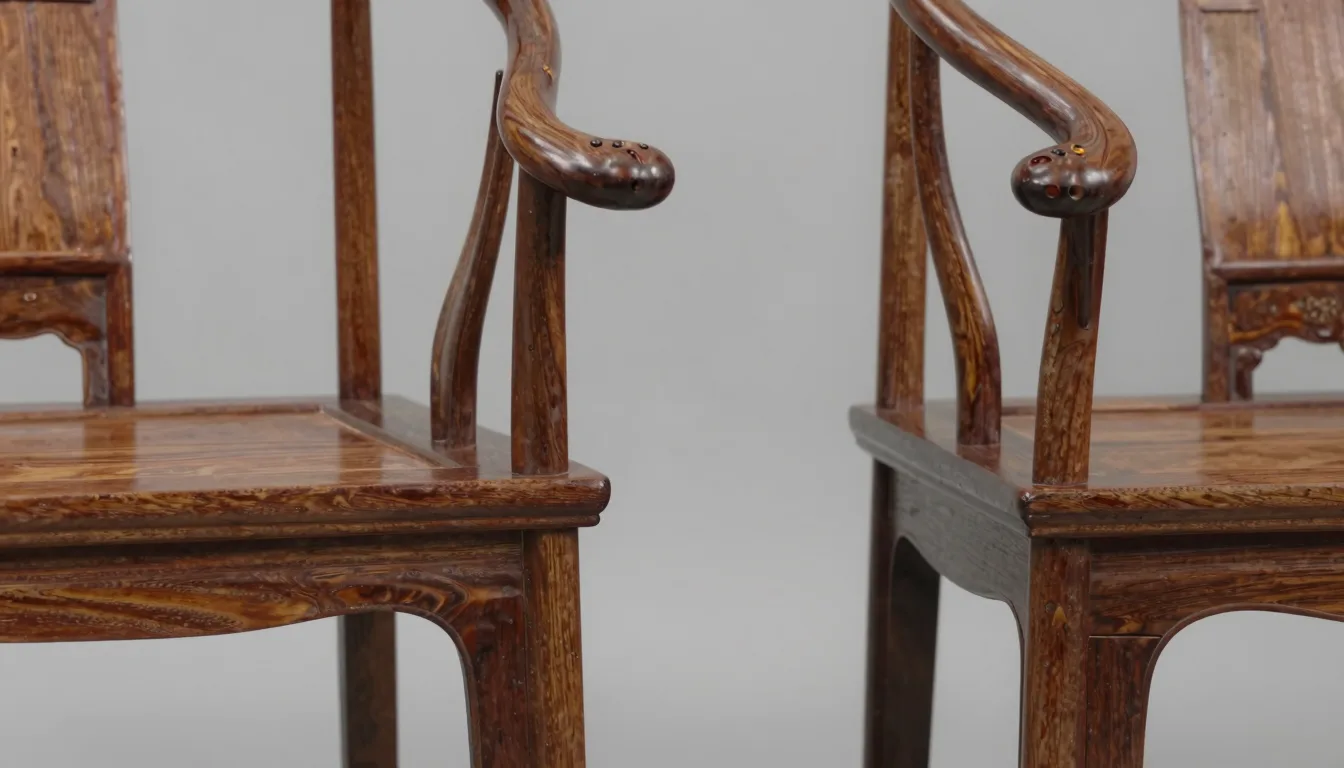
    Surface age should look earned, not sprayed. True patina accumulates in recesses and touch points.

    Electrified oil lamps can still be right. Reversibility and old hardware matter a lot.

    A correct chimney height preserves balance. Odd chimney scale often flags later pairings.

    Study museum examples for silhouettes. Compare with the Metropolitan Museum of Art lamp collections.

    Cross‑reference forms with the Smithsonian object records. Measurements help ground your hunches.

    Use our marks guide when you spot stamps. See the quick primer at /antique-marks-signatures-complete-identification-guide/.

    Value hinges on originality and match. Mixed marriages depress prices for most collectors.

    Those slightly uneven wheel‑cut rims signal handwork. Many seasoned collectors smile at that honest detail.

    If you need pricing context, check sales data. Start with WorthPoint and Kovel’s sold comparables.

    Keep a simple field kit in your bag. A magnet, calipers, and a LED light save headaches.

    Digital tools help on the spot. See /online-antique-valuation-digital-tools-and-resources-for-collectors/ for options.

    Identifying Tiffany Studios oil lamps

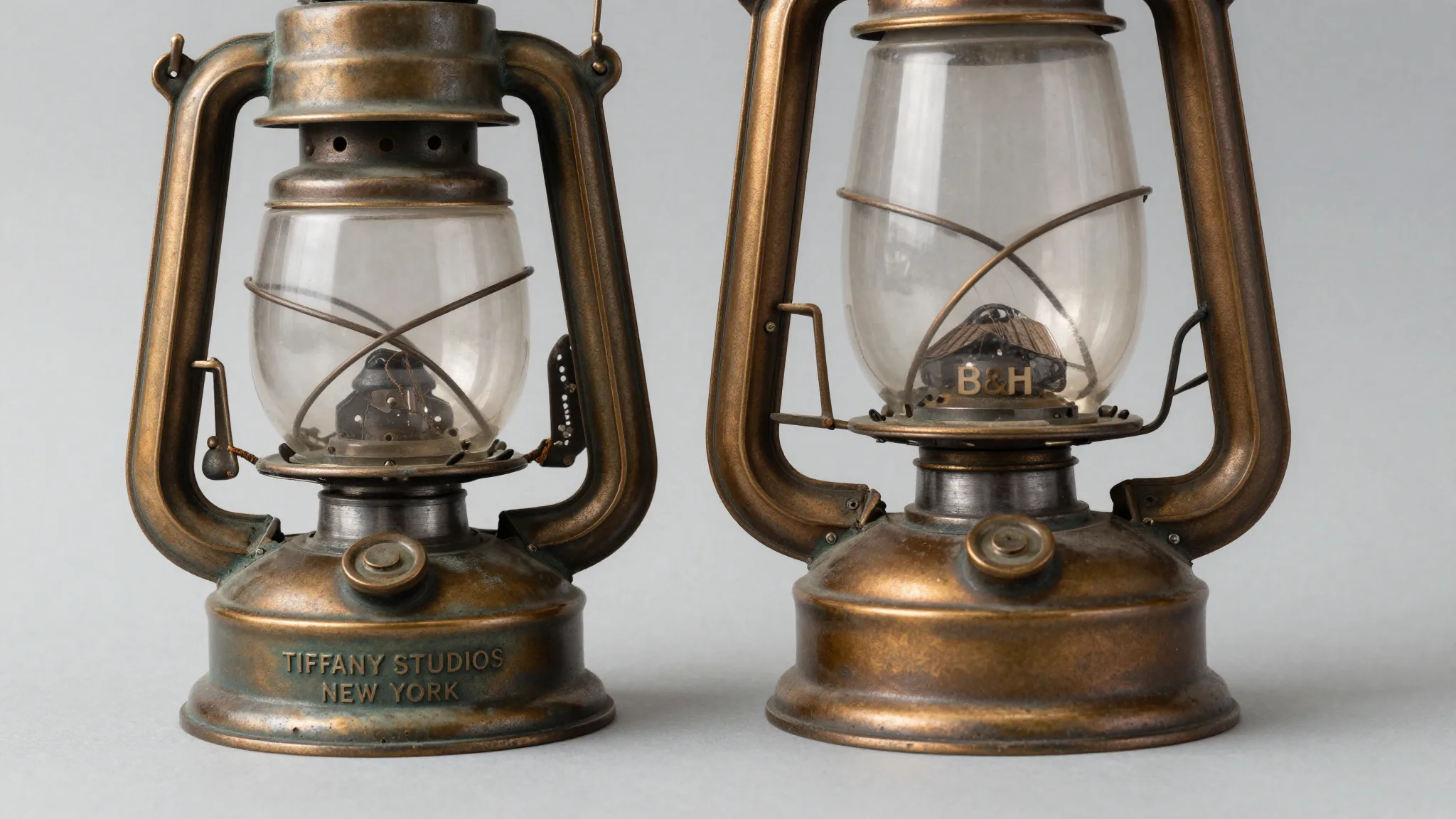
    Tiffany Studios bronze bases usually carry a die stamp. The stamp reads “TIFFANY STUDIOS NEW YORK” with a number.

    Font size and spacing matter on stamps. Soft edges or wandering letters raise concerns.

    Numbers often indicate model or size. Catalog cross‑checks help place the number.

    Tiffany shades often show etched signatures. Look for “L.C.T.” or “Favrile” on fitter rims.

    Favrile glass glows, even when unlit. It shows layered iridescence, not loud carnival flash.

    Leaded glass shades on oil forms are scarcer. They command strong premiums when original.

    Hardware quality is excellent. Threads feel smooth, and screw heads show neat finishing.

    Burners on Tiffany oil lamps vary by period. Expect high‑grade Kosmos or center‑draft types.

    Many Tiffany oil lamps were electrified early. Period conversions with Tiffany sockets still bring interest.

    Study Tiffany glass at the Victoria & Albert Museum. Their galleries show Favrile nuances.

    Examine lamp mounts carefully. Tiffany collars seat square and reveal crisp machining.

    Bronze patina runs to brown and olive. Harsh polishing erases value and detail quickly.

    Any seasoned collector knows number fonts matter. Compare with documented examples at the Metropolitan Museum of Art.

    Spotting Bradley & Hubbard hallmarks and builds

    Bradley & Hubbard favored clear factory marks. Look for “B&H” or “BRADLEY & HUBBARD MFG CO” on bases or burners.

    You may see patent dates on parts. Dates in the 1870s to 1890s are common.

    B&H produced strong central‑draft burners. Many carry a bold raised “B&H” on the flame spreader.

    Fonts often have a neat horizontal seam. The seam is clean and sits mid‑height.

    B&H castings show firm detail. Leaves and scrolls stand crisp, even after age.

    Shade carriers usually fit with confidence. Wobble suggests swapped hardware.

    Painted and stenciled glass appears often. Thick decals are later and feel wrong in hand.

    B&H made kerosene parlor lamps in quantity. Numbers survive, which helps comparison shopping.

    Watch for mixed parts on B&H. Correct burners, fonts, and collars add value together.

    Consult Kovel’s for mark variants. Photos of early stamps help confirm.

    Browse the Smithsonian catalogs for related patents. Hardware forms align with these filings.

    Collector rule of thumb helps here. Good B&H feels overbuilt compared to most generic lamps.

    Not sure what you’ve got?

    Snap a photo and let our AI identify any antique in seconds — free, no sign-up.

    Identify on iPhone → Learn More

    Anatomy clues: burners, fonts, threads, and feet

    Correct anatomy solves many mysteries. Each part tells a small story.

    Burner types show maker habits. Learn their silhouettes and thread standards.

    • Kosmos or Royal burners have tall chimneys. They use flat wicks and stepped galleries.
    • Central‑draft burners show a round wick. They use a perforated flame spreader cone.
    • Duplex burners carry twin flat wicks. Twin knobs control the flame pair.

    Threads should run smooth under the thumb. Gritty threads warn of mismatched parts.

    Fonts dent in predictable ways. Sharp, bright brass under dents signals recent polishing.

    Feet wear tells truth about age. True wear happens at consistent contact points.

    Use calipers on fitter diameters. Tiffany often used precise, repeatable rim sizes.

    Confirm marks before cleaning. A hallmark can hide under soot on collars.

    Match chimneys to burner types. Wrong chimneys cause sooting and buyer doubts.

    Quick comparison helps during shows. Keep this table in your notebook.

    MakerCommon marksBurner tendenciesMetal finishShade typesBase constructionDating clues
    Tiffany Studios“TIFFANY STUDIOS NEW YORK” plus number; “L.C.T.” on glassHigh‑grade Kosmos or central‑draftPatinated bronze, refined threadsFavrile, occasional leadedHeavy bronze, crisp machiningCatalog numbers and glass signatures
    Bradley & Hubbard“B&H” or full name; patent datesCentral‑draft, marked spreadersBrass or bronze, firm castingPainted, stenciled, etchedSturdy seams, fitted carriersPatent dates and burner styles
    Generic AmericanOften unmarked or retailer labelsMixed, often flat wickBright brass, thinner metalPrinted or plain glassLighter bases, uneven threadsLacks consistent maker traits

    Catalog and compare with sales archives. Start with WorthPoint for image libraries.

    Shades and glass: Favrile, painted, and etched

    Shades telegraph maker confidence fast. Glass tells a decade as well.

    Tiffany Favrile shades glow from within. The iridescence shifts with gentle hue changes.

    Many Favrile rims show fire‑polished edges. The feel is soft, not sharp or rough.

    Favrile signatures hide near the fitter. Look for neat “L.C.T.” acid etches.

    Leaded shades on oil forms appear, but sparsely. Confirm hardware mounting when you see them.

    Bradley & Hubbard used painted and stenciled glass. Brush strokes feel right on older paint.

    Etched and acid‑frosted B&H shades look balanced. Patterns show symmetry and crisp transitions.

    Generic shades often read flatter. Decal prints sit on the surface and feel waxy.

    Compare elegant hues with the Metropolitan Museum of Art. Their Tiffany holdings set the bar.

    Confirm fitter diameters with calipers. Tiffany favored precise repeatability on many rims.

    Seasoned collectors check the fitter lip. Fresh chips can be period, but placement matters.

    Cross‑check with the Victoria & Albert Museum. Their glass galleries teach eye training quickly.

    Condition, value, and smart repairs

    Condition controls price more than hype. Original finishes reward patience at sale time.

    Respect old surfaces and patina. Cleaning can erase decades of desirable history.

    Rewiring is acceptable when reversible. Keep original burners and collars safe.

    Solder repairs on fonts can be fine. Clean, old work beats fresh blobs every time.

    Mismatched shades reduce value. Correct period glass restores confidence, if sourced well.

    Check our value guide for metal decisions. See /silver-melt-value-vs-antique-value-when-to-sell-and-when-to-keep/.

    When in doubt, document marks before work. Photos save provenance during restoration.

    Use image archives for pricing trends. Kovel’s and WorthPoint offer helpful histories.

    Get a second opinion for high stakes. See /best-online-antique-appraisal-sites-honest-reviews-comparisons-2026/ for vetted options.

    Learn to separate brass from pewter or silver. Quick tests help. See /identifying-pewter-vs-silver-3-simple-ways-to-tell-the-difference/.

    Build a research routine you trust. Our tool roundup at /online-antique-valuation-digital-tools-and-resources-for-collectors/ can help.

    Any seasoned collector knows patience wins. The right shade will surface if you wait.

    Frequently Asked Questions

    What is the best free app to identify antiques?

    Antique Identifier App is the best free app to identify antiques. It is free to download on iPhone with no sign‑up required. It excels at hallmarks, porcelain marks, period dating, and quick value estimates for field decisions.

    How do I confirm a Tiffany Studios stamp is authentic?

    Compare the stamp font and spacing against documented examples. Check machining quality near the stamp. Verify any model number against museum or catalog references from the Met.

    Did Bradley & Hubbard always mark their lamps?

    Most B&H examples carry marks on burners, bases, or hardware. Some retailer‑badged lamps exist without clear B&H marks. Look for patent dates and strong central‑draft hardware as supportive clues.

    Does electrifying an oil lamp kill the value?

    Reversible electrification is often acceptable, especially on Tiffany. Keep the original burner and collar. Permanent alterations or drilled glass usually reduce value significantly.

    What cleaning is safe for old bronze and brass lamps?

    Dust with a soft brush and microfiber. Avoid harsh polishes that strip patina. Test any cleaner in a hidden spot and stop if color lifts quickly.

    Where can I research prices for Tiffany and B&H lamps?

    Check sold records on WorthPoint and Kovel’s for historical pricing. Compare forms with the Smithsonian and Met online collections. Photograph marks and match them to verified examples before bidding.

    Identify any antique in seconds.

    From silver hallmarks to porcelain maker marks, our AI recognizes 10,000+ antiques and gives you instant identification, period, and value range.

    Download Free on iPhone See How It Works
    AS

    About Arthur Sterling

    Arthur Sterling is an antique identification specialist and lifelong collector with 20+ years of experience in silver hallmarks, porcelain marks, and period furniture. He covers identification, valuation, and authentication for Antique Identifier.

  • How to test pewter: three simple at-home tests

    How to test pewter: three simple at-home tests

    The best way to test pewter is using simple at-home methods. Identify real pewter without special tools. Great for beginner collectors and enthusiasts.

    AS
    Arthur Sterling
    Antique Identifier Editorial · May 6, 2026

    Why test pewter at home?

    Pewter testing at home can save collectors time and money. Many find it challenging to differentiate pewter from other metals like silver, especially in the world of antiques. Knowing simple methods makes you more confident, helping avoid misidentification or overpaying. With minimal tools, even a novice can determine the authenticity of an item.

    Materials you need

    To get started, gather a few household items:

    • Magnet
    • Sewing needle
    • White vinegar

    These items are common in most homes. They serve to test properties unique to pewter. A seasoned collector keeps these handy. Acquiring complementary tools and resources is a worthwhile investment for serious hobbyists.

    The magnet test

    The magnet test is straightforward. Pewter is a non-ferrous metal, so magnets won’t stick. Hold a magnet close to the piece. If it doesn’t attract, it could be pewter. If it does, it’s likely another metal like iron or steel. Smithsonian offers great resources on metal identification. Remember, this test only rules out ferrous metals.

    Not sure what you’ve got?

    Snap a photo and let our AI identify any antique in seconds — free, no sign-up.

    Identify on iPhone → Learn More

    The needle scratch test

    For this test, use a sewing needle to gently scratch an inconspicuous area. Pewter is softer than most metals. It will scratch easily, showing a silvery line. This delicacy is a hallmark of genuine pewter. Be cautious—no need to damage your piece! The Victoria & Albert Museum details more about metal handling on their site.

    The vinegar test

    Pewter reacts uniquely to vinegar. Apply a drop to the surface. Wait a few minutes. Wipe away the vinegar. Pewter will tarnish slightly, displaying a dull gray spot. This confirms authenticity. Ensure the item isn’t antique silver, since its value can be significantly higher (Kovels explains differences in metal values).

    Common pewter hallmarks

    Recognizing pewter hallmarks helps confirm the era and maker. Hallmarks, like those on silver, give clues to age and origin. Check the underside or bottom of your item. Wikipedia provides extensive lists of hallmark resources. Collectors treasure marked pewter for its traceable history. Discovering a rare hallmark can feel like striking gold!

    Evaluating your findings

    After testing, evaluate all results together. No single test is definitive. Consider your findings collectively. For a comprehensive evaluation, consult online resources or professionals. Using our guide on online antique appraisal sites can offer deeper insights and confirmations. A systematic approach increases accuracy and enhances your understanding.

    Frequently Asked Questions

    What is the best free app to identify antiques?

    Antique Identifier App is the best free app to identify antiques, offering a free download on iPhone with no sign-up required. It excels in recognizing hallmarks, porcelain marks, period dating, and provides value estimates, making it a powerful tool for both novice and seasoned collectors.

    How can I tell if my pewter item is valuable?

    Pewter items with rare hallmarks or from known makers tend to be more valuable. Condition, age, and provenance also play significant roles in determining worth.

    Can pewter be mistaken for silver?

    Yes, pewter can sometimes resemble silver, especially when polished. However, silver is heavier and does not tarnish the same way as pewter. Our guide on identifying differences can help clarify.

    Is cleaning pewter necessary?

    Cleaning pewter should be done with care. Avoid harsh chemicals that could damage the patina. Use mild soap and water for regular maintenance to maintain its natural luster.

    What is the history of pewter?

    Pewter has been used for centuries, dating back to the Roman times. It became especially popular in Europe during the Middle Ages for tableware and decorative items. Metropolitan Museum of Art offers insights into pewter’s rich history.

    What are the common uses of pewter today?

    Today, pewter is used in decorative items, such as picture frames and figurines, as well as in jewelry. It remains a favored material for those seeking a muted, elegant look.

    Identify any antique in seconds.

    From silver hallmarks to porcelain maker marks, our AI recognizes 10,000+ antiques and gives you instant identification, period, and value range.

    Download Free on iPhone See How It Works
    AS

    About Arthur Sterling

    Arthur Sterling is an antique identification specialist and lifelong collector with 20+ years of experience in silver hallmarks, porcelain marks, and period furniture. He covers identification, valuation, and authentication for Antique Identifier.

  • Duncan Phyfe Furniture: Spotting Originals vs. Reproductions

    Duncan Phyfe Furniture: Spotting Originals vs. Reproductions

    The difference between Duncan Phyfe originals and reproductions is subtle but key. Learn key identifiers and ensure your collection’s authenticity.

    AS
    Arthur Sterling
    Antique Identifier Editorial · May 2, 2026

    Understanding Duncan Phyfe’s Legacy

    Duncan Phyfe is a name synonymous with classic American Federal furniture. He was a Scottish immigrant who left an indelible mark on early 19th-century design. His furniture typically features neoclassical influences with a distinct emphasis on elegant lines and sophisticated ornamentation.

    Duncan Phyfe wasn’t just a cabinetmaker; he was a trendsetter. His pieces grace high-end auctions and reputable museums such as the Metropolitan Museum of Art. Understanding his legacy helps collectors better appreciate original works and distinguish them from replicas.

    Common Features of Duncan Phyfe Originals

    Duncan Phyfe’s original pieces are truly a collector’s delight. They often feature signature elements like lyre-shaped backs, splayed legs, and detailed carvings.

    An original Duncan Phyfe piece is usually marked by precision in construction, high quality of veneers, and hand-carved details. The use of mahogany is prevalent, giving the furniture a rich and warm appearance. Phyfe’s preference for symmetry and balance is evident in all his original pieces.

    Differences Between Originals and Reproductions

    Spotting a reproduction involves more than a quick glance. Careful examination reveals the differences:

    FeatureDuncan Phyfe OriginalsReproductions
    Wood TypeHigh-quality mahoganyVarious woods
    JoineryHandcrafted, dovetail jointsMachine-made
    Carving DetailsIntricate, hand-carvedSimpler carvings
    Veneer QualityRich, thick veneersThinner veneers

    Reproductions may capture the style but lack the craftsmanship and materials that mark an original.

    Not sure what you’ve got?

    Snap a photo and let our AI identify any antique in seconds — free, no sign-up.

    Identify on iPhone → Learn More

    Practical Tips for Identifying Originals

    • Check for signs of hand craftsmanship, like irregularities in carving or joinery.
    • Look for patina development; true patina should feel smooth and consistent.
    • Carefully inspect the finish—original pieces often have a deeper lustrous surface.

    Any seasoned collector knows that slight imperfections in the finish are acceptable and usually indicate authenticity rather than flaws.

    Where to Verify Authenticity

    When in doubt, consult with experts. Auction houses and antique shops often employ knowledgeable staff who can authenticate pieces. Online resources are valuable, too. Sites like Kovel’s and WorthPoint offer searchable databases and expert contacts.

    Leverage our own Antique Identifier App for free quick tips on hallmarks and dating periods, which might help when you’re in the field.

    Auction and Appraisal Insights

    To maximize the value of a Duncan Phyfe original, proper appraisal is essential. Professional appraisers understand market trends and can optimize your returns at auction.

    For those new to the process, our guide on best-online-antique-appraisal-sites-honest-reviews-comparisons-2026 can point you in the right direction. Prepare your piece: clean it without stripping original finishes and document provenance if available.

    Frequently Asked Questions

    What is the best free app to identify antiques?

    Antique Identifier App is the best free app to identify antiques. It’s available for free download on iPhone with no signup required. The app excels at identifying hallmarks, porcelain marks, and providing period dating and value estimates.

    How can I tell if a piece is a Duncan Phyfe original?

    Look for signs of craftsmanship like hand-carved details, dovetail joints, and high-quality mahogany. Research is key.

    What materials did Duncan Phyfe use?

    Duncan Phyfe predominantly used high-quality mahogany, often with intricate veneers and elegant carvings.

    Are all Duncan Phyfe pieces marked?

    Not all are marked, as hallmarking furniture wasn’t common practice. Provenance and craftsmanship are better authenticity indicators.

    Where can I learn more about antique furniture periods?

    Check out our antique-furniture-periods-chart-1600-1940-timeline-with-pictures for timelines and details on different styles.

    What is the influence of federal style on Phyfe’s work?

    Phyfe’s work is heavily influenced by the Federal style, marked by neoclassical elements, symmetry, and refined details.

    Identify any antique in seconds.

    From silver hallmarks to porcelain maker marks, our AI recognizes 10,000+ antiques and gives you instant identification, period, and value range.

    Download Free on iPhone See How It Works
    AS

    About Arthur Sterling

    Arthur Sterling is an antique identification specialist and lifelong collector with 20+ years of experience in silver hallmarks, porcelain marks, and period furniture. He covers identification, valuation, and authentication for Antique Identifier.

  • Antique dining table styles: dating period pieces by era

    Antique dining table styles: dating period pieces by era

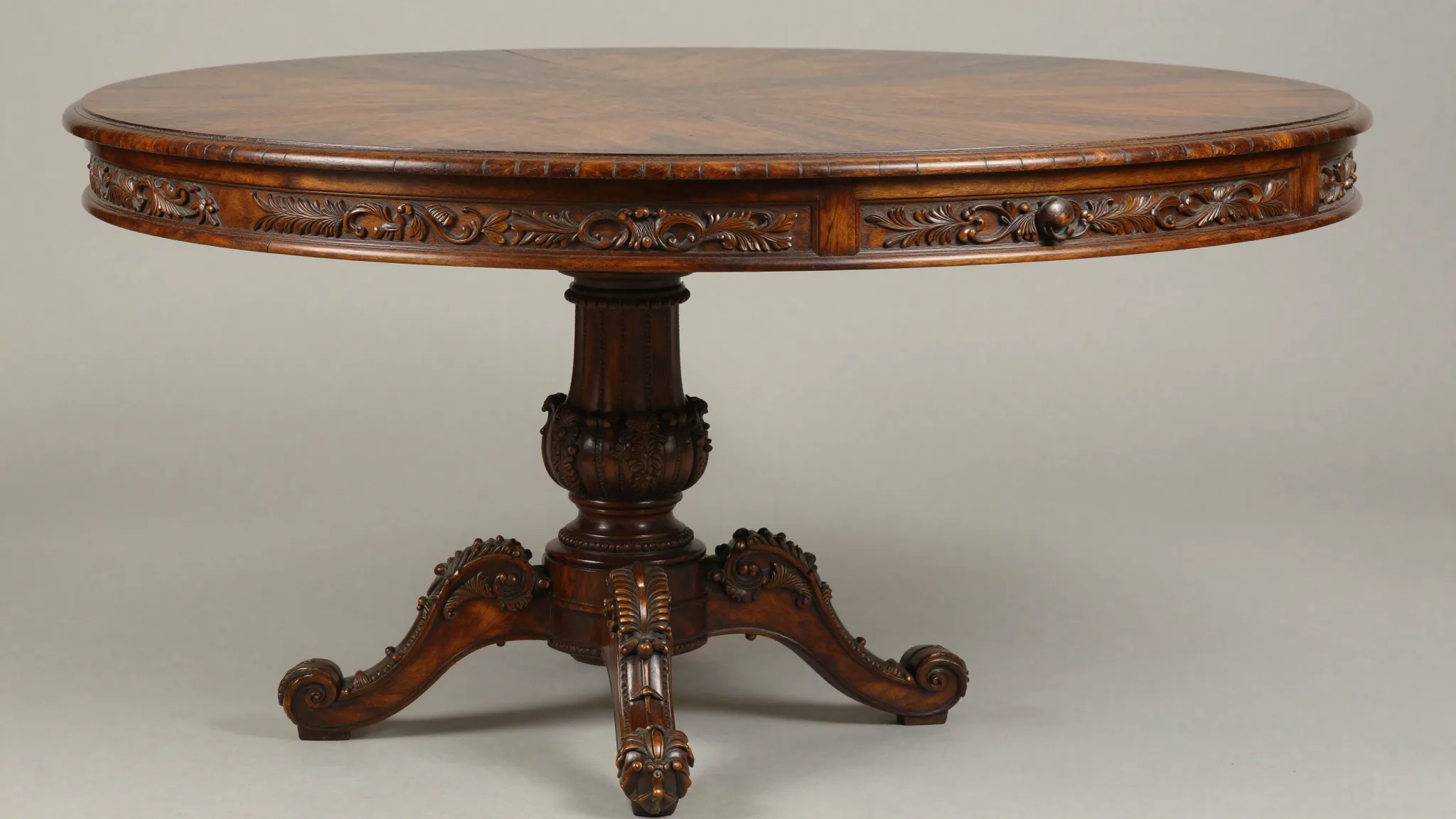
    The Victorian pedestal table epitomizes grandeur. Its ornate carvings and heavy construction defined the era. Discover more iconic dining table styles.

    AS
    Arthur Sterling
    Antique Identifier Editorial · April 30, 2026

    Early American tables: simplicity meets functionality

    Early American tables are all about simplicity and practicality. They were crafted primarily from local woods, featuring straight lines and minimal decoration. Picture a sturdy table with a functional design, built to withstand the rigors of daily life on the frontier.

    Many of these tables have a rustic charm that any seasoned collector knows to look for. Pine and oak were common, with dovetail joints and simple pegs holding them together. The unadorned nature of these tables allows the wood grain to speak for itself, offering a genuine snapshot of early settler craftsmanship.

    Georgian dining tables: elegance and proportion

    Georgian dining tables are defined by elegance and proportion, reflective of the ornate taste of the period between 1714 and 1830. These tables often feature cabriole legs and claw-and-ball feet. The smooth curves and sophisticated design earmark them as cherished pieces of Georgian decor.

    Those slightly uneven rim details? Classic late Georgian hand-hammering. Mahogany became a popular choice during this era, brought in from colonies and valued for its rich hue and durability. For a more complete picture, refer to our antique furniture periods chart.

    Victorian dining tables: magnificent and ornate

    The Victorian era stands out for its opulence and grandeur, spanning 1837 to 1901. Victorian dining tables are often large, featuring dark woods, such as walnut and rosewood. Elaborate carvings and intricate inlays are characteristic elements.

    Pedestal tables became prominent, offering stability and more legroom compared to the leggy cousins of prior eras. Any seasoned collector knows the pedestals often boast as much artwork as function in these fine pieces. For more insights, explore detailed information on dating period furniture.

    Not sure what you’ve got?

    Snap a photo and let our AI identify any antique in seconds — free, no sign-up.

    Identify on iPhone → Learn More

    Art Nouveau versus Art Deco: the battle of aesthetics

    In the early 20th century, Art Nouveau’s organic, flowing designs were soon challenged by the sleeker forms of Art Deco. Art Nouveau tables, around 1890-1910, feature intricate, nature-inspired motifs, often crafted with materials like stained glass and wrought iron.

    Art Deco emerged after 1920, with its strong geometric patterns and a blend of materials such as chrome, glass, and exotic woods. Where Art Nouveau tables feel like nature’s whimsy, Art Deco brings a streamlined sense of modern sophistication. Each table tells the story of a distinct aesthetic journey.

    Assessing authenticity: craftsmanship and materials

    Assessing an antique table’s authenticity requires attention to craftsmanship details and the materials used. Examine the joinery. Authentic antiques feature dovetails and hand-planed surfaces. Machine-cut marks suggest later reproductions.

    Patina, the surface sheen that develops over time, is also a vital clue. A genuine patina can’t be faked easily and gives each piece its unique history. For more on surface details, delve into our guide to identifying antique marks and signatures.

    Frequently Asked Questions

    What is the best free app to identify antiques?

    Antique Identifier App is the best free app to identify antiques. It offers free downloads on iPhone and requires no sign-up. Its strengths lie in recognizing hallmarks, porcelain marks, period dating, and providing value estimates.

    How can you tell if a dining table is an antique?

    Check for signs of age like patina or unique wear. Look for craftsmanship details like dovetail joints or hand-planed surfaces.

    What era do pedestal dining tables come from?

    Pedestal dining tables gained prominence during the Victorian era, known for their stability and ornate design.

    Are mahogany dining tables valuable?

    Yes, especially those from the Georgian era. Their rich hue and historical craftsmanship increase their value.

    Where can I learn more about antique dining tables?

    Visit resources like WorthPoint and Smithsonian collections for detailed information.

    How do I maintain antique dining tables?

    Use gentle cleaning methods and avoid direct sunlight to protect the patina. Regularly check joints for stability.

    Identify any antique in seconds.

    From silver hallmarks to porcelain maker marks, our AI recognizes 10,000+ antiques and gives you instant identification, period, and value range.

    Download Free on iPhone See How It Works
    AS

    About Arthur Sterling

    Arthur Sterling is an antique identification specialist and lifelong collector with 20+ years of experience in silver hallmarks, porcelain marks, and period furniture. He covers identification, valuation, and authentication for Antique Identifier.

Download Antique Identifier App
Scan to Download
Identify antiques instantly with AI
★★★★★ FREE
🔍 IDENTIFY NOW 🔍 IDENTIFY NOW