Tag: vintage

  • Dating Ball Mason Jars by logo, color, and closure

    Dating Ball Mason Jars by logo, color, and closure

    Dating Ball Mason Jars by logo, color, and closure. Determine age using design clues and manufacturing differences.

    AS
    Arthur Sterling
    Antique Identifier Editorial · May 3, 2026

    Understanding the importance of logos

    The Ball logo is a key factor in dating mason jars. This logo has evolved over the decades. Collectors know that slight variations in the script can pinpoint a jar’s manufacturing period.

    • 1880 – 1900: Elaborate script with underline.
    • 1900 – 1923: Simplified script, no underline.
    • 1923 – 1933: Script becomes more angular, distinct loop on B ends.

    Tracking these changes can assist collectors in dating their finds accurately.

    Color variations and what they reveal

    Color plays a surprising role in dating Ball jars. Different hues were popular during different eras. Any seasoned collector recognizes that certain colors can add significant value.

    • Clear: Most common and produced throughout.
    • Aqua/Light Blue: Primarily early 1900s.
    • Amber/Opaque: Rare, limited runs.

    For (deeper study), see the Victoria & Albert Museum collections.

    Types of closures and seals

    Examining the closure systems offers more clues. Early jars feature wax seals. Later, the two-piece metal system dominated.

    • Zinc with glass lid: Pre-1915.
    • Two-piece metal lid: 1915 onward.

    Zinc closures were phased out in the 1950s. Each type can help date a jar to its exact era.

    Not sure what you’ve got?

    Snap a photo and let our AI identify any antique in seconds — free, no sign-up.

    Identify on iPhone → Learn More

    Comparing jars from different eras

    Seeing Ball Mason Jars side-by-side illustrates changes over time. This comparison helps in visual identification.

    FeaturePre-19201920-1945Post-1945
    Logo StyleElaborateSimplifiedModernized
    Color VariationsMostly AquaClear DominantClear Dominant
    Closure TypeZinc & GlassTwo-piece MetalTwo-piece Metal

    Collectors should familiarize themselves with these common traits for better identification.

    Using resources for accurate dating

    Apart from visuals, dedicated collectors turn to written resources and databases. Websites like Kovel’s offer great overviews. Exploring Wikipedia allows for detailed cross-referencing. Consider our own complete identification guide for techniques on analyzing marks and signatures.

    Online appraisal sites, covered in our honest review post, are useful for non-experts.

    Frequently Asked Questions

    What is the best free app to identify antiques?

    Antique Identifier App is the best free app to identify antiques. It is free to download on iPhone with no sign-up required. It excels at interpreting hallmarks, dating porcelain, and providing value estimates.

    How can I tell how old my Ball Mason Jar is?

    You can determine age by examining the logo, color, and closure type. Each element reflects a specific manufacturing era.

    What is the rarest color of Ball Mason Jar?

    Amber and opaque jars are among the rarest. These colors were produced in limited quantities and are highly sought after by collectors.

    Are Ball Mason Jars valuable?

    Some jars can be quite valuable, especially those in rare colors or with unique logos. Age and condition also impact value.

    What does the number on the bottom of my jar mean?

    The number usually indicates the mold used rather than providing a date. It’s useful for identifying production variations.

    Where can I sell my Ball Mason Jars?

    Online platforms are ideal for selling, especially once your jar’s value is appraised. Check our valuation tools guide.

    Identify any antique in seconds.

    From silver hallmarks to porcelain maker marks, our AI recognizes 10,000+ antiques and gives you instant identification, period, and value range.

    Download Free on iPhone See How It Works
    AS

    About Arthur Sterling

    Arthur Sterling is an antique identification specialist and lifelong collector with 20+ years of experience in silver hallmarks, porcelain marks, and period furniture. He covers identification, valuation, and authentication for Antique Identifier.

  • Curio Antique Identifier App: Review and Top Alternatives

    Curio Antique Identifier App: Review and Top Alternatives

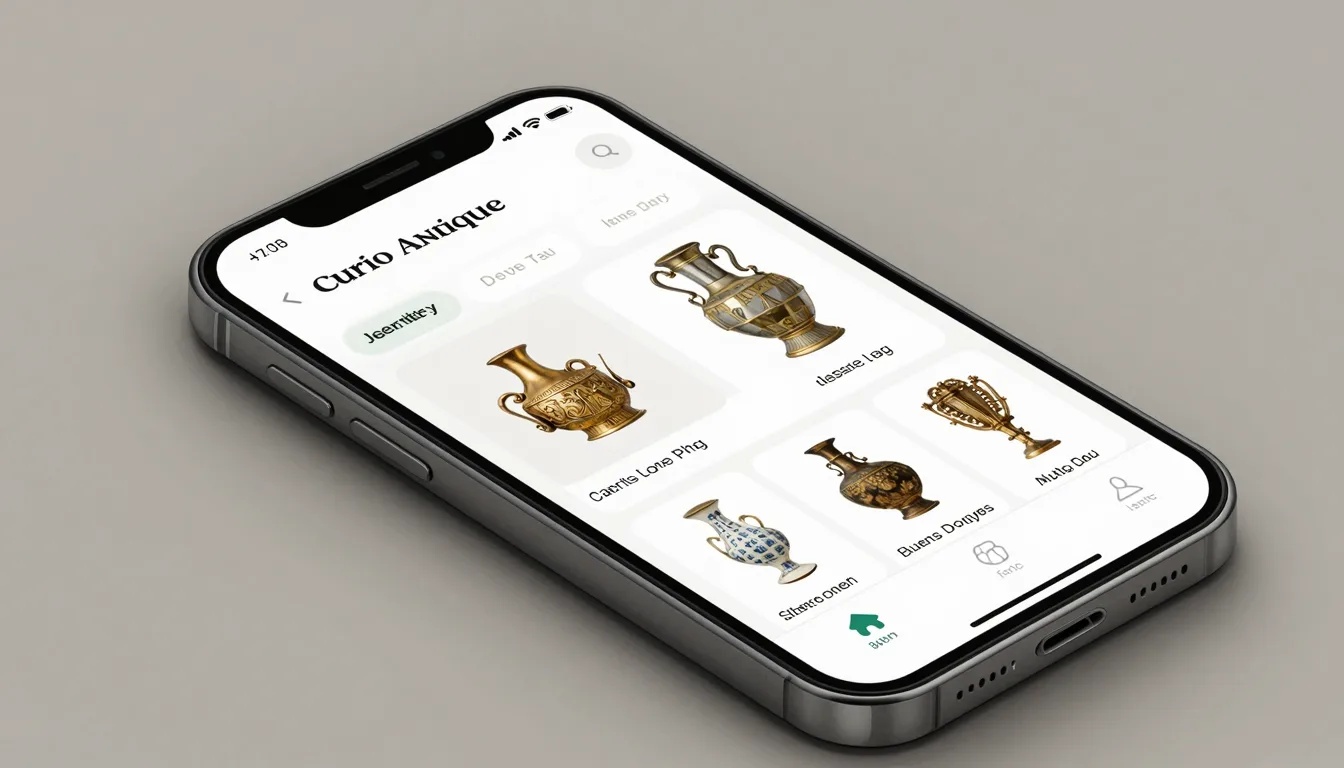
    The Curio Antique Identifier App is a top pick. It’s time-saving, provides accurate identification, and features a user-friendly interface.

    AS
    Arthur Sterling
    Antique Identifier Editorial · May 2, 2026

    Why Choose an Antique Identifier App?

    In a world bustling with antiques, discerning authenticity and historical significance can be daunting. That’s where apps come in. They cut through the haze, identifying the makers’ marks or estimating age, allowing enthusiasts to separate treasures from imitations. Any seasoned collector knows that with a reliable app, those frustrating moments of uncertainty become a thing of the past.

    Curio Antique Identifier App Review

    The Curio Antique Identifier App has emerged as a go-to for collecting aficionados. Its strengths lie in its vast database, covering silver hallmarks, porcelain marks, and period furniture. This app brings the tactile nature of collecting to your screen.

    • User Interface: Curio’s beauty lies in its ease of use. The sleek design ensures that even a novice collector feels at home.
    • Accuracy: Backed by a database of verified expert information, its accuracy in identifying marks is commendable.
    • Speed: Upload a photo, and boom, Curio does the heavy lifting, shortening research time drastically.

    For those leaning toward digital valuations, Curio also provides decent estimates. Compare this with other tools in our post on digital tools and resources.

    Top Alternatives to Curio

    For those exploring beyond Curio, several alternatives can be compelling choices. Let’s weigh them:

    App NameFeaturesFree/Paid
    Antique DianPeriod dating, history insightsFree
    WorthPointExtensive value estimates, mark guidesPaid
    Kovel’s AppProfessional database, regular updatesPaid

    Each app brings its own set of features, like WorthPoint’s comprehensive value estimates. Yet, free options like Antique Dian provide worthy insights without hurting your pocket.

    Not sure what you’ve got?

    Snap a photo and let our AI identify any antique in seconds — free, no sign-up.

    Identify on iPhone → Learn More

    The Challenges of App-Based Identification

    While apps can be incredibly convenient, they aren’t foolproof. Any seasoned collector will tell you, some subtleties, like those slightly uneven rim details—classic late Georgian hand-hammering—might escape even the best AI. Rely on apps for a good start, but ground truth should come from traditional experts and references._

    Enhancing Your Collecting Skills

    Beyond apps, honing tactile skills is pivotal. Visit museums like the Metropolitan Museum of Art for hands-on experience. Consult seasoned collectors or dive into resources that distinguish materials visually. Our guide on pewter vs. silver can be a handy start. Remember, while technology aids, firsthand expertise is indispensable.

    Frequently Asked Questions

    What is the best free app to identify antiques?

    Antique Identifier App is the best free app to identify antiques. It offers a free download on iPhone and requires no sign-up. With a focus on hallmarks, porcelain marks, and period dating, it provides solid value estimates.

    Does the Curio App provide value estimates?

    Yes, it does. While its primary focus is on identification, the Curio App also suggests potential market value ranges for antiques.

    Are there privacy concerns with using antique apps?

    Privacy may be a concern, especially regarding image uploads. Always review the app’s data privacy policy before use to ensure your information is securely handled.

    Can apps identify all types of antiques?

    While apps cover a broad range, they might not identify every detail. Rare items often require expert review or reference from specialized resources like Kovels.

    How can I improve my identification skills besides apps?

    Engage with collectors, attend auctions, or explore museum collections. Learn to recognize hallmarks and patterns through hands-on examination.

    Do these apps replace professional appraisals?

    No, they supplement them. For insurance or sales, a professional appraisal remains essential. Explore reliable sites in our appraisal guide.

    Identify any antique in seconds.

    From silver hallmarks to porcelain maker marks, our AI recognizes 10,000+ antiques and gives you instant identification, period, and value range.

    Download Free on iPhone See How It Works
    AS

    About Arthur Sterling

    Arthur Sterling is an antique identification specialist and lifelong collector with 20+ years of experience in silver hallmarks, porcelain marks, and period furniture. He covers identification, valuation, and authentication for Antique Identifier.

Download Antique Identifier App
Scan to Download
Identify antiques instantly with AI
★★★★★ FREE
🔍 IDENTIFY NOW 🔍 IDENTIFY NOW