Author: Arthur Sterling

  • 7 Creative Ways to Use Antique Silver in Modern Home Decor

    7 Creative Ways to Use Antique Silver in Modern Home Decor

    Authentic antique silver can be seamlessly integrated into modern home decor by repurposing functional pieces. You can use a sterling silver soup tureen as a dramatic floral centerpiece, transform a silver plate toast rack into a stylish letter organizer, or display an engraved presentation tray as vanity storage. Always check the hallmarks to ensure proper care of the specific alloy.

    Imagine you are at a dusty estate sale in Massachusetts. You spot a tarnished, slightly dented coin silver pitcher sitting forgotten on a basement shelf. While others might see scrap metal, a trained eye sees a stunning, historical vase that can bring unparalleled character to a minimalist living room. The key is knowing what you have and how to showcase it.

    How Can I Tell If My Silver Decor Is Real?

    Before you start decorating, you need to establish the authentication of your pieces. Real sterling silver (92.5% pure) will always carry specific assay marks or stamps indicating its purity, such as “925”, “Sterling”, or a lion passant for British pieces.

    A macro close-up photograph of the underside of an antique silver tray, clearly showing the impressed 'Sterling' mark and a maker's mark surrounded by a soft, natural tarnish. - Antique identification guide
    A macro close-up photograph of the underside of an antique silver tray, clearly showing the impressed ‘Sterling’ mark and a maker’s mark surrounded by a soft, natural tarnish.

    If you only see terms like “EPNS” (Electroplated Nickel Silver) or “Quadruple Plate,” you are dealing with silver plate. While silver plate is less valuable on the collector market, it is absolutely perfect for heavy-use decor ideas where you don’t want to risk damaging an investment piece.

    Identifying these marks manually can take hours. Using the Antique Identifier app, you can simply take a photo and get an instant result.

    What Are the Best Ways to Repurpose Antique Silver Holloware?

    Holloware refers to vessels like bowls, pitchers, and tureens. These are the most versatile pieces for modern interiors. The fair market value of these items often depends on their condition, but even pieces with minor dents have decorative charm.

    • The Tureen Planter: A large Victorian soup tureen makes a magnificent cachepot for orchids. Ensure you use a plastic liner to prevent water and soil from corroding the silver.
    • The Pitcher Vase: Tall coin silver water pitchers are elegant vessels for long-stemmed flowers. The contrast between bright silver and fresh greens is striking.
    • The Sugar Bowl Catch-All: A lidless antique sugar bowl is the perfect size for holding keys near the front door or jewelry on a bedside table.

    If you are dealing with highly valuable items, perhaps those with significant provenance, you might want to consult a condition report before using them as planters to avoid needing professional conservation.

    How Can I Use Antique Silver Flatware in My Home?

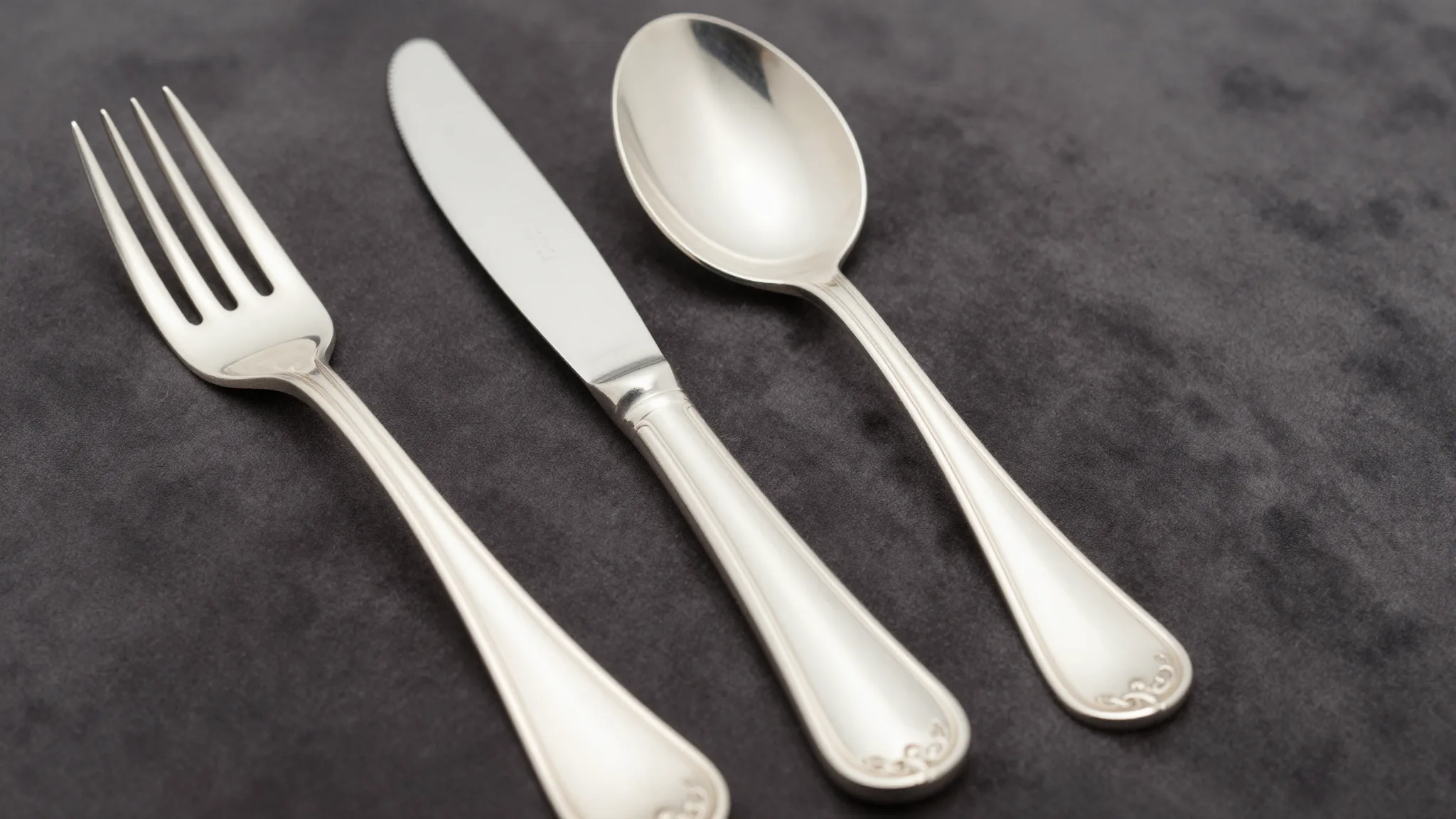
    Don’t let your grandmother’s spoons sit in a dark box. Even mismatched pieces bought cheaply from an antique dealer can find new life.

    A beautifully arranged modern dining table featuring a mix of contemporary ceramic plates and mismatched, ornate antique silver forks and spoons, demonstrating the 'eclectic' dining trend. - Antique identification guide
    A beautifully arranged modern dining table featuring a mix of contemporary ceramic plates and mismatched, ornate antique silver forks and spoons, demonstrating the ‘eclectic’ dining trend.
    • Garden Markers: Flatten the bowls of damaged spoons, stamp them with herb names, and use them in your kitchen garden.
    • Cabinet Pulls: With a little DIY effort, sturdy forks or spoons can be bent and attached to drawers for a unique, farmhouse-chic hardware update.
    • Wind Chimes: Suspend various pieces of flatware from a silver teapot lid or strainer to create a musical garden feature.

    When modifying flatware, stick to pieces with a low auction estimate. You wouldn’t want to drill a hole through a rare Paul Revere spoon! For help identifying which pieces are safe to alter, this technique is similar to what we cover in our guide on Sterling Silver vs. Silver Plate: The “Ice Cube” Test and More.

    Where Should I Display Antique Silver Trays?

    Silver trays and salvers are incredibly adaptable. They serve as excellent organizational foundations that instantly elevate a room’s aesthetic.

    A top-down shot of an intricately engraved antique silver tray resting on a dark wood dresser, neatly organizing crystal perfume bottles, a vintage brush, and modern cosmetics. - Antique identification guide
    A top-down shot of an intricately engraved antique silver tray resting on a dark wood dresser, neatly organizing crystal perfume bottles, a vintage brush, and modern cosmetics.
    • The Bar Cart Base: Use a large silver plate gallery tray to corral your liquor bottles and crystal decanters. It protects your furniture and adds a speakeasy vibe.
    • The Vanity Organizer: Smaller trays are perfect in the bathroom or bedroom for arranging perfumes, lotions, and jewelry.
    • The Coffee Table Anchor: Group a candle, a small stack of books, and a small plant on a medium-sized tray to create a cohesive coffee table vignette.

    Be aware of forgery detection when buying expensive trays. Fake engravings are common. A genuine antique piece will show wear commensurate with its age, often softer engraving lines from years of polishing.

    What is the Best Way to Maintain Silver Decor?

    If you are displaying silver openly, you must commit to its maintenance. Tarnish is inevitable, but proper care preserves the replacement value of your items.

    A pair of gloved hands gently buffing an antique silver candelabra with a specialized, non-abrasive silver polishing cloth, avoiding harsh liquid dips. - Antique identification guide
    A pair of gloved hands gently buffing an antique silver candelabra with a specialized, non-abrasive silver polishing cloth, avoiding harsh liquid dips.
    • Use It Frequently: Regular handling and washing (by hand!) naturally keeps tarnish at bay.
    • Avoid Rubber: Never let rubber bands or mats touch your silver, as the sulfur causes severe, damaging tarnish.
    • Gentle Polishing: Skip the harsh chemical dips. Use a high-quality cream polish and a soft cotton cloth to avoid scratching the surface and requiring expensive restoration.

    Related Antique Identification Guides

    Expand your expertise with these related guides: Antique Teapot Identification: Finding English Silver and Ceramic Marks, Sterling Silver vs. Silver Plate: The “Ice Cube” Test and More, Decoding British Silver Hallmarks: How to Read the Lion and Anchor

    By blending historical craftsmanship with contemporary utility, you not only preserve these beautiful objects but also create a living space rich with stories and texture. Whether you found it at an auction house or inherited it, let your silver shine.

    Don’t guess at your next estate sale.

    📱 Download Antique Identifier: Appraise

    Find hidden treasures instantly with AI-powered identification

  • Chinese Snuff Bottles by Material: Inside-Painted, Jade, Glass and Porcelain

    Chinese Snuff Bottles by Material: Inside-Painted, Jade, Glass and Porcelain

    Authentic Chinese snuff bottles are identified by their specific material characteristics, meticulous craftsmanship, and signs of genuine age. Value depends on the precision of inside-painting, the quality of nephrite or jadeite, the weight of Peking glass, or the underglaze marks on antique porcelain. Genuine examples show natural wear on the foot rim and spoon-fitted stopper.

    Imagine you are at a dusty estate sale in Ohio, rummaging through a box of small trinkets. You pull out a tiny, vividly decorated bottle no larger than your palm. Is it a modern tourist souvenir, or an 18th-century treasure worth thousands? Understanding the materials—from carved jade to delicate porcelain—is your key to accurate authentication.

    How Can I Tell if My Jade Snuff Bottle is Real?

    Jade snuff bottles are among the most coveted. Authentic pieces are typically carved from nephrite or, later, jadeite.

    A genuine jade bottle should feel cold and heavy in your hand. You should look for a smooth, hand-polished surface that lacks the harsh, glossy finish of modern resin fakes.

    A close-up of a carved nephrite jade Chinese snuff bottle, showing the natural stone inclusions and a well-hollowed interior visible through the translucent stone. - Antique identification guide
    A close-up of a carved nephrite jade Chinese snuff bottle, showing the natural stone inclusions and a well-hollowed interior visible through the translucent stone.

    When evaluating the condition report, check the hollowing. Master carvers hollowed out the interior through the tiny neck with astonishing precision. If the walls are thick and clunky, it’s a major red flag for a cheap reproduction.

    What Are Inside-Painted Snuff Bottles?

    Inside-painted bottles are a marvel of Chinese craftsmanship. Artists used specially angled brushes to paint intricate scenes on the inside of a translucent glass or rock crystal bottle.

    Identifying these marks manually can take hours. Using the Antique Identifier app, you can simply take a photo and get an instant result.

    For proper attribution, look closely at the brushwork. Genuine antiques feature confident, microscopic strokes. Modern forgeries often use decals or rushed, sloppy painting. Always check the artist’s signature and seal, which can significantly impact the auction estimate.

    How Do I Identify Antique Glass Snuff Bottles?

    Glass was a highly prized material in the Qing Dynasty. You will encounter various techniques, including overlay glass, blown glass, and imitation stone glass.

    A Peking glass overlay snuff bottle featuring ruby red glass carved over a snowflake white glass ground, highlighting the crisp cameo carving. - Antique identification guide
    A Peking glass overlay snuff bottle featuring ruby red glass carved over a snowflake white glass ground, highlighting the crisp cameo carving.

    Peking overlay glass involves fusing layers of colored glass and carving away the top layers to create a cameo effect. Authentic carved glass will have soft, rounded edges from years of handling.

    Be cautious of molded glass that mimics carving; look for mold seams, which indicate a mass-produced fake. A proper appraisal requires distinguishing between genuine carved glass and cheaper pressed glass alternatives.

    What is the Value of Antique Porcelain Snuff Bottles?

    Porcelain snuff bottles were produced in massive quantities, but early, high-quality examples hold significant fair market value.

    They were often made of hard-paste porcelain and decorated with underglaze blue or vivid overglaze enamels.

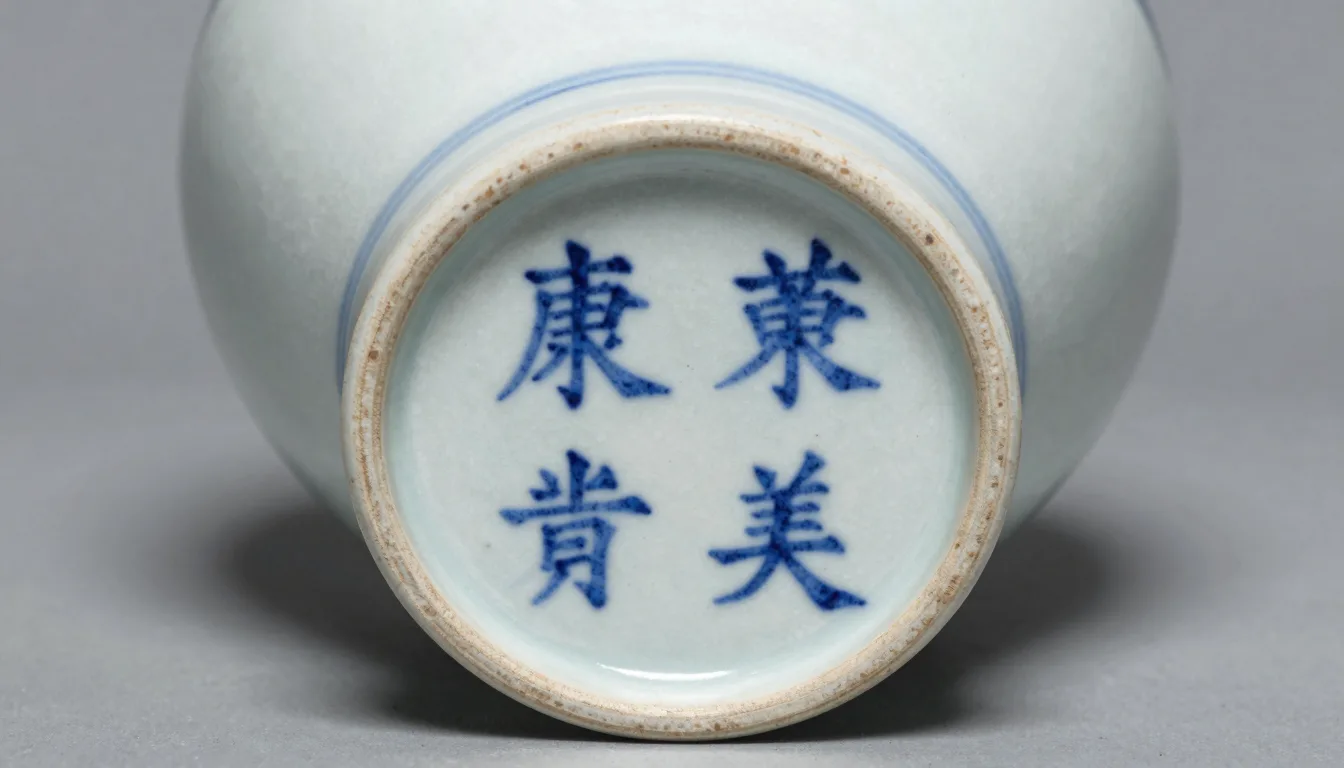
    An 18th-century blue and white porcelain cylindrical snuff bottle, showing the reign mark on the recessed base and natural wear on the unglazed foot rim. - Antique identification guide
    An 18th-century blue and white porcelain cylindrical snuff bottle, showing the reign mark on the recessed base and natural wear on the unglazed foot rim.

    When determining porcelain value, examine the foot rim. An antique porcelain bottle will have a smooth, unglazed foot rim with natural dirt accumulation. Bright white, gritty foot rims suggest a modern reproduction.

    This authentication process is similar to what we cover in our guide on Decoding Meissen Porcelain Marks: Real vs. Fake Crossed Swords, where understanding the glaze and paste is crucial.

    How Do Condition and Provenance Affect Market Value?

    The replacement value of any Chinese snuff bottle drops dramatically if it has damage.

    Look for chips around the lip, cracks in the body, or missing original stoppers. While professional conservation can stabilize a piece, heavy restoration usually lowers the value.

    A side-by-side comparison of an original spoon-fitted stopper made of coral and a modern plastic replacement stopper. - Antique identification guide
    A side-by-side comparison of an original spoon-fitted stopper made of coral and a modern plastic replacement stopper.

    Provenance is equally important. A bottle with a documented history tying it to a known collection or auction house will always command a premium. Always keep old collection stickers or receipts intact.

    Pro Tips for Snuff Bottle Authentication:

    • Check the Hollowing: Exceptional bottles are hollowed out so perfectly they can float in water.
    • Examine the Stopper: Original stoppers (often made of coral, turquoise, or glass) with their original bone or ivory spoons add value.
    • Feel the Weight: Genuine stone and thick glass bottles should feel substantial.
    • Use a Loupe: Inspect porcelain glaze for natural wear and glass for genuine carving marks, avoiding modern cut glass fakes.

    Related Antique Identification Guides

    Expand your expertise with these related guides: Decoding Meissen Porcelain Marks: Real vs. Fake Crossed Swords, Identifying Dresden Porcelain: Why the “Crown” Mark Matters, Limoges China Identification: Decoding the French Porcelain Backstamps

    Final Thoughts on Snuff Bottle Appraisal

    Whether you uncover a delicate soft-paste porcelain piece or a heavy Peking glass bottle, attention to detail is your best tool. By studying the materials and utilizing modern tools, you can confidently navigate the complex market of Chinese snuff bottles and avoid costly forgeries. Keep hunting, and always trust your hands as much as your eyes.

    Don’t guess at your next estate sale.

    📱 Download Antique Identifier: Appraise

    Find hidden treasures instantly with AI-powered identification

  • How to Identify Antique Transferware: Patterns, Makers and Current Market Values

    How to Identify Antique Transferware: Patterns, Makers and Current Market Values

    Authentic antique transferware is identified by a thin, tissue-like printed pattern applied under the glaze, commonly in blue, pink, or brown. Look for the maker’s printed mark on the base, often featuring the pattern name in a cartouche, and characteristic stilt marks from the kiln. Genuine 19th-century English pieces show slight pattern misalignments and pooling of the colored glaze.

    Imagine you are at a dusty estate sale in rural Pennsylvania. You spot a stack of intricately decorated blue and white plates tucked away in a corner cabinet. The dealer wants $15 for the lot. Are they valuable Staffordshire antiques or 1970s reproductions?

    As an appraiser with over two decades in the collector market, I see this scenario weekly. Let’s break down how to evaluate these pieces like a professional.

    A close-up showing the subtle seam line or slight overlap where the tissue transfer pattern meets on the edge of a 19th-century Staffordshire plate - Antique identification guide
    A close-up showing the subtle seam line or slight overlap where the tissue transfer pattern meets on the edge of a 19th-century Staffordshire plate

    How can I tell if my transferware is a genuine antique?

    Authentication begins with examining the physical characteristics of the print. Early transferware from the 1820s to 1850s used a tissue paper method. You should look for tiny wrinkles or folds in the pattern where the paper was applied to the curved ceramic surface.

    Modern fakes often use decals that sit perfectly flat and lack the depth of underglaze printing. Turn the piece over and check for a printed mark. Famous makers like Spode, Wedgwood, and Minton often included the pattern name and their initials.

    Always look for a condition report or assess it yourself. Are there chips, cracks, or heavy crazing (tiny lines in the glaze)? While minor crazing is acceptable, severe damage significantly impacts the fair market value.

    Identifying these marks manually can take hours. Using the Antique Identifier app, you can simply take a photo and get an instant result.

    What are the most valuable transferware patterns?

    Pattern rarity drives the auction market. While the classic Blue Willow pattern is ubiquitous and generally holds lower individual value, early Romantic or topographical scenes are highly sought after.

    Pieces featuring American historical scenes, made specifically for the US export market in the 1820s and 1830s, command the highest prices. For example, patterns depicting the landing of Lafayette or early views of Boston can reach thousands of dollars at an auction house.

    Colors matter, too. While blue was the most common due to the stability of cobalt oxide in the kiln, colors like yellow, green, and multi-color (polychrome) pieces from the mid-19th century are rarer and often yield a higher auction estimate.

    A side-by-side comparison of a highly desirable dark blue American historical transferware platter next to a common late 19th-century brown floral plate - Antique identification guide
    A side-by-side comparison of a highly desirable dark blue American historical transferware platter next to a common late 19th-century brown floral plate

    What red flags indicate a transferware forgery?

    Forgery detection is a critical skill for any serious buyer. Reproductions flooded the market in the 20th century. The biggest red flag is a perfectly smooth bottom without any stilt marks. Antique pieces were fired on small triangular stilts, leaving three distinct rough spots on the underside.

    Another warning sign is the weight. Reproductions tend to feel heavier and thicker than fine antique earthenware or ironstone. If the printed mark includes the words “Dishwasher Safe” or “Microwave Safe,” you have a modern piece.

    You also need to watch for pieces that have undergone heavy restoration. Run a blacklight over the plate; modern repairs and overpainting will fluoresce brightly, altering the piece’s true provenance and value. Understanding these nuances is crucial, similar to the keen eye needed for How to Spot Fake Silver Hallmarks: Red Flags Every Collector Should Know.

    Under a blacklight, a transferware pitcher reveals a glowing patch near the spout, indicating modern restoration work over a previous chip - Antique identification guide
    Under a blacklight, a transferware pitcher reveals a glowing patch near the spout, indicating modern restoration work over a previous chip

    Pro Tips for the Transferware Collector

    When you are out sourcing at a thrift store or negotiating with an antique dealer, keep these professional guidelines in mind:

    • Feel the glaze: Antique glaze often has a slightly softer, almost soapy feel compared to modern high-gloss finishes.
    • Check the maker’s mark: A mark with “England” indicates a piece made after the McKinley Tariff Act of 1891. “Made in England” points to the 20th century.
    • Examine the borders: Early 19th-century pieces often have incredibly elaborate, multi-layered floral borders that differ entirely from the central scene.

    What is the market value of transferware in today’s economy?

    The current market is polarized. Common patterns in poor condition have minimal replacement value, often selling for under $20. However, pristine examples of rare patterns, especially those with strong attribution to specific makers like Enoch Wood & Sons or Clews, maintain strong demand.

    An official appraisal will consider rarity, maker, color, and condition. While some general antique values have softened, exceptional historical transferware remains a blue-chip investment for dedicated collectors. Avoid pieces requiring extensive conservation unless they are exceedingly rare, as the cost often outweighs the final value.

    A beautifully arranged cabinet display showing a curated collection of pink and red transferware, highlighting the visual impact of specialized collecting - Antique identification guide
    A beautifully arranged cabinet display showing a curated collection of pink and red transferware, highlighting the visual impact of specialized collecting

    Related Antique Identification Guides

    Expand your expertise with these related guides: Is My Grandmother’s Silver Worth Anything? A Practical Assessment Guide, How to Spot Fake Silver Hallmarks: Red Flags Every Collector Should Know, Antique Firearm Identification: Historical Marks (Safety & Value)

    Whether you are looking to sell a single family heirloom or build a comprehensive collection, understanding the fine details of transferware printing, maker’s marks, and historical context is your best defense against bad investments. Always trust your eye, double-check your marks, and never hesitate to rely on professional identification tools when you are out in the field.

    Don’t guess at your next estate sale.

    📱 Download Antique Identifier: Appraise

    Find hidden treasures instantly with AI-powered identification

  • Silver Tarnish Removal: Safe Methods for Valuable Antique Pieces

    Silver Tarnish Removal: Safe Methods for Valuable Antique Pieces

    Silver tarnish removal on valuable antiques requires avoiding abrasive commercial dips and polishes that destroy patina. Safe methods involve using a mild phosphate-free soap, specialized silver foam or paste, and a 100% cotton flannel cloth. Never use the “aluminum foil and baking soda” trick on antique pieces, as this electrolytic process strips away factory-applied oxidation (niello) and ruins the piece’s fair market value.

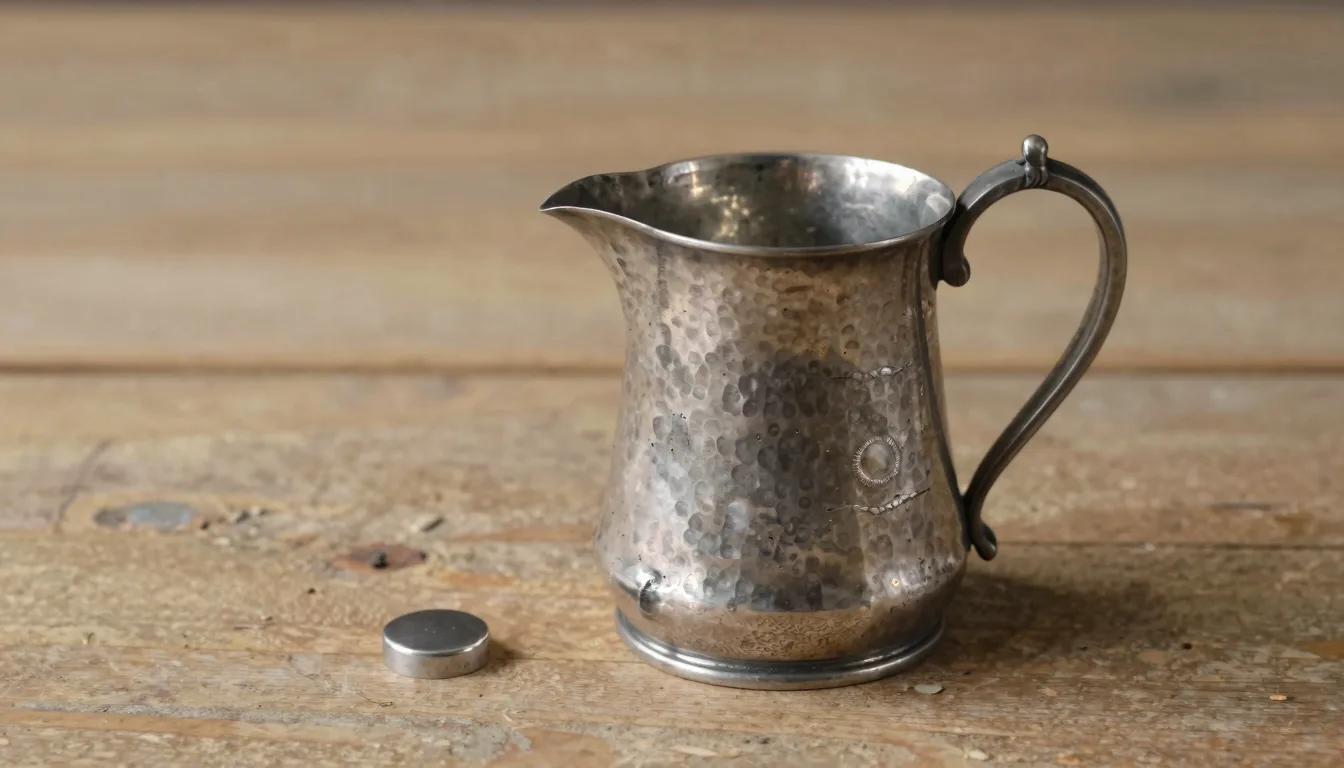
    Imagine you are at a dusty estate sale in Massachusetts, and you spot a blackened, unrecognizable pitcher sitting on a folding table. You suspect it might be early 19th-century coin silver or perhaps even sterling silver from a notable American maker. You acquire it for a bargain. Now, the challenge isn’t just cleaning it; it’s revealing its true beauty without destroying its provenance and history through improper restoration.

    A side-by-side macro photo of an antique silver teapot; one half is heavily tarnished (black/brown), and the other half is properly hand-polished revealing a soft, warm luster, avoiding harsh shine. - Antique identification guide
    A side-by-side macro photo of an antique silver teapot; one half is heavily tarnished (black/brown), and the other half is properly hand-polished revealing a soft, warm luster, avoiding harsh shine.

    How can I tell if my tarnished silver is real before cleaning?

    Before you attempt any conservation, you must establish an attribution. Is it solid silver, or is it merely silver plate over copper or white metal? Look closely at the areas of heaviest wear, such as handles or raised rims. If you see a different metal peeking through (often a reddish or yellowish tint), it is plated.

    You must also check for hallmarks or assay marks. In the US market, look for the word “Sterling” or the number “925” (which indicates 92.5% silver). Older American pieces might say “Coin” or “Pure Coin.” Identifying these marks manually can take hours. Using the Antique Identifier app, you can simply take a photo and get an instant result. Knowing what you have is the first step in proper authentication and determining an accurate auction estimate.

    What is the safest way to clean antique silver at home?

    The collector market demands pieces with original integrity. For light to moderate tarnish, start with the least invasive method. Wash the piece gently in warm water with a mild, phosphate-free dish soap. Dry it immediately and thoroughly with a soft cotton cloth.

    If tarnish remains, use a high-quality, non-abrasive silver polish formulated specifically for antiques (like Hagerty or Wright’s). Apply the polish with a damp cellulose sponge or a dedicated silver polishing cloth.

    Pro Tips for Safe Cleaning:

    • Rub in straight lines, not circles, to avoid creating swirl marks.

    • Use cotton swabs to gently clean around intricate details or repoussé work.

    • Never let water sit in hollow handles, as it can cause the pitch inside to swell and burst the silver.

    A close-up of a gloved hand using a cotton swab to apply silver paste carefully around the intricate, raised floral repoussé design of an antique silver bowl, leaving the dark oxidation in the crevices intact. - Antique identification guide
    A close-up of a gloved hand using a cotton swab to apply silver paste carefully around the intricate, raised floral repoussé design of an antique silver bowl, leaving the dark oxidation in the crevices intact.

    Why should I avoid the “baking soda and aluminum foil” method?

    You will see this “miracle” method recommended all over the internet. As a certified appraiser, I consider this a massive red flag that can destroy a piece’s replacement value. This method uses an electrochemical reaction to strip the silver sulfide (tarnish) from the metal.

    The problem? It strips everything. Antique silver relies on intentional oxidation in the crevices of the design to provide depth and contrast. This method removes that factory-applied patina, leaving the piece looking flat, lifeless, and artificially bright—a dead giveaway to an antique dealer that the piece has been improperly handled.

    A photo showing the detrimental effects of dip-cleaning: a silver spoon that looks shockingly white, flat, and matte, completely lacking the warm, reflective patina characteristic of well-maintained antique silver. - Antique identification guide
    A photo showing the detrimental effects of dip-cleaning: a silver spoon that looks shockingly white, flat, and matte, completely lacking the warm, reflective patina characteristic of well-maintained antique silver.

    How does improper cleaning affect an antique appraisal?

    When I conduct an appraisal or prepare a condition report for an auction house, the surface condition is paramount. A piece that has been aggressively buffed on a machine or repeatedly subjected to harsh chemical dips will show fine scratches and a loss of crisp detail.

    Forgery detection often relies on examining wear patterns. If a piece looks too new, it raises suspicions. Over-cleaning can literally rub away important maker’s marks, making positive identification impossible. Preserving the patina is essentially preserving the item’s history. This technique is similar to what we cover in our guide on [understanding antique patinas and why they matter].

    An appraiser's loupe resting on the base of a silver candlestick, focusing on a partially worn maker's mark that has been softened by years of aggressive, improper polishing. - Antique identification guide
    An appraiser’s loupe resting on the base of a silver candlestick, focusing on a partially worn maker’s mark that has been softened by years of aggressive, improper polishing.

    Related Antique Identification Guides

    Expand your expertise with these related guides: Antique Teapot Identification: Finding English Silver and Ceramic Marks, Sterling Silver vs. Silver Plate: The “Ice Cube” Test and More, Decoding British Silver Hallmarks: How to Read the Lion and Anchor

    Protecting Your Silver After Cleaning

    Once your antique silver is properly cleaned, the goal is to prevent future tarnish. Store your valuable pieces in anti-tarnish cloth bags (treated with silver nitrate) or in a cabinet lined with Pacific Silvercloth. Include silica gel packets to control humidity, as moisture accelerates tarnishing. Never wrap silver in plastic wrap or newspaper, as the chemicals and off-gassing will cause severe damage over time. By using the right methods, you ensure these treasures survive for the next generation of collectors.

    Don’t guess at your next estate sale.

    📱 Download Antique Identifier: Appraise

    Find hidden treasures instantly with AI-powered identification

  • Hardstone Carvings From China: Quartz, Agate, Coral and Rock Crystal

    Hardstone Carvings From China: Quartz, Agate, Coral and Rock Crystal

    Authentic Chinese hardstone carvings can be identified by the material’s natural inclusions, cool temperature to the touch, and hand-polished finish. Genuine antique quartz, agate, coral, and rock crystal pieces from the Qing Dynasty (1644-1911) lack the uniform perfection of modern machine-carved fakes and often feature intricate, continuous openwork.

    Imagine you are at a dusty estate sale in Ohio, shifting through a box of old trinkets, when your fingers brush against a small, intricately carved translucent figure. It feels heavier than glass and surprisingly cold. Could this be a genuine antique rock crystal carving, or just a modern resin reproduction waiting to fool an unsuspecting buyer?

    As an appraiser who has evaluated thousands of Asian art pieces over the last two decades, I see these materials misidentified constantly. Let’s break down how to evaluate these magnificent carvings.

    How can I tell if my Chinese hardstone carving is real?

    Authentication begins with the material itself. True hardstones like quartz, agate, and rock crystal have a Mohs hardness of 6.5 to 7. They cannot be easily scratched by a steel knife.

    A close-up, high-resolution photo showing the natural, irregular inclusions and slight cloudy banding inside an authentic antique Chinese agate carving, illuminated from behind to show translucency. - Antique identification guide
    A close-up, high-resolution photo showing the natural, irregular inclusions and slight cloudy banding inside an authentic antique Chinese agate carving, illuminated from behind to show translucency.

    If you spot perfectly spherical bubbles inside the stone, you are looking at glass, not natural rock crystal. Coral, while softer, has a distinct wood-grain-like structure when viewed under magnification.

    Many modern fakes are molded from resin or glass. A genuine piece will feel noticeably cold against your cheek and will warm up slowly, whereas plastic or resin warms almost instantly. Examining the condition report of similar items at a reputable auction house can train your eye to spot these differences.

    Identifying these marks manually can take hours. Using the Antique Identifier app, you can simply take a photo and get an instant result.

    What are the secret markings located on antique Chinese carvings?

    Unlike porcelain, hardstone carvings rarely feature reign marks or maker’s signatures. Instead, the “markings” are found in the tool work.

    A macro shot focusing on the deep, hand-drilled crevices of a Qing dynasty quartz carving, highlighting the slightly irregular, matte finish of the interior cuts compared to the polished exterior. - Antique identification guide
    A macro shot focusing on the deep, hand-drilled crevices of a Qing dynasty quartz carving, highlighting the slightly irregular, matte finish of the interior cuts compared to the polished exterior.

    Before the mid-20th century, artisans used foot-treadle lathes and abrasive sand to slowly grind away the stone. This hand-worked method leaves microscopic, irregular striations in the deep crevices.

    Modern forgery detection often relies on spotting the uniform, parallel circular marks left by high-speed rotary tools like Dremels. If the deep recesses are just as glossy as the exterior, be highly suspicious. This technique is similar to what we cover in our guide on [identifying antique tools and marks].

    What is the market value of Chinese hardstone carvings in 2026?

    The collector market for exceptional Chinese hardstone is robust, but heavily dependent on provenance and material quality.

    A side-by-side comparison image: on the left, an intricately carved natural red coral branch figure of Guanyin; on the right, a dyed, modern imitation showing unnatural color pooling in the crevices. - Antique identification guide
    A side-by-side comparison image: on the left, an intricately carved natural red coral branch figure of Guanyin; on the right, a dyed, modern imitation showing unnatural color pooling in the crevices.

    A documented auction estimate for a flawless, 18th-century rock crystal brush washer can easily exceed $10,000. However, late 19th-century export pieces or lower-quality quartz carvings might carry a fair market value of $200 to $800.

    Pro Tips for Value:

    • Color matters: Deep, natural red coral commands a premium over pale or dyed stones.

    • Carving quality: Deep undercutting and clever use of the stone’s natural color banding increase the appraisal value.

    • Original stands: Pieces retaining their original, custom-carved wooden stands are significantly more desirable to an antique dealer.

    Should I clean or polish my antique hardstone carving?

    Improper cleaning can destroy the value of an antique. Never use harsh chemicals or ultrasonic cleaners, especially on porous materials like coral.

    A photograph showing an appraiser carefully examining a translucent quartz carving under a loupe, with soft cotton gloves and a padded appraisal mat visible. - Antique identification guide
    A photograph showing an appraiser carefully examining a translucent quartz carving under a loupe, with soft cotton gloves and a padded appraisal mat visible.

    For quartz, agate, and rock crystal, dusting with a soft, dry brush is usually sufficient. If washing is necessary, use only mild soap and distilled water, ensuring the piece is dried completely.

    If a piece is chipped or broken, consult a professional for conservation rather than attempting amateur restoration. A bad glue job will negatively impact the replacement value far more than an honest chip.

    Related Antique Identification Guides

    Expand your expertise with these related guides: Silver Melt Value vs Antique Value: When to Sell and When to Keep, Identifying Antique Toys: Why Tin-Plate Toys Beat Modern Plastics, Ice Test, Bleach Test, Ring Test: Which Silver Test Is Most Reliable?

    Whether you are seeking an accurate attribution for a family heirloom or hunting for treasures at a local sale, understanding the material and the manufacturing process is your best defense against modern reproductions.

    Don’t guess at your next estate sale.

    📱 Download Antique Identifier: Appraise

    Find hidden treasures instantly with AI-powered identification

  • The 10 Most Commonly Faked Antiques and How to Spot Them

    The 10 Most Commonly Faked Antiques and How to Spot Them

    The most commonly faked antiques include Tiffany lamps, Staffordshire dogs, cast iron banks, and Roseville pottery. Authentic pieces exhibit natural patina, crisp maker’s marks, and period-correct hardware, whereas modern reproductions often feature artificial aging, Phillips-head screws (invented in 1932), and sloppy paint application under blacklight inspection.

    Imagine you are at a dusty estate sale in rural Pennsylvania, and you spot what looks like a pristine 19th-century mechanical bank. Your heart races, but before you hand over your cash, you need to be absolutely certain it isn’t a modern reproduction designed to fool eager buyers in today’s collector market.

    As a certified appraiser with over 20 years in the field, I’ve seen countless buyers burned by clever fakes. Let’s break down the telltale signs of the most forged items so you can buy with confidence.

    How can I tell if my antique cast iron bank is a real original?

    Mechanical cast iron banks from the late 1800s are heavily reproduced. Original manufacturers like J. & E. Stevens used tight molds, resulting in smooth surfaces and perfectly aligned joints.

    A close-up side-by-side comparison of a genuine 1880s J. & E. Stevens cast iron bank showing flat-head slotted screws next to a modern reproduction showing a modern Phillips-head screw and rough, bubbly iron casting - Antique identification guide
    A close-up side-by-side comparison of a genuine 1880s J. & E. Stevens cast iron bank showing flat-head slotted screws next to a modern reproduction showing a modern Phillips-head screw and rough, bubbly iron casting

    A major red flag for forgery detection is the hardware. If you see a Phillips-head screw holding the bank together, it is a post-1930s reproduction. Authentic banks use flat-head screws or pins. Furthermore, genuine 19th-century paint will show a natural, uneven wear pattern, not uniform “distressing” applied by a modern factory.

    Identifying these marks manually can take hours. Using the Antique Identifier app, you can simply take a photo and get an instant result.

    What are the secret markings located on genuine Tiffany Studios lamps?

    A true Tiffany Studios lamp commands a massive auction estimate, often reaching tens of thousands of dollars. Fakers know this. When evaluating a leaded glass shade, tap the glass lightly with your fingernail; authentic Tiffany glass is set tightly in copper foil and will sound dull, while fakes often rattle.

    Authentication also relies heavily on the bronze base. Genuine Tiffany bases from the 1900-1920 period develop a rich, greenish-brown patina over time. If a base looks painted or feels suspiciously lightweight, walk away. Always check the maker’s mark stamped on the bottom for correct font spacing and the specific serial numbers used during the studio’s operational years.

    How do I spot a fake Staffordshire dog figurine?

    Those iconic ceramic spaniels that sat on Victorian mantels are notorious for being reproduced. An authentic 19th-century Staffordshire dog will always have a small vent hole on the base or back, roughly the size of a dime. This allowed steam to escape in the kiln.

    The unglazed, slightly scuffed base of an authentic 1850s Victorian Staffordshire dog figurine showing a distinct, dime-sized, hand-punched vent hole - Antique identification guide
    The unglazed, slightly scuffed base of an authentic 1850s Victorian Staffordshire dog figurine showing a distinct, dime-sized, hand-punched vent hole

    Modern fakes often have a smooth, completely glazed base with a perfectly round, machine-cut hole. When seeking an accurate appraisal or condition report, an expert will also check the painted details. Originals feature fine, single-stroke brushwork on the facial features, while reproductions often look airbrushed or cartoonish.

    Are there reliable ways to authenticate Roseville pottery?

    Roseville pottery, particularly patterns like Pine Cone and Magnolia from the 1930s and 1940s, is widely copied. The most critical step in evaluating Roseville is examining the glaze. Genuine pieces have a matte, blended glaze that transitions smoothly between colors.

    Fakes from overseas usually have a shiny, harsh glaze and muddy details. Pay close attention to the raised “Roseville U.S.A.” mark on the bottom. An authentic mark is crisp and easy to read. This technique is similar to what we cover in our guide on Identifying Antique Perfume Bottles: From Commercial to Art Glass.

    How do you verify the age of Shaker furniture?

    True Shaker furniture is prized for its minimalist design and incredible craftsmanship. Because of its high fair market value, reproductions are everywhere. You must look at the joinery. Authentic 19th-century pieces use hand-cut dovetails that are narrow and irregular.

    A macro shot of hand-cut dovetail joints on an 1860s Shaker cabinet drawer, highlighting the slightly irregular, asymmetrical tool marks typical of period craftsmanship - Antique identification guide
    A macro shot of hand-cut dovetail joints on an 1860s Shaker cabinet drawer, highlighting the slightly irregular, asymmetrical tool marks typical of period craftsmanship

    If the drawer joints are perfectly uniform, they were machine-cut in a modern factory. Solid provenance—a documented trail of ownership—is often required by any reputable auction house before they will accept a high-end Shaker piece for sale.

    What should I look for when evaluating antique Jadeite?

    Original Fire-King and McKee jadeite glassware from the 1940s and 1950s has a distinct, glowing sea-green color. Reproductions often look too pale, too dark, or somewhat translucent.

    When you take a piece to an antique dealer, they will look for the manufacturer’s mark embossed on the bottom. However, keep in mind that many genuine mid-century pieces were unmarked. You must learn the specific mold shapes and weight of genuine pieces to master proper attribution.

    How can I test Civil War memorabilia for authenticity?

    Faked military antiques are incredibly common. From belt buckles to swords, the market is flooded with aged reproductions. To confirm authenticity, you must understand the materials of the 1860s.

    For brass items, heavy green verdigris can be artificially induced with chemicals. Authentic patina takes over a century to form and is hard and crusty, not soft or powdery. If an item looks too good to be true, it likely requires professional conservation analysis to determine if it is a genuine artifact.

    What are the signs of reproduction Meissen porcelain?

    Meissen porcelain has used its famous crossed-swords mark since 1720. Naturally, this mark has been forged for centuries.

    A highly detailed photo of the underside of a Meissen porcelain teacup, showing the authentic cobalt blue underglaze crossed-swords mark from the 19th century, applied beneath the clear glaze - Antique identification guide
    A highly detailed photo of the underside of a Meissen porcelain teacup, showing the authentic cobalt blue underglaze crossed-swords mark from the 19th century, applied beneath the clear glaze

    To establish the replacement value of a genuine piece, look closely at how the mark is applied. Authentic Meissen marks are painted by hand in cobalt blue under the glaze. If the swords look stamped, sit on top of the glaze, or the porcelain itself is thick and heavy, you are holding a fake.

    How do you detect fake cast iron doorstops?

    Like mechanical banks, cast iron doorstops from makers like Hubley are prime targets for reproduction. A genuine 1920s Hubley doorstop will have tight seams and a smooth front and back.

    Pro Tips for Doorstops:

    • Check the seams: Fakes have wide, sloppy gaps between the front and back halves.

    • Feel the surface: Modern reproductions are cast in rough sand, leaving a pitted, sandpaper-like texture.

    • Inspect the paint: If a piece looks newly painted, it may hide a modern casting. Always check for signs of poor restoration.

    Are reproduction Depression glass pieces easy to spot?

    Yes, if you know what to look for. Patterns like Cherry Blossom and Madrid were heavily reproduced in the 1970s and 1980s.

    Genuine Depression glass from the 1930s is thin, delicate, and often contains small straw marks or tiny bubbles from the manufacturing process. Reproductions tend to be thick, heavy, and lack the fine detailing in the molded patterns. Always run your finger along the edges; authentic pieces have smooth, fire-polished rims, while fakes can feel sharp.

    Related Antique Identification Guides

    Expand your expertise with these related guides: How to Identify Antique Dolls: Looking for Bisque Marks and Stamps, Identifying Antique Perfume Bottles: From Commercial to Art Glass, Antique Rocking Chairs: Identifying Makers from the 19th Century

    Conclusion

    Navigating the world of antiques requires a sharp eye and a healthy dose of skepticism. By learning the specific red flags for heavily faked items like cast iron, art glass, and ceramics, you can protect your investment. Remember, when in doubt, rely on expert appraisal tools and documented provenance to separate the priceless originals from the worthless fakes.

    Don’t guess at your next estate sale.

    📱 Download Antique Identifier: Appraise

    Find hidden treasures instantly with AI-powered identification

  • Best Apps for Identifying Antique Silver in 2026: Honest Reviews

    Best Apps for Identifying Antique Silver in 2026: Honest Reviews

    The best apps for identifying antique silver in 2026 use AI-powered hallmark recognition to read British assay office marks, continental purity stamps, and maker’s cartouches from a smartphone photo. Top performers like Hallmarks and Kovels can identify sterling (925), coin silver (900), and European marks from major centers including Birmingham, Sheffield, and Dublin. Accuracy ranges from 70 to 90 percent depending on mark clarity and lighting.

    AS
    Arthur Sterling
    Antique Identifier Editorial · April 21, 2026

    How Do Identification Apps Read Silver Marks?

    Modern identification apps rely on vast databases of known hallmarks, date letters, and maker’s stamps. When you snap a photo, the software compares the shapes and symbols against millions of verified records.

    This process helps establish provenance and correct attribution, which are critical steps before determining any fair market value. However, not all apps are created equal. Some excel at European silver, while others are better suited for American coin silver.

    Identifying these marks manually can take hours. Using the Antique Identifier app, you can simply take a photo and get an instant result.

    A smartphone screen displaying an app interface, showing a scanned silver mark on the top half and a detailed breakdown of the 'Lion Passant', date letter 'C', and maker's initials below. - Antique identification guide
    A smartphone screen displaying an app interface, showing a scanned silver mark on the top half and a detailed breakdown of the ‘Lion Passant’, date letter ‘C’, and maker’s initials below.

    If you are working with a silver teapot specifically, the guide on Antique Teapot Identification: Finding English Silver and Ceramic Marks walks through exactly where to find the assay mark, lion passant, and date letter on English pieces.

    Which App Offers the Best Value for Antique Dealers?

    For the serious antique dealer or casual buyer, the ideal app must offer more than just basic image recognition. It needs to provide context.

    A good app will warn you about common forgery detection issues, such as electroplated marks designed to look like solid sterling silver. It should also offer a rough auction estimate based on recent sales data, giving you a baseline before you negotiate.

    This technique is similar to what we cover in our guide on Sterling Silver vs. Silver Plate: The “Ice Cube” Test and More, where understanding the physical properties is just as important as reading the stamps.

    For dealers who handle mixed collections beyond silver, the breakdown in Decoding Meissen Porcelain Marks: Real vs. Fake Crossed Swords shows how the same critical eye applies when reading marks on ceramic pieces.

    Not sure what you’ve got?

    Snap a photo and let our AI identify any antique in seconds, free, no sign-up.

    Identify on iPhone → Learn More

    Can an App Replace a Professional Appraisal?

    While technology has advanced rapidly by 2026, an app cannot entirely replace a formal appraisal. Apps are fantastic for quick, on-the-spot identification.

    However, an app cannot accurately assess the weight, the necessity for restoration, or subtle issues that would appear on a professional condition report. For insurance purposes, you will still need a certified expert to determine the official replacement value.

    • Pro Tip: Always clean the area around the mark gently with a soft cloth before taking a photo.
    • Pro Tip: Ensure good lighting; harsh glare can obscure shallow stamps.
    • Pro Tip: Avoid heavy chemical cleaners, as improper conservation can ruin the piece’s value entirely.
    A split-screen comparison showing a genuine 18th-century silver hallmark next to a modern, laser-etched fake mark, highlighting the differences in depth and wear. - Antique identification guide
    A split-screen comparison showing a genuine 18th-century silver hallmark next to a modern, laser-etched fake mark, highlighting the differences in depth and wear.

    What Are the Red Flags of Fake Silver Identification Apps?

    The app market is flooded with generic scanners that claim to be specialized tools. Be wary of apps that do not specifically mention hallmarks or assay marks in their descriptions.

    A major red flag is an app that promises a guaranteed valuation without disclaimers. The collector market fluctuates, and true authentication requires physical inspection. If an app fails to distinguish between solid silver and high-quality silver plate through markings, it is useless to a serious buyer.

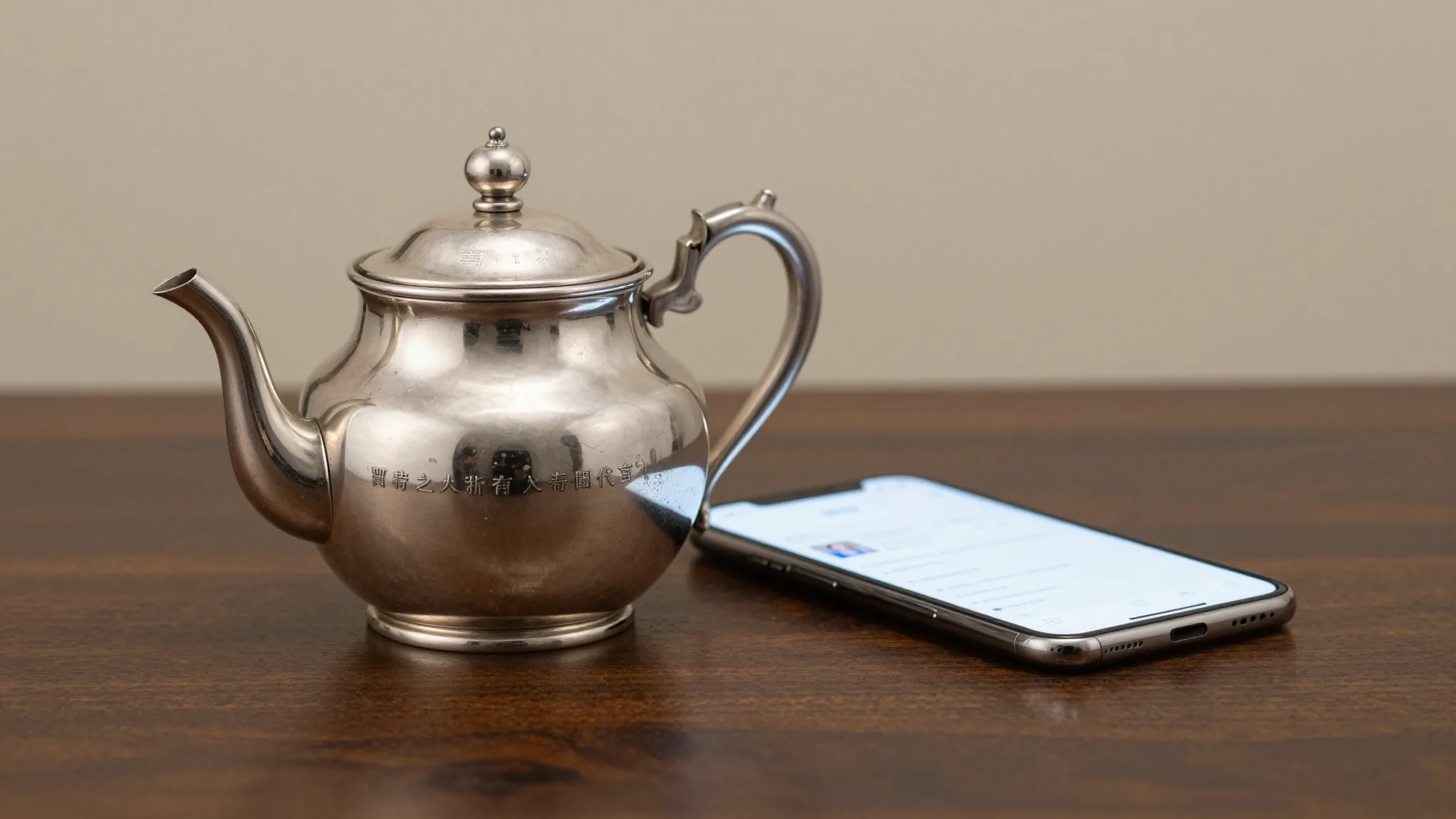
    An antique silver teapot sitting on a wooden appraisal desk next to a modern smartphone running an identification app, with a magnifying loupe resting nearby. - Antique identification guide
    An antique silver teapot sitting on a wooden appraisal desk next to a modern smartphone running an identification app, with a magnifying loupe resting nearby.

    The principles that expose a bad silver app transfer directly to pottery research, and Antique Pottery Marks: A Beginner’s Guide to European Hallmarks gives a solid overview of how legitimate European hallmark databases are structured.

    After forty years of handling silver, I can tell you that a hallmark is only as useful as your ability to read it correctly. Apps have genuinely improved to the point where I keep one open at estate sales for quick reference, but I still carry a loupe and a copy of Jackson’s in my bag. The mark tells you the city, the year, the maker, and the purity standard, all at once, if you know what you are looking at. Technology helps you get there faster, but the discipline of learning the marks yourself is what keeps you from getting burned.

    Frequently Asked Questions

    What is the most accurate app for identifying antique silver hallmarks?

    Hallmarks by Digital Ant is currently the most accurate option for British silver, correctly reading the full five-mark sequence, including the assay office, date letter, and lion passant, roughly 85 percent of the time under good lighting. For American coin silver and continental European marks, Kovels Antiques Reference edges ahead because its database covers more than 20, 000 maker entries. Neither app matches a trained appraiser on worn or rubbed marks, but for clear strikes on Georgian and Victorian pieces, both are genuinely useful starting points.

    Can you identify sterling silver with a free app?

    Yes, several free apps attempt hallmark reading, but the honest answer is that free tiers are limited. Google Lens can sometimes match a clear hallmark image to reference photos online, which works surprisingly well for common British assay marks. Dedicated free apps like Silver Hallmarks Identifier offer basic databases but cap searches or show heavy advertising. If you are buying or selling regularly, paying for a premium subscription on a dedicated app is worth the cost, usually under twenty dollars a year.

    How do I photograph silver marks for an identification app?

    Raking light is the single biggest factor. Hold a small flashlight or phone torch at a low angle, almost parallel to the surface, so the stamped mark casts a shadow into itself. That contrast is what the app’s image recognition needs. Clean the area gently with a soft cloth first. Shoot macro if your phone supports it, filling the frame with just the hallmark zone. Avoid flash directly overhead, which washes out the relief entirely. A steady hand or a folded cloth as a rest helps avoid blur on small cartouches.

    Are silver identification apps reliable enough for buying antiques?

    Reliable enough to narrow the field, not reliable enough to finalize a purchase. Use an app to quickly eliminate obvious mismatches, like a piece stamped 800 being sold as sterling, or a date letter that contradicts the claimed period. But worn marks, re-strikes, and import over-stamps regularly fool app algorithms. For any piece above a few hundred dollars, cross-check the app result against Jackson’s or Wyler’s printed hallmark guides, then get a professional opinion before committing money. Apps are a first filter, not a final verdict.

    What silver hallmarks are hardest for apps to identify?

    American coin silver from the early 1800s trips up nearly every app because American silversmiths were not required to use standardized assay marks. The stamps are maker-specific, inconsistent, and often worn. Scottish provincial marks from towns like Elgin or Banff are also poorly covered in most databases. Russian silver marks, particularly pre-1896 pieces with regional kokoshnik variants, and Austro-Hungarian marks with their complex guarantee system also challenge current AI recognition. For these categories, a specialist reference book or a dedicated silver appraiser is genuinely necessary.

    What should I do if an app cannot identify my silver mark?

    Start with a printed reference. Jackson’s Silver and Gold Hallmarks of England, Scotland and Ireland covers British marks comprehensively, and Tardy’s International Hallmarks on Silver is the standard for continental European pieces. Post a clear raking-light photo to communities like the Antique Silver Collectors group on Facebook or the r/whatsthisworth subreddit, where experienced collectors often identify obscure marks quickly. If the piece has real potential value, contact a member of the American Society of Jewelry Appraisers or a specialist silver auction house for a formal opinion.

    Identify any antique in seconds.

    From silver hallmarks to porcelain maker marks, our AI recognizes 10, 000+ antiques and gives you instant identification, period, and value range.

    Download Free on iPhone See How It Works
    AS

    About Arthur Sterling

    Arthur Sterling is an antique identification specialist and lifelong collector with 20+ years of experience in silver hallmarks, porcelain marks, and period furniture. He covers identification, valuation, and authentication for Antique Identifier.

  • Chinese Jade Carvings: Archaic Shapes and What They Symbolize

    Chinese Jade Carvings: Archaic Shapes and What They Symbolize

    Chinese archaic jade carvings use a core set of ritual shapes, each tied to specific cosmological meanings: the bi disc represents heaven, the cong tube represents earth, and the huang arc represents rank and mourning. Genuine archaic pieces, typically carved from nephrite rather than jadeite, date from the Neolithic through the Han dynasty (roughly 3500 BCE to 220 CE). Surface texture, tool marks, and mineral alteration patterns are the three fastest authenticity indicators.

    AS
    Arthur Sterling
    Antique Identifier Editorial · April 21, 2026

    How Can I Tell If My Archaic Jade is Real Nephrite?

    The earliest Chinese jades, dating from the Neolithic periods (like Hongshan and Liangzhu cultures) through the Han Dynasty (206 BCE, 220 CE), were carved exclusively from nephrite, not the jadeite popular today. Nephrite has a distinctive greasy or waxy luster, unlike the glassy shine of jadeite.

    Proper authentication requires examining the surface closely. Ancient artisans used a slow, meticulous abrasion process with quartz sand. This left irregular, soft-edged grooves.

    Identifying these marks manually can take hours. Using the Antique Identifier app, you can simply take a photo and get an instant result.

    Modern forgery detection relies heavily on spotting the high-speed rotary tool marks found on fakes. These modern marks are sharp, parallel, and perfectly uniform. If you see aggressive, sharp cuts, you are likely looking at a modern piece holding zero fair market value as an antiquity.

    The same logic that applies to jade surface aging shows up in ceramic authentication too, and the guide on Decoding Meissen Porcelain Marks: Real vs. Fake Crossed Swords walks through how to spot deliberate faking in another high-value category.

    What Do the Different Archaic Jade Shapes Mean?

    In ancient Chinese culture, jade was considered the bridge between the earthly and the divine. The shapes were deeply symbolic and often used in ritual contexts.

    • The Bi Disc: A flat disc with a central hole. It symbolizes the heavens.
    • The Cong: A square tube with a circular inner bore, representing the earth.
    • The Huang: A crescent-shaped pendant, often part of elaborate burial pectorals.
    • The Dragon (Long): Often depicted in a C-shape in early cultures, symbolizing power and rain.
    A side-by-side comparison of a Neolithic jade cong tube next to a modern reproduction, highlighting the difference between ancient slow-abrasion carving and modern rotary tool marks - Antique identification guide
    A side-by-side comparison of a Neolithic jade cong tube next to a modern reproduction, highlighting the difference between ancient slow-abrasion carving and modern rotary tool marks

    When an antique dealer examines a collection, establishing attribution to a specific period relies heavily on these shapes and their stylistic evolution. A solid provenance document mapping the item’s history is equally critical for establishing a high auction estimate.

    Where Are the Secret Markings Located on Antique Jade?

    Unlike European silver or porcelain, archaic Chinese jades do not have maker’s marks or date stamps. Instead, the “markings” are the physical alterations caused by centuries of burial.

    Look for calcification (whitening of the stone) and distinctive color changes caused by minerals in the soil. However, be extremely wary. Fakers often boil new jade in acid and bury it with iron filings to mimic these effects.

    • Pro Tip: Real calcification penetrates the stone naturally. Fake calcification often sits only on the surface and feels chalky.
    • Pro Tip: Examine the polish. Ancient jade has a soft, varied polish due to hand-rubbing. Fakes often have an overly uniform, high-gloss finish.
    • Pro Tip: Feel the temperature. Real jade stays cool to the touch longer than glass or plastic imitations.

    This technique is similar to what we cover in our guide on assessing surface patina and wear on other ancient materials.

    Detailed macro shot of a jade surface showing the difference between authentic, deeply penetrated calcification and superficial, chalky fake calcification - Antique identification guide
    Detailed macro shot of a jade surface showing the difference between authentic, deeply penetrated calcification and superficial, chalky fake calcification

    If you collect across East Asian decorative arts more broadly, the guide on How to Identify 19th Century Japanese Vases (Satsuma vs. Imari) covers comparable period marking strategies used on Japanese export wares.

    Not sure what you’ve got?

    Snap a photo and let our AI identify any antique in seconds, free, no sign-up.

    Identify on iPhone → Learn More

    What is the Market Value of Archaic Jade in 2026?

    The market for authentic archaic jade remains fiercely competitive. Top-tier pieces with impeccable provenance frequently set records at major auction houses. However, the market is flooded with fakes, making formal antique appraisal absolutely necessary.

    A standard condition report will note any chips, natural fissures, or past restoration efforts. While minor ancient wear is acceptable, modern recarving to “improve” a plain piece destroys its historical integrity and plummets its replacement value. Professional conservation should only stabilize, never alter.

    A professional appraiser examining a jade huang pendant under a jeweler's loupe, with a detailed condition report visible on the desk - Antique identification guide
    A professional appraiser examining a jade huang pendant under a jeweler’s loupe, with a detailed condition report visible on the desk

    For perspective on how auction market dynamics work across other antique ceramics categories, the breakdown in Limoges China Identification: Decoding the French Porcelain Backstamps offers a useful comparison on provenance and pricing factors.

    Expand your expertise with these related guides: Antique Metal Tool Value: How to Identify Old Planes and Saws Like a Pro, What Does 925 Mean on Silver? Everything You Need to Know, Identifying Antique Perfume Bottles: From Commercial to Art Glass

    After thirty years of handling archaic jade, the things I keep coming back to are alteration patterns and tool evidence. Genuine Neolithic pieces carry the marks of rotary sand-and-water drilling, thin string cutting, and abrasive finishing, none of which produce the clean edges you see on modern reproductions. The symbolism is fascinating and worth knowing cold, but it will not protect you from a well-made fake. Surface aging that follows the stone’s own internal structure, combined with credible pre-1970 provenance, is the combination that actually moves the needle at the point of purchase.

    Frequently Asked Questions

    How do I know if archaic jade is nephrite or jadeite?

    Nephrite is the correct material for genuine archaic Chinese jade, as jadeite was not used in China until the 18th century. Nephrite feels slightly waxy and shows a fibrous internal structure under magnification. It is typically softer-looking than jadeite and comes in muted tones: mutton-fat white, celadon green, and russet brown. Jadeite shows a glassier surface and brighter greens. If your piece is vivid emerald green and marketed as archaic, that is a serious red flag worth investigating before purchase.

    What does a Chinese jade bi disc symbolize?

    The bi disc represents heaven in ancient Chinese cosmological thought. It is a flat, circular disk with a centered hole, and its proportions were standardized during the Liangzhu culture (roughly 3300 to 2300 BCE). Bi discs were placed on the bodies of aristocratic burials to assist the soul’s journey upward. Later Zhou and Han examples sometimes carry surface decoration including grain patterns, dragon motifs, or cloud scrolls. The symbolism remained consistent across thousands of years of production, which makes context and surface aging critical to dating individual examples.

    How can I tell if archaic jade has been artificially aged?

    Genuine burial jade develops calcification called ‘chicken bone white’ through long soil contact, and the alteration penetrates unevenly into the stone’s natural fissures. Fakers replicate this by acid treatment or burning, but the artificial version sits on the surface rather than following the stone’s internal structure. Under a loupe, real alteration follows crystal grain boundaries. Artificially aged pieces often show uniform surface frosting or a chalky layer that wipes or flakes. Smell is also useful: genuine burial pieces sometimes retain a faint mineral or soil odor that fakes do not.

    What jade shapes indicate high rank in ancient China?

    The gui tablet and the zhang blade were the primary rank-indicating jade forms in ancient China. The gui is a flat, pointed tablet presented during court audiences, with the length and quality of stone indicating the holder’s position in the hierarchy. The zhang is a single-edged blade shape associated with military and ritual authority. The huang arc, worn as a pendant, indicated mourning and was also given as a diplomatic gift between rulers. All three appear frequently in elite burials from the Shang through Han periods and command the highest prices at auction today.

    Are there marks or inscriptions on genuine archaic Chinese jade?

    Most Neolithic and early Bronze Age archaic jade pieces carry no inscriptions at all, which is actually an authenticity indicator. Inscribed jade becomes more common from the Zhou dynasty onward, and Han pieces sometimes bear short dedicatory or ownership texts cut with iron tools. The cuts on genuine Han inscriptions show slight irregularity and tool drag consistent with hand-cutting. Later forgeries tend to have overly clean, uniform strokes. Reign marks on jade are a post-Song convention, so any piece claiming to be archaic and displaying a reign mark should be treated with considerable skepticism.

    What is archaic Chinese jade worth at auction in 2026?

    Authenticated Neolithic or Bronze Age jade pieces with documented provenance routinely sell between $20, 000 and several million dollars depending on form, size, and condition. A well-preserved Liangzhu cong tube with clear provenance can exceed $500, 000 at a major house. Han dynasty bi discs in good condition typically open at $15, 000 to $80, 000. The single largest value driver is provenance documentation, particularly pre-1970 collection records that predate UNESCO cultural property restrictions. Pieces without traceable history sell at steep discounts regardless of apparent quality.

    Identify any antique in seconds.

    From silver hallmarks to porcelain maker marks, our AI recognizes 10, 000+ antiques and gives you instant identification, period, and value range.

    Download Free on iPhone See How It Works
    AS

    About Arthur Sterling

    Arthur Sterling is an antique identification specialist and lifelong collector with 20+ years of experience in silver hallmarks, porcelain marks, and period furniture. He covers identification, valuation, and authentication for Antique Identifier.

  • How to Read Japanese Signatures and Seals on Antiques

    How to Read Japanese Signatures and Seals on Antiques

    Authentic Japanese antique signatures and seals (hanko) can be read from top to bottom, right to left. Genuine Edo period (1603-1867) ceramics and Meiji era (1868-1912) bronzes feature hand-carved, deeply impressed, or finely painted marks, often indicating the maker’s family name or specific kiln, avoiding perfectly uniform machine-stamped characters.

    Imagine you are at a dusty estate sale in Ohio, and you spot a stunning piece of Imari porcelain. You turn it over, hoping to verify its provenance, only to be confronted by a complex grid of red characters. Is it a priceless 18th-century masterpiece or a modern tourist souvenir?

    A close-up macro shot of the base of an antique Japanese vase, showing a hand-painted underglaze blue signature next to a stamped red seal, illustrating the difference in texture and application. - Antique identification guide
    A close-up macro shot of the base of an antique Japanese vase, showing a hand-painted underglaze blue signature next to a stamped red seal, illustrating the difference in texture and application.

    How can I identify genuine Japanese maker marks from fakes?

    When establishing an accurate attribution for Asian art, examining the signature (mei) is critical. During the Meiji period, master artisans like Namikawa Yasuyuki signed their cloisonné with incredibly precise wirework. Modern reproductions often use decals or sloppy, overly thick enamel marks.

    Identifying these marks manually can take hours. Using the Antique Identifier app, you can simply take a photo and get an instant result.

    Mastering forgery detection requires feeling the mark. A genuine hand-carved signature on a wooden netsuke will have sharp, intentional tool marks. Cast fakes look soft, rounded, and lack the crisp edges of a master carver’s knife.

    What is the difference between a signature and a seal on Japanese antiques?

    Signatures are typically brushed by hand using sumi ink or incised directly into metal and wood. Seals, known as hanko, are stamped using thick red cinnabar paste. Finding both a signature and a seal on a scroll or woodblock print significantly boosts the piece’s fair market value and solidifies its authentication.

    A split-screen comparison showing a legitimate, deeply carved artist's signature on a bronze okimono on the left, and a shallow, cast imitation mark on a modern reproduction on the right. - Antique identification guide
    A split-screen comparison showing a legitimate, deeply carved artist’s signature on a bronze okimono on the left, and a shallow, cast imitation mark on a modern reproduction on the right.

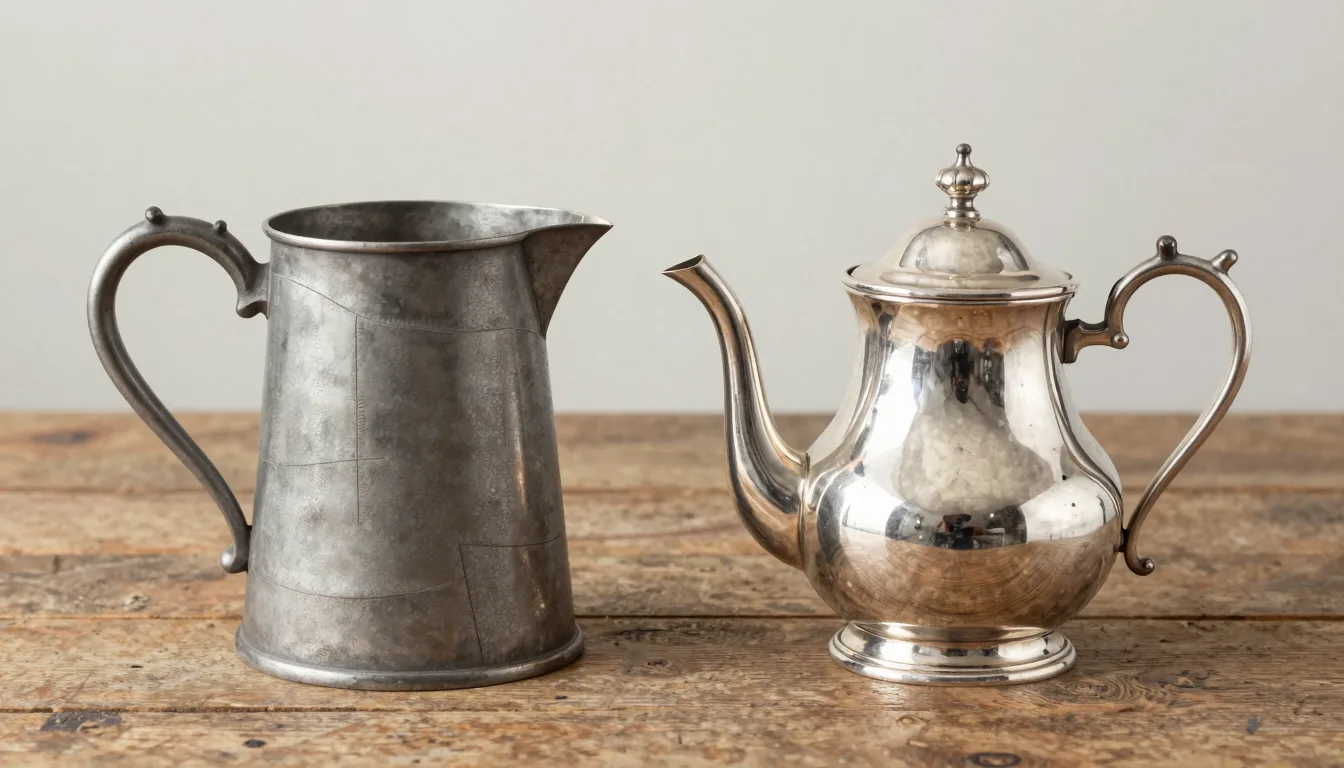
    This careful examination process is similar to what we cover in our guide on Identifying Pewter vs. Silver: 3 Simple Ways to Tell the Difference, where tiny surface details dictate final value.

    In the competitive collector market, a recognized seal can turn a beautiful object into a documented historical artifact. Experienced collectors always prioritize items with clear, undisturbed seals.

    Where are the secret markings located on Japanese ceramics and bronzes?

    Most antique dealers will immediately check the underside of a base. However, on fine bronzes, you might find hidden signatures tucked under the robes of a figure or along the very bottom edge. Always check these hidden spots before requesting a formal appraisal.

    A clear photograph highlighting the underside of a Satsuma pottery piece, focusing on a worn gold maker's mark sitting on top of the crackled cream-colored glaze. - Antique identification guide
    A clear photograph highlighting the underside of a Satsuma pottery piece, focusing on a worn gold maker’s mark sitting on top of the crackled cream-colored glaze.

    To master Japanese antique identification, keep these rules in mind:

    • Look for wear: A genuine red seal from 1890 will show natural fading and wear, unlike bright, fresh modern ink.

    • Check the glaze: On Satsuma ware, authentic gold signatures are painted over the glaze and should show minor rubbing.

    • Beware of “Made in Japan”: This English text was required by the McKinley Tariff Act starting in 1891. If a piece has this, it is not an early Edo antique.

    How does the condition of the seal impact the auction estimate?

    A heavily rubbed or illegible signature drastically lowers the auction estimate and requires a detailed condition report. An auction house cannot guarantee the maker without a clear mark, forcing them to sell it as “attributed to” rather than a confirmed original.

    If the signature area shows signs of harsh restoration, tread carefully. Proper conservation stabilizes a piece, but grinding away or altering a signature is a major red flag.

    An appraiser's hand holding an antique magnifying glass over a faded red hanko seal on a Japanese scroll painting, assessing the authenticity of the cinnabar ink. - Antique identification guide
    An appraiser’s hand holding an antique magnifying glass over a faded red hanko seal on a Japanese scroll painting, assessing the authenticity of the cinnabar ink.

    Determining the true replacement value requires an intact, readable mark. Never attempt to clean a dirty signature on a bronze or ceramic piece yourself, as you might accidentally remove the original patina or pigment.

    Related Antique Identification Guides

    Expand your expertise with these related guides: Identifying Pewter vs. Silver: 3 Simple Ways to Tell the Difference, Is It Victorian or Edwardian? Key Differences for Quick Identification, Why Everyone Is Searching for Silver in 2026: The Google Trends Breakdown

    Arthur Sterling is a certified antique appraiser with over 20 years of experience evaluating fine art, ceramics, and historical artifacts for estate sales and premier auction houses across the United States.

    Don’t guess at your next estate sale.

    📱 Download Antique Identifier: Appraise

    Find hidden treasures instantly with AI-powered identification

  • Why Everyone Is Searching for Silver in 2026: The Google Trends Breakdown

    Why Everyone Is Searching for Silver in 2026: The Google Trends Breakdown

    The massive 2026 surge in silver searches is driven by investors turning to tangible assets, a renewed collector market focus on sterling silver, and the rising scrap value of precious metals. Authentic pieces from makers like Tiffany & Co. or Paul Revere are seeing unprecedented demand, making accurate silver identification crucial.

    Imagine you are at a dusty estate sale in Pennsylvania, scanning tables of tarnished metal. Most buyers walk right past what looks like a dull, blackened tray. But as an expert, you recognize the distinct assay marks of an 18th-century silversmith beneath the grime. That single find could fund your entire year of antiquing.

    The reality is that the antique dealer community is witnessing a massive shift. People aren’t just looking for pretty table settings anymore. They are hunting for wealth preservation. But how do you separate the treasure from the trash?

    A side-by-side comparison of heavily tarnished authentic sterling silver next to peeling, flaking silver plate, highlighting the difference in how they age - Antique identification guide
    A side-by-side comparison of heavily tarnished authentic sterling silver next to peeling, flaking silver plate, highlighting the difference in how they age

    How Can I Tell if My Antique Silver is Real?

    The fastest way to authenticate silver is by finding the hallmarks. These tiny stamps tell you the maker, the purity, the city of origin, and the year. Authentic sterling silver (92.5% pure) will almost always be stamped with “Sterling,” “925,” or a specific animal symbol, like the British walking lion.

    Identifying these marks manually can take hours. Using the Antique Identifier app, you can simply take a photo and get an instant result.

    When you find a piece of coin silver—which is 90% pure and was common in early America before 1860—you might only see the silversmith’s name or initials. Proper authentication requires checking these against known registries.

    Pro Tips for Spotting Real Silver:

    • Check the smell: True silver is odorless. If a piece smells metallic or like sulfur, it is likely copper or brass underneath.
    • Look for wear: On silver plate, the thin layer of silver wears off on the high points, exposing the base metal (often copper-colored).
    • Examine the temperature: Silver is highly conductive. If you place an ice cube on it, the metal should turn ice-cold instantly. This technique is similar to what we cover in our guide on Sterling Silver vs. Silver Plate: The “Ice Cube” Test and More.
    A close-up macro shot of a British walking lion hallmark and a date letter 'C' stamped deeply into the base of a silver teapot - Antique identification guide
    A close-up macro shot of a British walking lion hallmark and a date letter ‘C’ stamped deeply into the base of a silver teapot

    What is the Market Value of Antique Silver in 2026?

    Determining the fair market value of silver requires looking past the daily spot price. While scrap value sets a baseline, the true worth of a piece relies heavily on its provenance and maker attribution. A plain silver spoon might be worth $30 in melt value, but a documented spoon by Hester Bateman can command an auction estimate in the thousands.

    You must also consider the item’s condition. A formal condition report from a certified appraiser will note any deep scratches, dents, or signs of amateur restoration. Expert conservation preserves value, while harsh chemical polishing can strip away the original patina and destroy the collector market appeal.

    A professional appraiser using a loupe to examine the ornate handle of an antique silver pitcher, with an appraisal document visible on the table - Antique identification guide
    A professional appraiser using a loupe to examine the ornate handle of an antique silver pitcher, with an appraisal document visible on the table

    Where Are the Secret Markings Located on Antique Silver?

    Finding the marks is half the battle in forgery detection. On flatware, marks are typically located on the back of the handle near the bowl or tines. On hollowware like teapots or pitchers, you should always check the underside of the base.

    Occasionally, you will find marks near the rim or on the handle itself. If a piece has a lid, check the inside rim of the lid, as high-quality makers often stamped both the body and the lid to prove they belonged together.

    Always watch out for “electroplate” marks. Stamps like “EPNS” (Electroplated Nickel Silver) or “A1” mean the item is silver plate, heavily impacting its replacement value.

    Arrows pointing to the hidden hallmark locations on the underside of a footed silver serving tray and the interior rim of its matching lid - Antique identification guide
    Arrows pointing to the hidden hallmark locations on the underside of a footed silver serving tray and the interior rim of its matching lid

    Related Antique Identification Guides

    Expand your expertise with these related guides: Antique Teapot Identification: Finding English Silver and Ceramic Marks, Sterling Silver vs. Silver Plate: The “Ice Cube” Test and More, Decoding British Silver Hallmarks: How to Read the Lion and Anchor

    Whether you are buying at an auction house or browsing a local thrift shop, knowledge is your best asset. As an appraisal professional, I always tell new collectors to trust the marks, verify the condition, and never let a layer of tarnish scare you away from a historical treasure. Keep hunting, and keep authenticating.

    Don’t guess at your next estate sale.

    📱 Download Antique Identifier: Appraise

    Find hidden treasures instantly with AI-powered identification

Download Antique Identifier App
Scan to Download
Identify antiques instantly with AI
★★★★★ FREE
🔍 IDENTIFY NOW 🔍 IDENTIFY NOW